SCADA System Redundancy: How to Implement Effectively
MAR 13, 20269 MIN READ
Generate Your Research Report Instantly with AI Agent
Patsnap Eureka helps you evaluate technical feasibility & market potential.
SCADA Redundancy Background and Objectives
SCADA (Supervisory Control and Data Acquisition) systems have evolved from simple monitoring tools in the 1960s to sophisticated industrial control platforms that form the backbone of critical infrastructure operations. Initially developed for power grid management, SCADA technology has expanded across water treatment facilities, oil and gas pipelines, manufacturing plants, and transportation networks. The evolution has been marked by transitions from proprietary hardware-based systems to software-centric architectures, integration of TCP/IP networking protocols, and adoption of open standards like OPC and IEC 61850.
The increasing digitization and interconnectivity of industrial systems have fundamentally transformed SCADA architectures. Modern systems integrate cloud computing, edge analytics, and IoT devices, creating more complex but capable control environments. However, this evolution has simultaneously introduced new vulnerabilities and single points of failure that traditional redundancy approaches struggle to address effectively.
Contemporary SCADA systems face unprecedented reliability challenges due to their critical role in maintaining essential services. System failures can result in power outages affecting millions, water supply disruptions, production losses exceeding millions of dollars per hour, and potential safety hazards. The 2021 Colonial Pipeline cyberattack and various power grid failures have highlighted the catastrophic consequences of SCADA system vulnerabilities, emphasizing the urgent need for robust redundancy implementations.
The primary objective of effective SCADA redundancy is to achieve near-zero downtime through seamless failover mechanisms that maintain continuous monitoring and control capabilities. This involves implementing multi-layered redundancy strategies encompassing hardware duplication, software fault tolerance, network path diversity, and data synchronization protocols. The goal extends beyond simple backup systems to create self-healing architectures capable of automatic recovery without human intervention.
Secondary objectives include maintaining data integrity during transitions, ensuring consistent operator interfaces across redundant systems, and preserving historical data continuity. Modern redundancy implementations must also address cybersecurity concerns by creating isolated backup systems that remain operational even during security incidents. The ultimate aim is developing cost-effective redundancy solutions that balance reliability requirements with operational complexity and maintenance overhead.
The increasing digitization and interconnectivity of industrial systems have fundamentally transformed SCADA architectures. Modern systems integrate cloud computing, edge analytics, and IoT devices, creating more complex but capable control environments. However, this evolution has simultaneously introduced new vulnerabilities and single points of failure that traditional redundancy approaches struggle to address effectively.
Contemporary SCADA systems face unprecedented reliability challenges due to their critical role in maintaining essential services. System failures can result in power outages affecting millions, water supply disruptions, production losses exceeding millions of dollars per hour, and potential safety hazards. The 2021 Colonial Pipeline cyberattack and various power grid failures have highlighted the catastrophic consequences of SCADA system vulnerabilities, emphasizing the urgent need for robust redundancy implementations.
The primary objective of effective SCADA redundancy is to achieve near-zero downtime through seamless failover mechanisms that maintain continuous monitoring and control capabilities. This involves implementing multi-layered redundancy strategies encompassing hardware duplication, software fault tolerance, network path diversity, and data synchronization protocols. The goal extends beyond simple backup systems to create self-healing architectures capable of automatic recovery without human intervention.
Secondary objectives include maintaining data integrity during transitions, ensuring consistent operator interfaces across redundant systems, and preserving historical data continuity. Modern redundancy implementations must also address cybersecurity concerns by creating isolated backup systems that remain operational even during security incidents. The ultimate aim is developing cost-effective redundancy solutions that balance reliability requirements with operational complexity and maintenance overhead.
Industrial Market Demand for Reliable SCADA Systems
The industrial sector's demand for reliable SCADA systems has intensified significantly as manufacturing processes become increasingly automated and interconnected. Critical infrastructure sectors including power generation, water treatment, oil and gas, and chemical processing require continuous operational visibility and control capabilities. Any system downtime or failure can result in substantial financial losses, safety hazards, and regulatory compliance issues, driving the urgent need for robust redundancy solutions.
Manufacturing industries are experiencing unprecedented pressure to maintain operational continuity while managing complex distributed systems. The rise of Industry 4.0 initiatives has expanded SCADA system scope and complexity, making traditional single-point-of-failure architectures inadequate for modern industrial requirements. Organizations are actively seeking redundant SCADA implementations that can seamlessly maintain operations during hardware failures, network disruptions, or maintenance activities.
The energy sector represents a particularly demanding market segment for redundant SCADA systems. Power generation facilities, transmission networks, and renewable energy installations require real-time monitoring and control capabilities with minimal tolerance for system interruptions. Regulatory frameworks in many regions mandate specific availability requirements, compelling operators to invest in comprehensive redundancy strategies that ensure continuous system operation.
Process industries including petrochemicals, pharmaceuticals, and food processing face stringent safety and quality requirements that necessitate highly reliable SCADA infrastructure. These sectors demand redundancy solutions that not only prevent operational disruptions but also maintain precise process control and data integrity throughout system transitions. The cost of process interruptions often justifies significant investments in advanced redundancy technologies.
Water and wastewater treatment facilities represent another critical market segment driving demand for reliable SCADA systems. These essential services require continuous monitoring and control capabilities to ensure public health and environmental compliance. Municipal and industrial water treatment operators increasingly prioritize redundant SCADA architectures that can maintain service delivery during equipment failures or cyber security incidents.
The growing emphasis on cybersecurity has further amplified market demand for redundant SCADA systems. Organizations recognize that robust redundancy strategies provide essential resilience against both accidental failures and malicious attacks, making system reliability a fundamental component of comprehensive industrial security frameworks.
Manufacturing industries are experiencing unprecedented pressure to maintain operational continuity while managing complex distributed systems. The rise of Industry 4.0 initiatives has expanded SCADA system scope and complexity, making traditional single-point-of-failure architectures inadequate for modern industrial requirements. Organizations are actively seeking redundant SCADA implementations that can seamlessly maintain operations during hardware failures, network disruptions, or maintenance activities.
The energy sector represents a particularly demanding market segment for redundant SCADA systems. Power generation facilities, transmission networks, and renewable energy installations require real-time monitoring and control capabilities with minimal tolerance for system interruptions. Regulatory frameworks in many regions mandate specific availability requirements, compelling operators to invest in comprehensive redundancy strategies that ensure continuous system operation.
Process industries including petrochemicals, pharmaceuticals, and food processing face stringent safety and quality requirements that necessitate highly reliable SCADA infrastructure. These sectors demand redundancy solutions that not only prevent operational disruptions but also maintain precise process control and data integrity throughout system transitions. The cost of process interruptions often justifies significant investments in advanced redundancy technologies.
Water and wastewater treatment facilities represent another critical market segment driving demand for reliable SCADA systems. These essential services require continuous monitoring and control capabilities to ensure public health and environmental compliance. Municipal and industrial water treatment operators increasingly prioritize redundant SCADA architectures that can maintain service delivery during equipment failures or cyber security incidents.
The growing emphasis on cybersecurity has further amplified market demand for redundant SCADA systems. Organizations recognize that robust redundancy strategies provide essential resilience against both accidental failures and malicious attacks, making system reliability a fundamental component of comprehensive industrial security frameworks.
Current SCADA Redundancy Challenges and Limitations
SCADA system redundancy implementation faces significant technical and operational challenges that continue to constrain industrial automation reliability. The complexity of modern industrial environments demands sophisticated redundancy architectures, yet current solutions often struggle with seamless failover mechanisms and data consistency maintenance across redundant components.
Network infrastructure limitations represent a critical bottleneck in effective SCADA redundancy deployment. Many existing industrial networks lack the bandwidth and latency characteristics required for real-time synchronization between primary and backup systems. Legacy communication protocols, while robust for basic operations, often exhibit insufficient capabilities for handling redundant data streams and coordinated failover procedures.
Hardware compatibility issues create substantial barriers to implementing comprehensive redundancy solutions. Different vendor platforms frequently demonstrate incompatible redundancy protocols, forcing organizations to maintain homogeneous hardware environments that limit flexibility and increase procurement costs. The absence of standardized redundancy interfaces across manufacturers complicates system integration and reduces overall reliability.
Data synchronization challenges persist as a fundamental limitation in current SCADA redundancy implementations. Maintaining consistent database states across multiple redundant servers while ensuring minimal performance impact requires sophisticated algorithms that many existing systems lack. Transaction logging and state replication mechanisms often introduce latency that can compromise real-time control requirements.
Failover detection and switching mechanisms remain inadequately refined in many commercial SCADA platforms. Current heartbeat monitoring systems frequently suffer from false positive triggers or delayed failure recognition, leading to unnecessary system disruptions or extended downtime periods. The lack of intelligent failure prediction capabilities limits proactive redundancy activation.
Configuration management complexity significantly hampers redundancy effectiveness. Maintaining synchronized configurations across redundant systems requires extensive manual oversight and specialized expertise. Version control inconsistencies between primary and backup systems can result in operational discrepancies that compromise system integrity during failover events.
Cost considerations continue to limit redundancy implementation scope, particularly for smaller industrial operations. The financial investment required for comprehensive redundancy infrastructure often exceeds budget constraints, forcing organizations to accept partial redundancy solutions that may not provide adequate protection for critical processes.
Network infrastructure limitations represent a critical bottleneck in effective SCADA redundancy deployment. Many existing industrial networks lack the bandwidth and latency characteristics required for real-time synchronization between primary and backup systems. Legacy communication protocols, while robust for basic operations, often exhibit insufficient capabilities for handling redundant data streams and coordinated failover procedures.
Hardware compatibility issues create substantial barriers to implementing comprehensive redundancy solutions. Different vendor platforms frequently demonstrate incompatible redundancy protocols, forcing organizations to maintain homogeneous hardware environments that limit flexibility and increase procurement costs. The absence of standardized redundancy interfaces across manufacturers complicates system integration and reduces overall reliability.
Data synchronization challenges persist as a fundamental limitation in current SCADA redundancy implementations. Maintaining consistent database states across multiple redundant servers while ensuring minimal performance impact requires sophisticated algorithms that many existing systems lack. Transaction logging and state replication mechanisms often introduce latency that can compromise real-time control requirements.
Failover detection and switching mechanisms remain inadequately refined in many commercial SCADA platforms. Current heartbeat monitoring systems frequently suffer from false positive triggers or delayed failure recognition, leading to unnecessary system disruptions or extended downtime periods. The lack of intelligent failure prediction capabilities limits proactive redundancy activation.
Configuration management complexity significantly hampers redundancy effectiveness. Maintaining synchronized configurations across redundant systems requires extensive manual oversight and specialized expertise. Version control inconsistencies between primary and backup systems can result in operational discrepancies that compromise system integrity during failover events.
Cost considerations continue to limit redundancy implementation scope, particularly for smaller industrial operations. The financial investment required for comprehensive redundancy infrastructure often exceeds budget constraints, forcing organizations to accept partial redundancy solutions that may not provide adequate protection for critical processes.
Existing SCADA Redundancy Implementation Methods
01 Dual or multiple redundant SCADA server architecture
SCADA systems can implement redundancy through dual or multiple server configurations where primary and backup servers operate simultaneously or in standby mode. When the primary server fails, the backup server automatically takes over control functions to ensure continuous system operation. This architecture includes synchronization mechanisms to maintain data consistency between redundant servers and seamless failover capabilities to minimize downtime during transitions.- Dual redundant SCADA system architecture: Implementation of dual redundant architectures in SCADA systems involves deploying two parallel systems that can operate simultaneously or in active-standby mode. This approach ensures continuous operation by automatically switching to the backup system when the primary system fails. The redundant architecture includes duplicate servers, communication networks, and control stations to maintain system availability and reliability in critical industrial control applications.
- Redundant communication network design: SCADA systems employ redundant communication networks to ensure reliable data transmission between field devices and control centers. This includes implementing multiple communication paths, redundant network switches, and diverse communication protocols. The redundant network design prevents single points of failure in data transmission and enables seamless failover when communication links are disrupted, maintaining continuous monitoring and control capabilities.
- Hot standby redundancy configuration: Hot standby redundancy involves maintaining backup systems in a ready state that can immediately take over operations without interruption. This configuration includes synchronized data replication between primary and standby systems, automatic fault detection mechanisms, and rapid switchover capabilities. The hot standby approach minimizes downtime and ensures continuous process control in critical infrastructure applications.
- Redundant data storage and synchronization: Implementation of redundant data storage systems ensures that critical process data, historical records, and configuration information are preserved across multiple storage locations. This includes real-time data synchronization mechanisms, distributed database architectures, and backup data servers. Redundant storage prevents data loss during system failures and enables quick recovery of operational information.
- Redundant power supply and hardware components: SCADA system redundancy extends to power supply systems and critical hardware components including redundant power sources, backup batteries, and duplicate processing units. This hardware-level redundancy ensures that physical component failures do not compromise system operation. The design includes automatic power switching mechanisms and redundant input/output modules to maintain continuous operation during hardware malfunctions.
02 Redundant communication network and data transmission paths
Implementing redundant communication channels and network paths in SCADA systems ensures reliable data transmission between field devices and control centers. This approach utilizes multiple independent communication links, such as dual Ethernet networks or diverse communication protocols, to prevent single points of failure. The system can automatically switch to alternative communication paths when the primary path experiences failures or degradation, maintaining continuous data flow and control capabilities.Expand Specific Solutions03 Redundant controller and processing unit configuration
SCADA systems employ redundant controllers, processors, or programmable logic controllers to ensure continuous operation of critical control functions. These redundant processing units operate in hot standby, warm standby, or active-active modes, with automatic switchover mechanisms that detect failures and transfer control without interrupting system operations. The redundant configuration includes state synchronization and health monitoring to ensure both units maintain identical operational status.Expand Specific Solutions04 Redundant power supply and energy management systems
Power supply redundancy in SCADA systems involves implementing multiple independent power sources, uninterruptible power supplies, and backup generators to ensure continuous operation during power failures. The redundant power architecture includes automatic transfer switches that seamlessly transition between power sources and power monitoring systems that detect anomalies. This configuration protects critical SCADA components from power interruptions and voltage fluctuations that could compromise system availability.Expand Specific Solutions05 Redundant data storage and database synchronization
SCADA systems implement redundant data storage solutions with real-time database synchronization to prevent data loss and ensure data availability. This includes mirrored databases, distributed storage systems, and backup mechanisms that continuously replicate critical operational data across multiple storage locations. The redundant storage architecture incorporates consistency protocols and recovery procedures to maintain data integrity during failover events and enable rapid restoration of historical data and configuration information.Expand Specific Solutions
Major SCADA Vendors and Redundancy Solutions
The SCADA system redundancy market is experiencing robust growth driven by increasing industrial digitalization and critical infrastructure protection needs. The industry is in a mature expansion phase, with market size reaching several billion dollars globally as organizations prioritize operational continuity. Technology maturity varies significantly across market players, with established leaders like Siemens AG, Hitachi Ltd., and Mitsubishi Electric Corp. offering comprehensive, battle-tested redundancy solutions leveraging decades of industrial automation expertise. Mid-tier players including AVEVA Software LLC and TMEIC Corp. provide specialized redundancy architectures, while emerging companies like SUPCON Technology and Chongqing Chuanyi Automation focus on cost-effective regional solutions. The competitive landscape shows clear segmentation between enterprise-grade providers offering advanced failover capabilities and emerging vendors targeting specific industrial verticals with tailored redundancy implementations.
Siemens AG
Technical Solution: Siemens implements SCADA redundancy through their SIMATIC WinCC system with hot-standby server configurations and distributed architecture. Their solution features automatic failover mechanisms with seamless switching between primary and backup servers within milliseconds. The system employs redundant communication paths, dual network interfaces, and mirrored databases to ensure continuous operation. Advanced load balancing distributes processing across multiple servers while maintaining synchronized data states. Their TeleControl technology provides additional redundancy for remote terminal units with backup communication channels and alternative routing protocols.
Strengths: Proven industrial-grade reliability, comprehensive redundancy at all system levels, excellent integration with existing automation systems. Weaknesses: High implementation costs, complex configuration requirements, significant hardware resource demands.
AVEVA Software LLC
Technical Solution: AVEVA provides SCADA redundancy through their System Platform with InTouch HMI featuring clustered server architecture and distributed redundancy. The solution implements automatic failover with sub-second switching times and maintains session continuity for operators. Their approach includes redundant application servers, backup databases, and failover communication gateways. The system supports both synchronous and asynchronous data replication with configurable consistency levels. Advanced visualization maintains operator interface availability during system transitions while preserving alarm states and historical data integrity.
Strengths: Excellent operator experience during failover, strong data consistency mechanisms, comprehensive visualization redundancy. Weaknesses: High licensing costs for full redundancy features, requires extensive network infrastructure, complex disaster recovery procedures.
Core Patents in SCADA Failover Technologies
Control system and method for supervisory control and data acquisition
PatentWO2014060465A1
Innovation
- A SCADA system architecture is implemented with multiple instances of SCADA server applications across different clouds, utilizing a fault-tolerant replication protocol to ensure Byzantine fault tolerance, along with an overlay network for communication with RTUs or PLCs, employing hop-by-hop packet recovery and multicasting to reduce latency and communication costs.


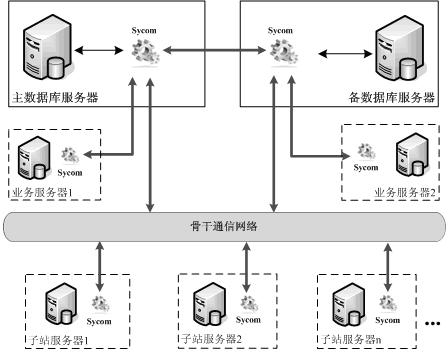
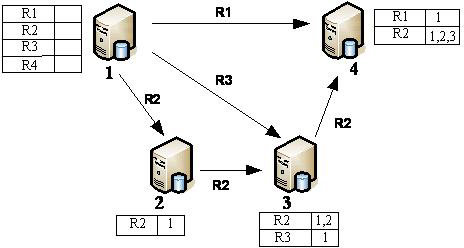
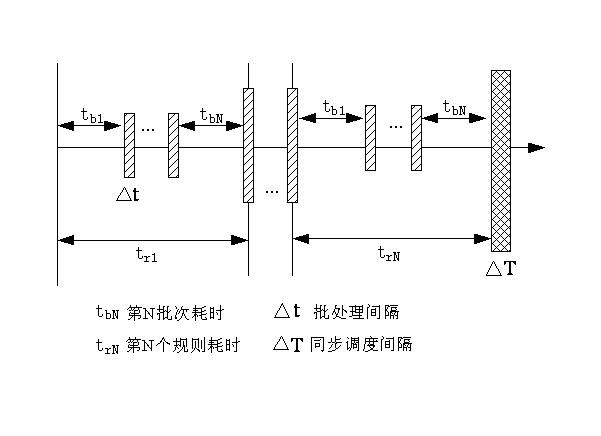
Data synchronization component of network relation database nodes of SCADA (Supervisory Control and Data Acquisition) system
PatentActiveCN102360357A
Innovation
- Designed a new synchronization component Sycom to support data synchronization across relational database platforms. It uses interface configuration to set data sources, data endpoints and filtering conditions to achieve network data interaction between multiple nodes and reduce the coupling between the system and components. , simplifying the configuration process.

Cybersecurity Standards for Redundant SCADA
Cybersecurity standards for redundant SCADA systems represent a critical framework that addresses the unique security challenges arising from distributed control architectures. The implementation of redundancy in SCADA environments introduces additional attack vectors and complexity that traditional cybersecurity approaches may not adequately address. These standards must account for the synchronization of security policies across multiple system instances while maintaining operational continuity.
The IEC 62443 series serves as the foundational cybersecurity standard for industrial automation and control systems, providing comprehensive guidelines for securing redundant SCADA implementations. This standard establishes security levels and zones that must be consistently applied across all redundant components. The framework emphasizes defense-in-depth strategies, requiring multiple layers of protection that remain effective even when individual redundant elements are compromised.
NIST Cybersecurity Framework integration becomes particularly crucial for redundant SCADA systems, as it provides risk management methodologies that can be adapted to multi-instance environments. The framework's identify, protect, detect, respond, and recover functions must be implemented with consideration for cross-system dependencies and failover scenarios. Special attention is required for maintaining security posture during automatic switchover events.
Network segmentation standards, including those outlined in NERC CIP for critical infrastructure, mandate strict isolation between redundant system networks and external connections. These standards require implementation of secure communication channels between redundant nodes while preventing lateral movement of potential threats. Encrypted tunneling protocols and certificate-based authentication become essential components of compliant redundant architectures.
Access control standards must address the complexity of managing user permissions across multiple redundant systems simultaneously. Role-based access control (RBAC) implementations require synchronization mechanisms that ensure consistent security policies without creating single points of failure. Multi-factor authentication systems must be designed to function seamlessly during failover events without compromising security integrity.
Incident response standards for redundant SCADA systems require specialized procedures that account for the distributed nature of these implementations. Security event correlation across redundant instances becomes critical for detecting sophisticated attacks that may target the redundancy mechanisms themselves. Forensic capabilities must be maintained across all system instances to support comprehensive incident investigation and recovery procedures.
The IEC 62443 series serves as the foundational cybersecurity standard for industrial automation and control systems, providing comprehensive guidelines for securing redundant SCADA implementations. This standard establishes security levels and zones that must be consistently applied across all redundant components. The framework emphasizes defense-in-depth strategies, requiring multiple layers of protection that remain effective even when individual redundant elements are compromised.
NIST Cybersecurity Framework integration becomes particularly crucial for redundant SCADA systems, as it provides risk management methodologies that can be adapted to multi-instance environments. The framework's identify, protect, detect, respond, and recover functions must be implemented with consideration for cross-system dependencies and failover scenarios. Special attention is required for maintaining security posture during automatic switchover events.
Network segmentation standards, including those outlined in NERC CIP for critical infrastructure, mandate strict isolation between redundant system networks and external connections. These standards require implementation of secure communication channels between redundant nodes while preventing lateral movement of potential threats. Encrypted tunneling protocols and certificate-based authentication become essential components of compliant redundant architectures.
Access control standards must address the complexity of managing user permissions across multiple redundant systems simultaneously. Role-based access control (RBAC) implementations require synchronization mechanisms that ensure consistent security policies without creating single points of failure. Multi-factor authentication systems must be designed to function seamlessly during failover events without compromising security integrity.
Incident response standards for redundant SCADA systems require specialized procedures that account for the distributed nature of these implementations. Security event correlation across redundant instances becomes critical for detecting sophisticated attacks that may target the redundancy mechanisms themselves. Forensic capabilities must be maintained across all system instances to support comprehensive incident investigation and recovery procedures.
Cost-Benefit Analysis of SCADA Redundancy
The economic evaluation of SCADA redundancy implementation requires a comprehensive assessment of both direct and indirect costs against the potential benefits and risk mitigation value. Initial capital expenditures typically include redundant hardware components, backup communication systems, and additional software licensing, which can range from 40% to 80% of the primary system cost depending on the redundancy architecture selected.
Operational expenses encompass ongoing maintenance contracts, increased energy consumption, additional personnel training, and periodic testing procedures. These recurring costs generally account for 15-25% of the initial investment annually. However, organizations must also factor in the complexity costs associated with system integration, configuration management, and the potential for increased troubleshooting requirements in dual-system environments.
The benefit analysis centers on quantifying downtime prevention value, which varies significantly across industries. Critical infrastructure sectors such as power generation, water treatment, and oil refining typically experience downtime costs ranging from $50,000 to $500,000 per hour, making redundancy investments highly justifiable. Manufacturing facilities generally see lower but still substantial impacts, with average hourly losses between $10,000 and $100,000 depending on production scale and automation dependency.
Risk mitigation benefits extend beyond immediate operational continuity to include regulatory compliance advantages, insurance premium reductions, and enhanced corporate reputation protection. Many industries face substantial regulatory penalties for service interruptions, with fines potentially reaching millions of dollars for extended outages in critical sectors.
The return on investment calculation typically demonstrates positive outcomes when the probability-weighted cost of potential downtime exceeds the redundancy implementation and maintenance costs over a 5-7 year period. Most organizations achieve break-even points within 2-4 years, particularly in high-availability environments where single points of failure pose significant operational and financial risks.
Operational expenses encompass ongoing maintenance contracts, increased energy consumption, additional personnel training, and periodic testing procedures. These recurring costs generally account for 15-25% of the initial investment annually. However, organizations must also factor in the complexity costs associated with system integration, configuration management, and the potential for increased troubleshooting requirements in dual-system environments.
The benefit analysis centers on quantifying downtime prevention value, which varies significantly across industries. Critical infrastructure sectors such as power generation, water treatment, and oil refining typically experience downtime costs ranging from $50,000 to $500,000 per hour, making redundancy investments highly justifiable. Manufacturing facilities generally see lower but still substantial impacts, with average hourly losses between $10,000 and $100,000 depending on production scale and automation dependency.
Risk mitigation benefits extend beyond immediate operational continuity to include regulatory compliance advantages, insurance premium reductions, and enhanced corporate reputation protection. Many industries face substantial regulatory penalties for service interruptions, with fines potentially reaching millions of dollars for extended outages in critical sectors.
The return on investment calculation typically demonstrates positive outcomes when the probability-weighted cost of potential downtime exceeds the redundancy implementation and maintenance costs over a 5-7 year period. Most organizations achieve break-even points within 2-4 years, particularly in high-availability environments where single points of failure pose significant operational and financial risks.
Unlock deeper insights with Patsnap Eureka Quick Research — get a full tech report to explore trends and direct your research. Try now!
Generate Your Research Report Instantly with AI Agent
Supercharge your innovation with Patsnap Eureka AI Agent Platform!