How to Improve Quality Control with Digital Tech
FEB 24, 20269 MIN READ
Generate Your Research Report Instantly with AI Agent
PatSnap Eureka helps you evaluate technical feasibility & market potential.
Digital QC Technology Background and Objectives
Quality control has undergone a fundamental transformation from traditional manual inspection methods to sophisticated digital-driven approaches. Historically, quality assurance relied heavily on human inspectors, statistical sampling, and paper-based documentation systems that were prone to errors, inconsistencies, and delays. The evolution began with the introduction of basic automation in the 1980s, progressed through computer-aided inspection systems in the 1990s, and has now reached an era of intelligent, interconnected digital quality management ecosystems.
The digital revolution in quality control encompasses multiple technological domains including artificial intelligence, machine learning, Internet of Things sensors, computer vision, blockchain technology, and advanced analytics platforms. These technologies have converged to create comprehensive quality management systems that can monitor, analyze, and optimize production processes in real-time while maintaining detailed audit trails and predictive capabilities.
Modern manufacturing environments face increasingly complex quality challenges driven by shorter product lifecycles, customization demands, regulatory compliance requirements, and zero-defect expectations from consumers. Traditional quality control methods struggle to keep pace with high-speed production lines, detect subtle defects that human eyes might miss, and provide the granular data needed for continuous improvement initiatives.
The primary objective of implementing digital quality control technologies is to achieve near-perfect product quality while reducing inspection costs and cycle times. Organizations seek to establish predictive quality systems that can identify potential defects before they occur, rather than detecting them after production. This proactive approach aims to minimize waste, reduce rework costs, and enhance customer satisfaction through consistent product excellence.
Digital quality control initiatives also target improved traceability and compliance management, enabling manufacturers to track every component and process parameter throughout the production lifecycle. This comprehensive visibility supports rapid root cause analysis when quality issues arise and facilitates regulatory reporting requirements across various industries.
Furthermore, the integration of digital technologies aims to democratize quality expertise by embedding advanced analytical capabilities into user-friendly interfaces, allowing operators at all skill levels to make informed quality decisions based on data-driven insights rather than subjective judgment.
The digital revolution in quality control encompasses multiple technological domains including artificial intelligence, machine learning, Internet of Things sensors, computer vision, blockchain technology, and advanced analytics platforms. These technologies have converged to create comprehensive quality management systems that can monitor, analyze, and optimize production processes in real-time while maintaining detailed audit trails and predictive capabilities.
Modern manufacturing environments face increasingly complex quality challenges driven by shorter product lifecycles, customization demands, regulatory compliance requirements, and zero-defect expectations from consumers. Traditional quality control methods struggle to keep pace with high-speed production lines, detect subtle defects that human eyes might miss, and provide the granular data needed for continuous improvement initiatives.
The primary objective of implementing digital quality control technologies is to achieve near-perfect product quality while reducing inspection costs and cycle times. Organizations seek to establish predictive quality systems that can identify potential defects before they occur, rather than detecting them after production. This proactive approach aims to minimize waste, reduce rework costs, and enhance customer satisfaction through consistent product excellence.
Digital quality control initiatives also target improved traceability and compliance management, enabling manufacturers to track every component and process parameter throughout the production lifecycle. This comprehensive visibility supports rapid root cause analysis when quality issues arise and facilitates regulatory reporting requirements across various industries.
Furthermore, the integration of digital technologies aims to democratize quality expertise by embedding advanced analytical capabilities into user-friendly interfaces, allowing operators at all skill levels to make informed quality decisions based on data-driven insights rather than subjective judgment.
Market Demand for Digital Quality Control Solutions
The global manufacturing landscape is experiencing unprecedented pressure to enhance product quality while reducing costs and time-to-market. Traditional quality control methods, heavily reliant on manual inspection and sampling techniques, are proving inadequate for modern production demands. Industries ranging from automotive and aerospace to pharmaceuticals and electronics are seeking comprehensive digital transformation solutions to address quality challenges at scale.
Manufacturing companies face mounting regulatory compliance requirements, particularly in highly regulated sectors such as medical devices and food production. These stringent standards necessitate robust, traceable, and automated quality assurance processes that can provide real-time documentation and audit trails. The complexity of modern supply chains further amplifies the need for integrated quality control systems that can monitor and verify quality parameters across multiple production stages and geographical locations.
The rise of Industry 4.0 has created significant opportunities for digital quality control solutions. Smart factories equipped with IoT sensors, machine learning algorithms, and advanced analytics platforms can detect quality deviations in real-time, enabling immediate corrective actions. This shift toward predictive quality management represents a fundamental change from reactive to proactive quality assurance strategies.
Consumer expectations for product quality have reached new heights, driven by increased awareness and access to information. Companies must deliver consistent, defect-free products to maintain competitive advantage and brand reputation. The cost of quality failures, including recalls, warranty claims, and customer dissatisfaction, continues to escalate, making investment in digital quality control solutions economically compelling.
Emerging technologies such as computer vision, artificial intelligence, and blockchain are creating new possibilities for quality control applications. These technologies enable automated defect detection, pattern recognition, and immutable quality records that were previously impossible or prohibitively expensive to implement.
The market demand spans across various implementation scales, from small-scale manufacturers seeking affordable cloud-based solutions to large enterprises requiring comprehensive integrated platforms. This diversity in requirements has fostered innovation in modular, scalable digital quality control systems that can adapt to different organizational needs and budgets.
Supply chain disruptions and the need for greater operational resilience have further accelerated adoption of digital quality control technologies. Companies recognize that robust quality management systems are essential for maintaining production continuity and meeting customer commitments in an increasingly volatile business environment.
Manufacturing companies face mounting regulatory compliance requirements, particularly in highly regulated sectors such as medical devices and food production. These stringent standards necessitate robust, traceable, and automated quality assurance processes that can provide real-time documentation and audit trails. The complexity of modern supply chains further amplifies the need for integrated quality control systems that can monitor and verify quality parameters across multiple production stages and geographical locations.
The rise of Industry 4.0 has created significant opportunities for digital quality control solutions. Smart factories equipped with IoT sensors, machine learning algorithms, and advanced analytics platforms can detect quality deviations in real-time, enabling immediate corrective actions. This shift toward predictive quality management represents a fundamental change from reactive to proactive quality assurance strategies.
Consumer expectations for product quality have reached new heights, driven by increased awareness and access to information. Companies must deliver consistent, defect-free products to maintain competitive advantage and brand reputation. The cost of quality failures, including recalls, warranty claims, and customer dissatisfaction, continues to escalate, making investment in digital quality control solutions economically compelling.
Emerging technologies such as computer vision, artificial intelligence, and blockchain are creating new possibilities for quality control applications. These technologies enable automated defect detection, pattern recognition, and immutable quality records that were previously impossible or prohibitively expensive to implement.
The market demand spans across various implementation scales, from small-scale manufacturers seeking affordable cloud-based solutions to large enterprises requiring comprehensive integrated platforms. This diversity in requirements has fostered innovation in modular, scalable digital quality control systems that can adapt to different organizational needs and budgets.
Supply chain disruptions and the need for greater operational resilience have further accelerated adoption of digital quality control technologies. Companies recognize that robust quality management systems are essential for maintaining production continuity and meeting customer commitments in an increasingly volatile business environment.
Current Digital QC Status and Implementation Challenges
Digital quality control technologies have achieved significant penetration across manufacturing industries, with adoption rates varying considerably by sector and company size. Large-scale manufacturers in automotive, pharmaceuticals, and electronics have integrated sophisticated digital QC systems, including automated inspection equipment, real-time monitoring platforms, and data analytics tools. However, implementation remains fragmented, with many organizations operating hybrid systems that combine traditional manual processes with selective digital solutions.
Current digital QC implementations predominantly focus on automated visual inspection systems, statistical process control software, and IoT-enabled monitoring devices. Machine learning algorithms for defect detection have gained traction, particularly in high-volume production environments where pattern recognition capabilities deliver measurable ROI. Cloud-based quality management systems have emerged as standard platforms for data aggregation and reporting, though integration with legacy manufacturing execution systems often presents compatibility challenges.
The primary implementation barrier centers on the substantial upfront capital investment required for comprehensive digital transformation. Small and medium enterprises face particular challenges in justifying costs for advanced inspection equipment and software licenses, especially when existing manual processes appear adequate for current production volumes. Additionally, the complexity of integrating multiple digital QC technologies into cohesive systems often exceeds internal technical capabilities.
Workforce adaptation represents another critical challenge, as digital QC systems require specialized skills that many quality control professionals lack. The transition from manual inspection techniques to algorithm-based decision-making creates resistance among experienced personnel who question the reliability of automated systems. Training programs for digital QC tools remain inconsistent across industries, creating knowledge gaps that impede effective implementation.
Data management and cybersecurity concerns further complicate adoption efforts. Digital QC systems generate vast amounts of sensitive production data that require robust storage, processing, and protection mechanisms. Many organizations struggle with establishing appropriate data governance frameworks while ensuring compliance with industry-specific regulations. The interconnected nature of digital QC systems also introduces new vulnerability vectors that traditional manufacturing environments were not designed to address.
Technical interoperability issues persist as a significant obstacle, particularly when attempting to integrate solutions from multiple vendors. Standardization efforts have made progress, but proprietary protocols and data formats continue to create silos that limit the effectiveness of comprehensive digital QC strategies. Real-time data synchronization across different systems remains problematic, often resulting in delayed quality insights that reduce the preventive value of digital monitoring capabilities.
Current digital QC implementations predominantly focus on automated visual inspection systems, statistical process control software, and IoT-enabled monitoring devices. Machine learning algorithms for defect detection have gained traction, particularly in high-volume production environments where pattern recognition capabilities deliver measurable ROI. Cloud-based quality management systems have emerged as standard platforms for data aggregation and reporting, though integration with legacy manufacturing execution systems often presents compatibility challenges.
The primary implementation barrier centers on the substantial upfront capital investment required for comprehensive digital transformation. Small and medium enterprises face particular challenges in justifying costs for advanced inspection equipment and software licenses, especially when existing manual processes appear adequate for current production volumes. Additionally, the complexity of integrating multiple digital QC technologies into cohesive systems often exceeds internal technical capabilities.
Workforce adaptation represents another critical challenge, as digital QC systems require specialized skills that many quality control professionals lack. The transition from manual inspection techniques to algorithm-based decision-making creates resistance among experienced personnel who question the reliability of automated systems. Training programs for digital QC tools remain inconsistent across industries, creating knowledge gaps that impede effective implementation.
Data management and cybersecurity concerns further complicate adoption efforts. Digital QC systems generate vast amounts of sensitive production data that require robust storage, processing, and protection mechanisms. Many organizations struggle with establishing appropriate data governance frameworks while ensuring compliance with industry-specific regulations. The interconnected nature of digital QC systems also introduces new vulnerability vectors that traditional manufacturing environments were not designed to address.
Technical interoperability issues persist as a significant obstacle, particularly when attempting to integrate solutions from multiple vendors. Standardization efforts have made progress, but proprietary protocols and data formats continue to create silos that limit the effectiveness of comprehensive digital QC strategies. Real-time data synchronization across different systems remains problematic, often resulting in delayed quality insights that reduce the preventive value of digital monitoring capabilities.
Current Digital QC Solutions and Methodologies
01 Automated inspection and defect detection systems
Digital quality control systems employ automated inspection technologies to detect defects and anomalies in manufacturing processes. These systems utilize image processing, pattern recognition, and sensor-based monitoring to identify quality issues in real-time. The automated approach reduces human error and increases inspection speed and consistency across production lines.- Automated inspection and defect detection systems: Digital quality control systems employ automated inspection technologies to detect defects and anomalies in products or processes. These systems utilize image processing, pattern recognition, and machine learning algorithms to identify quality issues in real-time. The automated approach reduces human error and increases inspection speed and consistency. Advanced sensors and cameras capture detailed product information which is then analyzed against predefined quality standards to ensure compliance.
- Statistical process control and data analytics: Implementation of statistical methods and data analytics tools for monitoring and controlling manufacturing processes. These systems collect and analyze production data to identify trends, variations, and potential quality issues before they result in defects. Real-time monitoring dashboards provide visibility into process performance metrics and enable predictive quality management. Advanced analytics help optimize process parameters and reduce variability in production outcomes.
- Digital traceability and quality documentation systems: Digital systems for tracking and documenting quality control activities throughout the production lifecycle. These platforms maintain comprehensive records of inspections, tests, and quality measurements in electronic format. The systems enable complete product traceability from raw materials to finished goods, facilitating rapid identification of quality issues and their root causes. Integration with enterprise systems ensures seamless information flow and regulatory compliance documentation.
- Machine vision and optical inspection technologies: Application of machine vision systems and optical technologies for non-contact quality inspection. These systems use high-resolution cameras and specialized lighting to capture detailed images of products for dimensional verification, surface defect detection, and assembly validation. Advanced image processing algorithms enable precise measurements and defect classification at high production speeds. The technology is particularly effective for inspecting complex geometries and detecting subtle quality variations.
- AI-powered quality prediction and optimization: Integration of artificial intelligence and machine learning models for predictive quality control and process optimization. These systems analyze historical quality data and process parameters to predict potential quality issues before they occur. The technology enables proactive adjustments to manufacturing processes to maintain optimal quality levels. Deep learning algorithms continuously improve prediction accuracy by learning from new data and quality outcomes.
02 Data analytics and statistical process control
Implementation of data-driven quality control methods that collect, analyze, and interpret production data to maintain quality standards. These systems use statistical algorithms and machine learning techniques to monitor process variations, predict potential quality issues, and optimize manufacturing parameters. The approach enables proactive quality management through trend analysis and predictive modeling.Expand Specific Solutions03 Digital traceability and documentation systems
Quality control frameworks that establish comprehensive digital tracking and documentation of products throughout the manufacturing lifecycle. These systems maintain electronic records of inspections, test results, and compliance data, enabling full traceability and audit capabilities. The digital documentation facilitates regulatory compliance and quality assurance verification.Expand Specific Solutions04 Real-time monitoring and feedback control
Integration of continuous monitoring systems that provide immediate feedback on quality parameters during production processes. These technologies employ sensors, IoT devices, and control algorithms to detect deviations from quality specifications and automatically adjust process parameters. The real-time approach minimizes defective output and reduces waste through immediate corrective actions.Expand Specific Solutions05 Digital quality management platforms
Comprehensive software platforms that integrate multiple quality control functions including workflow management, compliance tracking, and reporting capabilities. These systems provide centralized control over quality processes, enable collaboration among stakeholders, and generate analytical insights for continuous improvement. The platforms support standardization of quality procedures across multiple facilities and operations.Expand Specific Solutions
Key Players in Digital QC and Industry 4.0 Market
The digital quality control technology sector is experiencing rapid growth as industries increasingly adopt automation and AI-driven solutions to enhance manufacturing precision and reduce defects. The market demonstrates significant expansion potential, driven by Industry 4.0 initiatives and regulatory compliance requirements across manufacturing sectors. Technology maturity varies considerably among key players, with established technology giants like Siemens AG, IBM, and Microsoft leading in comprehensive digital transformation platforms, while specialized companies such as Taiwan Semiconductor Manufacturing and OMRON focus on precision manufacturing and automation components. Traditional manufacturers like Boeing, Hitachi, and Toshiba are integrating digital quality systems into their operations, whereas emerging players like MaintainX offer targeted software solutions. Academic institutions including Xi'an Jiaotong University and Zhejiang University of Technology contribute foundational research, while government entities like China National Institute of Standardization establish regulatory frameworks, creating a diverse ecosystem spanning from mature enterprise solutions to innovative startups addressing specific quality control challenges.
Taiwan Semiconductor Manufacturing Co., Ltd.
Technical Solution: TSMC implements cutting-edge digital quality control through advanced process monitoring and AI-driven defect detection systems specifically designed for semiconductor manufacturing. Their approach utilizes in-line metrology tools, automated optical inspection, and machine learning algorithms to monitor critical dimensions, overlay accuracy, and defect density in real-time. The system processes over 10 million data points per wafer, using statistical process control and predictive analytics to maintain yield rates above 95%. TSMC's quality control platform integrates with their fab-wide automation systems, enabling automatic recipe adjustments and equipment interventions when quality parameters deviate from specifications. Their advanced pattern recognition algorithms can identify potential yield-limiting defects at the nanometer scale, while predictive maintenance systems prevent equipment-related quality issues.
Strengths: Industry-leading semiconductor manufacturing expertise, extremely high precision quality control, advanced process monitoring capabilities. Weaknesses: Highly specialized for semiconductor industry, extremely high implementation costs, requires specialized technical knowledge and infrastructure.
Siemens AG
Technical Solution: Siemens implements comprehensive digital quality control through their Digital Industries portfolio, featuring advanced MES (Manufacturing Execution Systems) and SCADA solutions. Their approach integrates real-time data analytics, machine learning algorithms, and IoT sensors across production lines to enable predictive quality management. The system utilizes digital twins for virtual quality testing and process optimization, while automated inspection systems with computer vision technology detect defects with 99.5% accuracy rates. Their Opcenter Quality software provides end-to-end traceability and statistical process control, enabling manufacturers to identify quality issues before they impact production and reduce defect rates by up to 30%.
Strengths: Comprehensive industrial automation expertise, proven track record in manufacturing digitalization, strong integration capabilities across entire production ecosystems. Weaknesses: High implementation costs, complex system integration requirements, potential over-engineering for smaller operations.
Core Digital Technologies for Quality Enhancement
Multi-source data-oriented quality management knowledge base incremental updating method and system
PatentPendingCN120874997A
Innovation
- A three-level filtering system is adopted, which realizes progressive quality control of data through explicit metadata processing, scanning verification and incremental update analysis. It quantifies the accuracy and timeliness of explicit metadata processing, dynamically compares knowledge base content, automatically identifies and separates conflicting information, and ensures that data that meets the requirements is directly used for knowledge base updates.


Multivariate product quality monitoring method oriented to digital workshop
PatentActiveCN104700200A
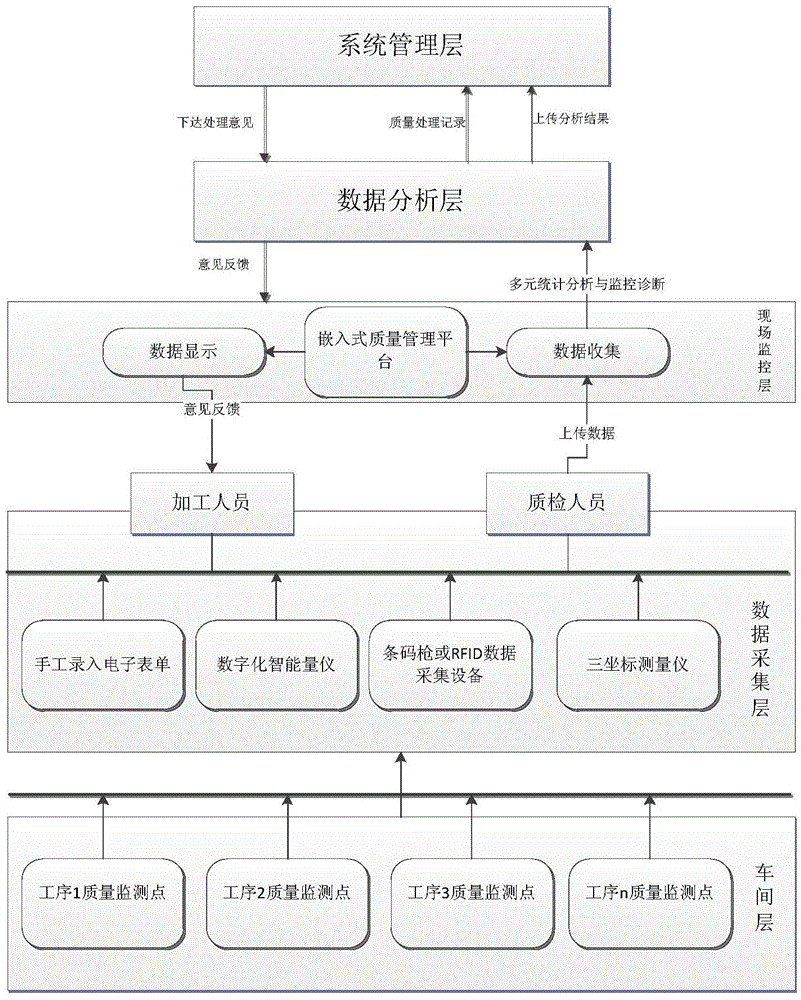
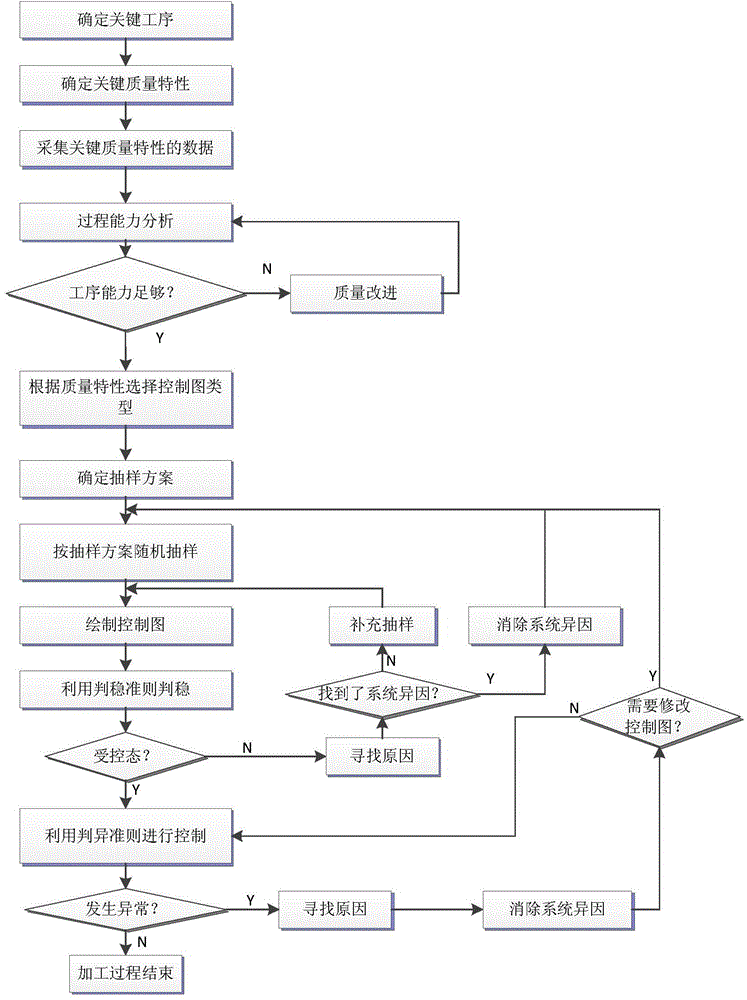
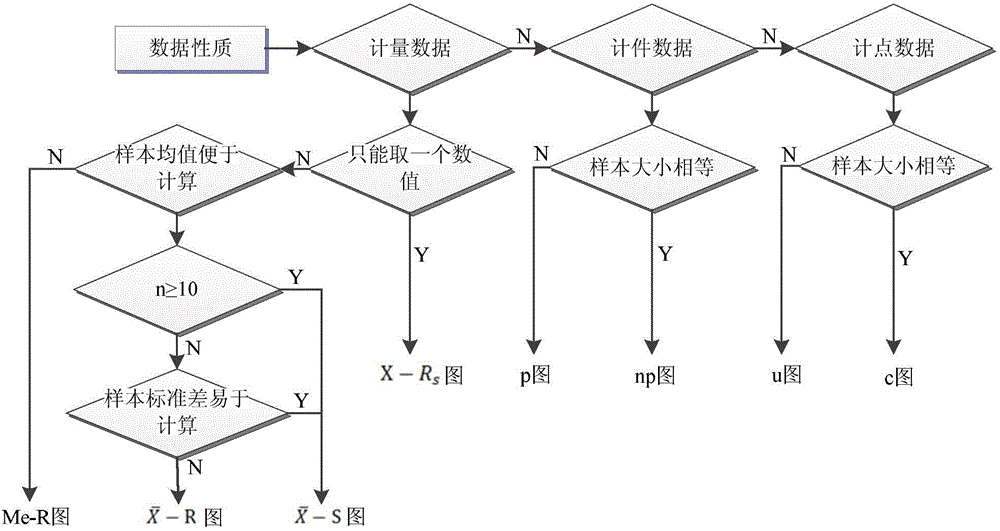
Innovation
- Adopt a multi-dimensional product quality monitoring method for digital workshops, conduct multi-dimensional process capability analysis and quality problem diagnosis through principal component analysis method, build a digital workshop quality data collection plan, select appropriate control chart types, and use principal component analysis technology to quickly locate abnormalities reason.

Data Privacy and Security in Digital QC Systems
Data privacy and security represent critical considerations in the implementation of digital quality control systems, as these platforms handle sensitive manufacturing data, proprietary processes, and customer information. The integration of IoT sensors, cloud computing, and artificial intelligence in QC systems creates multiple data touchpoints that require robust protection mechanisms to prevent unauthorized access and ensure regulatory compliance.
The primary security challenges in digital QC systems stem from the interconnected nature of modern manufacturing environments. Real-time data collection from production lines generates vast amounts of information that must be transmitted, stored, and processed across multiple platforms. This data flow creates potential vulnerabilities at each stage, including sensor-level interception, network transmission breaches, and cloud storage compromises. Additionally, the integration of third-party analytics platforms and remote monitoring capabilities expands the attack surface significantly.
Encryption protocols form the foundation of secure digital QC implementations. Advanced encryption standards must be applied both for data in transit and data at rest, ensuring that quality metrics, process parameters, and production statistics remain protected throughout their lifecycle. Multi-layered authentication systems, including role-based access controls and biometric verification, help restrict system access to authorized personnel only.
Compliance with industry-specific regulations adds another layer of complexity to digital QC security frameworks. Manufacturing sectors such as pharmaceuticals, aerospace, and automotive must adhere to stringent data governance requirements including FDA 21 CFR Part 11, ISO 27001, and GDPR provisions. These regulations mandate specific data retention policies, audit trail requirements, and breach notification procedures that must be embedded within the digital QC architecture.
Edge computing solutions are increasingly adopted to address privacy concerns by processing sensitive quality data locally rather than transmitting it to external cloud servers. This approach minimizes data exposure while maintaining the analytical capabilities necessary for advanced quality control functions. Blockchain technology is also emerging as a promising solution for creating immutable quality records and ensuring data integrity throughout the supply chain.
The implementation of zero-trust security models in digital QC systems requires continuous verification of all network connections and user activities. This approach assumes that threats may exist both externally and internally, necessitating comprehensive monitoring and validation protocols for all system interactions and data exchanges within the quality control ecosystem.
The primary security challenges in digital QC systems stem from the interconnected nature of modern manufacturing environments. Real-time data collection from production lines generates vast amounts of information that must be transmitted, stored, and processed across multiple platforms. This data flow creates potential vulnerabilities at each stage, including sensor-level interception, network transmission breaches, and cloud storage compromises. Additionally, the integration of third-party analytics platforms and remote monitoring capabilities expands the attack surface significantly.
Encryption protocols form the foundation of secure digital QC implementations. Advanced encryption standards must be applied both for data in transit and data at rest, ensuring that quality metrics, process parameters, and production statistics remain protected throughout their lifecycle. Multi-layered authentication systems, including role-based access controls and biometric verification, help restrict system access to authorized personnel only.
Compliance with industry-specific regulations adds another layer of complexity to digital QC security frameworks. Manufacturing sectors such as pharmaceuticals, aerospace, and automotive must adhere to stringent data governance requirements including FDA 21 CFR Part 11, ISO 27001, and GDPR provisions. These regulations mandate specific data retention policies, audit trail requirements, and breach notification procedures that must be embedded within the digital QC architecture.
Edge computing solutions are increasingly adopted to address privacy concerns by processing sensitive quality data locally rather than transmitting it to external cloud servers. This approach minimizes data exposure while maintaining the analytical capabilities necessary for advanced quality control functions. Blockchain technology is also emerging as a promising solution for creating immutable quality records and ensuring data integrity throughout the supply chain.
The implementation of zero-trust security models in digital QC systems requires continuous verification of all network connections and user activities. This approach assumes that threats may exist both externally and internally, necessitating comprehensive monitoring and validation protocols for all system interactions and data exchanges within the quality control ecosystem.
ROI Analysis and Cost-Benefit of Digital QC Implementation
The implementation of digital quality control systems requires substantial upfront investment, but organizations typically realize significant returns through operational efficiency gains and cost reductions. Initial capital expenditures include hardware procurement, software licensing, system integration, and employee training programs. These costs generally range from $500,000 to $5 million depending on organizational size and complexity requirements.
Digital QC systems generate measurable returns through multiple channels. Labor cost reductions represent the most immediate benefit, with automated inspection processes reducing manual quality control staffing by 30-60%. Defect detection improvements typically increase by 85-95% compared to traditional methods, substantially reducing warranty claims and customer returns. Production throughput enhancements of 15-25% result from faster inspection cycles and reduced bottlenecks.
Quality-related cost savings emerge through decreased scrap rates, rework expenses, and customer complaint resolution. Organizations commonly report 40-70% reductions in quality-related incidents within the first operational year. Regulatory compliance costs decrease significantly due to automated documentation and traceability capabilities, reducing audit preparation time by up to 80%.
Quantitative analysis reveals that most digital QC implementations achieve break-even points within 18-36 months. Manufacturing organizations typically realize 200-400% ROI over five-year periods, with annual operational savings ranging from $2-8 million for medium to large-scale operations. Service industries demonstrate slightly longer payback periods but achieve comparable long-term returns.
Risk mitigation benefits provide additional value through reduced liability exposure and brand protection. Digital systems minimize human error probability while ensuring consistent quality standards across multiple production lines and facilities. These intangible benefits, while difficult to quantify precisely, contribute substantially to overall investment justification.
The cost-benefit equation becomes increasingly favorable as digital technologies mature and implementation costs decline. Organizations implementing comprehensive digital QC strategies position themselves for sustained competitive advantages through superior quality performance and operational efficiency gains that compound over time.
Digital QC systems generate measurable returns through multiple channels. Labor cost reductions represent the most immediate benefit, with automated inspection processes reducing manual quality control staffing by 30-60%. Defect detection improvements typically increase by 85-95% compared to traditional methods, substantially reducing warranty claims and customer returns. Production throughput enhancements of 15-25% result from faster inspection cycles and reduced bottlenecks.
Quality-related cost savings emerge through decreased scrap rates, rework expenses, and customer complaint resolution. Organizations commonly report 40-70% reductions in quality-related incidents within the first operational year. Regulatory compliance costs decrease significantly due to automated documentation and traceability capabilities, reducing audit preparation time by up to 80%.
Quantitative analysis reveals that most digital QC implementations achieve break-even points within 18-36 months. Manufacturing organizations typically realize 200-400% ROI over five-year periods, with annual operational savings ranging from $2-8 million for medium to large-scale operations. Service industries demonstrate slightly longer payback periods but achieve comparable long-term returns.
Risk mitigation benefits provide additional value through reduced liability exposure and brand protection. Digital systems minimize human error probability while ensuring consistent quality standards across multiple production lines and facilities. These intangible benefits, while difficult to quantify precisely, contribute substantially to overall investment justification.
The cost-benefit equation becomes increasingly favorable as digital technologies mature and implementation costs decline. Organizations implementing comprehensive digital QC strategies position themselves for sustained competitive advantages through superior quality performance and operational efficiency gains that compound over time.
Unlock deeper insights with PatSnap Eureka Quick Research — get a full tech report to explore trends and direct your research. Try now!
Generate Your Research Report Instantly with AI Agent
Supercharge your innovation with PatSnap Eureka AI Agent Platform!