

How to Mitigate Analog Signal Interference in Complex Architectures
MAR 31, 20269 MIN READ
Generate Your Research Report Instantly with AI Agent
PatSnap Eureka helps you evaluate technical feasibility & market potential.
Analog Signal Interference Background and Mitigation Goals
Analog signal interference has emerged as one of the most critical challenges in modern electronic system design, particularly as architectures become increasingly complex and densely integrated. The phenomenon encompasses unwanted electromagnetic disturbances that corrupt desired analog signals, leading to degraded system performance, reduced signal integrity, and compromised functionality across various applications.
The evolution of electronic systems has witnessed a dramatic shift from simple, isolated circuits to sophisticated multi-domain architectures incorporating mixed-signal processing, high-speed digital components, and sensitive analog front-ends within confined spaces. This integration trend, while enabling enhanced functionality and miniaturization, has simultaneously intensified the susceptibility to various interference mechanisms including crosstalk, electromagnetic interference (EMI), power supply noise, and substrate coupling.
Historical development in this field traces back to early radio frequency applications where interference mitigation primarily focused on shielding and filtering techniques. However, the advent of system-on-chip (SoC) designs, Internet of Things (IoT) devices, and high-performance computing systems has fundamentally transformed the interference landscape, introducing new challenges such as simultaneous switching noise, package-level coupling, and thermal-induced variations.
Contemporary complex architectures face multifaceted interference scenarios where traditional isolation methods prove insufficient. The coexistence of high-speed digital switching circuits with precision analog components creates dynamic interference patterns that vary with operational conditions, frequency domains, and environmental factors. Additionally, the proliferation of wireless communication standards and the increasing density of electronic devices in operational environments have amplified external interference sources.
The primary mitigation goals encompass achieving robust signal integrity across all operational conditions while maintaining system performance specifications. This includes minimizing signal-to-noise ratio degradation, reducing harmonic distortion, and ensuring stable operation under varying electromagnetic environments. Furthermore, mitigation strategies must address both conducted and radiated interference paths while considering cost-effectiveness and design complexity constraints.
Advanced mitigation objectives extend beyond traditional noise reduction to encompass adaptive interference cancellation, real-time compensation mechanisms, and intelligent signal processing techniques. The goal is to develop comprehensive solutions that can dynamically respond to changing interference conditions while maintaining optimal system performance across diverse application scenarios.
The evolution of electronic systems has witnessed a dramatic shift from simple, isolated circuits to sophisticated multi-domain architectures incorporating mixed-signal processing, high-speed digital components, and sensitive analog front-ends within confined spaces. This integration trend, while enabling enhanced functionality and miniaturization, has simultaneously intensified the susceptibility to various interference mechanisms including crosstalk, electromagnetic interference (EMI), power supply noise, and substrate coupling.
Historical development in this field traces back to early radio frequency applications where interference mitigation primarily focused on shielding and filtering techniques. However, the advent of system-on-chip (SoC) designs, Internet of Things (IoT) devices, and high-performance computing systems has fundamentally transformed the interference landscape, introducing new challenges such as simultaneous switching noise, package-level coupling, and thermal-induced variations.
Contemporary complex architectures face multifaceted interference scenarios where traditional isolation methods prove insufficient. The coexistence of high-speed digital switching circuits with precision analog components creates dynamic interference patterns that vary with operational conditions, frequency domains, and environmental factors. Additionally, the proliferation of wireless communication standards and the increasing density of electronic devices in operational environments have amplified external interference sources.
The primary mitigation goals encompass achieving robust signal integrity across all operational conditions while maintaining system performance specifications. This includes minimizing signal-to-noise ratio degradation, reducing harmonic distortion, and ensuring stable operation under varying electromagnetic environments. Furthermore, mitigation strategies must address both conducted and radiated interference paths while considering cost-effectiveness and design complexity constraints.
Advanced mitigation objectives extend beyond traditional noise reduction to encompass adaptive interference cancellation, real-time compensation mechanisms, and intelligent signal processing techniques. The goal is to develop comprehensive solutions that can dynamically respond to changing interference conditions while maintaining optimal system performance across diverse application scenarios.
Market Demand for Interference-Free Analog Systems
The global market for interference-free analog systems has experienced substantial growth driven by the increasing complexity of electronic architectures across multiple industries. Modern electronic devices integrate numerous analog and digital components within confined spaces, creating unprecedented challenges for signal integrity. This convergence has generated significant demand for advanced interference mitigation solutions that can maintain signal quality while supporting miniaturization trends.
Automotive electronics represents one of the most demanding sectors for interference-free analog systems. Advanced driver assistance systems, electric vehicle powertrains, and autonomous driving technologies require precise analog signal processing in electromagnetically harsh environments. The proliferation of electric vehicles has particularly intensified the need for robust analog front-end designs capable of operating alongside high-power switching circuits and wireless communication modules.
Industrial automation and Internet of Things applications constitute another major market driver. Manufacturing facilities increasingly deploy sensor networks and control systems that must operate reliably in environments with significant electromagnetic interference from motors, drives, and wireless communications. The demand for Industry 4.0 implementations has accelerated requirements for analog systems that can maintain accuracy despite complex interference scenarios.
Telecommunications infrastructure modernization, particularly the deployment of 5G networks, has created substantial market opportunities for interference mitigation technologies. Base stations and network equipment must handle multiple frequency bands simultaneously while maintaining signal integrity across diverse operating conditions. The coexistence of legacy and next-generation communication standards within the same infrastructure demands sophisticated analog interference management capabilities.
Medical device manufacturers face stringent regulatory requirements for signal integrity and patient safety, driving demand for highly reliable interference-free analog systems. Portable medical devices, implantable systems, and diagnostic equipment must operate accurately in hospitals filled with electromagnetic interference sources. The trend toward connected healthcare devices has further emphasized the importance of robust analog signal processing.
Consumer electronics markets continue expanding demand for interference mitigation solutions as devices become more feature-rich and compact. Smartphones, tablets, and wearable devices integrate multiple radio frequency systems, sensors, and processing units within increasingly smaller form factors, necessitating advanced analog interference management techniques to ensure optimal performance and user experience.
Automotive electronics represents one of the most demanding sectors for interference-free analog systems. Advanced driver assistance systems, electric vehicle powertrains, and autonomous driving technologies require precise analog signal processing in electromagnetically harsh environments. The proliferation of electric vehicles has particularly intensified the need for robust analog front-end designs capable of operating alongside high-power switching circuits and wireless communication modules.
Industrial automation and Internet of Things applications constitute another major market driver. Manufacturing facilities increasingly deploy sensor networks and control systems that must operate reliably in environments with significant electromagnetic interference from motors, drives, and wireless communications. The demand for Industry 4.0 implementations has accelerated requirements for analog systems that can maintain accuracy despite complex interference scenarios.
Telecommunications infrastructure modernization, particularly the deployment of 5G networks, has created substantial market opportunities for interference mitigation technologies. Base stations and network equipment must handle multiple frequency bands simultaneously while maintaining signal integrity across diverse operating conditions. The coexistence of legacy and next-generation communication standards within the same infrastructure demands sophisticated analog interference management capabilities.
Medical device manufacturers face stringent regulatory requirements for signal integrity and patient safety, driving demand for highly reliable interference-free analog systems. Portable medical devices, implantable systems, and diagnostic equipment must operate accurately in hospitals filled with electromagnetic interference sources. The trend toward connected healthcare devices has further emphasized the importance of robust analog signal processing.
Consumer electronics markets continue expanding demand for interference mitigation solutions as devices become more feature-rich and compact. Smartphones, tablets, and wearable devices integrate multiple radio frequency systems, sensors, and processing units within increasingly smaller form factors, necessitating advanced analog interference management techniques to ensure optimal performance and user experience.
Current Interference Challenges in Complex Analog Architectures
Complex analog architectures face unprecedented interference challenges as system integration density continues to increase and operational frequencies expand into higher bands. Modern electronic systems incorporate multiple analog subsystems operating simultaneously within confined spaces, creating a complex electromagnetic environment where various interference mechanisms interact and compound each other's effects.
Crosstalk represents one of the most pervasive interference sources in densely packed analog circuits. As trace spacing decreases and signal frequencies increase, capacitive and inductive coupling between adjacent conductors becomes more pronounced. High-frequency analog signals are particularly susceptible to crosstalk, with interference levels often exceeding acceptable thresholds in multi-layer PCB designs where vertical coupling adds another dimension of complexity.
Power supply noise constitutes another critical challenge, manifesting as both conducted and radiated interference. Switching power supplies, while efficient, generate broadband noise that couples into sensitive analog circuits through power distribution networks. The problem intensifies in mixed-signal environments where digital switching activities create current spikes that propagate through shared power planes, affecting analog circuit performance through supply voltage fluctuations.
Ground bounce and ground loops present significant obstacles in complex architectures where multiple subsystems share common ground references. High-frequency return currents create voltage differences across ground planes, effectively turning the ground system into a noise source rather than a reference. This phenomenon becomes particularly problematic in systems with multiple ground domains or when analog and digital circuits share ground infrastructure.
Electromagnetic interference from external sources adds another layer of complexity. Modern analog systems must operate reliably in environments saturated with RF energy from wireless communications, switching power supplies, and other electronic devices. The challenge intensifies as analog circuits become more sensitive and operate at lower signal levels, making them increasingly vulnerable to external interference.
Thermal noise and substrate coupling in integrated circuits create additional interference pathways that are difficult to predict and control. As chip densities increase and feature sizes shrink, these mechanisms become more significant, particularly in mixed-signal ICs where digital switching activities can couple into analog circuits through the semiconductor substrate.
The cumulative effect of these interference sources creates a challenging design environment where traditional isolation techniques may prove insufficient, necessitating innovative approaches to interference mitigation in next-generation analog architectures.
Crosstalk represents one of the most pervasive interference sources in densely packed analog circuits. As trace spacing decreases and signal frequencies increase, capacitive and inductive coupling between adjacent conductors becomes more pronounced. High-frequency analog signals are particularly susceptible to crosstalk, with interference levels often exceeding acceptable thresholds in multi-layer PCB designs where vertical coupling adds another dimension of complexity.
Power supply noise constitutes another critical challenge, manifesting as both conducted and radiated interference. Switching power supplies, while efficient, generate broadband noise that couples into sensitive analog circuits through power distribution networks. The problem intensifies in mixed-signal environments where digital switching activities create current spikes that propagate through shared power planes, affecting analog circuit performance through supply voltage fluctuations.
Ground bounce and ground loops present significant obstacles in complex architectures where multiple subsystems share common ground references. High-frequency return currents create voltage differences across ground planes, effectively turning the ground system into a noise source rather than a reference. This phenomenon becomes particularly problematic in systems with multiple ground domains or when analog and digital circuits share ground infrastructure.
Electromagnetic interference from external sources adds another layer of complexity. Modern analog systems must operate reliably in environments saturated with RF energy from wireless communications, switching power supplies, and other electronic devices. The challenge intensifies as analog circuits become more sensitive and operate at lower signal levels, making them increasingly vulnerable to external interference.
Thermal noise and substrate coupling in integrated circuits create additional interference pathways that are difficult to predict and control. As chip densities increase and feature sizes shrink, these mechanisms become more significant, particularly in mixed-signal ICs where digital switching activities can couple into analog circuits through the semiconductor substrate.
The cumulative effect of these interference sources creates a challenging design environment where traditional isolation techniques may prove insufficient, necessitating innovative approaches to interference mitigation in next-generation analog architectures.
Existing Interference Mitigation Solutions and Techniques
01 Filtering techniques for analog signal interference reduction
Various filtering methods can be employed to reduce analog signal interference, including active filters, passive filters, and adaptive filtering techniques. These approaches help eliminate unwanted noise and interference from analog signals by selectively attenuating specific frequency components while preserving the desired signal. Advanced filtering circuits can be designed to target specific interference sources and improve signal-to-noise ratio in analog communication systems.- Filtering techniques for analog signal interference reduction: Various filtering methods can be employed to reduce analog signal interference, including active filters, passive filters, and adaptive filtering techniques. These methods help eliminate unwanted noise and interference from analog signals by selectively attenuating specific frequency components while preserving the desired signal. Filtering approaches can be implemented using analog circuits or digital signal processing techniques to improve signal quality and reduce distortion caused by electromagnetic interference or crosstalk.
- Shielding and grounding methods for interference mitigation: Proper shielding and grounding techniques are essential for protecting analog signals from external interference sources. These methods involve using conductive materials to create electromagnetic barriers around sensitive signal paths and establishing proper ground connections to minimize ground loops and common-mode noise. Effective shielding designs can significantly reduce the impact of radio frequency interference, electromagnetic interference, and other external noise sources on analog signal integrity.
- Signal conditioning and amplification circuits: Signal conditioning circuits play a crucial role in managing analog signal interference by providing amplification, buffering, and impedance matching. These circuits can include differential amplifiers, instrumentation amplifiers, and isolation amplifiers that help reject common-mode interference while amplifying the desired signal. Proper circuit design with appropriate gain stages and bandwidth limitations can effectively minimize the impact of interference on analog signal transmission and processing.
- Digital signal processing for interference cancellation: Advanced digital signal processing techniques can be applied to detect and cancel analog signal interference. These methods involve converting analog signals to digital format, applying sophisticated algorithms for interference identification and removal, and then converting back to analog if necessary. Techniques such as adaptive noise cancellation, spectral analysis, and pattern recognition can effectively identify and eliminate various types of interference while preserving the integrity of the original signal.
- Frequency management and modulation techniques: Proper frequency management and modulation strategies can help minimize analog signal interference by selecting appropriate carrier frequencies, implementing frequency hopping, or using spread spectrum techniques. These approaches reduce the susceptibility of analog signals to narrowband interference and improve overall signal robustness in noisy environments. Modulation techniques such as frequency modulation and phase modulation can provide inherent interference rejection capabilities compared to amplitude modulation.
02 Shielding and grounding methods for interference mitigation
Proper shielding and grounding techniques are essential for preventing analog signal interference. These methods include the use of conductive enclosures, electromagnetic shielding materials, and optimized grounding configurations to minimize electromagnetic interference and crosstalk. Effective shielding designs can isolate sensitive analog circuits from external interference sources and reduce coupling between adjacent signal paths.Expand Specific Solutions03 Signal processing and compensation circuits
Advanced signal processing techniques and compensation circuits can be implemented to counteract analog signal interference. These solutions include error correction algorithms, interference cancellation circuits, and signal conditioning methods that detect and compensate for interference in real-time. Digital signal processing techniques can also be combined with analog circuits to enhance interference rejection capabilities.Expand Specific Solutions04 Differential signaling and balanced transmission
Differential signaling and balanced transmission techniques provide inherent immunity to common-mode interference in analog systems. These methods transmit signals using paired conductors with opposite polarity, allowing receivers to reject interference that affects both conductors equally. Balanced transmission lines and differential amplifiers can significantly improve noise immunity and reduce susceptibility to electromagnetic interference.Expand Specific Solutions05 Frequency management and spectrum allocation
Proper frequency management and spectrum allocation strategies help minimize analog signal interference by separating different signal channels and avoiding frequency overlap. These approaches include frequency hopping, channel spacing optimization, and dynamic frequency selection to reduce co-channel interference and adjacent channel interference. Careful frequency planning can improve overall system performance in environments with multiple analog signal sources.Expand Specific Solutions
Key Players in Analog Signal Processing and EMI Solutions
The analog signal interference mitigation market is in a mature growth phase, driven by increasing complexity in electronic architectures across defense, telecommunications, and semiconductor sectors. The market demonstrates substantial scale with established players like Texas Instruments, Intel, and Raytheon leading through decades of R&D investment. Technology maturity varies significantly across segments - while companies like Microsoft, Siemens, and Ericsson have developed sophisticated software-based interference solutions, hardware-focused firms including TSMC, GlobalFoundries, and Panasonic continue advancing physical layer mitigation techniques. Research institutions like Johns Hopkins University and Georgia Tech Research Corp. contribute foundational innovations, while Asian manufacturers such as Goodix Technology and Datang Mobile drive cost-effective implementations. The competitive landscape reflects a convergence of traditional semiconductor expertise with emerging AI-driven adaptive filtering approaches.
Texas Instruments Incorporated
Technical Solution: Texas Instruments employs advanced analog front-end (AFE) architectures with integrated differential signaling and common-mode rejection techniques to mitigate interference in complex systems. Their solutions include precision operational amplifiers with CMRR exceeding 120dB, low-noise analog-to-digital converters with built-in anti-aliasing filters, and power management ICs featuring spread-spectrum clocking to reduce electromagnetic interference. The company's SystemiQ technology platform integrates multiple analog functions on a single chip, minimizing crosstalk through careful layout optimization and substrate isolation techniques. Their interference mitigation approach also incorporates adaptive filtering algorithms and real-time calibration mechanisms to maintain signal integrity across varying environmental conditions.
Strengths: Industry-leading CMRR performance, comprehensive analog portfolio, proven track record in harsh environments. Weaknesses: Higher cost compared to discrete solutions, potential over-engineering for simple applications.
Telefonaktiebolaget LM Ericsson
Technical Solution: Ericsson implements comprehensive interference mitigation strategies in their telecommunications infrastructure through advanced RF front-end designs, adaptive beamforming algorithms, and sophisticated digital signal processing techniques. Their solutions feature multi-band transceivers with integrated interference cancellation, utilizing both spatial and temporal filtering to suppress unwanted signals. The company's approach includes the deployment of machine learning algorithms for real-time interference detection and mitigation, coupled with advanced antenna array technologies that can dynamically adjust radiation patterns to minimize interference sources. Their base station architectures incorporate distributed processing units with localized interference suppression capabilities, enabling effective operation in dense urban environments with high electromagnetic interference levels.
Strengths: Extensive telecommunications expertise, advanced beamforming capabilities, real-time adaptive algorithms. Weaknesses: Solutions primarily optimized for telecom applications, high complexity for general-purpose use.
Core Innovations in Analog Interference Suppression Patents
Analog signal line interference mitigation
PatentActiveUS11742867B2
Innovation
- A method for preemptive interference mitigation involves buffering edge data from potentially interfering signal lines, identifying and selecting interfering pulse edges or patterns, and modifying the target signal pattern to mitigate interference by adjusting digital data before analog signal transmission.


Method and apparatus for cancelling interference in a communication system
PatentActiveUS7706434B1
Innovation
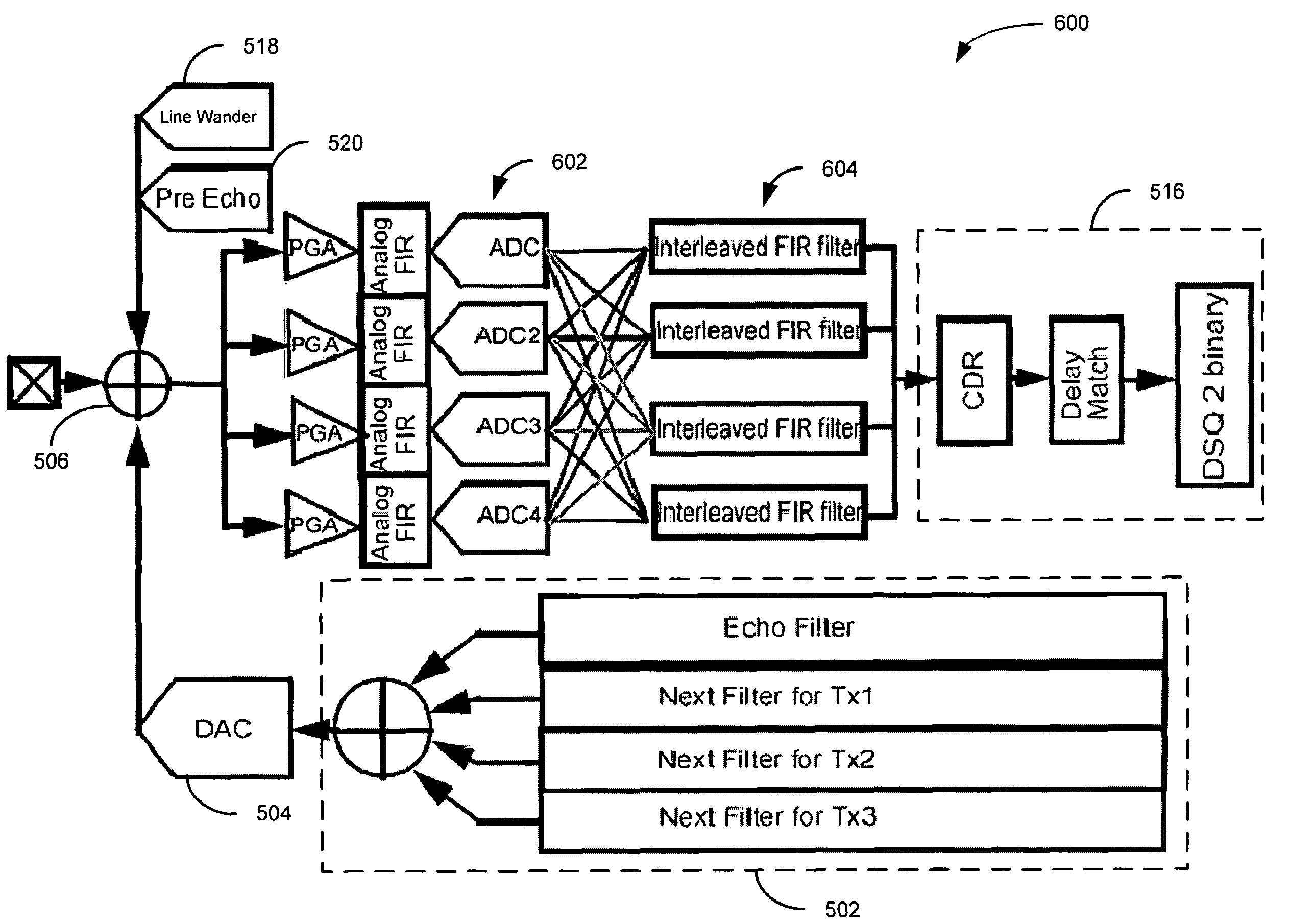
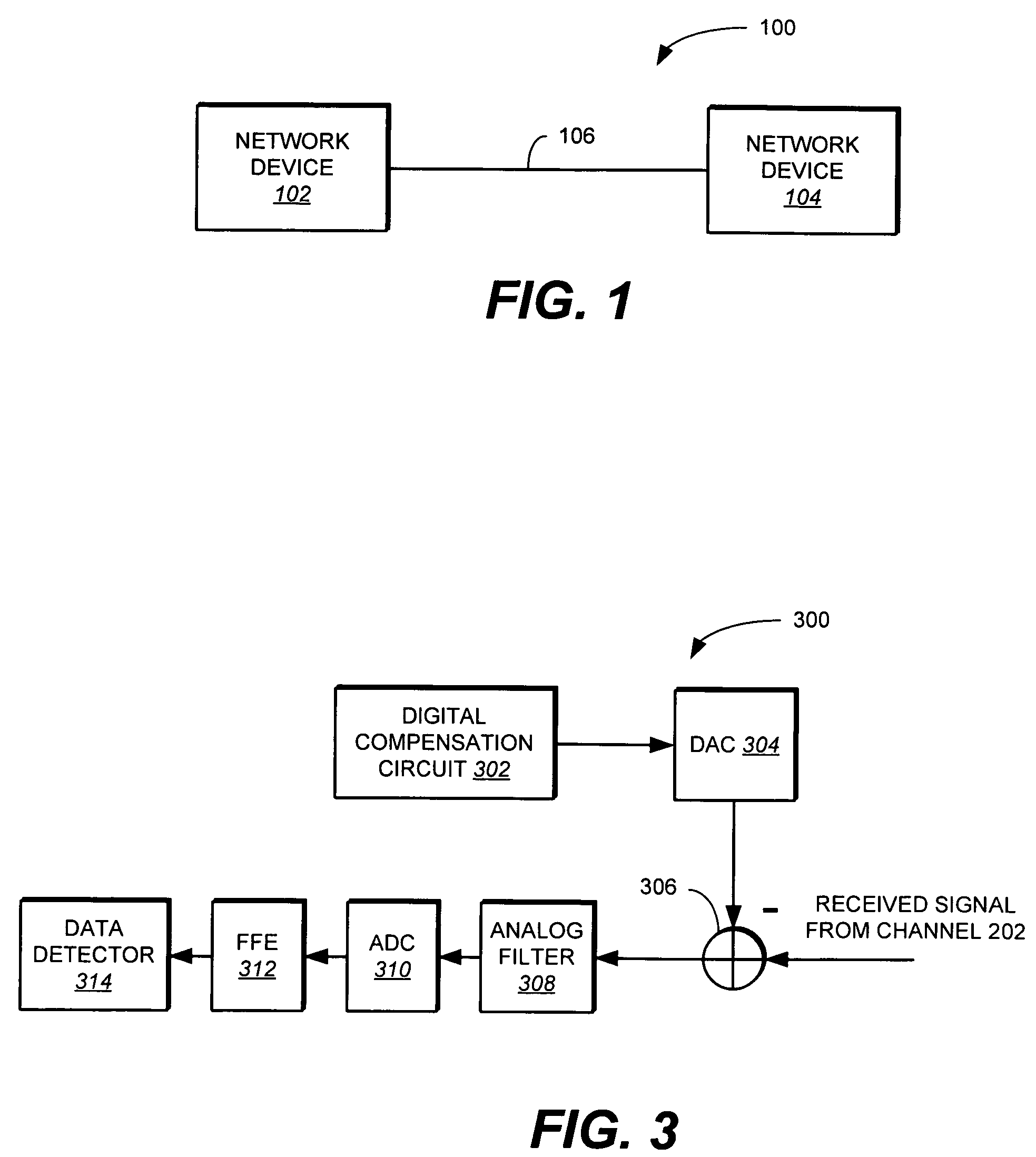
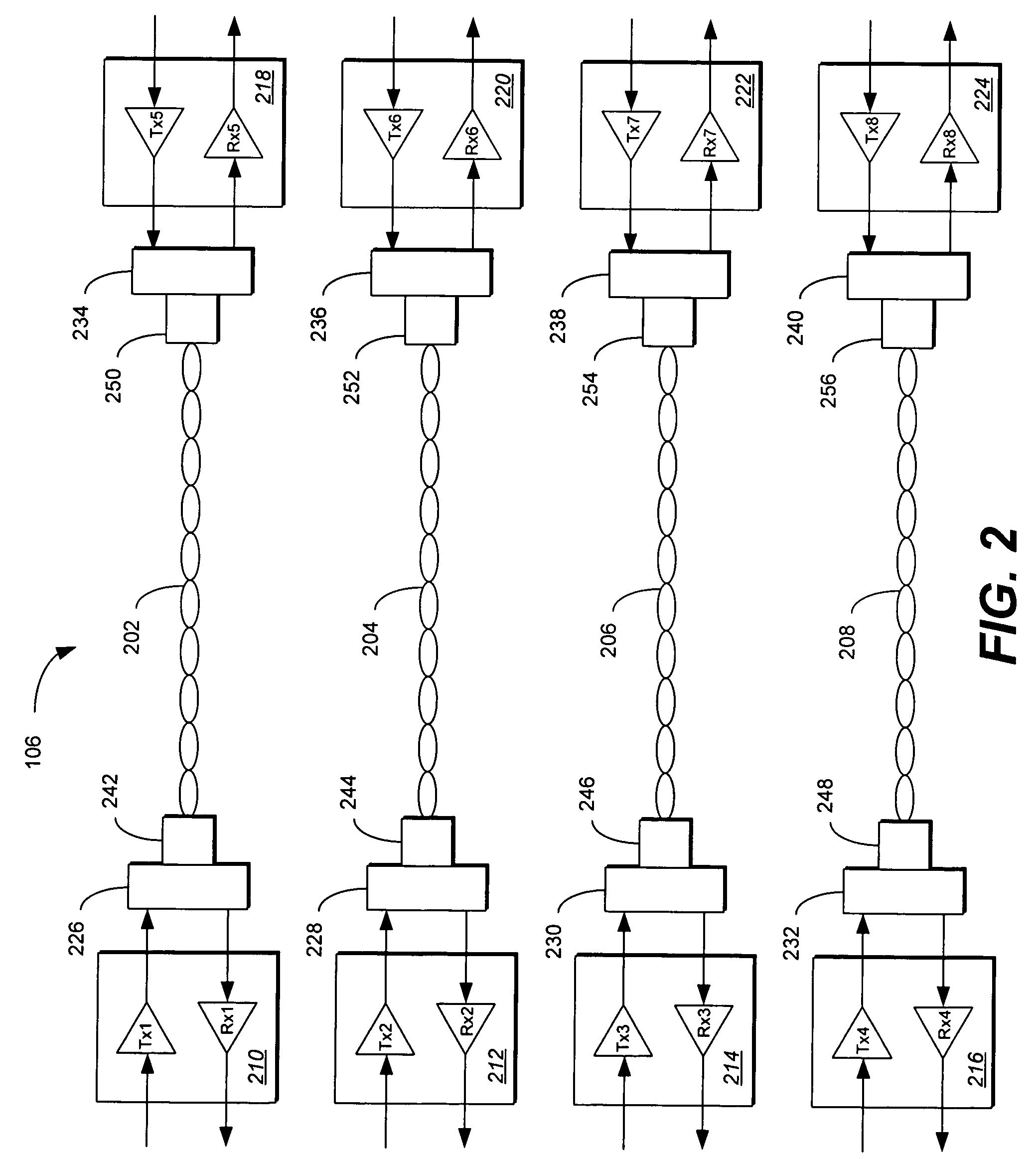
- A transceiver architecture that includes a digital compensation circuit to generate a digital interference signal, a digital-to-analog converter to convert this signal into an analog interference signal, and an analog filter to subtract this signal from the received communication signal, reducing the dynamic range and allowing for lower resolution analog-to-digital converters with reduced power consumption.

EMC Regulatory Standards for Analog Signal Systems
Electromagnetic Compatibility (EMC) regulatory standards form the cornerstone of analog signal system design and deployment across global markets. These standards establish mandatory requirements for electronic devices to operate without causing harmful interference to other equipment while maintaining immunity to external electromagnetic disturbances. The regulatory landscape encompasses multiple international and regional frameworks, with IEC 61000 series serving as the foundational international standard, complemented by regional implementations such as EN 55000 series in Europe, FCC Part 15 in the United States, and CISPR standards for commercial applications.
The regulatory framework addresses both emission and immunity requirements for analog signal systems. Emission standards limit the electromagnetic energy that devices can radiate or conduct, preventing interference with nearby equipment. Key parameters include radiated emissions measured in anechoic chambers and conducted emissions assessed through standardized test procedures. Immunity standards ensure devices can withstand electromagnetic disturbances without performance degradation, covering electrostatic discharge, radiated field immunity, electrical fast transients, and surge immunity.
Compliance testing procedures follow rigorous protocols established by accredited laboratories worldwide. Pre-compliance testing during development phases helps identify potential issues early, while formal compliance testing validates adherence to applicable standards. Test configurations must accurately represent real-world installation scenarios, including cable lengths, grounding arrangements, and operational conditions. Documentation requirements include detailed test reports, technical construction files, and declarations of conformity.
Industry-specific standards provide additional requirements beyond general EMC regulations. Medical device standards such as IEC 60601-1-2 impose stricter limits due to safety-critical applications. Automotive standards like ISO 11452 address unique challenges in vehicle environments. Industrial automation systems follow IEC 61326 requirements, while telecommunications equipment must comply with ITU-T recommendations and regional telecommunications authority regulations.
Emerging regulatory trends reflect technological advancement and increased electromagnetic spectrum utilization. Updated standards address higher frequency ranges, wireless communication integration, and cybersecurity considerations. Regulatory harmonization efforts aim to reduce compliance complexity for global market access while maintaining protection effectiveness. Future developments anticipate artificial intelligence integration in EMC testing and adaptive immunity requirements for dynamic electromagnetic environments.
The regulatory framework addresses both emission and immunity requirements for analog signal systems. Emission standards limit the electromagnetic energy that devices can radiate or conduct, preventing interference with nearby equipment. Key parameters include radiated emissions measured in anechoic chambers and conducted emissions assessed through standardized test procedures. Immunity standards ensure devices can withstand electromagnetic disturbances without performance degradation, covering electrostatic discharge, radiated field immunity, electrical fast transients, and surge immunity.
Compliance testing procedures follow rigorous protocols established by accredited laboratories worldwide. Pre-compliance testing during development phases helps identify potential issues early, while formal compliance testing validates adherence to applicable standards. Test configurations must accurately represent real-world installation scenarios, including cable lengths, grounding arrangements, and operational conditions. Documentation requirements include detailed test reports, technical construction files, and declarations of conformity.
Industry-specific standards provide additional requirements beyond general EMC regulations. Medical device standards such as IEC 60601-1-2 impose stricter limits due to safety-critical applications. Automotive standards like ISO 11452 address unique challenges in vehicle environments. Industrial automation systems follow IEC 61326 requirements, while telecommunications equipment must comply with ITU-T recommendations and regional telecommunications authority regulations.
Emerging regulatory trends reflect technological advancement and increased electromagnetic spectrum utilization. Updated standards address higher frequency ranges, wireless communication integration, and cybersecurity considerations. Regulatory harmonization efforts aim to reduce compliance complexity for global market access while maintaining protection effectiveness. Future developments anticipate artificial intelligence integration in EMC testing and adaptive immunity requirements for dynamic electromagnetic environments.
Cost-Benefit Analysis of Interference Mitigation Strategies
The economic evaluation of interference mitigation strategies in complex analog architectures requires a comprehensive assessment framework that balances implementation costs against performance improvements and long-term operational benefits. Organizations must consider both direct financial investments and indirect costs associated with system downtime, redesign efforts, and potential revenue losses from degraded signal quality.
Initial capital expenditures vary significantly across different mitigation approaches. Hardware-based solutions such as advanced shielding, filtering components, and isolation transformers typically require substantial upfront investments ranging from thousands to hundreds of thousands of dollars depending on system complexity. Software-based digital signal processing solutions involve licensing costs, computational hardware upgrades, and development resources, with implementation costs generally falling between hardware and design-based approaches.
Operational cost considerations extend beyond initial deployment expenses. Maintenance requirements for physical shielding and filtering systems include periodic inspection, component replacement, and performance verification testing. Digital mitigation solutions require ongoing software updates, computational resource allocation, and specialized technical support. These recurring costs can accumulate to represent 15-30% of initial implementation costs annually.
Performance benefits translate directly into quantifiable economic returns through improved system reliability, reduced error rates, and enhanced operational efficiency. Organizations typically observe 20-40% improvements in signal-to-noise ratios following comprehensive interference mitigation implementation, resulting in decreased system failures and reduced troubleshooting time. These improvements often justify initial investments within 18-36 months through reduced operational disruptions and maintenance costs.
Risk mitigation value represents a critical but often underestimated benefit component. Interference-related system failures can result in significant revenue losses, particularly in mission-critical applications such as telecommunications infrastructure, medical devices, and industrial control systems. The cost of preventing a single major system failure frequently exceeds the total investment in comprehensive interference mitigation strategies.
Return on investment calculations must incorporate both tangible and intangible benefits. Tangible benefits include reduced maintenance costs, improved system uptime, and decreased replacement frequency for sensitive components. Intangible benefits encompass enhanced system reliability reputation, improved customer satisfaction, and reduced regulatory compliance risks. Comprehensive cost-benefit analyses typically demonstrate positive returns within two to four years for most interference mitigation implementations in complex architectures.
Initial capital expenditures vary significantly across different mitigation approaches. Hardware-based solutions such as advanced shielding, filtering components, and isolation transformers typically require substantial upfront investments ranging from thousands to hundreds of thousands of dollars depending on system complexity. Software-based digital signal processing solutions involve licensing costs, computational hardware upgrades, and development resources, with implementation costs generally falling between hardware and design-based approaches.
Operational cost considerations extend beyond initial deployment expenses. Maintenance requirements for physical shielding and filtering systems include periodic inspection, component replacement, and performance verification testing. Digital mitigation solutions require ongoing software updates, computational resource allocation, and specialized technical support. These recurring costs can accumulate to represent 15-30% of initial implementation costs annually.
Performance benefits translate directly into quantifiable economic returns through improved system reliability, reduced error rates, and enhanced operational efficiency. Organizations typically observe 20-40% improvements in signal-to-noise ratios following comprehensive interference mitigation implementation, resulting in decreased system failures and reduced troubleshooting time. These improvements often justify initial investments within 18-36 months through reduced operational disruptions and maintenance costs.
Risk mitigation value represents a critical but often underestimated benefit component. Interference-related system failures can result in significant revenue losses, particularly in mission-critical applications such as telecommunications infrastructure, medical devices, and industrial control systems. The cost of preventing a single major system failure frequently exceeds the total investment in comprehensive interference mitigation strategies.
Return on investment calculations must incorporate both tangible and intangible benefits. Tangible benefits include reduced maintenance costs, improved system uptime, and decreased replacement frequency for sensitive components. Intangible benefits encompass enhanced system reliability reputation, improved customer satisfaction, and reduced regulatory compliance risks. Comprehensive cost-benefit analyses typically demonstrate positive returns within two to four years for most interference mitigation implementations in complex architectures.
Unlock deeper insights with PatSnap Eureka Quick Research — get a full tech report to explore trends and direct your research. Try now!
Generate Your Research Report Instantly with AI Agent
Supercharge your innovation with PatSnap Eureka AI Agent Platform!