

How to mitigate optical engine ghosting to <-40 dB stray light
MAY 9, 20269 MIN READ
Generate Your Research Report Instantly with AI Agent
Patsnap Eureka helps you evaluate technical feasibility & market potential.
Optical Engine Ghosting Background and Stray Light Targets
Optical engine ghosting represents one of the most persistent challenges in modern optical system design, particularly affecting high-performance applications such as projection systems, laser displays, and advanced imaging devices. This phenomenon occurs when unwanted light reflections create secondary images or artifacts that degrade overall system performance. The issue has become increasingly critical as optical engines evolve toward higher brightness levels and more compact form factors, where even minor reflections can significantly impact image quality.
The fundamental mechanism behind optical engine ghosting involves multiple reflection paths within the optical system. When light encounters various optical surfaces including lenses, prisms, mirrors, and protective windows, a portion of the incident light reflects back instead of transmitting through or being absorbed. These reflected rays can subsequently interact with other optical components, creating complex reflection patterns that manifest as ghost images or unwanted illumination in the final output.
Stray light quantification in optical systems typically employs decibel measurements to express the ratio between unwanted light and the primary optical signal. The -40 dB target represents an extremely stringent requirement, indicating that stray light levels must be reduced to 0.01% of the primary signal intensity. This specification reflects the demanding performance standards required for professional-grade optical engines, where even minimal stray light can compromise contrast ratios, color accuracy, and overall image fidelity.
Historical development of anti-ghosting technologies has progressed through several evolutionary phases. Early approaches focused primarily on mechanical baffling and basic anti-reflection coatings. However, as optical system complexity increased and performance requirements became more stringent, advanced solutions emerged including sophisticated coating technologies, precision surface treatments, and innovative optical design methodologies.
The -40 dB stray light target has emerged as an industry benchmark for premium optical engines, driven by applications in high-end projection systems, medical imaging devices, and precision measurement instruments. Achieving this performance level requires comprehensive understanding of light propagation physics, advanced materials science, and precise manufacturing techniques. The target represents not merely a technical specification but a gateway to enabling next-generation optical applications that demand exceptional image quality and measurement precision.
Contemporary optical engine designs must address ghosting challenges while maintaining cost-effectiveness, manufacturing feasibility, and system reliability. This balance requires innovative approaches that combine theoretical optical design principles with practical engineering solutions, establishing the foundation for systematic stray light mitigation strategies.
The fundamental mechanism behind optical engine ghosting involves multiple reflection paths within the optical system. When light encounters various optical surfaces including lenses, prisms, mirrors, and protective windows, a portion of the incident light reflects back instead of transmitting through or being absorbed. These reflected rays can subsequently interact with other optical components, creating complex reflection patterns that manifest as ghost images or unwanted illumination in the final output.
Stray light quantification in optical systems typically employs decibel measurements to express the ratio between unwanted light and the primary optical signal. The -40 dB target represents an extremely stringent requirement, indicating that stray light levels must be reduced to 0.01% of the primary signal intensity. This specification reflects the demanding performance standards required for professional-grade optical engines, where even minimal stray light can compromise contrast ratios, color accuracy, and overall image fidelity.
Historical development of anti-ghosting technologies has progressed through several evolutionary phases. Early approaches focused primarily on mechanical baffling and basic anti-reflection coatings. However, as optical system complexity increased and performance requirements became more stringent, advanced solutions emerged including sophisticated coating technologies, precision surface treatments, and innovative optical design methodologies.
The -40 dB stray light target has emerged as an industry benchmark for premium optical engines, driven by applications in high-end projection systems, medical imaging devices, and precision measurement instruments. Achieving this performance level requires comprehensive understanding of light propagation physics, advanced materials science, and precise manufacturing techniques. The target represents not merely a technical specification but a gateway to enabling next-generation optical applications that demand exceptional image quality and measurement precision.
Contemporary optical engine designs must address ghosting challenges while maintaining cost-effectiveness, manufacturing feasibility, and system reliability. This balance requires innovative approaches that combine theoretical optical design principles with practical engineering solutions, establishing the foundation for systematic stray light mitigation strategies.
Market Demand for Low Stray Light Optical Systems
The demand for ultra-low stray light optical systems has experienced significant growth across multiple high-precision industries, driven by increasingly stringent performance requirements and advancing technological capabilities. This market expansion reflects the critical need for optical engines capable of achieving stray light suppression below -40 dB, particularly in applications where optical precision directly impacts system functionality and measurement accuracy.
Defense and aerospace sectors represent the largest market segment for low stray light optical systems, where applications include satellite imaging, missile guidance systems, and reconnaissance equipment. These applications require exceptional optical performance to distinguish between target signals and background noise, making stray light mitigation a mission-critical requirement. The growing emphasis on space-based surveillance and earth observation missions has further intensified demand for optical systems with superior ghosting suppression capabilities.
Scientific instrumentation markets demonstrate robust demand for low stray light solutions, particularly in spectroscopy, interferometry, and precision measurement applications. Research institutions and analytical equipment manufacturers increasingly specify stray light performance below -40 dB to ensure measurement accuracy and detection sensitivity. The expansion of materials research, pharmaceutical analysis, and environmental monitoring applications continues to drive market growth in this segment.
Medical imaging and diagnostic equipment sectors show accelerating adoption of low stray light optical technologies. Advanced imaging modalities, including optical coherence tomography, fluorescence microscopy, and retinal imaging systems, require exceptional stray light suppression to achieve diagnostic-quality image contrast and resolution. The aging global population and increasing healthcare investments support sustained market expansion in medical optical applications.
Industrial automation and quality control applications represent an emerging market segment with substantial growth potential. Machine vision systems, precision manufacturing equipment, and automated inspection systems increasingly demand optical engines with superior stray light performance to ensure reliable operation in challenging industrial environments. The Industry 4.0 trend and growing emphasis on automated quality assurance drive continued market development.
Consumer electronics applications, while traditionally less demanding, show increasing requirements for low stray light performance in premium devices. High-end cameras, augmented reality systems, and advanced display technologies benefit from improved optical engine design with enhanced ghosting mitigation capabilities.
Market growth drivers include technological advancement in optical design software, improved manufacturing precision, and increasing awareness of stray light impact on system performance. The convergence of multiple application domains creates cross-pollination opportunities for optical engine technologies, supporting sustained market expansion and innovation investment.
Defense and aerospace sectors represent the largest market segment for low stray light optical systems, where applications include satellite imaging, missile guidance systems, and reconnaissance equipment. These applications require exceptional optical performance to distinguish between target signals and background noise, making stray light mitigation a mission-critical requirement. The growing emphasis on space-based surveillance and earth observation missions has further intensified demand for optical systems with superior ghosting suppression capabilities.
Scientific instrumentation markets demonstrate robust demand for low stray light solutions, particularly in spectroscopy, interferometry, and precision measurement applications. Research institutions and analytical equipment manufacturers increasingly specify stray light performance below -40 dB to ensure measurement accuracy and detection sensitivity. The expansion of materials research, pharmaceutical analysis, and environmental monitoring applications continues to drive market growth in this segment.
Medical imaging and diagnostic equipment sectors show accelerating adoption of low stray light optical technologies. Advanced imaging modalities, including optical coherence tomography, fluorescence microscopy, and retinal imaging systems, require exceptional stray light suppression to achieve diagnostic-quality image contrast and resolution. The aging global population and increasing healthcare investments support sustained market expansion in medical optical applications.
Industrial automation and quality control applications represent an emerging market segment with substantial growth potential. Machine vision systems, precision manufacturing equipment, and automated inspection systems increasingly demand optical engines with superior stray light performance to ensure reliable operation in challenging industrial environments. The Industry 4.0 trend and growing emphasis on automated quality assurance drive continued market development.
Consumer electronics applications, while traditionally less demanding, show increasing requirements for low stray light performance in premium devices. High-end cameras, augmented reality systems, and advanced display technologies benefit from improved optical engine design with enhanced ghosting mitigation capabilities.
Market growth drivers include technological advancement in optical design software, improved manufacturing precision, and increasing awareness of stray light impact on system performance. The convergence of multiple application domains creates cross-pollination opportunities for optical engine technologies, supporting sustained market expansion and innovation investment.
Current Ghosting Issues and -40dB Challenge Analysis
Optical engine ghosting represents one of the most persistent challenges in modern optical systems, particularly in high-performance applications such as laser projectors, AR/VR displays, and precision imaging systems. Ghost images occur when unwanted light reflections create secondary optical paths that interfere with the primary beam, resulting in reduced image quality, contrast degradation, and system performance limitations. These artifacts manifest as faint duplicate images, halos, or scattered light patterns that compromise the overall optical fidelity.
The -40 dB stray light specification represents an exceptionally stringent requirement, demanding that unwanted optical reflections be suppressed to less than 0.01% of the primary signal intensity. This level of suppression is critical for applications requiring high dynamic range and precise optical performance. Current industry standards typically achieve -20 to -30 dB suppression, making the -40 dB target a significant technical milestone that pushes the boundaries of conventional optical design approaches.
Existing ghosting mitigation strategies face several fundamental limitations when attempting to reach -40 dB performance levels. Traditional anti-reflective coatings, while effective for reducing surface reflections, often achieve only -25 to -30 dB suppression under optimal conditions. Multi-layer interference coatings can degrade over time and are sensitive to wavelength variations and incident angles, limiting their effectiveness in broadband or multi-angle applications.
Mechanical baffling and aperture control methods, commonly employed in optical systems, provide additional suppression but introduce trade-offs in system compactness and light throughput efficiency. These approaches typically contribute an additional -10 to -15 dB of suppression but cannot independently achieve the -40 dB target without compromising other system parameters.
The challenge is further complicated by the cumulative nature of multiple reflection sources within complex optical engines. Each optical surface, including lenses, prisms, beam splitters, and protective windows, contributes to the overall stray light budget. Even with individual surface reflectivities reduced to 0.1%, systems with multiple optical elements can still exceed the -40 dB threshold due to additive effects and inter-reflection phenomena.
Temperature variations and environmental factors introduce additional complexity, as thermal expansion and contraction can alter surface geometries and coating properties, potentially degrading ghosting suppression performance over operational temperature ranges. Manufacturing tolerances and surface quality variations also contribute to performance inconsistencies that must be addressed in achieving reliable -40 dB suppression across production volumes.
The -40 dB stray light specification represents an exceptionally stringent requirement, demanding that unwanted optical reflections be suppressed to less than 0.01% of the primary signal intensity. This level of suppression is critical for applications requiring high dynamic range and precise optical performance. Current industry standards typically achieve -20 to -30 dB suppression, making the -40 dB target a significant technical milestone that pushes the boundaries of conventional optical design approaches.
Existing ghosting mitigation strategies face several fundamental limitations when attempting to reach -40 dB performance levels. Traditional anti-reflective coatings, while effective for reducing surface reflections, often achieve only -25 to -30 dB suppression under optimal conditions. Multi-layer interference coatings can degrade over time and are sensitive to wavelength variations and incident angles, limiting their effectiveness in broadband or multi-angle applications.
Mechanical baffling and aperture control methods, commonly employed in optical systems, provide additional suppression but introduce trade-offs in system compactness and light throughput efficiency. These approaches typically contribute an additional -10 to -15 dB of suppression but cannot independently achieve the -40 dB target without compromising other system parameters.
The challenge is further complicated by the cumulative nature of multiple reflection sources within complex optical engines. Each optical surface, including lenses, prisms, beam splitters, and protective windows, contributes to the overall stray light budget. Even with individual surface reflectivities reduced to 0.1%, systems with multiple optical elements can still exceed the -40 dB threshold due to additive effects and inter-reflection phenomena.
Temperature variations and environmental factors introduce additional complexity, as thermal expansion and contraction can alter surface geometries and coating properties, potentially degrading ghosting suppression performance over operational temperature ranges. Manufacturing tolerances and surface quality variations also contribute to performance inconsistencies that must be addressed in achieving reliable -40 dB suppression across production volumes.
Existing Stray Light Mitigation Solutions
01 Optical baffles and light shields for stray light suppression
Implementation of physical barriers and light-blocking structures within optical engines to prevent unwanted light from reaching critical optical components. These structures are strategically positioned to intercept and absorb stray light rays that could otherwise degrade image quality or cause optical interference. The design includes various geometries and materials optimized for specific wavelengths and optical path configurations.- Optical baffles and light shields for stray light suppression: Implementation of physical barriers and baffles within optical engines to block unwanted light paths and prevent stray light from reaching critical optical components. These structures are strategically positioned to intercept scattered light while maintaining the primary optical path integrity.
- Anti-reflective coatings and surface treatments: Application of specialized coatings and surface modifications to optical components to minimize reflections and scattering that contribute to stray light generation. These treatments reduce unwanted light bouncing between surfaces within the optical engine.
- Optical component geometry optimization: Design modifications to the shape, positioning, and angular relationships of lenses, mirrors, and other optical elements to minimize stray light paths. This includes optimizing component spacing and alignment to reduce internal reflections and scattering.
- Light trap and absorption mechanisms: Integration of light-absorbing materials and structures designed to capture and eliminate stray light within the optical engine. These mechanisms prevent unwanted light from propagating through the system and degrading optical performance.
- Aperture control and beam shaping techniques: Implementation of adjustable apertures, stops, and beam shaping elements to control light distribution and eliminate off-axis rays that contribute to stray light. These techniques help maintain clean optical paths and improve system contrast.
02 Anti-reflective coatings and surface treatments
Application of specialized coatings and surface modifications to optical components to minimize unwanted reflections and scattering that contribute to stray light. These treatments involve multilayer thin films, textured surfaces, or absorptive materials that reduce the amount of light reflected from non-imaging surfaces within the optical system.Expand Specific Solutions03 Optical component positioning and alignment optimization
Precise mechanical design and positioning strategies for optical elements to minimize stray light generation through improved alignment and reduced light leakage. This includes optimized spacing between components, angular positioning, and mechanical tolerances that prevent light from taking unintended optical paths within the engine.Expand Specific Solutions04 Light trap and absorption mechanisms
Integration of specialized light-absorbing structures and materials designed to capture and eliminate stray light within the optical engine. These mechanisms include light traps with specific geometries, absorptive materials with high extinction coefficients, and engineered surfaces that prevent light from escaping designated optical paths.Expand Specific Solutions05 Aperture control and beam shaping techniques
Implementation of variable apertures, beam stops, and optical limiting devices to control light distribution and eliminate unwanted light rays. These techniques involve dynamic or fixed aperture systems that selectively allow desired light to pass while blocking stray light components that could compromise optical performance.Expand Specific Solutions
Key Players in Optical Engine and Anti-Reflection Industry
The optical engine ghosting mitigation market is in a mature development stage, driven by increasing demand for high-precision optical systems in AR/VR, automotive, and consumer electronics applications. The market demonstrates significant scale with established players like Canon, Sony, Samsung, and emerging specialists such as Goertek Optical Technology focusing on advanced optical solutions. Technology maturity varies considerably across the competitive landscape. Industry leaders including Canon, Sony Group Corp., and Samsung Electronics leverage decades of optical expertise and substantial R&D investments to achieve sophisticated stray light suppression capabilities. Japanese companies like Seiko Epson, Panasonic Holdings, and Nichia Corp. contribute specialized components and materials expertise. Chinese manufacturers such as Huawei Technologies, HKC Corp., and Shenzhen Guohua Optoelectronics are rapidly advancing their optical engineering capabilities, while companies like AGC Inc. and JSR Corp. provide critical materials and substrates essential for achieving the stringent -40 dB stray light specifications required in next-generation optical engines.
Canon, Inc.
Technical Solution: Canon employs advanced anti-reflective coating technologies and precision optical element positioning to minimize stray light in their optical engines. Their approach includes multi-layer interference coatings with carefully optimized refractive indices to reduce reflections at optical interfaces. The company utilizes specialized baffle designs and light trap structures within the optical path to absorb unwanted reflections. Canon's optical systems incorporate aspherical lens elements with enhanced surface treatments that can achieve stray light suppression below -40 dB through systematic elimination of ghost images and flare.
Strengths: Extensive experience in high-precision optical systems, proven anti-reflective coating technology. Weaknesses: Solutions may be cost-intensive for consumer applications, complex manufacturing processes.
Sony Group Corp.
Technical Solution: Sony implements comprehensive stray light mitigation through their proprietary optical design methodologies including advanced lens hood configurations and internal light shielding mechanisms. Their optical engines feature specialized surface texturing on non-optical surfaces to prevent specular reflections, combined with gradient-index optical elements that minimize interface reflections. Sony's approach includes computational correction algorithms that work in conjunction with hardware solutions to identify and suppress ghost images in real-time, achieving stray light levels significantly below -40 dB in their professional imaging systems.
Strengths: Strong integration of hardware and software solutions, extensive R&D in optical technologies. Weaknesses: Proprietary solutions may limit third-party integration, high development costs.
Core Patents in Optical Ghosting Suppression Tech
Optical imaging system for suppressing the generation of red-toned ghosting particularly when there is background light
PatentInactiveUS7038722B2
Innovation
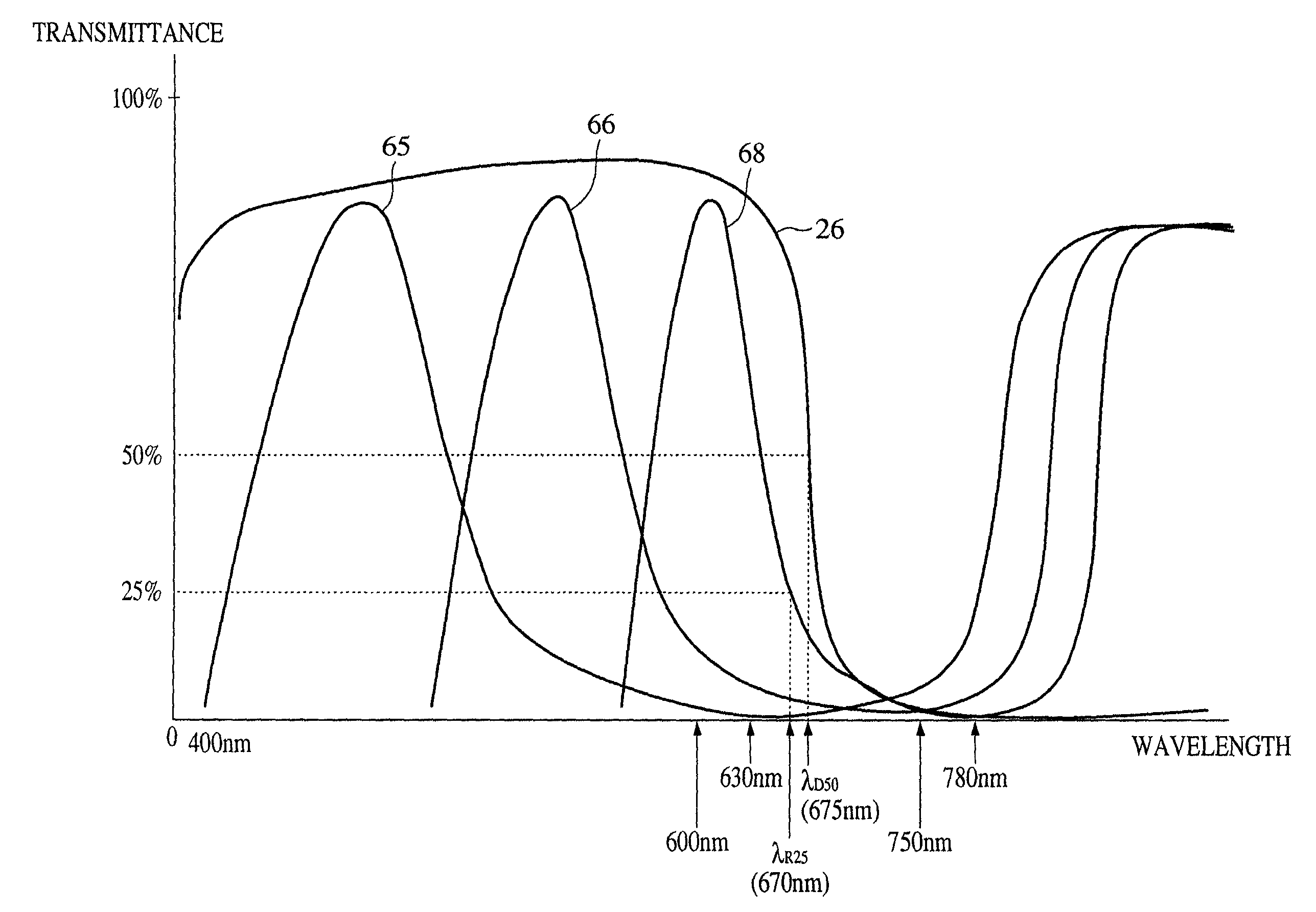
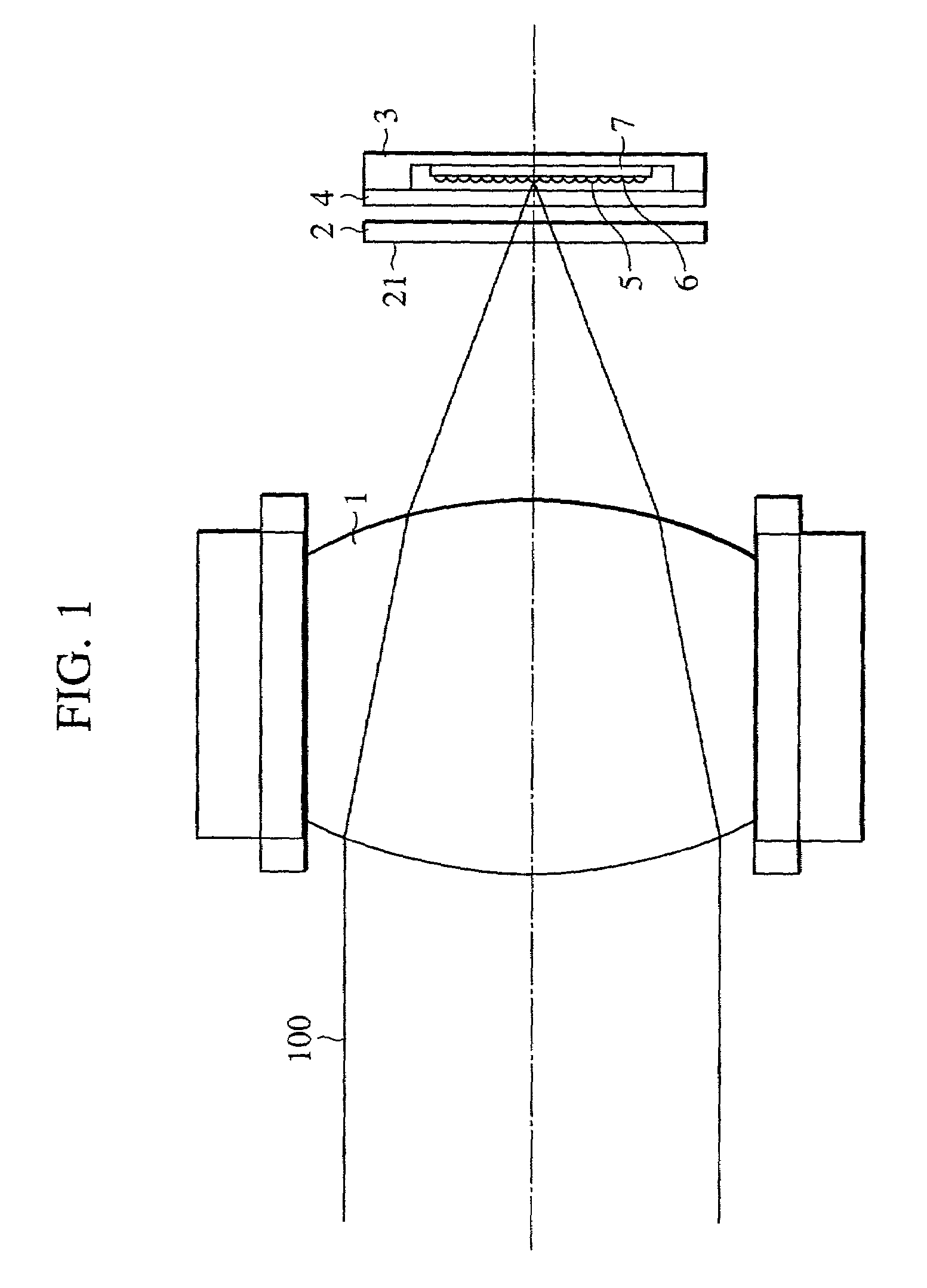
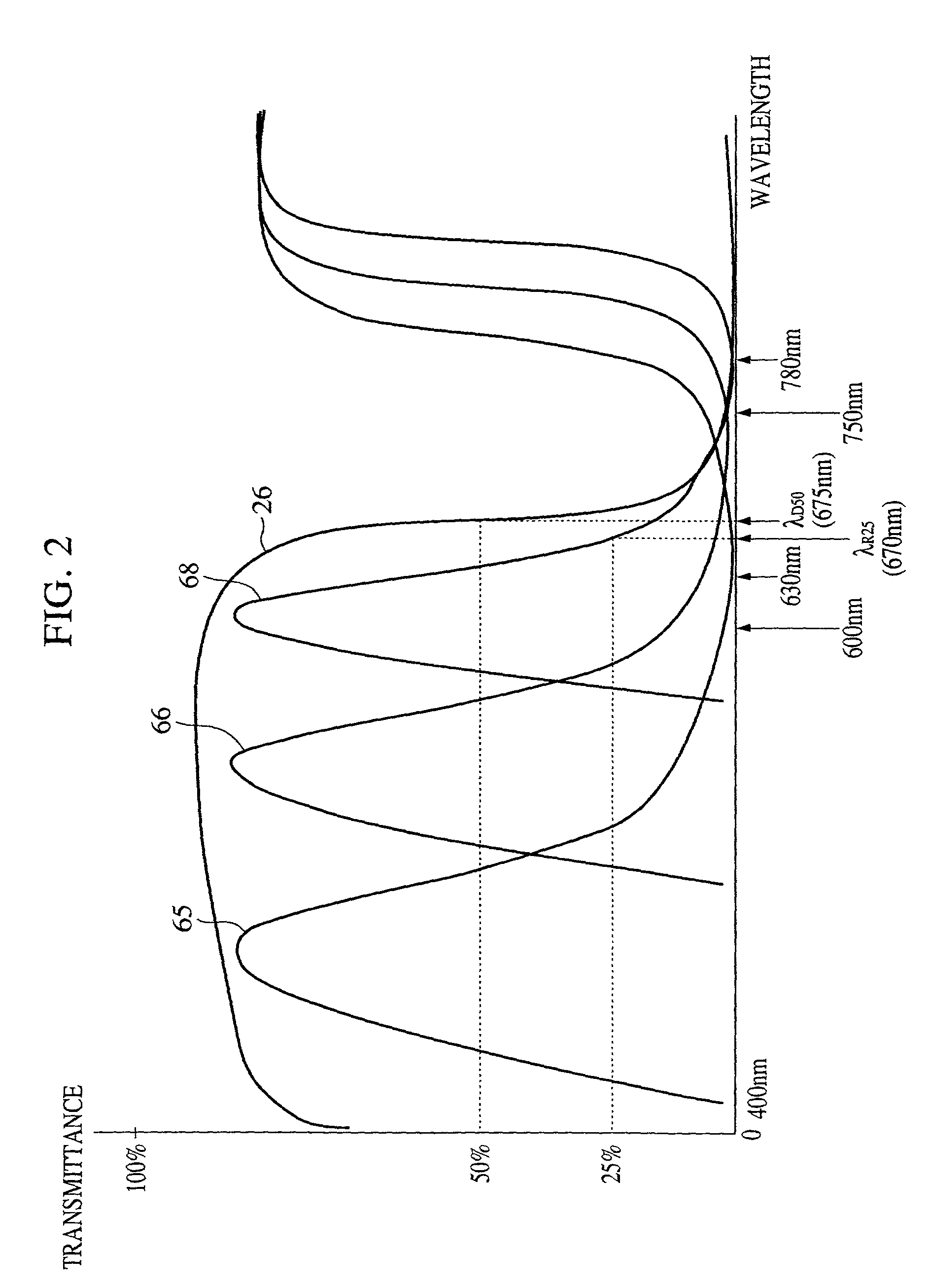
- The optical imaging system incorporates reflection-type infrared cut filters with multi-layer films and color filters that have peak transmittance in the 580 nm to 650 nm range, with specific spectral characteristics to ensure that the transmittance of the color filter is lower than the infrared cut filter at wavelengths above 600 nm, satisfying λR25 < λD50, thereby reducing ghosting intensity.

Detector assembly having reduced stray light ghosting sensitivity
PatentInactiveUS6677588B1
Innovation
- The improved detector assembly incorporates a housing with a coldshield, a detector mirror, an anti-ghosting mirror, and a radiation shield, where the anti-ghosting mirror redirects stray light outside the field of view to a light trap, reducing ghosting while maintaining anti-narcissus characteristics.


Optical Coating Standards and Quality Requirements
Optical coating standards for stray light mitigation in optical engines require stringent specifications to achieve the demanding -40 dB suppression target. Industry standards such as ISO 9211 series and MIL-PRF-13830B establish fundamental requirements for optical coatings, while specialized applications demand enhanced specifications. The primary coating parameters include reflectance uniformity across the operational wavelength range, typically requiring variations less than 0.1% for critical surfaces, and absorption coefficients below 10^-4 for high-performance anti-reflection coatings.
Surface quality requirements follow modified Scratch-Dig specifications, with critical optical surfaces requiring 10-5 or better finish quality. The coating thickness uniformity must be maintained within ±2% across the entire optical aperture to prevent localized reflection variations that contribute to ghosting. Spectral performance standards mandate that anti-reflection coatings achieve residual reflectance below 0.25% per surface across the operational bandwidth, with particular attention to wavelength regions where the optical engine operates.
Environmental durability standards encompass thermal cycling from -40°C to +85°C without coating degradation, humidity resistance per MIL-STD-810, and adhesion strength exceeding 50 N/mm² as measured by pull-off testing. Salt spray resistance and UV exposure requirements ensure long-term coating stability in harsh operating conditions.
Quality control protocols require comprehensive optical testing including spectrophotometric verification across the full wavelength range, scatter measurements using BRDF analysis, and laser damage threshold testing for high-power applications. Statistical process control maintains coating batch consistency, with acceptance criteria based on reflectance uniformity maps and defect density measurements.
Advanced coating specifications for ghost suppression applications include polarization-dependent loss requirements, typically less than 0.1 dB variation, and angular performance stability across the operational field of view. Coating stress management prevents substrate deformation that could introduce optical aberrations contributing to stray light generation.
Surface quality requirements follow modified Scratch-Dig specifications, with critical optical surfaces requiring 10-5 or better finish quality. The coating thickness uniformity must be maintained within ±2% across the entire optical aperture to prevent localized reflection variations that contribute to ghosting. Spectral performance standards mandate that anti-reflection coatings achieve residual reflectance below 0.25% per surface across the operational bandwidth, with particular attention to wavelength regions where the optical engine operates.
Environmental durability standards encompass thermal cycling from -40°C to +85°C without coating degradation, humidity resistance per MIL-STD-810, and adhesion strength exceeding 50 N/mm² as measured by pull-off testing. Salt spray resistance and UV exposure requirements ensure long-term coating stability in harsh operating conditions.
Quality control protocols require comprehensive optical testing including spectrophotometric verification across the full wavelength range, scatter measurements using BRDF analysis, and laser damage threshold testing for high-power applications. Statistical process control maintains coating batch consistency, with acceptance criteria based on reflectance uniformity maps and defect density measurements.
Advanced coating specifications for ghost suppression applications include polarization-dependent loss requirements, typically less than 0.1 dB variation, and angular performance stability across the operational field of view. Coating stress management prevents substrate deformation that could introduce optical aberrations contributing to stray light generation.
Thermal Management Impact on Optical Performance
Thermal effects represent one of the most critical factors influencing optical engine performance and directly contribute to ghosting phenomena that can compromise stray light suppression below the -40 dB threshold. Temperature variations within optical systems create refractive index changes in optical materials, leading to focal shifts, aberration variations, and unwanted light scattering that manifests as ghost images.
The primary thermal impact mechanisms include thermally-induced stress birefringence in optical elements, which creates polarization-dependent phase shifts and generates spurious reflections. Glass substrates and coatings exhibit different thermal expansion coefficients, causing interface stress that alters reflection characteristics and creates additional scattering centers. These thermal gradients are particularly problematic in high-power optical engines where laser sources generate significant heat loads.
Temperature fluctuations affect anti-reflection coating performance by shifting their designed wavelength response curves. Coatings optimized for specific temperatures may exhibit increased reflectivity when operating outside their thermal design range, directly contributing to ghost formation. Multi-layer dielectric coatings are especially sensitive, with temperature-dependent refractive index variations causing spectral shifts that compromise their effectiveness.
Thermal management strategies must address both steady-state and transient thermal conditions. Active cooling systems using thermoelectric coolers or liquid cooling can maintain optical element temperatures within specified ranges, typically ±2°C for precision applications. Passive thermal design includes strategic heat sinking, thermal isolation of critical optical paths, and material selection prioritizing low thermal expansion coefficients.
Advanced thermal compensation techniques involve real-time temperature monitoring coupled with adaptive optical correction systems. These systems can dynamically adjust optical element positions or apply corrective phase profiles to counteract thermally-induced aberrations. Athermal optical designs utilizing materials with complementary thermal properties can minimize temperature sensitivity while maintaining ghost suppression performance.
The integration of thermal modeling with optical design optimization enables prediction of temperature-dependent ghost behavior, allowing engineers to implement preventive measures during the design phase rather than reactive solutions post-manufacturing.
The primary thermal impact mechanisms include thermally-induced stress birefringence in optical elements, which creates polarization-dependent phase shifts and generates spurious reflections. Glass substrates and coatings exhibit different thermal expansion coefficients, causing interface stress that alters reflection characteristics and creates additional scattering centers. These thermal gradients are particularly problematic in high-power optical engines where laser sources generate significant heat loads.
Temperature fluctuations affect anti-reflection coating performance by shifting their designed wavelength response curves. Coatings optimized for specific temperatures may exhibit increased reflectivity when operating outside their thermal design range, directly contributing to ghost formation. Multi-layer dielectric coatings are especially sensitive, with temperature-dependent refractive index variations causing spectral shifts that compromise their effectiveness.
Thermal management strategies must address both steady-state and transient thermal conditions. Active cooling systems using thermoelectric coolers or liquid cooling can maintain optical element temperatures within specified ranges, typically ±2°C for precision applications. Passive thermal design includes strategic heat sinking, thermal isolation of critical optical paths, and material selection prioritizing low thermal expansion coefficients.
Advanced thermal compensation techniques involve real-time temperature monitoring coupled with adaptive optical correction systems. These systems can dynamically adjust optical element positions or apply corrective phase profiles to counteract thermally-induced aberrations. Athermal optical designs utilizing materials with complementary thermal properties can minimize temperature sensitivity while maintaining ghost suppression performance.
The integration of thermal modeling with optical design optimization enables prediction of temperature-dependent ghost behavior, allowing engineers to implement preventive measures during the design phase rather than reactive solutions post-manufacturing.
Unlock deeper insights with Patsnap Eureka Quick Research — get a full tech report to explore trends and direct your research. Try now!
Generate Your Research Report Instantly with AI Agent
Supercharge your innovation with Patsnap Eureka AI Agent Platform!