

How to Optimize Arc Suppression in Current Interrupt Devices for Microgrids
MAY 25, 20269 MIN READ
Generate Your Research Report Instantly with AI Agent
Patsnap Eureka helps you evaluate technical feasibility & market potential.
Arc Suppression Technology Background and Microgrid Goals
Arc suppression technology has evolved significantly since the early 20th century, originating from the fundamental need to safely interrupt electrical currents in power systems. The phenomenon of electric arcs, first systematically studied by researchers like Hertha Ayrton in the 1890s, presented critical challenges as electrical systems grew in complexity and voltage levels. Early arc suppression methods relied primarily on mechanical separation and oil-filled circuit breakers, which provided basic protection but lacked the precision required for modern applications.
The development of vacuum and SF6 gas-insulated circuit breakers in the mid-20th century marked a pivotal advancement in arc suppression technology. These innovations introduced superior dielectric properties and enhanced arc quenching capabilities, enabling more reliable current interruption across various voltage ranges. Simultaneously, the emergence of solid-state switching devices and electronic control systems began transforming traditional mechanical approaches into sophisticated, electronically-controlled solutions.
Modern arc suppression has expanded beyond conventional power systems to address the unique challenges of distributed energy networks. The integration of renewable energy sources, energy storage systems, and smart grid technologies has created new operational paradigms that demand more nuanced protection strategies. Contemporary arc suppression systems now incorporate advanced materials science, including novel contact materials, improved insulating mediums, and enhanced magnetic field manipulation techniques.
Microgrids represent a paradigm shift in electrical power distribution, characterized by localized energy generation, storage, and consumption within defined geographical boundaries. These systems operate in both grid-connected and islanded modes, requiring exceptional flexibility and reliability in their protection mechanisms. The primary technical objectives for microgrid arc suppression include achieving rapid fault detection and isolation, maintaining system stability during switching operations, and ensuring seamless transitions between operational modes.
The unique operational characteristics of microgrids present specific challenges for arc suppression optimization. Unlike traditional centralized power systems, microgrids experience bidirectional power flows, variable fault current levels, and frequent switching operations due to renewable energy intermittency. These conditions necessitate arc suppression solutions that can adapt dynamically to changing system parameters while maintaining consistent protection performance.
Key technical goals encompass minimizing arc duration to reduce equipment stress and system disturbances, optimizing interruption performance across varying current magnitudes, and integrating intelligent monitoring capabilities for predictive maintenance. Additionally, arc suppression systems must support the microgrid's sustainability objectives by minimizing environmental impact through reduced SF6 usage and improved energy efficiency during switching operations.
The development of vacuum and SF6 gas-insulated circuit breakers in the mid-20th century marked a pivotal advancement in arc suppression technology. These innovations introduced superior dielectric properties and enhanced arc quenching capabilities, enabling more reliable current interruption across various voltage ranges. Simultaneously, the emergence of solid-state switching devices and electronic control systems began transforming traditional mechanical approaches into sophisticated, electronically-controlled solutions.
Modern arc suppression has expanded beyond conventional power systems to address the unique challenges of distributed energy networks. The integration of renewable energy sources, energy storage systems, and smart grid technologies has created new operational paradigms that demand more nuanced protection strategies. Contemporary arc suppression systems now incorporate advanced materials science, including novel contact materials, improved insulating mediums, and enhanced magnetic field manipulation techniques.
Microgrids represent a paradigm shift in electrical power distribution, characterized by localized energy generation, storage, and consumption within defined geographical boundaries. These systems operate in both grid-connected and islanded modes, requiring exceptional flexibility and reliability in their protection mechanisms. The primary technical objectives for microgrid arc suppression include achieving rapid fault detection and isolation, maintaining system stability during switching operations, and ensuring seamless transitions between operational modes.
The unique operational characteristics of microgrids present specific challenges for arc suppression optimization. Unlike traditional centralized power systems, microgrids experience bidirectional power flows, variable fault current levels, and frequent switching operations due to renewable energy intermittency. These conditions necessitate arc suppression solutions that can adapt dynamically to changing system parameters while maintaining consistent protection performance.
Key technical goals encompass minimizing arc duration to reduce equipment stress and system disturbances, optimizing interruption performance across varying current magnitudes, and integrating intelligent monitoring capabilities for predictive maintenance. Additionally, arc suppression systems must support the microgrid's sustainability objectives by minimizing environmental impact through reduced SF6 usage and improved energy efficiency during switching operations.
Market Demand for Advanced Microgrid Protection Systems
The global microgrid market is experiencing unprecedented growth driven by increasing demand for reliable, resilient, and sustainable energy systems. This expansion directly correlates with heightened requirements for advanced protection systems, particularly those addressing arc suppression in current interrupt devices. The proliferation of distributed energy resources, including solar photovoltaics, wind turbines, and energy storage systems, necessitates sophisticated protection mechanisms capable of handling complex fault scenarios unique to microgrid environments.
Industrial and commercial sectors represent the largest demand segments for advanced microgrid protection systems. Manufacturing facilities, data centers, hospitals, and critical infrastructure installations require uninterrupted power supply with minimal tolerance for electrical faults. These applications demand protection systems that can rapidly detect and suppress arcing faults while maintaining system stability during islanding operations and grid reconnection events.
Residential microgrid deployments are emerging as a significant market driver, particularly in regions prone to natural disasters or experiencing grid reliability issues. Homeowners increasingly seek energy independence through rooftop solar installations coupled with battery storage systems. These residential applications require cost-effective yet reliable arc suppression solutions that can protect sensitive electronic equipment while ensuring personal safety.
The integration of renewable energy sources introduces unique challenges that traditional protection systems struggle to address effectively. Variable power generation, bidirectional power flows, and reduced fault current levels in microgrid environments create complex protection coordination requirements. Market demand increasingly focuses on intelligent protection systems capable of adaptive operation under diverse operating conditions.
Regulatory frameworks worldwide are evolving to mandate enhanced safety standards for distributed energy systems. Grid codes and safety regulations increasingly require advanced arc fault detection and suppression capabilities, particularly in residential and commercial installations. These regulatory drivers create substantial market opportunities for innovative protection technologies.
Emerging markets in developing countries present significant growth potential as governments invest in distributed energy infrastructure to improve energy access and reliability. These markets often prioritize cost-effective solutions while maintaining essential safety and reliability standards, creating demand for optimized arc suppression technologies that balance performance with affordability.
The market also demonstrates growing interest in digitalization and smart grid integration capabilities. Protection systems incorporating communication protocols, remote monitoring, and predictive maintenance features command premium pricing while addressing operational efficiency requirements of modern energy systems.
Industrial and commercial sectors represent the largest demand segments for advanced microgrid protection systems. Manufacturing facilities, data centers, hospitals, and critical infrastructure installations require uninterrupted power supply with minimal tolerance for electrical faults. These applications demand protection systems that can rapidly detect and suppress arcing faults while maintaining system stability during islanding operations and grid reconnection events.
Residential microgrid deployments are emerging as a significant market driver, particularly in regions prone to natural disasters or experiencing grid reliability issues. Homeowners increasingly seek energy independence through rooftop solar installations coupled with battery storage systems. These residential applications require cost-effective yet reliable arc suppression solutions that can protect sensitive electronic equipment while ensuring personal safety.
The integration of renewable energy sources introduces unique challenges that traditional protection systems struggle to address effectively. Variable power generation, bidirectional power flows, and reduced fault current levels in microgrid environments create complex protection coordination requirements. Market demand increasingly focuses on intelligent protection systems capable of adaptive operation under diverse operating conditions.
Regulatory frameworks worldwide are evolving to mandate enhanced safety standards for distributed energy systems. Grid codes and safety regulations increasingly require advanced arc fault detection and suppression capabilities, particularly in residential and commercial installations. These regulatory drivers create substantial market opportunities for innovative protection technologies.
Emerging markets in developing countries present significant growth potential as governments invest in distributed energy infrastructure to improve energy access and reliability. These markets often prioritize cost-effective solutions while maintaining essential safety and reliability standards, creating demand for optimized arc suppression technologies that balance performance with affordability.
The market also demonstrates growing interest in digitalization and smart grid integration capabilities. Protection systems incorporating communication protocols, remote monitoring, and predictive maintenance features command premium pricing while addressing operational efficiency requirements of modern energy systems.
Current Arc Suppression Challenges in Microgrid Applications
Arc suppression in microgrid current interrupt devices faces unprecedented challenges due to the unique operational characteristics of distributed energy systems. Unlike traditional centralized power grids, microgrids operate with variable fault current levels, bidirectional power flows, and diverse generation sources that create complex arc extinction conditions. The intermittent nature of renewable energy sources introduces rapid voltage and current fluctuations that can destabilize conventional arc suppression mechanisms.
The integration of power electronic converters in microgrids significantly alters fault current characteristics, often resulting in lower short-circuit currents compared to conventional grids. This reduction in fault current magnitude creates difficulties for traditional circuit breakers that rely on natural current zero crossings for arc extinction. The limited fault current may be insufficient to trigger conventional protection mechanisms, leading to prolonged arcing conditions that can cause equipment damage and safety hazards.
Bidirectional power flow presents another critical challenge, as current interrupt devices must effectively suppress arcs regardless of current direction. Traditional arc suppression technologies were primarily designed for unidirectional power flow scenarios, making them less effective in microgrid applications where power can flow from distributed generators back to the main grid or between local loads and sources.
The diverse impedance characteristics of microgrid components create non-uniform arc behavior across different operating conditions. Inverter-based resources exhibit different fault responses compared to synchronous generators, resulting in varying arc characteristics that require adaptive suppression strategies. The high-frequency switching operations of power electronic devices can also interfere with arc detection and suppression timing.
Coordination between multiple protection devices in islanded microgrid operations adds complexity to arc suppression requirements. The reduced system inertia and limited fault current contribution from inverter-based sources necessitate faster response times and more sensitive arc detection mechanisms. Additionally, the need to maintain power quality during switching operations requires arc suppression systems that minimize voltage disturbances and electromagnetic interference.
Environmental factors specific to distributed generation installations, such as outdoor mounting conditions and exposure to weather variations, further complicate arc suppression performance. These conditions demand robust arc suppression technologies that maintain effectiveness across wide temperature ranges and varying atmospheric conditions while ensuring reliable operation in remote or unmanned installations.
The integration of power electronic converters in microgrids significantly alters fault current characteristics, often resulting in lower short-circuit currents compared to conventional grids. This reduction in fault current magnitude creates difficulties for traditional circuit breakers that rely on natural current zero crossings for arc extinction. The limited fault current may be insufficient to trigger conventional protection mechanisms, leading to prolonged arcing conditions that can cause equipment damage and safety hazards.
Bidirectional power flow presents another critical challenge, as current interrupt devices must effectively suppress arcs regardless of current direction. Traditional arc suppression technologies were primarily designed for unidirectional power flow scenarios, making them less effective in microgrid applications where power can flow from distributed generators back to the main grid or between local loads and sources.
The diverse impedance characteristics of microgrid components create non-uniform arc behavior across different operating conditions. Inverter-based resources exhibit different fault responses compared to synchronous generators, resulting in varying arc characteristics that require adaptive suppression strategies. The high-frequency switching operations of power electronic devices can also interfere with arc detection and suppression timing.
Coordination between multiple protection devices in islanded microgrid operations adds complexity to arc suppression requirements. The reduced system inertia and limited fault current contribution from inverter-based sources necessitate faster response times and more sensitive arc detection mechanisms. Additionally, the need to maintain power quality during switching operations requires arc suppression systems that minimize voltage disturbances and electromagnetic interference.
Environmental factors specific to distributed generation installations, such as outdoor mounting conditions and exposure to weather variations, further complicate arc suppression performance. These conditions demand robust arc suppression technologies that maintain effectiveness across wide temperature ranges and varying atmospheric conditions while ensuring reliable operation in remote or unmanned installations.
Existing Arc Suppression Solutions for Current Interruption
01 Vacuum arc interruption technology
Vacuum interrupters utilize the properties of vacuum to extinguish electrical arcs by eliminating the medium that sustains the arc. When contacts separate in a vacuum environment, the arc is quickly extinguished due to the absence of gas molecules that would otherwise maintain the arc plasma. This technology is particularly effective for medium voltage applications and provides reliable arc suppression with minimal maintenance requirements.- Vacuum arc interruption technology: Vacuum interrupters utilize the properties of vacuum to extinguish electrical arcs by eliminating the medium that sustains the arc. When contacts separate in a vacuum environment, the arc is quickly extinguished due to the absence of gas molecules that would otherwise maintain the arc plasma. This technology is particularly effective for medium voltage applications and provides reliable arc suppression with minimal maintenance requirements.
- Gas-filled arc suppression chambers: Arc suppression is achieved using specialized gas environments such as sulfur hexafluoride or other dielectric gases that have superior arc-quenching properties. These gases help to rapidly cool the arc plasma and provide insulation between contacts after current interruption. The gas-filled chambers are designed to handle high voltage applications and provide effective arc extinction through controlled gas flow and pressure management.
- Magnetic arc control and deflection: Magnetic fields are employed to control and deflect arcs away from critical components during current interruption. This method uses permanent magnets or electromagnetic coils to create magnetic forces that manipulate the arc path, causing it to move into designated arc-quenching regions. The magnetic control helps to prevent arc damage to contacts and ensures more reliable interruption performance.
- Contact material and design optimization: Specialized contact materials and geometries are developed to enhance arc suppression capabilities during current interruption. These designs focus on materials with high thermal conductivity, low contact resistance, and superior arc erosion resistance. The contact configuration and surface treatments are optimized to minimize arc formation and promote rapid arc extinction while maintaining long operational life.
- Electronic arc detection and suppression systems: Advanced electronic systems are integrated to detect arc formation and actively suppress arcs through rapid response mechanisms. These systems use sensors to monitor electrical parameters and trigger suppression actions such as rapid contact separation, gas injection, or magnetic field activation. The electronic control provides precise timing and coordination of multiple suppression methods for enhanced reliability and safety.
02 Gas-filled arc suppression chambers
Arc suppression is achieved using specialized gas environments such as sulfur hexafluoride or other dielectric gases within sealed chambers. These gases have superior arc-quenching properties compared to air, effectively cooling and deionizing the arc plasma. The gas medium absorbs the arc energy and prevents re-ignition by providing high dielectric strength once the current crosses zero.Expand Specific Solutions03 Magnetic arc control and deflection
Magnetic fields are employed to control, deflect, and extinguish arcs by forcing the arc plasma into specific paths or chambers designed for arc extinction. The magnetic force acts on the current-carrying arc plasma, stretching and cooling it until extinction occurs. This method can be combined with other arc suppression techniques to enhance overall performance and is particularly useful in high-current applications.Expand Specific Solutions04 Contact material and design optimization
Specialized contact materials and geometries are designed to minimize arc formation and enhance arc extinction capabilities. Advanced alloys and composite materials with specific electrical and thermal properties are used to reduce contact erosion and improve arc suppression performance. Contact design includes features such as arc runners, specific contact shapes, and surface treatments that facilitate rapid arc extinction.Expand Specific Solutions05 Electronic and hybrid arc suppression systems
Modern arc suppression incorporates electronic control systems and hybrid technologies that combine multiple suppression methods. These systems may include active monitoring, predictive arc detection, and coordinated suppression mechanisms that respond rapidly to arc formation. Electronic systems can provide precise timing and control of suppression elements, optimizing performance across various operating conditions and load types.Expand Specific Solutions
Key Players in Microgrid Protection and Arc Suppression
The arc suppression optimization in current interrupt devices for microgrids represents a rapidly evolving technological landscape driven by increasing microgrid deployment and renewable energy integration. The market is experiencing significant growth as utilities and industrial sectors seek enhanced grid reliability and safety solutions. The competitive landscape features established electrical giants like ABB Ltd., Siemens AG, and Schneider Electric leading with mature arc suppression technologies, while companies such as Eaton, Panasonic Holdings, and Mitsubishi Electric contribute specialized switching and protection solutions. Asian manufacturers including Zhejiang Chint Electrics and LS Electric are gaining prominence with cost-effective innovations. The technology maturity varies across segments, with traditional arc suppression methods being well-established, while advanced digital control and smart grid integration capabilities are still developing, creating opportunities for both incumbents and emerging players.
ABB Ltd.
Technical Solution: ABB has developed advanced vacuum circuit breaker technology with optimized contact materials and magnetic field control systems for arc suppression in microgrid applications. Their solution incorporates intelligent electronic devices (IEDs) with real-time monitoring capabilities, utilizing copper-chromium contacts and axial magnetic field (AMF) technology to enhance arc extinction. The system features adaptive protection algorithms that can detect fault conditions within 2-3 milliseconds and coordinate with distributed energy resources. ABB's approach includes SF6-free switching solutions and digital substations technology, enabling seamless integration with renewable energy sources and energy storage systems in microgrids.
Strengths: Global market leader with extensive R&D capabilities and proven track record in power systems. Weaknesses: Higher cost solutions and complex integration requirements for smaller microgrid installations.
Eaton Intelligent Power Ltd.
Technical Solution: Eaton has developed specialized arc suppression technology through their Power Xpert and UltraMax series switchgear, optimized for microgrid current interruption applications. Their solution features advanced vacuum interrupter technology with enhanced contact materials and optimized arc chamber geometry. The system incorporates intelligent protection relays with adaptive algorithms that can distinguish between normal switching operations and fault conditions, providing selective coordination in complex microgrid topologies. Eaton's approach includes modular design architecture enabling scalable deployment and integration with renewable energy sources, featuring arc flash reduction maintenance switches and remote monitoring capabilities for enhanced safety and reliability.
Strengths: Cost-effective solutions with strong focus on safety and modular scalability for various microgrid sizes. Weaknesses: Limited presence in some international markets and fewer advanced digital features compared to competitors.
Core Innovations in Microgrid Arc Suppression Patents
Active arc-suppression circuit, system, and method of use
PatentInactiveUS7259945B2
Innovation
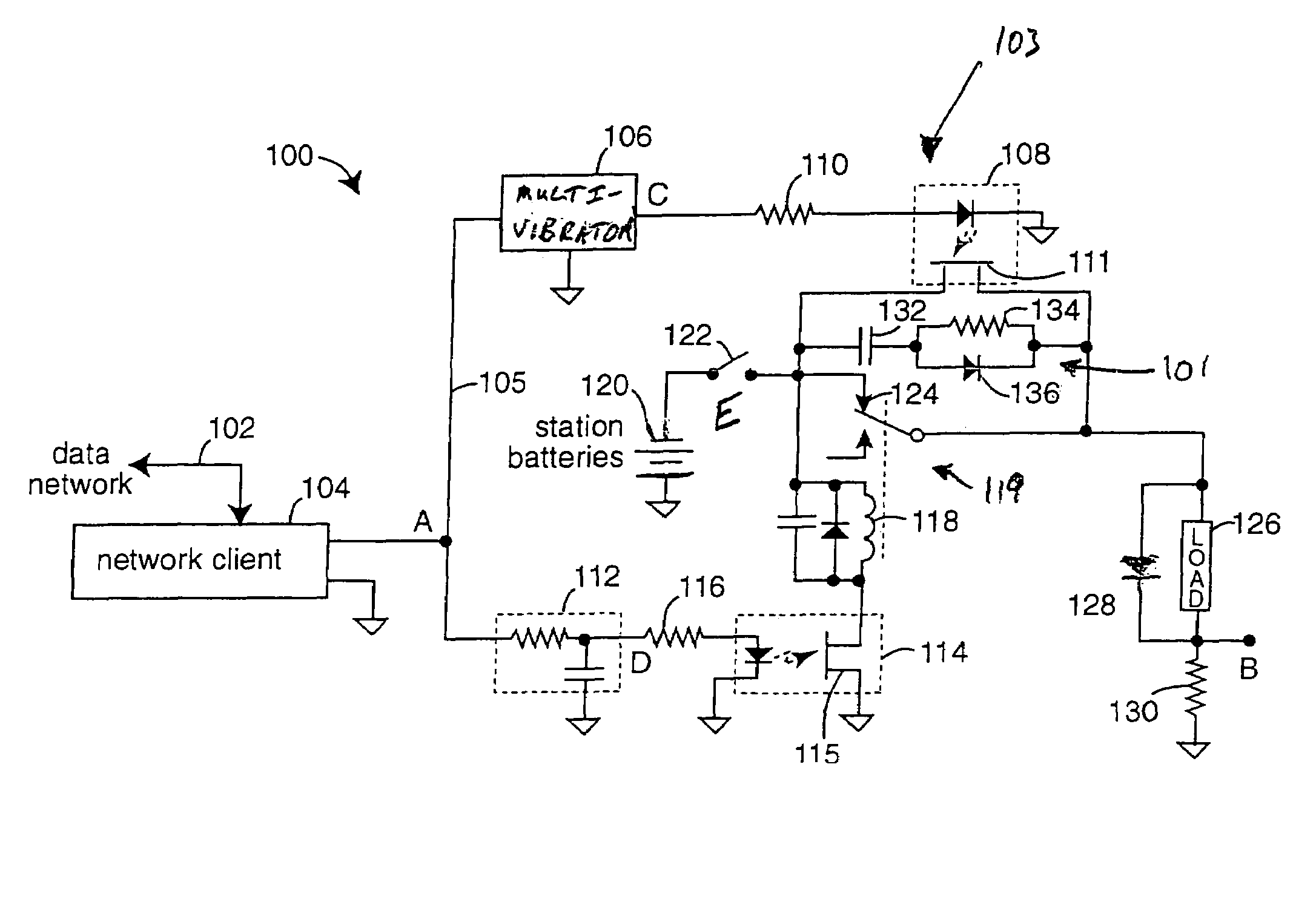
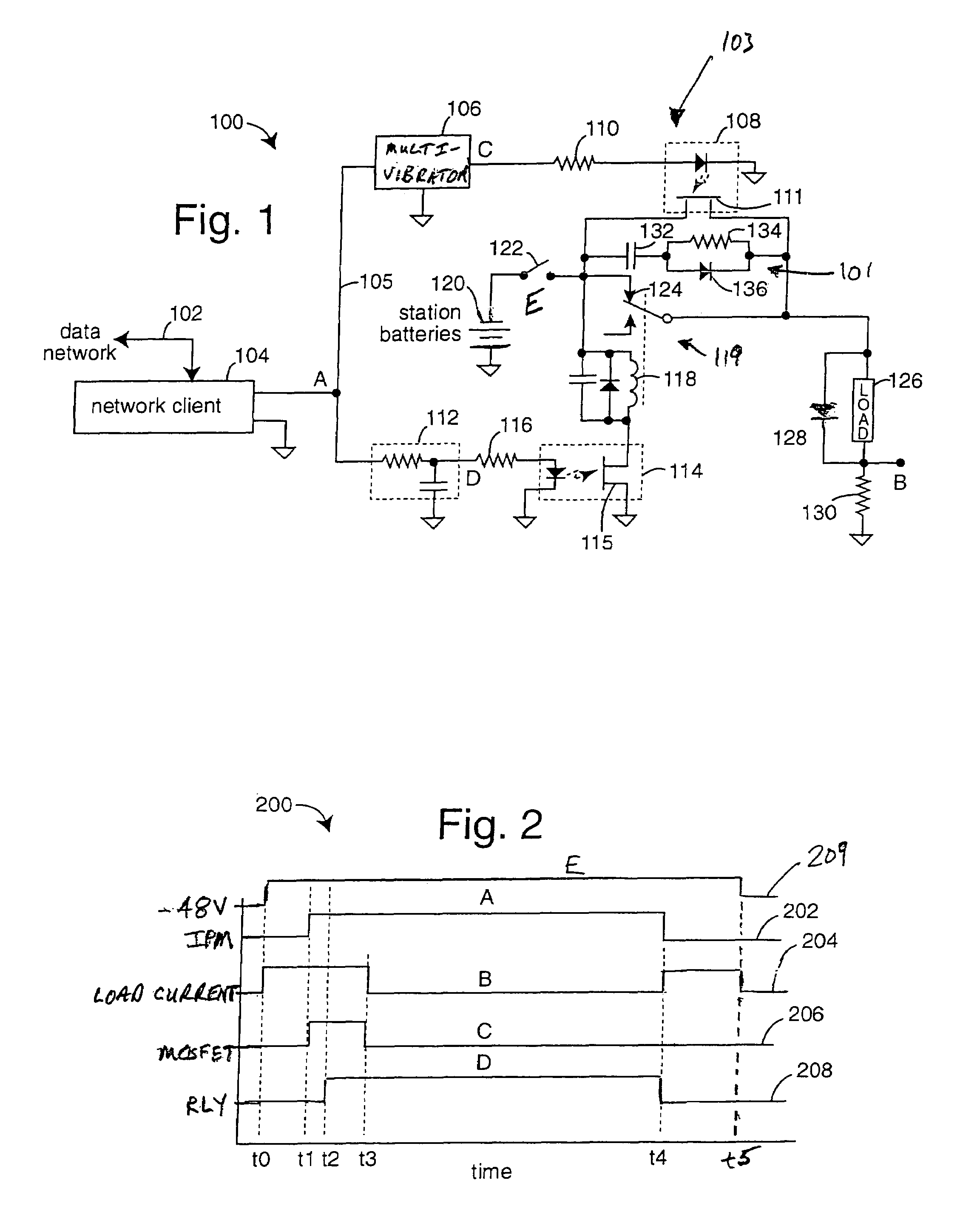
- An active arc-suppression circuit employing an active solid-state power shunt relay in conjunction with an electro-mechanical relay, where a timing circuit temporarily diverts current using a solid-state switch to facilitate smooth contact separation and closure, reducing arcing and extending relay lifespan.

Arc-suppressing device
PatentWO2018146942A1
Innovation
- A current limiting circuit with a MOSFET, Zener diode, and capacitors is used in parallel with a circuit breaker, and a protector with fuses to divert current and prevent arcs, ensuring the fuse does not blow during normal conditions but blows when the arcing circuit fails, along with a second protector to cut off current after the first protector activates.


Grid Code Compliance and Safety Standards for Microgrids
Grid code compliance represents a fundamental requirement for microgrid operations, establishing the technical and safety parameters that govern how distributed energy systems integrate with existing electrical infrastructure. These regulatory frameworks define operational boundaries for voltage regulation, frequency stability, power quality, and fault response characteristics that microgrid systems must maintain during both grid-connected and islanded modes of operation.
International standards such as IEEE 1547, IEC 61727, and regional grid codes like the European Network Code Requirements for Generators provide comprehensive guidelines for microgrid interconnection. These standards specifically address arc fault detection and interruption requirements, mandating that current interrupt devices demonstrate reliable performance under various fault scenarios while maintaining system stability and personnel safety.
Safety standards for arc suppression in microgrids encompass multiple layers of protection, including arc fault circuit interrupters (AFCIs), ground fault protection, and coordinated protection schemes. UL 1699B standard specifically addresses arc fault circuit interrupters for photovoltaic systems, while IEEE C37.06 defines preferred ratings and capabilities for AC high-voltage circuit breakers, establishing performance criteria for arc interruption in distributed generation environments.
Compliance verification requires extensive testing protocols that validate arc suppression effectiveness across diverse operating conditions. These include short-circuit current interruption tests, dielectric withstand tests, and endurance testing under repetitive switching operations. Testing must demonstrate that interrupt devices can reliably extinguish arcs within specified time limits while preventing re-ignition and maintaining electrical isolation.
Regulatory harmonization efforts are increasingly focusing on standardizing arc suppression requirements across different jurisdictions, recognizing that microgrids often operate across utility boundaries. This includes establishing common testing methodologies, performance metrics, and certification processes that ensure consistent safety levels regardless of geographic location or utility operator requirements.
Emerging safety considerations address the unique challenges posed by bidirectional power flows, variable generation sources, and rapid load changes characteristic of modern microgrids. Updated standards are incorporating requirements for adaptive protection schemes that can dynamically adjust arc suppression parameters based on real-time system conditions, ensuring optimal performance across the full range of microgrid operating scenarios.
International standards such as IEEE 1547, IEC 61727, and regional grid codes like the European Network Code Requirements for Generators provide comprehensive guidelines for microgrid interconnection. These standards specifically address arc fault detection and interruption requirements, mandating that current interrupt devices demonstrate reliable performance under various fault scenarios while maintaining system stability and personnel safety.
Safety standards for arc suppression in microgrids encompass multiple layers of protection, including arc fault circuit interrupters (AFCIs), ground fault protection, and coordinated protection schemes. UL 1699B standard specifically addresses arc fault circuit interrupters for photovoltaic systems, while IEEE C37.06 defines preferred ratings and capabilities for AC high-voltage circuit breakers, establishing performance criteria for arc interruption in distributed generation environments.
Compliance verification requires extensive testing protocols that validate arc suppression effectiveness across diverse operating conditions. These include short-circuit current interruption tests, dielectric withstand tests, and endurance testing under repetitive switching operations. Testing must demonstrate that interrupt devices can reliably extinguish arcs within specified time limits while preventing re-ignition and maintaining electrical isolation.
Regulatory harmonization efforts are increasingly focusing on standardizing arc suppression requirements across different jurisdictions, recognizing that microgrids often operate across utility boundaries. This includes establishing common testing methodologies, performance metrics, and certification processes that ensure consistent safety levels regardless of geographic location or utility operator requirements.
Emerging safety considerations address the unique challenges posed by bidirectional power flows, variable generation sources, and rapid load changes characteristic of modern microgrids. Updated standards are incorporating requirements for adaptive protection schemes that can dynamically adjust arc suppression parameters based on real-time system conditions, ensuring optimal performance across the full range of microgrid operating scenarios.
Environmental Impact of Arc Suppression Technologies
Arc suppression technologies in current interrupt devices for microgrids present significant environmental considerations that extend beyond their immediate operational benefits. The environmental impact assessment encompasses multiple dimensions, including material lifecycle effects, operational emissions, and long-term sustainability implications that directly influence technology adoption decisions in environmentally conscious microgrid deployments.
Traditional arc suppression methods utilizing sulfur hexafluoride (SF6) gas present substantial environmental challenges due to SF6's extremely high global warming potential, approximately 23,500 times greater than carbon dioxide over a 100-year period. When SF6 leaks occur during device operation or maintenance, the environmental consequences are severe and long-lasting. This has prompted regulatory bodies worldwide to implement stricter controls and phase-out schedules for SF6-based equipment, particularly in renewable energy applications where environmental sustainability is paramount.
Vacuum-based arc suppression technologies offer significantly improved environmental profiles compared to SF6 systems. These devices eliminate greenhouse gas emissions during normal operation and maintenance cycles, while providing comparable or superior arc interruption performance. The manufacturing process for vacuum interrupters requires specialized materials and energy-intensive production methods, yet the overall lifecycle environmental impact remains substantially lower than gas-filled alternatives.
Solid-state arc suppression solutions represent the most environmentally favorable approach, utilizing semiconductor materials and advanced control algorithms to manage fault currents without relying on consumable gases or vacuum chambers. These systems demonstrate minimal environmental impact during operation, though their manufacturing processes involve rare earth elements and complex semiconductor fabrication that requires careful supply chain management to ensure sustainable sourcing practices.
The integration of environmentally sustainable arc suppression technologies in microgrids supports broader decarbonization objectives while maintaining grid reliability and safety standards. Modern microgrid operators increasingly prioritize equipment selections based on comprehensive environmental impact assessments, considering factors such as carbon footprint, recyclability, and end-of-life disposal requirements. This trend drives continued innovation toward more sustainable arc suppression solutions that align with global environmental protection goals.
Traditional arc suppression methods utilizing sulfur hexafluoride (SF6) gas present substantial environmental challenges due to SF6's extremely high global warming potential, approximately 23,500 times greater than carbon dioxide over a 100-year period. When SF6 leaks occur during device operation or maintenance, the environmental consequences are severe and long-lasting. This has prompted regulatory bodies worldwide to implement stricter controls and phase-out schedules for SF6-based equipment, particularly in renewable energy applications where environmental sustainability is paramount.
Vacuum-based arc suppression technologies offer significantly improved environmental profiles compared to SF6 systems. These devices eliminate greenhouse gas emissions during normal operation and maintenance cycles, while providing comparable or superior arc interruption performance. The manufacturing process for vacuum interrupters requires specialized materials and energy-intensive production methods, yet the overall lifecycle environmental impact remains substantially lower than gas-filled alternatives.
Solid-state arc suppression solutions represent the most environmentally favorable approach, utilizing semiconductor materials and advanced control algorithms to manage fault currents without relying on consumable gases or vacuum chambers. These systems demonstrate minimal environmental impact during operation, though their manufacturing processes involve rare earth elements and complex semiconductor fabrication that requires careful supply chain management to ensure sustainable sourcing practices.
The integration of environmentally sustainable arc suppression technologies in microgrids supports broader decarbonization objectives while maintaining grid reliability and safety standards. Modern microgrid operators increasingly prioritize equipment selections based on comprehensive environmental impact assessments, considering factors such as carbon footprint, recyclability, and end-of-life disposal requirements. This trend drives continued innovation toward more sustainable arc suppression solutions that align with global environmental protection goals.
Unlock deeper insights with Patsnap Eureka Quick Research — get a full tech report to explore trends and direct your research. Try now!
Generate Your Research Report Instantly with AI Agent
Supercharge your innovation with Patsnap Eureka AI Agent Platform!