
How to Optimize Data Logging in Tactile Sensing Systems
APR 11, 20269 MIN READ
Generate Your Research Report Instantly with AI Agent
Patsnap Eureka helps you evaluate technical feasibility & market potential.
Tactile Sensing Data Logging Background and Objectives
Tactile sensing technology has emerged as a critical component in modern robotics, prosthetics, and human-machine interaction systems over the past three decades. The evolution began with simple pressure-sensitive resistors in the 1990s and has progressed to sophisticated multi-modal sensing arrays capable of detecting pressure, temperature, texture, and slip simultaneously. This technological advancement has been driven by the increasing demand for robots that can safely interact with humans and manipulate delicate objects with human-like dexterity.
The fundamental challenge in tactile sensing systems lies in managing the massive volumes of high-frequency data generated by dense sensor arrays. Modern tactile sensors can contain thousands of sensing elements, each sampling at rates exceeding 1kHz, resulting in data streams that can reach several gigabytes per hour. Traditional data logging approaches, originally designed for simpler sensor configurations, have become inadequate for handling such data-intensive applications while maintaining real-time performance requirements.
Current tactile sensing applications span across industrial automation, medical robotics, autonomous vehicles, and consumer electronics. In surgical robotics, tactile feedback enables precise tissue manipulation, while in manufacturing, it facilitates quality control through surface texture analysis. The automotive industry leverages tactile sensing for advanced driver assistance systems, and consumer devices utilize it for enhanced user interfaces. Each application domain presents unique data logging requirements in terms of sampling rates, storage capacity, and processing latency.
The primary objective of optimizing data logging in tactile sensing systems is to achieve efficient data capture, storage, and retrieval while minimizing computational overhead and power consumption. This involves developing intelligent data compression algorithms that preserve critical tactile information while reducing storage requirements. Additionally, the optimization must address real-time processing constraints, ensuring that data logging operations do not interfere with the system's primary sensing and control functions.
Secondary objectives include implementing adaptive sampling strategies that dynamically adjust data collection rates based on tactile event significance, developing robust data integrity mechanisms to prevent information loss during high-throughput operations, and creating standardized data formats that facilitate interoperability between different tactile sensing platforms. These objectives collectively aim to transform tactile sensing systems from data-intensive bottlenecks into efficient, scalable solutions capable of supporting next-generation robotic applications.
The fundamental challenge in tactile sensing systems lies in managing the massive volumes of high-frequency data generated by dense sensor arrays. Modern tactile sensors can contain thousands of sensing elements, each sampling at rates exceeding 1kHz, resulting in data streams that can reach several gigabytes per hour. Traditional data logging approaches, originally designed for simpler sensor configurations, have become inadequate for handling such data-intensive applications while maintaining real-time performance requirements.
Current tactile sensing applications span across industrial automation, medical robotics, autonomous vehicles, and consumer electronics. In surgical robotics, tactile feedback enables precise tissue manipulation, while in manufacturing, it facilitates quality control through surface texture analysis. The automotive industry leverages tactile sensing for advanced driver assistance systems, and consumer devices utilize it for enhanced user interfaces. Each application domain presents unique data logging requirements in terms of sampling rates, storage capacity, and processing latency.
The primary objective of optimizing data logging in tactile sensing systems is to achieve efficient data capture, storage, and retrieval while minimizing computational overhead and power consumption. This involves developing intelligent data compression algorithms that preserve critical tactile information while reducing storage requirements. Additionally, the optimization must address real-time processing constraints, ensuring that data logging operations do not interfere with the system's primary sensing and control functions.
Secondary objectives include implementing adaptive sampling strategies that dynamically adjust data collection rates based on tactile event significance, developing robust data integrity mechanisms to prevent information loss during high-throughput operations, and creating standardized data formats that facilitate interoperability between different tactile sensing platforms. These objectives collectively aim to transform tactile sensing systems from data-intensive bottlenecks into efficient, scalable solutions capable of supporting next-generation robotic applications.
Market Demand for Advanced Tactile Sensing Applications
The global tactile sensing market is experiencing unprecedented growth driven by the convergence of artificial intelligence, robotics, and human-machine interface technologies. Industrial automation represents the largest application segment, where tactile sensors enable robots to perform delicate assembly tasks, quality control inspections, and material handling operations with human-like dexterity. Manufacturing facilities increasingly demand real-time tactile feedback systems that can process and log vast amounts of sensory data to optimize production efficiency and ensure consistent product quality.
Healthcare applications constitute another rapidly expanding market segment, particularly in surgical robotics and prosthetic devices. Advanced tactile sensing systems in minimally invasive surgical instruments require sophisticated data logging capabilities to capture subtle tissue interactions and provide surgeons with enhanced haptic feedback. The growing aging population and increasing prevalence of limb disabilities are driving demand for smart prosthetics equipped with tactile sensors that can restore natural touch sensations to users.
The automotive industry presents significant opportunities for tactile sensing applications, especially in autonomous vehicle development and advanced driver assistance systems. Touch-sensitive surfaces, steering wheel grip detection, and passenger safety monitoring systems all require optimized data logging to ensure reliable performance and regulatory compliance. Electric vehicle manufacturers are particularly interested in tactile interfaces that can reduce driver distraction while maintaining intuitive control mechanisms.
Consumer electronics and wearable technology markets are witnessing explosive growth in tactile sensing applications. Smartphones, tablets, gaming controllers, and virtual reality devices increasingly incorporate sophisticated touch sensors that demand efficient data processing and storage solutions. The emergence of haptic feedback in consumer devices creates new requirements for real-time data logging systems that can capture and reproduce complex tactile sensations.
Emerging applications in smart textiles, human-computer interaction, and Internet of Things devices are creating additional market demand. These applications often operate in resource-constrained environments where optimized data logging becomes critical for system performance and battery life. The integration of tactile sensing into everyday objects and environments represents a significant growth opportunity that requires innovative approaches to data management and processing efficiency.
Healthcare applications constitute another rapidly expanding market segment, particularly in surgical robotics and prosthetic devices. Advanced tactile sensing systems in minimally invasive surgical instruments require sophisticated data logging capabilities to capture subtle tissue interactions and provide surgeons with enhanced haptic feedback. The growing aging population and increasing prevalence of limb disabilities are driving demand for smart prosthetics equipped with tactile sensors that can restore natural touch sensations to users.
The automotive industry presents significant opportunities for tactile sensing applications, especially in autonomous vehicle development and advanced driver assistance systems. Touch-sensitive surfaces, steering wheel grip detection, and passenger safety monitoring systems all require optimized data logging to ensure reliable performance and regulatory compliance. Electric vehicle manufacturers are particularly interested in tactile interfaces that can reduce driver distraction while maintaining intuitive control mechanisms.
Consumer electronics and wearable technology markets are witnessing explosive growth in tactile sensing applications. Smartphones, tablets, gaming controllers, and virtual reality devices increasingly incorporate sophisticated touch sensors that demand efficient data processing and storage solutions. The emergence of haptic feedback in consumer devices creates new requirements for real-time data logging systems that can capture and reproduce complex tactile sensations.
Emerging applications in smart textiles, human-computer interaction, and Internet of Things devices are creating additional market demand. These applications often operate in resource-constrained environments where optimized data logging becomes critical for system performance and battery life. The integration of tactile sensing into everyday objects and environments represents a significant growth opportunity that requires innovative approaches to data management and processing efficiency.
Current Data Logging Challenges in Tactile Systems
Tactile sensing systems face significant data logging challenges that directly impact their performance, reliability, and practical deployment across various applications. The high-frequency nature of tactile data acquisition, often requiring sampling rates exceeding 1kHz for dynamic touch interactions, creates substantial data throughput demands that strain conventional logging architectures. This challenge is compounded by the multi-dimensional nature of tactile information, which encompasses force vectors, pressure distributions, temperature variations, and temporal dynamics simultaneously.
Real-time processing requirements present another critical bottleneck in current tactile sensing implementations. Unlike traditional sensors that can tolerate processing delays, tactile systems often require immediate response capabilities for applications such as robotic manipulation and haptic feedback interfaces. The conflict between comprehensive data logging and real-time performance creates a fundamental trade-off that existing systems struggle to resolve effectively.
Storage capacity limitations become particularly acute in portable and embedded tactile sensing applications. High-resolution tactile arrays can generate terabytes of data during extended operation periods, overwhelming local storage capabilities and necessitating frequent data transfers or selective logging strategies that may compromise data integrity and research value.
Synchronization challenges emerge when multiple tactile sensors operate simultaneously within complex systems. Maintaining temporal alignment across distributed sensor networks while ensuring data consistency requires sophisticated coordination mechanisms that current logging frameworks often lack. This synchronization problem is exacerbated by varying sensor response times and communication latencies.
Data compression and filtering present additional technical hurdles, as tactile information contains subtle nuances that may be lost through aggressive compression algorithms. Determining optimal compression ratios while preserving critical tactile features requires domain-specific knowledge and adaptive algorithms that current systems rarely implement effectively.
Power consumption constraints in battery-operated tactile devices further complicate data logging strategies. Continuous high-rate data acquisition and storage operations can rapidly deplete power reserves, limiting operational duration and practical applicability in mobile robotics and wearable sensing applications.
Finally, data format standardization remains fragmented across different tactile sensing platforms, creating interoperability issues and hindering collaborative research efforts. The absence of unified logging protocols complicates data sharing, analysis tool development, and cross-platform validation studies.
Real-time processing requirements present another critical bottleneck in current tactile sensing implementations. Unlike traditional sensors that can tolerate processing delays, tactile systems often require immediate response capabilities for applications such as robotic manipulation and haptic feedback interfaces. The conflict between comprehensive data logging and real-time performance creates a fundamental trade-off that existing systems struggle to resolve effectively.
Storage capacity limitations become particularly acute in portable and embedded tactile sensing applications. High-resolution tactile arrays can generate terabytes of data during extended operation periods, overwhelming local storage capabilities and necessitating frequent data transfers or selective logging strategies that may compromise data integrity and research value.
Synchronization challenges emerge when multiple tactile sensors operate simultaneously within complex systems. Maintaining temporal alignment across distributed sensor networks while ensuring data consistency requires sophisticated coordination mechanisms that current logging frameworks often lack. This synchronization problem is exacerbated by varying sensor response times and communication latencies.
Data compression and filtering present additional technical hurdles, as tactile information contains subtle nuances that may be lost through aggressive compression algorithms. Determining optimal compression ratios while preserving critical tactile features requires domain-specific knowledge and adaptive algorithms that current systems rarely implement effectively.
Power consumption constraints in battery-operated tactile devices further complicate data logging strategies. Continuous high-rate data acquisition and storage operations can rapidly deplete power reserves, limiting operational duration and practical applicability in mobile robotics and wearable sensing applications.
Finally, data format standardization remains fragmented across different tactile sensing platforms, creating interoperability issues and hindering collaborative research efforts. The absence of unified logging protocols complicates data sharing, analysis tool development, and cross-platform validation studies.
Existing Data Logging Optimization Solutions
01 Tactile sensor arrays with integrated data acquisition systems
Tactile sensing systems can incorporate sensor arrays with integrated data acquisition capabilities to capture and log pressure distribution data. These systems utilize multiple sensing elements arranged in a matrix or array configuration to detect contact forces and pressure patterns. The data acquisition components process signals from individual sensors and convert them into digital format for storage and analysis. Advanced implementations may include multiplexing circuits to efficiently manage data from numerous sensing points while maintaining high temporal resolution.- Tactile sensor arrays with integrated data acquisition systems: Tactile sensing systems can incorporate sensor arrays with integrated data acquisition capabilities to capture and log pressure distribution data. These systems utilize multiple sensing elements arranged in arrays to detect contact forces and pressures across surfaces. The data acquisition components process signals from individual sensors and convert them into digital format for storage and analysis. Advanced configurations may include multiplexing circuits to efficiently manage data from numerous sensing points while maintaining high sampling rates.
- Wireless data transmission and remote logging capabilities: Modern tactile sensing systems feature wireless communication modules that enable remote data logging and real-time monitoring. These systems can transmit tactile data to external devices or cloud-based storage platforms without physical connections. The wireless architecture allows for flexible deployment in various applications while maintaining continuous data collection. Integration with mobile devices and network infrastructure facilitates accessibility and enables distributed sensing applications.
- Memory storage and buffering mechanisms for tactile data: Tactile sensing systems employ various memory storage solutions to handle continuous data streams from sensors. These include onboard flash memory, removable storage media, and buffer systems that temporarily hold data during transmission. Storage architectures are designed to accommodate high-frequency sampling rates and extended recording periods. Data compression algorithms may be implemented to optimize storage capacity while preserving measurement accuracy and temporal resolution.
- Timestamp synchronization and multi-modal data integration: Advanced data logging systems incorporate precise timestamp mechanisms to synchronize tactile measurements with other sensor modalities. These systems enable correlation of tactile data with visual, audio, or motion information for comprehensive analysis. Synchronization protocols ensure temporal alignment across different data streams, facilitating multi-sensor fusion applications. The integration capabilities support applications requiring coordinated analysis of multiple sensing domains.
- Signal processing and data formatting for tactile measurements: Tactile sensing systems implement specialized signal processing algorithms to condition and format raw sensor data for logging purposes. These include filtering techniques to remove noise, calibration routines to ensure measurement accuracy, and data formatting protocols for standardized storage. Processing units may perform real-time analysis to extract relevant features before storage, reducing data volume while preserving critical information. The formatted data structures facilitate subsequent analysis and visualization of tactile information.
02 Wireless data transmission and remote logging capabilities
Modern tactile sensing systems employ wireless communication protocols to transmit sensed data to remote logging devices or cloud-based storage systems. These implementations enable real-time monitoring and data collection without physical connections, improving system flexibility and deployment options. The wireless modules can support various communication standards and protocols, allowing integration with existing data infrastructure. Power management techniques are often incorporated to extend battery life while maintaining continuous data logging functionality.Expand Specific Solutions03 Time-stamped data recording and synchronization
Tactile sensing systems implement precise time-stamping mechanisms to correlate tactile data with temporal events. These systems include clock circuits and synchronization protocols to ensure accurate temporal alignment of sensed data across multiple sensors or sensing sessions. The logging functionality maintains chronological records of tactile events with high temporal resolution, enabling detailed analysis of contact dynamics and force variations over time. Synchronization capabilities allow coordination with other measurement systems or external triggers.Expand Specific Solutions04 Memory storage architectures for tactile data
Specialized memory architectures are designed to efficiently store large volumes of tactile sensing data. These systems incorporate various storage media including flash memory, solid-state drives, or removable storage devices to accommodate continuous data logging requirements. Data compression algorithms may be implemented to optimize storage capacity while preserving data fidelity. The storage systems often include buffering mechanisms to handle burst data rates and prevent data loss during high-frequency sensing operations.Expand Specific Solutions05 Data processing and analysis interfaces for logged tactile information
Tactile sensing systems provide software interfaces and processing tools for analyzing logged data. These interfaces enable visualization of pressure maps, force trajectories, and temporal patterns extracted from stored tactile information. The systems may include calibration routines, signal filtering algorithms, and feature extraction capabilities to enhance data quality and extract meaningful parameters. Export functions allow integration with external analysis software and support various data formats for compatibility with standard analytical tools.Expand Specific Solutions
Key Players in Tactile Sensing and Data Management Industry
The tactile sensing systems industry for data logging optimization is experiencing rapid growth driven by increasing demand for advanced haptic feedback in consumer electronics, automotive interfaces, and robotics applications. The market demonstrates significant expansion potential as companies like Toyota Motor Corp., Honda Motor Co., and Intel Corp. integrate sophisticated tactile technologies into their products. Technology maturity varies considerably across market segments, with established players such as Immersion Corp. and AAC Technologies leading in haptic solutions, while research institutions including MIT, University of Washington, and Tohoku University advance fundamental sensing algorithms. Companies like OMRON Corp. and Harmonic Drive Systems contribute industrial automation expertise, while emerging players such as Sanctuary Cognitive Systems focus on next-generation robotic applications, indicating a competitive landscape spanning from mature industrial solutions to cutting-edge AI-driven tactile systems.
Toyota Motor Corp.
Technical Solution: Toyota has developed comprehensive tactile sensing data logging systems for automotive safety and autonomous driving applications, focusing on optimizing sensor data from steering wheels, pedals, and interior surfaces. Their approach utilizes hierarchical data compression techniques and intelligent filtering algorithms that prioritize safety-critical tactile information while reducing overall data storage requirements. The system implements real-time analysis capabilities that can detect anomalous tactile patterns and automatically adjust logging parameters to capture relevant events. Toyota's solution integrates with their broader vehicle data management ecosystem, enabling efficient synchronization of tactile data with other sensor inputs while maintaining strict automotive safety standards and real-time performance requirements for driver assistance systems.
Strengths: Automotive industry expertise and safety-critical system experience ensure reliable and robust implementations. Weaknesses: Automotive-specific focus may limit applicability to other tactile sensing domains requiring different performance characteristics.
Intel Corp.
Technical Solution: Intel develops advanced edge computing solutions for tactile sensing systems, utilizing their neuromorphic Loihi chips and specialized processors to optimize data logging through real-time preprocessing and intelligent filtering. Their approach focuses on reducing data bandwidth by implementing on-chip machine learning algorithms that can distinguish between relevant tactile events and noise, enabling selective logging of critical sensory information. The company's hardware-software co-design methodology allows for adaptive sampling rates and compression techniques specifically tailored for tactile data streams, significantly reducing storage requirements while maintaining data fidelity for robotic and IoT applications.
Strengths: Advanced semiconductor technology and neuromorphic computing capabilities enable efficient real-time processing. Weaknesses: High power consumption in some processor configurations may limit battery-powered applications.
Core Innovations in Tactile Data Compression and Storage
Data logging system and method thereof for heterogeneous data
PatentActiveUS8024297B2
Innovation
- A data logging system with a heterogeneous data viewing facility and data controllers that generate visual representations suited for each record type, using an index file to efficiently navigate and display full contents of log records, allowing variable line allocation and efficient scrolling.
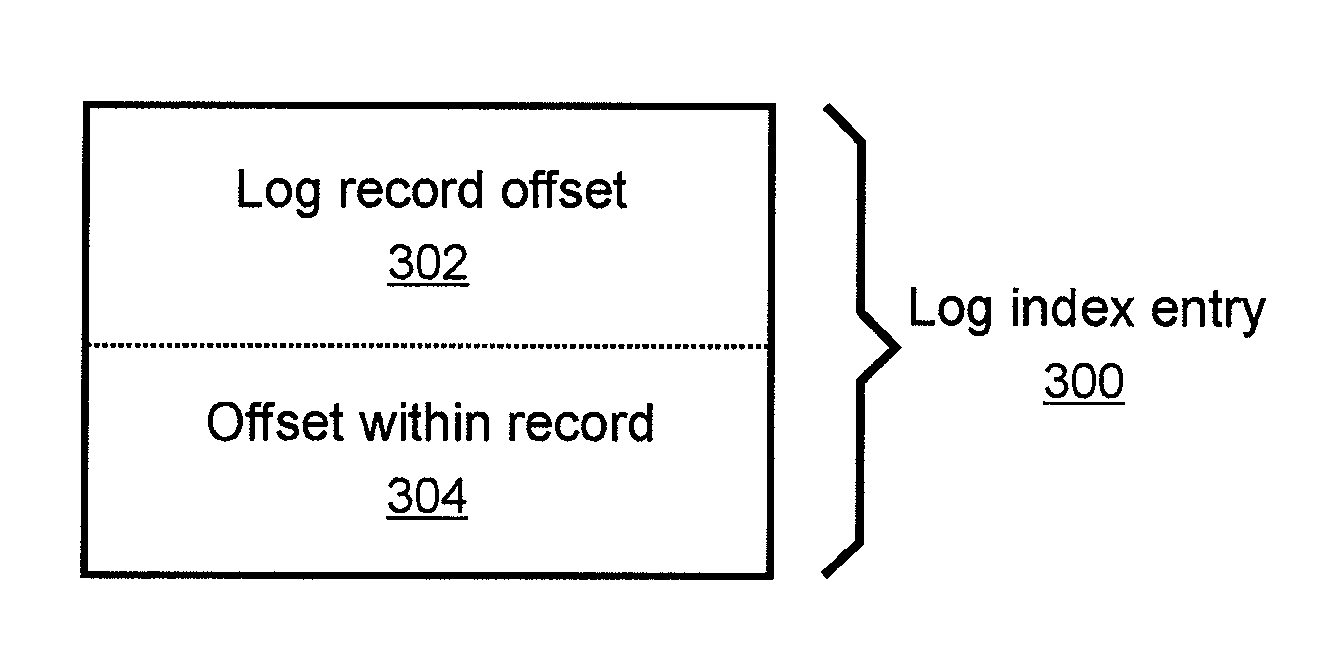
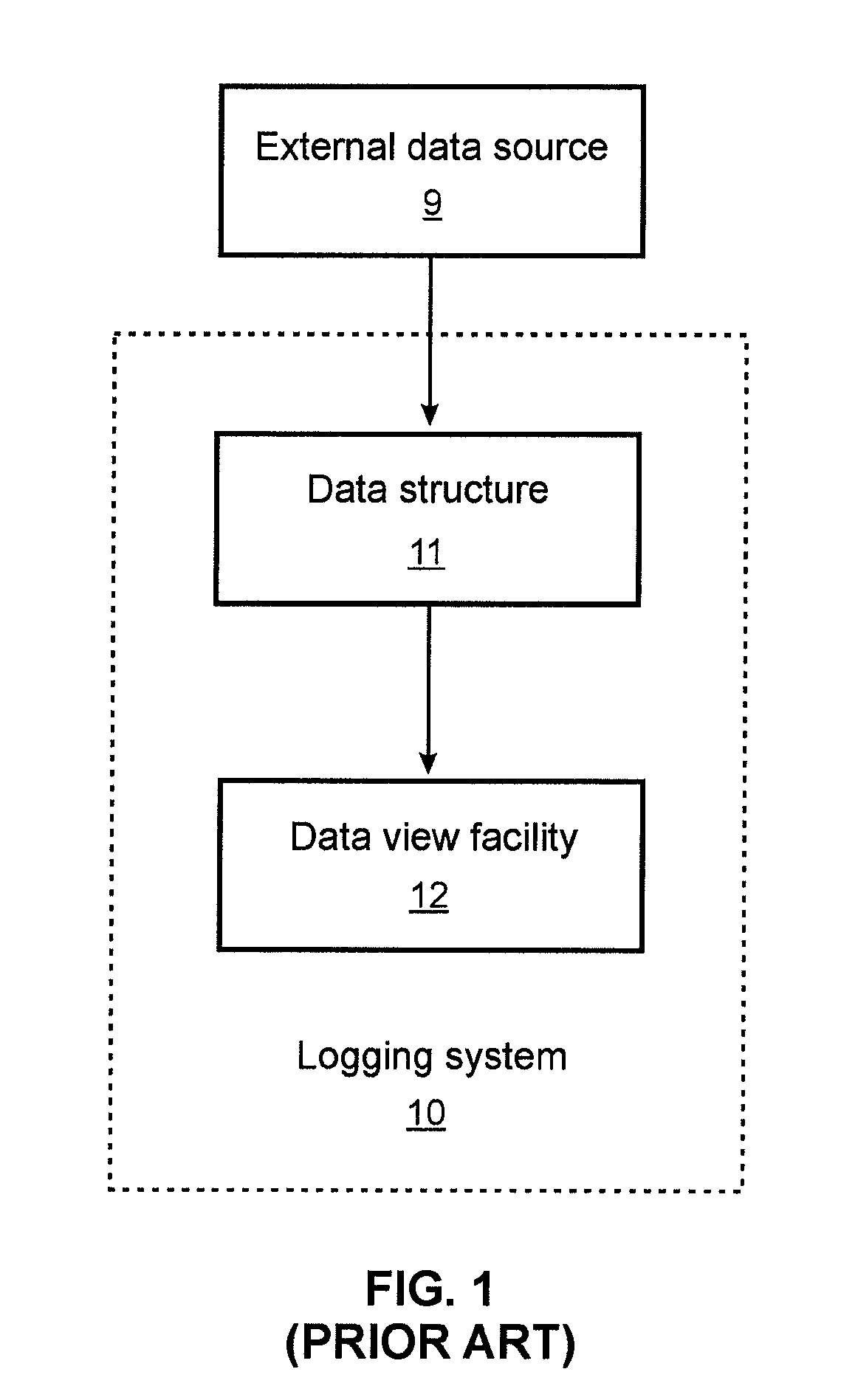
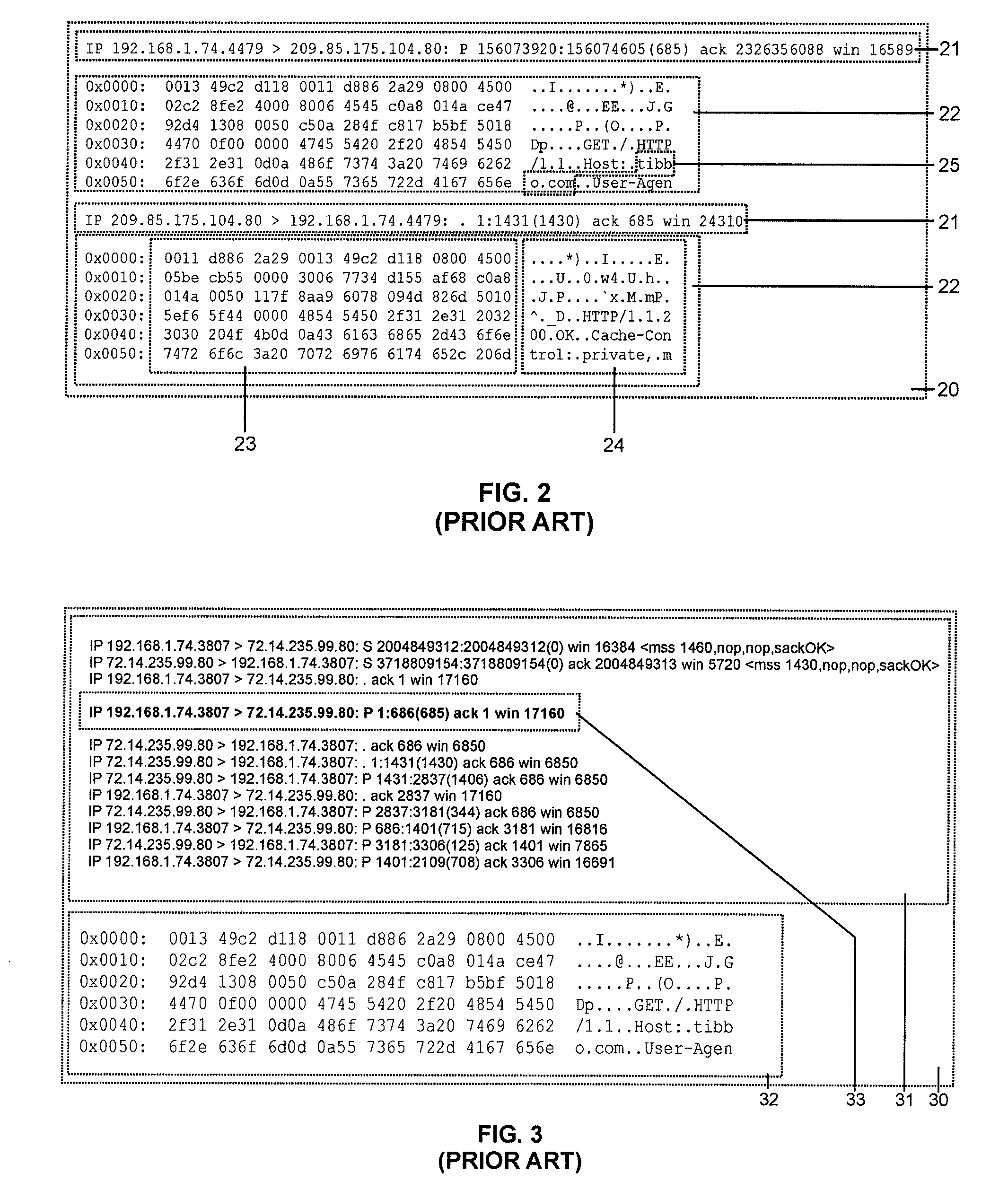

Modular data sensing and logging system
PatentInactiveUS6532434B1
Innovation
- A modular data sensing and logging system comprising a control module and acquisition modules, where each acquisition module measures and stores a single physical property, allowing for customization and expansion by combining modules or adding functionality to the control module, with a three-wire bus for communication and minimal size and complexity.


Edge Computing Integration for Tactile Systems
Edge computing represents a paradigm shift in tactile sensing systems by bringing computational capabilities closer to the data source, fundamentally transforming how tactile data is processed and logged. This distributed computing approach addresses the inherent limitations of centralized cloud processing, particularly the latency issues that plague real-time tactile applications requiring immediate response times measured in milliseconds.
The integration of edge computing nodes within tactile sensing networks enables local data preprocessing, filtering, and initial analysis before transmission to central systems. These edge devices, equipped with specialized processors and memory units, can perform real-time signal conditioning, noise reduction, and feature extraction directly at the sensor level. This localized processing significantly reduces the volume of raw data that needs to be transmitted and stored, optimizing bandwidth utilization and storage requirements.
Modern edge computing architectures for tactile systems typically employ hierarchical processing structures, where multiple layers of computational nodes handle different aspects of data processing. The first layer consists of sensor-level microcontrollers that perform basic signal conditioning and digitization. The second layer involves edge gateways that aggregate data from multiple sensors, apply machine learning algorithms for pattern recognition, and make autonomous decisions based on predefined criteria.
The implementation of edge computing in tactile sensing systems requires careful consideration of hardware constraints, including power consumption, processing capabilities, and memory limitations. Advanced edge processors now incorporate specialized neural processing units and field-programmable gate arrays that can execute complex algorithms while maintaining low power consumption profiles essential for battery-operated tactile devices.
Communication protocols between edge nodes and central systems have evolved to support efficient data synchronization and system coordination. These protocols implement adaptive data transmission strategies that prioritize critical tactile events while buffering less urgent information for batch processing during low-activity periods. The integration also encompasses fault tolerance mechanisms that ensure system reliability even when individual edge nodes experience failures or connectivity issues.
The integration of edge computing nodes within tactile sensing networks enables local data preprocessing, filtering, and initial analysis before transmission to central systems. These edge devices, equipped with specialized processors and memory units, can perform real-time signal conditioning, noise reduction, and feature extraction directly at the sensor level. This localized processing significantly reduces the volume of raw data that needs to be transmitted and stored, optimizing bandwidth utilization and storage requirements.
Modern edge computing architectures for tactile systems typically employ hierarchical processing structures, where multiple layers of computational nodes handle different aspects of data processing. The first layer consists of sensor-level microcontrollers that perform basic signal conditioning and digitization. The second layer involves edge gateways that aggregate data from multiple sensors, apply machine learning algorithms for pattern recognition, and make autonomous decisions based on predefined criteria.
The implementation of edge computing in tactile sensing systems requires careful consideration of hardware constraints, including power consumption, processing capabilities, and memory limitations. Advanced edge processors now incorporate specialized neural processing units and field-programmable gate arrays that can execute complex algorithms while maintaining low power consumption profiles essential for battery-operated tactile devices.
Communication protocols between edge nodes and central systems have evolved to support efficient data synchronization and system coordination. These protocols implement adaptive data transmission strategies that prioritize critical tactile events while buffering less urgent information for batch processing during low-activity periods. The integration also encompasses fault tolerance mechanisms that ensure system reliability even when individual edge nodes experience failures or connectivity issues.
Privacy and Security in Tactile Data Management
Privacy and security considerations in tactile data management represent critical challenges that must be addressed as tactile sensing systems become increasingly integrated into sensitive applications such as healthcare monitoring, prosthetic control, and human-computer interaction. The intimate nature of tactile data, which can reveal detailed information about user behavior, physical conditions, and interaction patterns, necessitates robust protection mechanisms throughout the data lifecycle.
The primary privacy concerns in tactile data management stem from the potential for biometric identification and behavioral profiling. Tactile signatures can be as unique as fingerprints, enabling unauthorized user identification even from seemingly anonymous datasets. Additionally, continuous tactile monitoring can reveal sensitive information about medical conditions, emotional states, and daily activities, creating significant privacy risks if data is intercepted or misused.
Current security frameworks for tactile data management employ multi-layered approaches including data encryption, access control mechanisms, and secure transmission protocols. Advanced encryption standards such as AES-256 are commonly implemented for data at rest, while TLS protocols secure data in transit. However, the real-time nature of tactile sensing systems introduces unique challenges, as encryption and decryption processes must not introduce latency that could compromise system responsiveness.
Emerging privacy-preserving techniques show promise for tactile data protection, including differential privacy methods that add controlled noise to datasets while maintaining analytical utility. Federated learning approaches enable model training without centralizing sensitive tactile data, allowing multiple devices to collaborate while keeping raw data localized. Homomorphic encryption techniques permit computation on encrypted tactile data without requiring decryption, though computational overhead remains a significant limitation.
The regulatory landscape surrounding tactile data privacy continues to evolve, with frameworks like GDPR and HIPAA establishing baseline requirements for data protection. Industry-specific standards are emerging, particularly in medical device applications where tactile sensors collect protected health information. Compliance requirements increasingly mandate data minimization principles, requiring systems to collect only necessary tactile information and implement automatic deletion policies for expired data.
Future developments in tactile data security will likely focus on hardware-based security solutions, including secure enclaves and trusted execution environments that protect data processing at the chip level. Blockchain-based approaches for audit trails and consent management are also gaining attention, providing immutable records of data access and usage permissions while enabling granular user control over tactile data sharing.
The primary privacy concerns in tactile data management stem from the potential for biometric identification and behavioral profiling. Tactile signatures can be as unique as fingerprints, enabling unauthorized user identification even from seemingly anonymous datasets. Additionally, continuous tactile monitoring can reveal sensitive information about medical conditions, emotional states, and daily activities, creating significant privacy risks if data is intercepted or misused.
Current security frameworks for tactile data management employ multi-layered approaches including data encryption, access control mechanisms, and secure transmission protocols. Advanced encryption standards such as AES-256 are commonly implemented for data at rest, while TLS protocols secure data in transit. However, the real-time nature of tactile sensing systems introduces unique challenges, as encryption and decryption processes must not introduce latency that could compromise system responsiveness.
Emerging privacy-preserving techniques show promise for tactile data protection, including differential privacy methods that add controlled noise to datasets while maintaining analytical utility. Federated learning approaches enable model training without centralizing sensitive tactile data, allowing multiple devices to collaborate while keeping raw data localized. Homomorphic encryption techniques permit computation on encrypted tactile data without requiring decryption, though computational overhead remains a significant limitation.
The regulatory landscape surrounding tactile data privacy continues to evolve, with frameworks like GDPR and HIPAA establishing baseline requirements for data protection. Industry-specific standards are emerging, particularly in medical device applications where tactile sensors collect protected health information. Compliance requirements increasingly mandate data minimization principles, requiring systems to collect only necessary tactile information and implement automatic deletion policies for expired data.
Future developments in tactile data security will likely focus on hardware-based security solutions, including secure enclaves and trusted execution environments that protect data processing at the chip level. Blockchain-based approaches for audit trails and consent management are also gaining attention, providing immutable records of data access and usage permissions while enabling granular user control over tactile data sharing.
Unlock deeper insights with Patsnap Eureka Quick Research — get a full tech report to explore trends and direct your research. Try now!
Generate Your Research Report Instantly with AI Agent
Supercharge your innovation with Patsnap Eureka AI Agent Platform!