

How to Optimize Digital Infrastructure for Durable Use
FEB 25, 20269 MIN READ
Generate Your Research Report Instantly with AI Agent
Patsnap Eureka helps you evaluate technical feasibility & market potential.
Digital Infrastructure Durability Background and Objectives
Digital infrastructure has evolved from simple computing networks to complex, interconnected systems that underpin virtually every aspect of modern society. The journey began with mainframe computers in the 1960s, progressed through client-server architectures in the 1980s, and transformed into today's cloud-native, edge-computing paradigms. This evolution has consistently prioritized performance and scalability, often at the expense of long-term sustainability and durability.
The concept of durable digital infrastructure emerged from growing concerns about environmental impact, resource consumption, and operational sustainability. Traditional infrastructure approaches have resulted in significant electronic waste, energy inefficiency, and shortened equipment lifecycles. The rapid pace of technological advancement has created a culture of frequent hardware replacement, contributing to unsustainable resource utilization patterns.
Current trends indicate a fundamental shift toward sustainability-focused infrastructure design. Organizations are increasingly recognizing that durability extends beyond physical longevity to encompass energy efficiency, adaptability, and environmental responsibility. This paradigm shift is driven by regulatory pressures, cost optimization needs, and corporate sustainability commitments.
The primary objective of optimizing digital infrastructure for durable use centers on extending operational lifecycles while maintaining performance standards. This involves developing systems that can adapt to evolving requirements without complete replacement, implementing energy-efficient technologies, and establishing maintenance protocols that maximize equipment longevity.
Secondary objectives include reducing total cost of ownership through improved durability, minimizing environmental impact through sustainable design practices, and creating resilient systems capable of withstanding various operational stresses. These objectives align with broader industry movements toward circular economy principles and sustainable technology practices.
The technical goals encompass developing modular architectures that enable selective upgrades, implementing predictive maintenance systems to prevent premature failures, and establishing standardized interfaces that ensure long-term compatibility. Additionally, the focus extends to creating comprehensive lifecycle management strategies that optimize resource utilization throughout the infrastructure's operational period.
Success in achieving these objectives requires balancing immediate performance needs with long-term sustainability goals, ensuring that durability enhancements do not compromise system reliability or user experience.
The concept of durable digital infrastructure emerged from growing concerns about environmental impact, resource consumption, and operational sustainability. Traditional infrastructure approaches have resulted in significant electronic waste, energy inefficiency, and shortened equipment lifecycles. The rapid pace of technological advancement has created a culture of frequent hardware replacement, contributing to unsustainable resource utilization patterns.
Current trends indicate a fundamental shift toward sustainability-focused infrastructure design. Organizations are increasingly recognizing that durability extends beyond physical longevity to encompass energy efficiency, adaptability, and environmental responsibility. This paradigm shift is driven by regulatory pressures, cost optimization needs, and corporate sustainability commitments.
The primary objective of optimizing digital infrastructure for durable use centers on extending operational lifecycles while maintaining performance standards. This involves developing systems that can adapt to evolving requirements without complete replacement, implementing energy-efficient technologies, and establishing maintenance protocols that maximize equipment longevity.
Secondary objectives include reducing total cost of ownership through improved durability, minimizing environmental impact through sustainable design practices, and creating resilient systems capable of withstanding various operational stresses. These objectives align with broader industry movements toward circular economy principles and sustainable technology practices.
The technical goals encompass developing modular architectures that enable selective upgrades, implementing predictive maintenance systems to prevent premature failures, and establishing standardized interfaces that ensure long-term compatibility. Additionally, the focus extends to creating comprehensive lifecycle management strategies that optimize resource utilization throughout the infrastructure's operational period.
Success in achieving these objectives requires balancing immediate performance needs with long-term sustainability goals, ensuring that durability enhancements do not compromise system reliability or user experience.
Market Demand for Resilient Digital Infrastructure Solutions
The global digital infrastructure market is experiencing unprecedented growth driven by the accelerating digital transformation across industries and the increasing recognition of infrastructure resilience as a critical business imperative. Organizations worldwide are shifting from reactive maintenance approaches to proactive resilience strategies, creating substantial demand for durable digital infrastructure solutions that can withstand operational stresses, cyber threats, and environmental challenges.
Enterprise demand is particularly strong in sectors with high availability requirements, including financial services, healthcare, telecommunications, and e-commerce platforms. These industries require infrastructure solutions that guarantee continuous operation with minimal downtime, driving investment in redundant systems, advanced monitoring capabilities, and automated failover mechanisms. The growing complexity of digital ecosystems has amplified the need for infrastructure that can adapt and scale while maintaining operational integrity.
Cloud service providers represent another significant demand driver, as they face increasing pressure to deliver reliable services to their expanding customer bases. The shift toward hybrid and multi-cloud architectures has created demand for infrastructure solutions that can seamlessly integrate across different environments while maintaining consistent performance and security standards. Edge computing deployment is further intensifying requirements for resilient infrastructure that can operate autonomously in distributed locations.
Government and public sector organizations are increasingly prioritizing digital infrastructure resilience as part of national security and public service continuity strategies. Smart city initiatives, digital government services, and critical infrastructure protection programs are generating substantial demand for hardened digital infrastructure solutions that can withstand both physical and cyber threats.
The market is also responding to growing environmental concerns and sustainability requirements. Organizations are seeking infrastructure solutions that combine durability with energy efficiency, driving demand for technologies that optimize resource utilization while extending operational lifespan. This trend is particularly pronounced in regions with strict environmental regulations and carbon reduction mandates.
Emerging technologies such as artificial intelligence, Internet of Things, and 5G networks are creating new categories of infrastructure demand. These technologies require underlying digital infrastructure that can support high-performance computing, massive data processing, and ultra-low latency communications while maintaining long-term reliability and adaptability to evolving technological requirements.
Enterprise demand is particularly strong in sectors with high availability requirements, including financial services, healthcare, telecommunications, and e-commerce platforms. These industries require infrastructure solutions that guarantee continuous operation with minimal downtime, driving investment in redundant systems, advanced monitoring capabilities, and automated failover mechanisms. The growing complexity of digital ecosystems has amplified the need for infrastructure that can adapt and scale while maintaining operational integrity.
Cloud service providers represent another significant demand driver, as they face increasing pressure to deliver reliable services to their expanding customer bases. The shift toward hybrid and multi-cloud architectures has created demand for infrastructure solutions that can seamlessly integrate across different environments while maintaining consistent performance and security standards. Edge computing deployment is further intensifying requirements for resilient infrastructure that can operate autonomously in distributed locations.
Government and public sector organizations are increasingly prioritizing digital infrastructure resilience as part of national security and public service continuity strategies. Smart city initiatives, digital government services, and critical infrastructure protection programs are generating substantial demand for hardened digital infrastructure solutions that can withstand both physical and cyber threats.
The market is also responding to growing environmental concerns and sustainability requirements. Organizations are seeking infrastructure solutions that combine durability with energy efficiency, driving demand for technologies that optimize resource utilization while extending operational lifespan. This trend is particularly pronounced in regions with strict environmental regulations and carbon reduction mandates.
Emerging technologies such as artificial intelligence, Internet of Things, and 5G networks are creating new categories of infrastructure demand. These technologies require underlying digital infrastructure that can support high-performance computing, massive data processing, and ultra-low latency communications while maintaining long-term reliability and adaptability to evolving technological requirements.
Current State and Challenges in Digital Infrastructure Longevity
Digital infrastructure globally faces significant durability challenges that threaten long-term operational sustainability. Current systems exhibit an average lifespan of 10-15 years for hardware components, while software systems require major updates every 3-5 years. This rapid obsolescence cycle creates substantial economic and environmental burdens for organizations worldwide.
Hardware degradation represents a primary concern, with server failure rates increasing exponentially after the fifth year of operation. Data centers experience approximately 15-20% annual hardware replacement rates, driven by component wear, thermal stress, and technological obsolescence. Storage systems particularly suffer from mechanical failures in traditional hard drives and limited write cycles in solid-state devices.
Software sustainability presents equally complex challenges. Legacy system compatibility issues force organizations into costly migration cycles, while security vulnerabilities in aging software create operational risks. The rapid pace of technological advancement often renders existing software architectures incompatible with newer platforms within relatively short timeframes.
Energy efficiency degradation compounds durability concerns significantly. Aging infrastructure typically consumes 20-30% more power than modern equivalents while delivering reduced performance. This efficiency decline accelerates operational costs and environmental impact, creating pressure for premature replacement cycles that contradict sustainability objectives.
Maintenance complexity increases substantially as infrastructure ages. Specialized knowledge requirements for legacy systems become scarce, while replacement parts availability diminishes. Organizations frequently face situations where maintenance costs exceed replacement expenses, forcing premature infrastructure retirement.
Geographic distribution of infrastructure durability varies considerably. Developed markets demonstrate better maintenance practices and longer operational lifespans, while emerging markets often struggle with inadequate cooling, power instability, and limited technical expertise. Environmental factors including humidity, temperature fluctuations, and power grid reliability significantly impact infrastructure longevity across different regions.
Current industry approaches primarily focus on reactive maintenance rather than proactive durability optimization. Most organizations lack comprehensive lifecycle management strategies, resulting in suboptimal resource allocation and unexpected failure scenarios. The absence of standardized durability metrics further complicates effective infrastructure planning and investment decisions.
Hardware degradation represents a primary concern, with server failure rates increasing exponentially after the fifth year of operation. Data centers experience approximately 15-20% annual hardware replacement rates, driven by component wear, thermal stress, and technological obsolescence. Storage systems particularly suffer from mechanical failures in traditional hard drives and limited write cycles in solid-state devices.
Software sustainability presents equally complex challenges. Legacy system compatibility issues force organizations into costly migration cycles, while security vulnerabilities in aging software create operational risks. The rapid pace of technological advancement often renders existing software architectures incompatible with newer platforms within relatively short timeframes.
Energy efficiency degradation compounds durability concerns significantly. Aging infrastructure typically consumes 20-30% more power than modern equivalents while delivering reduced performance. This efficiency decline accelerates operational costs and environmental impact, creating pressure for premature replacement cycles that contradict sustainability objectives.
Maintenance complexity increases substantially as infrastructure ages. Specialized knowledge requirements for legacy systems become scarce, while replacement parts availability diminishes. Organizations frequently face situations where maintenance costs exceed replacement expenses, forcing premature infrastructure retirement.
Geographic distribution of infrastructure durability varies considerably. Developed markets demonstrate better maintenance practices and longer operational lifespans, while emerging markets often struggle with inadequate cooling, power instability, and limited technical expertise. Environmental factors including humidity, temperature fluctuations, and power grid reliability significantly impact infrastructure longevity across different regions.
Current industry approaches primarily focus on reactive maintenance rather than proactive durability optimization. Most organizations lack comprehensive lifecycle management strategies, resulting in suboptimal resource allocation and unexpected failure scenarios. The absence of standardized durability metrics further complicates effective infrastructure planning and investment decisions.
Existing Approaches for Digital Infrastructure Optimization
01 Physical infrastructure protection and environmental resilience
Digital infrastructure durability can be enhanced through physical protection mechanisms that shield equipment from environmental factors such as temperature fluctuations, moisture, dust, and physical impacts. This includes the use of protective enclosures, climate control systems, and ruggedized components designed to withstand harsh conditions. Advanced materials and coatings can provide additional protection against corrosion and degradation over time, ensuring long-term operational reliability of digital infrastructure components.- Physical infrastructure protection and environmental resilience: Digital infrastructure durability can be enhanced through physical protection mechanisms that shield equipment from environmental factors such as temperature fluctuations, moisture, dust, and physical impacts. This includes the use of protective enclosures, climate control systems, and ruggedized components designed to withstand harsh conditions. Advanced materials and coatings can provide additional protection against corrosion and degradation over time, ensuring long-term operational reliability of digital infrastructure components.
- Redundancy and fault-tolerant system architectures: Implementing redundant systems and fault-tolerant architectures significantly improves digital infrastructure durability by ensuring continuous operation even when individual components fail. This approach includes backup power systems, redundant data storage, failover mechanisms, and distributed computing resources. By designing systems with multiple layers of redundancy, infrastructure can maintain service availability and data integrity during hardware failures, power outages, or other disruptions.
- Predictive maintenance and monitoring systems: Advanced monitoring and predictive maintenance technologies enable proactive identification of potential failures before they occur, thereby extending infrastructure lifespan and reducing downtime. These systems utilize sensors, data analytics, and machine learning algorithms to continuously assess the health of infrastructure components, predict degradation patterns, and schedule maintenance activities optimally. Real-time monitoring allows for early detection of anomalies and enables timely interventions to prevent catastrophic failures.
- Cybersecurity and data protection mechanisms: Ensuring digital infrastructure durability requires robust cybersecurity measures to protect against cyber threats, data breaches, and malicious attacks that could compromise system integrity. This includes implementing encryption protocols, access control systems, intrusion detection mechanisms, and secure communication channels. Regular security updates, vulnerability assessments, and incident response procedures are essential to maintain the resilience of digital infrastructure against evolving cyber threats.
- Scalable and adaptive infrastructure design: Designing digital infrastructure with scalability and adaptability ensures long-term durability by allowing systems to evolve with changing technological requirements and increasing demands. This involves modular architectures that can be easily upgraded or expanded, flexible resource allocation mechanisms, and compatibility with emerging technologies. Adaptive systems can automatically adjust to varying workloads, optimize resource utilization, and accommodate future growth without requiring complete infrastructure overhauls.
02 Redundancy and fault-tolerant system architectures
Implementing redundant systems and fault-tolerant architectures significantly improves digital infrastructure durability by ensuring continuous operation even when individual components fail. This approach includes backup power systems, redundant data storage, failover mechanisms, and distributed computing resources. Such architectures enable automatic recovery and minimize downtime, maintaining service availability and data integrity during hardware failures or system disruptions.Expand Specific Solutions03 Predictive maintenance and monitoring systems
Advanced monitoring and predictive maintenance technologies enhance infrastructure durability by identifying potential failures before they occur. These systems utilize sensors, data analytics, and machine learning algorithms to continuously assess the health of infrastructure components, predict degradation patterns, and schedule maintenance activities proactively. This approach reduces unexpected downtime, extends equipment lifespan, and optimizes maintenance costs while ensuring consistent performance.Expand Specific Solutions04 Cybersecurity and data protection mechanisms
Digital infrastructure durability encompasses protection against cyber threats and ensuring data integrity over time. This includes implementing robust security protocols, encryption methods, intrusion detection systems, and secure backup solutions. These measures protect infrastructure from malicious attacks, unauthorized access, and data corruption, ensuring the long-term reliability and trustworthiness of digital systems and the information they process and store.Expand Specific Solutions05 Scalable and adaptive infrastructure design
Designing digital infrastructure with scalability and adaptability ensures long-term durability by accommodating future growth and technological changes. This involves modular architectures, flexible resource allocation, cloud-based solutions, and standardized interfaces that allow for easy upgrades and expansions. Such designs enable infrastructure to evolve with changing demands and emerging technologies without requiring complete system replacements, thereby extending the useful life and return on investment of digital infrastructure assets.Expand Specific Solutions
Key Players in Digital Infrastructure and Durability Solutions
The digital infrastructure optimization market is experiencing rapid growth as organizations increasingly prioritize system durability and resilience. The industry is in a mature expansion phase, driven by cloud adoption, edge computing demands, and sustainability requirements. Market size continues expanding significantly, with enterprises investing heavily in infrastructure modernization. Technology maturity varies across segments, with established players like IBM, Cisco Technology, Dell Products LP, and VMware LLC leading traditional infrastructure solutions, while telecommunications giants Orange SA, Deutsche Telekom AG, and British Telecommunications Plc drive network optimization. Asian technology leaders including Huawei Technologies, ZTE Corp., and Toshiba Corp. contribute advanced hardware innovations. Emerging players like Pathover Inc. introduce AI-driven optimization solutions, while research institutions such as Beijing Institute of Technology and Commissariat à l'énergie atomique advance next-generation durability technologies, creating a competitive landscape spanning hardware, software, and integrated solutions.
Dell Products LP
Technical Solution: Dell's digital infrastructure optimization strategy emphasizes hardware durability through advanced thermal management, modular design principles, and proactive health monitoring systems. Their approach includes implementing high-efficiency power supplies, redundant cooling systems, and predictive analytics that identify potential hardware failures before they impact operations. Dell focuses on sustainable manufacturing practices and designs infrastructure components for easy maintenance and upgrades, extending overall system lifespan. Their solution integrates automated firmware updates and comprehensive warranty programs that ensure long-term infrastructure reliability and performance optimization.
Strengths: Strong hardware manufacturing expertise, comprehensive support services, focus on sustainability and energy efficiency. Weaknesses: Limited software capabilities compared to pure-play technology companies, dependency on third-party software solutions.
Huawei Technologies Co., Ltd.
Technical Solution: Huawei implements a comprehensive digital infrastructure optimization strategy focusing on energy-efficient hardware design, intelligent cooling systems, and predictive maintenance algorithms. Their approach includes modular data center architectures that can scale efficiently, advanced power management systems that reduce energy consumption by up to 30%, and AI-driven infrastructure monitoring that predicts component failures before they occur. The company integrates green energy solutions and implements circular economy principles in hardware lifecycle management to ensure long-term sustainability and durability of digital infrastructure deployments.
Strengths: Leading 5G infrastructure technology, comprehensive end-to-end solutions, strong R&D capabilities in energy efficiency. Weaknesses: Geopolitical restrictions limiting global market access, dependency on semiconductor supply chains.
Core Technologies for Enhanced Digital Infrastructure Durability
Computer-implemented method for optimizing building infrastructure.
PatentUndeterminedCH719194A2
Innovation
- A computer-implemented method that assigns unique identification numbers to infrastructure components, integrates monitoring and updating processes, and utilizes artificial intelligence to optimize building infrastructure components, including heating, ventilation, and electrical systems, through a modeling process using CAD programs and GIS databases.


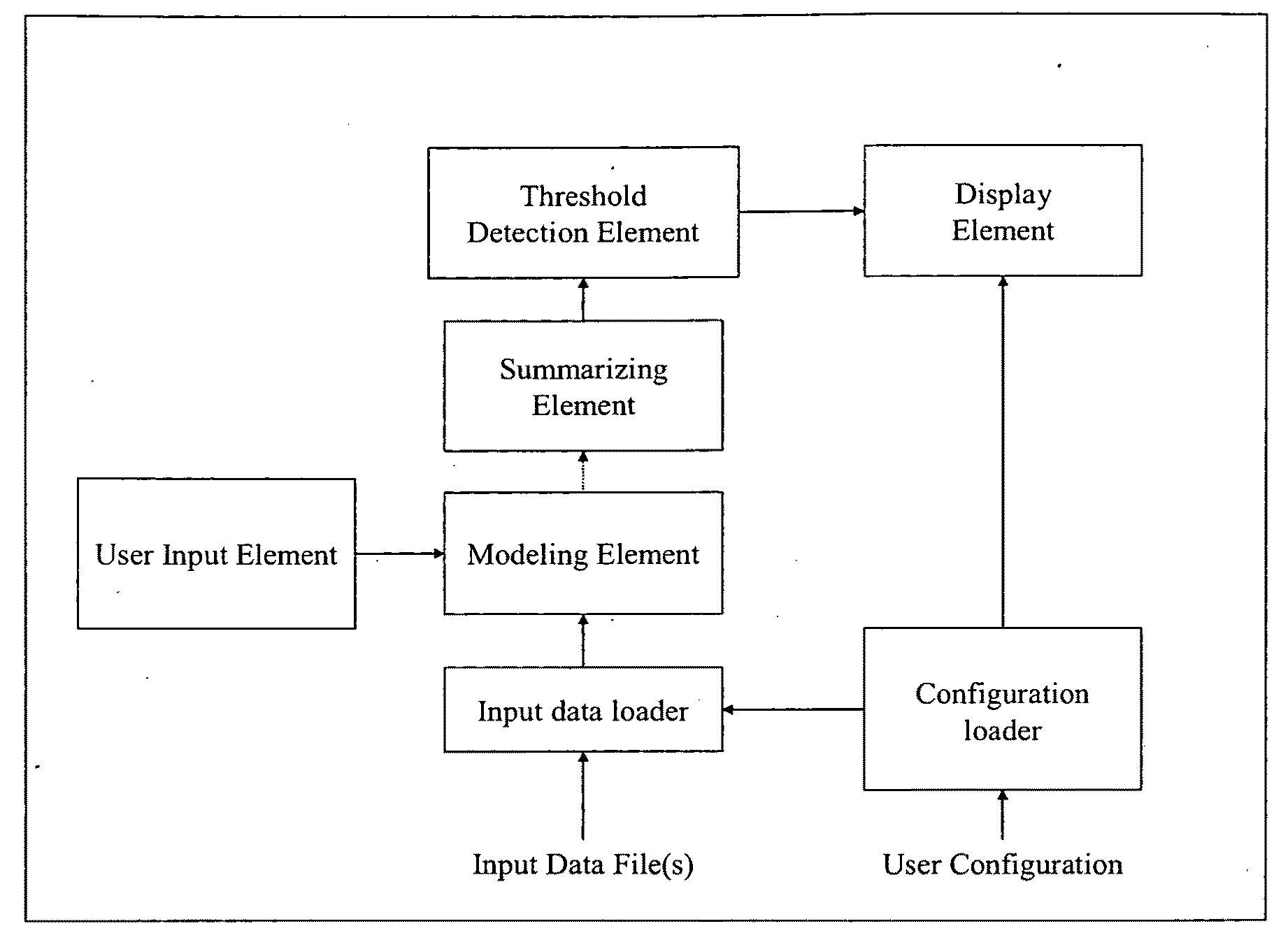
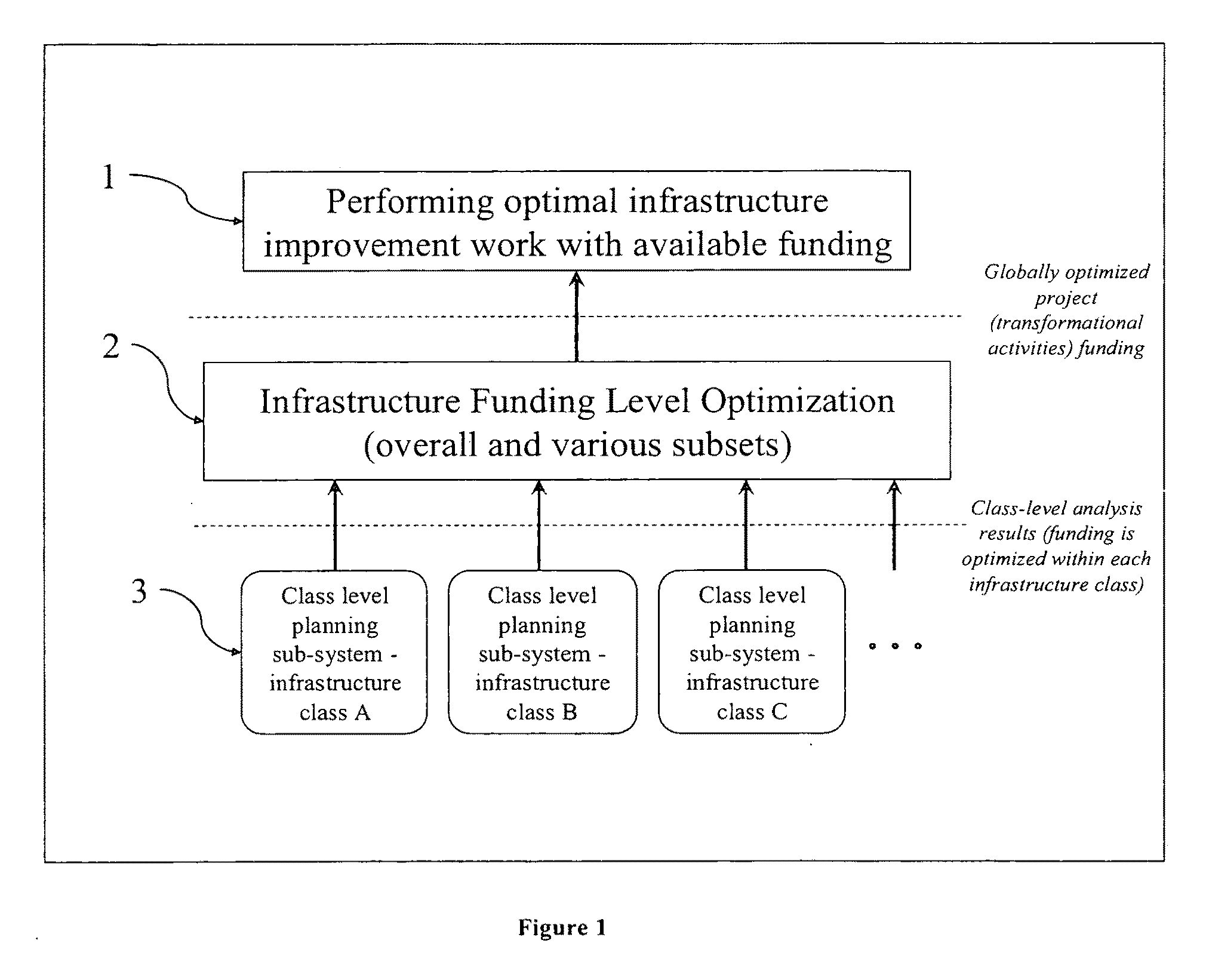
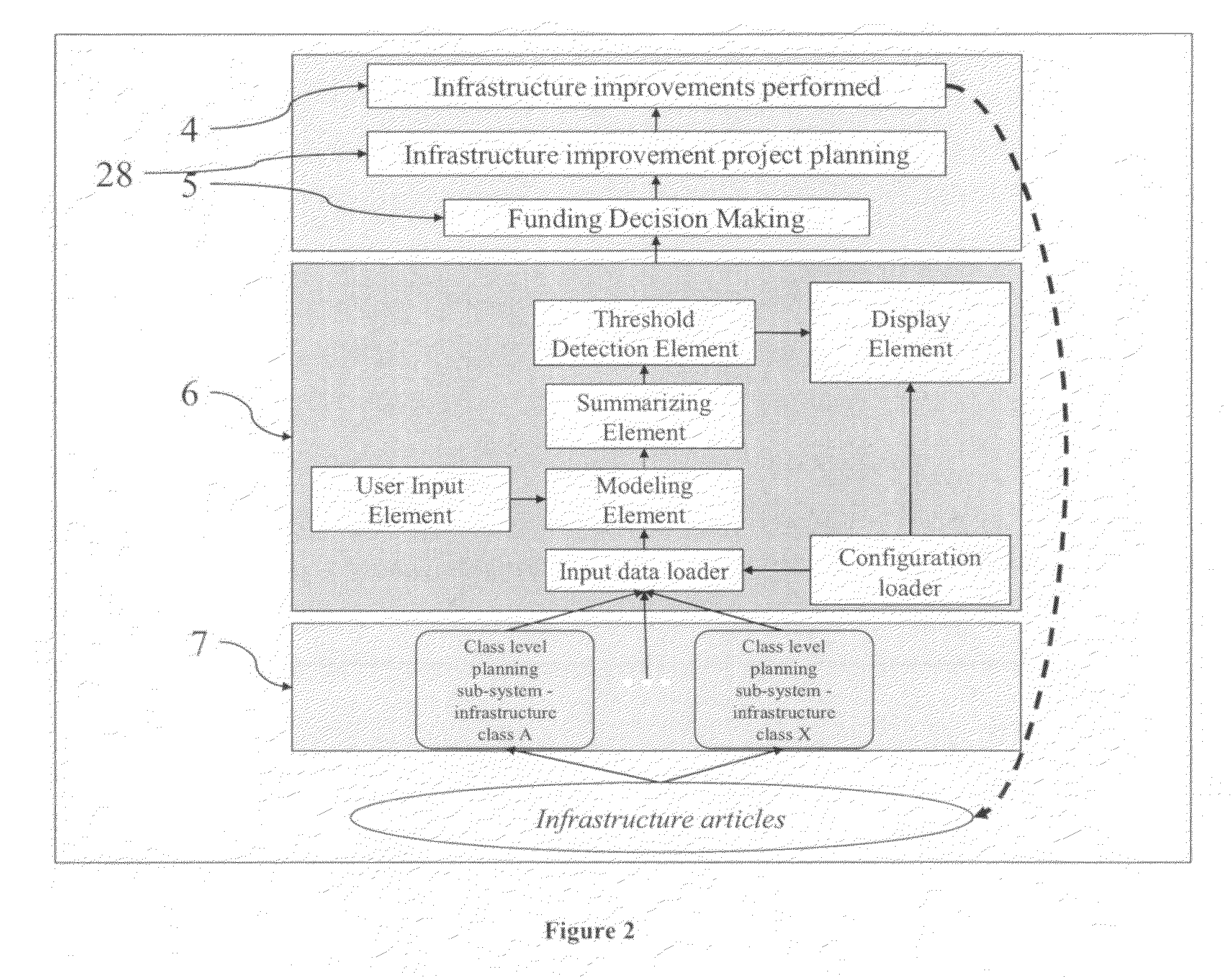
System and method for prioritizing the transformation activities to optimize the resulting infrastructure improvements
PatentInactiveUS20090177515A1
Innovation
- A method and apparatus for interactive optimization analysis that allows users to modify parameters like inflation and budget allocations to prioritize transformation activities across infrastructure classes, determining expected results and optimizing improvements, using a framework that models various funding scenarios and their impacts on infrastructure conditions.

Environmental Impact Assessment of Digital Infrastructure
The environmental impact of digital infrastructure represents one of the most critical considerations in optimizing systems for durable use. Current data centers consume approximately 1% of global electricity, with projections indicating potential growth to 3-8% by 2030. This energy consumption directly correlates with carbon emissions, particularly in regions heavily dependent on fossil fuel-based electricity generation.
Energy efficiency emerges as the primary environmental concern, with traditional data centers operating at Power Usage Effectiveness ratios between 1.5-2.0. Modern facilities implementing advanced cooling systems, renewable energy integration, and optimized server utilization achieve ratios approaching 1.1-1.2. The shift toward edge computing architectures further reduces energy consumption by minimizing data transmission distances and enabling localized processing capabilities.
Water consumption presents another significant environmental challenge, particularly for cooling-intensive operations. Hyperscale data centers can consume millions of gallons annually, creating stress on local water resources. Alternative cooling technologies, including liquid immersion systems and air-based cooling in suitable climates, offer substantial reduction opportunities while maintaining operational reliability.
Electronic waste generation from infrastructure hardware replacement cycles poses long-term environmental risks. Server lifecycles typically span 3-5 years, generating substantial quantities of obsolete equipment containing rare earth elements and hazardous materials. Circular economy principles, including component refurbishment, material recovery, and extended hardware lifecycles through software optimization, significantly reduce waste streams.
Carbon footprint assessment reveals that manufacturing processes account for 20-30% of total infrastructure environmental impact, while operational energy consumption represents 60-70%. Geographic location selection based on renewable energy availability, climate conditions, and grid carbon intensity can reduce operational emissions by 40-60% compared to conventional deployment strategies.
Emerging assessment frameworks incorporate lifecycle analysis methodologies, evaluating environmental impacts from raw material extraction through end-of-life disposal. These comprehensive evaluations enable informed decision-making regarding infrastructure investments, technology selection, and operational optimization strategies that balance performance requirements with environmental sustainability objectives.
Energy efficiency emerges as the primary environmental concern, with traditional data centers operating at Power Usage Effectiveness ratios between 1.5-2.0. Modern facilities implementing advanced cooling systems, renewable energy integration, and optimized server utilization achieve ratios approaching 1.1-1.2. The shift toward edge computing architectures further reduces energy consumption by minimizing data transmission distances and enabling localized processing capabilities.
Water consumption presents another significant environmental challenge, particularly for cooling-intensive operations. Hyperscale data centers can consume millions of gallons annually, creating stress on local water resources. Alternative cooling technologies, including liquid immersion systems and air-based cooling in suitable climates, offer substantial reduction opportunities while maintaining operational reliability.
Electronic waste generation from infrastructure hardware replacement cycles poses long-term environmental risks. Server lifecycles typically span 3-5 years, generating substantial quantities of obsolete equipment containing rare earth elements and hazardous materials. Circular economy principles, including component refurbishment, material recovery, and extended hardware lifecycles through software optimization, significantly reduce waste streams.
Carbon footprint assessment reveals that manufacturing processes account for 20-30% of total infrastructure environmental impact, while operational energy consumption represents 60-70%. Geographic location selection based on renewable energy availability, climate conditions, and grid carbon intensity can reduce operational emissions by 40-60% compared to conventional deployment strategies.
Emerging assessment frameworks incorporate lifecycle analysis methodologies, evaluating environmental impacts from raw material extraction through end-of-life disposal. These comprehensive evaluations enable informed decision-making regarding infrastructure investments, technology selection, and operational optimization strategies that balance performance requirements with environmental sustainability objectives.
Cost-Benefit Analysis of Durable Digital Infrastructure Investment
The economic evaluation of durable digital infrastructure investments requires a comprehensive framework that balances upfront capital expenditures against long-term operational benefits. Traditional cost-benefit analysis models must be adapted to account for the extended lifecycle characteristics and evolving performance requirements of resilient digital systems.
Initial capital investments in durable infrastructure typically exceed conventional deployments by 25-40%, primarily due to enhanced hardware specifications, redundant systems, and advanced materials. These costs encompass ruggedized components, environmental protection systems, and sophisticated monitoring capabilities designed to extend operational lifespans beyond standard 3-5 year cycles to 10-15 years or more.
The benefit calculation framework must incorporate multiple value streams including reduced replacement frequency, minimized downtime costs, and decreased maintenance interventions. Quantifiable benefits emerge through extended asset depreciation periods, reduced total cost of ownership, and improved service reliability metrics. Organizations typically realize 15-30% reduction in lifecycle costs when factoring in avoided replacement expenses and operational continuity benefits.
Risk mitigation represents a critical but often undervalued component of the cost-benefit equation. Durable infrastructure investments provide insurance against service disruptions, data loss, and emergency replacement scenarios. The economic value of avoided downtime can be substantial, particularly for mission-critical applications where hourly outage costs may reach thousands of dollars.
Financial modeling must account for technological obsolescence risks and upgrade pathway economics. While durable systems offer extended operational life, they must maintain compatibility with evolving standards and performance requirements. The analysis should evaluate modular upgrade capabilities and technology refresh strategies that preserve initial infrastructure investments.
Return on investment calculations benefit from incorporating environmental and sustainability factors, including reduced electronic waste generation, lower energy consumption profiles, and compliance with emerging regulatory requirements. These factors increasingly influence procurement decisions and can provide additional justification for higher initial investments in durable solutions.
Initial capital investments in durable infrastructure typically exceed conventional deployments by 25-40%, primarily due to enhanced hardware specifications, redundant systems, and advanced materials. These costs encompass ruggedized components, environmental protection systems, and sophisticated monitoring capabilities designed to extend operational lifespans beyond standard 3-5 year cycles to 10-15 years or more.
The benefit calculation framework must incorporate multiple value streams including reduced replacement frequency, minimized downtime costs, and decreased maintenance interventions. Quantifiable benefits emerge through extended asset depreciation periods, reduced total cost of ownership, and improved service reliability metrics. Organizations typically realize 15-30% reduction in lifecycle costs when factoring in avoided replacement expenses and operational continuity benefits.
Risk mitigation represents a critical but often undervalued component of the cost-benefit equation. Durable infrastructure investments provide insurance against service disruptions, data loss, and emergency replacement scenarios. The economic value of avoided downtime can be substantial, particularly for mission-critical applications where hourly outage costs may reach thousands of dollars.
Financial modeling must account for technological obsolescence risks and upgrade pathway economics. While durable systems offer extended operational life, they must maintain compatibility with evolving standards and performance requirements. The analysis should evaluate modular upgrade capabilities and technology refresh strategies that preserve initial infrastructure investments.
Return on investment calculations benefit from incorporating environmental and sustainability factors, including reduced electronic waste generation, lower energy consumption profiles, and compliance with emerging regulatory requirements. These factors increasingly influence procurement decisions and can provide additional justification for higher initial investments in durable solutions.
Unlock deeper insights with Patsnap Eureka Quick Research — get a full tech report to explore trends and direct your research. Try now!
Generate Your Research Report Instantly with AI Agent
Supercharge your innovation with Patsnap Eureka AI Agent Platform!