

How to Optimize Electrode Congruity in Multi-layer Systems
MAR 10, 20269 MIN READ
Generate Your Research Report Instantly with AI Agent
PatSnap Eureka helps you evaluate technical feasibility & market potential.
Electrode Congruity Background and Optimization Goals
Electrode congruity in multi-layer systems represents a critical engineering challenge that has evolved alongside the advancement of modern electronic devices and energy storage technologies. The concept encompasses the precise alignment, interface compatibility, and electrochemical matching between multiple electrode layers within a single system architecture. This field emerged from the increasing demand for higher performance density, improved energy efficiency, and enhanced reliability in applications ranging from advanced batteries and supercapacitors to multilayer ceramic capacitors and thin-film electronic devices.
The historical development of electrode congruity optimization can be traced back to the early semiconductor industry's need for precise layer deposition and interface control. As device miniaturization progressed through the 1990s and 2000s, the challenges associated with maintaining consistent electrical properties across multiple electrode interfaces became increasingly apparent. The transition from single-layer to multi-layer electrode architectures introduced complex interdependencies between layer thickness, material composition, surface morphology, and electrochemical behavior.
Current technological trends indicate a shift toward three-dimensional electrode architectures and hybrid material systems that combine different electrode materials within a single device structure. This evolution has been driven by the limitations of traditional planar electrode designs in meeting the performance requirements of next-generation applications such as solid-state batteries, flexible electronics, and high-frequency power devices. The integration of nanoscale materials and advanced manufacturing techniques has further complicated the congruity optimization challenge while simultaneously opening new possibilities for performance enhancement.
The primary technical objectives in electrode congruity optimization focus on achieving uniform current distribution across all electrode layers, minimizing interfacial resistance between adjacent layers, and maintaining long-term stability under operational stress conditions. These goals require precise control over material properties, interface chemistry, and geometric parameters throughout the multi-layer stack. Additionally, the optimization process must account for thermal expansion mismatches, mechanical stress distribution, and electrochemical compatibility between different electrode materials.
Advanced characterization techniques and computational modeling approaches have become essential tools for understanding and predicting electrode congruity behavior in complex multi-layer systems. The development of in-situ monitoring capabilities and real-time feedback control systems represents a significant advancement in achieving optimal electrode alignment and performance consistency across diverse operating conditions.
The historical development of electrode congruity optimization can be traced back to the early semiconductor industry's need for precise layer deposition and interface control. As device miniaturization progressed through the 1990s and 2000s, the challenges associated with maintaining consistent electrical properties across multiple electrode interfaces became increasingly apparent. The transition from single-layer to multi-layer electrode architectures introduced complex interdependencies between layer thickness, material composition, surface morphology, and electrochemical behavior.
Current technological trends indicate a shift toward three-dimensional electrode architectures and hybrid material systems that combine different electrode materials within a single device structure. This evolution has been driven by the limitations of traditional planar electrode designs in meeting the performance requirements of next-generation applications such as solid-state batteries, flexible electronics, and high-frequency power devices. The integration of nanoscale materials and advanced manufacturing techniques has further complicated the congruity optimization challenge while simultaneously opening new possibilities for performance enhancement.
The primary technical objectives in electrode congruity optimization focus on achieving uniform current distribution across all electrode layers, minimizing interfacial resistance between adjacent layers, and maintaining long-term stability under operational stress conditions. These goals require precise control over material properties, interface chemistry, and geometric parameters throughout the multi-layer stack. Additionally, the optimization process must account for thermal expansion mismatches, mechanical stress distribution, and electrochemical compatibility between different electrode materials.
Advanced characterization techniques and computational modeling approaches have become essential tools for understanding and predicting electrode congruity behavior in complex multi-layer systems. The development of in-situ monitoring capabilities and real-time feedback control systems represents a significant advancement in achieving optimal electrode alignment and performance consistency across diverse operating conditions.
Market Demand for Multi-layer Electrode Systems
The global demand for multi-layer electrode systems has experienced substantial growth across multiple industrial sectors, driven by the increasing complexity of electronic devices and energy storage applications. Battery manufacturing represents the largest market segment, where multi-layer electrode configurations are essential for achieving higher energy density and improved performance in lithium-ion batteries, solid-state batteries, and next-generation energy storage solutions.
Consumer electronics manufacturers are increasingly adopting multi-layer electrode technologies to meet the miniaturization demands of smartphones, tablets, and wearable devices. The need for thinner, more efficient power sources has created a significant market pull for optimized electrode congruity solutions that can maintain performance while reducing overall system thickness.
The electric vehicle industry has emerged as a major growth driver, with automotive manufacturers seeking advanced battery technologies that offer extended range and faster charging capabilities. Multi-layer electrode systems with optimized congruity are critical for achieving the power density and thermal management requirements necessary for automotive applications.
Industrial energy storage systems represent another expanding market segment, particularly in renewable energy integration and grid stabilization applications. These systems require robust multi-layer electrode configurations that can withstand frequent charge-discharge cycles while maintaining consistent performance over extended operational periods.
The semiconductor industry has shown increasing interest in multi-layer electrode systems for advanced packaging applications and high-frequency devices. The demand for improved signal integrity and reduced electromagnetic interference has driven the need for precisely controlled electrode congruity in multi-layer configurations.
Medical device manufacturers are exploring multi-layer electrode systems for implantable devices and diagnostic equipment, where reliability and biocompatibility are paramount. The market demand in this sector emphasizes long-term stability and consistent performance under physiological conditions.
Emerging applications in flexible electronics and printed electronics are creating new market opportunities for multi-layer electrode systems with enhanced congruity optimization. These applications require innovative approaches to maintain electrode alignment and performance under mechanical stress and deformation.
Consumer electronics manufacturers are increasingly adopting multi-layer electrode technologies to meet the miniaturization demands of smartphones, tablets, and wearable devices. The need for thinner, more efficient power sources has created a significant market pull for optimized electrode congruity solutions that can maintain performance while reducing overall system thickness.
The electric vehicle industry has emerged as a major growth driver, with automotive manufacturers seeking advanced battery technologies that offer extended range and faster charging capabilities. Multi-layer electrode systems with optimized congruity are critical for achieving the power density and thermal management requirements necessary for automotive applications.
Industrial energy storage systems represent another expanding market segment, particularly in renewable energy integration and grid stabilization applications. These systems require robust multi-layer electrode configurations that can withstand frequent charge-discharge cycles while maintaining consistent performance over extended operational periods.
The semiconductor industry has shown increasing interest in multi-layer electrode systems for advanced packaging applications and high-frequency devices. The demand for improved signal integrity and reduced electromagnetic interference has driven the need for precisely controlled electrode congruity in multi-layer configurations.
Medical device manufacturers are exploring multi-layer electrode systems for implantable devices and diagnostic equipment, where reliability and biocompatibility are paramount. The market demand in this sector emphasizes long-term stability and consistent performance under physiological conditions.
Emerging applications in flexible electronics and printed electronics are creating new market opportunities for multi-layer electrode systems with enhanced congruity optimization. These applications require innovative approaches to maintain electrode alignment and performance under mechanical stress and deformation.
Current Electrode Congruity Challenges in Multi-layer Systems
Multi-layer electrode systems face significant congruity challenges that fundamentally impact device performance and reliability. The primary issue stems from the inherent mismatch between different electrode materials, each possessing distinct thermal expansion coefficients, elastic moduli, and electrochemical properties. These disparities create mechanical stress concentrations at interfaces, leading to delamination, cracking, and premature failure under operational conditions.
Thermal cycling represents a critical challenge in multi-layer electrode configurations. During charge-discharge cycles or temperature fluctuations, differential expansion and contraction between electrode layers generate substantial interfacial stresses. Silicon-based anodes, for instance, experience volume changes exceeding 300% during lithiation, creating severe mechanical incompatibility with adjacent current collector layers. This volumetric mismatch propagates through the electrode stack, compromising structural integrity and electrical connectivity.
Electrochemical compatibility issues further complicate electrode congruity optimization. Different electrode materials exhibit varying ionic conductivities, electronic conductivities, and electrochemical potentials. These disparities create localized current density variations, leading to non-uniform charge distribution across the multi-layer structure. The resulting electrochemical gradients accelerate degradation mechanisms, including electrolyte decomposition, active material dissolution, and solid electrolyte interphase instability.
Manufacturing precision limitations pose additional constraints on achieving optimal electrode congruity. Current coating and lamination technologies struggle to maintain consistent layer thickness, surface roughness, and interfacial adhesion across large-scale production. Thickness variations as small as 5-10 micrometers can significantly impact electrical resistance distribution and mechanical stress patterns throughout the electrode assembly.
Interface chemistry optimization remains a persistent challenge in multi-layer electrode design. The formation of intermetallic compounds, oxide layers, or other reaction products at electrode interfaces can dramatically alter local electrical and mechanical properties. These interfacial reactions often occur unpredictably during device operation, making it difficult to predict and control long-term electrode congruity performance.
Current characterization techniques also present limitations in fully understanding electrode congruity behavior. Traditional testing methods often fail to capture the complex multi-physics interactions occurring within multi-layer systems under realistic operating conditions. This characterization gap hinders the development of accurate predictive models and optimization strategies for electrode congruity enhancement.
Thermal cycling represents a critical challenge in multi-layer electrode configurations. During charge-discharge cycles or temperature fluctuations, differential expansion and contraction between electrode layers generate substantial interfacial stresses. Silicon-based anodes, for instance, experience volume changes exceeding 300% during lithiation, creating severe mechanical incompatibility with adjacent current collector layers. This volumetric mismatch propagates through the electrode stack, compromising structural integrity and electrical connectivity.
Electrochemical compatibility issues further complicate electrode congruity optimization. Different electrode materials exhibit varying ionic conductivities, electronic conductivities, and electrochemical potentials. These disparities create localized current density variations, leading to non-uniform charge distribution across the multi-layer structure. The resulting electrochemical gradients accelerate degradation mechanisms, including electrolyte decomposition, active material dissolution, and solid electrolyte interphase instability.
Manufacturing precision limitations pose additional constraints on achieving optimal electrode congruity. Current coating and lamination technologies struggle to maintain consistent layer thickness, surface roughness, and interfacial adhesion across large-scale production. Thickness variations as small as 5-10 micrometers can significantly impact electrical resistance distribution and mechanical stress patterns throughout the electrode assembly.
Interface chemistry optimization remains a persistent challenge in multi-layer electrode design. The formation of intermetallic compounds, oxide layers, or other reaction products at electrode interfaces can dramatically alter local electrical and mechanical properties. These interfacial reactions often occur unpredictably during device operation, making it difficult to predict and control long-term electrode congruity performance.
Current characterization techniques also present limitations in fully understanding electrode congruity behavior. Traditional testing methods often fail to capture the complex multi-physics interactions occurring within multi-layer systems under realistic operating conditions. This characterization gap hinders the development of accurate predictive models and optimization strategies for electrode congruity enhancement.
Existing Multi-layer Electrode Congruity Solutions
01 Electrode alignment and positioning mechanisms
Technologies for ensuring proper alignment and positioning of electrodes in various applications, including mechanical alignment systems, positioning guides, and structural features that maintain electrode congruity during assembly and operation. These mechanisms help achieve optimal contact and performance by ensuring electrodes are properly oriented and spaced relative to each other.- Electrode alignment and positioning mechanisms: Technologies for ensuring proper alignment and positioning of electrodes in various applications, including mechanical alignment systems, positioning guides, and structural features that maintain electrode congruity during assembly and operation. These mechanisms help achieve optimal contact and performance by ensuring electrodes are properly oriented and spaced relative to each other.
- Electrode shape and geometry matching: Design approaches focusing on matching electrode shapes and geometries to achieve congruity, including complementary surface profiles, conformal electrode structures, and geometric optimization techniques. These designs ensure that electrode surfaces match or complement each other to maximize contact area and electrical performance.
- Multi-electrode array configurations: Systems involving multiple electrodes arranged in specific patterns or arrays where congruity between electrodes is critical for uniform performance. These configurations address spacing, alignment, and dimensional consistency across electrode arrays to ensure balanced electrical characteristics and reliable operation.
- Electrode interface materials and coatings: Materials and coating technologies applied to electrode surfaces to improve congruity and contact quality, including conductive layers, adhesive materials, and surface treatments that enhance electrode-to-electrode or electrode-to-substrate interfaces. These materials help compensate for surface irregularities and improve electrical connectivity.
- Electrode manufacturing and assembly methods: Manufacturing processes and assembly techniques designed to achieve and maintain electrode congruity, including precision fabrication methods, quality control measures, and assembly procedures that ensure dimensional accuracy and proper electrode relationships. These methods address tolerances, registration, and consistency in electrode production.
02 Electrode shape and geometry matching
Design approaches focusing on complementary electrode shapes and geometries to achieve congruity between opposing or adjacent electrodes. This includes contoured surfaces, matching profiles, and geometric configurations that ensure uniform contact and consistent performance across the electrode interface.Expand Specific Solutions03 Multi-electrode array configurations
Systems involving multiple electrodes arranged in specific patterns or arrays where congruity between individual electrodes is critical for overall system performance. This includes electrode spacing, arrangement patterns, and methods for maintaining consistent relationships between multiple electrode elements in complex assemblies.Expand Specific Solutions04 Electrode surface treatment and interface optimization
Methods for treating electrode surfaces or optimizing interfaces to improve congruity and contact between electrodes and adjacent materials. This includes surface modifications, coating techniques, and interface engineering approaches that enhance the physical and electrical connection between congruent electrode surfaces.Expand Specific Solutions05 Flexible and adaptive electrode structures
Electrode designs incorporating flexibility or adaptability to maintain congruity under varying conditions, including deformable electrodes, self-adjusting mechanisms, and structures that accommodate dimensional changes while preserving electrode alignment and contact. These solutions address challenges in applications where rigid electrode positioning is impractical.Expand Specific Solutions
Key Players in Multi-layer Electrode Manufacturing
The electrode congruity optimization in multi-layer systems represents a rapidly evolving technological domain currently in its growth phase, driven by expanding applications in electric vehicles, consumer electronics, and energy storage systems. The global market demonstrates substantial scale, particularly within the battery and semiconductor sectors, with significant investments from major players. Technology maturity varies considerably across different applications, with companies like Samsung Electro-Mechanics, TDK Corp., and Murata Manufacturing leading in passive component solutions, while LG Energy Solution, SK On, and A123 Systems advance battery electrode technologies. Japanese firms including Taiyo Yuden and Rubycon contribute specialized capacitor expertise, whereas automotive leaders like Toyota Motor Corp. and Ford Global Technologies drive integration demands. The competitive landscape shows established Asian manufacturers dominating component-level innovations, while emerging players like Hangzhou Xinmai Semiconductor and Wuhan Ruikemei focus on next-generation materials and processing techniques, indicating a dynamic market with accelerating technological convergence.
Samsung Electro-Mechanics Co., Ltd.
Technical Solution: Samsung Electro-Mechanics has developed advanced multi-layer ceramic capacitor (MLCC) technology that optimizes electrode congruity through precise layer stacking and electrode alignment processes. Their proprietary manufacturing techniques include ultra-thin dielectric layers with thickness control at nanometer scale, ensuring consistent electrode positioning across multiple layers. The company employs advanced screen printing and photolithography methods to achieve precise electrode patterns, combined with co-firing processes that maintain dimensional stability and electrode integrity throughout the sintering cycle.
Strengths: Industry-leading precision in layer alignment and electrode positioning, extensive manufacturing experience. Weaknesses: High production costs and complexity in scaling for specialized applications.
TDK Electronics AG
Technical Solution: TDK Electronics focuses on optimizing electrode congruity in multi-layer systems through their advanced ceramic and film capacitor technologies. They utilize sophisticated electrode deposition techniques including sputtering and vapor deposition to ensure uniform electrode thickness and alignment across multiple layers. Their approach incorporates real-time monitoring systems during manufacturing to detect and correct electrode misalignment, combined with proprietary sintering profiles that minimize thermal stress and maintain electrode dimensional stability throughout the multi-layer structure.
Strengths: Advanced deposition technologies and real-time quality control systems. Weaknesses: Limited flexibility in customization for specific electrode materials and configurations.
Core Innovations in Electrode Interface Optimization
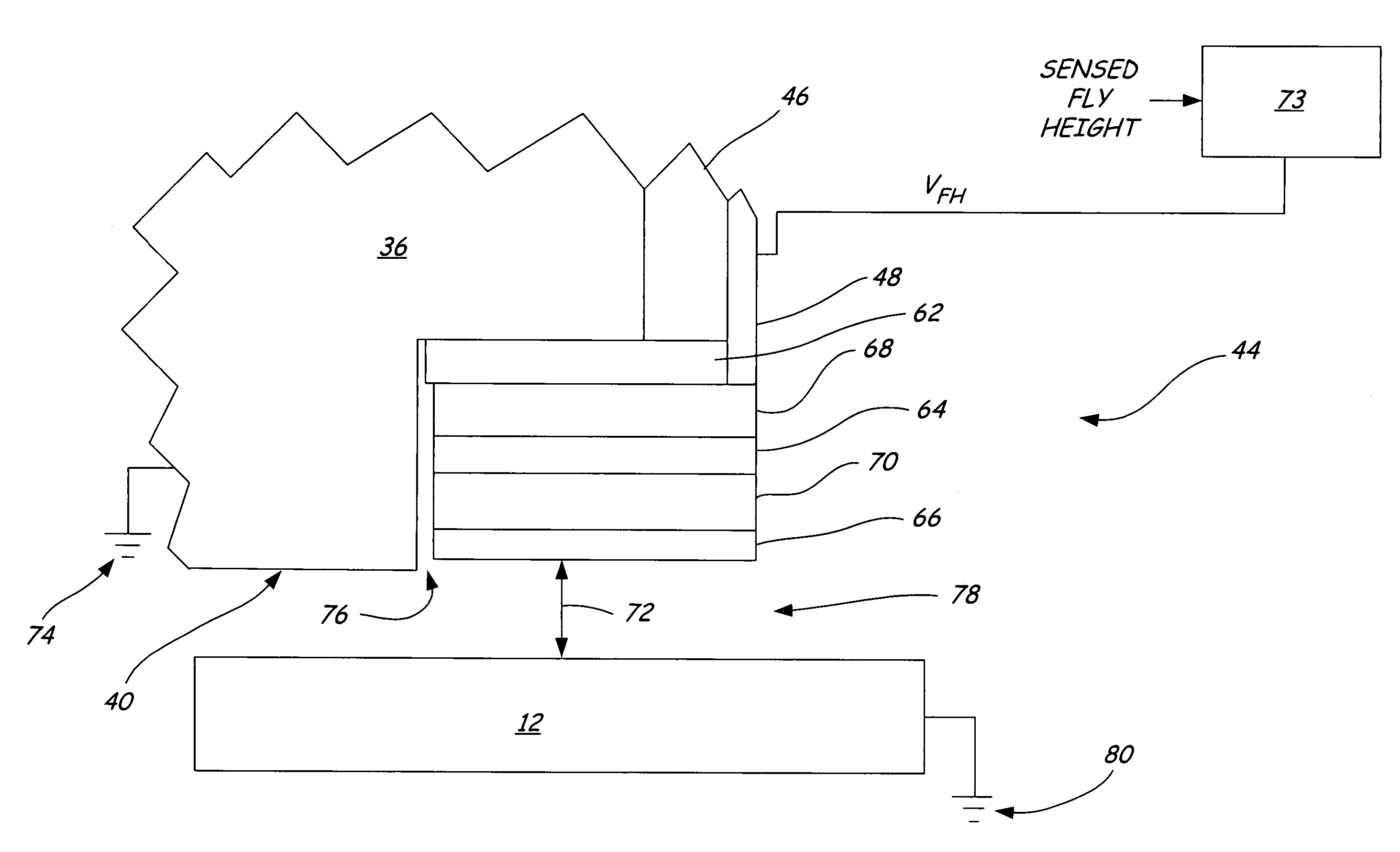
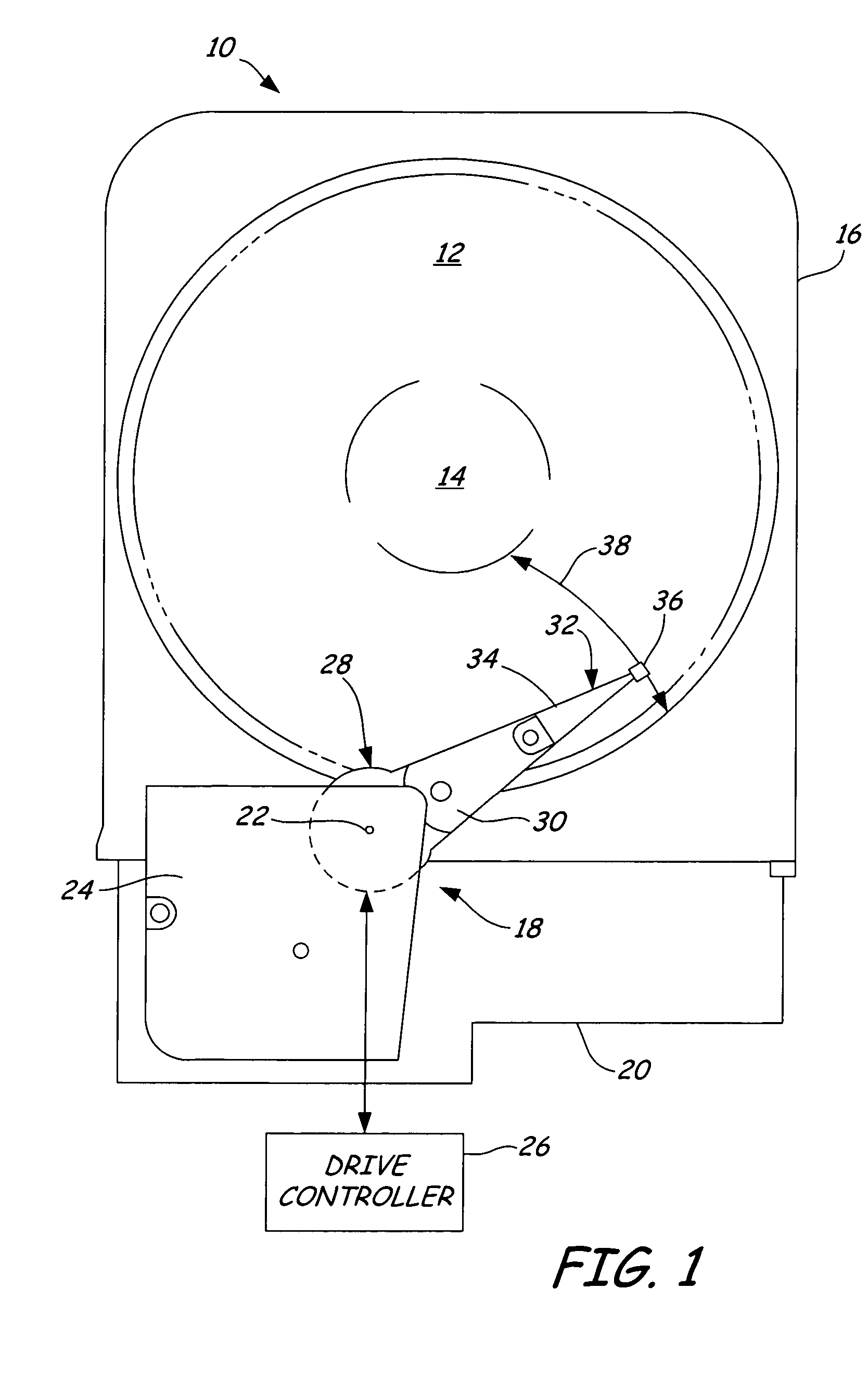
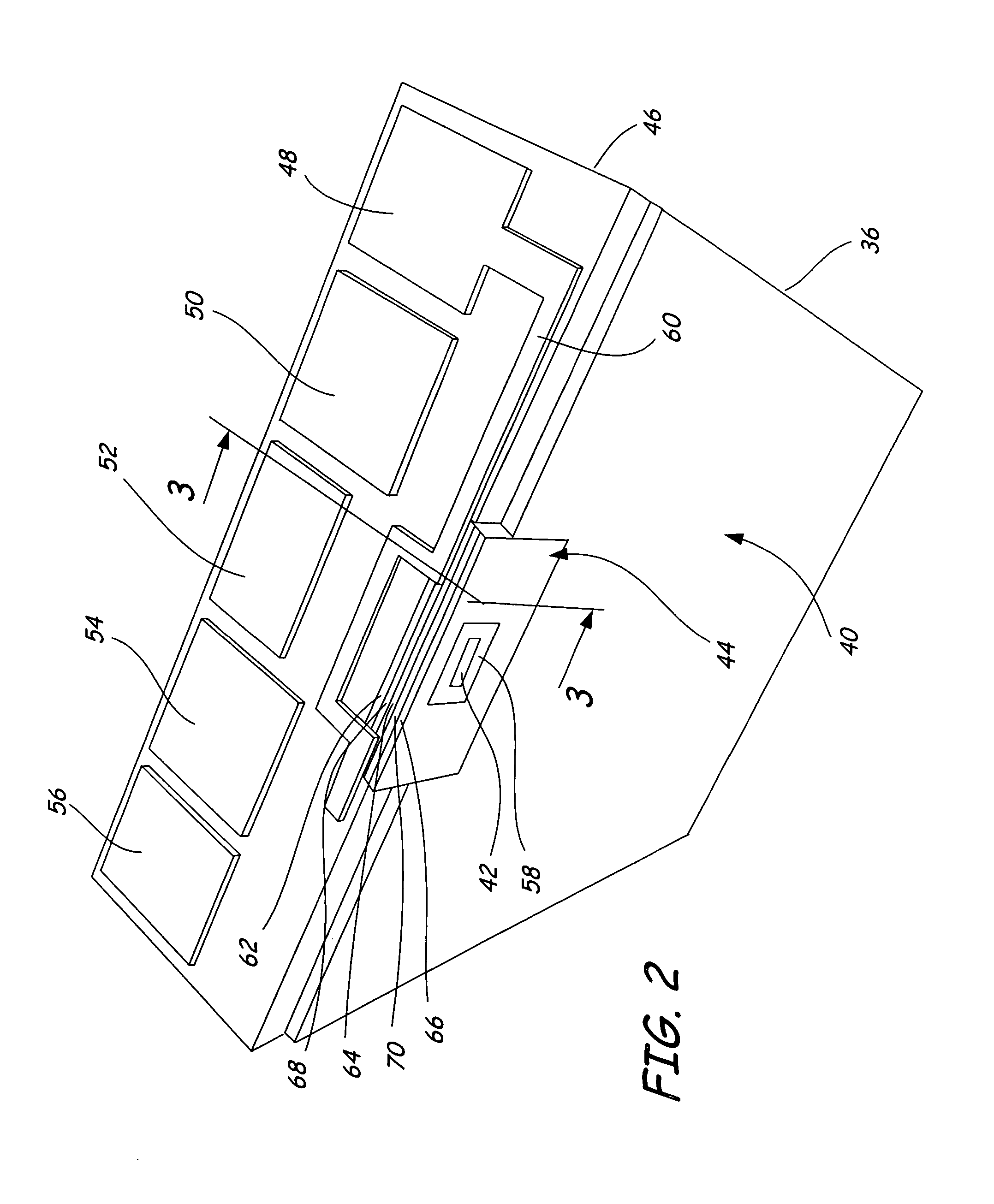
Multi-layer electrode device on slider for electrostatic fly height adjustment
PatentInactiveUS6985326B2
Innovation
- A multi-layer electrode device is deposited on the slider, comprising two electrode layers with insulating layers in between, which reduces leakage current, tunneling current, and field emission discharge while maintaining rapid response times by isolating the electrode from the slider and controlling the fly height effectively.

Multi-layer electrode having plural active material layers including binders with different elastic recovery rates and uniform porosity and lithium secondary battery including the same
PatentActiveUS12126008B2
Innovation
- The use of binders with different elastic recovery rates in each active material layer, applied sequentially and dried before rolling, ensures a uniform porosity across the electrode material layers, addressing the issue of varying pressures and improving overall battery performance.
Manufacturing Standards for Multi-layer Electrodes
Manufacturing standards for multi-layer electrodes represent a critical framework that governs the production quality, consistency, and performance optimization of electrode systems across various industrial applications. These standards encompass dimensional tolerances, material specifications, interface requirements, and process control parameters that directly impact electrode congruity in multi-layer configurations.
The establishment of manufacturing standards begins with precise dimensional control protocols that define acceptable thickness variations, surface roughness parameters, and geometric tolerances for individual electrode layers. Industry standards typically specify thickness uniformity within ±2-5% across the electrode surface, with surface roughness values maintained below 0.5 micrometers Ra to ensure optimal inter-layer contact and minimize resistance variations.
Material composition standards play a fundamental role in achieving electrode congruity, requiring strict control over impurity levels, grain structure, and chemical homogeneity. These specifications ensure consistent electrical and thermal properties across production batches, with particular emphasis on maintaining uniform conductivity and thermal expansion coefficients that prevent delamination or warping during operation.
Interface bonding standards define the requirements for adhesion strength, contact resistance, and thermal interface management between electrode layers. These standards typically mandate minimum bond strength values exceeding 10 MPa and contact resistance below specified thresholds to maintain electrical continuity and mechanical integrity throughout the electrode stack.
Process control standards encompass temperature profiles, pressure application sequences, and environmental conditions during manufacturing. These parameters are critical for achieving reproducible electrode properties and include specifications for heating rates, cooling cycles, and atmospheric control during sintering or bonding processes.
Quality assurance protocols within manufacturing standards require comprehensive testing methodologies including electrical characterization, mechanical stress testing, and thermal cycling validation. These standards ensure that manufactured electrodes meet performance criteria and maintain congruity under operational conditions, with acceptance criteria based on statistical process control principles and long-term reliability requirements.
The establishment of manufacturing standards begins with precise dimensional control protocols that define acceptable thickness variations, surface roughness parameters, and geometric tolerances for individual electrode layers. Industry standards typically specify thickness uniformity within ±2-5% across the electrode surface, with surface roughness values maintained below 0.5 micrometers Ra to ensure optimal inter-layer contact and minimize resistance variations.
Material composition standards play a fundamental role in achieving electrode congruity, requiring strict control over impurity levels, grain structure, and chemical homogeneity. These specifications ensure consistent electrical and thermal properties across production batches, with particular emphasis on maintaining uniform conductivity and thermal expansion coefficients that prevent delamination or warping during operation.
Interface bonding standards define the requirements for adhesion strength, contact resistance, and thermal interface management between electrode layers. These standards typically mandate minimum bond strength values exceeding 10 MPa and contact resistance below specified thresholds to maintain electrical continuity and mechanical integrity throughout the electrode stack.
Process control standards encompass temperature profiles, pressure application sequences, and environmental conditions during manufacturing. These parameters are critical for achieving reproducible electrode properties and include specifications for heating rates, cooling cycles, and atmospheric control during sintering or bonding processes.
Quality assurance protocols within manufacturing standards require comprehensive testing methodologies including electrical characterization, mechanical stress testing, and thermal cycling validation. These standards ensure that manufactured electrodes meet performance criteria and maintain congruity under operational conditions, with acceptance criteria based on statistical process control principles and long-term reliability requirements.
Quality Control in Multi-layer Electrode Production
Quality control in multi-layer electrode production represents a critical manufacturing discipline that ensures consistent electrode congruity across complex layered architectures. The production process demands rigorous monitoring protocols at each fabrication stage, from substrate preparation through final assembly, to maintain dimensional accuracy and electrical performance specifications.
Statistical process control methodologies form the backbone of effective quality assurance in multi-layer electrode manufacturing. Real-time monitoring systems track key parameters including layer thickness uniformity, surface roughness, and interlayer adhesion strength. Advanced measurement techniques such as X-ray fluorescence spectroscopy and scanning electron microscopy enable precise characterization of individual layer properties and interface quality.
Automated inspection systems have revolutionized quality control capabilities in high-volume production environments. Machine vision technologies equipped with sub-micron resolution cameras detect surface defects, alignment errors, and dimensional variations that could compromise electrode congruity. These systems integrate seamlessly with manufacturing execution systems to provide immediate feedback and enable rapid corrective actions.
Thermal management during production critically influences final electrode quality and congruity. Temperature profiling across heating zones ensures uniform material properties and prevents thermal stress-induced deformations. Controlled cooling protocols minimize residual stresses that could lead to warpage or delamination in service applications.
Material traceability systems maintain comprehensive records of raw material properties, processing parameters, and environmental conditions throughout production. This data enables root cause analysis when quality issues arise and supports continuous improvement initiatives. Batch-to-batch consistency relies heavily on maintaining tight control over incoming material specifications and processing variables.
Validation protocols encompass both in-process monitoring and final product testing to verify electrode congruity meets design specifications. Electrical testing validates performance characteristics while mechanical testing confirms structural integrity under operational stress conditions. These comprehensive quality control measures ensure reliable electrode performance in demanding multi-layer system applications.
Statistical process control methodologies form the backbone of effective quality assurance in multi-layer electrode manufacturing. Real-time monitoring systems track key parameters including layer thickness uniformity, surface roughness, and interlayer adhesion strength. Advanced measurement techniques such as X-ray fluorescence spectroscopy and scanning electron microscopy enable precise characterization of individual layer properties and interface quality.
Automated inspection systems have revolutionized quality control capabilities in high-volume production environments. Machine vision technologies equipped with sub-micron resolution cameras detect surface defects, alignment errors, and dimensional variations that could compromise electrode congruity. These systems integrate seamlessly with manufacturing execution systems to provide immediate feedback and enable rapid corrective actions.
Thermal management during production critically influences final electrode quality and congruity. Temperature profiling across heating zones ensures uniform material properties and prevents thermal stress-induced deformations. Controlled cooling protocols minimize residual stresses that could lead to warpage or delamination in service applications.
Material traceability systems maintain comprehensive records of raw material properties, processing parameters, and environmental conditions throughout production. This data enables root cause analysis when quality issues arise and supports continuous improvement initiatives. Batch-to-batch consistency relies heavily on maintaining tight control over incoming material specifications and processing variables.
Validation protocols encompass both in-process monitoring and final product testing to verify electrode congruity meets design specifications. Electrical testing validates performance characteristics while mechanical testing confirms structural integrity under operational stress conditions. These comprehensive quality control measures ensure reliable electrode performance in demanding multi-layer system applications.
Unlock deeper insights with PatSnap Eureka Quick Research — get a full tech report to explore trends and direct your research. Try now!
Generate Your Research Report Instantly with AI Agent
Supercharge your innovation with PatSnap Eureka AI Agent Platform!