

How to Optimize Electrode Slitting for High Throughput Production
MAY 28, 20269 MIN READ
Generate Your Research Report Instantly with AI Agent
Patsnap Eureka helps you evaluate technical feasibility & market potential.
Electrode Slitting Technology Background and Production Goals
Electrode slitting technology has emerged as a critical manufacturing process in the rapidly expanding battery industry, particularly for lithium-ion battery production. This precision cutting technique involves the longitudinal division of large electrode sheets into narrower strips of predetermined widths, enabling the creation of battery cells with specific dimensional requirements. The technology has evolved from traditional mechanical cutting methods to sophisticated systems incorporating advanced blade technologies, tension control mechanisms, and real-time monitoring capabilities.
The historical development of electrode slitting can be traced back to early battery manufacturing processes where simple rotary cutters were employed. However, as battery technology advanced and demand for higher energy densities increased, the requirements for precision and quality in electrode preparation became more stringent. Modern slitting systems now incorporate multiple cutting stations, automated web handling, and integrated quality control systems to meet the demanding specifications of contemporary battery applications.
Current market dynamics are driving unprecedented demand for high-throughput electrode slitting capabilities. The global shift toward electric vehicles, energy storage systems, and portable electronics has created a production bottleneck where traditional slitting methods cannot adequately support the required manufacturing volumes. Industry projections indicate that battery production capacity must increase by several orders of magnitude over the next decade, placing enormous pressure on electrode manufacturing processes.
The primary production goals for optimized electrode slitting encompass multiple performance dimensions. Throughput maximization remains the foremost objective, with target processing speeds reaching 200-500 meters per minute for industrial-scale operations. Simultaneously, maintaining dimensional accuracy within ±0.1mm tolerances is essential for ensuring consistent battery performance and automated assembly compatibility.
Quality preservation during high-speed slitting presents significant technical challenges. Electrode materials, particularly those containing active materials like lithium iron phosphate or nickel manganese cobalt, are susceptible to edge defects, particle shedding, and delamination during the cutting process. These quality issues directly impact battery performance, safety, and manufacturing yield rates.
Edge quality optimization has become a critical focus area, as poor cutting can create microscopic burrs, compressed edges, or material displacement that affects electrolyte penetration and ion transport within the finished battery cell. Advanced slitting systems now target edge roughness values below 10 micrometers while maintaining production speeds that support commercial viability.
The integration of real-time monitoring and adaptive control systems represents a key technological advancement in achieving production goals. Modern slitting lines incorporate vision systems, tension monitoring, and predictive maintenance algorithms to optimize performance continuously while minimizing downtime and material waste.
The historical development of electrode slitting can be traced back to early battery manufacturing processes where simple rotary cutters were employed. However, as battery technology advanced and demand for higher energy densities increased, the requirements for precision and quality in electrode preparation became more stringent. Modern slitting systems now incorporate multiple cutting stations, automated web handling, and integrated quality control systems to meet the demanding specifications of contemporary battery applications.
Current market dynamics are driving unprecedented demand for high-throughput electrode slitting capabilities. The global shift toward electric vehicles, energy storage systems, and portable electronics has created a production bottleneck where traditional slitting methods cannot adequately support the required manufacturing volumes. Industry projections indicate that battery production capacity must increase by several orders of magnitude over the next decade, placing enormous pressure on electrode manufacturing processes.
The primary production goals for optimized electrode slitting encompass multiple performance dimensions. Throughput maximization remains the foremost objective, with target processing speeds reaching 200-500 meters per minute for industrial-scale operations. Simultaneously, maintaining dimensional accuracy within ±0.1mm tolerances is essential for ensuring consistent battery performance and automated assembly compatibility.
Quality preservation during high-speed slitting presents significant technical challenges. Electrode materials, particularly those containing active materials like lithium iron phosphate or nickel manganese cobalt, are susceptible to edge defects, particle shedding, and delamination during the cutting process. These quality issues directly impact battery performance, safety, and manufacturing yield rates.
Edge quality optimization has become a critical focus area, as poor cutting can create microscopic burrs, compressed edges, or material displacement that affects electrolyte penetration and ion transport within the finished battery cell. Advanced slitting systems now target edge roughness values below 10 micrometers while maintaining production speeds that support commercial viability.
The integration of real-time monitoring and adaptive control systems represents a key technological advancement in achieving production goals. Modern slitting lines incorporate vision systems, tension monitoring, and predictive maintenance algorithms to optimize performance continuously while minimizing downtime and material waste.
Market Demand for High Throughput Electrode Manufacturing
The global battery manufacturing industry is experiencing unprecedented growth driven by the rapid expansion of electric vehicles, energy storage systems, and portable electronics. This surge has created substantial demand for high-throughput electrode manufacturing capabilities, as traditional production methods struggle to meet the scale and speed requirements of modern battery production facilities.
Electric vehicle adoption represents the primary driver of this demand surge. Major automotive manufacturers have committed to electrification timelines that require massive increases in battery cell production capacity. These commitments translate directly into requirements for electrode manufacturing lines capable of processing significantly larger volumes while maintaining consistent quality standards. The transition from laboratory-scale to gigafactory-scale production has exposed critical bottlenecks in electrode processing workflows.
Energy storage system deployment for grid-scale applications further amplifies manufacturing volume requirements. Utility-scale battery installations demand electrode production capabilities that can support multi-gigawatt-hour annual capacity targets. This market segment particularly values manufacturing processes that can achieve high throughput without compromising the dimensional precision and material integrity essential for long-term grid storage applications.
Current electrode manufacturing processes face significant throughput limitations, particularly in the slitting and cutting stages where precision requirements often conflict with speed optimization goals. Traditional slitting approaches typically operate at conservative speeds to maintain edge quality and prevent material waste, creating production bottlenecks that limit overall facility output. These constraints become increasingly problematic as battery manufacturers scale operations to meet growing market demand.
The economic implications of throughput optimization extend beyond simple capacity increases. Higher production speeds enable better utilization of expensive manufacturing equipment and facility infrastructure, directly impacting per-unit production costs. Manufacturing facilities operating at optimal throughput levels can achieve significantly improved return on capital investments while maintaining competitive pricing in increasingly cost-sensitive battery markets.
Quality requirements in high-throughput electrode manufacturing present additional complexity. Faster processing speeds must not compromise the dimensional accuracy, edge quality, or material integrity that directly impact battery performance and safety characteristics. This balance between speed and quality creates demand for advanced slitting technologies that can maintain precision standards while operating at significantly higher throughput levels than conventional approaches allow.
Electric vehicle adoption represents the primary driver of this demand surge. Major automotive manufacturers have committed to electrification timelines that require massive increases in battery cell production capacity. These commitments translate directly into requirements for electrode manufacturing lines capable of processing significantly larger volumes while maintaining consistent quality standards. The transition from laboratory-scale to gigafactory-scale production has exposed critical bottlenecks in electrode processing workflows.
Energy storage system deployment for grid-scale applications further amplifies manufacturing volume requirements. Utility-scale battery installations demand electrode production capabilities that can support multi-gigawatt-hour annual capacity targets. This market segment particularly values manufacturing processes that can achieve high throughput without compromising the dimensional precision and material integrity essential for long-term grid storage applications.
Current electrode manufacturing processes face significant throughput limitations, particularly in the slitting and cutting stages where precision requirements often conflict with speed optimization goals. Traditional slitting approaches typically operate at conservative speeds to maintain edge quality and prevent material waste, creating production bottlenecks that limit overall facility output. These constraints become increasingly problematic as battery manufacturers scale operations to meet growing market demand.
The economic implications of throughput optimization extend beyond simple capacity increases. Higher production speeds enable better utilization of expensive manufacturing equipment and facility infrastructure, directly impacting per-unit production costs. Manufacturing facilities operating at optimal throughput levels can achieve significantly improved return on capital investments while maintaining competitive pricing in increasingly cost-sensitive battery markets.
Quality requirements in high-throughput electrode manufacturing present additional complexity. Faster processing speeds must not compromise the dimensional accuracy, edge quality, or material integrity that directly impact battery performance and safety characteristics. This balance between speed and quality creates demand for advanced slitting technologies that can maintain precision standards while operating at significantly higher throughput levels than conventional approaches allow.
Current Electrode Slitting Challenges and Bottlenecks
Electrode slitting operations in battery manufacturing face significant throughput limitations due to mechanical constraints inherent in traditional cutting systems. Conventional rotary blade configurations struggle to maintain consistent cutting speeds above 200 meters per minute without compromising edge quality, creating a fundamental bottleneck in high-volume production environments. The mechanical stress imposed on electrode materials during high-speed slitting often results in particle shedding, delamination, and micro-cracking that can severely impact battery performance.
Thermal management represents another critical challenge as cutting blade temperatures can exceed optimal operating ranges during continuous high-throughput operations. Excessive heat generation leads to adhesive softening in coated electrodes, causing material buildup on cutting surfaces and necessitating frequent cleaning cycles that interrupt production flow. This thermal issue becomes particularly pronounced when processing thick electrode coatings or materials with high active material loading densities.
Dimensional accuracy and edge quality deterioration emerge as primary concerns when attempting to scale slitting speeds. Blade deflection under high cutting forces results in width variations that exceed acceptable tolerances for precision battery applications. Additionally, burr formation and rough edge surfaces increase with cutting velocity, potentially creating internal short circuits or compromising cell assembly processes downstream.
Material handling complexities intensify at higher production rates, with web tension control becoming increasingly difficult to maintain across varying electrode thicknesses and coating formulations. Inconsistent tension leads to wrinkle formation, web breaks, and misalignment issues that force production slowdowns or quality rejections. The challenge is compounded when processing brittle cathode materials or thin current collector foils that are particularly sensitive to mechanical stress.
Dust generation and contamination control present escalating difficulties as slitting speeds increase. Particulate matter created during cutting operations can contaminate clean room environments and compromise product quality standards. Current filtration and collection systems often prove inadequate for managing the increased particle generation rates associated with high-throughput slitting operations.
Equipment wear and maintenance requirements scale disproportionately with production speeds, as cutting blade life decreases exponentially under high-stress conditions. Frequent blade changes and system maintenance create unplanned downtime that negates potential throughput gains, while replacement costs significantly impact operational economics.
Thermal management represents another critical challenge as cutting blade temperatures can exceed optimal operating ranges during continuous high-throughput operations. Excessive heat generation leads to adhesive softening in coated electrodes, causing material buildup on cutting surfaces and necessitating frequent cleaning cycles that interrupt production flow. This thermal issue becomes particularly pronounced when processing thick electrode coatings or materials with high active material loading densities.
Dimensional accuracy and edge quality deterioration emerge as primary concerns when attempting to scale slitting speeds. Blade deflection under high cutting forces results in width variations that exceed acceptable tolerances for precision battery applications. Additionally, burr formation and rough edge surfaces increase with cutting velocity, potentially creating internal short circuits or compromising cell assembly processes downstream.
Material handling complexities intensify at higher production rates, with web tension control becoming increasingly difficult to maintain across varying electrode thicknesses and coating formulations. Inconsistent tension leads to wrinkle formation, web breaks, and misalignment issues that force production slowdowns or quality rejections. The challenge is compounded when processing brittle cathode materials or thin current collector foils that are particularly sensitive to mechanical stress.
Dust generation and contamination control present escalating difficulties as slitting speeds increase. Particulate matter created during cutting operations can contaminate clean room environments and compromise product quality standards. Current filtration and collection systems often prove inadequate for managing the increased particle generation rates associated with high-throughput slitting operations.
Equipment wear and maintenance requirements scale disproportionately with production speeds, as cutting blade life decreases exponentially under high-stress conditions. Frequent blade changes and system maintenance create unplanned downtime that negates potential throughput gains, while replacement costs significantly impact operational economics.
Current High Speed Electrode Slitting Solutions
01 High-speed slitting equipment and machinery optimization
Advanced slitting machinery with optimized cutting mechanisms, high-speed motors, and precision control systems can significantly increase electrode slitting throughput. These systems incorporate improved blade designs, enhanced tension control, and automated feeding mechanisms to achieve higher processing speeds while maintaining cut quality and reducing downtime.- High-speed slitting equipment and machinery optimization: Advanced slitting machinery with optimized cutting mechanisms, high-speed motors, and precision control systems can significantly increase electrode slitting throughput. These systems incorporate improved blade designs, enhanced tension control, and automated feeding mechanisms to achieve faster processing speeds while maintaining cut quality and reducing downtime.
- Multi-blade and parallel processing configurations: Implementation of multiple cutting blades operating simultaneously or parallel processing lines allows for concurrent slitting operations, dramatically improving overall throughput. These configurations enable processing of multiple electrode strips simultaneously or cutting multiple widths in a single pass, maximizing production efficiency.
- Automated material handling and feeding systems: Automated systems for material loading, positioning, and unloading eliminate manual handling bottlenecks and reduce cycle times. These systems include robotic feeders, conveyor integration, automatic roll changing mechanisms, and synchronized material flow control that maintain continuous operation and minimize interruptions.
- Process monitoring and quality control integration: Real-time monitoring systems with integrated quality control measures ensure consistent throughput without compromising product quality. These systems use sensors, vision systems, and feedback control to detect defects, adjust parameters automatically, and maintain optimal cutting conditions throughout the production run.
- Waste reduction and material optimization techniques: Advanced material utilization strategies and waste minimization techniques improve effective throughput by reducing material loss and rework. These approaches include optimized cutting patterns, scrap recycling systems, precision measurement controls, and adaptive cutting algorithms that maximize yield from raw materials.
02 Multi-blade and parallel processing configurations
Implementation of multiple cutting blades operating simultaneously or parallel processing lines allows for concurrent slitting operations, dramatically improving overall throughput. These configurations enable processing of multiple electrode strips simultaneously or cutting multiple widths from a single wide electrode material in one pass.Expand Specific Solutions03 Automated material handling and feeding systems
Integration of automated unwinding, feeding, and rewinding systems eliminates manual handling bottlenecks and enables continuous operation. These systems include automatic roll changeover mechanisms, tension control systems, and synchronized material transport that maintains consistent processing speeds throughout the slitting operation.Expand Specific Solutions04 Process monitoring and quality control optimization
Real-time monitoring systems with sensors and feedback controls optimize slitting parameters to maintain maximum throughput while ensuring quality standards. These systems automatically adjust cutting speed, blade pressure, and material tension based on electrode characteristics and quality requirements, preventing slowdowns due to defects or rework.Expand Specific Solutions05 Waste reduction and material utilization enhancement
Optimized cutting patterns, edge trimming systems, and scrap handling mechanisms reduce material waste and improve overall process efficiency. These approaches include intelligent nesting algorithms for cutting patterns, efficient scrap removal systems, and recycling mechanisms that minimize material loss and reduce the need for material changeovers.Expand Specific Solutions
Key Players in Electrode Manufacturing Equipment Industry
The electrode slitting optimization market for high throughput production represents a mature industrial segment driven by the rapid expansion of electric vehicle and energy storage applications. The market demonstrates significant scale, particularly within the battery manufacturing ecosystem where companies like LG Energy Solution, Samsung SDI, and Panasonic Holdings lead technological advancement through substantial R&D investments. Technology maturity varies considerably across market participants, with established players such as Toyota Industries and Hitachi leveraging decades of precision manufacturing expertise, while automotive giants like BMW, Nissan, and GM drive innovation through vertical integration strategies. Semiconductor manufacturers including Samsung Electronics, Texas Instruments, and TDK Corp contribute advanced materials and process control technologies. The competitive landscape shows convergence between traditional industrial equipment providers and emerging battery specialists like Beijing WeLion, indicating a dynamic market transitioning toward next-generation manufacturing capabilities optimized for unprecedented production volumes and precision requirements.
LG Energy Solution Ltd.
Technical Solution: LG Energy Solution has developed advanced electrode slitting technologies focusing on precision cutting systems with laser-guided alignment and real-time tension control mechanisms. Their approach incorporates multi-blade slitting stations capable of processing electrode materials at speeds exceeding 200 meters per minute while maintaining cutting accuracy within ±0.1mm tolerances. The company utilizes proprietary blade materials and coating technologies to extend tool life and reduce maintenance downtime. Their integrated quality control systems employ vision inspection and automated defect detection to ensure consistent electrode width and edge quality throughout high-volume production runs.
Strengths: Industry-leading cutting precision and high-speed processing capabilities with proven scalability for mass production. Weaknesses: High initial capital investment and complex maintenance requirements for specialized equipment.
Panasonic Holdings Corp.
Technical Solution: Panasonic has developed an integrated electrode slitting system that emphasizes material waste reduction and energy efficiency optimization. Their technology incorporates precision pneumatic blade positioning systems with real-time force feedback control to adapt cutting parameters based on material properties and environmental conditions. The company's approach includes specialized dust collection and recycling systems that capture and reprocess electrode material waste, achieving material utilization rates exceeding 98%. Their slitting lines feature modular conveyor systems with independent speed control zones, enabling optimal material flow management and reduced web tension variations during high-throughput production operations.
Strengths: Excellent material utilization efficiency and environmentally conscious waste reduction systems with proven reliability. Weaknesses: Moderate processing speeds compared to competitors and higher complexity in system integration requirements.
Core Patents in Advanced Electrode Slitting Methods
Slitter apparatus and production method of electrode
PatentActiveUS20060016308A1
Innovation
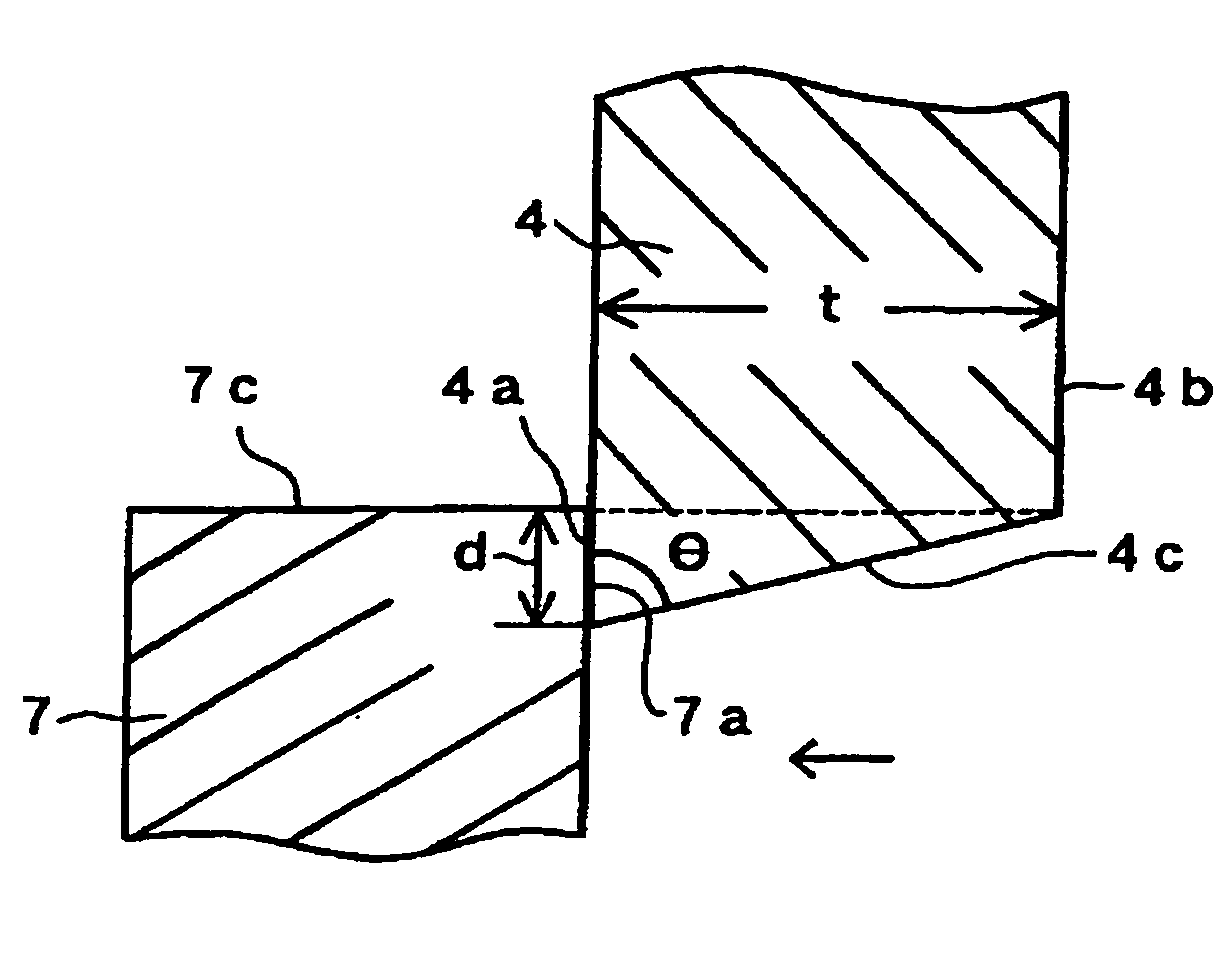
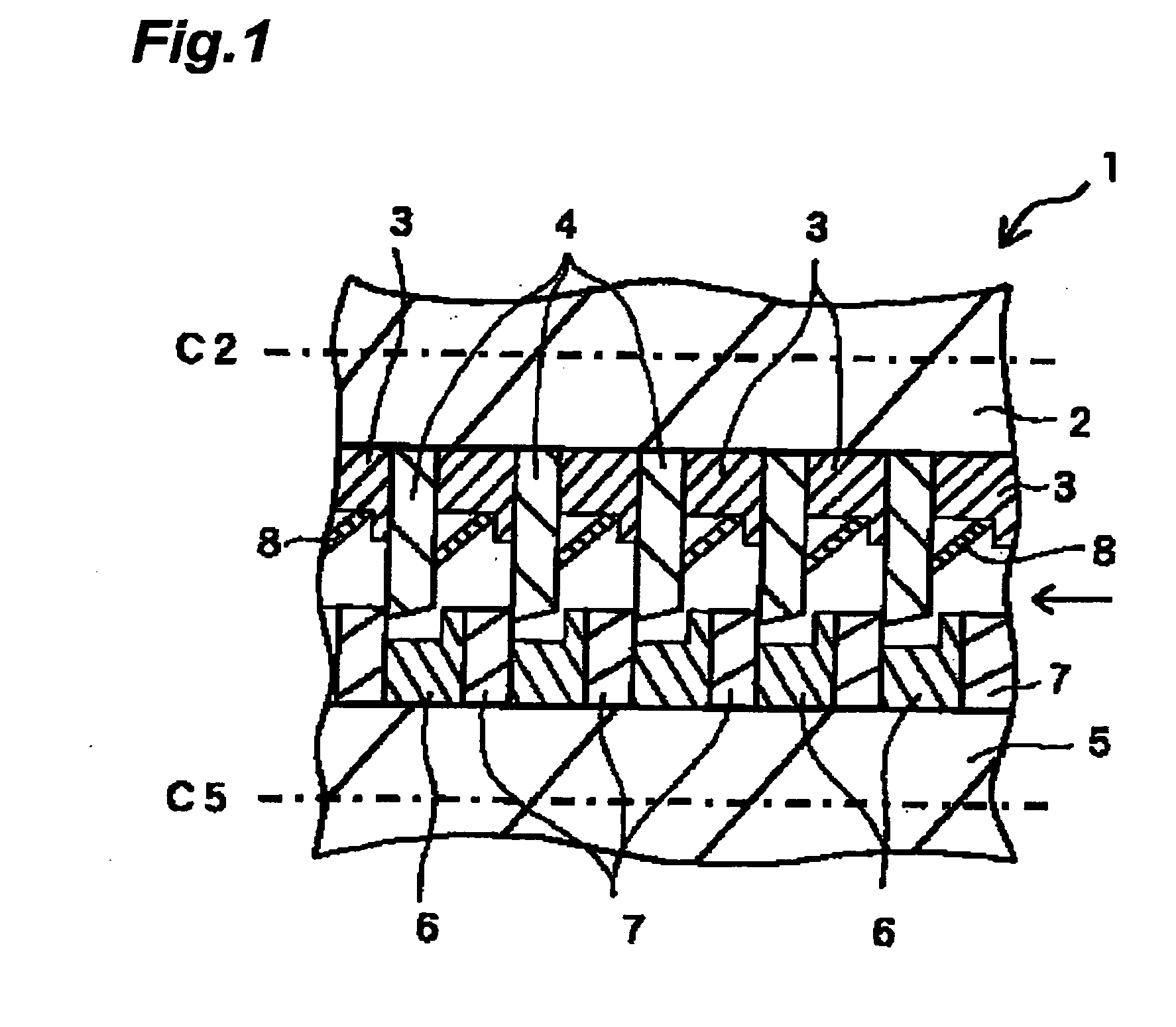
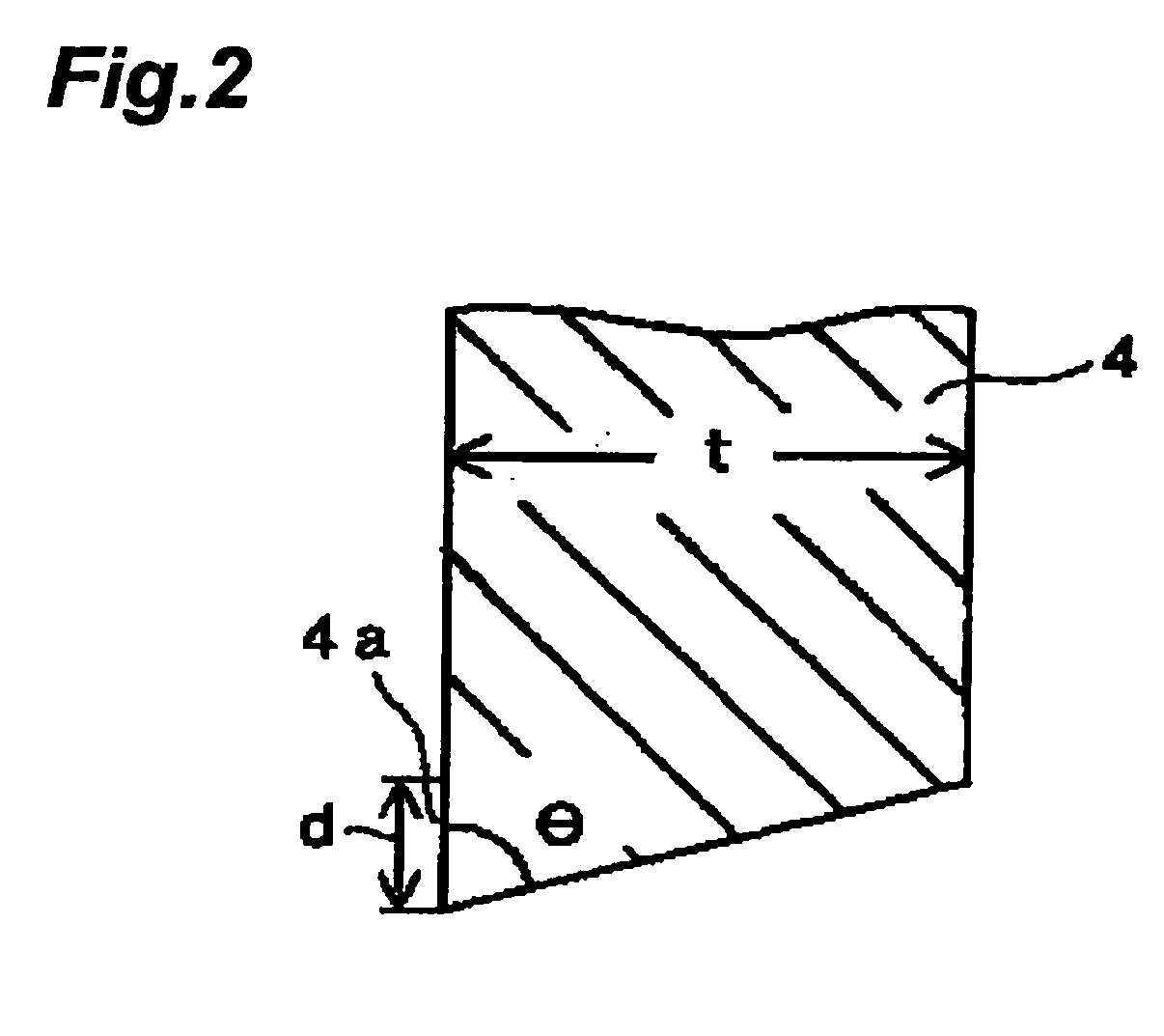
- A slitter apparatus with upper and lower blades of specific hardness (6.9×10^3 to 8.8×10^3 N/mm²) and surface roughness (not more than 4 μm) ranges, ensuring adequate engagement and reduced burr and chip production by minimizing deformation and adhesion, while maintaining blade durability and ease of polishing.

Cutting device and method for producing electrode sheets from an electrode foil
PatentWO2023020740A1
Innovation
- A cutting device with elastically deformable rollers and a cutting contour that never contacts the support surface, allowing for precise cutting and reduced tool wear, integrated with a method that uses multiple rollers to produce electrode sheets with varying cutting lines for slitting, notching, and separation in a single process, enhancing efficiency and reducing waste.


Quality Control Standards for Electrode Manufacturing
Quality control standards for electrode manufacturing in high-throughput slitting operations require comprehensive measurement protocols and acceptance criteria to ensure consistent product performance. These standards must address dimensional accuracy, surface integrity, and material properties while maintaining production efficiency. The implementation of robust quality frameworks becomes critical when optimizing slitting processes for increased throughput, as higher speeds can potentially compromise product quality without proper controls.
Dimensional tolerance specifications form the foundation of electrode quality standards, encompassing width accuracy within ±0.1mm, thickness uniformity across the entire electrode length, and edge straightness parameters. Advanced measurement systems utilizing laser scanning technology and high-resolution cameras enable real-time monitoring of these critical dimensions during the slitting process. Statistical process control methods help maintain these tolerances while identifying process drift before defective products are produced.
Surface quality standards address edge roughness, burr formation, and coating integrity preservation during slitting operations. Acceptable edge roughness typically ranges from 1-3 micrometers Ra, while burr height limitations prevent downstream assembly issues. Coating adhesion testing protocols ensure that mechanical stresses from high-speed slitting do not compromise the electrode's electrochemical performance. These standards require specialized testing equipment and sampling procedures integrated into the production workflow.
Material property verification standards include electrical conductivity measurements, mechanical strength testing, and electrochemical performance validation. Conductivity testing ensures that slitting operations do not introduce resistance variations that could affect battery performance. Tensile strength measurements verify that high-speed processing maintains material integrity, while electrochemical testing protocols validate that the slitting process preserves the electrode's fundamental battery performance characteristics.
Implementation of these quality control standards requires automated inspection systems capable of operating at production speeds, comprehensive data logging for traceability, and rapid feedback mechanisms to adjust process parameters. The integration of artificial intelligence and machine learning algorithms enhances defect detection capabilities while reducing false positive rates, enabling manufacturers to maintain stringent quality standards without sacrificing throughput efficiency.
Dimensional tolerance specifications form the foundation of electrode quality standards, encompassing width accuracy within ±0.1mm, thickness uniformity across the entire electrode length, and edge straightness parameters. Advanced measurement systems utilizing laser scanning technology and high-resolution cameras enable real-time monitoring of these critical dimensions during the slitting process. Statistical process control methods help maintain these tolerances while identifying process drift before defective products are produced.
Surface quality standards address edge roughness, burr formation, and coating integrity preservation during slitting operations. Acceptable edge roughness typically ranges from 1-3 micrometers Ra, while burr height limitations prevent downstream assembly issues. Coating adhesion testing protocols ensure that mechanical stresses from high-speed slitting do not compromise the electrode's electrochemical performance. These standards require specialized testing equipment and sampling procedures integrated into the production workflow.
Material property verification standards include electrical conductivity measurements, mechanical strength testing, and electrochemical performance validation. Conductivity testing ensures that slitting operations do not introduce resistance variations that could affect battery performance. Tensile strength measurements verify that high-speed processing maintains material integrity, while electrochemical testing protocols validate that the slitting process preserves the electrode's fundamental battery performance characteristics.
Implementation of these quality control standards requires automated inspection systems capable of operating at production speeds, comprehensive data logging for traceability, and rapid feedback mechanisms to adjust process parameters. The integration of artificial intelligence and machine learning algorithms enhances defect detection capabilities while reducing false positive rates, enabling manufacturers to maintain stringent quality standards without sacrificing throughput efficiency.
Cost Analysis of High Throughput Slitting Systems
The economic evaluation of high throughput electrode slitting systems reveals significant capital investment requirements that must be carefully balanced against production efficiency gains. Initial equipment costs for advanced slitting lines typically range from $2-8 million depending on throughput capacity, precision requirements, and automation levels. These systems incorporate sophisticated tension control mechanisms, precision cutting tools, and real-time monitoring capabilities that command premium pricing but deliver substantial long-term value through enhanced productivity and reduced waste.
Operational expenditures constitute a critical component of the total cost structure, encompassing blade replacement, maintenance schedules, energy consumption, and skilled operator requirements. High-speed slitting operations demand frequent blade changes, with cutting tool costs representing 15-25% of annual operating expenses. Advanced ceramic and carbide blade technologies, while more expensive initially, demonstrate superior longevity and cutting precision, ultimately reducing per-unit processing costs through extended service intervals and improved yield rates.
Labor cost optimization emerges as a key differentiator in high throughput environments. Automated slitting systems can reduce direct labor requirements by 40-60% compared to conventional setups, while simultaneously improving consistency and reducing human error-related waste. However, these systems require higher-skilled technicians for maintenance and troubleshooting, necessitating investment in training programs and potentially higher wage structures.
Energy consumption analysis indicates that modern high throughput slitting systems, despite higher instantaneous power requirements, achieve superior energy efficiency per unit processed through optimized motor control systems and reduced processing time. Typical energy costs represent 8-12% of total operating expenses, with variable frequency drives and regenerative braking systems offering additional savings opportunities.
Return on investment calculations demonstrate that high throughput slitting systems typically achieve payback periods of 18-36 months in high-volume production environments. The economic justification strengthens significantly when factoring in quality improvements, reduced material waste, and enhanced production flexibility that enables rapid response to market demands and product mix changes.
Operational expenditures constitute a critical component of the total cost structure, encompassing blade replacement, maintenance schedules, energy consumption, and skilled operator requirements. High-speed slitting operations demand frequent blade changes, with cutting tool costs representing 15-25% of annual operating expenses. Advanced ceramic and carbide blade technologies, while more expensive initially, demonstrate superior longevity and cutting precision, ultimately reducing per-unit processing costs through extended service intervals and improved yield rates.
Labor cost optimization emerges as a key differentiator in high throughput environments. Automated slitting systems can reduce direct labor requirements by 40-60% compared to conventional setups, while simultaneously improving consistency and reducing human error-related waste. However, these systems require higher-skilled technicians for maintenance and troubleshooting, necessitating investment in training programs and potentially higher wage structures.
Energy consumption analysis indicates that modern high throughput slitting systems, despite higher instantaneous power requirements, achieve superior energy efficiency per unit processed through optimized motor control systems and reduced processing time. Typical energy costs represent 8-12% of total operating expenses, with variable frequency drives and regenerative braking systems offering additional savings opportunities.
Return on investment calculations demonstrate that high throughput slitting systems typically achieve payback periods of 18-36 months in high-volume production environments. The economic justification strengthens significantly when factoring in quality improvements, reduced material waste, and enhanced production flexibility that enables rapid response to market demands and product mix changes.
Unlock deeper insights with Patsnap Eureka Quick Research — get a full tech report to explore trends and direct your research. Try now!
Generate Your Research Report Instantly with AI Agent
Supercharge your innovation with Patsnap Eureka AI Agent Platform!