

How to Optimize Load Distribution in Harmonic Gears
APR 27, 20269 MIN READ
Generate Your Research Report Instantly with AI Agent
PatSnap Eureka helps you evaluate technical feasibility & market potential.
Harmonic Gear Load Distribution Background and Objectives
Harmonic gears, also known as strain wave gears or harmonic drives, represent a revolutionary advancement in precision mechanical transmission systems. These devices utilize the elastic deformation of a flexible spline to achieve high reduction ratios, exceptional positioning accuracy, and zero backlash characteristics. Since their invention by C.W. Musser in the 1950s, harmonic gears have become indispensable components in robotics, aerospace, machine tools, and precision instrumentation applications.
The fundamental operating principle involves three primary components: a wave generator (elliptical cam), a flexible spline (flexspline), and a circular spline (rigid ring gear). The wave generator deforms the flexspline into an elliptical shape, creating engagement zones where teeth mesh with the circular spline. As the wave generator rotates, these engagement zones travel around the circumference, producing the desired speed reduction and torque multiplication.
Despite their numerous advantages, harmonic gears face significant challenges related to load distribution optimization. Uneven load distribution across engaged teeth leads to premature wear, reduced fatigue life, increased vibration, and compromised positioning accuracy. The inherent flexibility of the flexspline, while enabling the unique operating principle, creates complex stress patterns and non-uniform contact conditions that vary dynamically during operation.
Current industry demands for higher torque density, extended service life, and improved reliability have intensified the need for advanced load distribution optimization strategies. Modern applications in collaborative robotics, precision manufacturing, and space exploration require harmonic gears to operate under increasingly demanding conditions while maintaining exceptional performance standards.
The primary objective of optimizing load distribution in harmonic gears encompasses several critical goals. First, achieving uniform stress distribution across all engaged teeth to maximize load-carrying capacity and prevent localized failures. Second, minimizing peak contact stresses to enhance fatigue resistance and extend operational lifespan. Third, reducing vibration and noise generation through improved meshing characteristics and smoother torque transmission.
Additional objectives include enhancing positioning accuracy by minimizing elastic deformation variations, improving thermal management through better load sharing, and developing predictive maintenance capabilities based on load distribution monitoring. These goals collectively aim to unlock the full potential of harmonic gear technology while addressing current limitations that restrict their application in high-performance systems.
The fundamental operating principle involves three primary components: a wave generator (elliptical cam), a flexible spline (flexspline), and a circular spline (rigid ring gear). The wave generator deforms the flexspline into an elliptical shape, creating engagement zones where teeth mesh with the circular spline. As the wave generator rotates, these engagement zones travel around the circumference, producing the desired speed reduction and torque multiplication.
Despite their numerous advantages, harmonic gears face significant challenges related to load distribution optimization. Uneven load distribution across engaged teeth leads to premature wear, reduced fatigue life, increased vibration, and compromised positioning accuracy. The inherent flexibility of the flexspline, while enabling the unique operating principle, creates complex stress patterns and non-uniform contact conditions that vary dynamically during operation.
Current industry demands for higher torque density, extended service life, and improved reliability have intensified the need for advanced load distribution optimization strategies. Modern applications in collaborative robotics, precision manufacturing, and space exploration require harmonic gears to operate under increasingly demanding conditions while maintaining exceptional performance standards.
The primary objective of optimizing load distribution in harmonic gears encompasses several critical goals. First, achieving uniform stress distribution across all engaged teeth to maximize load-carrying capacity and prevent localized failures. Second, minimizing peak contact stresses to enhance fatigue resistance and extend operational lifespan. Third, reducing vibration and noise generation through improved meshing characteristics and smoother torque transmission.
Additional objectives include enhancing positioning accuracy by minimizing elastic deformation variations, improving thermal management through better load sharing, and developing predictive maintenance capabilities based on load distribution monitoring. These goals collectively aim to unlock the full potential of harmonic gear technology while addressing current limitations that restrict their application in high-performance systems.
Market Demand for High-Precision Harmonic Drive Systems
The global market for high-precision harmonic drive systems is experiencing robust growth driven by increasing automation demands across multiple industrial sectors. Manufacturing industries, particularly automotive, aerospace, and electronics, are demanding higher precision and reliability in their robotic systems and automated production lines. This trend has created substantial market opportunities for advanced harmonic gear solutions that can deliver superior load distribution characteristics.
Robotics applications represent the largest market segment for high-precision harmonic drives, with collaborative robots and industrial automation systems requiring exceptional positioning accuracy and smooth operation. The semiconductor manufacturing industry has emerged as a particularly demanding sector, where even microscopic variations in load distribution can impact product quality and yield rates. These applications necessitate harmonic gear systems capable of maintaining consistent performance under varying load conditions.
Aerospace and defense sectors are driving demand for lightweight, compact harmonic drive systems with optimized load distribution capabilities. Satellite positioning systems, radar equipment, and precision instrumentation require harmonic gears that can operate reliably in extreme environments while maintaining accurate load distribution across gear teeth. The space industry's stringent weight and reliability requirements have pushed manufacturers to develop innovative solutions for load optimization.
The renewable energy sector, particularly wind power generation, has created new market opportunities for large-scale harmonic drive systems. Wind turbine pitch control systems require robust harmonic gears capable of handling variable loads while maintaining precise positioning accuracy. This application demands advanced load distribution optimization to ensure long-term reliability and minimize maintenance requirements.
Medical device manufacturing represents an emerging high-growth market segment, with surgical robots and diagnostic equipment requiring ultra-precise harmonic drive systems. These applications demand exceptional smoothness and accuracy, making load distribution optimization critical for patient safety and treatment effectiveness. The aging global population and increasing healthcare automation are expected to drive continued growth in this sector.
Market analysis indicates strong demand for harmonic drive systems that can demonstrate measurable improvements in load distribution uniformity, reduced vibration, and extended operational life. Customers are increasingly willing to invest in premium solutions that offer superior load distribution characteristics, recognizing the long-term cost benefits through reduced maintenance and improved system reliability.
Robotics applications represent the largest market segment for high-precision harmonic drives, with collaborative robots and industrial automation systems requiring exceptional positioning accuracy and smooth operation. The semiconductor manufacturing industry has emerged as a particularly demanding sector, where even microscopic variations in load distribution can impact product quality and yield rates. These applications necessitate harmonic gear systems capable of maintaining consistent performance under varying load conditions.
Aerospace and defense sectors are driving demand for lightweight, compact harmonic drive systems with optimized load distribution capabilities. Satellite positioning systems, radar equipment, and precision instrumentation require harmonic gears that can operate reliably in extreme environments while maintaining accurate load distribution across gear teeth. The space industry's stringent weight and reliability requirements have pushed manufacturers to develop innovative solutions for load optimization.
The renewable energy sector, particularly wind power generation, has created new market opportunities for large-scale harmonic drive systems. Wind turbine pitch control systems require robust harmonic gears capable of handling variable loads while maintaining precise positioning accuracy. This application demands advanced load distribution optimization to ensure long-term reliability and minimize maintenance requirements.
Medical device manufacturing represents an emerging high-growth market segment, with surgical robots and diagnostic equipment requiring ultra-precise harmonic drive systems. These applications demand exceptional smoothness and accuracy, making load distribution optimization critical for patient safety and treatment effectiveness. The aging global population and increasing healthcare automation are expected to drive continued growth in this sector.
Market analysis indicates strong demand for harmonic drive systems that can demonstrate measurable improvements in load distribution uniformity, reduced vibration, and extended operational life. Customers are increasingly willing to invest in premium solutions that offer superior load distribution characteristics, recognizing the long-term cost benefits through reduced maintenance and improved system reliability.
Current Load Distribution Challenges in Harmonic Gears
Harmonic gears face significant load distribution challenges that directly impact their performance, reliability, and service life. The primary issue stems from the inherent geometric characteristics of the flexspline, which undergoes continuous elastic deformation during operation. This deformation creates non-uniform contact patterns between the flexspline teeth and the circular spline, resulting in concentrated stress points rather than evenly distributed loads across the entire tooth engagement zone.
Manufacturing tolerances represent another critical challenge affecting load distribution uniformity. Even minor variations in tooth profile accuracy, pitch errors, and surface finish quality can lead to premature contact between specific tooth pairs, causing localized overloading. These manufacturing imperfections are particularly problematic in harmonic drives due to their high reduction ratios, where small errors are amplified throughout the gear train.
The wave generator's elliptical profile introduces additional complexity to load distribution patterns. As the wave generator rotates, it creates a continuously changing deformation pattern in the flexspline, causing the load distribution to shift dynamically around the circumference. This dynamic loading creates challenges in predicting and controlling stress concentrations, particularly at the major axis positions where maximum engagement occurs.
Thermal effects further complicate load distribution optimization. During operation, friction and mechanical losses generate heat that causes differential thermal expansion between components. The flexspline, being the thinnest component, is most susceptible to temperature-induced dimensional changes, which can alter the intended tooth engagement patterns and exacerbate existing load distribution irregularities.
Assembly-related factors also contribute significantly to load distribution challenges. Improper alignment between the wave generator, flexspline, and circular spline can create systematic load imbalances. Additionally, bearing preload variations and housing distortions during installation can introduce external forces that further distort the natural load distribution patterns.
The high-cycle fatigue environment characteristic of harmonic gear applications amplifies these load distribution issues. Repeated stress cycling at concentrated load points accelerates material degradation and can lead to premature failure modes such as tooth breakage, surface pitting, or flexspline cracking. Current analytical methods often struggle to accurately predict these complex, time-varying load distributions under real operating conditions.
Manufacturing tolerances represent another critical challenge affecting load distribution uniformity. Even minor variations in tooth profile accuracy, pitch errors, and surface finish quality can lead to premature contact between specific tooth pairs, causing localized overloading. These manufacturing imperfections are particularly problematic in harmonic drives due to their high reduction ratios, where small errors are amplified throughout the gear train.
The wave generator's elliptical profile introduces additional complexity to load distribution patterns. As the wave generator rotates, it creates a continuously changing deformation pattern in the flexspline, causing the load distribution to shift dynamically around the circumference. This dynamic loading creates challenges in predicting and controlling stress concentrations, particularly at the major axis positions where maximum engagement occurs.
Thermal effects further complicate load distribution optimization. During operation, friction and mechanical losses generate heat that causes differential thermal expansion between components. The flexspline, being the thinnest component, is most susceptible to temperature-induced dimensional changes, which can alter the intended tooth engagement patterns and exacerbate existing load distribution irregularities.
Assembly-related factors also contribute significantly to load distribution challenges. Improper alignment between the wave generator, flexspline, and circular spline can create systematic load imbalances. Additionally, bearing preload variations and housing distortions during installation can introduce external forces that further distort the natural load distribution patterns.
The high-cycle fatigue environment characteristic of harmonic gear applications amplifies these load distribution issues. Repeated stress cycling at concentrated load points accelerates material degradation and can lead to premature failure modes such as tooth breakage, surface pitting, or flexspline cracking. Current analytical methods often struggle to accurately predict these complex, time-varying load distributions under real operating conditions.
Existing Load Distribution Optimization Solutions
01 Load distribution analysis and calculation methods for harmonic gears
Advanced mathematical models and computational methods are developed to analyze and predict load distribution patterns in harmonic gear systems. These methods consider factors such as tooth engagement, contact stress, and deformation characteristics to optimize gear performance and reliability. The analysis helps in understanding how loads are transmitted through the flexible spline and circular spline interface.- Tooth profile optimization for load distribution: Optimization of tooth profiles in harmonic gears to achieve more uniform load distribution across the gear teeth. This involves modifying the tooth geometry, including tooth shape, pitch, and contact angles to minimize stress concentrations and improve load sharing among multiple teeth. Advanced tooth profile designs help reduce peak stresses and extend gear life by distributing loads more evenly.
- Flexspline design and material considerations: Design modifications and material selection for the flexspline component to improve load distribution characteristics. This includes optimizing the flexspline wall thickness, material properties, and geometric parameters to enhance flexibility while maintaining structural integrity. The flexspline design directly affects how loads are transmitted and distributed throughout the harmonic drive system.
- Wave generator configuration and positioning: Optimization of wave generator design and positioning to achieve better load distribution in harmonic gears. This involves controlling the deformation pattern of the flexspline through precise wave generator geometry and positioning. The wave generator configuration determines the contact pattern between the flexspline and circular spline, directly influencing load distribution uniformity.
- Multi-stage and compound harmonic drive systems: Implementation of multi-stage or compound harmonic drive configurations to distribute loads across multiple gear stages. This approach reduces the load on individual components by sharing the total transmitted load among several harmonic drive units. Such systems can achieve higher torque capacity while maintaining better load distribution characteristics compared to single-stage designs.
- Load analysis and measurement techniques: Methods and systems for analyzing and measuring load distribution in harmonic gears during operation. This includes computational modeling techniques, experimental measurement approaches, and real-time monitoring systems to evaluate load distribution patterns. These techniques help in understanding load behavior and optimizing gear design for improved performance and reliability.
02 Tooth profile optimization for improved load distribution
Specialized tooth profile designs and modifications are implemented to achieve more uniform load distribution across the gear teeth. These optimizations include specific tooth geometry, contact patterns, and engagement characteristics that reduce stress concentrations and improve load sharing among multiple teeth in contact simultaneously.Expand Specific Solutions03 Flexible spline design for enhanced load capacity
The flexible spline component is engineered with specific material properties, wall thickness variations, and structural configurations to optimize load distribution and transmission efficiency. Design considerations include flexibility characteristics, stress distribution patterns, and fatigue resistance to handle varying load conditions effectively.Expand Specific Solutions04 Wave generator and bearing systems for load management
The wave generator assembly and associated bearing systems are designed to control and distribute loads effectively throughout the harmonic drive mechanism. These systems ensure proper load transmission from the input to the flexible spline while maintaining optimal contact conditions and minimizing stress concentrations in critical components.Expand Specific Solutions05 Manufacturing and assembly techniques for load optimization
Specialized manufacturing processes and assembly methods are employed to achieve precise component tolerances and proper load distribution characteristics. These techniques include precision machining, heat treatment processes, and assembly procedures that ensure optimal gear mesh conditions and uniform load sharing across the gear interface.Expand Specific Solutions
Key Players in Harmonic Drive and Precision Gearing Industry
The harmonic gear load distribution optimization field represents a mature yet evolving market within the precision transmission industry, currently experiencing steady growth driven by increasing automation demands across aerospace, robotics, and industrial applications. The competitive landscape is characterized by a diverse ecosystem spanning established industrial giants, specialized transmission manufacturers, and research institutions. Technology maturity varies significantly among key players, with companies like Siemens AG, YASKAWA Electric Corp., and Hitachi Ltd. leveraging advanced digital control systems and decades of industrial automation expertise. Specialized firms such as Leader Harmonious Drive Systems Co., Ltd. and HIWIN Technologies Corp. focus specifically on precision transmission solutions, while automotive suppliers like Schaeffler Technologies AG and ZF Automotive Germany GmbH integrate harmonic drive optimization into broader powertrain systems. Research institutions including Beijing University of Technology and Industrial Technology Research Institute contribute fundamental research, indicating ongoing technological advancement. The market demonstrates strong technical maturity in traditional applications while emerging opportunities in robotics and electric vehicles drive continued innovation and competitive differentiation.
Leader Harmonious Drive Systems Co., Ltd.
Technical Solution: Leader Harmonious Drive Systems specializes in advanced harmonic gear load distribution optimization through proprietary tooth profile modification techniques and precision manufacturing processes. Their approach involves implementing variable tooth thickness designs across the flexspline to achieve more uniform stress distribution, reducing peak loads by up to 25% compared to conventional designs. The company utilizes finite element analysis combined with experimental validation to optimize gear geometry parameters, including wave generator ellipticity ratios and flexspline wall thickness variations. Their load distribution optimization also incorporates advanced materials with tailored elastic properties and surface treatments to enhance load-carrying capacity while maintaining the compact form factor essential for harmonic drive applications.
Strengths: Specialized focus on harmonic drives with proven load distribution improvements and comprehensive optimization approach. Weaknesses: Limited global market presence compared to larger industrial manufacturers.
YASKAWA Electric Corp.
Technical Solution: YASKAWA employs sophisticated load distribution optimization in their harmonic gears through advanced tooth profile engineering and precision manufacturing control. Their approach integrates multi-objective optimization algorithms to balance load distribution across the gear mesh while maintaining high reduction ratios and compact designs. The company utilizes proprietary flexspline design methodologies that incorporate variable stiffness characteristics along the circumference to achieve more uniform load sharing among engaged teeth. Their optimization process includes comprehensive stress analysis using both analytical models and finite element simulations, coupled with experimental validation through specialized test rigs that measure actual load distribution patterns under various operating conditions.
Strengths: Strong industrial automation expertise with comprehensive testing capabilities and proven track record in precision gear systems. Weaknesses: Primary focus on servo applications may limit broader harmonic gear optimization innovations.
Core Innovations in Harmonic Gear Load Analysis Methods
Harmonic gear systems having redundant load paths between input and output shafts
PatentPendingEP4603724A1
Innovation
- A harmonic gear system with redundant load paths is designed, featuring nested cup-shaped flex splines and circular splined shafts connected to a radial flange, driven by a wave generator bearing, ensuring continuous operation even if one path fails.


Harmonic gear drive
PatentInactiveUS20070261516A1
Innovation
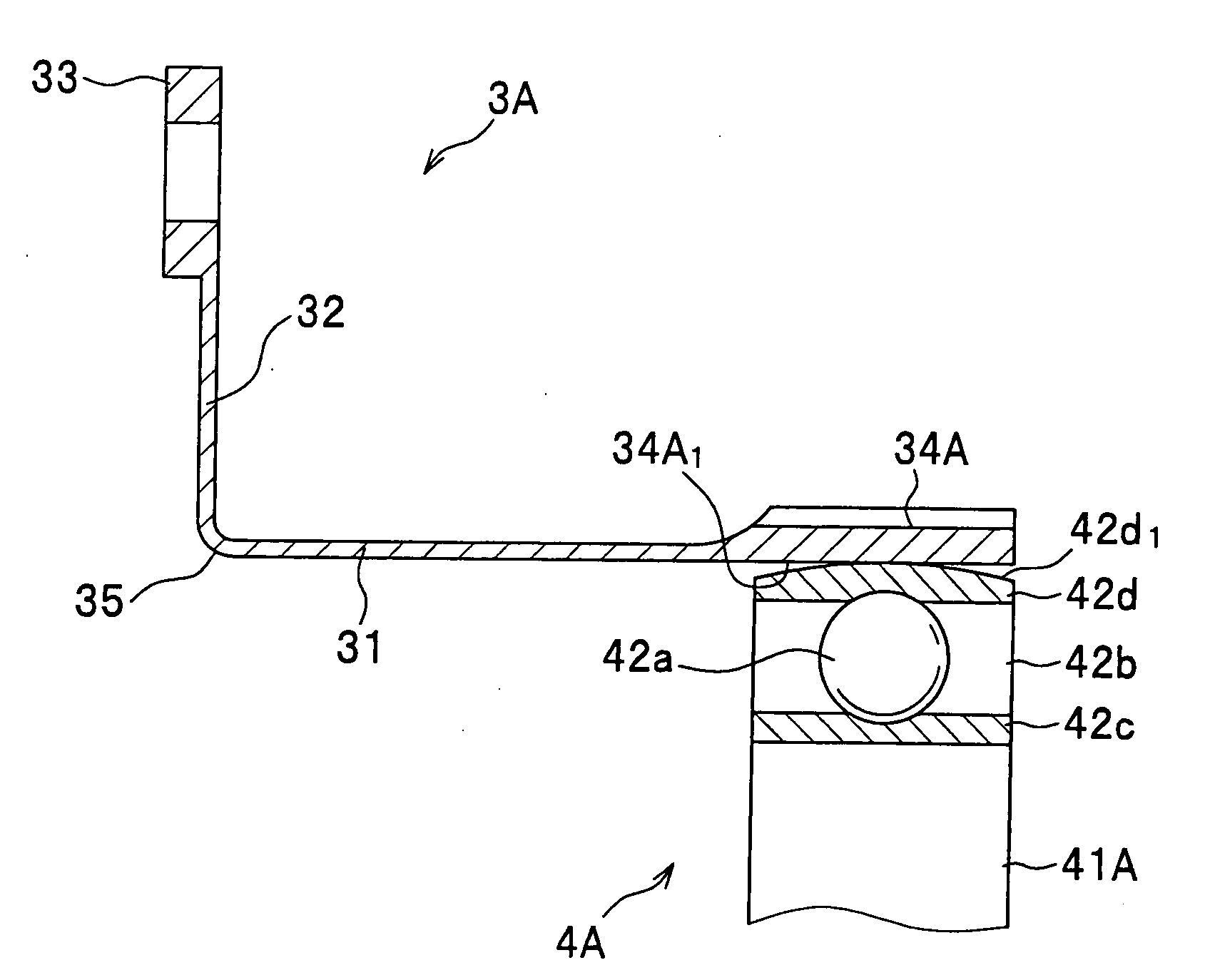
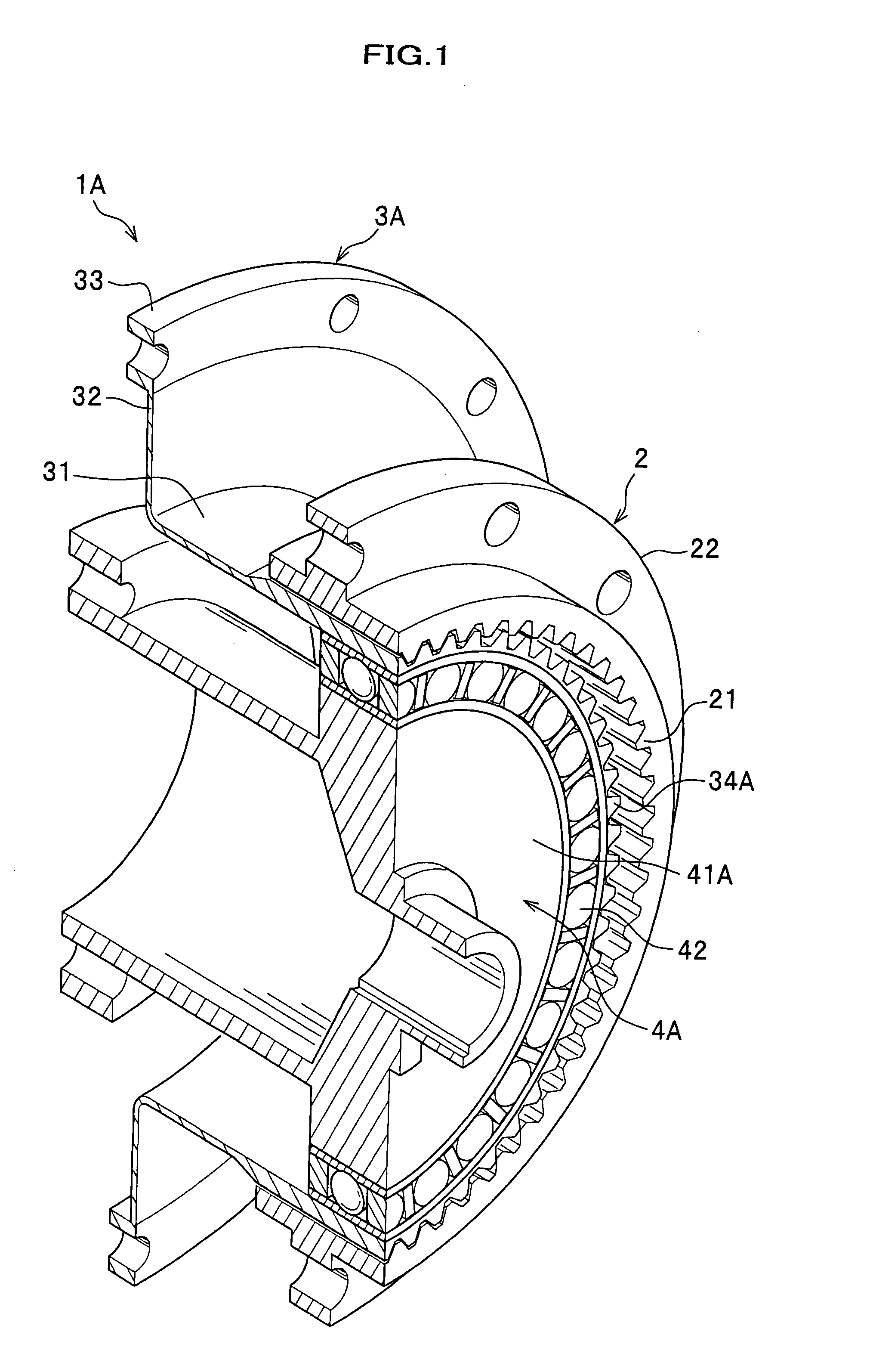
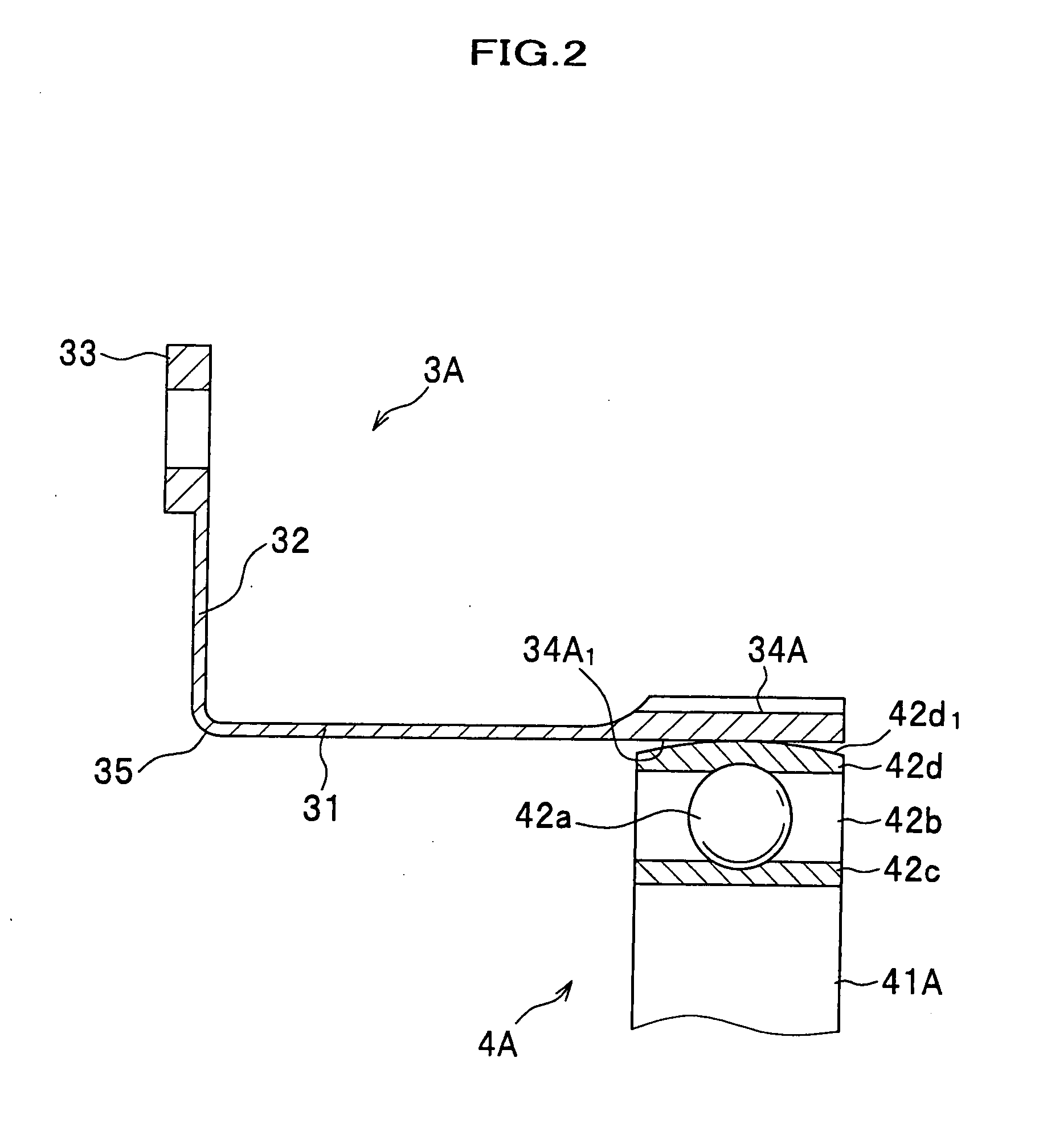
- The harmonic gear drive design incorporates a flexspline and a rigid spline meshed with a wave generator, where the contact area between the flexspline and the wave generator is reduced by forming at least one surface with a protrusion or arcuate profile, and optionally includes rolling elements to minimize slippage and noise.

Manufacturing Standards for Precision Harmonic Drives
Manufacturing standards for precision harmonic drives represent a critical foundation for achieving optimal load distribution in harmonic gear systems. These standards encompass dimensional tolerances, material specifications, surface finish requirements, and assembly procedures that directly influence the gear's ability to distribute loads evenly across the flexspline teeth engagement zone.
The most widely recognized manufacturing standards include ISO 6336 for gear calculation principles, AGMA 2101 for fundamental rating factors, and JIS B 1759 specifically addressing harmonic drive gearing. These standards establish precise tolerances for key components including the wave generator bearing eccentricity, flexspline wall thickness uniformity, and circular spline tooth profile accuracy. Typical tolerance requirements specify flexspline radial runout within 5-10 micrometers and tooth spacing errors below 15 arc-seconds.
Material standards play a crucial role in load distribution optimization. High-strength alloy steels such as SCM440 or SNCM439 are commonly specified for flexsplines, requiring heat treatment to achieve 58-62 HRC hardness while maintaining adequate fatigue resistance. The circular spline typically utilizes materials with 45-50 HRC hardness to provide optimal wear characteristics and load sharing between mating teeth.
Surface finish specifications directly impact contact stress distribution and gear efficiency. Manufacturing standards typically require Ra values below 0.4 micrometers for tooth flanks and 0.8 micrometers for bearing surfaces. Advanced finishing processes including gear honing, lapping, and superfinishing are often mandated to achieve these surface quality requirements.
Assembly standards address critical parameters affecting load distribution including wave generator preload settings, flexspline installation procedures, and backlash adjustment protocols. Proper implementation of these standards ensures uniform tooth engagement patterns and prevents localized stress concentrations that can lead to premature failure. Quality control procedures typically include coordinate measuring machine verification, tooth contact pattern analysis, and dynamic load testing to validate conformance to manufacturing standards.
The most widely recognized manufacturing standards include ISO 6336 for gear calculation principles, AGMA 2101 for fundamental rating factors, and JIS B 1759 specifically addressing harmonic drive gearing. These standards establish precise tolerances for key components including the wave generator bearing eccentricity, flexspline wall thickness uniformity, and circular spline tooth profile accuracy. Typical tolerance requirements specify flexspline radial runout within 5-10 micrometers and tooth spacing errors below 15 arc-seconds.
Material standards play a crucial role in load distribution optimization. High-strength alloy steels such as SCM440 or SNCM439 are commonly specified for flexsplines, requiring heat treatment to achieve 58-62 HRC hardness while maintaining adequate fatigue resistance. The circular spline typically utilizes materials with 45-50 HRC hardness to provide optimal wear characteristics and load sharing between mating teeth.
Surface finish specifications directly impact contact stress distribution and gear efficiency. Manufacturing standards typically require Ra values below 0.4 micrometers for tooth flanks and 0.8 micrometers for bearing surfaces. Advanced finishing processes including gear honing, lapping, and superfinishing are often mandated to achieve these surface quality requirements.
Assembly standards address critical parameters affecting load distribution including wave generator preload settings, flexspline installation procedures, and backlash adjustment protocols. Proper implementation of these standards ensures uniform tooth engagement patterns and prevents localized stress concentrations that can lead to premature failure. Quality control procedures typically include coordinate measuring machine verification, tooth contact pattern analysis, and dynamic load testing to validate conformance to manufacturing standards.
Fatigue Life Enhancement Through Load Optimization
Fatigue life enhancement in harmonic gears represents a critical engineering challenge that directly correlates with load optimization strategies. The cyclic nature of harmonic gear operation subjects components to repeated stress cycles, where uneven load distribution accelerates material degradation and reduces operational lifespan. Optimizing load distribution serves as a fundamental approach to mitigate stress concentrations and extend component durability.
The relationship between load distribution and fatigue performance manifests through several key mechanisms. Uniform load distribution reduces peak stress amplitudes across gear teeth, thereby decreasing the rate of crack initiation and propagation. When loads are concentrated in specific regions, these areas experience accelerated fatigue damage, leading to premature failure modes such as tooth breakage, surface pitting, and flexspline cracking.
Advanced load optimization techniques focus on modifying gear geometry and operational parameters to achieve more balanced stress distribution. Profile modification strategies, including tip relief and root fillet optimization, help redistribute contact forces across larger surface areas. Additionally, precise control of wave generator ellipticity and flexspline wall thickness variations can significantly influence load sharing characteristics among engaged teeth.
Material considerations play a crucial role in fatigue life enhancement through load optimization. High-strength alloys with superior fatigue resistance, combined with surface treatments such as shot peening and case hardening, can withstand higher stress levels while maintaining extended operational life. The synergy between optimized load distribution and advanced materials creates multiplicative benefits for fatigue performance.
Dynamic load balancing represents an emerging approach where real-time monitoring systems adjust operational parameters to maintain optimal load distribution throughout the gear's service life. This adaptive strategy compensates for wear-induced changes in gear geometry and maintains consistent fatigue performance over extended operational periods.
Predictive modeling techniques enable engineers to simulate various load distribution scenarios and their corresponding fatigue life implications. Finite element analysis combined with fatigue life prediction algorithms allows for optimization of gear designs before physical prototyping, reducing development costs while maximizing performance outcomes.
The relationship between load distribution and fatigue performance manifests through several key mechanisms. Uniform load distribution reduces peak stress amplitudes across gear teeth, thereby decreasing the rate of crack initiation and propagation. When loads are concentrated in specific regions, these areas experience accelerated fatigue damage, leading to premature failure modes such as tooth breakage, surface pitting, and flexspline cracking.
Advanced load optimization techniques focus on modifying gear geometry and operational parameters to achieve more balanced stress distribution. Profile modification strategies, including tip relief and root fillet optimization, help redistribute contact forces across larger surface areas. Additionally, precise control of wave generator ellipticity and flexspline wall thickness variations can significantly influence load sharing characteristics among engaged teeth.
Material considerations play a crucial role in fatigue life enhancement through load optimization. High-strength alloys with superior fatigue resistance, combined with surface treatments such as shot peening and case hardening, can withstand higher stress levels while maintaining extended operational life. The synergy between optimized load distribution and advanced materials creates multiplicative benefits for fatigue performance.
Dynamic load balancing represents an emerging approach where real-time monitoring systems adjust operational parameters to maintain optimal load distribution throughout the gear's service life. This adaptive strategy compensates for wear-induced changes in gear geometry and maintains consistent fatigue performance over extended operational periods.
Predictive modeling techniques enable engineers to simulate various load distribution scenarios and their corresponding fatigue life implications. Finite element analysis combined with fatigue life prediction algorithms allows for optimization of gear designs before physical prototyping, reducing development costs while maximizing performance outcomes.
Unlock deeper insights with PatSnap Eureka Quick Research — get a full tech report to explore trends and direct your research. Try now!
Generate Your Research Report Instantly with AI Agent
Supercharge your innovation with PatSnap Eureka AI Agent Platform!