

How to Optimize Network Flow with Advanced Multiplexer Designs?
JUL 13, 20259 MIN READ
Generate Your Research Report Instantly with AI Agent
PatSnap Eureka helps you evaluate technical feasibility & market potential.
Network Flow Optimization Background and Objectives
Network flow optimization has become increasingly critical in modern communication systems as data traffic continues to grow exponentially. The evolution of network technologies has been driven by the need for higher bandwidth, lower latency, and improved efficiency. From early circuit-switched networks to today's packet-switched architectures, the focus has consistently been on maximizing data throughput while minimizing congestion and delays.
Advanced multiplexer designs play a pivotal role in this optimization process. Multiplexers, devices that combine multiple input signals into a single output stream, have undergone significant advancements to keep pace with the escalating demands of network traffic. The progression from time-division multiplexing (TDM) to wavelength-division multiplexing (WDM) in optical networks exemplifies the continuous innovation in this field.
The primary objective of network flow optimization through advanced multiplexer designs is to enhance the overall performance and capacity of communication networks. This involves improving several key metrics, including throughput, latency, jitter, and packet loss rates. By efficiently managing and allocating network resources, advanced multiplexers aim to maximize the utilization of available bandwidth while maintaining quality of service (QoS) standards.
Another crucial goal is to address the challenges posed by the increasing complexity and heterogeneity of modern networks. As networks incorporate diverse technologies such as 5G, IoT, and cloud computing, multiplexers must adapt to handle varying traffic patterns, protocols, and service requirements. This necessitates the development of more flexible and intelligent multiplexing solutions capable of dynamic resource allocation and traffic prioritization.
Energy efficiency has also emerged as a significant consideration in network flow optimization. With the growing scale of network infrastructure, reducing power consumption without compromising performance has become a key objective. Advanced multiplexer designs are expected to contribute to this goal by implementing more energy-efficient signal processing and transmission techniques.
The ongoing transition towards software-defined networking (SDN) and network function virtualization (NFV) presents both opportunities and challenges for multiplexer design. These paradigms offer greater flexibility and programmability in network management, potentially enabling more sophisticated flow optimization strategies. However, they also require multiplexers to be more adaptable and capable of integrating with software-controlled network architectures.
As we look towards the future, the objectives of network flow optimization through advanced multiplexer designs are likely to expand further. Emerging technologies such as quantum communication and artificial intelligence-driven network management will undoubtedly influence the direction of multiplexer development, driving innovation towards even more efficient and intelligent solutions for managing the ever-increasing complexity of network traffic.
Advanced multiplexer designs play a pivotal role in this optimization process. Multiplexers, devices that combine multiple input signals into a single output stream, have undergone significant advancements to keep pace with the escalating demands of network traffic. The progression from time-division multiplexing (TDM) to wavelength-division multiplexing (WDM) in optical networks exemplifies the continuous innovation in this field.
The primary objective of network flow optimization through advanced multiplexer designs is to enhance the overall performance and capacity of communication networks. This involves improving several key metrics, including throughput, latency, jitter, and packet loss rates. By efficiently managing and allocating network resources, advanced multiplexers aim to maximize the utilization of available bandwidth while maintaining quality of service (QoS) standards.
Another crucial goal is to address the challenges posed by the increasing complexity and heterogeneity of modern networks. As networks incorporate diverse technologies such as 5G, IoT, and cloud computing, multiplexers must adapt to handle varying traffic patterns, protocols, and service requirements. This necessitates the development of more flexible and intelligent multiplexing solutions capable of dynamic resource allocation and traffic prioritization.
Energy efficiency has also emerged as a significant consideration in network flow optimization. With the growing scale of network infrastructure, reducing power consumption without compromising performance has become a key objective. Advanced multiplexer designs are expected to contribute to this goal by implementing more energy-efficient signal processing and transmission techniques.
The ongoing transition towards software-defined networking (SDN) and network function virtualization (NFV) presents both opportunities and challenges for multiplexer design. These paradigms offer greater flexibility and programmability in network management, potentially enabling more sophisticated flow optimization strategies. However, they also require multiplexers to be more adaptable and capable of integrating with software-controlled network architectures.
As we look towards the future, the objectives of network flow optimization through advanced multiplexer designs are likely to expand further. Emerging technologies such as quantum communication and artificial intelligence-driven network management will undoubtedly influence the direction of multiplexer development, driving innovation towards even more efficient and intelligent solutions for managing the ever-increasing complexity of network traffic.
Market Demand for Enhanced Network Capacity
The demand for enhanced network capacity has been steadily increasing in recent years, driven by the exponential growth of data-intensive applications and services. As businesses and consumers alike rely more heavily on digital platforms, the need for efficient and high-performance network infrastructure has become paramount. This surge in demand is particularly evident in sectors such as telecommunications, cloud computing, data centers, and enterprise networks.
One of the primary factors fueling this demand is the rapid adoption of 5G technology. The rollout of 5G networks requires significantly higher bandwidth and lower latency compared to previous generations, necessitating advanced multiplexing techniques to optimize network flow. Additionally, the Internet of Things (IoT) ecosystem continues to expand, with billions of connected devices generating and transmitting vast amounts of data, further straining existing network capacities.
The rise of cloud-based services and edge computing has also contributed to the increased demand for enhanced network capacity. As more businesses migrate their operations to the cloud and leverage edge computing for real-time data processing, the need for efficient data transmission and management becomes critical. This trend is particularly pronounced in industries such as finance, healthcare, and manufacturing, where low-latency and high-throughput networks are essential for mission-critical applications.
Video streaming and content delivery networks represent another significant driver of demand for improved network capacity. The proliferation of high-definition and 4K video content, coupled with the growing popularity of live streaming platforms, has placed unprecedented strain on network infrastructure. Advanced multiplexer designs that can efficiently handle these bandwidth-intensive applications are becoming increasingly valuable in meeting consumer expectations and maintaining service quality.
In the enterprise sector, the shift towards remote work and distributed teams has accelerated the need for robust and scalable network solutions. Organizations are investing in advanced network technologies to support seamless collaboration, secure data transfer, and high-quality video conferencing across geographically dispersed locations. This trend has created a substantial market opportunity for innovative multiplexer designs that can optimize network flow and enhance overall performance.
The market demand for enhanced network capacity is not limited to developed economies. Emerging markets are experiencing rapid digital transformation, with growing internet penetration and increasing adoption of mobile technologies. This presents a significant opportunity for advanced multiplexer solutions that can help build efficient and scalable network infrastructure in regions with limited existing resources.
One of the primary factors fueling this demand is the rapid adoption of 5G technology. The rollout of 5G networks requires significantly higher bandwidth and lower latency compared to previous generations, necessitating advanced multiplexing techniques to optimize network flow. Additionally, the Internet of Things (IoT) ecosystem continues to expand, with billions of connected devices generating and transmitting vast amounts of data, further straining existing network capacities.
The rise of cloud-based services and edge computing has also contributed to the increased demand for enhanced network capacity. As more businesses migrate their operations to the cloud and leverage edge computing for real-time data processing, the need for efficient data transmission and management becomes critical. This trend is particularly pronounced in industries such as finance, healthcare, and manufacturing, where low-latency and high-throughput networks are essential for mission-critical applications.
Video streaming and content delivery networks represent another significant driver of demand for improved network capacity. The proliferation of high-definition and 4K video content, coupled with the growing popularity of live streaming platforms, has placed unprecedented strain on network infrastructure. Advanced multiplexer designs that can efficiently handle these bandwidth-intensive applications are becoming increasingly valuable in meeting consumer expectations and maintaining service quality.
In the enterprise sector, the shift towards remote work and distributed teams has accelerated the need for robust and scalable network solutions. Organizations are investing in advanced network technologies to support seamless collaboration, secure data transfer, and high-quality video conferencing across geographically dispersed locations. This trend has created a substantial market opportunity for innovative multiplexer designs that can optimize network flow and enhance overall performance.
The market demand for enhanced network capacity is not limited to developed economies. Emerging markets are experiencing rapid digital transformation, with growing internet penetration and increasing adoption of mobile technologies. This presents a significant opportunity for advanced multiplexer solutions that can help build efficient and scalable network infrastructure in regions with limited existing resources.
Current Multiplexer Challenges and Limitations
Current multiplexer designs face several significant challenges and limitations that hinder optimal network flow. One of the primary issues is scalability. As network demands continue to grow exponentially, traditional multiplexer architectures struggle to keep pace with the increasing data rates and channel counts. This scalability problem is particularly acute in high-bandwidth applications such as data centers and 5G networks, where the need for efficient data aggregation and distribution is paramount.
Another critical challenge is power consumption. As multiplexers become more complex to handle higher data rates, their power requirements increase substantially. This not only raises operational costs but also creates thermal management issues, potentially affecting the reliability and performance of network systems. The trade-off between performance and power efficiency remains a significant hurdle in multiplexer design optimization.
Signal integrity is a persistent concern in multiplexer designs, especially as data rates continue to climb. Higher frequencies and denser channel packing lead to increased crosstalk, signal distortion, and electromagnetic interference. These issues can result in data errors and reduced transmission quality, ultimately impacting the overall network performance. Addressing these signal integrity challenges without compromising on speed or efficiency is a complex balancing act.
Flexibility and adaptability present another set of limitations in current multiplexer designs. Many existing solutions are optimized for specific network configurations or protocols, making them less versatile in heterogeneous network environments. This lack of adaptability can lead to inefficiencies and increased costs when network requirements change or evolve.
The integration of advanced features such as quality of service (QoS) management and dynamic bandwidth allocation into multiplexer designs poses additional challenges. While these features are increasingly necessary for modern network management, implementing them effectively without introducing latency or complexity is a significant technical hurdle.
Lastly, the cost-effectiveness of advanced multiplexer designs remains a limiting factor in their widespread adoption. As multiplexers become more sophisticated to address the aforementioned challenges, their production costs tend to increase. Striking a balance between performance improvements and cost-effectiveness is crucial for the practical implementation of optimized network flow solutions.
Another critical challenge is power consumption. As multiplexers become more complex to handle higher data rates, their power requirements increase substantially. This not only raises operational costs but also creates thermal management issues, potentially affecting the reliability and performance of network systems. The trade-off between performance and power efficiency remains a significant hurdle in multiplexer design optimization.
Signal integrity is a persistent concern in multiplexer designs, especially as data rates continue to climb. Higher frequencies and denser channel packing lead to increased crosstalk, signal distortion, and electromagnetic interference. These issues can result in data errors and reduced transmission quality, ultimately impacting the overall network performance. Addressing these signal integrity challenges without compromising on speed or efficiency is a complex balancing act.
Flexibility and adaptability present another set of limitations in current multiplexer designs. Many existing solutions are optimized for specific network configurations or protocols, making them less versatile in heterogeneous network environments. This lack of adaptability can lead to inefficiencies and increased costs when network requirements change or evolve.
The integration of advanced features such as quality of service (QoS) management and dynamic bandwidth allocation into multiplexer designs poses additional challenges. While these features are increasingly necessary for modern network management, implementing them effectively without introducing latency or complexity is a significant technical hurdle.
Lastly, the cost-effectiveness of advanced multiplexer designs remains a limiting factor in their widespread adoption. As multiplexers become more sophisticated to address the aforementioned challenges, their production costs tend to increase. Striking a balance between performance improvements and cost-effectiveness is crucial for the practical implementation of optimized network flow solutions.
Advanced Multiplexer Design Solutions
01 Multiplexer design for network flow control
Multiplexers are used in network systems to control and manage data flow. These designs focus on efficient routing of data packets, reducing congestion, and optimizing network performance. Advanced multiplexer architectures can handle multiple input streams and direct them to appropriate output channels based on various criteria such as priority, destination, or traffic conditions.- Multiplexer design for network flow control: Multiplexers are used in network systems to control and manage data flow. These designs focus on efficient routing of data packets, reducing congestion, and optimizing network performance. Advanced multiplexer architectures can handle multiple input streams and direct them to appropriate output channels based on various criteria such as priority, destination, or traffic type.
- Time-division multiplexing in network communications: Time-division multiplexing (TDM) is a method used in network communications to combine multiple data streams into a single signal. This technique allows for efficient use of bandwidth by allocating time slots to different data streams. TDM is particularly useful in telecommunications and data transmission systems where multiple channels need to share the same physical medium.
- Optical multiplexing for high-speed data transmission: Optical multiplexing techniques are employed in high-speed data transmission networks. These methods involve combining multiple optical signals into a single fiber, allowing for increased data capacity and transmission speeds. Wavelength-division multiplexing (WDM) is a common approach in optical networks, enabling the simultaneous transmission of multiple data streams over different wavelengths of light.
- Adaptive multiplexing for dynamic network conditions: Adaptive multiplexing systems are designed to adjust their operation based on changing network conditions. These systems can dynamically allocate resources, modify transmission parameters, and optimize data flow to maintain network performance under varying loads and constraints. This approach enhances network reliability and efficiency in environments with fluctuating traffic patterns or bandwidth availability.
- Quality of Service (QoS) in multiplexed networks: Multiplexer designs incorporating Quality of Service (QoS) mechanisms ensure that critical data receives priority treatment in network flows. These systems implement traffic classification, prioritization, and scheduling algorithms to manage network resources effectively. QoS-aware multiplexing helps maintain performance for delay-sensitive applications while balancing the needs of various data types and users in shared network environments.
02 Time-division multiplexing in network communications
Time-division multiplexing (TDM) is a method used in network communications to transmit multiple data streams over a single channel. This technique allocates time slots to different data streams, allowing for efficient use of bandwidth. TDM is particularly useful in telecommunications and data networking applications where multiple signals need to be transmitted simultaneously.Expand Specific Solutions03 Optical multiplexing for high-speed data transmission
Optical multiplexing techniques are employed in high-speed data transmission networks. These methods involve combining multiple optical signals into a single fiber, significantly increasing data transfer rates and network capacity. Wavelength-division multiplexing (WDM) is a common approach in optical networks, allowing for the simultaneous transmission of multiple data streams using different wavelengths of light.Expand Specific Solutions04 Adaptive multiplexing for dynamic network conditions
Adaptive multiplexing systems are designed to adjust their operation based on changing network conditions. These systems can dynamically allocate resources, modify transmission parameters, and optimize data flow in response to factors such as network congestion, signal quality, or user demands. This approach enhances network efficiency and reliability in varying operational environments.Expand Specific Solutions05 Multiplexer integration in software-defined networks
Multiplexers play a crucial role in software-defined networks (SDN), where network functions are controlled through software applications. In this context, multiplexers are used to implement flexible and programmable data plane elements. This integration allows for more dynamic and efficient network management, enabling rapid reconfiguration of data flows and improved network virtualization capabilities.Expand Specific Solutions
Key Players in Network Equipment Industry
The network flow optimization landscape is evolving rapidly, with the market in a growth phase driven by increasing demand for efficient data transmission. Major players like Huawei, Ericsson, and Cisco are leading innovation in advanced multiplexer designs. The technology is maturing, with companies such as Intel and Qualcomm developing cutting-edge solutions for network optimization. As 5G networks expand, there's a growing focus on software-defined networking and virtualization, with companies like Nokia and NEC contributing significantly. The competitive field is diverse, including both established telecom giants and emerging tech firms, all vying to address the escalating need for enhanced network performance and capacity.
Huawei Technologies Co., Ltd.
Technical Solution: Huawei's approach to optimizing network flow with advanced multiplexer designs centers on their innovative 5G and beyond technologies. Their solution incorporates massive MIMO (Multiple-Input Multiple-Output) systems with intelligent beamforming to significantly increase network capacity and spectral efficiency[2]. Huawei's multiplexers employ advanced signal processing techniques, including polar coding and low-density parity-check (LDPC) codes, to enhance error correction and data throughput. They also utilize AI-powered network slicing to create virtual, isolated network segments optimized for specific applications or services[4]. Huawei's multiplexers feature dynamic spectrum sharing capabilities, allowing seamless coexistence of multiple radio access technologies (RATs) on the same frequency bands[6].
Strengths: Cutting-edge 5G technology integration, high spectral efficiency, and flexible network slicing capabilities. Weaknesses: Potential geopolitical challenges in some markets and dependency on proprietary hardware solutions.
Telefonaktiebolaget LM Ericsson
Technical Solution: Ericsson's advanced multiplexer design for network flow optimization focuses on their Ericsson Radio System portfolio. Their solution incorporates Massive MIMO technology with advanced beamforming techniques to significantly improve network capacity and coverage[7]. Ericsson's multiplexers utilize AI and machine learning algorithms for predictive traffic management and dynamic resource allocation. They also implement advanced carrier aggregation techniques to combine multiple frequency bands for increased data rates[9]. Ericsson's design includes support for network slicing, allowing operators to create multiple virtual networks tailored to specific use cases or customer requirements. Additionally, their multiplexers feature advanced interference mitigation techniques and support for multi-user MIMO to enhance overall network performance[11].
Strengths: Strong integration with existing cellular infrastructure, advanced AI-driven optimization, and robust support for 5G technologies. Weaknesses: Potential challenges in interoperability with non-Ericsson equipment and higher implementation costs for smaller operators.
Innovative Multiplexing Techniques Analysis
Method and system for controlling flow of multiplexed data
PatentInactiveUS7088722B1
Innovation
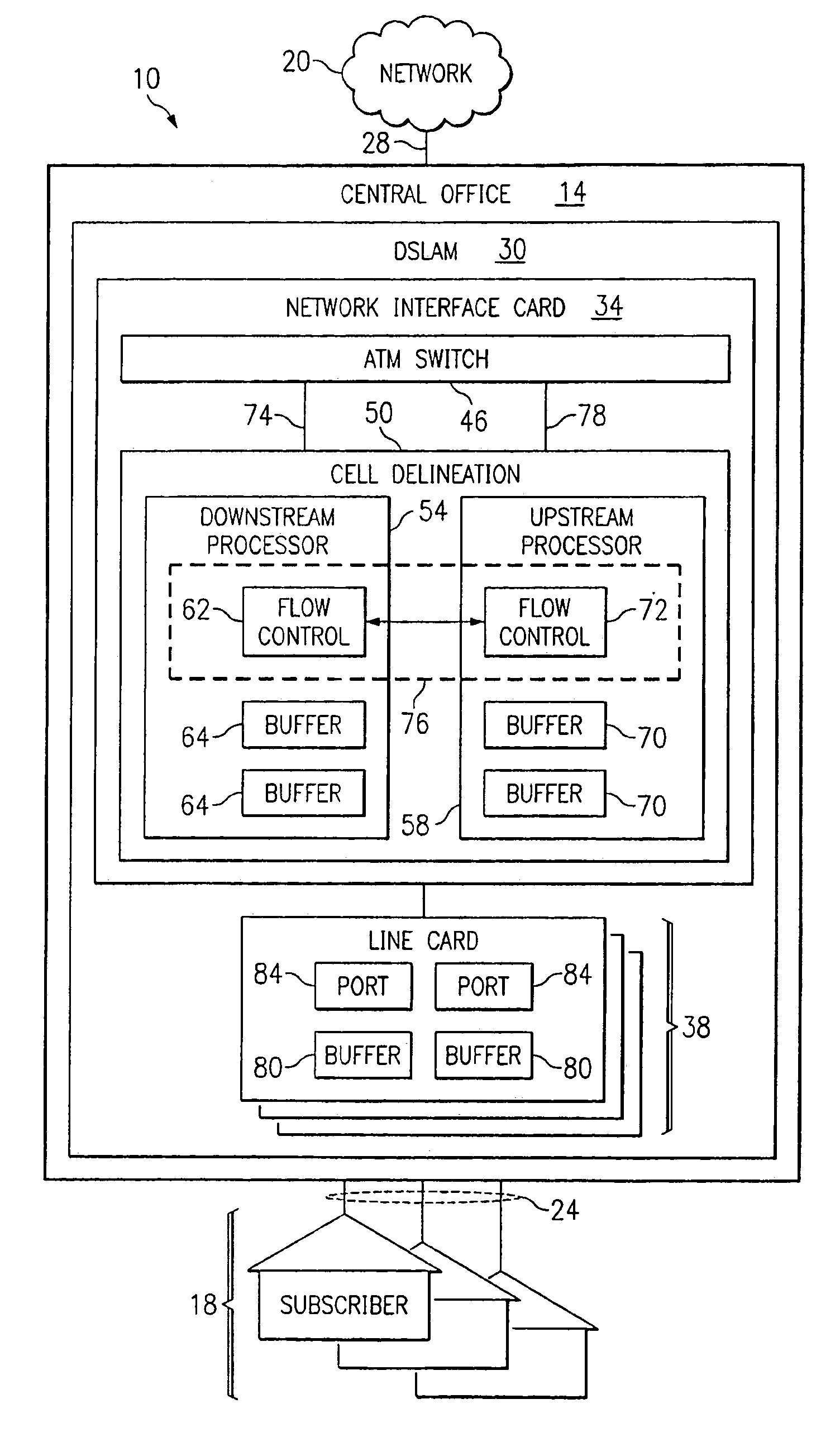
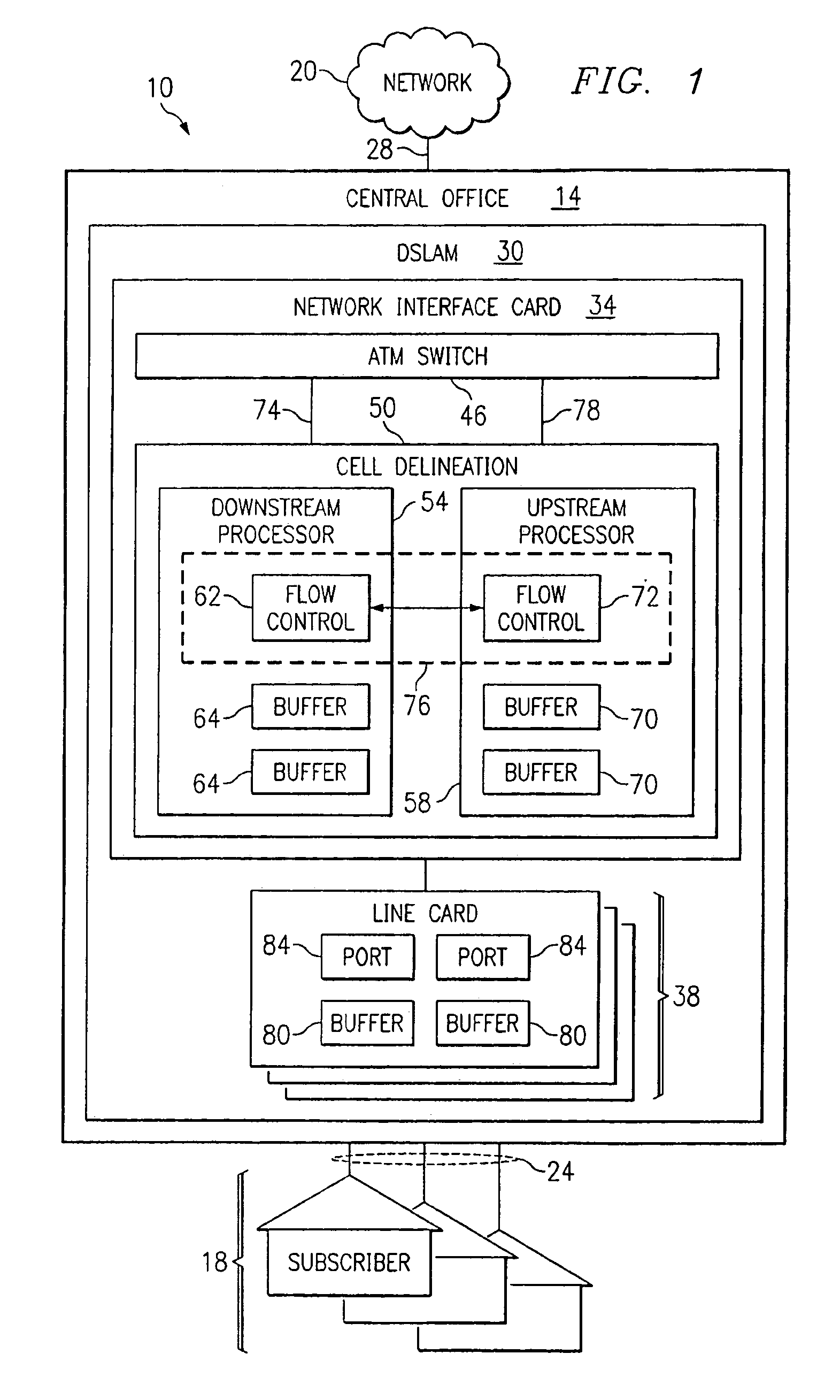
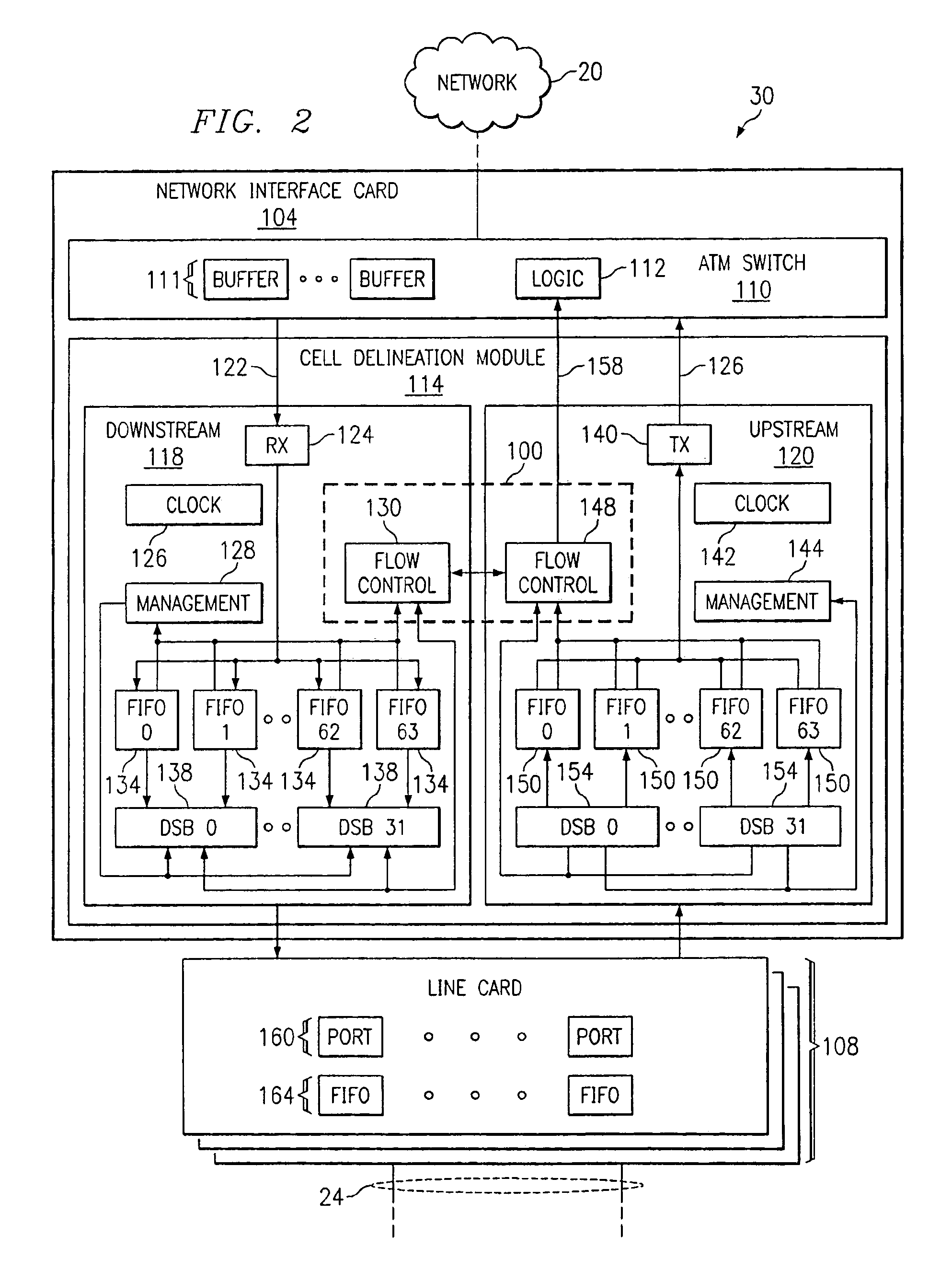
- A flow control package is implemented within the DSL access multiplexer to monitor buffer storage capacity and halt data transmission when limits are reached, preventing overflow and allowing for internal data multiplexing without relying on polling.

Patent
Innovation
- Advanced multiplexer designs incorporating dynamic bandwidth allocation to optimize network flow based on real-time traffic demands.
- Implementation of Quality of Service (QoS) prioritization within multiplexers to ensure critical data streams receive preferential treatment.
- Utilization of advanced error correction and packet recovery techniques in multiplexers to enhance data integrity and reduce retransmissions.
Regulatory Considerations for Network Equipment
When optimizing network flow with advanced multiplexer designs, regulatory considerations for network equipment play a crucial role in ensuring compliance and operational efficiency. The telecommunications industry is subject to stringent regulations imposed by various national and international bodies, which aim to maintain network integrity, security, and fair competition.
One of the primary regulatory aspects to consider is electromagnetic compatibility (EMC). Advanced multiplexer designs must adhere to EMC standards to prevent interference with other electronic devices and ensure reliable operation within the network infrastructure. This includes compliance with regulations such as the Federal Communications Commission (FCC) standards in the United States or the European Union's EMC Directive.
Network equipment manufacturers must also address safety regulations, such as those outlined by the International Electrotechnical Commission (IEC) or Underwriters Laboratories (UL). These standards ensure that the multiplexer designs meet specific safety requirements for electrical equipment, including protection against electric shock, fire hazards, and mechanical risks.
Data privacy and security regulations, such as the General Data Protection Regulation (GDPR) in the European Union or the California Consumer Privacy Act (CCPA) in the United States, have significant implications for network equipment design. Advanced multiplexer designs must incorporate robust encryption and access control mechanisms to protect sensitive data transmitted through the network.
Interoperability standards are another critical regulatory consideration. Organizations like the International Telecommunication Union (ITU) and the Institute of Electrical and Electronics Engineers (IEEE) develop and maintain standards that ensure compatibility between different network components. Multiplexer designs must adhere to these standards to facilitate seamless integration within existing network infrastructures.
Environmental regulations also impact network equipment design. Compliance with directives such as the Restriction of Hazardous Substances (RoHS) and Waste Electrical and Electronic Equipment (WEEE) is essential for manufacturers. These regulations aim to reduce the environmental impact of electronic equipment throughout its lifecycle, from production to disposal.
As network technologies evolve, regulatory bodies continually update their requirements to address new challenges and opportunities. For instance, the deployment of 5G networks has led to the development of new regulatory frameworks to manage spectrum allocation, network security, and infrastructure sharing. Manufacturers of advanced multiplexer designs must stay abreast of these evolving regulations to ensure their products remain compliant and competitive in the market.
In conclusion, regulatory considerations for network equipment are multifaceted and dynamic. Manufacturers must navigate a complex landscape of technical, safety, privacy, and environmental regulations while striving to optimize network flow through advanced multiplexer designs. Proactive engagement with regulatory bodies and industry standards organizations is essential for staying compliant and maintaining a competitive edge in the rapidly evolving telecommunications market.
One of the primary regulatory aspects to consider is electromagnetic compatibility (EMC). Advanced multiplexer designs must adhere to EMC standards to prevent interference with other electronic devices and ensure reliable operation within the network infrastructure. This includes compliance with regulations such as the Federal Communications Commission (FCC) standards in the United States or the European Union's EMC Directive.
Network equipment manufacturers must also address safety regulations, such as those outlined by the International Electrotechnical Commission (IEC) or Underwriters Laboratories (UL). These standards ensure that the multiplexer designs meet specific safety requirements for electrical equipment, including protection against electric shock, fire hazards, and mechanical risks.
Data privacy and security regulations, such as the General Data Protection Regulation (GDPR) in the European Union or the California Consumer Privacy Act (CCPA) in the United States, have significant implications for network equipment design. Advanced multiplexer designs must incorporate robust encryption and access control mechanisms to protect sensitive data transmitted through the network.
Interoperability standards are another critical regulatory consideration. Organizations like the International Telecommunication Union (ITU) and the Institute of Electrical and Electronics Engineers (IEEE) develop and maintain standards that ensure compatibility between different network components. Multiplexer designs must adhere to these standards to facilitate seamless integration within existing network infrastructures.
Environmental regulations also impact network equipment design. Compliance with directives such as the Restriction of Hazardous Substances (RoHS) and Waste Electrical and Electronic Equipment (WEEE) is essential for manufacturers. These regulations aim to reduce the environmental impact of electronic equipment throughout its lifecycle, from production to disposal.
As network technologies evolve, regulatory bodies continually update their requirements to address new challenges and opportunities. For instance, the deployment of 5G networks has led to the development of new regulatory frameworks to manage spectrum allocation, network security, and infrastructure sharing. Manufacturers of advanced multiplexer designs must stay abreast of these evolving regulations to ensure their products remain compliant and competitive in the market.
In conclusion, regulatory considerations for network equipment are multifaceted and dynamic. Manufacturers must navigate a complex landscape of technical, safety, privacy, and environmental regulations while striving to optimize network flow through advanced multiplexer designs. Proactive engagement with regulatory bodies and industry standards organizations is essential for staying compliant and maintaining a competitive edge in the rapidly evolving telecommunications market.
Energy Efficiency in Multiplexer Designs
Energy efficiency has become a critical consideration in the design of advanced multiplexer systems for optimizing network flow. As data traffic continues to grow exponentially, the power consumption of network infrastructure has become a significant concern for both environmental and economic reasons. Multiplexers, being key components in network systems, play a crucial role in determining overall energy efficiency.
Recent advancements in multiplexer designs have focused on reducing power consumption while maintaining or improving performance. One approach involves the use of low-power electronic components and more efficient circuit designs. For instance, the implementation of CMOS technology with lower operating voltages has significantly reduced the static power consumption of multiplexer circuits.
Another important strategy for enhancing energy efficiency is the adoption of dynamic power management techniques. These methods allow multiplexers to adjust their power consumption based on traffic load and network conditions. Adaptive clock gating and dynamic voltage scaling are two examples of such techniques that have shown promising results in reducing energy consumption during periods of low network activity.
The integration of optical technologies in multiplexer designs has also contributed to improved energy efficiency. Optical multiplexing techniques, such as wavelength division multiplexing (WDM), allow for the transmission of multiple data streams over a single fiber, significantly reducing the energy required for data transmission over long distances. Furthermore, the development of silicon photonics has enabled the integration of optical components directly onto electronic chips, leading to more compact and energy-efficient multiplexer designs.
Advanced algorithms and control systems have been developed to optimize the operation of multiplexers for maximum energy efficiency. These intelligent systems can dynamically allocate resources, adjust transmission parameters, and route traffic in ways that minimize overall power consumption while meeting quality of service requirements.
Thermal management is another crucial aspect of energy-efficient multiplexer design. Improved heat dissipation techniques, such as advanced cooling systems and thermally-aware circuit layouts, help reduce the energy wasted as heat and allow for more efficient operation of multiplexer components.
As the demand for higher network capacities continues to grow, researchers are exploring novel materials and device structures to push the boundaries of energy efficiency in multiplexer designs. For example, the use of graphene and other two-dimensional materials shows promise for creating ultra-low power switching elements that could revolutionize multiplexer technology.
Recent advancements in multiplexer designs have focused on reducing power consumption while maintaining or improving performance. One approach involves the use of low-power electronic components and more efficient circuit designs. For instance, the implementation of CMOS technology with lower operating voltages has significantly reduced the static power consumption of multiplexer circuits.
Another important strategy for enhancing energy efficiency is the adoption of dynamic power management techniques. These methods allow multiplexers to adjust their power consumption based on traffic load and network conditions. Adaptive clock gating and dynamic voltage scaling are two examples of such techniques that have shown promising results in reducing energy consumption during periods of low network activity.
The integration of optical technologies in multiplexer designs has also contributed to improved energy efficiency. Optical multiplexing techniques, such as wavelength division multiplexing (WDM), allow for the transmission of multiple data streams over a single fiber, significantly reducing the energy required for data transmission over long distances. Furthermore, the development of silicon photonics has enabled the integration of optical components directly onto electronic chips, leading to more compact and energy-efficient multiplexer designs.
Advanced algorithms and control systems have been developed to optimize the operation of multiplexers for maximum energy efficiency. These intelligent systems can dynamically allocate resources, adjust transmission parameters, and route traffic in ways that minimize overall power consumption while meeting quality of service requirements.
Thermal management is another crucial aspect of energy-efficient multiplexer design. Improved heat dissipation techniques, such as advanced cooling systems and thermally-aware circuit layouts, help reduce the energy wasted as heat and allow for more efficient operation of multiplexer components.
As the demand for higher network capacities continues to grow, researchers are exploring novel materials and device structures to push the boundaries of energy efficiency in multiplexer designs. For example, the use of graphene and other two-dimensional materials shows promise for creating ultra-low power switching elements that could revolutionize multiplexer technology.
Unlock deeper insights with PatSnap Eureka Quick Research — get a full tech report to explore trends and direct your research. Try now!
Generate Your Research Report Instantly with AI Agent
Supercharge your innovation with PatSnap Eureka AI Agent Platform!