

How to Capture Efficiency Gains Using Agile Multiplexer Practices?
JUL 13, 202510 MIN READ
Generate Your Research Report Instantly with AI Agent
PatSnap Eureka helps you evaluate technical feasibility & market potential.
Agile Multiplexer Overview and Objectives
Agile Multiplexer practices represent a cutting-edge approach to project management and software development, combining the flexibility of Agile methodologies with the efficiency of multiplexing techniques. This innovative fusion aims to optimize resource utilization and enhance productivity in complex, multi-project environments. The primary objective of Agile Multiplexer practices is to capture significant efficiency gains by enabling teams to work on multiple projects simultaneously while maintaining the core principles of Agile development.
The evolution of Agile Multiplexer practices can be traced back to the early 2000s when organizations began to recognize the limitations of traditional project management methodologies in handling rapidly changing market demands. As Agile methodologies gained traction, the need for a more scalable and resource-efficient approach became apparent, especially in enterprises managing diverse project portfolios.
Agile Multiplexer practices build upon the foundational elements of Agile, such as iterative development, continuous feedback, and adaptive planning. However, they introduce a novel dimension by incorporating multiplexing concepts traditionally used in telecommunications and computer networking. This integration allows for the strategic allocation of resources across multiple projects, maximizing team utilization and reducing idle time.
The key technological trend driving Agile Multiplexer practices is the advancement in project management tools and collaboration platforms. These technologies enable real-time tracking of resource allocation, project progress, and team capacity, facilitating seamless switching between tasks and projects. Additionally, the rise of cloud computing and distributed teams has further accelerated the adoption of Agile Multiplexer practices, as they provide the necessary infrastructure for flexible and scalable project execution.
One of the primary goals of Agile Multiplexer practices is to achieve a balance between project diversity and team focus. By implementing sophisticated scheduling algorithms and prioritization frameworks, organizations can ensure that critical projects receive adequate attention while still making progress on other initiatives. This approach aims to reduce context-switching overhead and maintain team momentum across multiple workstreams.
Another crucial objective is to enhance overall organizational agility. Agile Multiplexer practices enable companies to respond more quickly to market changes and customer feedback by allowing for rapid reallocation of resources based on shifting priorities. This flexibility is particularly valuable in industries characterized by high uncertainty and fast-paced innovation.
As Agile Multiplexer practices continue to evolve, the focus is increasingly shifting towards integrating artificial intelligence and machine learning algorithms to optimize resource allocation and project scheduling. These advancements promise to further refine the efficiency gains achievable through Agile Multiplexer practices, potentially revolutionizing how organizations manage complex project portfolios in the digital age.
The evolution of Agile Multiplexer practices can be traced back to the early 2000s when organizations began to recognize the limitations of traditional project management methodologies in handling rapidly changing market demands. As Agile methodologies gained traction, the need for a more scalable and resource-efficient approach became apparent, especially in enterprises managing diverse project portfolios.
Agile Multiplexer practices build upon the foundational elements of Agile, such as iterative development, continuous feedback, and adaptive planning. However, they introduce a novel dimension by incorporating multiplexing concepts traditionally used in telecommunications and computer networking. This integration allows for the strategic allocation of resources across multiple projects, maximizing team utilization and reducing idle time.
The key technological trend driving Agile Multiplexer practices is the advancement in project management tools and collaboration platforms. These technologies enable real-time tracking of resource allocation, project progress, and team capacity, facilitating seamless switching between tasks and projects. Additionally, the rise of cloud computing and distributed teams has further accelerated the adoption of Agile Multiplexer practices, as they provide the necessary infrastructure for flexible and scalable project execution.
One of the primary goals of Agile Multiplexer practices is to achieve a balance between project diversity and team focus. By implementing sophisticated scheduling algorithms and prioritization frameworks, organizations can ensure that critical projects receive adequate attention while still making progress on other initiatives. This approach aims to reduce context-switching overhead and maintain team momentum across multiple workstreams.
Another crucial objective is to enhance overall organizational agility. Agile Multiplexer practices enable companies to respond more quickly to market changes and customer feedback by allowing for rapid reallocation of resources based on shifting priorities. This flexibility is particularly valuable in industries characterized by high uncertainty and fast-paced innovation.
As Agile Multiplexer practices continue to evolve, the focus is increasingly shifting towards integrating artificial intelligence and machine learning algorithms to optimize resource allocation and project scheduling. These advancements promise to further refine the efficiency gains achievable through Agile Multiplexer practices, potentially revolutionizing how organizations manage complex project portfolios in the digital age.
Market Demand for Efficient Multiplexing Solutions
The market demand for efficient multiplexing solutions has been steadily growing across various industries, driven by the increasing need for optimized data transmission and resource utilization. As organizations strive to enhance their operational efficiency and reduce costs, the adoption of agile multiplexer practices has become a critical focus area.
In the telecommunications sector, the surge in data traffic and the rollout of 5G networks have created a significant demand for advanced multiplexing technologies. Service providers are seeking solutions that can efficiently manage the growing volume of data while minimizing latency and maximizing bandwidth utilization. This has led to a rising interest in software-defined networking (SDN) and network function virtualization (NFV) approaches, which leverage agile multiplexing techniques to dynamically allocate network resources.
The enterprise IT market has also shown a strong appetite for efficient multiplexing solutions, particularly in data centers and cloud computing environments. With the proliferation of cloud-based services and the increasing complexity of enterprise applications, organizations are looking for ways to optimize their network infrastructure and improve resource allocation. Agile multiplexer practices offer the flexibility and scalability needed to meet these demands, enabling businesses to adapt quickly to changing workloads and traffic patterns.
In the industrial sector, the emergence of Industry 4.0 and the Industrial Internet of Things (IIoT) has created new opportunities for multiplexing technologies. Manufacturing companies are implementing smart factory solutions that require real-time data processing and communication between numerous sensors, machines, and control systems. Efficient multiplexing is crucial for managing the vast amounts of data generated in these environments and ensuring seamless integration of diverse industrial systems.
The automotive industry is another key market driving the demand for advanced multiplexing solutions. As vehicles become more connected and autonomous, the need for high-speed, low-latency communication within the vehicle and with external infrastructure has intensified. Multiplexing technologies play a vital role in managing the complex network of sensors, cameras, and control units in modern vehicles, enabling efficient data transmission and processing.
The healthcare sector has also emerged as a significant market for efficient multiplexing solutions, particularly in telemedicine and remote patient monitoring applications. The COVID-19 pandemic has accelerated the adoption of digital health technologies, creating a surge in demand for reliable and secure data transmission systems. Agile multiplexer practices are essential for managing the diverse range of medical devices and ensuring the timely delivery of critical patient data.
As organizations across these industries continue to digitize their operations and embrace new technologies, the demand for efficient multiplexing solutions is expected to grow further. The market is increasingly looking for agile, scalable, and cost-effective solutions that can adapt to evolving business needs and technological advancements.
In the telecommunications sector, the surge in data traffic and the rollout of 5G networks have created a significant demand for advanced multiplexing technologies. Service providers are seeking solutions that can efficiently manage the growing volume of data while minimizing latency and maximizing bandwidth utilization. This has led to a rising interest in software-defined networking (SDN) and network function virtualization (NFV) approaches, which leverage agile multiplexing techniques to dynamically allocate network resources.
The enterprise IT market has also shown a strong appetite for efficient multiplexing solutions, particularly in data centers and cloud computing environments. With the proliferation of cloud-based services and the increasing complexity of enterprise applications, organizations are looking for ways to optimize their network infrastructure and improve resource allocation. Agile multiplexer practices offer the flexibility and scalability needed to meet these demands, enabling businesses to adapt quickly to changing workloads and traffic patterns.
In the industrial sector, the emergence of Industry 4.0 and the Industrial Internet of Things (IIoT) has created new opportunities for multiplexing technologies. Manufacturing companies are implementing smart factory solutions that require real-time data processing and communication between numerous sensors, machines, and control systems. Efficient multiplexing is crucial for managing the vast amounts of data generated in these environments and ensuring seamless integration of diverse industrial systems.
The automotive industry is another key market driving the demand for advanced multiplexing solutions. As vehicles become more connected and autonomous, the need for high-speed, low-latency communication within the vehicle and with external infrastructure has intensified. Multiplexing technologies play a vital role in managing the complex network of sensors, cameras, and control units in modern vehicles, enabling efficient data transmission and processing.
The healthcare sector has also emerged as a significant market for efficient multiplexing solutions, particularly in telemedicine and remote patient monitoring applications. The COVID-19 pandemic has accelerated the adoption of digital health technologies, creating a surge in demand for reliable and secure data transmission systems. Agile multiplexer practices are essential for managing the diverse range of medical devices and ensuring the timely delivery of critical patient data.
As organizations across these industries continue to digitize their operations and embrace new technologies, the demand for efficient multiplexing solutions is expected to grow further. The market is increasingly looking for agile, scalable, and cost-effective solutions that can adapt to evolving business needs and technological advancements.
Current Challenges in Multiplexer Practices
The current landscape of multiplexer practices faces several significant challenges that hinder the full realization of efficiency gains through agile methodologies. One of the primary obstacles is the complexity of integrating legacy systems with modern agile frameworks. Many organizations still rely on outdated multiplexer infrastructures that were not designed with agility in mind, making it difficult to implement rapid changes and iterations.
Another challenge lies in the lack of standardization across different multiplexer technologies and protocols. This diversity often leads to compatibility issues and increased integration complexity, slowing down the adoption of agile practices. Teams struggle to maintain consistency and interoperability across various multiplexer systems, which can impede the smooth flow of data and hinder the agile development process.
The shortage of skilled professionals who possess both deep knowledge of multiplexer technologies and expertise in agile methodologies presents a significant hurdle. This skills gap makes it challenging for organizations to effectively implement and manage agile multiplexer practices, often resulting in suboptimal performance and missed opportunities for efficiency gains.
Security concerns also pose a substantial challenge in the realm of agile multiplexer practices. As organizations strive for greater agility and faster deployment cycles, ensuring robust security measures becomes increasingly complex. The need to maintain stringent security protocols while simultaneously enabling rapid changes and iterations creates a delicate balance that many teams struggle to achieve.
Scalability issues present another significant challenge, particularly for organizations dealing with large-scale multiplexer systems. As data volumes and network complexities grow, maintaining agility becomes increasingly difficult. Teams often grapple with performance bottlenecks and resource constraints that can impede the smooth implementation of agile practices in multiplexer environments.
The rapid pace of technological advancements in the field of multiplexing adds another layer of complexity. Keeping up with the latest innovations while maintaining stability and reliability in existing systems can be a daunting task. This constant evolution requires teams to continuously update their skills and adapt their practices, which can be resource-intensive and time-consuming.
Lastly, organizational resistance to change remains a persistent challenge in adopting agile multiplexer practices. Traditional workflows and established processes often create inertia that can be difficult to overcome. Convincing stakeholders of the benefits of agile methodologies and implementing the necessary cultural shifts within the organization can be a slow and challenging process, hindering the realization of potential efficiency gains.
Another challenge lies in the lack of standardization across different multiplexer technologies and protocols. This diversity often leads to compatibility issues and increased integration complexity, slowing down the adoption of agile practices. Teams struggle to maintain consistency and interoperability across various multiplexer systems, which can impede the smooth flow of data and hinder the agile development process.
The shortage of skilled professionals who possess both deep knowledge of multiplexer technologies and expertise in agile methodologies presents a significant hurdle. This skills gap makes it challenging for organizations to effectively implement and manage agile multiplexer practices, often resulting in suboptimal performance and missed opportunities for efficiency gains.
Security concerns also pose a substantial challenge in the realm of agile multiplexer practices. As organizations strive for greater agility and faster deployment cycles, ensuring robust security measures becomes increasingly complex. The need to maintain stringent security protocols while simultaneously enabling rapid changes and iterations creates a delicate balance that many teams struggle to achieve.
Scalability issues present another significant challenge, particularly for organizations dealing with large-scale multiplexer systems. As data volumes and network complexities grow, maintaining agility becomes increasingly difficult. Teams often grapple with performance bottlenecks and resource constraints that can impede the smooth implementation of agile practices in multiplexer environments.
The rapid pace of technological advancements in the field of multiplexing adds another layer of complexity. Keeping up with the latest innovations while maintaining stability and reliability in existing systems can be a daunting task. This constant evolution requires teams to continuously update their skills and adapt their practices, which can be resource-intensive and time-consuming.
Lastly, organizational resistance to change remains a persistent challenge in adopting agile multiplexer practices. Traditional workflows and established processes often create inertia that can be difficult to overcome. Convincing stakeholders of the benefits of agile methodologies and implementing the necessary cultural shifts within the organization can be a slow and challenging process, hindering the realization of potential efficiency gains.
Existing Agile Multiplexer Implementations
01 Agile development methodologies in multiplexer design
Applying agile development practices to multiplexer design processes can improve efficiency and adaptability. This approach allows for iterative development, frequent testing, and rapid adjustments based on feedback, leading to more efficient and flexible multiplexer systems.- Agile software development for multiplexer systems: Implementing agile methodologies in the development of multiplexer systems can improve efficiency and adaptability. This approach allows for iterative development, frequent testing, and rapid response to changing requirements, which is particularly beneficial in complex multiplexer designs.
- Efficient multiplexer design for signal processing: Advanced multiplexer designs focus on improving signal processing efficiency. These designs may incorporate techniques such as parallel processing, pipelining, and optimized switching algorithms to enhance overall system performance and reduce latency in signal routing.
- Adaptive multiplexing techniques for network optimization: Adaptive multiplexing techniques dynamically adjust to network conditions, optimizing bandwidth utilization and improving overall efficiency. These methods may include intelligent channel allocation, dynamic frequency selection, and real-time traffic prioritization.
- Integration of machine learning in multiplexer operations: Incorporating machine learning algorithms into multiplexer systems can enhance decision-making processes and predictive capabilities. This integration allows for more efficient resource allocation, improved fault detection, and adaptive performance optimization based on historical data and real-time inputs.
- Energy-efficient multiplexer designs for sustainable operations: Developing energy-efficient multiplexer designs is crucial for sustainable operations, especially in large-scale deployments. These designs focus on reducing power consumption through techniques such as low-power modes, efficient heat dissipation, and optimized circuit layouts, while maintaining high performance standards.
02 Efficient signal processing techniques for multiplexers
Advanced signal processing techniques can enhance the efficiency of multiplexers. These may include adaptive algorithms, digital signal processing, and advanced filtering methods to optimize signal quality, reduce interference, and improve overall system performance.Expand Specific Solutions03 Software-defined multiplexing for increased flexibility
Software-defined multiplexing allows for greater flexibility and efficiency in managing multiple data streams. This approach enables dynamic reconfiguration of multiplexer parameters, adaptive resource allocation, and improved scalability to meet changing network demands.Expand Specific Solutions04 Energy-efficient multiplexer designs
Developing energy-efficient multiplexer designs is crucial for improving overall system efficiency. This involves optimizing power consumption through innovative circuit designs, low-power components, and intelligent power management techniques.Expand Specific Solutions05 Integration of machine learning in multiplexer operations
Incorporating machine learning algorithms into multiplexer operations can enhance efficiency by enabling predictive maintenance, adaptive resource allocation, and intelligent traffic management. This approach allows for continuous optimization of multiplexer performance based on real-time data analysis.Expand Specific Solutions
Key Players in Agile Multiplexer Industry
The agile multiplexer practices market is in a growth phase, driven by increasing demand for efficient software development and project management. The market size is expanding as more organizations adopt agile methodologies. Technologically, the field is maturing but still evolving, with companies like IBM, Huawei, and Wipro leading innovation. These firms are developing advanced tools and platforms to enhance agile practices, focusing on areas such as AI integration, cloud-based solutions, and real-time collaboration features. Smaller players like Dr. Agile and Agile Worx are also contributing specialized solutions, indicating a diverse and competitive landscape with opportunities for both established tech giants and niche providers.
International Business Machines Corp.
Technical Solution: IBM has introduced an AI-enhanced Agile Multiplexer System as part of their broader DevOps offerings. This system utilizes IBM's Watson AI to analyze vast amounts of project data and provide intelligent insights for Agile teams. The solution includes a "Smart Backlog" feature that automatically prioritizes user stories based on business value, technical dependencies, and team capacity[7]. IBM's approach also incorporates elements of their Design Thinking methodology, ensuring a user-centric focus throughout the development process. The system includes advanced collaboration tools that facilitate seamless communication between distributed teams, including natural language processing for automated meeting summaries and action item tracking[8].
Strengths: Powerful AI-driven insights, seamless integration with existing IBM tools, strong support for enterprise-scale operations. Weaknesses: Potentially high cost, may require significant commitment to IBM's ecosystem.
Wipro Ltd.
Technical Solution: Wipro Ltd. has developed an Enterprise Agile Multiplexer Solution that focuses on scaling Agile practices across large organizations. Their approach combines traditional Agile methodologies with enterprise-grade tools and processes. The solution includes a centralized Agile governance framework that ensures consistency across multiple teams and projects while allowing for necessary customizations. Wipro's system incorporates AI-powered predictive analytics to forecast project outcomes and identify potential risks early in the development cycle[5]. Additionally, they have implemented a unique "Agile Maturity Assessment" tool that helps organizations benchmark their Agile capabilities and provides tailored recommendations for improvement[6].
Strengths: Well-suited for large-scale enterprise implementations, strong focus on governance and standardization. Weaknesses: May be overly complex for smaller organizations, potential for reduced flexibility in highly regulated environments.
Core Innovations in Agile Multiplexing
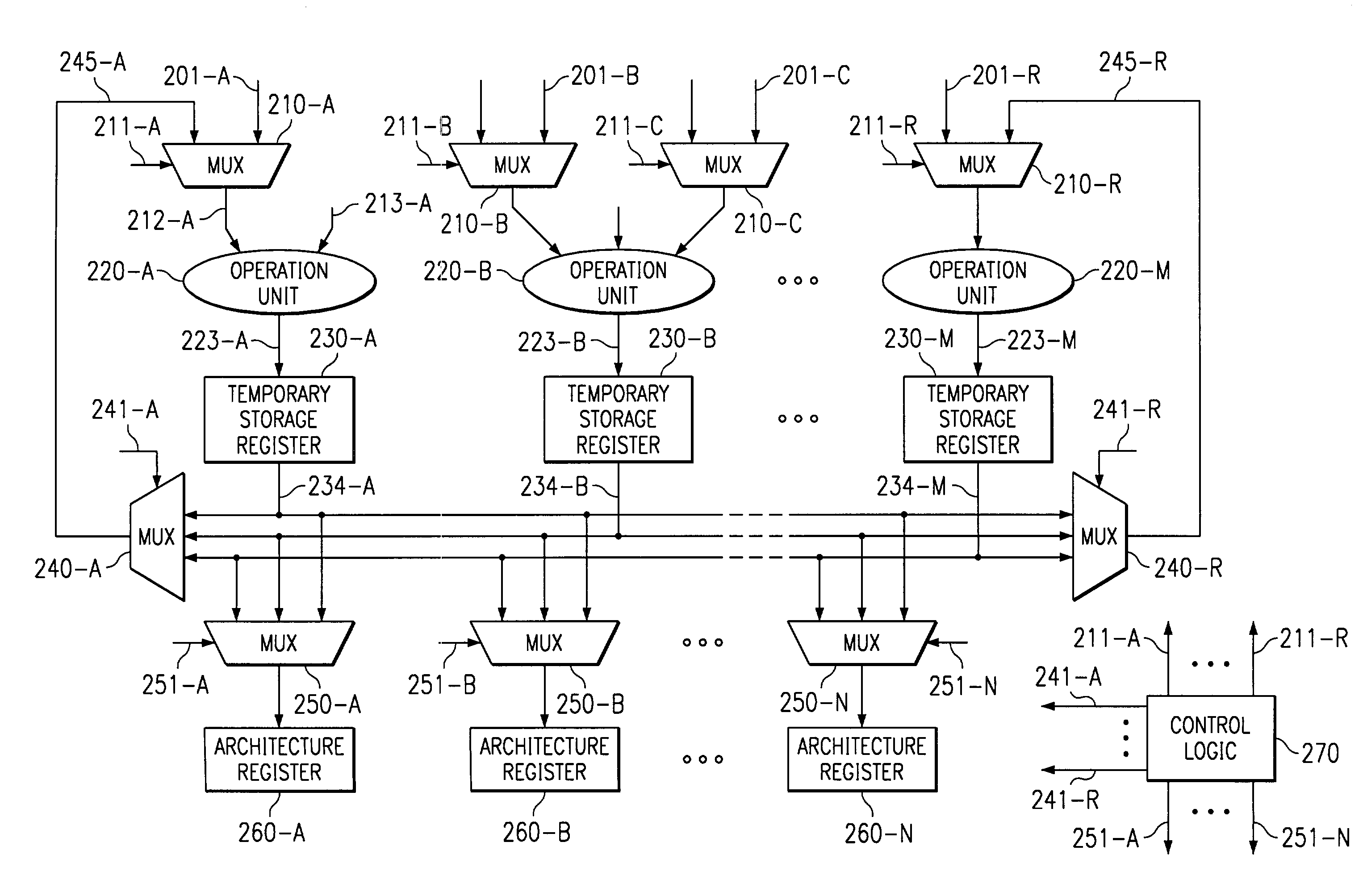
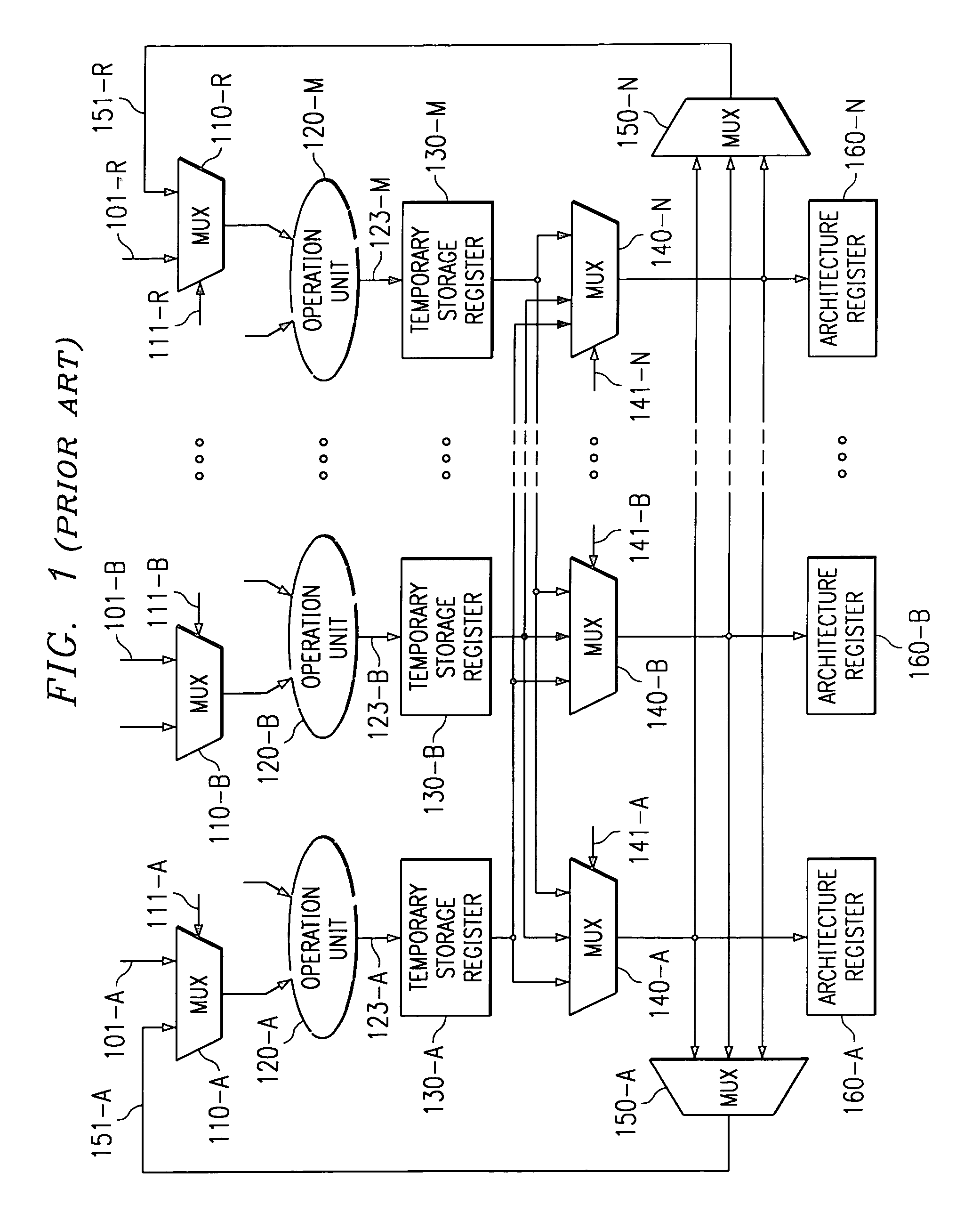
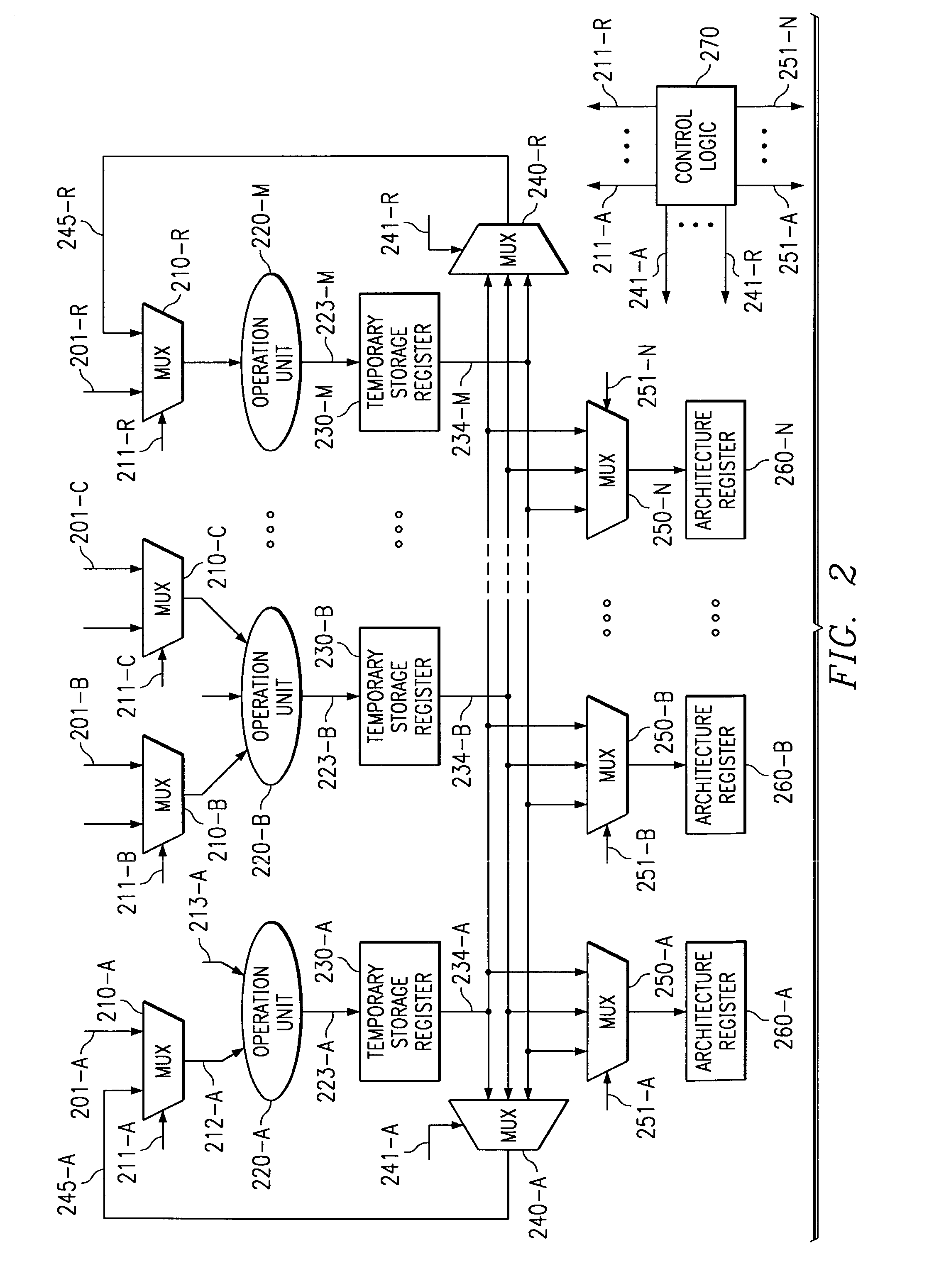
Forwarding the results of operations to dependent instructions more quickly via multiplexers working in parallel
PatentInactiveUS6981130B2
Innovation
- A forwarding multiplexor receives results directly from execution units, while a register input multiplexor determines which result to store in architecture registers, allowing operands to be forwarded quickly without being stored first, thus minimizing the time required for data forwarding and enhancing instruction throughput performance.

Multiplier-accumulator unit element with binary weighted charge transfer capacitors
PatentActiveUS12014152B2
Innovation
- A scalable asynchronous multiplier-accumulator architecture with a unified unit element structure for MAC, Bias, and ADC operations, utilizing differential charge transfer lines and binary weighted charge transfer capacitors to minimize power consumption and eliminate common mode imbalances, along with a Successive Approximation Register (SAR) controller for efficient analog-to-digital conversion.


Performance Metrics and Benchmarking
To effectively capture efficiency gains using Agile Multiplexer practices, it is crucial to establish robust performance metrics and benchmarking processes. These metrics serve as key indicators of system performance, allowing organizations to measure, track, and optimize their Agile Multiplexer implementations.
One of the primary performance metrics for Agile Multiplexers is throughput, which measures the amount of data processed per unit of time. This metric is typically expressed in bits per second (bps) or packets per second (pps). By monitoring throughput, organizations can assess the overall efficiency of their multiplexing systems and identify potential bottlenecks or areas for improvement.
Latency is another critical performance metric in Agile Multiplexer practices. It measures the time delay between data input and output, often expressed in milliseconds. Low latency is essential for real-time applications and time-sensitive data transmission. Benchmarking latency against industry standards helps organizations ensure their Agile Multiplexer systems meet or exceed performance expectations.
Packet loss rate is a key metric that indicates the percentage of data packets lost during transmission. A high packet loss rate can significantly impact system efficiency and user experience. By regularly measuring and benchmarking packet loss rates, organizations can identify and address issues in their multiplexing infrastructure, leading to improved overall performance.
Resource utilization is an important metric that measures how effectively system resources, such as CPU, memory, and network bandwidth, are being used. Efficient resource utilization is crucial for maximizing the benefits of Agile Multiplexer practices. Benchmarking resource utilization against industry standards and best practices helps organizations optimize their systems and identify areas for potential cost savings.
Scalability is a critical performance metric that assesses how well an Agile Multiplexer system can handle increased workloads. This metric is typically measured by evaluating system performance under various load conditions. Benchmarking scalability helps organizations ensure their multiplexing infrastructure can accommodate future growth and changing demands.
To effectively benchmark Agile Multiplexer performance, organizations should establish baseline measurements for each metric and regularly compare them against industry standards and best practices. This process allows for the identification of performance gaps and areas for improvement. Additionally, organizations should consider implementing automated monitoring and reporting tools to facilitate continuous performance tracking and analysis.
By focusing on these key performance metrics and implementing robust benchmarking processes, organizations can effectively capture efficiency gains using Agile Multiplexer practices. This approach enables data-driven decision-making, continuous improvement, and optimal system performance.
One of the primary performance metrics for Agile Multiplexers is throughput, which measures the amount of data processed per unit of time. This metric is typically expressed in bits per second (bps) or packets per second (pps). By monitoring throughput, organizations can assess the overall efficiency of their multiplexing systems and identify potential bottlenecks or areas for improvement.
Latency is another critical performance metric in Agile Multiplexer practices. It measures the time delay between data input and output, often expressed in milliseconds. Low latency is essential for real-time applications and time-sensitive data transmission. Benchmarking latency against industry standards helps organizations ensure their Agile Multiplexer systems meet or exceed performance expectations.
Packet loss rate is a key metric that indicates the percentage of data packets lost during transmission. A high packet loss rate can significantly impact system efficiency and user experience. By regularly measuring and benchmarking packet loss rates, organizations can identify and address issues in their multiplexing infrastructure, leading to improved overall performance.
Resource utilization is an important metric that measures how effectively system resources, such as CPU, memory, and network bandwidth, are being used. Efficient resource utilization is crucial for maximizing the benefits of Agile Multiplexer practices. Benchmarking resource utilization against industry standards and best practices helps organizations optimize their systems and identify areas for potential cost savings.
Scalability is a critical performance metric that assesses how well an Agile Multiplexer system can handle increased workloads. This metric is typically measured by evaluating system performance under various load conditions. Benchmarking scalability helps organizations ensure their multiplexing infrastructure can accommodate future growth and changing demands.
To effectively benchmark Agile Multiplexer performance, organizations should establish baseline measurements for each metric and regularly compare them against industry standards and best practices. This process allows for the identification of performance gaps and areas for improvement. Additionally, organizations should consider implementing automated monitoring and reporting tools to facilitate continuous performance tracking and analysis.
By focusing on these key performance metrics and implementing robust benchmarking processes, organizations can effectively capture efficiency gains using Agile Multiplexer practices. This approach enables data-driven decision-making, continuous improvement, and optimal system performance.
Integration with Existing Network Infrastructures
Integrating Agile Multiplexer Practices into existing network infrastructures requires a strategic approach that balances innovation with compatibility. The primary challenge lies in seamlessly incorporating these new practices without disrupting current operations or compromising network stability. To achieve this, organizations must first conduct a comprehensive assessment of their current network architecture, identifying potential bottlenecks and areas where Agile Multiplexer Practices can yield the most significant efficiency gains.
One key aspect of integration involves upgrading hardware components to support Agile Multiplexer technologies. This may include replacing legacy switches and routers with more advanced, software-defined networking (SDN) capable devices. These modern components offer greater flexibility and programmability, essential for implementing dynamic multiplexing strategies. However, the transition must be carefully planned to minimize downtime and ensure continuous service delivery.
Software integration plays a crucial role in leveraging Agile Multiplexer Practices within existing infrastructures. This often involves implementing network orchestration and management platforms that can intelligently allocate resources based on real-time demand. Such systems must be compatible with both legacy and new network elements, requiring careful consideration of APIs and protocols to ensure seamless communication across the entire infrastructure.
Training and skill development for network administrators and engineers are vital components of successful integration. As Agile Multiplexer Practices introduce new concepts and methodologies, staff must be equipped with the knowledge and tools to effectively manage and optimize these systems. This may involve partnerships with technology vendors or specialized training programs to build in-house expertise.
Security considerations are paramount when integrating new practices into existing networks. Agile Multiplexer technologies must be implemented with robust security measures to protect against potential vulnerabilities introduced by increased network flexibility. This includes implementing advanced encryption, access controls, and monitoring systems to safeguard sensitive data and maintain compliance with industry regulations.
Performance monitoring and optimization form another critical aspect of integration. Organizations must deploy sophisticated analytics tools to track the impact of Agile Multiplexer Practices on network performance, identifying areas for further optimization. This data-driven approach allows for continuous refinement of multiplexing strategies, ensuring that efficiency gains are maximized over time.
Lastly, a phased implementation approach is often the most effective way to integrate Agile Multiplexer Practices. By starting with pilot projects in non-critical network segments, organizations can validate the benefits and address any integration challenges before rolling out changes across the entire infrastructure. This iterative process allows for fine-tuning of implementation strategies and helps build confidence in the new technologies among stakeholders.
One key aspect of integration involves upgrading hardware components to support Agile Multiplexer technologies. This may include replacing legacy switches and routers with more advanced, software-defined networking (SDN) capable devices. These modern components offer greater flexibility and programmability, essential for implementing dynamic multiplexing strategies. However, the transition must be carefully planned to minimize downtime and ensure continuous service delivery.
Software integration plays a crucial role in leveraging Agile Multiplexer Practices within existing infrastructures. This often involves implementing network orchestration and management platforms that can intelligently allocate resources based on real-time demand. Such systems must be compatible with both legacy and new network elements, requiring careful consideration of APIs and protocols to ensure seamless communication across the entire infrastructure.
Training and skill development for network administrators and engineers are vital components of successful integration. As Agile Multiplexer Practices introduce new concepts and methodologies, staff must be equipped with the knowledge and tools to effectively manage and optimize these systems. This may involve partnerships with technology vendors or specialized training programs to build in-house expertise.
Security considerations are paramount when integrating new practices into existing networks. Agile Multiplexer technologies must be implemented with robust security measures to protect against potential vulnerabilities introduced by increased network flexibility. This includes implementing advanced encryption, access controls, and monitoring systems to safeguard sensitive data and maintain compliance with industry regulations.
Performance monitoring and optimization form another critical aspect of integration. Organizations must deploy sophisticated analytics tools to track the impact of Agile Multiplexer Practices on network performance, identifying areas for further optimization. This data-driven approach allows for continuous refinement of multiplexing strategies, ensuring that efficiency gains are maximized over time.
Lastly, a phased implementation approach is often the most effective way to integrate Agile Multiplexer Practices. By starting with pilot projects in non-critical network segments, organizations can validate the benefits and address any integration challenges before rolling out changes across the entire infrastructure. This iterative process allows for fine-tuning of implementation strategies and helps build confidence in the new technologies among stakeholders.
Unlock deeper insights with PatSnap Eureka Quick Research — get a full tech report to explore trends and direct your research. Try now!
Generate Your Research Report Instantly with AI Agent
Supercharge your innovation with PatSnap Eureka AI Agent Platform!