

How to Optimize Wing Flexing Algorithms for Autonomous Aircraft Systems
MAY 18, 20269 MIN READ
Generate Your Research Report Instantly with AI Agent
PatSnap Eureka helps you evaluate technical feasibility & market potential.
Wing Flexing Technology Background and Objectives
Wing flexing technology represents a paradigm shift in aerospace engineering, drawing inspiration from natural flight mechanisms observed in birds and insects. This biomimetic approach has evolved from theoretical concepts in the early 20th century to sophisticated adaptive wing systems that can dynamically alter their shape, stiffness, and aerodynamic properties during flight. The technology encompasses morphing wing structures, smart materials, and advanced control algorithms that work in concert to optimize aircraft performance across varying flight conditions.
The historical development of wing flexing technology began with early observations of bird flight mechanics, leading to initial attempts at creating variable-geometry aircraft in the 1940s and 1950s. However, significant breakthroughs emerged only with the advent of advanced materials science, computational fluid dynamics, and sophisticated control systems in the late 20th century. The integration of shape memory alloys, piezoelectric actuators, and fiber-reinforced composites has enabled the creation of wings capable of controlled deformation.
For autonomous aircraft systems, wing flexing technology aims to achieve multiple critical objectives that enhance overall mission effectiveness. The primary goal involves real-time aerodynamic optimization, where wing geometry adapts continuously to changing flight conditions, wind patterns, and mission requirements without human intervention. This capability enables autonomous aircraft to maintain optimal lift-to-drag ratios across diverse operational scenarios, from high-altitude surveillance to low-speed maneuvering.
Another fundamental objective centers on improving energy efficiency and extending operational range. By dynamically adjusting wing characteristics, autonomous systems can reduce fuel consumption during cruise phases while maintaining maneuverability during critical mission segments. This adaptive capability becomes particularly valuable for long-endurance unmanned aerial vehicles operating in remote environments where energy conservation directly impacts mission success.
The technology also targets enhanced flight stability and gust alleviation, crucial for autonomous operations in unpredictable atmospheric conditions. Advanced wing flexing algorithms can respond to turbulence and wind shear faster than traditional control surfaces, providing smoother flight profiles and reducing structural stress on the aircraft. This capability proves essential for maintaining sensor accuracy and payload stability during autonomous missions.
Furthermore, wing flexing technology seeks to enable multi-mission adaptability within single aircraft platforms. By reconfiguring wing properties, autonomous systems can transition between different flight modes, such as high-speed transit and low-speed loitering, without compromising performance in either regime. This versatility reduces the need for specialized aircraft designs and enhances operational flexibility for diverse mission requirements.
The historical development of wing flexing technology began with early observations of bird flight mechanics, leading to initial attempts at creating variable-geometry aircraft in the 1940s and 1950s. However, significant breakthroughs emerged only with the advent of advanced materials science, computational fluid dynamics, and sophisticated control systems in the late 20th century. The integration of shape memory alloys, piezoelectric actuators, and fiber-reinforced composites has enabled the creation of wings capable of controlled deformation.
For autonomous aircraft systems, wing flexing technology aims to achieve multiple critical objectives that enhance overall mission effectiveness. The primary goal involves real-time aerodynamic optimization, where wing geometry adapts continuously to changing flight conditions, wind patterns, and mission requirements without human intervention. This capability enables autonomous aircraft to maintain optimal lift-to-drag ratios across diverse operational scenarios, from high-altitude surveillance to low-speed maneuvering.
Another fundamental objective centers on improving energy efficiency and extending operational range. By dynamically adjusting wing characteristics, autonomous systems can reduce fuel consumption during cruise phases while maintaining maneuverability during critical mission segments. This adaptive capability becomes particularly valuable for long-endurance unmanned aerial vehicles operating in remote environments where energy conservation directly impacts mission success.
The technology also targets enhanced flight stability and gust alleviation, crucial for autonomous operations in unpredictable atmospheric conditions. Advanced wing flexing algorithms can respond to turbulence and wind shear faster than traditional control surfaces, providing smoother flight profiles and reducing structural stress on the aircraft. This capability proves essential for maintaining sensor accuracy and payload stability during autonomous missions.
Furthermore, wing flexing technology seeks to enable multi-mission adaptability within single aircraft platforms. By reconfiguring wing properties, autonomous systems can transition between different flight modes, such as high-speed transit and low-speed loitering, without compromising performance in either regime. This versatility reduces the need for specialized aircraft designs and enhances operational flexibility for diverse mission requirements.
Market Demand for Adaptive Wing Autonomous Aircraft
The global aviation industry is experiencing unprecedented demand for adaptive wing technology in autonomous aircraft systems, driven by multiple converging factors that are reshaping the aerospace landscape. Commercial aviation operators are increasingly seeking fuel-efficient solutions as environmental regulations tighten and operational costs continue to rise. Adaptive wing systems offer significant potential for reducing fuel consumption through optimized aerodynamic performance across varying flight conditions.
Military and defense sectors represent another substantial market segment, where adaptive wing technology provides tactical advantages through enhanced maneuverability and mission flexibility. Defense contractors are actively pursuing autonomous aircraft with morphing wing capabilities to meet evolving operational requirements in surveillance, reconnaissance, and combat scenarios. The ability to optimize wing configuration in real-time offers strategic benefits that traditional fixed-wing designs cannot match.
The emerging urban air mobility sector is creating new market opportunities for adaptive wing autonomous aircraft. Electric vertical takeoff and landing vehicles require sophisticated wing control systems to transition between hover and forward flight modes efficiently. This application demands advanced wing flexing algorithms that can manage complex aerodynamic transitions while maintaining passenger safety and comfort standards.
Cargo and logistics companies are increasingly interested in autonomous aircraft with adaptive wing systems for last-mile delivery and remote area operations. The ability to optimize wing configuration for different payload weights and flight profiles directly translates to operational efficiency and cost savings. E-commerce growth and supply chain demands are accelerating adoption timelines for these technologies.
Research institutions and aerospace manufacturers are investing heavily in adaptive wing technology development, recognizing the transformative potential across multiple aviation segments. Government funding initiatives and regulatory frameworks are evolving to support autonomous aircraft integration, creating favorable market conditions for adaptive wing system deployment.
The convergence of artificial intelligence, advanced materials, and autonomous flight systems is enabling practical implementation of adaptive wing technologies that were previously theoretical. Market demand is shifting from experimental concepts to commercially viable solutions that can demonstrate measurable performance improvements and operational benefits across diverse aviation applications.
Military and defense sectors represent another substantial market segment, where adaptive wing technology provides tactical advantages through enhanced maneuverability and mission flexibility. Defense contractors are actively pursuing autonomous aircraft with morphing wing capabilities to meet evolving operational requirements in surveillance, reconnaissance, and combat scenarios. The ability to optimize wing configuration in real-time offers strategic benefits that traditional fixed-wing designs cannot match.
The emerging urban air mobility sector is creating new market opportunities for adaptive wing autonomous aircraft. Electric vertical takeoff and landing vehicles require sophisticated wing control systems to transition between hover and forward flight modes efficiently. This application demands advanced wing flexing algorithms that can manage complex aerodynamic transitions while maintaining passenger safety and comfort standards.
Cargo and logistics companies are increasingly interested in autonomous aircraft with adaptive wing systems for last-mile delivery and remote area operations. The ability to optimize wing configuration for different payload weights and flight profiles directly translates to operational efficiency and cost savings. E-commerce growth and supply chain demands are accelerating adoption timelines for these technologies.
Research institutions and aerospace manufacturers are investing heavily in adaptive wing technology development, recognizing the transformative potential across multiple aviation segments. Government funding initiatives and regulatory frameworks are evolving to support autonomous aircraft integration, creating favorable market conditions for adaptive wing system deployment.
The convergence of artificial intelligence, advanced materials, and autonomous flight systems is enabling practical implementation of adaptive wing technologies that were previously theoretical. Market demand is shifting from experimental concepts to commercially viable solutions that can demonstrate measurable performance improvements and operational benefits across diverse aviation applications.
Current State of Wing Morphing and Algorithm Challenges
Wing morphing technology has emerged as a transformative approach in aerospace engineering, enabling aircraft to dynamically alter their wing geometry during flight to optimize performance across varying flight conditions. Current implementations primarily focus on variable camber systems, twist morphing mechanisms, and span extension capabilities. These technologies have demonstrated significant potential in improving fuel efficiency, reducing noise signatures, and enhancing overall aerodynamic performance compared to conventional fixed-wing configurations.
The algorithmic landscape for wing flexing control presents substantial complexity due to the multi-physics nature of the problem. Real-time optimization algorithms must simultaneously account for aerodynamic forces, structural constraints, and flight dynamics while maintaining system stability. Current control strategies predominantly rely on model predictive control (MPC) frameworks and adaptive control methodologies, though computational limitations often force simplified models that may not capture the full complexity of morphing wing behavior.
Structural actuation systems represent a critical bottleneck in current wing morphing implementations. Shape memory alloys, piezoelectric actuators, and pneumatic systems each present distinct advantages and limitations in terms of response time, power consumption, and achievable deformation ranges. The integration of these actuators with real-time control algorithms remains challenging, particularly in achieving the precise coordination required for complex morphing maneuvers while maintaining structural integrity under varying load conditions.
Sensor integration and feedback control constitute another significant challenge area. Current systems struggle with providing accurate, real-time measurements of wing deformation across the entire morphing surface. Limited sensor coverage often results in incomplete state information, forcing algorithms to operate with uncertainty that can compromise optimization effectiveness. Additionally, sensor durability under the harsh operating conditions of morphing wings presents ongoing reliability concerns.
Computational constraints severely limit the sophistication of algorithms deployable on current autonomous aircraft systems. The need for real-time performance often necessitates simplified aerodynamic models and reduced-order control strategies that may not fully exploit the potential benefits of wing morphing. This computational bottleneck becomes particularly pronounced when attempting to implement machine learning-based optimization approaches that could potentially offer superior performance but require substantial processing resources.
Certification and safety considerations add another layer of complexity to algorithm development. Current regulatory frameworks lack comprehensive guidelines for morphing wing systems, creating uncertainty in design requirements and acceptable failure modes. This regulatory gap influences algorithm design choices, often favoring conservative approaches that may not fully realize the technology's potential benefits.
The algorithmic landscape for wing flexing control presents substantial complexity due to the multi-physics nature of the problem. Real-time optimization algorithms must simultaneously account for aerodynamic forces, structural constraints, and flight dynamics while maintaining system stability. Current control strategies predominantly rely on model predictive control (MPC) frameworks and adaptive control methodologies, though computational limitations often force simplified models that may not capture the full complexity of morphing wing behavior.
Structural actuation systems represent a critical bottleneck in current wing morphing implementations. Shape memory alloys, piezoelectric actuators, and pneumatic systems each present distinct advantages and limitations in terms of response time, power consumption, and achievable deformation ranges. The integration of these actuators with real-time control algorithms remains challenging, particularly in achieving the precise coordination required for complex morphing maneuvers while maintaining structural integrity under varying load conditions.
Sensor integration and feedback control constitute another significant challenge area. Current systems struggle with providing accurate, real-time measurements of wing deformation across the entire morphing surface. Limited sensor coverage often results in incomplete state information, forcing algorithms to operate with uncertainty that can compromise optimization effectiveness. Additionally, sensor durability under the harsh operating conditions of morphing wings presents ongoing reliability concerns.
Computational constraints severely limit the sophistication of algorithms deployable on current autonomous aircraft systems. The need for real-time performance often necessitates simplified aerodynamic models and reduced-order control strategies that may not fully exploit the potential benefits of wing morphing. This computational bottleneck becomes particularly pronounced when attempting to implement machine learning-based optimization approaches that could potentially offer superior performance but require substantial processing resources.
Certification and safety considerations add another layer of complexity to algorithm development. Current regulatory frameworks lack comprehensive guidelines for morphing wing systems, creating uncertainty in design requirements and acceptable failure modes. This regulatory gap influences algorithm design choices, often favoring conservative approaches that may not fully realize the technology's potential benefits.
Existing Wing Flexing Algorithm Solutions
01 Adaptive wing flexing control systems
Advanced control systems that dynamically adjust wing flexibility based on real-time flight conditions. These systems utilize sensors and feedback mechanisms to optimize wing deformation patterns, improving aerodynamic efficiency and reducing structural stress. The algorithms continuously monitor flight parameters and automatically adjust wing characteristics to maintain optimal performance across different flight phases.- Adaptive wing flexing control systems: Advanced control systems that dynamically adjust wing flexibility based on real-time flight conditions. These systems utilize sensors and feedback mechanisms to optimize wing deformation patterns, improving aerodynamic efficiency and reducing structural stress during various flight phases. The algorithms continuously monitor parameters such as airspeed, altitude, and load factors to determine optimal wing configuration.
- Machine learning optimization algorithms for wing morphing: Implementation of artificial intelligence and machine learning techniques to enhance wing flexing performance. These algorithms learn from flight data patterns and environmental conditions to predict optimal wing configurations. The systems can adapt and improve their performance over time through continuous learning processes, leading to more efficient flight operations.
- Structural optimization for flexible wing designs: Engineering approaches focused on optimizing the physical structure and materials of flexible wings to achieve maximum performance benefits. These methods involve computational analysis of stress distribution, fatigue resistance, and deformation characteristics to create wings that can flex efficiently while maintaining structural integrity throughout their operational lifecycle.
- Real-time aerodynamic performance enhancement: Algorithms designed to optimize wing flexing for immediate aerodynamic benefits during flight operations. These systems focus on reducing drag, improving lift distribution, and enhancing overall flight efficiency through precise control of wing shape and flexibility. The optimization occurs in real-time to respond to changing flight conditions and mission requirements.
- Multi-objective optimization frameworks: Comprehensive optimization approaches that balance multiple competing objectives such as fuel efficiency, structural longevity, passenger comfort, and flight performance. These frameworks use advanced mathematical algorithms to find optimal solutions that satisfy various constraints and requirements simultaneously, providing holistic improvements to aircraft operation.
02 Machine learning optimization algorithms for wing morphing
Implementation of artificial intelligence and machine learning techniques to optimize wing flexing patterns. These algorithms learn from flight data and environmental conditions to predict optimal wing configurations, enabling predictive adjustments that enhance fuel efficiency and flight stability. The systems can adapt to changing conditions and improve performance over time through continuous learning.Expand Specific Solutions03 Structural optimization for flexible wing designs
Engineering approaches focused on optimizing the physical structure and materials of flexible wings to achieve maximum performance benefits. These methods involve computational analysis of stress distribution, material properties, and geometric configurations to create wings that can flex efficiently while maintaining structural integrity and safety margins.Expand Specific Solutions04 Real-time computational algorithms for wing deformation
High-speed computational methods that calculate optimal wing deformation in real-time during flight operations. These algorithms process multiple variables including airspeed, altitude, weather conditions, and load factors to determine the most efficient wing configuration. The systems enable rapid response to changing flight conditions and maintain optimal aerodynamic performance.Expand Specific Solutions05 Multi-objective optimization for wing flexing parameters
Comprehensive optimization approaches that balance multiple performance objectives such as fuel efficiency, structural longevity, passenger comfort, and flight stability. These algorithms consider trade-offs between different performance metrics and find optimal solutions that satisfy multiple constraints simultaneously, ensuring overall system effectiveness while meeting safety and operational requirements.Expand Specific Solutions
Key Players in Autonomous Aircraft and Wing Systems
The wing flexing algorithm optimization for autonomous aircraft systems represents a rapidly evolving technological domain currently in its growth phase, driven by increasing demand for fuel-efficient and adaptive flight systems. The global market for autonomous aircraft technologies is experiencing substantial expansion, with projections reaching billions in value as commercial and defense sectors embrace unmanned systems. Technology maturity varies significantly across market players, with established aerospace giants like Boeing, Airbus Operations, and Safran leading in advanced algorithm development and implementation. Research institutions including Beihang University, Northwestern Polytechnical University, and NASA contribute foundational research, while emerging companies like Commercial Aircraft Corporation of China and specialized firms focus on innovative applications. The competitive landscape shows a clear division between mature industrial players possessing extensive flight testing capabilities and academic institutions driving theoretical breakthroughs in adaptive wing technologies.
The Boeing Co.
Technical Solution: Boeing has developed advanced wing flexing algorithms integrated with their Adaptive Compliant Trailing Edge (ACTE) technology for autonomous aircraft systems. Their approach utilizes real-time aerodynamic load sensing combined with machine learning algorithms to optimize wing shape during flight. The system employs distributed fiber optic sensors throughout the wing structure to monitor stress, strain, and deflection patterns. Boeing's algorithms incorporate predictive modeling that anticipates turbulence and wind conditions, automatically adjusting wing flexibility parameters to maintain optimal lift-to-drag ratios. The company has integrated these systems with their autonomous flight control architecture, enabling seamless coordination between wing morphing and flight path optimization for unmanned aerial vehicles.
Strengths: Extensive flight testing experience and proven integration with existing aircraft systems, strong sensor technology and data processing capabilities. Weaknesses: High development costs and complex certification requirements for commercial applications.
Airbus Operations SAS
Technical Solution: Airbus has pioneered morphing wing technology through their AlbatrossONE demonstrator program, developing sophisticated algorithms that control wing tip flexibility for autonomous aircraft. Their system uses biomimetic approaches inspired by bird flight mechanics, implementing real-time optimization algorithms that adjust wing camber and twist based on flight conditions. The technology incorporates advanced composite materials with embedded actuators controlled by neural network-based algorithms that learn from flight data. Airbus's approach focuses on fuel efficiency optimization, with their algorithms capable of reducing fuel consumption by up to 12% through dynamic wing shape adaptation. The system integrates with their A3BY-ONE autonomous flight platform, providing coordinated control between wing morphing and autonomous navigation systems.
Strengths: Strong research partnerships with European institutions, proven fuel efficiency improvements, and advanced composite material expertise. Weaknesses: Limited to specific aircraft configurations and requires significant structural modifications to existing designs.
Core Innovations in Morphing Wing Control Algorithms
Autonomous experimental design optimization
PatentInactiveUS7831418B1
Innovation
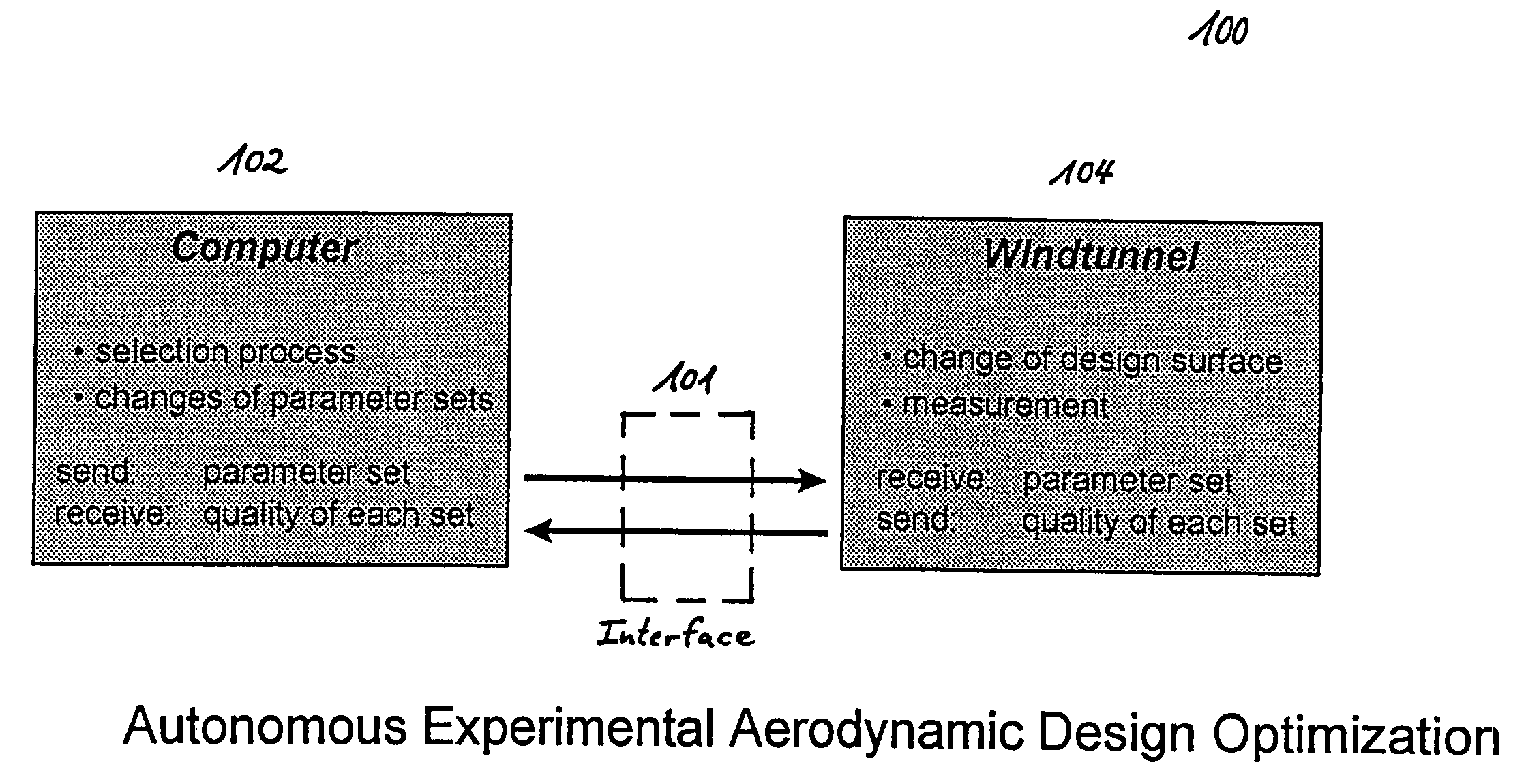
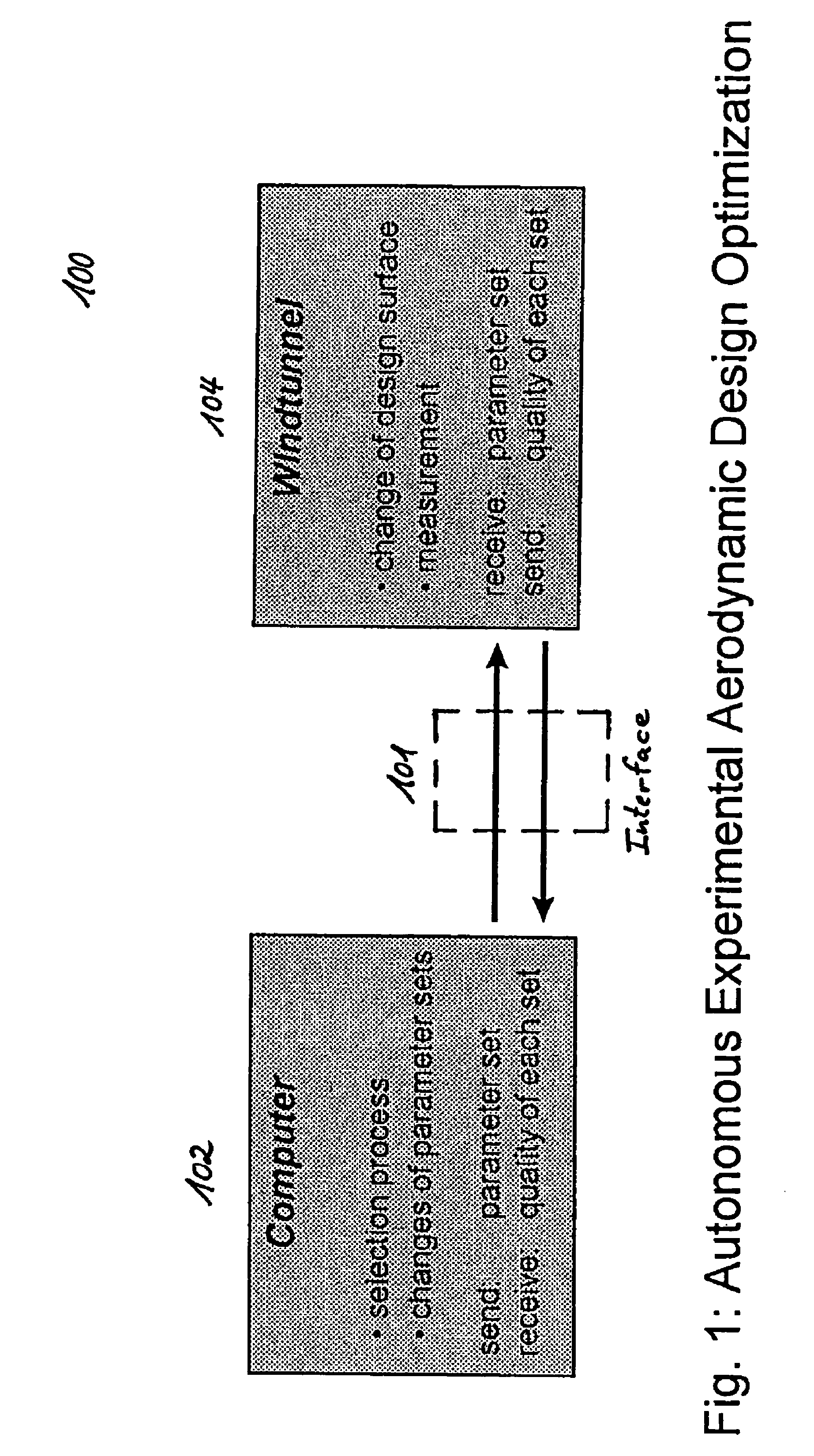
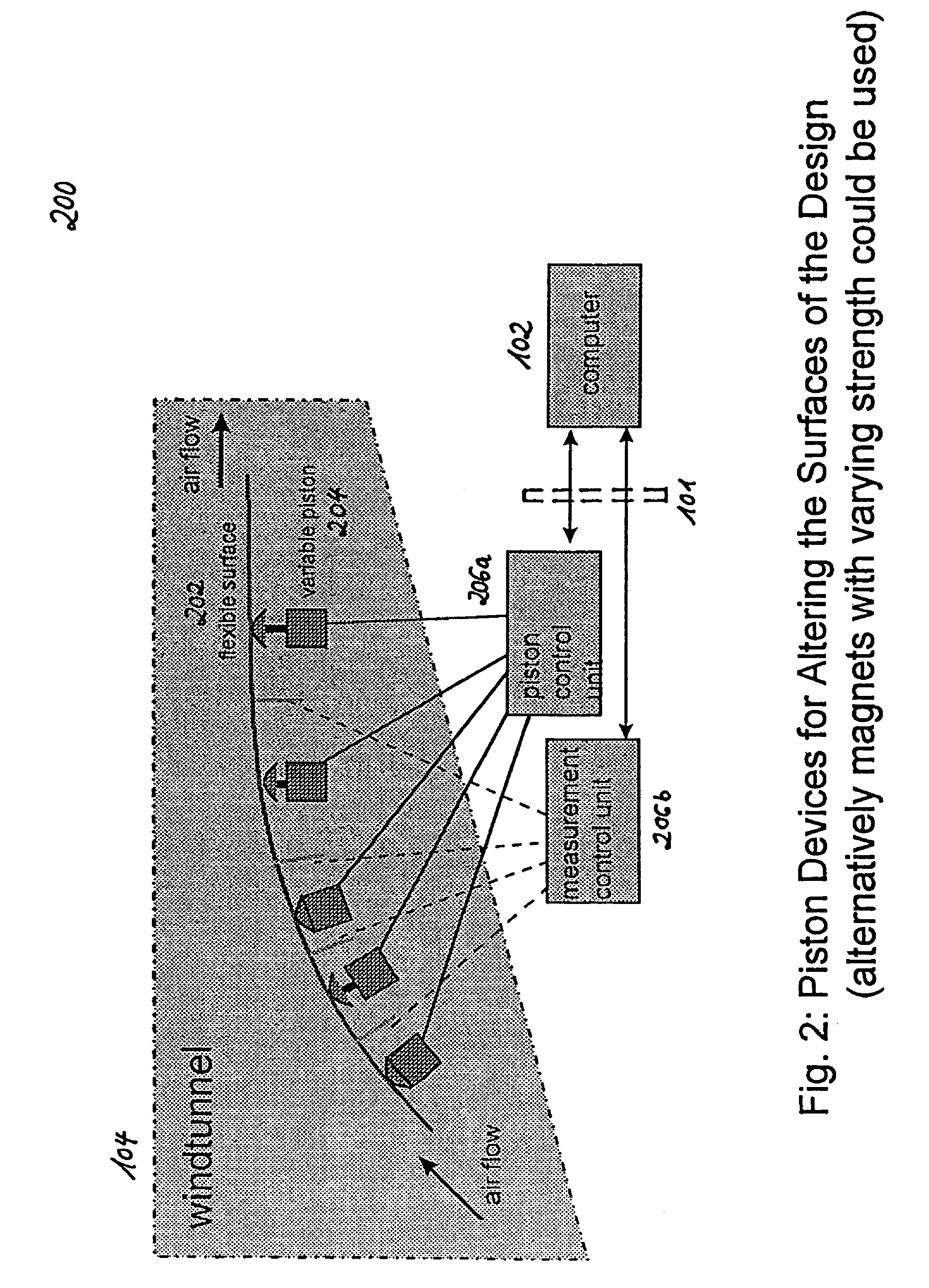
- A hybrid approach combining an optimization algorithm with an experimental hardware setup that automatically modifies surface properties, using evolutionary algorithms and artificial neural networks to search the design space globally, allowing for a closed-loop optimization process that integrates computational fluid dynamics evaluations with experimental measurements.

Aviation Safety Regulations for Morphing Aircraft
The regulatory landscape for morphing aircraft presents a complex framework that must balance innovation with safety imperatives. Current aviation safety regulations, primarily established by the Federal Aviation Administration (FAA) and European Union Aviation Safety Agency (EASA), were originally designed for conventional fixed-wing aircraft configurations. These traditional frameworks face significant challenges when addressing the dynamic structural characteristics inherent in morphing aircraft systems, particularly those employing adaptive wing flexing technologies.
Existing airworthiness standards such as FAR Part 23 and Part 25 require extensive modifications to accommodate aircraft with variable geometry capabilities. The primary regulatory concern centers on structural integrity verification throughout the entire range of morphing configurations. Unlike conventional aircraft where structural loads and stress patterns are relatively predictable, morphing aircraft must demonstrate safety across multiple geometric states, each presenting unique aerodynamic and structural challenges.
Certification processes for morphing aircraft demand comprehensive testing protocols that extend beyond traditional static and fatigue testing. Regulatory bodies now require dynamic structural analysis that accounts for real-time shape changes during flight operations. This includes validation of wing flexing algorithms under various flight conditions, emergency scenarios, and potential system failures. The certification framework must address the reliability of actuator systems, sensor networks, and control algorithms that govern morphing operations.
International harmonization efforts are underway to establish unified standards for morphing aircraft certification. The International Civil Aviation Organization (ICAO) has initiated working groups to develop global guidelines that address the unique safety considerations of adaptive aircraft structures. These efforts focus on establishing minimum safety margins for morphing systems, defining acceptable failure modes, and creating standardized testing methodologies.
Emerging regulatory requirements emphasize the need for redundant safety systems and fail-safe mechanisms in morphing aircraft designs. Regulations mandate that wing flexing systems must default to safe configurations in case of control system failures, ensuring continued flight safety even when adaptive capabilities are compromised. Additionally, pilot training requirements and operational procedures are being developed to address the unique characteristics of morphing aircraft operations within controlled airspace.
Existing airworthiness standards such as FAR Part 23 and Part 25 require extensive modifications to accommodate aircraft with variable geometry capabilities. The primary regulatory concern centers on structural integrity verification throughout the entire range of morphing configurations. Unlike conventional aircraft where structural loads and stress patterns are relatively predictable, morphing aircraft must demonstrate safety across multiple geometric states, each presenting unique aerodynamic and structural challenges.
Certification processes for morphing aircraft demand comprehensive testing protocols that extend beyond traditional static and fatigue testing. Regulatory bodies now require dynamic structural analysis that accounts for real-time shape changes during flight operations. This includes validation of wing flexing algorithms under various flight conditions, emergency scenarios, and potential system failures. The certification framework must address the reliability of actuator systems, sensor networks, and control algorithms that govern morphing operations.
International harmonization efforts are underway to establish unified standards for morphing aircraft certification. The International Civil Aviation Organization (ICAO) has initiated working groups to develop global guidelines that address the unique safety considerations of adaptive aircraft structures. These efforts focus on establishing minimum safety margins for morphing systems, defining acceptable failure modes, and creating standardized testing methodologies.
Emerging regulatory requirements emphasize the need for redundant safety systems and fail-safe mechanisms in morphing aircraft designs. Regulations mandate that wing flexing systems must default to safe configurations in case of control system failures, ensuring continued flight safety even when adaptive capabilities are compromised. Additionally, pilot training requirements and operational procedures are being developed to address the unique characteristics of morphing aircraft operations within controlled airspace.
Environmental Impact of Adaptive Wing Technologies
Adaptive wing technologies represent a paradigm shift in aviation design, offering substantial environmental benefits through enhanced aerodynamic efficiency and reduced fuel consumption. These morphing wing systems dynamically adjust their shape, camber, and surface characteristics in real-time, responding to varying flight conditions to maintain optimal lift-to-drag ratios throughout different phases of flight.
The primary environmental advantage stems from significant fuel efficiency improvements. Traditional fixed-wing aircraft are optimized for specific flight conditions, typically cruise phase, resulting in suboptimal performance during takeoff, climb, and descent. Adaptive wing systems can achieve fuel consumption reductions of 8-15% compared to conventional designs by maintaining aerodynamic efficiency across all flight phases. This translates directly to proportional reductions in carbon dioxide emissions, with potential industry-wide CO2 reduction of approximately 12-20 million tons annually if widely adopted.
Noise pollution mitigation represents another critical environmental benefit. Adaptive wing technologies enable smoother airflow management and reduced turbulence generation, particularly during approach and landing phases. The ability to optimize wing configuration for low-noise operations can reduce aircraft noise footprint by 3-6 decibels, significantly improving acoustic impact on communities surrounding airports.
Manufacturing and lifecycle considerations present mixed environmental implications. While adaptive wing systems require advanced materials such as shape memory alloys, smart composites, and sophisticated actuator systems that may have higher initial carbon footprints, their extended operational lifespan and improved efficiency offset these impacts. The integration of lightweight materials and optimized structural designs often results in overall aircraft weight reduction of 2-4%.
Operational environmental benefits extend beyond direct emissions reduction. Enhanced flight path optimization capabilities allow aircraft to utilize more efficient routing and altitude profiles, reducing air traffic congestion and associated holding patterns. This systemic efficiency improvement contributes to broader aviation ecosystem sustainability.
The technology also enables better integration with sustainable aviation fuels and hybrid-electric propulsion systems, as the improved aerodynamic efficiency reduces power requirements, making alternative propulsion technologies more viable for commercial applications.
The primary environmental advantage stems from significant fuel efficiency improvements. Traditional fixed-wing aircraft are optimized for specific flight conditions, typically cruise phase, resulting in suboptimal performance during takeoff, climb, and descent. Adaptive wing systems can achieve fuel consumption reductions of 8-15% compared to conventional designs by maintaining aerodynamic efficiency across all flight phases. This translates directly to proportional reductions in carbon dioxide emissions, with potential industry-wide CO2 reduction of approximately 12-20 million tons annually if widely adopted.
Noise pollution mitigation represents another critical environmental benefit. Adaptive wing technologies enable smoother airflow management and reduced turbulence generation, particularly during approach and landing phases. The ability to optimize wing configuration for low-noise operations can reduce aircraft noise footprint by 3-6 decibels, significantly improving acoustic impact on communities surrounding airports.
Manufacturing and lifecycle considerations present mixed environmental implications. While adaptive wing systems require advanced materials such as shape memory alloys, smart composites, and sophisticated actuator systems that may have higher initial carbon footprints, their extended operational lifespan and improved efficiency offset these impacts. The integration of lightweight materials and optimized structural designs often results in overall aircraft weight reduction of 2-4%.
Operational environmental benefits extend beyond direct emissions reduction. Enhanced flight path optimization capabilities allow aircraft to utilize more efficient routing and altitude profiles, reducing air traffic congestion and associated holding patterns. This systemic efficiency improvement contributes to broader aviation ecosystem sustainability.
The technology also enables better integration with sustainable aviation fuels and hybrid-electric propulsion systems, as the improved aerodynamic efficiency reduces power requirements, making alternative propulsion technologies more viable for commercial applications.
Unlock deeper insights with PatSnap Eureka Quick Research — get a full tech report to explore trends and direct your research. Try now!
Generate Your Research Report Instantly with AI Agent
Supercharge your innovation with PatSnap Eureka AI Agent Platform!