

How to Prevent Electropermanent Magnet Core Saturation (T)
MAY 8, 20269 MIN READ
Generate Your Research Report Instantly with AI Agent
PatSnap Eureka helps you evaluate technical feasibility & market potential.
Electropermanent Magnet Core Saturation Background and Objectives
Electropermanent magnets represent a revolutionary advancement in magnetic technology, combining the controllability of electromagnets with the energy efficiency of permanent magnets. These hybrid systems utilize both permanent magnetic materials and electrically controlled magnetic elements to achieve switchable magnetic fields without continuous power consumption. The technology has gained significant traction across multiple industries due to its unique ability to provide strong holding forces while maintaining precise on-off control capabilities.
The evolution of electropermanent magnet technology traces back to early magnetic research in the mid-20th century, where scientists first explored the concept of combining different magnetic materials to create controllable magnetic systems. Initial developments focused on simple magnetic circuits using ferrite and rare-earth permanent magnets combined with electromagnet coils. The technology gained momentum in the 1980s and 1990s as manufacturing processes improved and rare-earth materials became more accessible.
Modern electropermanent magnet systems have found widespread applications in industrial automation, robotics, material handling, and precision manufacturing. However, as these systems have been pushed to handle higher loads and operate in more demanding environments, core saturation has emerged as a critical limiting factor. Core saturation occurs when the magnetic flux density in the ferromagnetic core reaches its maximum capacity, preventing further increases in magnetic field strength regardless of additional electrical input.
The primary objective of addressing electropermanent magnet core saturation is to maximize the magnetic performance and operational reliability of these systems. This involves developing methodologies to predict, prevent, and mitigate saturation effects while maintaining the inherent advantages of electropermanent magnet technology. Key technical goals include optimizing core material selection, improving magnetic circuit design, and implementing advanced control strategies that operate within safe magnetic flux density ranges.
Furthermore, preventing core saturation directly impacts system efficiency, longevity, and safety. Saturated cores generate excessive heat, reduce magnetic holding force predictability, and can lead to premature system failure. The research focus encompasses both theoretical understanding of magnetic saturation phenomena and practical engineering solutions that can be implemented across various electropermanent magnet applications, from small-scale precision devices to large industrial magnetic handling systems.
The evolution of electropermanent magnet technology traces back to early magnetic research in the mid-20th century, where scientists first explored the concept of combining different magnetic materials to create controllable magnetic systems. Initial developments focused on simple magnetic circuits using ferrite and rare-earth permanent magnets combined with electromagnet coils. The technology gained momentum in the 1980s and 1990s as manufacturing processes improved and rare-earth materials became more accessible.
Modern electropermanent magnet systems have found widespread applications in industrial automation, robotics, material handling, and precision manufacturing. However, as these systems have been pushed to handle higher loads and operate in more demanding environments, core saturation has emerged as a critical limiting factor. Core saturation occurs when the magnetic flux density in the ferromagnetic core reaches its maximum capacity, preventing further increases in magnetic field strength regardless of additional electrical input.
The primary objective of addressing electropermanent magnet core saturation is to maximize the magnetic performance and operational reliability of these systems. This involves developing methodologies to predict, prevent, and mitigate saturation effects while maintaining the inherent advantages of electropermanent magnet technology. Key technical goals include optimizing core material selection, improving magnetic circuit design, and implementing advanced control strategies that operate within safe magnetic flux density ranges.
Furthermore, preventing core saturation directly impacts system efficiency, longevity, and safety. Saturated cores generate excessive heat, reduce magnetic holding force predictability, and can lead to premature system failure. The research focus encompasses both theoretical understanding of magnetic saturation phenomena and practical engineering solutions that can be implemented across various electropermanent magnet applications, from small-scale precision devices to large industrial magnetic handling systems.
Market Demand for Advanced Electropermanent Magnet Systems
The global market for advanced electropermanent magnet systems is experiencing unprecedented growth driven by the increasing demand for energy-efficient and high-performance magnetic solutions across multiple industries. Industrial automation sectors are particularly driving this demand, as manufacturers seek magnetic systems that can provide precise control while minimizing energy consumption during operation.
Renewable energy applications represent a significant market driver, with wind turbine generators and electric vehicle motors requiring sophisticated magnetic systems that can operate reliably without core saturation issues. The automotive industry's transition toward electrification has created substantial demand for electropermanent magnets that maintain consistent performance under varying load conditions and temperature fluctuations.
Manufacturing and material handling industries are increasingly adopting electropermanent magnet systems for lifting and positioning applications, where preventing core saturation is critical for maintaining consistent holding forces and operational safety. These applications require magnetic systems that can handle heavy loads while providing precise control over magnetic field strength without experiencing performance degradation.
The aerospace and defense sectors are emerging as key markets for advanced electropermanent magnet technologies, particularly for applications requiring lightweight, reliable magnetic systems that can operate in extreme environments. These industries demand solutions that prevent core saturation to ensure consistent performance in critical applications such as satellite positioning systems and aircraft control mechanisms.
Medical device manufacturing is driving demand for miniaturized electropermanent magnet systems with enhanced control capabilities, particularly for magnetic resonance imaging equipment and surgical robotics. These applications require precise magnetic field control without saturation effects that could compromise diagnostic accuracy or surgical precision.
The growing emphasis on Industry 4.0 and smart manufacturing is creating new market opportunities for intelligent electropermanent magnet systems that can self-monitor and prevent core saturation through advanced control algorithms. This trend is particularly evident in automated assembly lines and robotic applications where consistent magnetic performance is essential for maintaining production quality and efficiency.
Market growth is further supported by increasing regulatory requirements for energy efficiency and environmental sustainability, pushing industries to adopt magnetic systems that offer superior performance while reducing overall energy consumption and operational costs.
Renewable energy applications represent a significant market driver, with wind turbine generators and electric vehicle motors requiring sophisticated magnetic systems that can operate reliably without core saturation issues. The automotive industry's transition toward electrification has created substantial demand for electropermanent magnets that maintain consistent performance under varying load conditions and temperature fluctuations.
Manufacturing and material handling industries are increasingly adopting electropermanent magnet systems for lifting and positioning applications, where preventing core saturation is critical for maintaining consistent holding forces and operational safety. These applications require magnetic systems that can handle heavy loads while providing precise control over magnetic field strength without experiencing performance degradation.
The aerospace and defense sectors are emerging as key markets for advanced electropermanent magnet technologies, particularly for applications requiring lightweight, reliable magnetic systems that can operate in extreme environments. These industries demand solutions that prevent core saturation to ensure consistent performance in critical applications such as satellite positioning systems and aircraft control mechanisms.
Medical device manufacturing is driving demand for miniaturized electropermanent magnet systems with enhanced control capabilities, particularly for magnetic resonance imaging equipment and surgical robotics. These applications require precise magnetic field control without saturation effects that could compromise diagnostic accuracy or surgical precision.
The growing emphasis on Industry 4.0 and smart manufacturing is creating new market opportunities for intelligent electropermanent magnet systems that can self-monitor and prevent core saturation through advanced control algorithms. This trend is particularly evident in automated assembly lines and robotic applications where consistent magnetic performance is essential for maintaining production quality and efficiency.
Market growth is further supported by increasing regulatory requirements for energy efficiency and environmental sustainability, pushing industries to adopt magnetic systems that offer superior performance while reducing overall energy consumption and operational costs.
Current State and Core Saturation Challenges in EPM Technology
Electropermanent magnets represent a hybrid magnetic technology that combines the controllability of electromagnets with the energy efficiency of permanent magnets. Current EPM systems utilize a combination of permanent magnetic materials, typically neodymium-iron-boron (NdFeB) or samarium-cobalt (SmCo), integrated with electromagnet coils to achieve switchable magnetic states. The technology has gained significant traction in industrial applications including magnetic clamping systems, robotic grippers, and magnetic separation equipment.
The fundamental operating principle involves using short electrical pulses to alter the magnetic flux distribution within the EPM assembly, enabling switching between magnetized and demagnetized states. However, this switching mechanism introduces inherent challenges related to magnetic core saturation, which represents one of the most critical technical barriers limiting EPM performance and reliability.
Core saturation in EPM systems occurs when the magnetic flux density within the ferromagnetic core material approaches its saturation limit, typically ranging from 1.5 to 2.1 Tesla depending on the core material composition. When saturation is reached, the core's permeability drops dramatically, leading to reduced magnetic efficiency and potential system failure. This phenomenon is particularly problematic during the switching process when high-intensity magnetic fields are generated to overcome the coercive force of permanent magnets.
Current EPM implementations face several saturation-related challenges that significantly impact system performance. The primary issue stems from inadequate flux path design, where magnetic flux concentrates in narrow core sections, creating localized saturation zones. This concentration effect is exacerbated by the need to generate sufficient magnetic field strength to switch permanent magnet states, often requiring flux densities that approach or exceed core material limits.
Temperature-induced saturation presents another significant challenge, as elevated operating temperatures reduce the saturation flux density of ferromagnetic materials. EPM systems operating in industrial environments frequently encounter thermal cycling that can shift the saturation threshold, leading to unpredictable switching behavior and reduced holding force capabilities.
Manufacturing tolerances and material inconsistencies further complicate saturation management. Variations in core material properties, air gap dimensions, and permanent magnet characteristics can create uneven flux distribution patterns, resulting in premature saturation in specific core regions while underutilizing other areas.
The integration of control electronics adds complexity to saturation prevention strategies. Current sensing and feedback systems must accurately detect approaching saturation conditions while maintaining rapid switching response times. Existing solutions often rely on indirect measurement techniques that may not provide sufficient precision for optimal saturation avoidance.
Geometric constraints in compact EPM designs limit the available core cross-sectional area, forcing designers to balance size requirements against saturation prevention needs. This trade-off becomes particularly challenging in applications requiring high magnetic forces within space-constrained environments, where traditional approaches of simply increasing core dimensions are not feasible.
The fundamental operating principle involves using short electrical pulses to alter the magnetic flux distribution within the EPM assembly, enabling switching between magnetized and demagnetized states. However, this switching mechanism introduces inherent challenges related to magnetic core saturation, which represents one of the most critical technical barriers limiting EPM performance and reliability.
Core saturation in EPM systems occurs when the magnetic flux density within the ferromagnetic core material approaches its saturation limit, typically ranging from 1.5 to 2.1 Tesla depending on the core material composition. When saturation is reached, the core's permeability drops dramatically, leading to reduced magnetic efficiency and potential system failure. This phenomenon is particularly problematic during the switching process when high-intensity magnetic fields are generated to overcome the coercive force of permanent magnets.
Current EPM implementations face several saturation-related challenges that significantly impact system performance. The primary issue stems from inadequate flux path design, where magnetic flux concentrates in narrow core sections, creating localized saturation zones. This concentration effect is exacerbated by the need to generate sufficient magnetic field strength to switch permanent magnet states, often requiring flux densities that approach or exceed core material limits.
Temperature-induced saturation presents another significant challenge, as elevated operating temperatures reduce the saturation flux density of ferromagnetic materials. EPM systems operating in industrial environments frequently encounter thermal cycling that can shift the saturation threshold, leading to unpredictable switching behavior and reduced holding force capabilities.
Manufacturing tolerances and material inconsistencies further complicate saturation management. Variations in core material properties, air gap dimensions, and permanent magnet characteristics can create uneven flux distribution patterns, resulting in premature saturation in specific core regions while underutilizing other areas.
The integration of control electronics adds complexity to saturation prevention strategies. Current sensing and feedback systems must accurately detect approaching saturation conditions while maintaining rapid switching response times. Existing solutions often rely on indirect measurement techniques that may not provide sufficient precision for optimal saturation avoidance.
Geometric constraints in compact EPM designs limit the available core cross-sectional area, forcing designers to balance size requirements against saturation prevention needs. This trade-off becomes particularly challenging in applications requiring high magnetic forces within space-constrained environments, where traditional approaches of simply increasing core dimensions are not feasible.
Existing Solutions for EPM Core Saturation Prevention
01 Core material composition and magnetic properties optimization
Electropermanent magnet cores utilize specific magnetic materials and compositions to achieve optimal saturation characteristics. The selection of ferromagnetic materials, rare earth elements, and alloy compositions directly impacts the magnetic flux density and saturation behavior. Advanced material engineering techniques focus on enhancing the magnetic permeability and reducing core losses while maintaining high saturation levels.- Core material optimization for saturation control: Advanced core materials and compositions are developed to optimize magnetic saturation characteristics in electropermanent magnets. These materials are designed to handle higher magnetic flux densities while maintaining stable performance and preventing premature saturation. The optimization involves selecting appropriate ferromagnetic materials with enhanced permeability and saturation flux density properties.
- Magnetic field control and switching mechanisms: Control systems and switching mechanisms are implemented to manage magnetic field strength and prevent core saturation in electropermanent magnets. These systems utilize controlled electrical pulses and feedback mechanisms to regulate the magnetic state and ensure optimal operation within the linear region of the magnetic material's characteristics.
- Core geometry and structural design: Specialized geometric configurations and structural designs are employed to distribute magnetic flux more effectively and reduce localized saturation effects. These designs include optimized core shapes, pole configurations, and flux path arrangements that minimize magnetic bottlenecks and enhance overall magnetic circuit performance.
- Saturation detection and monitoring systems: Detection and monitoring systems are integrated to identify and respond to core saturation conditions in real-time. These systems employ various sensing techniques and algorithms to monitor magnetic flux levels, temperature variations, and performance parameters to prevent saturation-related failures and optimize magnet operation.
- Hybrid magnet configurations and flux management: Hybrid configurations combining permanent magnets with electromagnets are designed to manage flux distribution and prevent saturation. These systems incorporate flux shunting mechanisms, variable reluctance paths, and multi-stage magnetic circuits to maintain controlled magnetic fields while avoiding core saturation under varying load conditions.
02 Core geometry and structural design for saturation control
The physical design and geometry of electropermanent magnet cores significantly influence saturation behavior. Optimized core shapes, cross-sectional areas, and magnetic circuit configurations help distribute magnetic flux more effectively and prevent localized saturation. Design considerations include pole piece geometry, air gap dimensions, and magnetic path optimization to achieve uniform flux distribution.Expand Specific Solutions03 Switching mechanisms and control systems for saturation management
Electropermanent magnets employ sophisticated switching and control mechanisms to manage core saturation during operation. These systems utilize pulse control, current regulation, and feedback mechanisms to prevent oversaturation while maintaining desired magnetic field strength. Advanced control algorithms monitor magnetic flux levels and adjust switching parameters to optimize performance.Expand Specific Solutions04 Temperature compensation and thermal effects on saturation
Temperature variations significantly affect the saturation characteristics of electropermanent magnet cores. Thermal compensation techniques and temperature-stable materials are employed to maintain consistent saturation behavior across operating temperature ranges. Design strategies include thermal management systems, temperature coefficient optimization, and material selection for enhanced thermal stability.Expand Specific Solutions05 Measurement and monitoring systems for saturation detection
Advanced sensing and monitoring systems are integrated to detect and measure core saturation in electropermanent magnets. These systems employ various sensing technologies, signal processing algorithms, and real-time monitoring capabilities to provide feedback on magnetic flux density and saturation levels. The monitoring data enables precise control and optimization of magnet performance.Expand Specific Solutions
Key Players in Electropermanent Magnet and Core Material Industry
The electropermanent magnet core saturation prevention technology represents an emerging niche within the broader magnetic materials and electromagnetic systems industry. The market is currently in its early development stage, with significant growth potential driven by increasing demand for energy-efficient magnetic solutions across automotive, industrial automation, and power electronics sectors. Key players demonstrate varying levels of technological maturity, with established companies like Toyota Motor Corp., Schneider Electric, and VACUUMSCHMELZE GmbH leading in magnetic materials expertise, while automotive suppliers such as Valeo and Aisin AW focus on application-specific implementations. Research institutions including Swiss Federal Institute of Technology and Wuhan University contribute fundamental research, indicating strong academic-industry collaboration. The competitive landscape shows fragmentation between traditional magnetic component manufacturers and emerging technology developers, suggesting the technology is transitioning from research phase toward commercial viability with substantial room for market consolidation and standardization.
Schneider Electric Sachsenwerk GmbH
Technical Solution: Schneider Electric develops integrated solutions for preventing electropermanent magnet core saturation in industrial automation and power management systems. Their approach combines advanced magnetic circuit modeling with intelligent control systems that predict and prevent saturation conditions. The company utilizes high-performance soft magnetic materials and implements optimized core designs with enhanced cross-sectional areas in critical flux paths. Their solutions include real-time monitoring systems that track magnetic flux density and automatically adjust operating parameters to maintain linear magnetic characteristics. Schneider Electric also develops modular core designs that allow for field upgrades and implements predictive maintenance algorithms to detect early signs of approaching saturation conditions in industrial applications.
Strengths: Industrial automation expertise, modular design approach, comprehensive monitoring systems, global service network. Weaknesses: Focus on industrial applications may limit specialized magnet solutions, standardized approaches may not suit all custom applications.
Toyota Motor Corp.
Technical Solution: Toyota addresses electropermanent magnet core saturation in their hybrid and electric vehicle motor systems through advanced magnetic circuit design and control algorithms. Their approach combines optimized stator core geometry with intelligent flux management systems that monitor and control magnetic field distribution in real-time. The company implements segmented core designs with variable cross-sectional areas to distribute magnetic flux more evenly and prevent localized saturation. Their control systems utilize predictive algorithms to adjust current waveforms and timing to maintain operation within the linear magnetic region. Toyota also employs high-grade electrical steel with improved saturation characteristics and develops specialized cooling systems to manage temperature-related saturation effects.
Strengths: Extensive automotive application experience, integrated system approach, proven reliability in mass production. Weaknesses: Solutions primarily optimized for automotive applications, proprietary systems with limited external availability.
Core Innovations in Magnetic Core Saturation Control Methods
Magnetic core capable of preventing fast DC saturation attenuation and manufacturing method thereof
PatentInactiveUS20180261375A1
Innovation
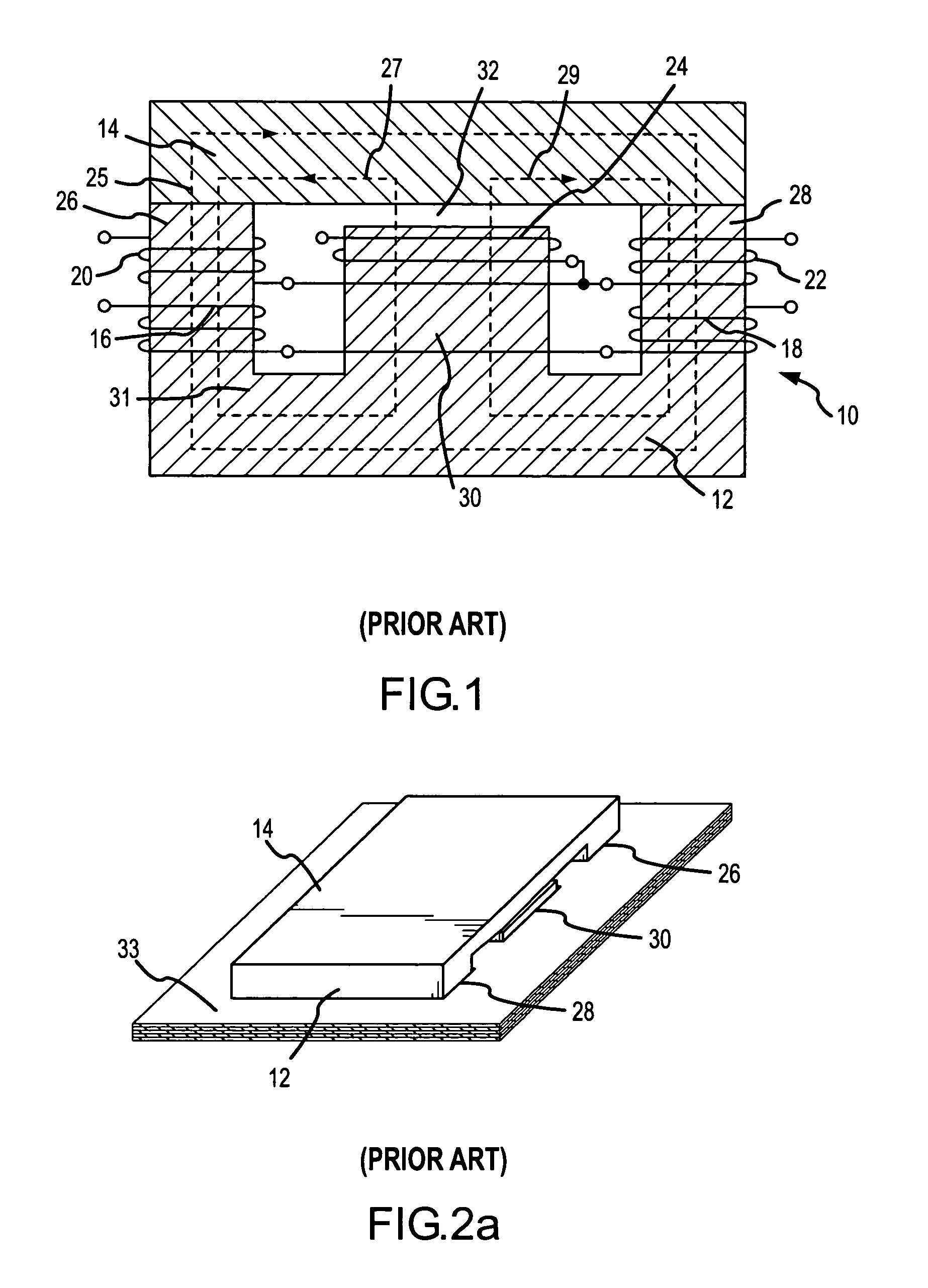
- A sintered integral magnetic core with a center column of lower magnetic permeability and side columns of higher permeability, formed by a single sintering process using different magnetic materials, where the base and connecting portions are designed to maintain structural integrity and prevent breakage.


Composite magnetic core for switch-mode power converters
PatentInactiveUS6980077B1
Innovation
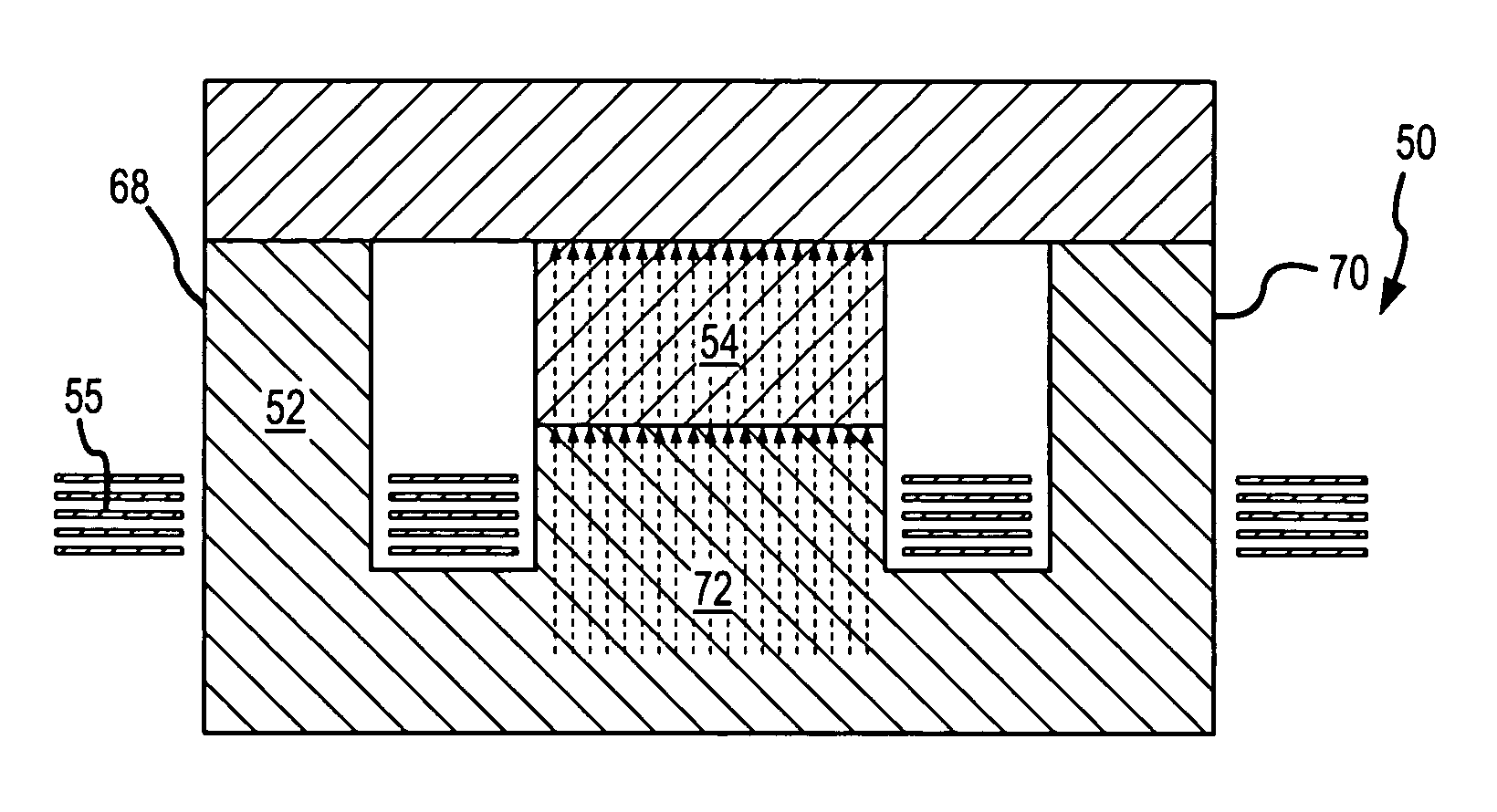
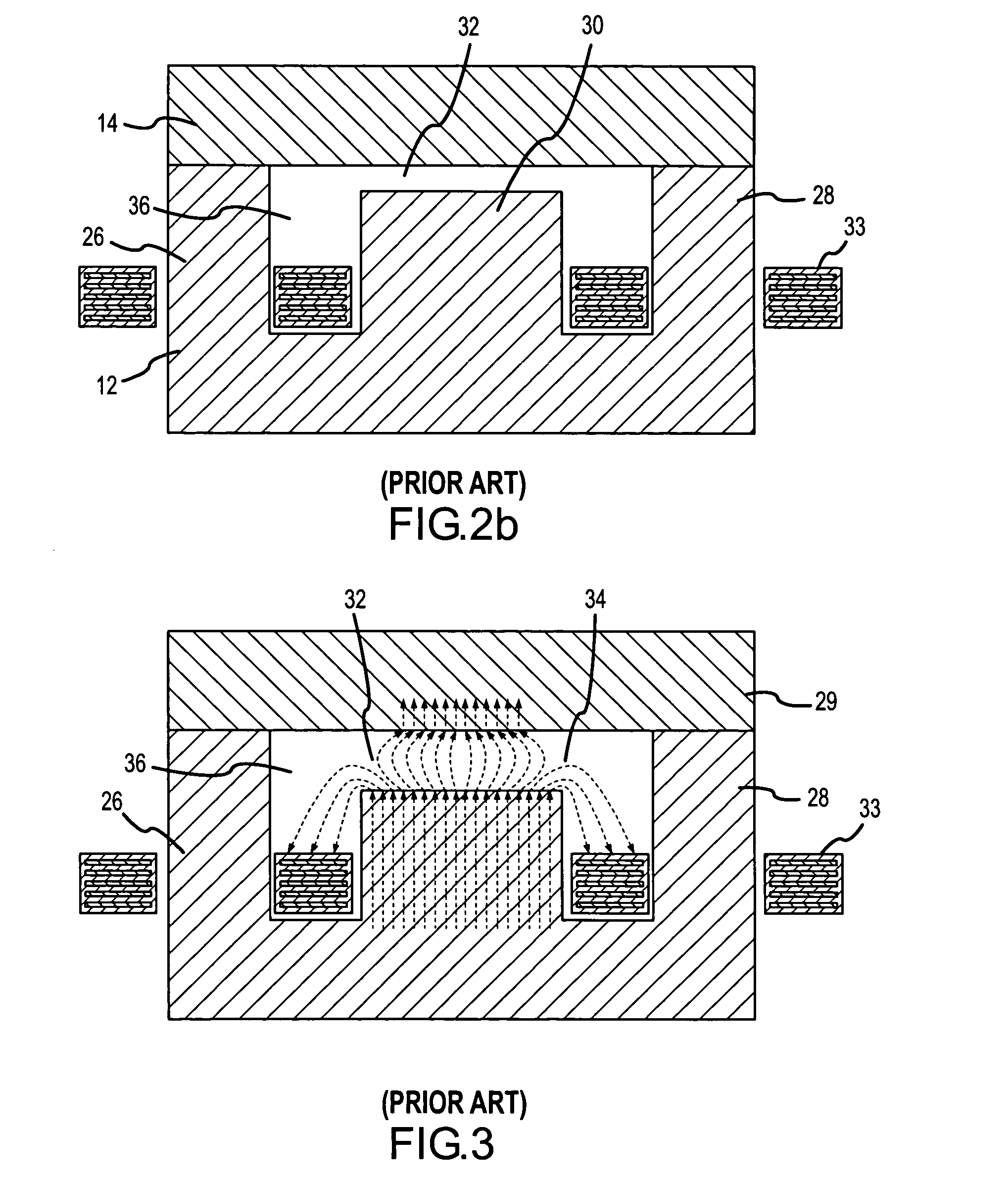
- A composite magnetic core is developed without an air gap, using a high permeability material for winding sections and a low permeability, high saturation material to confine magnetic flux and provide localized energy storage, ensuring the flux density does not exceed the saturation limits of the materials used.

Material Science Advances in Magnetic Core Development
The development of advanced magnetic materials represents a critical frontier in addressing electropermanent magnet core saturation challenges. Recent breakthroughs in material science have focused on engineering magnetic cores with enhanced saturation flux density and improved permeability characteristics. Nanocrystalline soft magnetic materials, particularly iron-based amorphous alloys, have demonstrated superior performance in high-frequency applications where saturation prevention is paramount.
Silicon steel compositions have undergone significant refinement, with grain-oriented electrical steels achieving saturation flux densities exceeding 2.0 Tesla while maintaining low core losses. Advanced processing techniques, including controlled atmosphere annealing and magnetic domain refinement, have enabled manufacturers to produce cores with more predictable saturation behavior and reduced hysteresis losses.
Ferrite material innovations have concentrated on developing high-permeability compositions that maintain stable magnetic properties across wider temperature ranges. Manganese-zinc ferrites with optimized stoichiometry exhibit improved saturation characteristics, particularly in power electronics applications where thermal cycling poses additional challenges to magnetic stability.
Powder metallurgy advances have enabled the creation of distributed air gap cores using soft magnetic composite materials. These materials incorporate insulating coatings around individual magnetic particles, effectively distributing magnetic flux and reducing localized saturation effects. The resulting cores demonstrate superior performance in high-current applications where traditional laminated cores would experience premature saturation.
Rare earth permanent magnet integration techniques have evolved to create hybrid magnetic systems that leverage the high coercivity of neodymium-iron-boron compounds while maintaining the controllability of electropermanent systems. These hybrid approaches utilize advanced magnetic circuit design principles to optimize flux distribution and prevent saturation in critical core regions.
Additive manufacturing technologies have opened new possibilities for creating complex magnetic core geometries with tailored magnetic properties. Three-dimensional printing of soft magnetic materials allows for the creation of cores with variable cross-sectional areas and integrated cooling channels, enabling more effective thermal management and saturation prevention strategies.
Silicon steel compositions have undergone significant refinement, with grain-oriented electrical steels achieving saturation flux densities exceeding 2.0 Tesla while maintaining low core losses. Advanced processing techniques, including controlled atmosphere annealing and magnetic domain refinement, have enabled manufacturers to produce cores with more predictable saturation behavior and reduced hysteresis losses.
Ferrite material innovations have concentrated on developing high-permeability compositions that maintain stable magnetic properties across wider temperature ranges. Manganese-zinc ferrites with optimized stoichiometry exhibit improved saturation characteristics, particularly in power electronics applications where thermal cycling poses additional challenges to magnetic stability.
Powder metallurgy advances have enabled the creation of distributed air gap cores using soft magnetic composite materials. These materials incorporate insulating coatings around individual magnetic particles, effectively distributing magnetic flux and reducing localized saturation effects. The resulting cores demonstrate superior performance in high-current applications where traditional laminated cores would experience premature saturation.
Rare earth permanent magnet integration techniques have evolved to create hybrid magnetic systems that leverage the high coercivity of neodymium-iron-boron compounds while maintaining the controllability of electropermanent systems. These hybrid approaches utilize advanced magnetic circuit design principles to optimize flux distribution and prevent saturation in critical core regions.
Additive manufacturing technologies have opened new possibilities for creating complex magnetic core geometries with tailored magnetic properties. Three-dimensional printing of soft magnetic materials allows for the creation of cores with variable cross-sectional areas and integrated cooling channels, enabling more effective thermal management and saturation prevention strategies.
Thermal Management Strategies for EPM Core Protection
Thermal management represents a critical aspect of electropermanent magnet (EPM) core protection, as excessive heat generation directly contributes to magnetic saturation and performance degradation. The relationship between temperature and magnetic permeability in EPM cores creates a cascading effect where thermal buildup reduces the core's ability to handle magnetic flux, ultimately leading to premature saturation conditions.
Active cooling systems constitute the primary defense mechanism against thermal-induced saturation in high-performance EPM applications. Forced air convection systems utilizing strategically positioned fans and heat sinks can effectively dissipate heat generated during rapid switching cycles. Liquid cooling solutions, including closed-loop water or specialized coolant systems, provide superior thermal management for applications requiring continuous operation or high-frequency switching. These systems typically incorporate temperature sensors and feedback control mechanisms to maintain optimal operating temperatures below critical saturation thresholds.
Passive thermal management strategies focus on material selection and structural design optimization. High thermal conductivity core materials, such as silicon steel alloys with enhanced thermal properties, facilitate efficient heat distribution throughout the magnetic structure. Thermal interface materials and heat spreaders can be integrated into the EPM assembly to create effective heat dissipation pathways. Additionally, core geometry modifications, including increased surface area through finned designs or hollow core configurations, enhance natural convection cooling capabilities.
Advanced thermal monitoring and predictive control systems enable proactive saturation prevention through real-time temperature tracking. Embedded thermocouples or infrared sensors provide continuous temperature feedback, allowing control systems to adjust operating parameters before critical temperatures are reached. Machine learning algorithms can analyze thermal patterns and predict potential saturation events, enabling preemptive cooling activation or operational parameter adjustments.
Thermal barrier coatings and insulation strategies protect EPM cores from external heat sources while maintaining efficient internal heat dissipation. Selective thermal management approaches can isolate heat-sensitive magnetic regions while allowing controlled thermal paths for heat removal, optimizing both magnetic performance and thermal stability in complex EPM systems.
Active cooling systems constitute the primary defense mechanism against thermal-induced saturation in high-performance EPM applications. Forced air convection systems utilizing strategically positioned fans and heat sinks can effectively dissipate heat generated during rapid switching cycles. Liquid cooling solutions, including closed-loop water or specialized coolant systems, provide superior thermal management for applications requiring continuous operation or high-frequency switching. These systems typically incorporate temperature sensors and feedback control mechanisms to maintain optimal operating temperatures below critical saturation thresholds.
Passive thermal management strategies focus on material selection and structural design optimization. High thermal conductivity core materials, such as silicon steel alloys with enhanced thermal properties, facilitate efficient heat distribution throughout the magnetic structure. Thermal interface materials and heat spreaders can be integrated into the EPM assembly to create effective heat dissipation pathways. Additionally, core geometry modifications, including increased surface area through finned designs or hollow core configurations, enhance natural convection cooling capabilities.
Advanced thermal monitoring and predictive control systems enable proactive saturation prevention through real-time temperature tracking. Embedded thermocouples or infrared sensors provide continuous temperature feedback, allowing control systems to adjust operating parameters before critical temperatures are reached. Machine learning algorithms can analyze thermal patterns and predict potential saturation events, enabling preemptive cooling activation or operational parameter adjustments.
Thermal barrier coatings and insulation strategies protect EPM cores from external heat sources while maintaining efficient internal heat dissipation. Selective thermal management approaches can isolate heat-sensitive magnetic regions while allowing controlled thermal paths for heat removal, optimizing both magnetic performance and thermal stability in complex EPM systems.
Unlock deeper insights with PatSnap Eureka Quick Research — get a full tech report to explore trends and direct your research. Try now!
Generate Your Research Report Instantly with AI Agent
Supercharge your innovation with PatSnap Eureka AI Agent Platform!