
How To Prevent Phase Separation In Polymer Electrolyte Solutions
MAY 20, 20269 MIN READ
Generate Your Research Report Instantly with AI Agent
Patsnap Eureka helps you evaluate technical feasibility & market potential.
Polymer Electrolyte Phase Separation Background and Objectives
Polymer electrolyte solutions have emerged as critical components in advanced energy storage and conversion systems, particularly in solid-state batteries, fuel cells, and electrochemical devices. These solutions consist of polymer matrices combined with ionic salts, designed to provide ionic conductivity while maintaining mechanical integrity. However, phase separation represents one of the most significant challenges in polymer electrolyte development, fundamentally limiting their practical applications and commercial viability.
Phase separation in polymer electrolyte solutions occurs when the homogeneous mixture spontaneously segregates into distinct phases with different compositions. This phenomenon typically manifests as the formation of salt-rich and salt-poor regions within the polymer matrix, leading to heterogeneous ionic distribution and compromised electrochemical performance. The separation process can be thermodynamically driven by incompatibility between polymer chains and ionic species, or kinetically induced by processing conditions, temperature fluctuations, or aging effects.
The historical development of polymer electrolytes began in the 1970s with the discovery of ionic conductivity in polyethylene oxide-salt complexes. Early research focused primarily on achieving high ionic conductivity, often overlooking the long-term stability issues associated with phase separation. As applications expanded from laboratory demonstrations to commercial products, the detrimental effects of phase separation became increasingly apparent, driving the need for comprehensive understanding and mitigation strategies.
Contemporary polymer electrolyte systems face multiple challenges related to phase separation, including reduced ionic conductivity, mechanical property degradation, and shortened device lifespan. The separation process creates ionic dead zones where charge transport is severely hindered, while mechanical properties suffer due to stress concentration at phase boundaries. These issues become particularly pronounced under operational conditions involving temperature cycling, mechanical stress, and extended storage periods.
The primary objective of preventing phase separation in polymer electrolyte solutions encompasses multiple technical goals. Achieving long-term thermodynamic stability requires developing polymer-salt combinations with favorable interaction parameters and optimized composition ratios. Maintaining homogeneous ionic distribution throughout the material's operational lifetime is essential for consistent electrochemical performance and device reliability.
Furthermore, the development of robust processing methodologies that minimize kinetic factors contributing to phase separation represents a crucial objective. This includes optimizing solution preparation techniques, casting conditions, and post-processing treatments to ensure uniform microstructure formation. The ultimate goal extends beyond mere prevention of phase separation to achieving enhanced ionic conductivity, improved mechanical properties, and extended operational lifetimes in practical applications.
Phase separation in polymer electrolyte solutions occurs when the homogeneous mixture spontaneously segregates into distinct phases with different compositions. This phenomenon typically manifests as the formation of salt-rich and salt-poor regions within the polymer matrix, leading to heterogeneous ionic distribution and compromised electrochemical performance. The separation process can be thermodynamically driven by incompatibility between polymer chains and ionic species, or kinetically induced by processing conditions, temperature fluctuations, or aging effects.
The historical development of polymer electrolytes began in the 1970s with the discovery of ionic conductivity in polyethylene oxide-salt complexes. Early research focused primarily on achieving high ionic conductivity, often overlooking the long-term stability issues associated with phase separation. As applications expanded from laboratory demonstrations to commercial products, the detrimental effects of phase separation became increasingly apparent, driving the need for comprehensive understanding and mitigation strategies.
Contemporary polymer electrolyte systems face multiple challenges related to phase separation, including reduced ionic conductivity, mechanical property degradation, and shortened device lifespan. The separation process creates ionic dead zones where charge transport is severely hindered, while mechanical properties suffer due to stress concentration at phase boundaries. These issues become particularly pronounced under operational conditions involving temperature cycling, mechanical stress, and extended storage periods.
The primary objective of preventing phase separation in polymer electrolyte solutions encompasses multiple technical goals. Achieving long-term thermodynamic stability requires developing polymer-salt combinations with favorable interaction parameters and optimized composition ratios. Maintaining homogeneous ionic distribution throughout the material's operational lifetime is essential for consistent electrochemical performance and device reliability.
Furthermore, the development of robust processing methodologies that minimize kinetic factors contributing to phase separation represents a crucial objective. This includes optimizing solution preparation techniques, casting conditions, and post-processing treatments to ensure uniform microstructure formation. The ultimate goal extends beyond mere prevention of phase separation to achieving enhanced ionic conductivity, improved mechanical properties, and extended operational lifetimes in practical applications.
Market Demand for Stable Polymer Electrolyte Solutions
The global energy storage market has experienced unprecedented growth, driven primarily by the rapid expansion of electric vehicles and grid-scale energy storage systems. Lithium-ion batteries dominate this landscape, yet their performance limitations have created substantial demand for next-generation electrolyte technologies. Polymer electrolytes represent a critical advancement pathway, offering enhanced safety profiles and design flexibility compared to conventional liquid electrolytes.
Battery manufacturers face increasing pressure to deliver products with improved energy density, extended cycle life, and enhanced thermal stability. Phase separation in polymer electrolyte solutions directly undermines these performance objectives, leading to reduced ionic conductivity, compromised mechanical integrity, and accelerated degradation. The automotive sector particularly demands electrolyte solutions that maintain stability across wide temperature ranges and extended operational periods.
The consumer electronics industry continues to drive miniaturization trends, requiring thinner and more flexible battery designs. Stable polymer electrolytes enable the development of solid-state batteries that can conform to irregular shapes while maintaining consistent performance. Phase separation issues have historically limited the commercial viability of these applications, creating urgent market demand for effective prevention strategies.
Grid-scale energy storage applications present another significant market driver, where long-term stability becomes paramount. Utility companies require battery systems that maintain performance over decades of operation. Phase separation phenomena can lead to premature system failures, resulting in substantial economic losses and reduced grid reliability. This has intensified the focus on developing polymer electrolyte formulations with superior phase stability.
Emerging applications in aerospace and defense sectors demand electrolyte solutions capable of withstanding extreme environmental conditions. These specialized markets are willing to invest in premium technologies that ensure reliable performance under challenging operational scenarios. The prevention of phase separation becomes critical for mission-critical applications where battery failure is not acceptable.
The regulatory landscape increasingly emphasizes safety and environmental considerations, favoring solid-state battery technologies over traditional liquid electrolyte systems. This regulatory push has accelerated market adoption timelines and increased investment in polymer electrolyte research and development initiatives across the industry.
Battery manufacturers face increasing pressure to deliver products with improved energy density, extended cycle life, and enhanced thermal stability. Phase separation in polymer electrolyte solutions directly undermines these performance objectives, leading to reduced ionic conductivity, compromised mechanical integrity, and accelerated degradation. The automotive sector particularly demands electrolyte solutions that maintain stability across wide temperature ranges and extended operational periods.
The consumer electronics industry continues to drive miniaturization trends, requiring thinner and more flexible battery designs. Stable polymer electrolytes enable the development of solid-state batteries that can conform to irregular shapes while maintaining consistent performance. Phase separation issues have historically limited the commercial viability of these applications, creating urgent market demand for effective prevention strategies.
Grid-scale energy storage applications present another significant market driver, where long-term stability becomes paramount. Utility companies require battery systems that maintain performance over decades of operation. Phase separation phenomena can lead to premature system failures, resulting in substantial economic losses and reduced grid reliability. This has intensified the focus on developing polymer electrolyte formulations with superior phase stability.
Emerging applications in aerospace and defense sectors demand electrolyte solutions capable of withstanding extreme environmental conditions. These specialized markets are willing to invest in premium technologies that ensure reliable performance under challenging operational scenarios. The prevention of phase separation becomes critical for mission-critical applications where battery failure is not acceptable.
The regulatory landscape increasingly emphasizes safety and environmental considerations, favoring solid-state battery technologies over traditional liquid electrolyte systems. This regulatory push has accelerated market adoption timelines and increased investment in polymer electrolyte research and development initiatives across the industry.
Current Phase Separation Challenges in Polymer Electrolytes
Phase separation in polymer electrolyte solutions represents one of the most critical technical barriers limiting the widespread adoption of advanced energy storage systems. This phenomenon occurs when the polymer matrix and electrolyte components spontaneously segregate into distinct phases, fundamentally compromising the material's electrochemical performance and mechanical integrity. The challenge is particularly pronounced in high-performance applications where maintaining homogeneous ion transport pathways is essential for optimal device functionality.
The thermodynamic instability underlying phase separation stems from the inherent incompatibility between polymer chains and ionic species. As temperature fluctuates or concentration gradients develop during operation, the system tends to minimize its free energy by forming separate phases. This process is exacerbated by the limited miscibility windows of most polymer-salt combinations, where even minor deviations from optimal composition ratios can trigger phase segregation.
Manufacturing constraints further compound these challenges, as achieving uniform distribution of electrolyte components throughout the polymer matrix requires precise control over processing parameters. Variations in mixing intensity, temperature profiles, and curing conditions can create localized concentration gradients that serve as nucleation sites for phase separation. The scalability of production processes while maintaining compositional homogeneity remains a significant industrial challenge.
Operational stresses present additional complexity, as polymer electrolytes must maintain phase stability across wide temperature ranges and varying mechanical loads. Thermal cycling induces differential expansion and contraction between phases, while mechanical deformation can create stress concentrations that accelerate phase boundary formation. These dynamic conditions make it difficult to predict long-term stability based solely on initial material characterization.
The consequences of phase separation extend beyond simple performance degradation. Heterogeneous regions create preferential ion transport pathways that lead to uneven current distribution and localized heating. This non-uniform behavior accelerates degradation mechanisms and can result in catastrophic failure modes, particularly in high-energy-density applications where safety margins are critical.
Current detection and characterization methods for phase separation often lack the sensitivity required for early-stage identification. Traditional analytical techniques may not capture the subtle microstructural changes that precede macroscopic phase segregation, making it challenging to implement preventive measures before performance degradation becomes apparent.
The thermodynamic instability underlying phase separation stems from the inherent incompatibility between polymer chains and ionic species. As temperature fluctuates or concentration gradients develop during operation, the system tends to minimize its free energy by forming separate phases. This process is exacerbated by the limited miscibility windows of most polymer-salt combinations, where even minor deviations from optimal composition ratios can trigger phase segregation.
Manufacturing constraints further compound these challenges, as achieving uniform distribution of electrolyte components throughout the polymer matrix requires precise control over processing parameters. Variations in mixing intensity, temperature profiles, and curing conditions can create localized concentration gradients that serve as nucleation sites for phase separation. The scalability of production processes while maintaining compositional homogeneity remains a significant industrial challenge.
Operational stresses present additional complexity, as polymer electrolytes must maintain phase stability across wide temperature ranges and varying mechanical loads. Thermal cycling induces differential expansion and contraction between phases, while mechanical deformation can create stress concentrations that accelerate phase boundary formation. These dynamic conditions make it difficult to predict long-term stability based solely on initial material characterization.
The consequences of phase separation extend beyond simple performance degradation. Heterogeneous regions create preferential ion transport pathways that lead to uneven current distribution and localized heating. This non-uniform behavior accelerates degradation mechanisms and can result in catastrophic failure modes, particularly in high-energy-density applications where safety margins are critical.
Current detection and characterization methods for phase separation often lack the sensitivity required for early-stage identification. Traditional analytical techniques may not capture the subtle microstructural changes that precede macroscopic phase segregation, making it challenging to implement preventive measures before performance degradation becomes apparent.
Existing Anti-Phase Separation Solutions
01 Phase separation control in polymer electrolyte membranes
Methods for controlling phase separation in polymer electrolyte membranes through specific polymer compositions and processing conditions. This involves optimizing the molecular structure and morphology to achieve desired separation characteristics while maintaining ionic conductivity. The approach focuses on creating controlled microstructures that enhance performance in electrochemical applications.- Phase separation control through polymer composition and molecular weight: The phase separation behavior in polymer electrolyte solutions can be controlled by adjusting the polymer composition, molecular weight, and polymer chain architecture. Different polymer structures and molecular weights exhibit varying miscibility with electrolyte solutions, allowing for tailored phase separation characteristics. The selection of appropriate polymer backbone and side chain modifications plays a crucial role in determining the thermodynamic compatibility between polymer and electrolyte components.
- Temperature-induced phase separation mechanisms: Temperature variations can trigger phase separation in polymer electrolyte systems through changes in polymer-solvent interactions and electrolyte solubility. The upper and lower critical solution temperatures define the boundaries where single-phase and two-phase regions exist. Thermal treatment protocols can be designed to induce controlled phase separation for specific applications, with the phase transition temperatures being dependent on polymer concentration and electrolyte type.
- Solvent effects on electrolyte solution phase behavior: The choice of solvent significantly influences the phase separation behavior of polymer electrolyte solutions. Different solvents exhibit varying degrees of solvation for both polymer chains and ionic species, affecting the overall system stability. Solvent polarity, dielectric constant, and hydrogen bonding capability determine the extent of polymer-electrolyte interactions and subsequent phase separation tendencies. Mixed solvent systems can provide additional control over phase behavior.
- Ionic strength and salt concentration effects: The concentration and type of electrolyte salts play a critical role in determining phase separation behavior in polymer solutions. Higher ionic strengths can induce phase separation through electrostatic screening effects and changes in polymer conformation. Different salt types exhibit varying abilities to promote or suppress phase separation based on their interaction with polymer segments. The relationship between salt concentration and phase boundaries follows specific thermodynamic principles that can be exploited for controlled separation processes.
- Applications in membrane and separation technologies: Phase separation phenomena in polymer electrolyte solutions are utilized in various membrane formation processes and separation technologies. Controlled phase separation enables the creation of porous structures with specific morphologies for filtration and ion-selective membranes. The technique is particularly valuable in developing materials for fuel cells, batteries, and water treatment applications. Understanding and controlling phase separation allows for the optimization of membrane performance characteristics such as selectivity, permeability, and mechanical stability.
02 Thermodynamic phase behavior of polymer electrolyte systems
Investigation of thermodynamic properties and phase behavior in polymer electrolyte solutions, including temperature-dependent phase transitions and miscibility characteristics. This covers the fundamental understanding of how different components interact and separate under various conditions, providing insights for optimizing electrolyte formulations.Expand Specific Solutions03 Solvent-induced phase separation techniques
Utilization of specific solvents and solvent mixtures to induce controlled phase separation in polymer electrolyte systems. This method involves careful selection of solvent properties to achieve desired morphologies and structures. The technique enables the formation of porous or structured materials with enhanced electrochemical properties.Expand Specific Solutions04 Composite polymer electrolyte phase engineering
Development of composite polymer electrolyte systems where phase separation is engineered to create multi-functional materials. This approach combines different polymer phases or incorporates inorganic components to achieve enhanced ionic conductivity, mechanical properties, and electrochemical stability through controlled phase architecture.Expand Specific Solutions05 Processing methods for phase-separated polymer electrolytes
Manufacturing and processing techniques specifically designed for creating phase-separated polymer electrolyte materials. This includes methods such as casting, coating, and thermal treatment processes that promote or control phase separation during material formation. The focus is on scalable production methods that maintain consistent phase morphology.Expand Specific Solutions
Key Players in Polymer Electrolyte and Battery Industry
The polymer electrolyte solutions market is experiencing rapid growth driven by expanding applications in energy storage systems, particularly lithium-ion batteries and fuel cells. The industry is in a mature development stage with significant market potential, as evidenced by the diverse participation of major chemical companies, automotive manufacturers, and research institutions. Technology maturity varies across different solution approaches, with established players like ExxonMobil Chemical Patents, BASF Corp., and Dow Global Technologies leading in traditional polymer chemistry innovations. Asian companies including China Petroleum & Chemical Corp., Panasonic Intellectual Property Management, and Resonac Corp. are advancing next-generation formulations. Automotive giants like Toyota Motor Corp. and Nissan Motor Co. are driving application-specific developments for electric vehicles. Research institutions such as California Institute of Technology and Chinese Academy of Science Institute of Chemistry are pioneering fundamental breakthroughs in phase stability mechanisms, indicating strong innovation pipeline and competitive technological advancement across the sector.
Commissariat à l´énergie atomique et aux énergies Alternatives
Technical Solution: CEA has developed advanced polymer electrolyte systems using novel polymer architectures and processing methods to prevent phase separation. Their research focuses on understanding the fundamental thermodynamics of polymer-electrolyte interactions and developing predictive models for phase behavior. CEA employs specialized polymer synthesis techniques including controlled radical polymerization to create well-defined polymer structures with enhanced phase stability. Their approach includes the development of gradient copolymers and block copolymers that act as compatibilizers, preventing macroscopic phase separation while maintaining high ionic conductivity. The institute also utilizes advanced characterization techniques to optimize polymer electrolyte formulations.
Strengths: Strong fundamental research capabilities, advanced characterization facilities, comprehensive understanding of polymer physics. Weaknesses: Focus on research rather than commercial applications, may require significant development for industrial scale-up.
BASF Corp.
Technical Solution: BASF has developed advanced polymer electrolyte formulations using specialized additives and compatibilizers to prevent phase separation. Their approach involves incorporating block copolymers as stabilizing agents that create interfacial compatibility between different polymer phases. The company utilizes molecular-level design strategies to optimize polymer chain interactions and employs cross-linking agents that maintain homogeneous distribution of electrolyte components. BASF's solutions also include temperature-stable formulations that resist phase separation under varying operational conditions, particularly important for battery applications where thermal cycling occurs.
Strengths: Extensive chemical expertise and proven track record in polymer chemistry, strong R&D capabilities. Weaknesses: Solutions may be cost-intensive for large-scale applications, limited focus on specific battery chemistries.
Core Innovations in Polymer Electrolyte Stability
High temperature process for solution polymerization
PatentActiveUS20090062495A1
Innovation
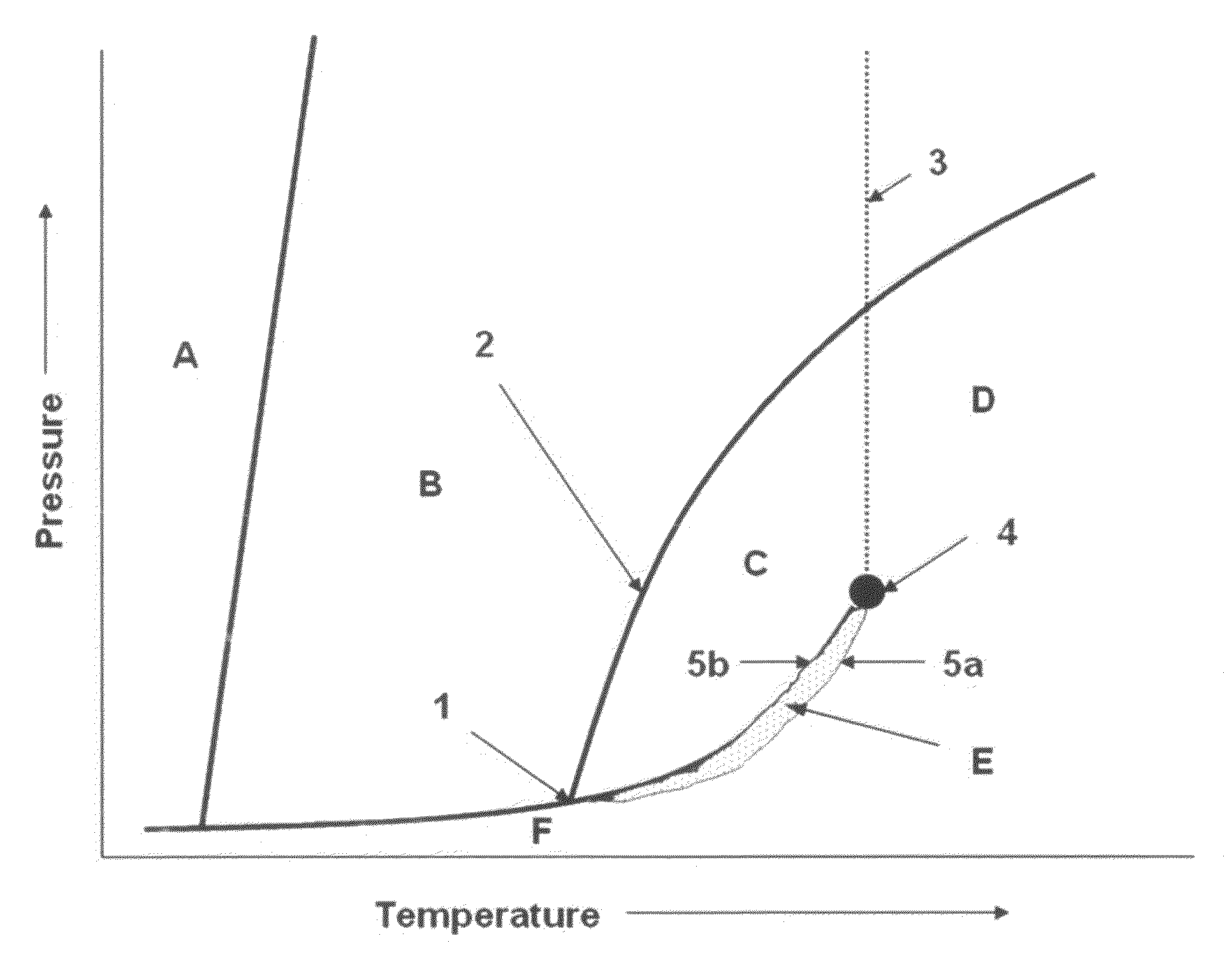
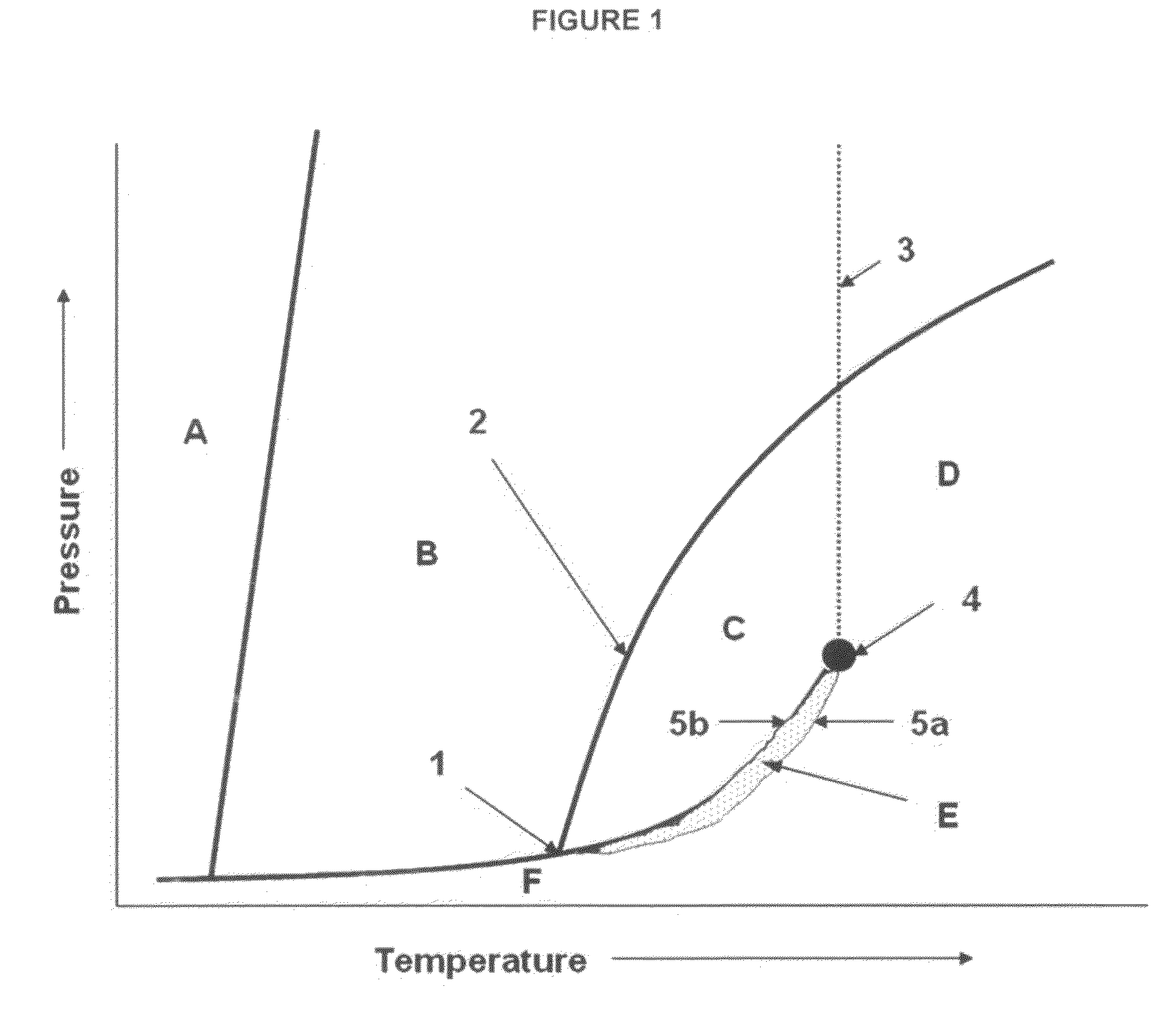
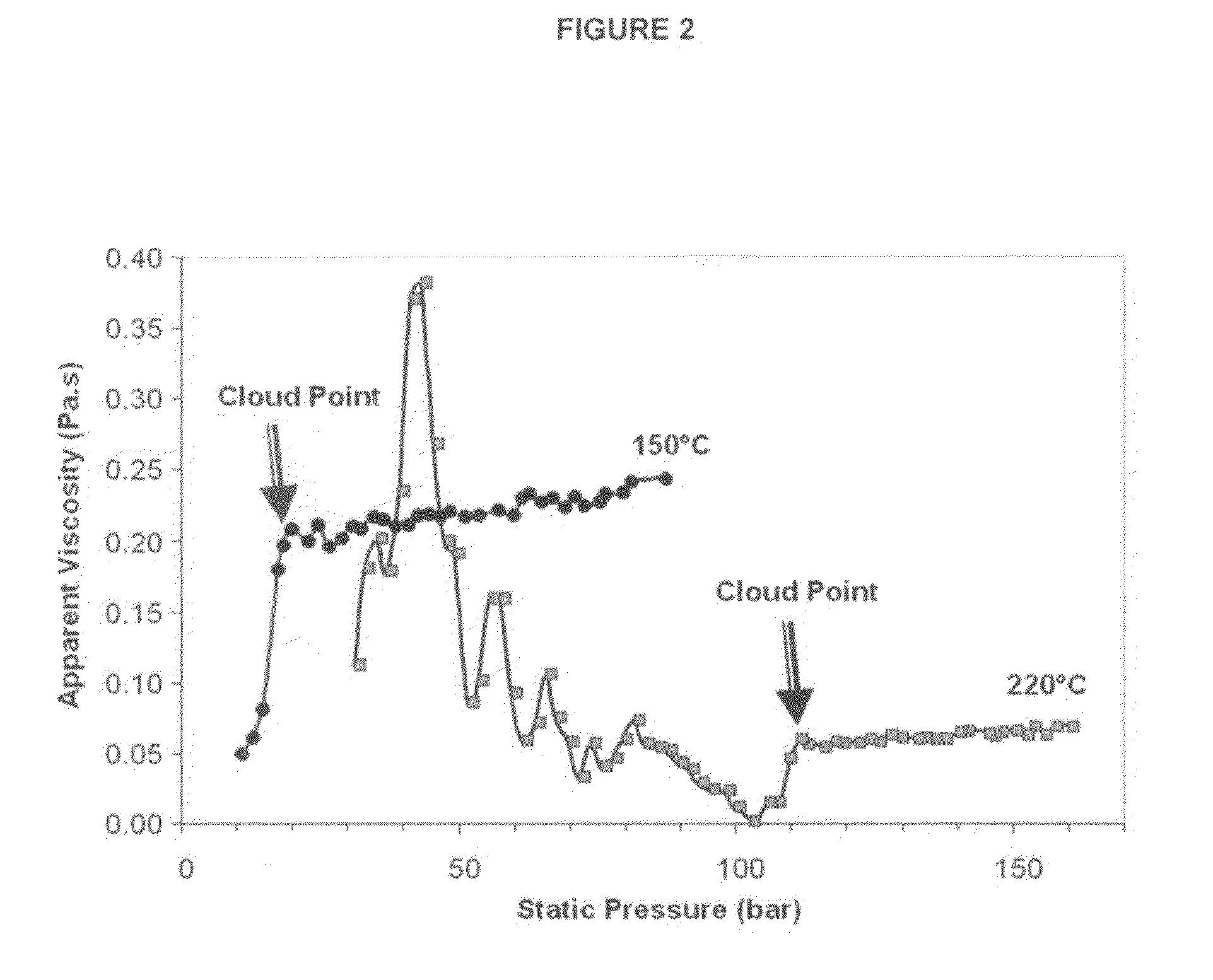
- A method involving periodic reduction of pressure at the back end of heat exchangers to induce phase separation of polymer solutions, creating a positive pressure differential that increases fluid shear stress and removes foulant material without the need for chemical cleaning agents or reactor shutdowns.

Processes and apparatus for continuous solution polymerization
PatentInactiveUS20050192416A1
Innovation
- A process and plant design that utilizes a high capacity, low viscosity pump to raise pressure to at least 75 bar, incorporates a heating arrangement with heat integration, and includes a liquid phase separator to manage phase separation, allowing for efficient recycling and hydrogen removal, enabling production of a wide range of polymers with optimized molecular weights and catalyst performance.


Environmental Impact Assessment of Polymer Electrolytes
The environmental implications of polymer electrolytes present a complex landscape of both opportunities and challenges that require comprehensive assessment throughout their lifecycle. As these materials gain prominence in energy storage applications, particularly in solid-state batteries and supercapacitors, understanding their environmental footprint becomes increasingly critical for sustainable technology development.
Manufacturing processes for polymer electrolytes typically involve synthetic polymer production, which can generate significant carbon emissions and chemical waste. The synthesis of host polymers such as polyethylene oxide (PEO), polyvinylidene fluoride (PVDF), and polyacrylonitrile (PAN) requires energy-intensive polymerization reactions and often utilizes organic solvents that pose environmental risks. Additionally, the incorporation of lithium salts and other ionic compounds introduces concerns about resource extraction and processing impacts, particularly given the limited global lithium reserves and associated mining activities.
The operational phase of polymer electrolyte systems generally demonstrates favorable environmental characteristics compared to conventional liquid electrolyte technologies. The elimination of volatile organic solvents reduces the risk of toxic vapor emissions and groundwater contamination. Furthermore, the enhanced thermal stability and reduced flammability of solid polymer electrolytes contribute to improved safety profiles, minimizing the potential for environmental incidents during device operation.
End-of-life considerations reveal both challenges and opportunities in polymer electrolyte waste management. While many polymer matrices are not readily biodegradable, emerging research focuses on developing bio-based and recyclable polymer alternatives. The recovery of valuable lithium salts and other ionic components presents economic incentives for recycling programs, though current recycling infrastructure remains limited.
Regulatory frameworks are evolving to address the environmental aspects of advanced battery technologies, with increasing emphasis on lifecycle assessments and sustainable material selection. The European Union's Battery Regulation and similar initiatives worldwide are driving manufacturers to consider environmental impacts from design through disposal phases.
Future environmental impact mitigation strategies include the development of bio-derived polymer hosts, solvent-free processing techniques, and closed-loop recycling systems. Research into water-based polymer electrolyte systems also shows promise for reducing environmental burdens while maintaining electrochemical performance standards required for commercial applications.
Manufacturing processes for polymer electrolytes typically involve synthetic polymer production, which can generate significant carbon emissions and chemical waste. The synthesis of host polymers such as polyethylene oxide (PEO), polyvinylidene fluoride (PVDF), and polyacrylonitrile (PAN) requires energy-intensive polymerization reactions and often utilizes organic solvents that pose environmental risks. Additionally, the incorporation of lithium salts and other ionic compounds introduces concerns about resource extraction and processing impacts, particularly given the limited global lithium reserves and associated mining activities.
The operational phase of polymer electrolyte systems generally demonstrates favorable environmental characteristics compared to conventional liquid electrolyte technologies. The elimination of volatile organic solvents reduces the risk of toxic vapor emissions and groundwater contamination. Furthermore, the enhanced thermal stability and reduced flammability of solid polymer electrolytes contribute to improved safety profiles, minimizing the potential for environmental incidents during device operation.
End-of-life considerations reveal both challenges and opportunities in polymer electrolyte waste management. While many polymer matrices are not readily biodegradable, emerging research focuses on developing bio-based and recyclable polymer alternatives. The recovery of valuable lithium salts and other ionic components presents economic incentives for recycling programs, though current recycling infrastructure remains limited.
Regulatory frameworks are evolving to address the environmental aspects of advanced battery technologies, with increasing emphasis on lifecycle assessments and sustainable material selection. The European Union's Battery Regulation and similar initiatives worldwide are driving manufacturers to consider environmental impacts from design through disposal phases.
Future environmental impact mitigation strategies include the development of bio-derived polymer hosts, solvent-free processing techniques, and closed-loop recycling systems. Research into water-based polymer electrolyte systems also shows promise for reducing environmental burdens while maintaining electrochemical performance standards required for commercial applications.
Manufacturing Scalability for Stable Polymer Electrolytes
Manufacturing scalability represents a critical bottleneck in transitioning stable polymer electrolyte solutions from laboratory-scale synthesis to industrial production. The prevention of phase separation becomes exponentially more challenging as production volumes increase, primarily due to the difficulty in maintaining uniform mixing conditions and precise temperature control across larger reaction vessels. Traditional batch processing methods that work effectively at small scales often fail to replicate the homogeneous conditions necessary for stable polymer-solvent interactions when scaled up to commercial production levels.
The fundamental challenge lies in achieving consistent molecular-level mixing throughout large-volume reactors. As vessel dimensions increase, mixing efficiency decreases due to longer diffusion paths and non-uniform shear rates, creating localized concentration gradients that promote phase separation. Heat transfer limitations in larger systems further exacerbate this issue, as temperature variations can trigger thermodynamically unfavorable conditions leading to polymer precipitation or gel formation.
Process engineering solutions for scalable manufacturing focus on advanced reactor designs that maintain optimal mixing characteristics. Continuous flow reactors offer superior control over residence time distribution and mixing intensity compared to traditional batch systems. These systems enable precise control of polymer concentration profiles and minimize exposure to conditions that could induce phase separation. Multi-stage mixing configurations with optimized impeller designs help achieve the high-energy input required for stable polymer dissolution at industrial scales.
Quality control systems become paramount in scaled manufacturing, requiring real-time monitoring of solution properties such as viscosity, conductivity, and optical clarity. Advanced process analytical technology enables immediate detection of phase separation onset, allowing for rapid corrective actions before product quality is compromised. Automated feedback control systems can adjust mixing speeds, temperature profiles, and feed rates to maintain optimal processing conditions.
Economic considerations significantly influence scalability decisions, as the cost of specialized equipment and energy-intensive mixing processes must be balanced against product quality requirements. The development of cost-effective stabilization strategies, including the use of processing aids and optimized solvent systems, becomes crucial for commercial viability while maintaining the prevention of phase separation throughout the manufacturing process.
The fundamental challenge lies in achieving consistent molecular-level mixing throughout large-volume reactors. As vessel dimensions increase, mixing efficiency decreases due to longer diffusion paths and non-uniform shear rates, creating localized concentration gradients that promote phase separation. Heat transfer limitations in larger systems further exacerbate this issue, as temperature variations can trigger thermodynamically unfavorable conditions leading to polymer precipitation or gel formation.
Process engineering solutions for scalable manufacturing focus on advanced reactor designs that maintain optimal mixing characteristics. Continuous flow reactors offer superior control over residence time distribution and mixing intensity compared to traditional batch systems. These systems enable precise control of polymer concentration profiles and minimize exposure to conditions that could induce phase separation. Multi-stage mixing configurations with optimized impeller designs help achieve the high-energy input required for stable polymer dissolution at industrial scales.
Quality control systems become paramount in scaled manufacturing, requiring real-time monitoring of solution properties such as viscosity, conductivity, and optical clarity. Advanced process analytical technology enables immediate detection of phase separation onset, allowing for rapid corrective actions before product quality is compromised. Automated feedback control systems can adjust mixing speeds, temperature profiles, and feed rates to maintain optimal processing conditions.
Economic considerations significantly influence scalability decisions, as the cost of specialized equipment and energy-intensive mixing processes must be balanced against product quality requirements. The development of cost-effective stabilization strategies, including the use of processing aids and optimized solvent systems, becomes crucial for commercial viability while maintaining the prevention of phase separation throughout the manufacturing process.
Unlock deeper insights with Patsnap Eureka Quick Research — get a full tech report to explore trends and direct your research. Try now!
Generate Your Research Report Instantly with AI Agent
Supercharge your innovation with Patsnap Eureka AI Agent Platform!