

Polymer Electrolytes For Augmented Storage Capacities: Key Insights
MAY 20, 20269 MIN READ
Generate Your Research Report Instantly with AI Agent
PatSnap Eureka helps you evaluate technical feasibility & market potential.
Polymer Electrolyte Development Background and Objectives
The development of polymer electrolytes represents a critical advancement in energy storage technology, emerging from the fundamental limitations of conventional liquid electrolyte systems. Traditional lithium-ion batteries, while successful in portable electronics, face significant challenges in meeting the growing demands for higher energy density, enhanced safety, and improved operational stability required for electric vehicles and grid-scale energy storage applications.
Polymer electrolytes originated in the 1970s when researchers first discovered ionic conductivity in polymer-salt complexes. This breakthrough opened new possibilities for solid-state energy storage systems that could potentially eliminate the safety hazards associated with flammable liquid electrolytes while enabling more flexible battery designs. The technology has evolved through several generations, from early polyethylene oxide-based systems to advanced composite and gel polymer electrolytes.
The primary objective of current polymer electrolyte research focuses on achieving augmented storage capacities through multiple pathways. Enhanced ionic conductivity remains paramount, with target values approaching 10^-3 S/cm at room temperature to match liquid electrolyte performance. Simultaneously, researchers aim to develop electrolytes that maintain mechanical integrity while accommodating volume changes during charge-discharge cycles, thereby enabling the use of high-capacity electrode materials such as lithium metal anodes and silicon-based cathodes.
Another crucial objective involves expanding the electrochemical stability window of polymer electrolytes to support high-voltage cathode materials, potentially reaching 5V or higher. This advancement would directly translate to increased energy density and storage capacity. Additionally, the development of polymer electrolytes with improved thermal stability and reduced flammability addresses critical safety concerns while enabling operation across wider temperature ranges.
The integration of nanotechnology and advanced polymer chemistry has opened new avenues for creating hybrid electrolyte systems that combine the benefits of solid and liquid phases. These innovations aim to overcome the traditional trade-offs between ionic conductivity and mechanical properties, ultimately enabling next-generation batteries with significantly enhanced storage capacities and operational reliability.
Polymer electrolytes originated in the 1970s when researchers first discovered ionic conductivity in polymer-salt complexes. This breakthrough opened new possibilities for solid-state energy storage systems that could potentially eliminate the safety hazards associated with flammable liquid electrolytes while enabling more flexible battery designs. The technology has evolved through several generations, from early polyethylene oxide-based systems to advanced composite and gel polymer electrolytes.
The primary objective of current polymer electrolyte research focuses on achieving augmented storage capacities through multiple pathways. Enhanced ionic conductivity remains paramount, with target values approaching 10^-3 S/cm at room temperature to match liquid electrolyte performance. Simultaneously, researchers aim to develop electrolytes that maintain mechanical integrity while accommodating volume changes during charge-discharge cycles, thereby enabling the use of high-capacity electrode materials such as lithium metal anodes and silicon-based cathodes.
Another crucial objective involves expanding the electrochemical stability window of polymer electrolytes to support high-voltage cathode materials, potentially reaching 5V or higher. This advancement would directly translate to increased energy density and storage capacity. Additionally, the development of polymer electrolytes with improved thermal stability and reduced flammability addresses critical safety concerns while enabling operation across wider temperature ranges.
The integration of nanotechnology and advanced polymer chemistry has opened new avenues for creating hybrid electrolyte systems that combine the benefits of solid and liquid phases. These innovations aim to overcome the traditional trade-offs between ionic conductivity and mechanical properties, ultimately enabling next-generation batteries with significantly enhanced storage capacities and operational reliability.
Market Demand for Enhanced Energy Storage Solutions
The global energy storage market is experiencing unprecedented growth driven by the accelerating transition toward renewable energy sources and the increasing electrification of transportation systems. Traditional lithium-ion batteries, while dominant in current applications, face inherent limitations in energy density, safety concerns, and temperature stability that create substantial market opportunities for advanced polymer electrolyte technologies.
Electric vehicle manufacturers represent the largest demand segment for enhanced energy storage solutions, as automotive companies seek to extend driving ranges beyond current limitations while reducing battery weight and volume. The aerospace industry similarly demands lightweight, high-capacity energy storage systems for both commercial aviation and emerging electric aircraft applications. Consumer electronics manufacturers continue pushing for thinner, more powerful devices, creating sustained demand for batteries with superior energy density characteristics.
Grid-scale energy storage applications present another significant market driver, as utility companies require reliable, long-duration storage systems to balance intermittent renewable energy generation. Current battery technologies struggle with the scale and duration requirements of grid applications, particularly for seasonal energy storage and peak load management scenarios.
The portable electronics sector maintains consistent demand for improved battery performance, with manufacturers seeking solutions that enable longer device operation times without compromising form factors. Wearable technology and Internet of Things devices particularly benefit from polymer electrolytes' flexibility and conformability advantages.
Safety regulations and environmental concerns increasingly influence market preferences toward solid-state and polymer-based energy storage solutions. Traditional liquid electrolytes pose fire and leakage risks that polymer alternatives can potentially eliminate, making them attractive for applications in confined spaces or high-risk environments.
Market analysis indicates that energy density improvements of even modest percentages translate to substantial competitive advantages and cost savings across multiple industries. The convergence of regulatory pressure for cleaner technologies, consumer demand for enhanced performance, and industrial requirements for safer energy storage creates a robust market foundation for polymer electrolyte innovations.
Emerging applications in medical devices, military equipment, and space exploration further expand the addressable market for advanced energy storage technologies, with each sector presenting unique performance requirements that polymer electrolytes may uniquely satisfy.
Electric vehicle manufacturers represent the largest demand segment for enhanced energy storage solutions, as automotive companies seek to extend driving ranges beyond current limitations while reducing battery weight and volume. The aerospace industry similarly demands lightweight, high-capacity energy storage systems for both commercial aviation and emerging electric aircraft applications. Consumer electronics manufacturers continue pushing for thinner, more powerful devices, creating sustained demand for batteries with superior energy density characteristics.
Grid-scale energy storage applications present another significant market driver, as utility companies require reliable, long-duration storage systems to balance intermittent renewable energy generation. Current battery technologies struggle with the scale and duration requirements of grid applications, particularly for seasonal energy storage and peak load management scenarios.
The portable electronics sector maintains consistent demand for improved battery performance, with manufacturers seeking solutions that enable longer device operation times without compromising form factors. Wearable technology and Internet of Things devices particularly benefit from polymer electrolytes' flexibility and conformability advantages.
Safety regulations and environmental concerns increasingly influence market preferences toward solid-state and polymer-based energy storage solutions. Traditional liquid electrolytes pose fire and leakage risks that polymer alternatives can potentially eliminate, making them attractive for applications in confined spaces or high-risk environments.
Market analysis indicates that energy density improvements of even modest percentages translate to substantial competitive advantages and cost savings across multiple industries. The convergence of regulatory pressure for cleaner technologies, consumer demand for enhanced performance, and industrial requirements for safer energy storage creates a robust market foundation for polymer electrolyte innovations.
Emerging applications in medical devices, military equipment, and space exploration further expand the addressable market for advanced energy storage technologies, with each sector presenting unique performance requirements that polymer electrolytes may uniquely satisfy.
Current Status and Challenges in Polymer Electrolyte Tech
Polymer electrolytes have emerged as a critical component in next-generation energy storage systems, particularly for applications requiring enhanced safety, flexibility, and energy density. Currently, the field encompasses three primary categories: solid polymer electrolytes (SPEs), gel polymer electrolytes (GPEs), and composite polymer electrolytes (CPEs). Each category presents distinct advantages and limitations that influence their commercial viability and application scope.
Solid polymer electrolytes, primarily based on polyethylene oxide (PEO) and its derivatives, offer excellent mechanical stability and safety characteristics by eliminating liquid components. However, their ionic conductivity remains significantly lower than liquid electrolytes, typically ranging from 10^-6 to 10^-4 S/cm at room temperature, which constrains their practical implementation in high-performance applications.
Gel polymer electrolytes represent a compromise approach, incorporating liquid electrolytes within polymer matrices to achieve improved ionic conductivity while maintaining structural integrity. These systems can achieve conductivities approaching 10^-3 S/cm, but face challenges related to long-term stability and potential electrolyte leakage under extreme conditions.
The most significant technical challenge confronting polymer electrolyte development is the fundamental trade-off between ionic conductivity and mechanical properties. Achieving high ionic conductivity typically requires increased polymer chain mobility, which often compromises mechanical strength and dimensional stability. This relationship creates a performance ceiling that current materials struggle to overcome.
Interfacial compatibility represents another critical challenge, particularly in solid-state configurations. Poor interfacial contact between polymer electrolytes and electrode materials leads to increased interfacial resistance, limiting charge transfer efficiency and overall cell performance. The formation of interfacial layers during cycling further exacerbates these issues, contributing to capacity fade and reduced cycle life.
Temperature sensitivity poses additional constraints, as most polymer electrolytes exhibit poor performance at low temperatures due to reduced polymer chain mobility. This limitation significantly restricts their application in automotive and aerospace sectors where wide operating temperature ranges are essential.
Manufacturing scalability remains a practical challenge, with many promising laboratory-scale polymer electrolyte formulations proving difficult to produce consistently at industrial scales. Process optimization for large-scale production while maintaining material properties represents a significant hurdle for commercial adoption.
Current research efforts focus on addressing these challenges through various approaches, including the development of single-ion conducting polymers, incorporation of ceramic fillers to create composite systems, and exploration of novel polymer architectures with enhanced ionic transport properties.
Solid polymer electrolytes, primarily based on polyethylene oxide (PEO) and its derivatives, offer excellent mechanical stability and safety characteristics by eliminating liquid components. However, their ionic conductivity remains significantly lower than liquid electrolytes, typically ranging from 10^-6 to 10^-4 S/cm at room temperature, which constrains their practical implementation in high-performance applications.
Gel polymer electrolytes represent a compromise approach, incorporating liquid electrolytes within polymer matrices to achieve improved ionic conductivity while maintaining structural integrity. These systems can achieve conductivities approaching 10^-3 S/cm, but face challenges related to long-term stability and potential electrolyte leakage under extreme conditions.
The most significant technical challenge confronting polymer electrolyte development is the fundamental trade-off between ionic conductivity and mechanical properties. Achieving high ionic conductivity typically requires increased polymer chain mobility, which often compromises mechanical strength and dimensional stability. This relationship creates a performance ceiling that current materials struggle to overcome.
Interfacial compatibility represents another critical challenge, particularly in solid-state configurations. Poor interfacial contact between polymer electrolytes and electrode materials leads to increased interfacial resistance, limiting charge transfer efficiency and overall cell performance. The formation of interfacial layers during cycling further exacerbates these issues, contributing to capacity fade and reduced cycle life.
Temperature sensitivity poses additional constraints, as most polymer electrolytes exhibit poor performance at low temperatures due to reduced polymer chain mobility. This limitation significantly restricts their application in automotive and aerospace sectors where wide operating temperature ranges are essential.
Manufacturing scalability remains a practical challenge, with many promising laboratory-scale polymer electrolyte formulations proving difficult to produce consistently at industrial scales. Process optimization for large-scale production while maintaining material properties represents a significant hurdle for commercial adoption.
Current research efforts focus on addressing these challenges through various approaches, including the development of single-ion conducting polymers, incorporation of ceramic fillers to create composite systems, and exploration of novel polymer architectures with enhanced ionic transport properties.
Current Polymer Electrolyte Solutions
01 Polymer matrix composition and ionic conductivity enhancement
Development of polymer electrolyte systems with optimized polymer matrices to enhance ionic conductivity and storage capacity. These systems focus on creating polymer networks that facilitate efficient ion transport while maintaining structural integrity. The polymer composition is designed to maximize the mobility of charge carriers and improve overall electrochemical performance in energy storage applications.- Solid polymer electrolyte compositions for enhanced storage capacity: Development of solid polymer electrolyte materials with improved ionic conductivity and electrochemical stability to increase energy storage capacity. These compositions typically involve polymer matrices with optimized salt concentrations and additives that enhance ion transport while maintaining structural integrity during charge-discharge cycles.
- Gel polymer electrolytes with high capacity retention: Formulation of gel-type polymer electrolytes that combine the advantages of liquid and solid electrolytes to achieve superior storage capacity. These systems utilize polymer networks swollen with liquid electrolytes to provide high ionic conductivity while maintaining dimensional stability and safety characteristics.
- Composite polymer electrolytes for improved energy density: Integration of inorganic fillers or nanoparticles into polymer electrolyte matrices to enhance storage capacity and performance. These composite systems leverage the synergistic effects between organic polymers and inorganic components to achieve higher energy density and better electrochemical properties.
- Cross-linked polymer networks for capacity optimization: Development of cross-linked polymer electrolyte systems designed to optimize storage capacity through controlled network architecture. These materials feature engineered polymer chains that provide enhanced mechanical properties and ionic transport pathways while preventing electrolyte degradation during extended cycling.
- Advanced polymer electrolyte additives for capacity enhancement: Incorporation of specialized additives and dopants into polymer electrolyte systems to boost storage capacity and cycling performance. These formulations include plasticizers, ionic liquids, and other functional components that improve electrolyte properties and enable higher energy storage capabilities.
02 Solid-state electrolyte formulations for high-capacity batteries
Solid polymer electrolyte compositions specifically designed for high-capacity energy storage systems. These formulations eliminate the need for liquid electrolytes while providing superior storage capabilities. The solid-state approach offers enhanced safety, thermal stability, and energy density compared to conventional liquid electrolyte systems.Expand Specific Solutions03 Nanocomposite polymer electrolytes with enhanced performance
Integration of nanomaterials into polymer electrolyte systems to significantly improve storage capacity and performance characteristics. These nanocomposite approaches utilize various nanoparticles and nanostructures to create enhanced pathways for ion conduction and increase the overall energy storage capability of the electrolyte system.Expand Specific Solutions04 Temperature-stable polymer electrolyte systems
Development of polymer electrolyte compositions that maintain high storage capacity across wide temperature ranges. These systems are engineered to provide consistent performance under varying thermal conditions while preserving their electrochemical properties. The temperature stability ensures reliable operation in diverse environmental conditions.Expand Specific Solutions05 Flexible and stretchable polymer electrolyte architectures
Design of flexible polymer electrolyte systems that maintain storage capacity while providing mechanical flexibility and stretchability. These architectures enable the development of bendable and conformable energy storage devices without compromising electrochemical performance. The flexible nature allows for integration into various form factors and applications.Expand Specific Solutions
Major Players in Polymer Electrolyte Industry
The polymer electrolyte research field for augmented storage capacities represents a rapidly evolving sector within the broader energy storage industry, currently in its growth phase with significant technological advancement opportunities. The market demonstrates substantial potential driven by increasing demand for high-performance batteries in electric vehicles, consumer electronics, and grid storage applications. Technology maturity varies considerably across different approaches, with established players like Samsung SDI, Toyota Motor Corp., and Panasonic demonstrating advanced commercial capabilities in battery technologies, while specialized companies such as Solvionic SA and New Dominion Enterprises focus on innovative electrolyte solutions. Research institutions including Nanyang Technological University, Sun Yat-Sen University, and Georgia Tech Research Corp. contribute fundamental breakthroughs, indicating strong academic-industry collaboration. The competitive landscape shows a mix of mature industrial giants and emerging technology developers, suggesting the field is transitioning from research-intensive to commercially viable applications.
Samsung SDI Co., Ltd.
Technical Solution: Samsung SDI has developed advanced solid-state polymer electrolytes for next-generation batteries, focusing on poly(ethylene oxide) (PEO) based systems with ceramic fillers to enhance ionic conductivity and mechanical stability. Their polymer electrolyte technology incorporates lithium salt complexes with optimized molecular weight distributions, achieving ionic conductivities exceeding 10^-4 S/cm at room temperature. The company has successfully integrated these electrolytes into all-solid-state battery cells, demonstrating improved energy density up to 900 Wh/L and enhanced safety characteristics through elimination of flammable liquid electrolytes. Their manufacturing process utilizes roll-to-roll coating techniques for scalable production of thin polymer electrolyte membranes.
Strengths: Strong manufacturing capabilities and proven scalability for mass production. Weaknesses: Limited ionic conductivity at room temperature compared to liquid electrolytes, requiring elevated operating temperatures for optimal performance.
Panasonic Intellectual Property Management Co. Ltd.
Technical Solution: Panasonic has developed innovative gel polymer electrolytes combining poly(vinylidene fluoride) (PVDF) matrices with ionic liquid additives to achieve enhanced storage capacities in lithium-ion systems. Their technology utilizes cross-linked polymer networks with optimized porosity to retain liquid electrolyte components while providing mechanical stability. The company's polymer electrolyte formulations incorporate flame-retardant additives and demonstrate ionic conductivities approaching 10^-3 S/cm at ambient conditions. Panasonic has successfully implemented these electrolytes in high-capacity cylindrical cells, achieving energy densities exceeding 800 Wh/L with improved cycle life performance. Their manufacturing process enables continuous production of polymer electrolyte films with precise thickness control and uniform ionic distribution.
Strengths: Proven commercial implementation in high-volume battery production with excellent cycle life performance. Weaknesses: Gel-based systems still contain some liquid components, limiting high-temperature applications and safety improvements.
Core Polymer Electrolyte Innovation Analysis
A polymer electrolyte
PatentWO2022136630A1
Innovation
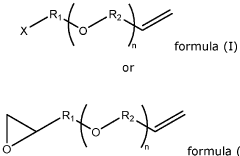
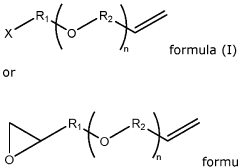
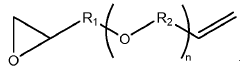
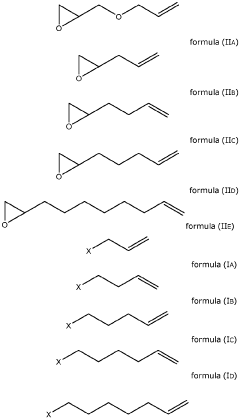
- A polymer electrolyte is developed by reacting a polyether polymer with at least 70% oxyethylene units and a polysiloxane compound, where the polysiloxane is grafted to the polymer through a hydrosilylation reaction, reducing capacity leakage and enhancing ionic conductivity.
Polymer electrolytes based on poly(glycidyl ether)s
PatentInactiveUS20120326073A1
Innovation
- A polymer electrolyte composition comprising a metal salt and a poly(glycidyl ether) that is amorphous at ambient temperature, blended with other polymers or ionic liquids to enhance ionic conductivity, offering a structure that inhibits crystallization and promotes lithium ion mobility.


Safety Standards for Polymer Electrolyte Applications
The development of comprehensive safety standards for polymer electrolyte applications represents a critical foundation for the widespread adoption of advanced energy storage systems. As polymer electrolytes gain prominence in next-generation batteries, supercapacitors, and hybrid storage devices, establishing robust safety frameworks becomes paramount to ensure reliable commercial deployment and consumer protection.
Current safety standards for polymer electrolytes primarily focus on thermal stability, electrochemical compatibility, and mechanical integrity under various operating conditions. International organizations such as IEC, UL, and IEEE have begun incorporating polymer-specific testing protocols into existing battery safety standards, though dedicated frameworks remain in early development stages. These standards typically address temperature cycling, overcharge protection, short-circuit resistance, and fire propagation characteristics specific to polymer-based systems.
Thermal management standards constitute a fundamental aspect of polymer electrolyte safety protocols. Unlike traditional liquid electrolytes, polymer systems exhibit unique thermal behaviors that require specialized testing methodologies. Standards must account for glass transition temperatures, thermal runaway characteristics, and degradation pathways that differ significantly from conventional electrolyte systems. Testing protocols now include extended temperature cycling, accelerated aging under thermal stress, and evaluation of thermal conductivity properties.
Mechanical safety standards address the flexible nature of many polymer electrolytes, particularly in applications involving bendable or stretchable energy storage devices. These standards encompass puncture resistance, compression testing, and evaluation of electrolyte integrity under mechanical deformation. Standardized testing procedures must account for the viscoelastic properties of polymer materials and their response to various mechanical stresses over extended operational periods.
Chemical compatibility and environmental safety standards focus on the long-term stability of polymer electrolytes in diverse operating environments. These protocols evaluate resistance to moisture ingress, chemical degradation under various atmospheric conditions, and potential toxic emissions during normal operation or failure modes. Standards also address proper disposal methods and recycling protocols for polymer electrolyte systems.
Emerging safety standards increasingly emphasize system-level integration requirements, addressing how polymer electrolytes interact with other battery components including electrodes, separators, and packaging materials. These comprehensive approaches ensure that safety considerations extend beyond individual component performance to encompass entire energy storage system behavior under both normal and abnormal operating conditions.
Current safety standards for polymer electrolytes primarily focus on thermal stability, electrochemical compatibility, and mechanical integrity under various operating conditions. International organizations such as IEC, UL, and IEEE have begun incorporating polymer-specific testing protocols into existing battery safety standards, though dedicated frameworks remain in early development stages. These standards typically address temperature cycling, overcharge protection, short-circuit resistance, and fire propagation characteristics specific to polymer-based systems.
Thermal management standards constitute a fundamental aspect of polymer electrolyte safety protocols. Unlike traditional liquid electrolytes, polymer systems exhibit unique thermal behaviors that require specialized testing methodologies. Standards must account for glass transition temperatures, thermal runaway characteristics, and degradation pathways that differ significantly from conventional electrolyte systems. Testing protocols now include extended temperature cycling, accelerated aging under thermal stress, and evaluation of thermal conductivity properties.
Mechanical safety standards address the flexible nature of many polymer electrolytes, particularly in applications involving bendable or stretchable energy storage devices. These standards encompass puncture resistance, compression testing, and evaluation of electrolyte integrity under mechanical deformation. Standardized testing procedures must account for the viscoelastic properties of polymer materials and their response to various mechanical stresses over extended operational periods.
Chemical compatibility and environmental safety standards focus on the long-term stability of polymer electrolytes in diverse operating environments. These protocols evaluate resistance to moisture ingress, chemical degradation under various atmospheric conditions, and potential toxic emissions during normal operation or failure modes. Standards also address proper disposal methods and recycling protocols for polymer electrolyte systems.
Emerging safety standards increasingly emphasize system-level integration requirements, addressing how polymer electrolytes interact with other battery components including electrodes, separators, and packaging materials. These comprehensive approaches ensure that safety considerations extend beyond individual component performance to encompass entire energy storage system behavior under both normal and abnormal operating conditions.
Environmental Impact of Polymer Electrolyte Manufacturing
The manufacturing of polymer electrolytes for energy storage applications presents significant environmental considerations that must be carefully evaluated throughout the production lifecycle. Traditional polymer electrolyte synthesis involves multiple chemical processes that can generate substantial environmental impacts, particularly through solvent usage, energy consumption, and waste generation.
Solvent-based manufacturing processes represent one of the primary environmental concerns in polymer electrolyte production. Many conventional synthesis methods rely heavily on organic solvents such as dimethylformamide, acetonitrile, and various chlorinated compounds. These solvents not only pose direct environmental risks through potential emissions and waste streams but also require energy-intensive recovery and purification processes. The volatility of these compounds contributes to air quality concerns, while improper disposal can lead to soil and groundwater contamination.
Energy consumption during polymer electrolyte manufacturing constitutes another critical environmental factor. The synthesis processes typically require elevated temperatures, extended reaction times, and multiple purification steps, all of which demand substantial energy inputs. Additionally, the production of raw materials, including lithium salts, polymer matrices, and various additives, involves energy-intensive upstream processes that contribute to the overall carbon footprint of the final product.
Waste generation and byproduct management present ongoing challenges in polymer electrolyte manufacturing. Chemical synthesis processes often produce unwanted byproducts, unreacted starting materials, and contaminated solvents that require proper treatment and disposal. The complexity of polymer structures can make recycling and reprocessing difficult, potentially leading to increased waste streams compared to simpler chemical products.
Recent developments in green chemistry approaches are beginning to address these environmental concerns. Water-based synthesis methods, solvent-free polymerization techniques, and the use of renewable feedstocks are emerging as promising alternatives. Additionally, process intensification strategies, including microreactor technologies and continuous flow processes, offer potential pathways to reduce energy consumption and waste generation while improving overall manufacturing efficiency and environmental performance.
Solvent-based manufacturing processes represent one of the primary environmental concerns in polymer electrolyte production. Many conventional synthesis methods rely heavily on organic solvents such as dimethylformamide, acetonitrile, and various chlorinated compounds. These solvents not only pose direct environmental risks through potential emissions and waste streams but also require energy-intensive recovery and purification processes. The volatility of these compounds contributes to air quality concerns, while improper disposal can lead to soil and groundwater contamination.
Energy consumption during polymer electrolyte manufacturing constitutes another critical environmental factor. The synthesis processes typically require elevated temperatures, extended reaction times, and multiple purification steps, all of which demand substantial energy inputs. Additionally, the production of raw materials, including lithium salts, polymer matrices, and various additives, involves energy-intensive upstream processes that contribute to the overall carbon footprint of the final product.
Waste generation and byproduct management present ongoing challenges in polymer electrolyte manufacturing. Chemical synthesis processes often produce unwanted byproducts, unreacted starting materials, and contaminated solvents that require proper treatment and disposal. The complexity of polymer structures can make recycling and reprocessing difficult, potentially leading to increased waste streams compared to simpler chemical products.
Recent developments in green chemistry approaches are beginning to address these environmental concerns. Water-based synthesis methods, solvent-free polymerization techniques, and the use of renewable feedstocks are emerging as promising alternatives. Additionally, process intensification strategies, including microreactor technologies and continuous flow processes, offer potential pathways to reduce energy consumption and waste generation while improving overall manufacturing efficiency and environmental performance.
Unlock deeper insights with PatSnap Eureka Quick Research — get a full tech report to explore trends and direct your research. Try now!
Generate Your Research Report Instantly with AI Agent
Supercharge your innovation with PatSnap Eureka AI Agent Platform!