

How to Reduce Persistent Memory Leakages During Continuous Operations
MAY 13, 20269 MIN READ
Generate Your Research Report Instantly with AI Agent
PatSnap Eureka helps you evaluate technical feasibility & market potential.
Memory Leak Background and Objectives
Memory leaks represent one of the most persistent and challenging issues in modern software systems, particularly those designed for continuous operation. These leaks occur when applications allocate memory resources but fail to properly release them after use, leading to gradual memory consumption that accumulates over time. In enterprise environments where systems must maintain uptime measured in months or years, even minor memory leaks can eventually consume all available system memory, resulting in performance degradation, system crashes, and service interruptions.
The evolution of memory management has progressed through several distinct phases, beginning with manual memory allocation in early programming languages like C and C++, where developers bore complete responsibility for memory lifecycle management. The introduction of garbage collection in languages such as Java and C# significantly reduced memory leak occurrences but did not eliminate them entirely. Modern containerized and cloud-native applications have introduced new complexities, where memory leaks can cascade across distributed systems and impact resource allocation at scale.
Contemporary software architectures face unprecedented challenges in memory management due to increased system complexity, microservices proliferation, and the demand for always-on availability. Long-running applications, particularly those handling streaming data, real-time analytics, or maintaining persistent connections, are especially vulnerable to memory leak accumulation. The shift toward DevOps practices and continuous deployment has further emphasized the need for robust memory management strategies that can maintain system stability across frequent updates and extended operational periods.
Current technological trends indicate a growing emphasis on proactive memory leak detection and prevention rather than reactive troubleshooting. The integration of artificial intelligence and machine learning techniques into memory management systems represents a significant advancement, enabling predictive analysis of memory usage patterns and automated leak detection. Additionally, the development of more sophisticated profiling tools and runtime monitoring solutions has enhanced the ability to identify and address memory leaks in production environments.
The primary objective of addressing persistent memory leakages centers on achieving sustainable system performance during extended operational periods. This involves developing comprehensive strategies that encompass prevention, early detection, and automated remediation of memory leaks before they impact system functionality. The goal extends beyond simple leak detection to creating self-healing systems capable of maintaining optimal memory utilization patterns throughout their operational lifecycle, ultimately ensuring system reliability and reducing operational overhead in enterprise environments.
The evolution of memory management has progressed through several distinct phases, beginning with manual memory allocation in early programming languages like C and C++, where developers bore complete responsibility for memory lifecycle management. The introduction of garbage collection in languages such as Java and C# significantly reduced memory leak occurrences but did not eliminate them entirely. Modern containerized and cloud-native applications have introduced new complexities, where memory leaks can cascade across distributed systems and impact resource allocation at scale.
Contemporary software architectures face unprecedented challenges in memory management due to increased system complexity, microservices proliferation, and the demand for always-on availability. Long-running applications, particularly those handling streaming data, real-time analytics, or maintaining persistent connections, are especially vulnerable to memory leak accumulation. The shift toward DevOps practices and continuous deployment has further emphasized the need for robust memory management strategies that can maintain system stability across frequent updates and extended operational periods.
Current technological trends indicate a growing emphasis on proactive memory leak detection and prevention rather than reactive troubleshooting. The integration of artificial intelligence and machine learning techniques into memory management systems represents a significant advancement, enabling predictive analysis of memory usage patterns and automated leak detection. Additionally, the development of more sophisticated profiling tools and runtime monitoring solutions has enhanced the ability to identify and address memory leaks in production environments.
The primary objective of addressing persistent memory leakages centers on achieving sustainable system performance during extended operational periods. This involves developing comprehensive strategies that encompass prevention, early detection, and automated remediation of memory leaks before they impact system functionality. The goal extends beyond simple leak detection to creating self-healing systems capable of maintaining optimal memory utilization patterns throughout their operational lifecycle, ultimately ensuring system reliability and reducing operational overhead in enterprise environments.
Market Demand for Reliable Continuous Systems
The global market for reliable continuous systems has experienced unprecedented growth driven by the digital transformation across industries and the increasing reliance on always-on computing infrastructure. Organizations worldwide are demanding systems that can operate without interruption for extended periods, making memory leak mitigation a critical technical requirement rather than an optional enhancement.
Enterprise data centers represent the largest segment of this market demand, where continuous operations are essential for maintaining service level agreements and avoiding costly downtime. Cloud service providers, financial institutions, telecommunications companies, and e-commerce platforms require systems that can run for months or years without restart cycles. Memory leakages in these environments directly translate to service degradation, unexpected system failures, and significant revenue losses.
The industrial automation sector has emerged as another major driver of demand for leak-resistant continuous systems. Manufacturing plants, power generation facilities, and transportation networks rely on embedded systems and industrial computers that must operate reliably for extended periods. Memory leaks in these environments can lead to production line shutdowns, safety incidents, and substantial operational disruptions.
Healthcare and medical device industries present unique market requirements where continuous system reliability is often a matter of life and death. Medical monitoring equipment, hospital information systems, and diagnostic devices must maintain consistent performance over long operational periods. Memory leak-related failures in these applications can compromise patient safety and regulatory compliance.
The automotive industry's transition toward connected and autonomous vehicles has created substantial demand for memory-efficient continuous systems. Vehicle control units, infotainment systems, and autonomous driving platforms must operate reliably throughout the vehicle's operational lifetime without memory-related degradation.
Market research indicates that organizations are increasingly willing to invest in advanced memory management solutions and leak detection technologies. The total cost of ownership calculations now heavily factor in the expenses associated with system downtime, maintenance windows, and performance degradation caused by memory leaks.
Emerging technologies such as edge computing, Internet of Things deployments, and real-time analytics platforms are further expanding the market demand. These applications often operate in resource-constrained environments where efficient memory utilization is crucial for sustained performance.
The market trend shows a clear shift from reactive memory leak remediation to proactive prevention strategies, driving demand for sophisticated monitoring tools, automated leak detection systems, and memory-efficient software architectures that can support truly continuous operations.
Enterprise data centers represent the largest segment of this market demand, where continuous operations are essential for maintaining service level agreements and avoiding costly downtime. Cloud service providers, financial institutions, telecommunications companies, and e-commerce platforms require systems that can run for months or years without restart cycles. Memory leakages in these environments directly translate to service degradation, unexpected system failures, and significant revenue losses.
The industrial automation sector has emerged as another major driver of demand for leak-resistant continuous systems. Manufacturing plants, power generation facilities, and transportation networks rely on embedded systems and industrial computers that must operate reliably for extended periods. Memory leaks in these environments can lead to production line shutdowns, safety incidents, and substantial operational disruptions.
Healthcare and medical device industries present unique market requirements where continuous system reliability is often a matter of life and death. Medical monitoring equipment, hospital information systems, and diagnostic devices must maintain consistent performance over long operational periods. Memory leak-related failures in these applications can compromise patient safety and regulatory compliance.
The automotive industry's transition toward connected and autonomous vehicles has created substantial demand for memory-efficient continuous systems. Vehicle control units, infotainment systems, and autonomous driving platforms must operate reliably throughout the vehicle's operational lifetime without memory-related degradation.
Market research indicates that organizations are increasingly willing to invest in advanced memory management solutions and leak detection technologies. The total cost of ownership calculations now heavily factor in the expenses associated with system downtime, maintenance windows, and performance degradation caused by memory leaks.
Emerging technologies such as edge computing, Internet of Things deployments, and real-time analytics platforms are further expanding the market demand. These applications often operate in resource-constrained environments where efficient memory utilization is crucial for sustained performance.
The market trend shows a clear shift from reactive memory leak remediation to proactive prevention strategies, driving demand for sophisticated monitoring tools, automated leak detection systems, and memory-efficient software architectures that can support truly continuous operations.
Current Memory Management Challenges in Long-Running Apps
Long-running applications face increasingly complex memory management challenges that significantly impact system stability and performance. These applications, which operate continuously for extended periods without restart cycles, encounter unique memory-related issues that differ substantially from traditional short-lived programs. The persistent nature of their operation amplifies minor memory inefficiencies into critical system bottlenecks over time.
Memory fragmentation represents one of the most pervasive challenges in continuous operations. As applications repeatedly allocate and deallocate memory blocks of varying sizes, the heap becomes fragmented with unusable gaps between allocated regions. This fragmentation reduces available contiguous memory space and forces the system to perform expensive compaction operations or resort to less efficient allocation strategies.
Reference management complexity escalates dramatically in long-running environments. Circular references, weak reference handling, and complex object hierarchies create scenarios where memory remains allocated despite being functionally unreachable. Modern programming languages with garbage collection mechanisms struggle with these intricate reference patterns, leading to memory accumulation that persists across multiple collection cycles.
Cache and buffer management presents another significant challenge. Long-running applications often implement sophisticated caching mechanisms to improve performance, but these caches can grow unbounded without proper eviction policies. Buffer pools, connection pools, and data caches may retain references to objects far beyond their useful lifetime, creating persistent memory drains that compound over operational time.
Third-party library integration introduces additional complexity layers. External libraries may implement their own memory management strategies that conflict with the host application's approach. Memory allocated by native libraries, database drivers, or communication frameworks often operates outside the primary application's garbage collection scope, creating potential leak sources that are difficult to monitor and control.
Event-driven architectures common in long-running applications create unique memory pressure scenarios. Event listeners, callback registrations, and asynchronous operation handlers can accumulate over time if not properly managed. These components often maintain references to application state or user data, preventing garbage collection of otherwise unused objects.
Resource cleanup timing becomes critical in continuous operations. Unlike batch applications that can rely on process termination for resource cleanup, long-running applications must implement explicit cleanup mechanisms for file handles, network connections, and system resources. Failure to properly release these resources leads to both memory leaks and system resource exhaustion.
Memory fragmentation represents one of the most pervasive challenges in continuous operations. As applications repeatedly allocate and deallocate memory blocks of varying sizes, the heap becomes fragmented with unusable gaps between allocated regions. This fragmentation reduces available contiguous memory space and forces the system to perform expensive compaction operations or resort to less efficient allocation strategies.
Reference management complexity escalates dramatically in long-running environments. Circular references, weak reference handling, and complex object hierarchies create scenarios where memory remains allocated despite being functionally unreachable. Modern programming languages with garbage collection mechanisms struggle with these intricate reference patterns, leading to memory accumulation that persists across multiple collection cycles.
Cache and buffer management presents another significant challenge. Long-running applications often implement sophisticated caching mechanisms to improve performance, but these caches can grow unbounded without proper eviction policies. Buffer pools, connection pools, and data caches may retain references to objects far beyond their useful lifetime, creating persistent memory drains that compound over operational time.
Third-party library integration introduces additional complexity layers. External libraries may implement their own memory management strategies that conflict with the host application's approach. Memory allocated by native libraries, database drivers, or communication frameworks often operates outside the primary application's garbage collection scope, creating potential leak sources that are difficult to monitor and control.
Event-driven architectures common in long-running applications create unique memory pressure scenarios. Event listeners, callback registrations, and asynchronous operation handlers can accumulate over time if not properly managed. These components often maintain references to application state or user data, preventing garbage collection of otherwise unused objects.
Resource cleanup timing becomes critical in continuous operations. Unlike batch applications that can rely on process termination for resource cleanup, long-running applications must implement explicit cleanup mechanisms for file handles, network connections, and system resources. Failure to properly release these resources leads to both memory leaks and system resource exhaustion.
Existing Memory Leak Detection and Prevention Solutions
01 Memory leak detection and monitoring mechanisms
Systems and methods for detecting and monitoring memory leaks in persistent memory environments through automated tracking, analysis, and reporting mechanisms. These approaches involve continuous monitoring of memory allocation patterns, identifying unreferenced memory blocks, and providing real-time alerts when potential leaks are detected.- Memory leak detection and monitoring mechanisms: Systems and methods for detecting and monitoring memory leaks in persistent memory environments through automated tracking, analysis tools, and runtime monitoring capabilities. These mechanisms can identify memory allocation patterns, track unreferenced memory blocks, and provide alerts when potential leaks are detected in persistent memory systems.
- Garbage collection and automatic memory management: Techniques for implementing garbage collection algorithms and automatic memory management specifically designed for persistent memory architectures. These approaches help prevent memory leaks by automatically reclaiming unused memory blocks, managing object lifecycles, and optimizing memory allocation patterns in persistent storage environments.
- Memory allocation and deallocation optimization: Methods for optimizing memory allocation and deallocation processes in persistent memory systems to minimize leak occurrences. These techniques include improved memory pool management, enhanced allocation tracking, and sophisticated deallocation strategies that ensure proper cleanup of memory resources.
- Error handling and recovery mechanisms: Systems for handling errors and implementing recovery mechanisms when memory leaks occur in persistent memory environments. These solutions provide fault tolerance, error correction capabilities, and recovery procedures to maintain system stability and prevent data loss when memory management issues arise.
- Memory consistency and synchronization protocols: Protocols and methods for maintaining memory consistency and implementing synchronization mechanisms in persistent memory systems to prevent leaks caused by concurrent access issues. These approaches ensure proper coordination between multiple processes accessing persistent memory and maintain data integrity during memory operations.
02 Garbage collection optimization for persistent memory
Advanced garbage collection techniques specifically designed for persistent memory systems to prevent memory leaks and improve performance. These methods include adaptive collection algorithms, reference tracking mechanisms, and automated cleanup processes that efficiently manage memory resources while maintaining data persistence.Expand Specific Solutions03 Memory allocation and deallocation management
Techniques for proper memory allocation and deallocation in persistent memory systems to prevent leaks through structured memory management protocols. These approaches include smart pointer implementations, automatic memory management systems, and controlled allocation strategies that ensure proper cleanup of unused memory blocks.Expand Specific Solutions04 Runtime memory leak prevention and recovery
Runtime systems that actively prevent memory leaks through proactive monitoring and automatic recovery mechanisms. These solutions implement real-time memory usage analysis, predictive leak detection algorithms, and automatic memory reclamation processes that operate during system execution without interrupting normal operations.Expand Specific Solutions05 Persistent memory consistency and error handling
Methods for maintaining memory consistency and handling errors that could lead to memory leaks in persistent storage systems. These techniques include transaction-based memory operations, crash recovery mechanisms, and consistency protocols that ensure proper memory state management even during system failures or unexpected shutdowns.Expand Specific Solutions
Key Players in Memory Profiling and Management Tools
The persistent memory leakage reduction technology operates in a mature market characterized by intense competition among established semiconductor and technology giants. Major players including Intel, Samsung Electronics, Qualcomm, and Taiwan Semiconductor Manufacturing demonstrate advanced technical capabilities through their extensive memory management solutions and system-on-chip designs. Companies like Nanya Technology, Macronix International, and Renesas Electronics contribute specialized memory technologies, while telecommunications leaders such as Huawei, ZTE, and China Mobile drive demand through continuous operations requirements. The market exhibits significant scale with billions in combined revenue from these participants. Technology maturity varies across segments, with established memory manufacturers like Samsung and Intel leading in hardware solutions, while software-focused companies including CA Technologies and emerging Chinese firms like Douyin Vision represent evolving approaches to memory optimization and leak prevention in distributed systems.
QUALCOMM, Inc.
Technical Solution: Qualcomm has implemented memory leak prevention through their Snapdragon platforms using a combination of hardware memory protection units and software-based leak detection algorithms. Their solution includes real-time memory profiling capabilities integrated into the Adreno GPU and Hexagon DSP architectures, enabling continuous monitoring of memory usage patterns. Qualcomm's approach leverages machine learning algorithms to predict memory allocation behaviors and proactively manage memory resources to prevent leaks during extended operation periods. The platform also includes automated memory defragmentation and garbage collection optimization specifically designed for mobile and IoT continuous operation scenarios.
Strengths: Mobile-optimized solutions, integrated AI capabilities, power-efficient implementation. Weaknesses: Platform-specific limitations, primarily mobile-focused, limited applicability to server environments.
Huawei Technologies Co., Ltd.
Technical Solution: Huawei has developed comprehensive memory leak prevention solutions through their Kunpeng processors and HiSilicon chipsets, incorporating advanced memory management algorithms and real-time leak detection mechanisms. Their approach includes distributed memory monitoring systems that can track memory usage across multiple cores and processing units simultaneously. Huawei's solution utilizes AI-powered predictive analytics to identify potential memory leak patterns before they become critical, combined with automated memory cleanup processes that operate transparently during continuous operations. The technology also features adaptive memory allocation strategies that adjust based on application behavior and system load conditions.
Strengths: AI-powered predictive capabilities, distributed monitoring, adaptive algorithms. Weaknesses: Limited global availability, ecosystem dependency, relatively newer technology stack.
Core Innovations in Persistent Memory Leak Mitigation
Memory leakage management
PatentInactiveUS20060095427A1
Innovation
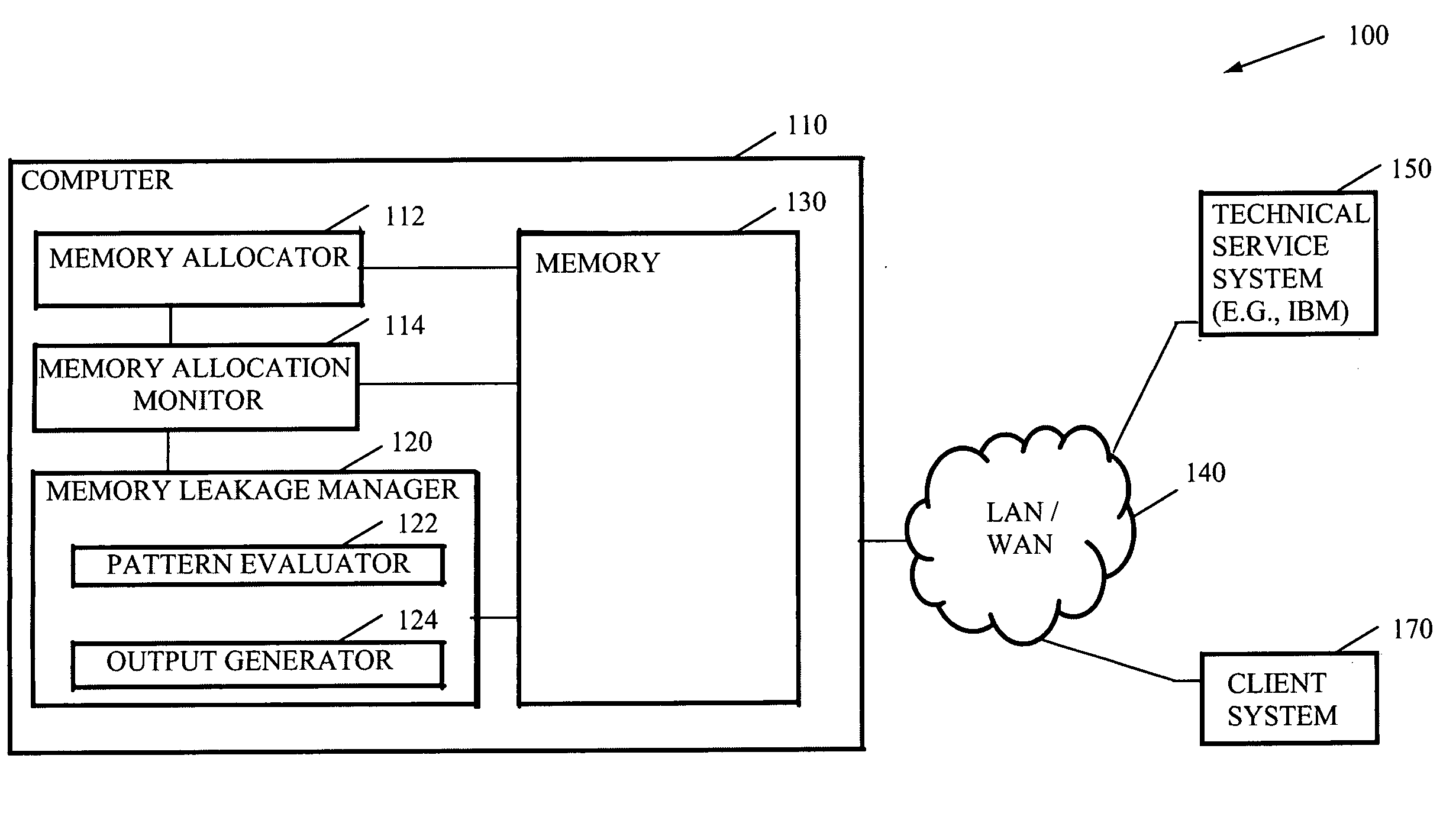
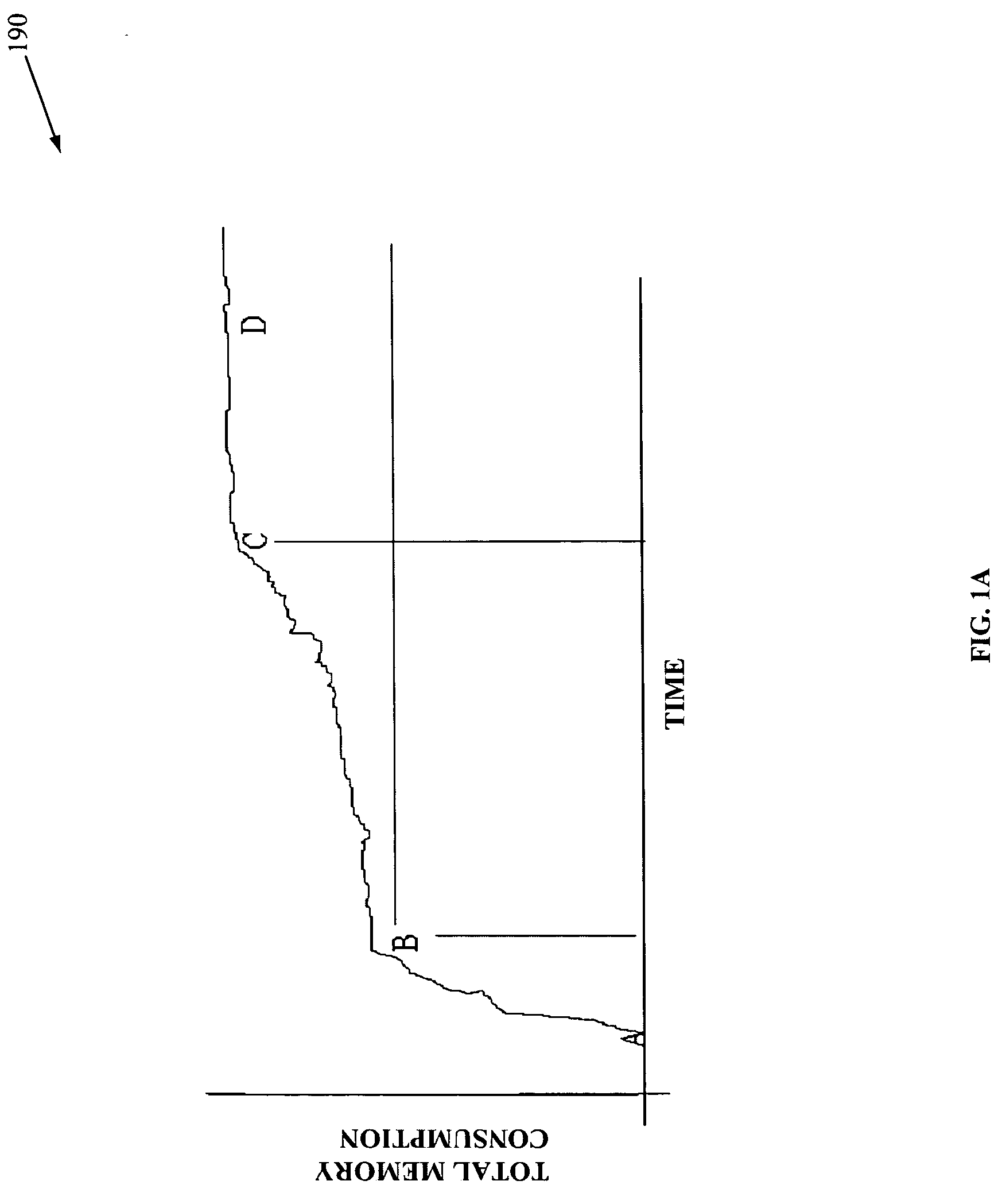
- Implementing a memory leakage management system that monitors and analyzes memory allocations and deallocations to identify suspect allocation patterns, generating signals to terminate and restart tasks to free up leaked memory, and dynamically adjusting detection criteria to optimize reporting and intervention.

Memory leak monitoring device and method for monitoring memory leak
PatentInactiveUS20120072779A1
Innovation
- A memory leak monitoring device that includes a retention period acquisition unit and a detection unit to identify potential memory leaks by comparing the elapsed time of memory area reservations with a reference threshold, allowing for proactive release of memory without modifying kernel processes, using an exclusion list to target specific processes for monitoring.


Performance Impact Assessment of Memory Leak Solutions
Memory leak mitigation solutions inevitably introduce performance overhead that must be carefully evaluated against their effectiveness in preventing memory degradation. The assessment of performance impact requires comprehensive benchmarking across multiple dimensions, including CPU utilization, memory access patterns, and overall system throughput during continuous operations.
Garbage collection-based solutions typically exhibit periodic performance spikes corresponding to collection cycles. Modern generational garbage collectors demonstrate varying impact profiles, with minor collections causing 1-5 millisecond pauses while major collections can extend to 50-200 milliseconds depending on heap size and allocation patterns. The frequency and duration of these pauses directly correlate with application responsiveness, particularly affecting real-time systems where predictable latency is critical.
Reference counting mechanisms impose consistent but distributed overhead throughout program execution. Each pointer assignment and deallocation triggers reference count updates, typically adding 5-15% CPU overhead compared to manual memory management. However, this approach provides more predictable performance characteristics without the sudden pauses associated with mark-and-sweep collectors, making it suitable for latency-sensitive applications.
Static analysis tools and runtime monitoring solutions introduce minimal direct performance impact, typically consuming less than 2% additional CPU resources. However, the instrumentation required for comprehensive leak detection can increase memory footprint by 10-30% due to metadata tracking and call stack preservation. This trade-off becomes particularly significant in memory-constrained environments where the monitoring overhead itself could exacerbate resource limitations.
Smart pointer implementations and RAII patterns generally impose negligible runtime overhead in optimized builds, with modern compilers effectively eliminating most abstraction costs. The primary performance consideration involves the additional indirection layers and atomic operations required for thread-safe reference counting, which may impact cache locality and introduce memory barriers in concurrent scenarios.
The cumulative performance impact assessment must consider the baseline degradation caused by memory leaks themselves. Systems experiencing significant memory leakage often suffer from increased garbage collection pressure, virtual memory thrashing, and reduced cache effectiveness. In many cases, the performance cost of implementing leak prevention mechanisms is substantially offset by maintaining optimal memory utilization patterns throughout extended operational periods.
Garbage collection-based solutions typically exhibit periodic performance spikes corresponding to collection cycles. Modern generational garbage collectors demonstrate varying impact profiles, with minor collections causing 1-5 millisecond pauses while major collections can extend to 50-200 milliseconds depending on heap size and allocation patterns. The frequency and duration of these pauses directly correlate with application responsiveness, particularly affecting real-time systems where predictable latency is critical.
Reference counting mechanisms impose consistent but distributed overhead throughout program execution. Each pointer assignment and deallocation triggers reference count updates, typically adding 5-15% CPU overhead compared to manual memory management. However, this approach provides more predictable performance characteristics without the sudden pauses associated with mark-and-sweep collectors, making it suitable for latency-sensitive applications.
Static analysis tools and runtime monitoring solutions introduce minimal direct performance impact, typically consuming less than 2% additional CPU resources. However, the instrumentation required for comprehensive leak detection can increase memory footprint by 10-30% due to metadata tracking and call stack preservation. This trade-off becomes particularly significant in memory-constrained environments where the monitoring overhead itself could exacerbate resource limitations.
Smart pointer implementations and RAII patterns generally impose negligible runtime overhead in optimized builds, with modern compilers effectively eliminating most abstraction costs. The primary performance consideration involves the additional indirection layers and atomic operations required for thread-safe reference counting, which may impact cache locality and introduce memory barriers in concurrent scenarios.
The cumulative performance impact assessment must consider the baseline degradation caused by memory leaks themselves. Systems experiencing significant memory leakage often suffer from increased garbage collection pressure, virtual memory thrashing, and reduced cache effectiveness. In many cases, the performance cost of implementing leak prevention mechanisms is substantially offset by maintaining optimal memory utilization patterns throughout extended operational periods.
Cost-Benefit Analysis of Memory Management Strategies
The economic evaluation of memory management strategies for reducing persistent memory leakages requires a comprehensive assessment of implementation costs versus operational benefits. Initial investment considerations include development resources for implementing advanced garbage collection algorithms, memory profiling tools, and automated leak detection systems. These upfront costs typically range from moderate to substantial depending on system complexity and existing infrastructure maturity.
Direct operational costs encompass increased CPU overhead from enhanced memory monitoring, additional storage requirements for memory usage analytics, and potential performance degradation during memory cleanup operations. However, these costs are often offset by reduced system downtime, decreased hardware replacement frequency, and improved application stability. Organizations implementing proactive memory management strategies report 15-30% reduction in memory-related system failures.
The benefits of implementing robust memory management strategies extend beyond immediate cost savings. Reduced memory leakage translates to extended hardware lifespan, as systems operate within optimal memory utilization ranges. This directly impacts total cost of ownership by delaying expensive hardware upgrades and reducing emergency maintenance interventions. Additionally, improved system reliability enhances user experience and reduces support overhead.
Long-term financial advantages include decreased infrastructure scaling requirements, as efficient memory utilization allows existing hardware to handle increased workloads. Organizations can defer capacity expansion investments while maintaining performance standards. The cumulative effect of reduced memory pressure also improves overall system throughput, potentially increasing revenue-generating capacity without proportional infrastructure investment.
Risk mitigation represents another significant economic benefit. Memory leakage-induced system failures can result in substantial business disruption costs, including lost productivity, data recovery expenses, and potential revenue loss. Implementing comprehensive memory management strategies provides insurance against these high-impact, low-frequency events.
The return on investment for memory management initiatives typically materializes within 12-18 months for enterprise environments, with break-even points varying based on system criticality and operational scale. Organizations with continuous operation requirements generally experience faster payback periods due to higher downtime costs and stricter availability requirements.
Direct operational costs encompass increased CPU overhead from enhanced memory monitoring, additional storage requirements for memory usage analytics, and potential performance degradation during memory cleanup operations. However, these costs are often offset by reduced system downtime, decreased hardware replacement frequency, and improved application stability. Organizations implementing proactive memory management strategies report 15-30% reduction in memory-related system failures.
The benefits of implementing robust memory management strategies extend beyond immediate cost savings. Reduced memory leakage translates to extended hardware lifespan, as systems operate within optimal memory utilization ranges. This directly impacts total cost of ownership by delaying expensive hardware upgrades and reducing emergency maintenance interventions. Additionally, improved system reliability enhances user experience and reduces support overhead.
Long-term financial advantages include decreased infrastructure scaling requirements, as efficient memory utilization allows existing hardware to handle increased workloads. Organizations can defer capacity expansion investments while maintaining performance standards. The cumulative effect of reduced memory pressure also improves overall system throughput, potentially increasing revenue-generating capacity without proportional infrastructure investment.
Risk mitigation represents another significant economic benefit. Memory leakage-induced system failures can result in substantial business disruption costs, including lost productivity, data recovery expenses, and potential revenue loss. Implementing comprehensive memory management strategies provides insurance against these high-impact, low-frequency events.
The return on investment for memory management initiatives typically materializes within 12-18 months for enterprise environments, with break-even points varying based on system criticality and operational scale. Organizations with continuous operation requirements generally experience faster payback periods due to higher downtime costs and stricter availability requirements.
Unlock deeper insights with PatSnap Eureka Quick Research — get a full tech report to explore trends and direct your research. Try now!
Generate Your Research Report Instantly with AI Agent
Supercharge your innovation with PatSnap Eureka AI Agent Platform!