
How to Use Computational Models for Enol Analysis
MAR 6, 20269 MIN READ
Generate Your Research Report Instantly with AI Agent
Patsnap Eureka helps you evaluate technical feasibility & market potential.
Computational Enol Analysis Background and Objectives
Enol tautomers represent a fundamental class of chemical species characterized by the presence of a hydroxyl group attached to a carbon-carbon double bond. These compounds play crucial roles in organic chemistry, biochemistry, and pharmaceutical sciences, serving as key intermediates in numerous chemical reactions and biological processes. The study of enol structures has gained significant importance due to their involvement in keto-enol tautomerism, aldol condensations, and various enzymatic mechanisms.
The evolution of enol analysis has progressed from traditional experimental approaches to sophisticated computational methodologies. Early investigations relied heavily on spectroscopic techniques and kinetic studies, which provided valuable insights but were often limited by experimental constraints and the transient nature of many enol species. The advent of quantum mechanical calculations and molecular modeling has revolutionized this field, enabling researchers to predict enol stability, reaction pathways, and thermodynamic properties with unprecedented accuracy.
Computational models have emerged as indispensable tools for understanding enol behavior at the molecular level. These approaches encompass density functional theory calculations, molecular dynamics simulations, and quantum chemical methods that can accurately predict enol formation energies, structural parameters, and reaction mechanisms. The integration of computational techniques with experimental data has created a synergistic approach that enhances our understanding of enol chemistry.
The primary objective of implementing computational models for enol analysis is to establish predictive frameworks that can accurately determine enol stability, reactivity patterns, and tautomeric equilibria. These models aim to provide quantitative insights into the factors governing enol formation, including electronic effects, steric interactions, and environmental influences such as solvent effects and pH conditions.
Furthermore, computational enol analysis seeks to accelerate drug discovery processes by predicting the behavior of enol-containing pharmaceutical compounds. Understanding enol tautomerism is critical for optimizing drug efficacy, stability, and bioavailability. Advanced computational approaches enable researchers to screen large molecular libraries and identify promising candidates with favorable enol characteristics.
The development of robust computational protocols also aims to bridge the gap between theoretical predictions and experimental observations. By establishing validated computational methodologies, researchers can confidently predict enol properties for novel compounds before synthesis, thereby reducing experimental costs and accelerating research timelines in pharmaceutical and chemical industries.
The evolution of enol analysis has progressed from traditional experimental approaches to sophisticated computational methodologies. Early investigations relied heavily on spectroscopic techniques and kinetic studies, which provided valuable insights but were often limited by experimental constraints and the transient nature of many enol species. The advent of quantum mechanical calculations and molecular modeling has revolutionized this field, enabling researchers to predict enol stability, reaction pathways, and thermodynamic properties with unprecedented accuracy.
Computational models have emerged as indispensable tools for understanding enol behavior at the molecular level. These approaches encompass density functional theory calculations, molecular dynamics simulations, and quantum chemical methods that can accurately predict enol formation energies, structural parameters, and reaction mechanisms. The integration of computational techniques with experimental data has created a synergistic approach that enhances our understanding of enol chemistry.
The primary objective of implementing computational models for enol analysis is to establish predictive frameworks that can accurately determine enol stability, reactivity patterns, and tautomeric equilibria. These models aim to provide quantitative insights into the factors governing enol formation, including electronic effects, steric interactions, and environmental influences such as solvent effects and pH conditions.
Furthermore, computational enol analysis seeks to accelerate drug discovery processes by predicting the behavior of enol-containing pharmaceutical compounds. Understanding enol tautomerism is critical for optimizing drug efficacy, stability, and bioavailability. Advanced computational approaches enable researchers to screen large molecular libraries and identify promising candidates with favorable enol characteristics.
The development of robust computational protocols also aims to bridge the gap between theoretical predictions and experimental observations. By establishing validated computational methodologies, researchers can confidently predict enol properties for novel compounds before synthesis, thereby reducing experimental costs and accelerating research timelines in pharmaceutical and chemical industries.
Market Demand for Computational Chemistry Solutions
The computational chemistry market has experienced substantial growth driven by increasing demand for molecular modeling and simulation capabilities across multiple industries. Pharmaceutical companies represent the largest consumer segment, utilizing computational models for drug discovery, molecular design, and chemical reaction prediction. The ability to perform enol analysis computationally has become particularly valuable for understanding tautomeric equilibria and reaction mechanisms in drug development processes.
Academic and research institutions constitute another significant market segment, where computational chemistry solutions support fundamental research in organic chemistry, biochemistry, and materials science. Universities and government laboratories require sophisticated modeling tools to investigate enol-keto tautomerism, proton transfer mechanisms, and thermodynamic properties of molecular systems. The growing emphasis on computational approaches in chemistry education has further expanded this market segment.
The chemical manufacturing industry increasingly relies on computational models to optimize production processes and develop new materials. Companies seek solutions that can predict enol stability, analyze reaction pathways, and evaluate catalyst performance before conducting expensive experimental studies. This trend has created substantial demand for specialized software packages capable of handling complex molecular systems and providing accurate thermodynamic predictions.
Biotechnology firms represent an emerging market segment with specific requirements for computational enol analysis in enzyme mechanism studies and metabolic pathway modeling. These organizations need tools that can accurately predict proton transfer events and tautomeric preferences in biological systems, driving demand for more sophisticated quantum mechanical approaches.
The market shows strong growth potential in emerging economies where pharmaceutical and chemical industries are expanding rapidly. Government initiatives promoting computational research and increasing investment in scientific infrastructure have created new opportunities for computational chemistry solution providers.
Cloud-based computational chemistry platforms have gained significant traction, offering scalable solutions for organizations with varying computational requirements. This delivery model has made advanced enol analysis capabilities accessible to smaller research groups and companies that previously lacked the resources for high-performance computing infrastructure.
The integration of artificial intelligence and machine learning techniques with traditional computational chemistry methods has opened new market opportunities, particularly for automated enol analysis and high-throughput screening applications.
Academic and research institutions constitute another significant market segment, where computational chemistry solutions support fundamental research in organic chemistry, biochemistry, and materials science. Universities and government laboratories require sophisticated modeling tools to investigate enol-keto tautomerism, proton transfer mechanisms, and thermodynamic properties of molecular systems. The growing emphasis on computational approaches in chemistry education has further expanded this market segment.
The chemical manufacturing industry increasingly relies on computational models to optimize production processes and develop new materials. Companies seek solutions that can predict enol stability, analyze reaction pathways, and evaluate catalyst performance before conducting expensive experimental studies. This trend has created substantial demand for specialized software packages capable of handling complex molecular systems and providing accurate thermodynamic predictions.
Biotechnology firms represent an emerging market segment with specific requirements for computational enol analysis in enzyme mechanism studies and metabolic pathway modeling. These organizations need tools that can accurately predict proton transfer events and tautomeric preferences in biological systems, driving demand for more sophisticated quantum mechanical approaches.
The market shows strong growth potential in emerging economies where pharmaceutical and chemical industries are expanding rapidly. Government initiatives promoting computational research and increasing investment in scientific infrastructure have created new opportunities for computational chemistry solution providers.
Cloud-based computational chemistry platforms have gained significant traction, offering scalable solutions for organizations with varying computational requirements. This delivery model has made advanced enol analysis capabilities accessible to smaller research groups and companies that previously lacked the resources for high-performance computing infrastructure.
The integration of artificial intelligence and machine learning techniques with traditional computational chemistry methods has opened new market opportunities, particularly for automated enol analysis and high-throughput screening applications.
Current State of Enol Modeling Computational Methods
The computational modeling of enol tautomers has evolved significantly over the past two decades, with quantum mechanical methods forming the backbone of current analytical approaches. Density Functional Theory (DFT) has emerged as the predominant computational framework, offering an optimal balance between accuracy and computational efficiency for enol structure prediction and thermodynamic analysis.
Contemporary enol modeling primarily relies on hybrid functionals such as B3LYP and M06-2X, which demonstrate superior performance in capturing the subtle energetic differences between keto and enol forms. These methods typically employ basis sets ranging from 6-31G(d,p) for preliminary screening to aug-cc-pVTZ for high-precision calculations. The integration of dispersion corrections through DFT-D3 or DFT-D4 schemes has become standard practice to accurately model weak intermolecular interactions crucial for enol stability.
Molecular dynamics simulations represent another cornerstone of current enol analysis, particularly for understanding solvent effects and dynamic behavior. Classical force fields like AMBER and CHARMM have been extensively parameterized for enol systems, while ab initio molecular dynamics using Car-Parrinello or Born-Oppenheimer approaches provide deeper insights into tautomerization mechanisms and transition states.
Machine learning integration has recently transformed enol modeling capabilities. Graph neural networks and deep learning architectures now enable rapid screening of large molecular databases for enol propensity prediction. These ML models, trained on extensive quantum chemical datasets, can predict enol stability and tautomerization barriers with remarkable accuracy while reducing computational costs by several orders of magnitude.
Specialized software packages including Gaussian, ORCA, and CP2K dominate the computational landscape, each offering unique advantages for specific enol analysis tasks. Cloud-based platforms and high-performance computing clusters have democratized access to sophisticated modeling capabilities, enabling researchers to tackle increasingly complex enol systems.
Current limitations include the challenge of accurately modeling large biomolecular enol systems and the computational expense of high-level correlated methods. Solvent modeling remains problematic, with implicit solvation models often inadequate for capturing specific enol-solvent interactions that significantly influence tautomeric equilibria.
Contemporary enol modeling primarily relies on hybrid functionals such as B3LYP and M06-2X, which demonstrate superior performance in capturing the subtle energetic differences between keto and enol forms. These methods typically employ basis sets ranging from 6-31G(d,p) for preliminary screening to aug-cc-pVTZ for high-precision calculations. The integration of dispersion corrections through DFT-D3 or DFT-D4 schemes has become standard practice to accurately model weak intermolecular interactions crucial for enol stability.
Molecular dynamics simulations represent another cornerstone of current enol analysis, particularly for understanding solvent effects and dynamic behavior. Classical force fields like AMBER and CHARMM have been extensively parameterized for enol systems, while ab initio molecular dynamics using Car-Parrinello or Born-Oppenheimer approaches provide deeper insights into tautomerization mechanisms and transition states.
Machine learning integration has recently transformed enol modeling capabilities. Graph neural networks and deep learning architectures now enable rapid screening of large molecular databases for enol propensity prediction. These ML models, trained on extensive quantum chemical datasets, can predict enol stability and tautomerization barriers with remarkable accuracy while reducing computational costs by several orders of magnitude.
Specialized software packages including Gaussian, ORCA, and CP2K dominate the computational landscape, each offering unique advantages for specific enol analysis tasks. Cloud-based platforms and high-performance computing clusters have democratized access to sophisticated modeling capabilities, enabling researchers to tackle increasingly complex enol systems.
Current limitations include the challenge of accurately modeling large biomolecular enol systems and the computational expense of high-level correlated methods. Solvent modeling remains problematic, with implicit solvation models often inadequate for capturing specific enol-solvent interactions that significantly influence tautomeric equilibria.
Existing Computational Models for Enol Structure Analysis
01 Machine learning and artificial intelligence computational models
Computational models utilizing machine learning algorithms and artificial intelligence techniques for data analysis, pattern recognition, and predictive modeling. These models can process large datasets to identify complex relationships and make predictions across various applications. Neural networks, deep learning architectures, and ensemble methods are commonly employed to enhance model accuracy and performance.- Machine learning and artificial intelligence computational models: Computational models utilizing machine learning algorithms and artificial intelligence techniques for data analysis, pattern recognition, and predictive modeling. These models can process large datasets to identify complex relationships and make predictions across various applications. Neural networks, deep learning architectures, and ensemble methods are commonly employed to enhance model accuracy and performance.
- Biological and biomedical computational modeling: Computational models designed for simulating biological systems, molecular interactions, and physiological processes. These models enable researchers to predict drug interactions, protein folding, disease progression, and treatment outcomes. Applications include pharmacokinetics modeling, systems biology simulations, and personalized medicine approaches that integrate patient-specific data.
- Optimization and simulation computational frameworks: Computational frameworks focused on optimization algorithms and simulation techniques for solving complex problems. These models employ mathematical optimization methods, Monte Carlo simulations, and finite element analysis to improve system performance and efficiency. Applications span engineering design, resource allocation, and process optimization across multiple industries.
- Data processing and analytics computational systems: Computational systems designed for large-scale data processing, statistical analysis, and information extraction. These models integrate data mining techniques, statistical modeling, and visualization tools to transform raw data into actionable insights. Cloud-based computing architectures and distributed processing frameworks enable scalable analysis of big data.
- Predictive and decision support computational models: Computational models that provide predictive analytics and decision support capabilities for various domains. These systems combine historical data analysis with forecasting algorithms to support strategic planning and risk assessment. Applications include financial modeling, climate prediction, and operational decision-making tools that integrate multiple data sources and uncertainty quantification methods.
02 Biological and biomedical computational modeling
Computational models designed for simulating biological systems, molecular interactions, and physiological processes. These models enable researchers to predict drug interactions, protein folding, disease progression, and treatment outcomes. Applications include pharmacokinetics modeling, systems biology simulations, and personalized medicine approaches that integrate patient-specific data.Expand Specific Solutions03 Optimization and simulation computational frameworks
Computational frameworks focused on optimization algorithms and simulation techniques for solving complex problems. These models employ mathematical optimization methods, Monte Carlo simulations, and finite element analysis to improve system performance and efficiency. Applications span engineering design, resource allocation, and process optimization across multiple industries.Expand Specific Solutions04 Data processing and analytics computational systems
Computational systems designed for large-scale data processing, statistical analysis, and information extraction. These models incorporate advanced algorithms for data mining, feature extraction, and knowledge discovery from structured and unstructured data sources. Real-time processing capabilities and distributed computing architectures enable handling of big data applications.Expand Specific Solutions05 Predictive and decision support computational models
Computational models that provide predictive analytics and decision support capabilities for various domains. These systems integrate multiple data sources and employ probabilistic reasoning, risk assessment algorithms, and scenario analysis to support informed decision-making. Applications include financial forecasting, risk management, and strategic planning tools.Expand Specific Solutions
Key Players in Computational Chemistry Software Industry
The computational modeling for enol analysis represents a rapidly evolving field within the broader petrochemical and chemical analysis industry, currently in its growth phase with expanding market opportunities driven by increasing demand for precise molecular characterization. The market demonstrates significant potential, particularly in petrochemical applications, with major industry players like China Petroleum & Chemical Corp., ExxonMobil Technology & Engineering Co., and Saudi Arabian Oil Co. leading technological advancement through substantial R&D investments. Technology maturity varies considerably across the competitive landscape, where established energy giants such as Schlumberger Technologies and Phillips 66 possess advanced computational capabilities, while emerging players like BERG and specialized research institutions including University of Miami and Northeast Petroleum University contribute innovative modeling approaches. The integration of artificial intelligence and machine learning into traditional computational chemistry methods is accelerating development, creating opportunities for both established corporations and specialized technology providers to capture market share in this expanding analytical domain.
China Petroleum & Chemical Corp.
Technical Solution: SINOPEC utilizes comprehensive computational chemistry platforms combining quantum mechanical calculations with statistical thermodynamics for enol analysis in petrochemical processes. Their approach incorporates transition state theory and reaction coordinate analysis to model enol-keto tautomerization in various hydrocarbon systems. The company has developed proprietary algorithms for predicting enol stability in complex mixtures, supporting catalyst design and process optimization in their refineries and chemical plants across multiple product lines including aromatics and olefins production.
Strengths: Large-scale industrial application experience and integrated approach across multiple petrochemical processes. Weaknesses: Computational models may lack the precision of specialized research institutions due to industrial focus.
Schlumberger Technologies, Inc.
Technical Solution: Schlumberger develops sophisticated computational models for analyzing enol chemistry in oilfield applications, particularly focusing on corrosion inhibition and scale formation. Their modeling framework combines thermodynamic databases with kinetic modeling to predict enol behavior under high-pressure, high-temperature reservoir conditions. The company employs Monte Carlo simulations and ab initio calculations to understand enol-metal interactions in downhole environments, supporting the development of more effective chemical treatments for oil and gas production operations.
Strengths: Specialized expertise in extreme condition modeling and extensive field validation data. Weaknesses: Models are primarily optimized for oilfield chemistry rather than general enol analysis applications.
Core Algorithms in Enol Tautomerization Modeling
Method and device for creating computational models for nonlinear models of position encoders
PatentInactiveUS20130346038A1
Innovation
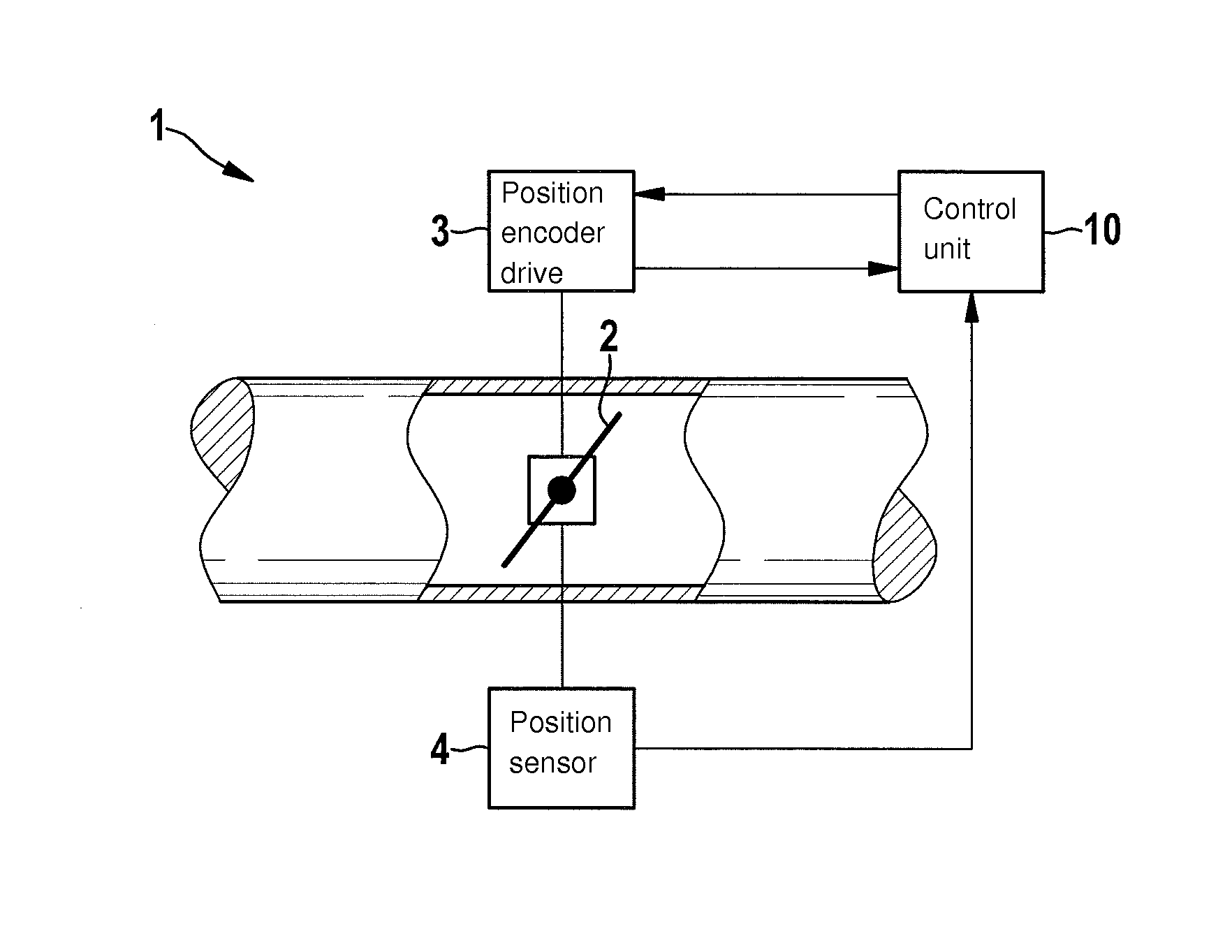
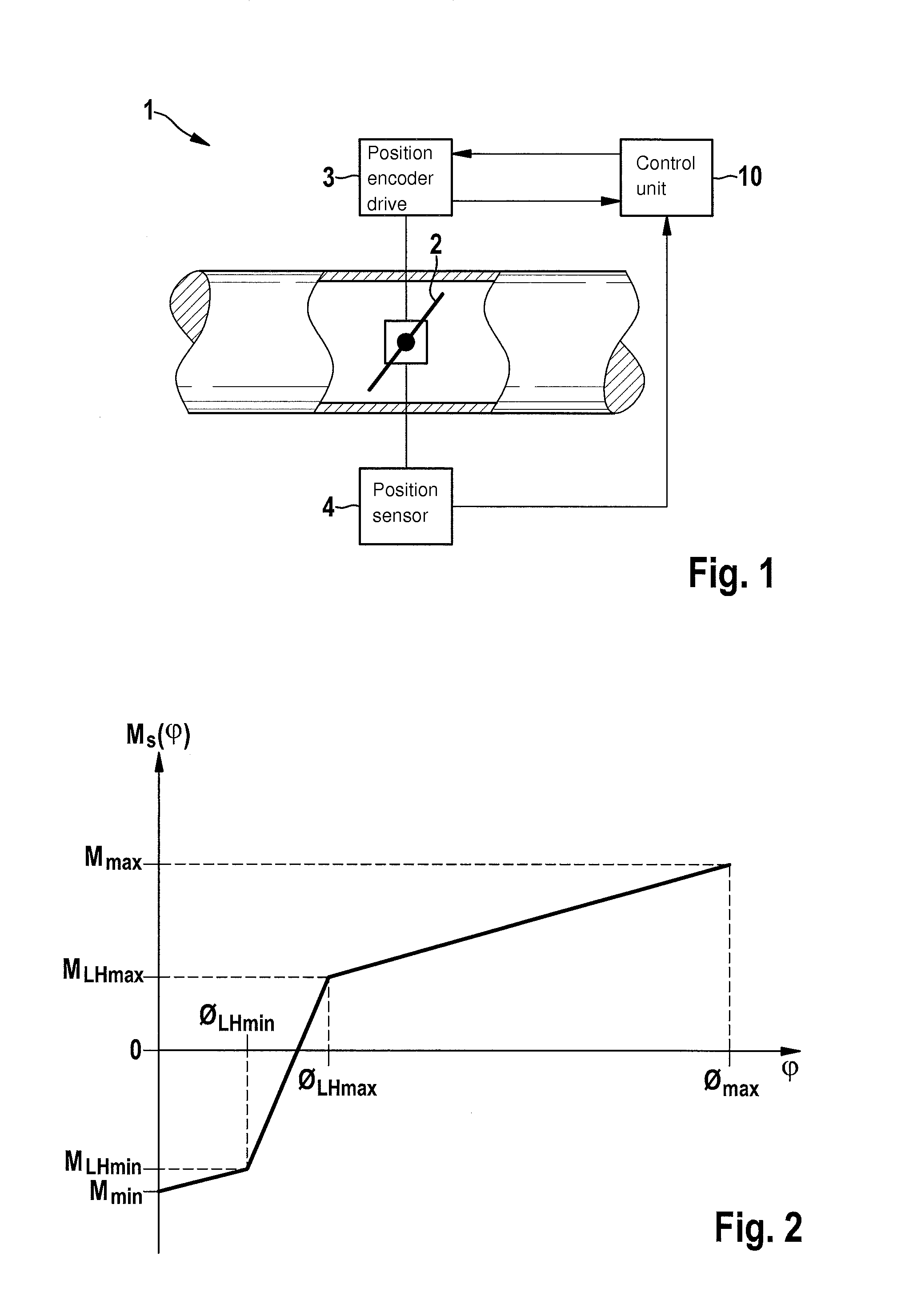
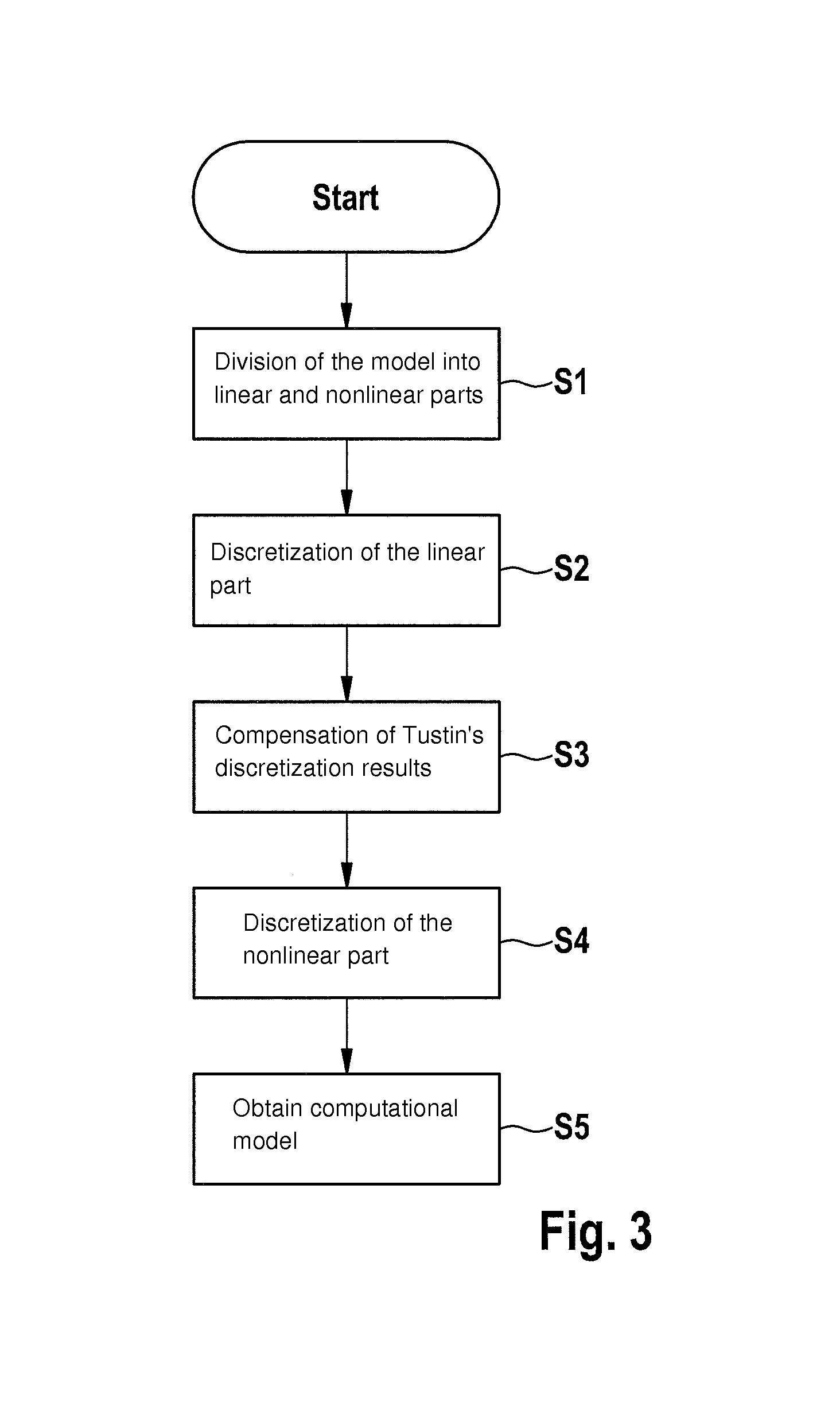
- The method involves dividing the differential equation system into linear and nonlinear parts, discretizing each separately using Tustin's method and implicit Euler method respectively, and combining them to create a computational model that can be solved iteratively within established limits, allowing for precise modeling without simplification and efficient implementation in control units with limited computing capacity.

Modular computational models for predicting the pharmaceutical properties of chemical compounds
PatentInactiveUS20060136186A1
Innovation
- Development of modular computational models that use data from thermodynamic, spectroscopic, and biological measurements to predict therapeutic potency and ADMET properties, allowing for rapid screening of chemical compounds and identification of drug candidates by constructing modules that correlate chemical structures with interaction partners.

Software Licensing and IP Considerations
The deployment of computational models for enol analysis involves complex software licensing and intellectual property considerations that organizations must carefully navigate. Most computational chemistry software packages, including quantum mechanical calculation tools and molecular modeling platforms, operate under proprietary licensing schemes that can significantly impact research budgets and operational flexibility. Commercial software such as Gaussian, Schrödinger Suite, and ChemOffice typically require annual licensing fees that scale with the number of users or computational cores, making cost management a critical factor in project planning.
Open-source alternatives like ORCA, CP2K, and RDKit have gained prominence in enol analysis workflows, offering cost-effective solutions while maintaining computational accuracy. However, organizations must evaluate the long-term support, documentation quality, and community maintenance of these platforms. The choice between proprietary and open-source solutions often depends on the specific analytical requirements, available technical expertise, and institutional policies regarding software validation and compliance.
Intellectual property considerations become particularly complex when computational models generate novel insights about enol structures or reaction mechanisms. Organizations must establish clear policies regarding the ownership of computational results, especially when using third-party software or cloud-based platforms. Data residency and security concerns arise when sensitive molecular information is processed through external computational resources, requiring careful evaluation of service provider agreements and data handling protocols.
Patent landscape analysis reveals that computational methods for enol analysis may intersect with existing intellectual property claims, particularly in pharmaceutical and materials science applications. Organizations should conduct freedom-to-operate assessments before implementing specific computational approaches, especially when developing commercial products based on enol chemistry insights.
Collaborative research environments introduce additional complexity, as different institutions may have varying software licensing agreements and IP policies. Establishing clear data sharing protocols and result ownership frameworks becomes essential for successful multi-institutional projects. Cloud-based computational platforms offer scalability advantages but require thorough evaluation of licensing terms, data sovereignty, and long-term accessibility of research results.
Open-source alternatives like ORCA, CP2K, and RDKit have gained prominence in enol analysis workflows, offering cost-effective solutions while maintaining computational accuracy. However, organizations must evaluate the long-term support, documentation quality, and community maintenance of these platforms. The choice between proprietary and open-source solutions often depends on the specific analytical requirements, available technical expertise, and institutional policies regarding software validation and compliance.
Intellectual property considerations become particularly complex when computational models generate novel insights about enol structures or reaction mechanisms. Organizations must establish clear policies regarding the ownership of computational results, especially when using third-party software or cloud-based platforms. Data residency and security concerns arise when sensitive molecular information is processed through external computational resources, requiring careful evaluation of service provider agreements and data handling protocols.
Patent landscape analysis reveals that computational methods for enol analysis may intersect with existing intellectual property claims, particularly in pharmaceutical and materials science applications. Organizations should conduct freedom-to-operate assessments before implementing specific computational approaches, especially when developing commercial products based on enol chemistry insights.
Collaborative research environments introduce additional complexity, as different institutions may have varying software licensing agreements and IP policies. Establishing clear data sharing protocols and result ownership frameworks becomes essential for successful multi-institutional projects. Cloud-based computational platforms offer scalability advantages but require thorough evaluation of licensing terms, data sovereignty, and long-term accessibility of research results.
Validation Standards for Computational Enol Models
The establishment of robust validation standards for computational enol models represents a critical foundation for ensuring reliability and accuracy in theoretical predictions. These standards must encompass multiple validation layers, including quantum mechanical benchmarking against high-level ab initio calculations, experimental correlation studies, and cross-platform reproducibility assessments. The validation framework should incorporate systematic error analysis protocols that account for basis set dependencies, functional selection impacts, and convergence criteria optimization.
Thermodynamic validation constitutes a primary pillar of model assessment, requiring comprehensive comparison of computed enol-keto equilibrium constants with experimental measurements across diverse molecular systems. Standard validation protocols should mandate temperature-dependent studies spanning physiologically relevant ranges, with particular emphasis on enthalpy and entropy contributions to tautomeric equilibria. Solvent effect validation must incorporate implicit and explicit solvation models, benchmarked against experimental data in various polar and nonpolar environments.
Kinetic validation standards demand rigorous assessment of computed activation barriers for enol-keto interconversion processes. These protocols should include transition state geometry optimization verification, intrinsic reaction coordinate calculations, and rate constant predictions validated against experimental kinetic measurements. Dynamic validation approaches incorporating molecular dynamics simulations require specific criteria for trajectory length, sampling frequency, and statistical convergence assessment.
Structural validation protocols must establish benchmarks for enol geometry predictions, including bond lengths, angles, and dihedral parameters compared against high-resolution crystallographic and spectroscopic data. Vibrational frequency validation represents another essential component, requiring systematic comparison of computed harmonic frequencies with experimental infrared and Raman spectroscopic measurements, including appropriate scaling factors for different computational methods.
Cross-validation methodologies should incorporate blind prediction challenges using experimentally characterized but computationally unpublished enol systems. These standards must define acceptable error thresholds for different property predictions, establish statistical significance criteria, and provide guidelines for model refinement based on validation outcomes. Documentation requirements should mandate detailed reporting of computational parameters, convergence criteria, and uncertainty quantification to ensure reproducibility and facilitate method comparison across research groups.
Thermodynamic validation constitutes a primary pillar of model assessment, requiring comprehensive comparison of computed enol-keto equilibrium constants with experimental measurements across diverse molecular systems. Standard validation protocols should mandate temperature-dependent studies spanning physiologically relevant ranges, with particular emphasis on enthalpy and entropy contributions to tautomeric equilibria. Solvent effect validation must incorporate implicit and explicit solvation models, benchmarked against experimental data in various polar and nonpolar environments.
Kinetic validation standards demand rigorous assessment of computed activation barriers for enol-keto interconversion processes. These protocols should include transition state geometry optimization verification, intrinsic reaction coordinate calculations, and rate constant predictions validated against experimental kinetic measurements. Dynamic validation approaches incorporating molecular dynamics simulations require specific criteria for trajectory length, sampling frequency, and statistical convergence assessment.
Structural validation protocols must establish benchmarks for enol geometry predictions, including bond lengths, angles, and dihedral parameters compared against high-resolution crystallographic and spectroscopic data. Vibrational frequency validation represents another essential component, requiring systematic comparison of computed harmonic frequencies with experimental infrared and Raman spectroscopic measurements, including appropriate scaling factors for different computational methods.
Cross-validation methodologies should incorporate blind prediction challenges using experimentally characterized but computationally unpublished enol systems. These standards must define acceptable error thresholds for different property predictions, establish statistical significance criteria, and provide guidelines for model refinement based on validation outcomes. Documentation requirements should mandate detailed reporting of computational parameters, convergence criteria, and uncertainty quantification to ensure reproducibility and facilitate method comparison across research groups.
Unlock deeper insights with Patsnap Eureka Quick Research — get a full tech report to explore trends and direct your research. Try now!
Generate Your Research Report Instantly with AI Agent
Supercharge your innovation with Patsnap Eureka AI Agent Platform!