

How to Use Machine Olfaction for Optimal Fire Detection
APR 29, 20269 MIN READ
Generate Your Research Report Instantly with AI Agent
PatSnap Eureka helps you evaluate technical feasibility & market potential.
Machine Olfaction Fire Detection Background and Objectives
Fire detection technology has undergone significant evolution since the early 20th century, progressing from simple heat-based systems to sophisticated multi-sensor approaches. Traditional fire detection methods primarily rely on smoke particles, heat signatures, or flame radiation detection. However, these conventional systems often suffer from delayed response times, false alarms, and limited effectiveness in detecting incipient fires during their earliest stages when combustible materials begin to decompose and release volatile organic compounds.
Machine olfaction, also known as electronic nose technology, represents a paradigm shift in fire detection methodology. This biomimetic approach mimics the human olfactory system by utilizing arrays of chemical sensors to detect and analyze volatile compounds released during the pre-combustion and early combustion phases. The technology leverages advanced pattern recognition algorithms and machine learning techniques to identify specific chemical signatures associated with different types of fires and combustible materials.
The development trajectory of machine olfaction has been accelerated by advances in nanotechnology, sensor miniaturization, and artificial intelligence. Modern electronic nose systems incorporate metal oxide semiconductors, conducting polymers, and surface acoustic wave sensors, enabling detection of trace concentrations of fire-related volatile compounds at parts-per-billion levels. These systems can differentiate between various combustion signatures, including smoldering wood, burning plastics, electrical fires, and hydrocarbon combustion.
The primary objective of implementing machine olfaction for fire detection centers on achieving ultra-early fire detection capabilities that surpass conventional systems by several minutes or even hours. This early warning advantage is crucial for preventing catastrophic property damage, protecting human lives, and minimizing environmental impact. The technology aims to reduce false alarm rates significantly while maintaining high sensitivity to genuine fire threats.
Secondary objectives include developing adaptive detection systems capable of learning and adjusting to specific environmental conditions and potential fire hazards within different facilities. The integration of machine olfaction with existing building management systems seeks to create intelligent fire prevention networks that can provide detailed information about fire location, intensity, and probable cause, enabling more effective emergency response strategies and automated suppression system activation.
Machine olfaction, also known as electronic nose technology, represents a paradigm shift in fire detection methodology. This biomimetic approach mimics the human olfactory system by utilizing arrays of chemical sensors to detect and analyze volatile compounds released during the pre-combustion and early combustion phases. The technology leverages advanced pattern recognition algorithms and machine learning techniques to identify specific chemical signatures associated with different types of fires and combustible materials.
The development trajectory of machine olfaction has been accelerated by advances in nanotechnology, sensor miniaturization, and artificial intelligence. Modern electronic nose systems incorporate metal oxide semiconductors, conducting polymers, and surface acoustic wave sensors, enabling detection of trace concentrations of fire-related volatile compounds at parts-per-billion levels. These systems can differentiate between various combustion signatures, including smoldering wood, burning plastics, electrical fires, and hydrocarbon combustion.
The primary objective of implementing machine olfaction for fire detection centers on achieving ultra-early fire detection capabilities that surpass conventional systems by several minutes or even hours. This early warning advantage is crucial for preventing catastrophic property damage, protecting human lives, and minimizing environmental impact. The technology aims to reduce false alarm rates significantly while maintaining high sensitivity to genuine fire threats.
Secondary objectives include developing adaptive detection systems capable of learning and adjusting to specific environmental conditions and potential fire hazards within different facilities. The integration of machine olfaction with existing building management systems seeks to create intelligent fire prevention networks that can provide detailed information about fire location, intensity, and probable cause, enabling more effective emergency response strategies and automated suppression system activation.
Market Demand for Advanced Fire Detection Systems
The global fire detection market is experiencing unprecedented growth driven by increasing safety regulations, urbanization, and technological advancement demands. Traditional smoke and heat detection systems, while widely deployed, face significant limitations in early detection accuracy and false alarm rates, creating substantial market opportunities for advanced detection technologies including machine olfaction systems.
Commercial and industrial sectors represent the largest demand segments for enhanced fire detection capabilities. Manufacturing facilities, chemical plants, and data centers require ultra-sensitive detection systems capable of identifying fire signatures before visible smoke or significant heat generation occurs. These environments often contain valuable equipment and hazardous materials where early detection can prevent catastrophic losses and ensure personnel safety.
Residential markets are increasingly demanding smarter fire detection solutions as smart home adoption accelerates. Homeowners seek integrated systems that provide reliable early warning while minimizing nuisance alarms caused by cooking or steam. Machine olfaction technology addresses these pain points by distinguishing between actual fire-related chemical signatures and common household activities that trigger conventional detectors.
The transportation industry presents emerging opportunities for advanced fire detection systems. Aviation, maritime, and rail sectors require highly reliable detection capabilities in confined spaces where rapid response is critical. Machine olfaction systems offer advantages in detecting fires in cargo holds, engine compartments, and passenger areas where traditional detection methods may be insufficient or impractical.
Healthcare facilities and elderly care institutions drive demand for sophisticated detection systems due to vulnerable populations and complex evacuation challenges. These environments require detection technologies that provide maximum early warning time while maintaining extremely low false alarm rates to prevent unnecessary evacuations of mobility-impaired individuals.
Regulatory frameworks worldwide are evolving to mandate more stringent fire safety standards, particularly in high-occupancy buildings and critical infrastructure. Insurance companies increasingly offer premium reductions for facilities equipped with advanced detection technologies, creating additional economic incentives for adoption of machine olfaction-based systems.
The market demand is further amplified by growing awareness of fire detection limitations exposed during recent high-profile incidents where conventional systems failed to provide adequate early warning, highlighting the critical need for next-generation detection technologies.
Commercial and industrial sectors represent the largest demand segments for enhanced fire detection capabilities. Manufacturing facilities, chemical plants, and data centers require ultra-sensitive detection systems capable of identifying fire signatures before visible smoke or significant heat generation occurs. These environments often contain valuable equipment and hazardous materials where early detection can prevent catastrophic losses and ensure personnel safety.
Residential markets are increasingly demanding smarter fire detection solutions as smart home adoption accelerates. Homeowners seek integrated systems that provide reliable early warning while minimizing nuisance alarms caused by cooking or steam. Machine olfaction technology addresses these pain points by distinguishing between actual fire-related chemical signatures and common household activities that trigger conventional detectors.
The transportation industry presents emerging opportunities for advanced fire detection systems. Aviation, maritime, and rail sectors require highly reliable detection capabilities in confined spaces where rapid response is critical. Machine olfaction systems offer advantages in detecting fires in cargo holds, engine compartments, and passenger areas where traditional detection methods may be insufficient or impractical.
Healthcare facilities and elderly care institutions drive demand for sophisticated detection systems due to vulnerable populations and complex evacuation challenges. These environments require detection technologies that provide maximum early warning time while maintaining extremely low false alarm rates to prevent unnecessary evacuations of mobility-impaired individuals.
Regulatory frameworks worldwide are evolving to mandate more stringent fire safety standards, particularly in high-occupancy buildings and critical infrastructure. Insurance companies increasingly offer premium reductions for facilities equipped with advanced detection technologies, creating additional economic incentives for adoption of machine olfaction-based systems.
The market demand is further amplified by growing awareness of fire detection limitations exposed during recent high-profile incidents where conventional systems failed to provide adequate early warning, highlighting the critical need for next-generation detection technologies.
Current State of Electronic Nose Technology for Fire Safety
Electronic nose technology for fire safety applications has reached a significant maturity level, with multiple sensor platforms demonstrating practical capabilities in real-world environments. Current systems primarily utilize metal oxide semiconductor sensors, conducting polymer arrays, and quartz crystal microbalance devices to detect volatile organic compounds and combustion byproducts associated with different fire types. These technologies have evolved from laboratory prototypes to commercially viable solutions deployed in industrial facilities, transportation systems, and residential buildings.
The geographical distribution of electronic nose technology development shows concentrated expertise in Europe, North America, and East Asia. Germany and the United Kingdom lead in fundamental research and sensor development, while the United States dominates in system integration and commercial applications. Japan and South Korea have made substantial contributions to miniaturization and cost reduction technologies. China has emerged as a significant player in manufacturing and large-scale deployment, particularly in industrial fire safety applications.
Current electronic nose systems demonstrate detection capabilities for incipient fires within 30-120 seconds, significantly faster than traditional smoke detectors. Advanced multi-sensor arrays can distinguish between different combustion sources, including wood, plastic, electrical components, and chemical materials, with accuracy rates exceeding 85% in controlled environments. However, real-world performance varies considerably due to environmental factors such as humidity, temperature fluctuations, and background odor interference.
The primary technical challenges facing electronic nose technology include sensor drift over time, cross-sensitivity to non-fire related volatile compounds, and the need for frequent calibration. Environmental stability remains problematic, with sensor performance degrading in harsh industrial conditions or extreme weather scenarios. Additionally, the complexity of odor signatures from modern synthetic materials presents ongoing classification difficulties for current pattern recognition algorithms.
Integration challenges persist in retrofitting existing fire safety infrastructure with electronic nose systems. Standardization efforts are underway through international organizations, but comprehensive regulatory frameworks remain incomplete. Cost considerations continue to limit widespread adoption, particularly in residential applications where traditional smoke detectors maintain significant price advantages despite inferior performance characteristics.
Recent technological advances have focused on improving sensor selectivity through novel nanomaterials and enhanced signal processing algorithms. Machine learning approaches, particularly deep neural networks, have shown promising results in reducing false alarm rates while maintaining high sensitivity to genuine fire events. Wireless connectivity and IoT integration capabilities are becoming standard features, enabling centralized monitoring and predictive maintenance protocols.
The geographical distribution of electronic nose technology development shows concentrated expertise in Europe, North America, and East Asia. Germany and the United Kingdom lead in fundamental research and sensor development, while the United States dominates in system integration and commercial applications. Japan and South Korea have made substantial contributions to miniaturization and cost reduction technologies. China has emerged as a significant player in manufacturing and large-scale deployment, particularly in industrial fire safety applications.
Current electronic nose systems demonstrate detection capabilities for incipient fires within 30-120 seconds, significantly faster than traditional smoke detectors. Advanced multi-sensor arrays can distinguish between different combustion sources, including wood, plastic, electrical components, and chemical materials, with accuracy rates exceeding 85% in controlled environments. However, real-world performance varies considerably due to environmental factors such as humidity, temperature fluctuations, and background odor interference.
The primary technical challenges facing electronic nose technology include sensor drift over time, cross-sensitivity to non-fire related volatile compounds, and the need for frequent calibration. Environmental stability remains problematic, with sensor performance degrading in harsh industrial conditions or extreme weather scenarios. Additionally, the complexity of odor signatures from modern synthetic materials presents ongoing classification difficulties for current pattern recognition algorithms.
Integration challenges persist in retrofitting existing fire safety infrastructure with electronic nose systems. Standardization efforts are underway through international organizations, but comprehensive regulatory frameworks remain incomplete. Cost considerations continue to limit widespread adoption, particularly in residential applications where traditional smoke detectors maintain significant price advantages despite inferior performance characteristics.
Recent technological advances have focused on improving sensor selectivity through novel nanomaterials and enhanced signal processing algorithms. Machine learning approaches, particularly deep neural networks, have shown promising results in reducing false alarm rates while maintaining high sensitivity to genuine fire events. Wireless connectivity and IoT integration capabilities are becoming standard features, enabling centralized monitoring and predictive maintenance protocols.
Existing Electronic Nose Solutions for Fire Detection
01 Machine learning algorithms for olfactory signal processing
Advanced machine learning and artificial intelligence algorithms are employed to process and analyze olfactory signals from electronic nose systems. These algorithms can improve pattern recognition, feature extraction, and classification accuracy by learning from training datasets and adapting to different odor profiles. Neural networks, support vector machines, and deep learning approaches are commonly used to enhance the detection capabilities and reduce false positives in machine olfaction systems.- Machine learning algorithms for olfactory signal processing: Advanced machine learning techniques including neural networks, deep learning, and pattern recognition algorithms are employed to process and analyze olfactory sensor data. These algorithms can identify complex odor patterns, classify different scent profiles, and improve detection accuracy through training on large datasets. The implementation of artificial intelligence enhances the system's ability to distinguish between similar odors and reduces false positive rates.
- Sensor array optimization and calibration methods: Multiple sensor configurations and calibration techniques are utilized to enhance detection sensitivity and accuracy. This includes the use of different sensor types, optimal sensor placement arrangements, and systematic calibration procedures to minimize drift and environmental interference. Advanced signal processing methods are applied to sensor arrays to improve signal-to-noise ratios and detection thresholds.
- Data preprocessing and feature extraction techniques: Sophisticated data preprocessing methods are employed to clean, filter, and extract meaningful features from raw olfactory sensor signals. These techniques include noise reduction, baseline correction, feature selection algorithms, and dimensionality reduction methods. The preprocessing stage is crucial for improving the quality of input data and enhancing overall system performance.
- Real-time detection and response systems: Implementation of real-time processing capabilities enables immediate detection and response to olfactory stimuli. These systems incorporate fast processing algorithms, optimized hardware configurations, and efficient data transmission methods to minimize detection latency. Real-time systems are essential for applications requiring immediate alerts or rapid decision-making based on odor detection.
- Environmental adaptation and interference mitigation: Techniques for adapting to varying environmental conditions and mitigating interference from external factors are implemented to maintain consistent detection accuracy. This includes compensation for temperature and humidity variations, filtering of background odors, and adaptive algorithms that adjust to changing environmental parameters. These methods ensure reliable performance across different operating conditions.
02 Sensor array optimization and calibration methods
Optimization of sensor arrays involves selecting appropriate sensor types, configurations, and calibration procedures to maximize detection accuracy. This includes methods for sensor drift compensation, cross-sensitivity reduction, and baseline correction. Advanced calibration techniques ensure consistent performance across different environmental conditions and extend the operational lifetime of the sensing system while maintaining high accuracy standards.Expand Specific Solutions03 Signal preprocessing and feature extraction techniques
Various signal preprocessing methods are applied to raw sensor data to enhance signal quality and extract meaningful features for odor identification. These techniques include noise filtering, signal normalization, dimensionality reduction, and temporal pattern analysis. Advanced preprocessing algorithms help to isolate relevant chemical signatures from background interference and improve the overall system sensitivity and specificity.Expand Specific Solutions04 Multi-sensor fusion and data integration approaches
Integration of multiple sensor technologies and data fusion techniques to combine information from different sensing modalities for improved detection accuracy. This approach leverages the complementary strengths of various sensor types and measurement principles to create a more robust and reliable olfactory detection system. Advanced fusion algorithms process data from heterogeneous sensors to provide comprehensive odor analysis and classification.Expand Specific Solutions05 Real-time detection systems and hardware optimization
Development of real-time machine olfaction systems with optimized hardware architectures for rapid and accurate odor detection. These systems focus on reducing response time, improving computational efficiency, and enabling continuous monitoring capabilities. Hardware optimization includes sensor miniaturization, low-power electronics design, and embedded processing solutions that maintain high detection performance while being suitable for portable and field applications.Expand Specific Solutions
Key Players in Machine Olfaction and Fire Safety Industry
The machine olfaction fire detection market represents an emerging technological frontier currently in its early development stage, with significant growth potential driven by increasing demand for advanced fire safety solutions. The market remains relatively niche but is expanding as traditional fire detection methods face limitations in complex environments. Technology maturity varies considerably across players, with established fire safety companies like Honeywell International Technologies Ltd., Wagner Alarm und Sicherungssysteme GmbH, and Hochiki Corp. leading commercial applications, while specialized firms such as Dryad Networks GmbH and Realnose Inc. focus on innovative digital olfaction platforms. Academic institutions including Brown University, University of Science & Technology of China, and East China University of Science & Technology are advancing fundamental research in sensor technologies and machine learning algorithms. The competitive landscape shows a convergence of traditional fire safety manufacturers, emerging tech startups, and research institutions, indicating the technology's transition from laboratory concepts toward practical commercial deployment, though widespread adoption remains several years away.
Honeywell International Technologies Ltd.
Technical Solution: Honeywell has developed advanced machine olfaction systems for fire detection that integrate multi-sensor arrays with artificial intelligence algorithms. Their technology combines traditional smoke and heat detection with electronic nose sensors capable of identifying specific volatile organic compounds (VOCs) released during different types of fires. The system uses pattern recognition algorithms to analyze chemical signatures and distinguish between actual fire events and false alarms caused by cooking, steam, or dust. Their solutions feature adaptive learning capabilities that improve detection accuracy over time by building databases of fire-related chemical profiles. The technology is particularly effective in detecting smoldering fires that produce minimal smoke but release characteristic odor compounds, enabling earlier intervention and reduced property damage.
Strengths: Established market presence, comprehensive sensor integration, proven reliability in industrial applications. Weaknesses: Higher cost compared to traditional systems, requires regular calibration and maintenance.
Wagner Alarm und Sicherungssysteme Gmbh
Technical Solution: Wagner has pioneered the TITANUS series of aspirating smoke detection systems that incorporate machine olfaction principles for enhanced fire detection capabilities. Their technology uses advanced air sampling networks combined with laser-based particle analysis and chemical detection sensors. The system continuously draws air samples from protected areas and analyzes them for both particulate matter and chemical signatures associated with combustion processes. Wagner's machine olfaction approach focuses on detecting trace amounts of combustion byproducts at the molecular level, enabling detection of fire conditions before visible smoke appears. Their algorithms can differentiate between various types of fires based on chemical fingerprints, reducing false alarms while maintaining high sensitivity for genuine fire events.
Strengths: Specialized expertise in aspirating detection systems, high sensitivity for early fire detection, strong European market presence. Weaknesses: Complex installation requirements, higher maintenance costs than conventional systems.
Core Innovations in Chemical Sensing for Fire Applications
Multi-Parametric Machine Olfaction
PatentPendingUS20240255483A1
Innovation
- A system incorporating an array of chemical, pressure, and temperature sensors, along with a temporal airflow modulator, which provides sniffed vapors in a temporally-modulated sequence through multiple air paths, enhancing odor classification by incorporating spatiotemporal time signatures and physical properties.


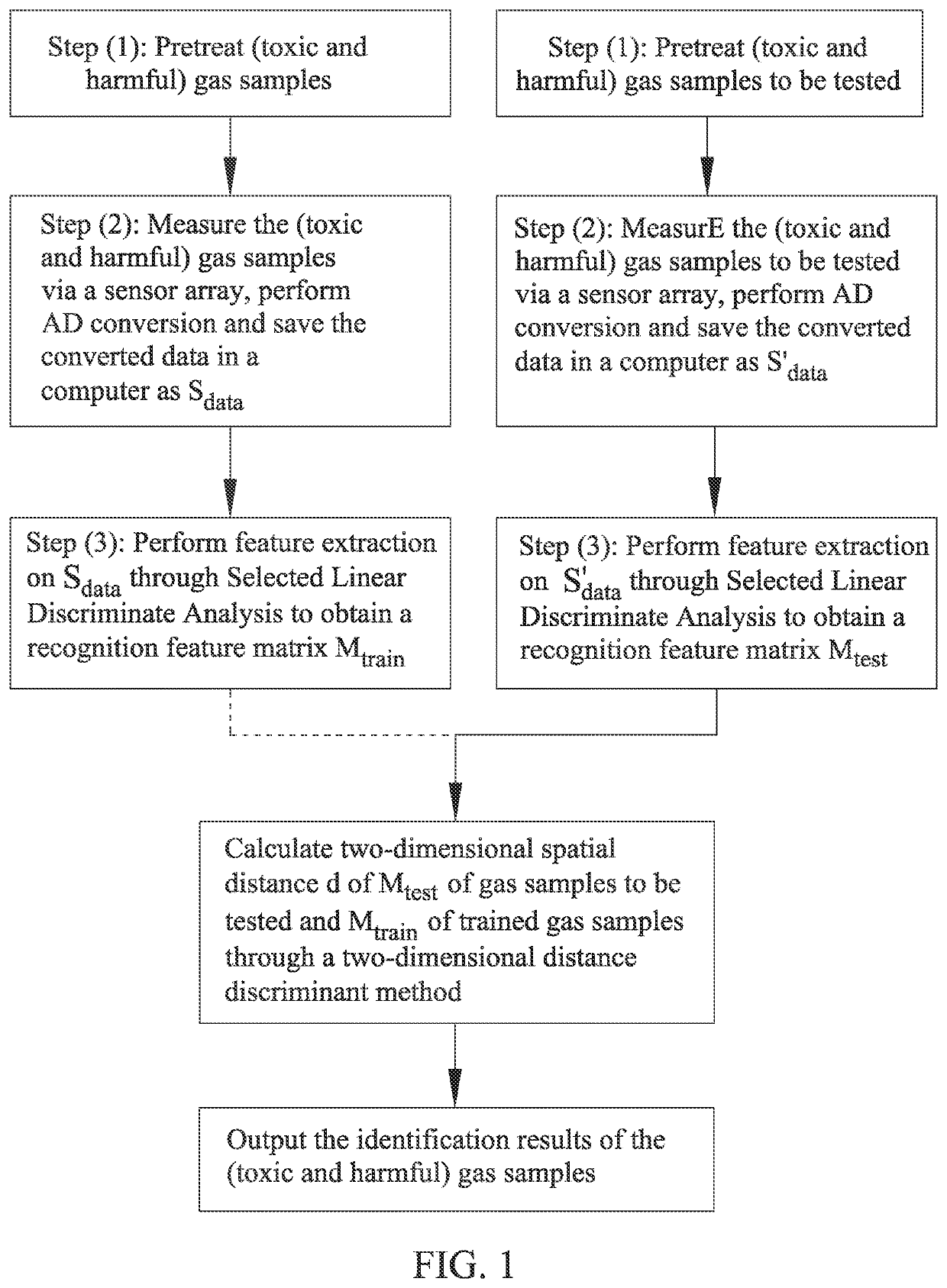
Method for detecting and identifying toxic and harmful gases based on machine olfaction
PatentActiveUS11408875B2
Innovation
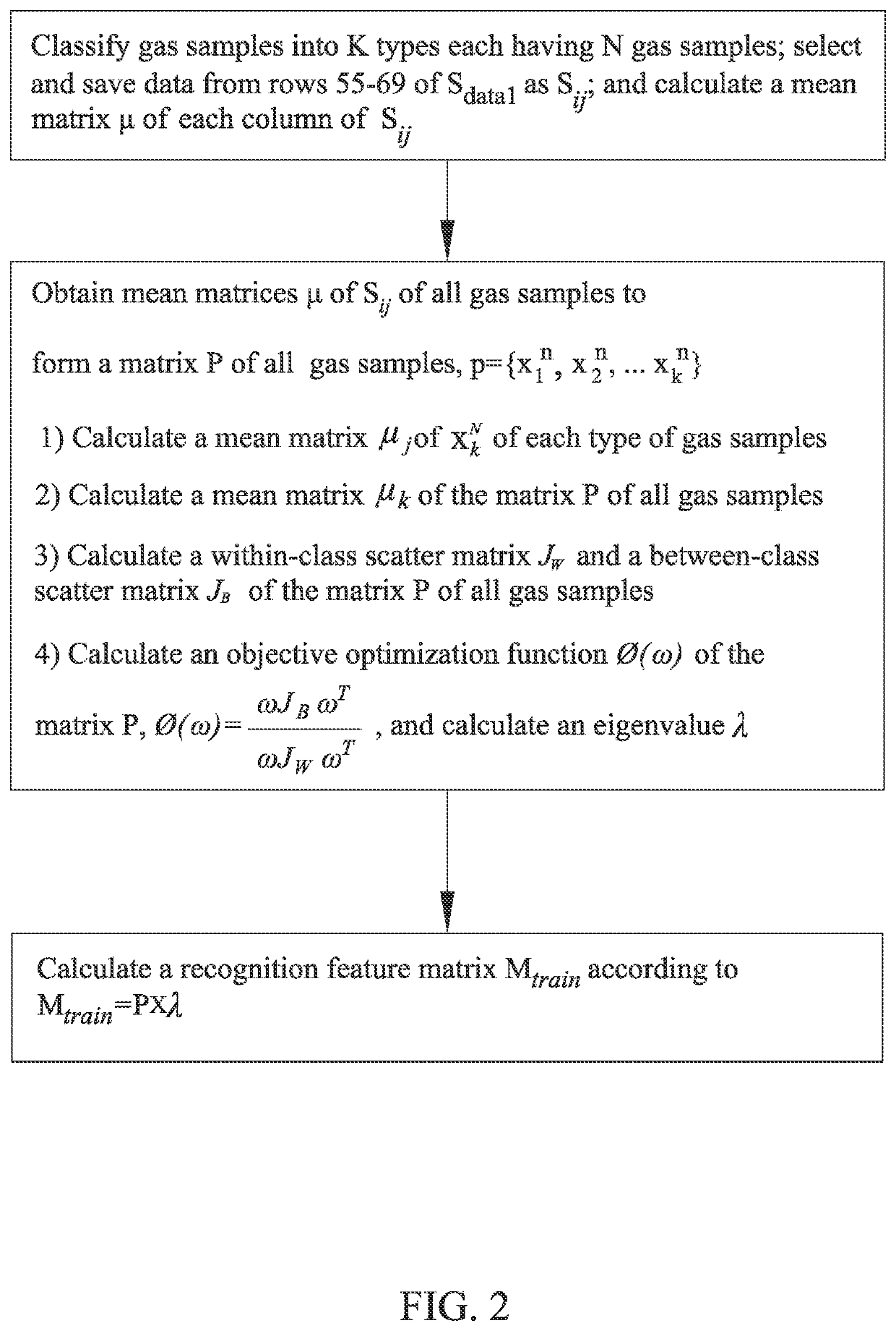
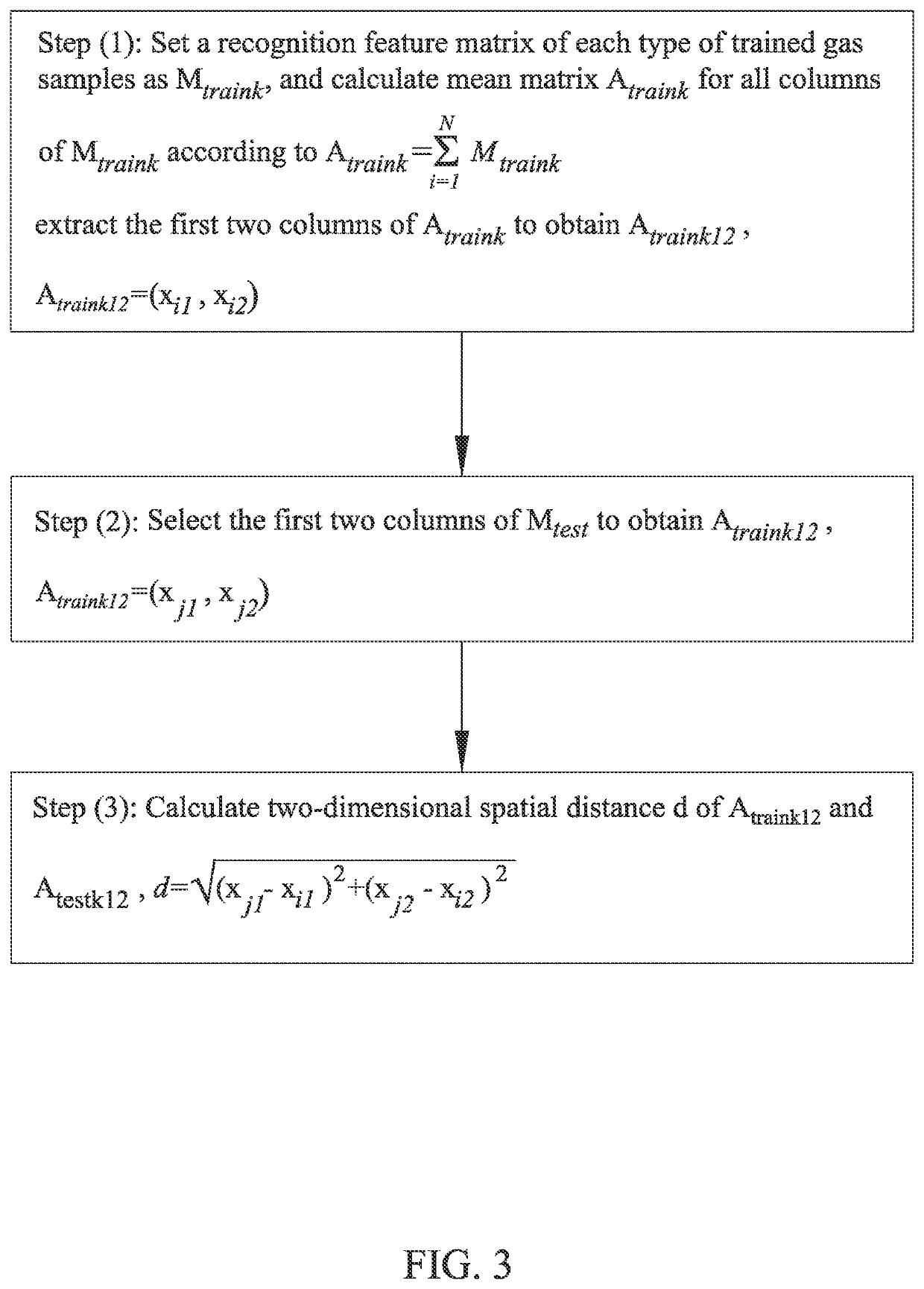
- A method utilizing a machine olfactory system with Selected Linear Discriminate Analysis (SLDA) and a two-dimensional distance discriminant method to analyze gas samples, constructing an odor information base for identification.

Fire Safety Standards and Certification Requirements
Machine olfaction-based fire detection systems must comply with stringent international and regional fire safety standards to ensure reliable performance in critical applications. The International Organization for Standardization (ISO) provides foundational frameworks through ISO 7240 series, which establishes general requirements for fire detection and alarm systems. These standards mandate specific sensitivity thresholds, response times, and environmental tolerance parameters that electronic nose technologies must meet to qualify for commercial deployment.
The European Committee for Standardization (CEN) has developed EN 54 series standards that specifically address fire detection system components and their performance criteria. Machine olfaction devices seeking European market approval must demonstrate compliance with EN 54-7 for point smoke detectors and EN 54-20 for aspirating smoke detection systems. These regulations require extensive testing protocols including sensitivity verification, electromagnetic compatibility assessments, and environmental stress evaluations under varying temperature and humidity conditions.
Underwriters Laboratories (UL) certification represents a critical requirement for North American markets, with UL 268 and UL 268A establishing comprehensive testing procedures for smoke detectors. Machine olfaction systems must undergo rigorous evaluation processes including nuisance alarm resistance testing, fire sensitivity assessments, and long-term stability verification. The certification process typically requires demonstration of consistent performance across diverse fire scenarios including smoldering materials, flaming combustibles, and cooking-related false alarm sources.
National Fire Protection Association (NFPA) codes, particularly NFPA 72, establish installation and maintenance requirements that directly impact machine olfaction system deployment. These standards specify detector spacing, mounting requirements, and integration protocols with existing fire alarm infrastructure. Compliance necessitates careful consideration of airflow patterns, contamination sources, and accessibility for routine maintenance procedures.
Emerging regulatory frameworks specifically addressing artificial intelligence and machine learning components in safety-critical applications are beginning to influence certification requirements. The International Electrotechnical Commission (IEC) is developing standards for AI-enabled safety systems that will likely impact future machine olfaction implementations. These evolving requirements emphasize algorithm transparency, performance validation methodologies, and fail-safe operational modes to ensure consistent fire detection capabilities throughout system lifecycle.
Regional variations in certification requirements present additional complexity, with countries like Japan, Australia, and China maintaining distinct testing protocols and approval processes. Successful market penetration requires comprehensive understanding of local regulatory landscapes and proactive engagement with certification bodies to establish appropriate testing methodologies for novel machine olfaction technologies.
The European Committee for Standardization (CEN) has developed EN 54 series standards that specifically address fire detection system components and their performance criteria. Machine olfaction devices seeking European market approval must demonstrate compliance with EN 54-7 for point smoke detectors and EN 54-20 for aspirating smoke detection systems. These regulations require extensive testing protocols including sensitivity verification, electromagnetic compatibility assessments, and environmental stress evaluations under varying temperature and humidity conditions.
Underwriters Laboratories (UL) certification represents a critical requirement for North American markets, with UL 268 and UL 268A establishing comprehensive testing procedures for smoke detectors. Machine olfaction systems must undergo rigorous evaluation processes including nuisance alarm resistance testing, fire sensitivity assessments, and long-term stability verification. The certification process typically requires demonstration of consistent performance across diverse fire scenarios including smoldering materials, flaming combustibles, and cooking-related false alarm sources.
National Fire Protection Association (NFPA) codes, particularly NFPA 72, establish installation and maintenance requirements that directly impact machine olfaction system deployment. These standards specify detector spacing, mounting requirements, and integration protocols with existing fire alarm infrastructure. Compliance necessitates careful consideration of airflow patterns, contamination sources, and accessibility for routine maintenance procedures.
Emerging regulatory frameworks specifically addressing artificial intelligence and machine learning components in safety-critical applications are beginning to influence certification requirements. The International Electrotechnical Commission (IEC) is developing standards for AI-enabled safety systems that will likely impact future machine olfaction implementations. These evolving requirements emphasize algorithm transparency, performance validation methodologies, and fail-safe operational modes to ensure consistent fire detection capabilities throughout system lifecycle.
Regional variations in certification requirements present additional complexity, with countries like Japan, Australia, and China maintaining distinct testing protocols and approval processes. Successful market penetration requires comprehensive understanding of local regulatory landscapes and proactive engagement with certification bodies to establish appropriate testing methodologies for novel machine olfaction technologies.
Environmental Impact of Electronic Nose Fire Systems
Electronic nose fire detection systems represent a significant advancement in environmental monitoring technology, offering substantial ecological benefits compared to traditional fire detection methods. These systems eliminate the need for chemical suppressants and reduce false alarm rates, thereby minimizing unnecessary environmental disruptions and resource waste.
The carbon footprint of electronic nose systems is considerably lower than conventional detection technologies. Unlike photoelectric or ionization detectors that require frequent battery replacements and generate electronic waste, machine olfaction systems typically feature longer operational lifespans and reduced maintenance requirements. The absence of radioactive materials, commonly found in ionization detectors, eliminates potential soil and groundwater contamination risks during disposal processes.
Energy consumption patterns of electronic nose fire systems demonstrate remarkable efficiency gains. Advanced sensor arrays and machine learning algorithms enable selective activation protocols, reducing continuous power draw by up to 40% compared to traditional systems. This energy optimization translates directly into reduced greenhouse gas emissions from power generation, particularly in large-scale industrial installations where hundreds of detection units operate simultaneously.
Water resource conservation emerges as another critical environmental advantage. Traditional sprinkler systems activated by false alarms can waste thousands of gallons annually, while electronic nose precision detection minimizes unnecessary water discharge. This conservation becomes particularly valuable in water-scarce regions where industrial facilities compete with local communities for limited resources.
Material sustainability aspects favor electronic nose implementations through reduced infrastructure requirements. The technology's ability to provide early detection enables smaller, more targeted suppression systems, reducing the overall material footprint of fire safety installations. Additionally, the modular design of sensor arrays facilitates component-level replacement rather than complete system overhauls, extending equipment lifecycles and reducing manufacturing demands.
Ecosystem preservation benefits extend beyond direct resource conservation. Electronic nose systems' enhanced accuracy prevents unnecessary evacuations and operational shutdowns that can disrupt local wildlife habitats and migration patterns around industrial facilities. The reduced chemical suppressant usage also minimizes potential impacts on surrounding vegetation and soil microorganisms, maintaining ecological balance in industrial environments.
The carbon footprint of electronic nose systems is considerably lower than conventional detection technologies. Unlike photoelectric or ionization detectors that require frequent battery replacements and generate electronic waste, machine olfaction systems typically feature longer operational lifespans and reduced maintenance requirements. The absence of radioactive materials, commonly found in ionization detectors, eliminates potential soil and groundwater contamination risks during disposal processes.
Energy consumption patterns of electronic nose fire systems demonstrate remarkable efficiency gains. Advanced sensor arrays and machine learning algorithms enable selective activation protocols, reducing continuous power draw by up to 40% compared to traditional systems. This energy optimization translates directly into reduced greenhouse gas emissions from power generation, particularly in large-scale industrial installations where hundreds of detection units operate simultaneously.
Water resource conservation emerges as another critical environmental advantage. Traditional sprinkler systems activated by false alarms can waste thousands of gallons annually, while electronic nose precision detection minimizes unnecessary water discharge. This conservation becomes particularly valuable in water-scarce regions where industrial facilities compete with local communities for limited resources.
Material sustainability aspects favor electronic nose implementations through reduced infrastructure requirements. The technology's ability to provide early detection enables smaller, more targeted suppression systems, reducing the overall material footprint of fire safety installations. Additionally, the modular design of sensor arrays facilitates component-level replacement rather than complete system overhauls, extending equipment lifecycles and reducing manufacturing demands.
Ecosystem preservation benefits extend beyond direct resource conservation. Electronic nose systems' enhanced accuracy prevents unnecessary evacuations and operational shutdowns that can disrupt local wildlife habitats and migration patterns around industrial facilities. The reduced chemical suppressant usage also minimizes potential impacts on surrounding vegetation and soil microorganisms, maintaining ecological balance in industrial environments.
Unlock deeper insights with PatSnap Eureka Quick Research — get a full tech report to explore trends and direct your research. Try now!
Generate Your Research Report Instantly with AI Agent
Supercharge your innovation with PatSnap Eureka AI Agent Platform!