

Machine Olfaction in Vehicle Emission Control: Solutions for Efficiency
APR 29, 20269 MIN READ
Generate Your Research Report Instantly with AI Agent
PatSnap Eureka helps you evaluate technical feasibility & market potential.
Machine Olfaction Vehicle Emission Background and Objectives
Machine olfaction technology has emerged as a revolutionary approach to environmental monitoring, drawing inspiration from biological olfactory systems to detect and analyze chemical compounds in the atmosphere. This biomimetic technology utilizes arrays of chemical sensors, pattern recognition algorithms, and artificial intelligence to replicate the sophisticated detection capabilities of natural smell perception systems.
The automotive industry faces unprecedented pressure to reduce vehicular emissions due to stringent environmental regulations and growing public awareness of air quality issues. Traditional emission control systems, while effective, often operate on predetermined parameters and lack real-time adaptive capabilities. The integration of machine olfaction presents an opportunity to create more intelligent, responsive emission control systems that can dynamically adjust to varying operational conditions.
Vehicle emission control has evolved significantly since the introduction of catalytic converters in the 1970s. Current systems primarily rely on oxygen sensors, temperature monitoring, and engine management algorithms to optimize combustion and reduce harmful emissions. However, these conventional approaches face limitations in detecting trace pollutants, adapting to fuel quality variations, and responding to real-time environmental conditions that affect emission characteristics.
The primary objective of implementing machine olfaction in vehicle emission control is to enhance system efficiency through intelligent chemical detection and analysis. This technology aims to provide real-time monitoring of exhaust composition, enabling immediate adjustments to engine parameters, fuel injection timing, and catalytic converter operation. By creating a feedback loop based on actual emission composition rather than indirect measurements, vehicles can achieve optimal performance while minimizing environmental impact.
Secondary objectives include developing predictive maintenance capabilities for emission control components, detecting fuel quality issues that affect emission performance, and creating adaptive systems that learn from driving patterns and environmental conditions. The technology also seeks to enable compliance monitoring that provides accurate, real-time data for regulatory reporting and environmental impact assessment.
The ultimate goal is to establish a new paradigm in automotive emission control where vehicles become self-monitoring, self-optimizing systems capable of maintaining minimal environmental impact across diverse operating conditions while preserving performance and fuel efficiency standards expected by consumers.
The automotive industry faces unprecedented pressure to reduce vehicular emissions due to stringent environmental regulations and growing public awareness of air quality issues. Traditional emission control systems, while effective, often operate on predetermined parameters and lack real-time adaptive capabilities. The integration of machine olfaction presents an opportunity to create more intelligent, responsive emission control systems that can dynamically adjust to varying operational conditions.
Vehicle emission control has evolved significantly since the introduction of catalytic converters in the 1970s. Current systems primarily rely on oxygen sensors, temperature monitoring, and engine management algorithms to optimize combustion and reduce harmful emissions. However, these conventional approaches face limitations in detecting trace pollutants, adapting to fuel quality variations, and responding to real-time environmental conditions that affect emission characteristics.
The primary objective of implementing machine olfaction in vehicle emission control is to enhance system efficiency through intelligent chemical detection and analysis. This technology aims to provide real-time monitoring of exhaust composition, enabling immediate adjustments to engine parameters, fuel injection timing, and catalytic converter operation. By creating a feedback loop based on actual emission composition rather than indirect measurements, vehicles can achieve optimal performance while minimizing environmental impact.
Secondary objectives include developing predictive maintenance capabilities for emission control components, detecting fuel quality issues that affect emission performance, and creating adaptive systems that learn from driving patterns and environmental conditions. The technology also seeks to enable compliance monitoring that provides accurate, real-time data for regulatory reporting and environmental impact assessment.
The ultimate goal is to establish a new paradigm in automotive emission control where vehicles become self-monitoring, self-optimizing systems capable of maintaining minimal environmental impact across diverse operating conditions while preserving performance and fuel efficiency standards expected by consumers.
Market Demand for Smart Vehicle Emission Control Systems
The global automotive industry is experiencing unprecedented pressure to reduce emissions and improve environmental compliance, driving substantial demand for advanced emission control technologies. Traditional emission monitoring systems, primarily relying on chemical sensors and periodic testing protocols, are proving inadequate for real-time, comprehensive emission management in modern vehicles. This gap has created a significant market opportunity for intelligent emission control solutions that can provide continuous monitoring, predictive maintenance, and adaptive control capabilities.
Machine olfaction technology represents a transformative approach to vehicle emission control, offering capabilities that extend far beyond conventional sensor systems. The technology's ability to detect and analyze complex gas mixtures in real-time addresses critical market needs for enhanced emission monitoring accuracy, reduced maintenance costs, and improved regulatory compliance. Fleet operators, automotive manufacturers, and regulatory bodies are increasingly seeking solutions that can provide granular emission data while minimizing operational disruptions.
The commercial vehicle segment demonstrates particularly strong demand for smart emission control systems, driven by stringent regulatory requirements and operational cost considerations. Heavy-duty trucks, buses, and industrial vehicles face increasingly complex emission standards across different jurisdictions, creating demand for adaptive systems that can optimize performance based on real-time conditions. Machine olfaction systems offer the potential to revolutionize this market by providing predictive capabilities that enable proactive maintenance and optimization strategies.
Consumer vehicle markets are also showing growing interest in advanced emission control technologies, particularly as environmental consciousness increases and regulatory frameworks tighten. The integration of machine olfaction into passenger vehicles could enable new features such as real-time emission reporting, route optimization based on emission efficiency, and predictive maintenance alerts. These capabilities align with broader trends toward connected and intelligent vehicle systems.
The aftermarket segment presents additional opportunities for machine olfaction-based emission control solutions. Existing vehicle fleets require cost-effective retrofit options to meet evolving regulatory requirements and operational efficiency goals. Machine olfaction systems designed for retrofit applications could capture significant market share by offering advanced capabilities without requiring complete system replacements.
Regulatory drivers continue to intensify market demand, with emission standards becoming more stringent globally. The European Union's Euro VII standards, California's Advanced Clean Trucks Rule, and similar regulations worldwide are creating mandatory requirements for enhanced emission monitoring and control capabilities. These regulatory frameworks specifically favor technologies that can provide continuous, accurate monitoring and adaptive control responses.
Machine olfaction technology represents a transformative approach to vehicle emission control, offering capabilities that extend far beyond conventional sensor systems. The technology's ability to detect and analyze complex gas mixtures in real-time addresses critical market needs for enhanced emission monitoring accuracy, reduced maintenance costs, and improved regulatory compliance. Fleet operators, automotive manufacturers, and regulatory bodies are increasingly seeking solutions that can provide granular emission data while minimizing operational disruptions.
The commercial vehicle segment demonstrates particularly strong demand for smart emission control systems, driven by stringent regulatory requirements and operational cost considerations. Heavy-duty trucks, buses, and industrial vehicles face increasingly complex emission standards across different jurisdictions, creating demand for adaptive systems that can optimize performance based on real-time conditions. Machine olfaction systems offer the potential to revolutionize this market by providing predictive capabilities that enable proactive maintenance and optimization strategies.
Consumer vehicle markets are also showing growing interest in advanced emission control technologies, particularly as environmental consciousness increases and regulatory frameworks tighten. The integration of machine olfaction into passenger vehicles could enable new features such as real-time emission reporting, route optimization based on emission efficiency, and predictive maintenance alerts. These capabilities align with broader trends toward connected and intelligent vehicle systems.
The aftermarket segment presents additional opportunities for machine olfaction-based emission control solutions. Existing vehicle fleets require cost-effective retrofit options to meet evolving regulatory requirements and operational efficiency goals. Machine olfaction systems designed for retrofit applications could capture significant market share by offering advanced capabilities without requiring complete system replacements.
Regulatory drivers continue to intensify market demand, with emission standards becoming more stringent globally. The European Union's Euro VII standards, California's Advanced Clean Trucks Rule, and similar regulations worldwide are creating mandatory requirements for enhanced emission monitoring and control capabilities. These regulatory frameworks specifically favor technologies that can provide continuous, accurate monitoring and adaptive control responses.
Current State and Challenges of Olfactory Sensing in Automotive
The current landscape of olfactory sensing technology in automotive applications presents a complex interplay of promising developments and significant technical barriers. Machine olfaction systems have emerged as a critical component for vehicle emission control, yet their implementation faces substantial challenges that limit widespread adoption across the automotive industry.
Contemporary olfactory sensing systems in vehicles primarily rely on metal oxide semiconductor sensors, electrochemical sensors, and emerging technologies such as conducting polymer arrays. These systems demonstrate varying degrees of effectiveness in detecting specific emission compounds, with metal oxide sensors showing particular sensitivity to nitrogen oxides and hydrocarbons. However, cross-sensitivity issues remain a persistent challenge, where sensors respond to multiple compounds simultaneously, compromising detection accuracy.
The integration of artificial intelligence and machine learning algorithms has shown promise in addressing pattern recognition challenges inherent in complex emission profiles. Current implementations utilize neural networks to differentiate between various gaseous compounds, achieving detection accuracies of approximately 85-92% under controlled laboratory conditions. Nevertheless, real-world automotive environments introduce variables such as temperature fluctuations, humidity changes, and vibration that significantly impact sensor performance and reliability.
Miniaturization constraints pose another significant challenge for automotive olfactory systems. Current sensor arrays require substantial space and power consumption, conflicting with automotive industry demands for compact, energy-efficient solutions. The typical sensor response time ranges from 30 seconds to several minutes, which proves inadequate for real-time emission monitoring requirements during dynamic driving conditions.
Calibration and maintenance represent ongoing operational challenges. Sensor drift over time necessitates frequent recalibration procedures, while exposure to harsh automotive environments accelerates sensor degradation. The average operational lifespan of current olfactory sensors in automotive applications ranges from 18 to 36 months, creating concerns about long-term reliability and maintenance costs.
Cost considerations further complicate widespread adoption. Advanced olfactory sensing systems currently cost between $200-800 per unit, representing a significant expense for mass-market vehicle integration. Manufacturing scalability remains limited, with most specialized sensors produced in relatively small quantities, preventing economies of scale that could reduce costs.
Despite these challenges, recent technological advances demonstrate potential pathways forward. Emerging nanomaterial-based sensors show improved selectivity and reduced power consumption, while advanced signal processing techniques enhance discrimination capabilities in complex emission environments.
Contemporary olfactory sensing systems in vehicles primarily rely on metal oxide semiconductor sensors, electrochemical sensors, and emerging technologies such as conducting polymer arrays. These systems demonstrate varying degrees of effectiveness in detecting specific emission compounds, with metal oxide sensors showing particular sensitivity to nitrogen oxides and hydrocarbons. However, cross-sensitivity issues remain a persistent challenge, where sensors respond to multiple compounds simultaneously, compromising detection accuracy.
The integration of artificial intelligence and machine learning algorithms has shown promise in addressing pattern recognition challenges inherent in complex emission profiles. Current implementations utilize neural networks to differentiate between various gaseous compounds, achieving detection accuracies of approximately 85-92% under controlled laboratory conditions. Nevertheless, real-world automotive environments introduce variables such as temperature fluctuations, humidity changes, and vibration that significantly impact sensor performance and reliability.
Miniaturization constraints pose another significant challenge for automotive olfactory systems. Current sensor arrays require substantial space and power consumption, conflicting with automotive industry demands for compact, energy-efficient solutions. The typical sensor response time ranges from 30 seconds to several minutes, which proves inadequate for real-time emission monitoring requirements during dynamic driving conditions.
Calibration and maintenance represent ongoing operational challenges. Sensor drift over time necessitates frequent recalibration procedures, while exposure to harsh automotive environments accelerates sensor degradation. The average operational lifespan of current olfactory sensors in automotive applications ranges from 18 to 36 months, creating concerns about long-term reliability and maintenance costs.
Cost considerations further complicate widespread adoption. Advanced olfactory sensing systems currently cost between $200-800 per unit, representing a significant expense for mass-market vehicle integration. Manufacturing scalability remains limited, with most specialized sensors produced in relatively small quantities, preventing economies of scale that could reduce costs.
Despite these challenges, recent technological advances demonstrate potential pathways forward. Emerging nanomaterial-based sensors show improved selectivity and reduced power consumption, while advanced signal processing techniques enhance discrimination capabilities in complex emission environments.
Existing Machine Olfaction Solutions for Vehicle Emissions
01 Electronic nose sensor array optimization
Advanced sensor array configurations and optimization techniques are employed to enhance the detection capabilities of electronic nose systems. These approaches focus on improving sensor sensitivity, selectivity, and response time through optimized sensor arrangements and signal processing algorithms. The technology enables better discrimination between different odor compounds and reduces interference from environmental factors.- Electronic nose sensor array optimization: Advanced sensor array configurations and optimization techniques are employed to enhance the detection capabilities of electronic nose systems. These approaches focus on improving sensor selectivity, sensitivity, and response time through optimized sensor arrangements and materials. The technology involves multi-sensor arrays with different sensing mechanisms to capture comprehensive odor profiles and improve overall system performance.
- Signal processing and pattern recognition algorithms: Sophisticated signal processing methods and machine learning algorithms are implemented to analyze complex odor data from sensor arrays. These techniques include feature extraction, dimensionality reduction, and classification algorithms that can identify and distinguish between different odor patterns. Advanced computational methods enable real-time processing and improve the accuracy of odor identification and quantification.
- Miniaturized and portable olfaction devices: Development of compact, portable electronic nose systems that maintain high performance while reducing size and power consumption. These devices incorporate microelectronics and microfabrication technologies to create handheld or wearable olfaction systems. The miniaturization enables field deployment and real-time monitoring applications while preserving detection accuracy and sensitivity.
- Multi-modal sensing integration: Integration of multiple sensing modalities beyond traditional chemical sensors to enhance olfaction system performance. This approach combines different detection principles such as optical, thermal, and electrochemical sensing to provide complementary information about odor samples. The multi-modal approach improves system robustness, reduces false positives, and enables detection of a broader range of volatile compounds.
- Calibration and drift compensation methods: Advanced calibration techniques and drift compensation algorithms are developed to maintain long-term stability and accuracy of machine olfaction systems. These methods address sensor aging, environmental variations, and baseline drift issues that can affect system performance over time. Self-calibration mechanisms and reference standard approaches ensure consistent and reliable odor detection throughout the operational lifetime of the device.
02 Machine learning algorithms for odor recognition
Artificial intelligence and machine learning techniques are integrated into olfactory systems to improve pattern recognition and classification accuracy. These algorithms process complex sensor data to identify and categorize different odors with higher precision. The systems can learn from training data and adapt to new odor patterns, significantly enhancing overall detection efficiency.Expand Specific Solutions03 Gas sampling and preconcentration systems
Specialized sampling mechanisms and preconcentration techniques are developed to improve the collection and preparation of volatile organic compounds for analysis. These systems enhance the concentration of target molecules before detection, leading to improved sensitivity and lower detection limits. Various sampling methods and concentration techniques are employed to optimize the input signal quality.Expand Specific Solutions04 Multi-sensor fusion and signal processing
Advanced signal processing techniques and multi-sensor fusion approaches are utilized to combine data from multiple detection sources. These methods improve the reliability and accuracy of odor identification by processing signals from different types of sensors simultaneously. The fusion algorithms help reduce noise, eliminate false positives, and enhance the overall system performance.Expand Specific Solutions05 Portable and miniaturized olfaction devices
Compact and portable electronic nose systems are designed for field applications and real-time monitoring. These miniaturized devices maintain high detection efficiency while offering improved mobility and ease of use. The technology focuses on reducing power consumption, size, and cost while preserving detection accuracy and response speed for various industrial and environmental applications.Expand Specific Solutions
Key Players in Automotive Olfactory Sensing Industry
The machine olfaction market for vehicle emission control is in its early development stage, with significant growth potential driven by increasingly stringent environmental regulations and the automotive industry's shift toward sustainable technologies. The market remains relatively small but is expanding rapidly as automakers seek innovative solutions for real-time emission monitoring and control efficiency. Technology maturity varies considerably across market participants, with established automotive giants like Toyota Motor Corp., BMW AG, Ford Global Technologies LLC, and Nissan Motor Co. leading integration efforts alongside specialized suppliers such as DENSO Corp., Valeo Thermal Systems, and ZF Friedrichshafen AG. Chinese manufacturers including Great Wall Motor, China FAW, and Guangzhou Automobile Group are actively investing in emission control technologies, while technology companies like Intel Corp. and IBM provide essential computational infrastructure. Emerging specialists like Guangzhou Paidao Smell and Identification Technology represent the cutting-edge development of dedicated olfactory sensing solutions, indicating a maturing technological landscape with diverse approaches to machine olfaction implementation.
DENSO Corp.
Technical Solution: DENSO has developed advanced electronic nose systems integrated with vehicle emission control units that utilize metal oxide semiconductor sensors and machine learning algorithms to detect trace amounts of NOx, CO, and hydrocarbon emissions in real-time. Their proprietary multi-sensor array technology combines temperature-compensated gas sensors with AI-powered pattern recognition to identify specific emission signatures and automatically adjust engine parameters for optimal combustion efficiency. The system features adaptive calibration capabilities that learn from driving patterns and environmental conditions to maintain detection accuracy over the vehicle's lifetime, achieving detection limits as low as 1 ppm for key pollutants while operating in harsh automotive environments with temperature ranges from -40°C to 125°C.
Strengths: Proven automotive-grade reliability, extensive sensor integration experience, strong AI algorithm development. Weaknesses: Higher cost compared to traditional sensors, requires regular calibration maintenance.
Toyota Motor Corp.
Technical Solution: Toyota has implemented machine olfaction technology in their hybrid and fuel cell vehicles through a comprehensive emission monitoring system that employs an array of electrochemical and optical gas sensors coupled with neural network processing. Their approach focuses on real-time detection of emission anomalies to trigger immediate engine management adjustments, particularly for their Prius and Mirai models. The system utilizes Toyota's proprietary sensor fusion technology that combines traditional lambda sensors with advanced chemical detection arrays to monitor combustion efficiency and catalyst performance. Their machine learning algorithms can predict catalyst degradation up to 10,000 miles before traditional diagnostic methods, enabling proactive maintenance scheduling and ensuring consistent emission compliance throughout the vehicle's operational life.
Strengths: Integration with hybrid powertrains, predictive maintenance capabilities, extensive field testing data. Weaknesses: Limited to specific vehicle platforms, complex integration with existing systems.
Core Patents in Automotive Olfactory Emission Detection
Multi-parametric machine olfaction
PatentActiveUS11828742B2
Innovation
- A system comprising an array of chemical, pressure, and temperature sensors, along with a temporal airflow modulator, which provides sniffed vapors in a temporally-modulated sequence through multiple air paths, expanding the feature space and mimicking biological olfaction by incorporating spatiotemporal time signatures and physical properties of odors.


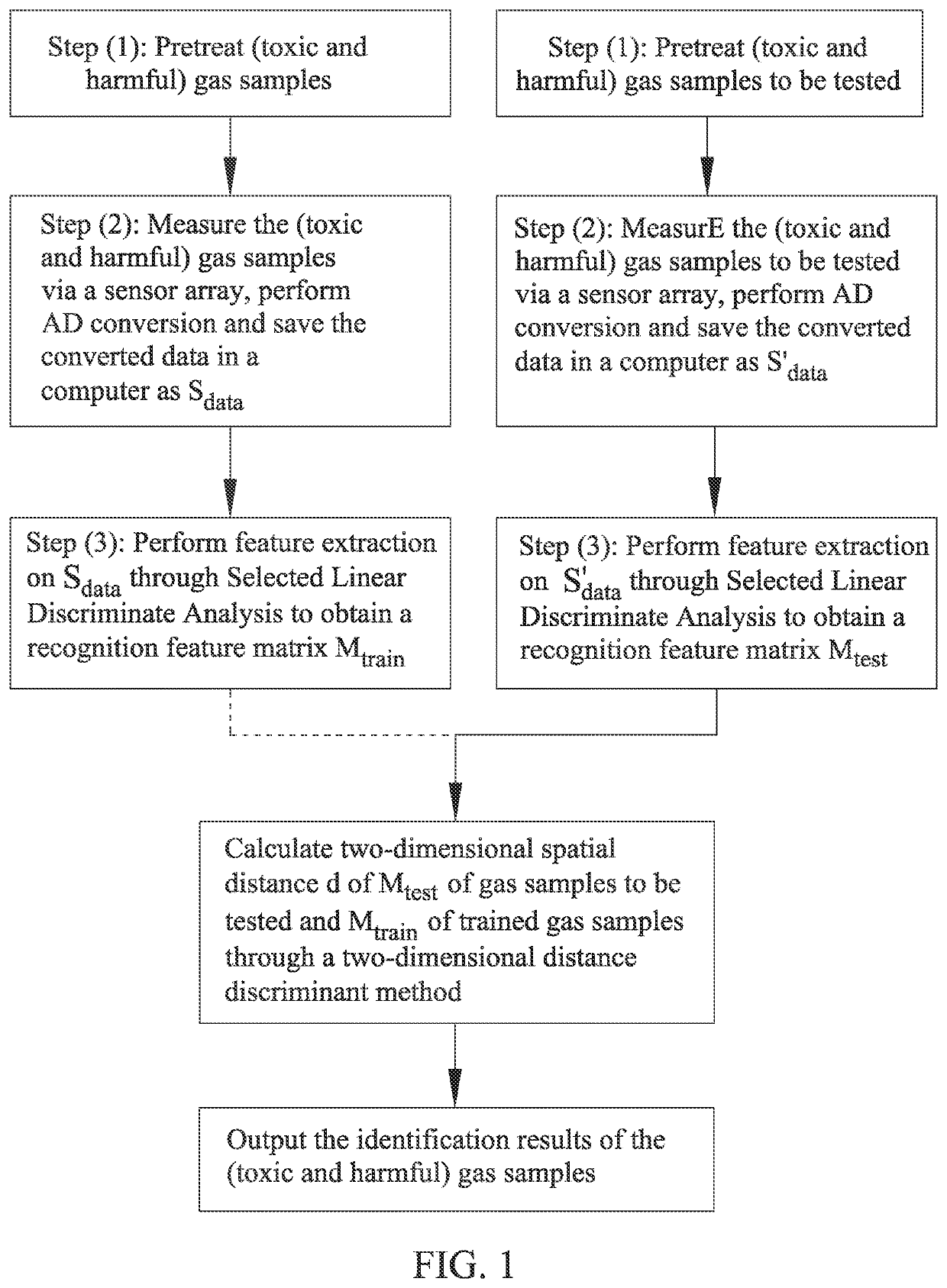
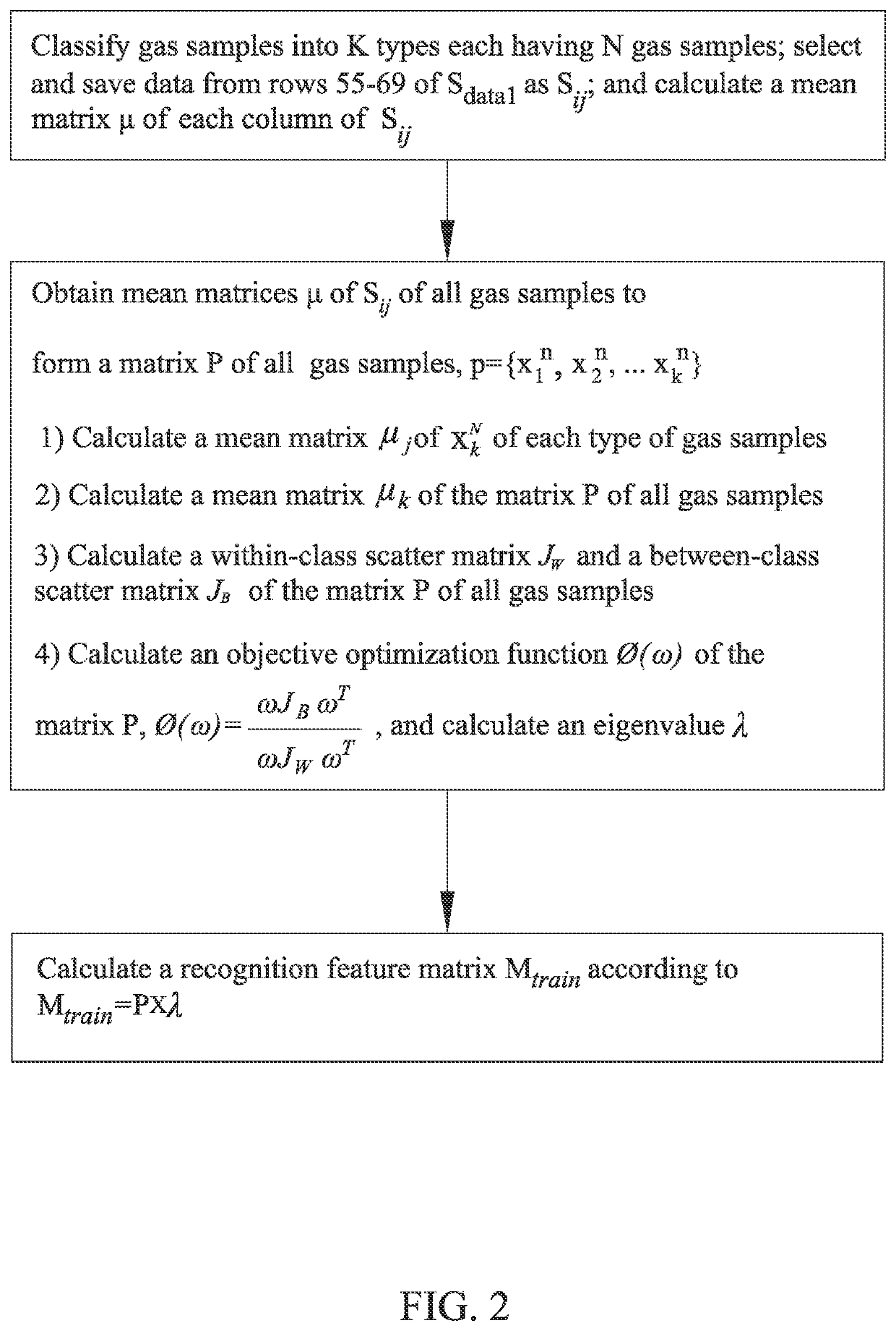
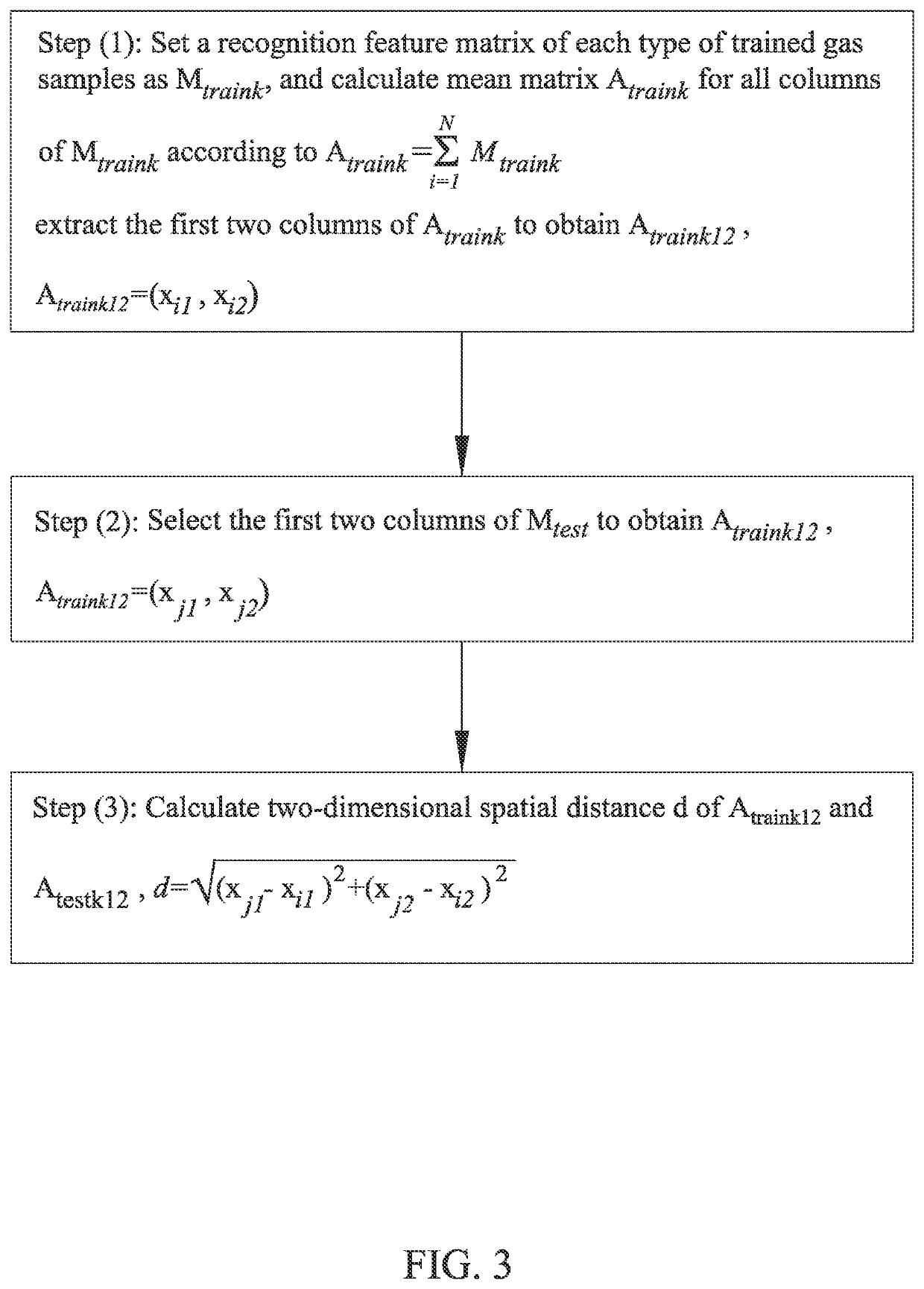
Method for detecting and identifying toxic and harmful gases based on machine olfaction
PatentActiveUS11408875B2
Innovation
- A method utilizing a machine olfactory system with Selected Linear Discriminate Analysis (SLDA) and a two-dimensional distance discriminant method to analyze gas samples, constructing an odor information base for identification.

Environmental Regulations Impact on Vehicle Emission Standards
Environmental regulations serve as the primary driving force behind the evolution of vehicle emission standards worldwide, fundamentally reshaping the automotive industry's approach to pollution control. The regulatory landscape has undergone dramatic transformation since the 1970s, with agencies like the U.S. Environmental Protection Agency (EPA) and the European Environment Agency establishing increasingly stringent limits on harmful pollutants including nitrogen oxides, particulate matter, carbon monoxide, and hydrocarbons.
The implementation of successive regulatory frameworks has created a cascading effect on emission control technologies. The Euro emission standards in Europe, beginning with Euro 1 in 1992 and progressing to Euro 6d in recent years, have systematically reduced allowable emission levels by over 95% for key pollutants. Similarly, the U.S. Tier 3 standards and California's Advanced Clean Cars Program have established benchmark requirements that necessitate revolutionary advances in emission monitoring and control systems.
Real Driving Emissions (RDE) regulations represent a paradigm shift from laboratory-based testing to real-world performance validation. These regulations mandate continuous monitoring of vehicle emissions under actual driving conditions, creating unprecedented demand for sophisticated sensing technologies capable of real-time pollutant detection and quantification. The transition from static test cycles to dynamic real-world assessment has exposed the limitations of traditional emission control approaches.
Global harmonization efforts through organizations like the United Nations Economic Commission for Europe have facilitated the development of unified technical regulations, while regional variations continue to drive innovation in specific areas. China's implementation of China VI standards and India's Bharat Stage VI norms have expanded the global market for advanced emission control technologies, creating opportunities for machine olfaction systems that can adapt to diverse regulatory requirements.
The regulatory emphasis on fleet-wide compliance and lifetime durability requirements has intensified the need for continuous emission monitoring systems. Machine olfaction technologies emerge as critical enablers for meeting these evolving regulatory demands, offering the precision, reliability, and real-time capability necessary to ensure sustained compliance throughout vehicle operational life while optimizing emission control system efficiency.
The implementation of successive regulatory frameworks has created a cascading effect on emission control technologies. The Euro emission standards in Europe, beginning with Euro 1 in 1992 and progressing to Euro 6d in recent years, have systematically reduced allowable emission levels by over 95% for key pollutants. Similarly, the U.S. Tier 3 standards and California's Advanced Clean Cars Program have established benchmark requirements that necessitate revolutionary advances in emission monitoring and control systems.
Real Driving Emissions (RDE) regulations represent a paradigm shift from laboratory-based testing to real-world performance validation. These regulations mandate continuous monitoring of vehicle emissions under actual driving conditions, creating unprecedented demand for sophisticated sensing technologies capable of real-time pollutant detection and quantification. The transition from static test cycles to dynamic real-world assessment has exposed the limitations of traditional emission control approaches.
Global harmonization efforts through organizations like the United Nations Economic Commission for Europe have facilitated the development of unified technical regulations, while regional variations continue to drive innovation in specific areas. China's implementation of China VI standards and India's Bharat Stage VI norms have expanded the global market for advanced emission control technologies, creating opportunities for machine olfaction systems that can adapt to diverse regulatory requirements.
The regulatory emphasis on fleet-wide compliance and lifetime durability requirements has intensified the need for continuous emission monitoring systems. Machine olfaction technologies emerge as critical enablers for meeting these evolving regulatory demands, offering the precision, reliability, and real-time capability necessary to ensure sustained compliance throughout vehicle operational life while optimizing emission control system efficiency.
Integration Challenges of Olfactory Systems in Vehicle Architecture
The integration of olfactory systems into vehicle architecture presents multifaceted challenges that span mechanical, electrical, and software domains. Traditional vehicle designs were not conceived to accommodate sophisticated chemical sensing arrays, creating fundamental compatibility issues that require comprehensive engineering solutions.
Physical space constraints represent the primary integration hurdle. Modern vehicles operate under strict packaging requirements where every cubic centimeter is optimized for performance, safety, or passenger comfort. Olfactory sensor arrays, particularly those requiring multiple detection chambers and reference gas systems, compete directly with existing components for precious real estate within engine compartments and exhaust systems.
Thermal management poses another critical challenge. Vehicle environments subject electronic components to extreme temperature variations, from sub-zero startup conditions to engine bay temperatures exceeding 120°C. Olfactory sensors, often incorporating delicate chemical coatings and micro-electromechanical systems, require sophisticated thermal protection and compensation mechanisms that add complexity to integration designs.
Vibration and shock resistance requirements further complicate system integration. Vehicle-mounted olfactory systems must withstand continuous mechanical stress from engine vibrations, road impacts, and thermal cycling. This necessitates robust mounting solutions and sensor packaging that can maintain calibration accuracy over extended operational periods while meeting automotive durability standards.
Power management integration challenges arise from the need to provide stable, clean electrical supply to sensitive chemical sensors while minimizing electromagnetic interference from ignition systems, fuel pumps, and other high-current automotive components. The integration must also accommodate various vehicle electrical architectures, from traditional 12V systems to emerging 48V hybrid platforms.
Data communication protocols present additional complexity. Olfactory systems generate high-frequency, multi-dimensional data streams that must integrate seamlessly with existing vehicle networks such as CAN bus, LIN, or emerging Ethernet-based architectures. Real-time processing requirements for emission control applications demand low-latency communication pathways that may conflict with existing network traffic management schemes.
Calibration and maintenance accessibility represents a long-term integration challenge. Unlike traditional automotive sensors that require minimal field calibration, olfactory systems may need periodic recalibration or component replacement. Integration designs must provide service access while maintaining system integrity and environmental protection throughout the vehicle's operational lifetime.
Physical space constraints represent the primary integration hurdle. Modern vehicles operate under strict packaging requirements where every cubic centimeter is optimized for performance, safety, or passenger comfort. Olfactory sensor arrays, particularly those requiring multiple detection chambers and reference gas systems, compete directly with existing components for precious real estate within engine compartments and exhaust systems.
Thermal management poses another critical challenge. Vehicle environments subject electronic components to extreme temperature variations, from sub-zero startup conditions to engine bay temperatures exceeding 120°C. Olfactory sensors, often incorporating delicate chemical coatings and micro-electromechanical systems, require sophisticated thermal protection and compensation mechanisms that add complexity to integration designs.
Vibration and shock resistance requirements further complicate system integration. Vehicle-mounted olfactory systems must withstand continuous mechanical stress from engine vibrations, road impacts, and thermal cycling. This necessitates robust mounting solutions and sensor packaging that can maintain calibration accuracy over extended operational periods while meeting automotive durability standards.
Power management integration challenges arise from the need to provide stable, clean electrical supply to sensitive chemical sensors while minimizing electromagnetic interference from ignition systems, fuel pumps, and other high-current automotive components. The integration must also accommodate various vehicle electrical architectures, from traditional 12V systems to emerging 48V hybrid platforms.
Data communication protocols present additional complexity. Olfactory systems generate high-frequency, multi-dimensional data streams that must integrate seamlessly with existing vehicle networks such as CAN bus, LIN, or emerging Ethernet-based architectures. Real-time processing requirements for emission control applications demand low-latency communication pathways that may conflict with existing network traffic management schemes.
Calibration and maintenance accessibility represents a long-term integration challenge. Unlike traditional automotive sensors that require minimal field calibration, olfactory systems may need periodic recalibration or component replacement. Integration designs must provide service access while maintaining system integrity and environmental protection throughout the vehicle's operational lifetime.
Unlock deeper insights with PatSnap Eureka Quick Research — get a full tech report to explore trends and direct your research. Try now!
Generate Your Research Report Instantly with AI Agent
Supercharge your innovation with PatSnap Eureka AI Agent Platform!