
How to Validate Electric Potential in Neural Interfaces
OCT 9, 20269 MIN READ
Generate Your Research Report Instantly with AI Agent
Patsnap Eureka helps you evaluate technical feasibility & market potential.
Neural Interface Electric Potential Validation Background and Goals
Neural interfaces represent a transformative technology bridging biological neural systems with external electronic devices, enabling bidirectional communication between the nervous system and artificial systems. These interfaces have evolved from early experimental prototypes in the 1960s to sophisticated implantable devices capable of restoring sensory functions, controlling prosthetic limbs, and treating neurological disorders. The fundamental principle relies on detecting and modulating electrical potentials generated by neural activity, which typically range from microvolts to millivolts in amplitude.
The validation of electric potential in neural interfaces has emerged as a critical technical challenge as the field progresses toward clinical applications and commercial deployment. Accurate measurement and verification of electrical signals are essential for ensuring device safety, therapeutic efficacy, and long-term reliability. Historical development shows that early neural recording systems faced significant limitations in signal fidelity, noise rejection, and biocompatibility, leading to inconsistent clinical outcomes and device failures.
Current technological trends emphasize miniaturization, wireless capabilities, and high-density electrode arrays, which introduce new complexities in electric potential validation. The shift from acute experimental settings to chronic implantation scenarios demands robust validation methodologies that account for tissue-electrode interface changes, signal degradation over time, and electromagnetic interference in real-world environments. Additionally, the integration of closed-loop systems and adaptive stimulation protocols requires real-time validation capabilities with minimal latency.
The primary technical objectives for electric potential validation encompass multiple dimensions. First, establishing standardized measurement protocols that ensure reproducibility across different device platforms and clinical settings. Second, developing in-vitro and in-vivo testing frameworks that accurately predict long-term performance under physiological conditions. Third, implementing real-time monitoring systems capable of detecting signal anomalies, electrode impedance changes, and potential safety hazards during device operation.
Furthermore, validation strategies must address the unique challenges posed by different neural interface modalities, including cortical surface electrodes, penetrating microelectrode arrays, and peripheral nerve cuffs. Each configuration presents distinct electrical characteristics and validation requirements. The ultimate goal is to create comprehensive validation frameworks that accelerate regulatory approval processes, enhance patient safety, and enable reliable translation of neural interface technologies from laboratory research to widespread clinical application.
The validation of electric potential in neural interfaces has emerged as a critical technical challenge as the field progresses toward clinical applications and commercial deployment. Accurate measurement and verification of electrical signals are essential for ensuring device safety, therapeutic efficacy, and long-term reliability. Historical development shows that early neural recording systems faced significant limitations in signal fidelity, noise rejection, and biocompatibility, leading to inconsistent clinical outcomes and device failures.
Current technological trends emphasize miniaturization, wireless capabilities, and high-density electrode arrays, which introduce new complexities in electric potential validation. The shift from acute experimental settings to chronic implantation scenarios demands robust validation methodologies that account for tissue-electrode interface changes, signal degradation over time, and electromagnetic interference in real-world environments. Additionally, the integration of closed-loop systems and adaptive stimulation protocols requires real-time validation capabilities with minimal latency.
The primary technical objectives for electric potential validation encompass multiple dimensions. First, establishing standardized measurement protocols that ensure reproducibility across different device platforms and clinical settings. Second, developing in-vitro and in-vivo testing frameworks that accurately predict long-term performance under physiological conditions. Third, implementing real-time monitoring systems capable of detecting signal anomalies, electrode impedance changes, and potential safety hazards during device operation.
Furthermore, validation strategies must address the unique challenges posed by different neural interface modalities, including cortical surface electrodes, penetrating microelectrode arrays, and peripheral nerve cuffs. Each configuration presents distinct electrical characteristics and validation requirements. The ultimate goal is to create comprehensive validation frameworks that accelerate regulatory approval processes, enhance patient safety, and enable reliable translation of neural interface technologies from laboratory research to widespread clinical application.
Market Demand for Reliable Neural Interface Systems
The neural interface market is experiencing unprecedented growth driven by advances in brain-computer interface technologies, neuroprosthetics, and therapeutic neuromodulation devices. Healthcare institutions and research organizations worldwide are increasingly adopting neural interface systems for applications ranging from restoring motor function in paralyzed patients to treating neurological disorders such as Parkinson's disease and epilepsy. This expansion has created critical demand for robust validation methodologies that ensure device safety and performance reliability.
Patient safety concerns represent the primary driver for stringent electric potential validation requirements. Improper voltage levels or unexpected electrical fluctuations in neural interfaces can cause tissue damage, inflammation, or unintended neural stimulation patterns. Regulatory bodies including the FDA and European Medical Device Regulation have established comprehensive safety standards that mandate thorough electrical characterization before clinical deployment. Medical device manufacturers face substantial market entry barriers without demonstrable validation protocols that meet these regulatory frameworks.
The commercial viability of neural interface products depends heavily on long-term reliability assurance. Healthcare providers require confidence that implanted devices will maintain stable electrical performance throughout their operational lifetime, which may span years or decades. Validation failures discovered post-market can result in costly recalls, litigation, and irreparable brand damage. Consequently, manufacturers are investing significantly in advanced validation technologies that can predict device behavior under diverse physiological conditions and usage scenarios.
Emerging applications in consumer neurotechnology and brain-computer gaming interfaces are expanding market demand beyond traditional medical sectors. These applications require validation approaches that balance performance verification with cost-effectiveness for mass-market production. The convergence of medical-grade reliability expectations with consumer-scale manufacturing presents unique validation challenges that current methodologies struggle to address efficiently.
Research institutions conducting fundamental neuroscience studies also constitute a significant market segment requiring precise electric potential validation. Experimental neural interfaces used in laboratory settings demand exceptional measurement accuracy to ensure data integrity and reproducibility. This academic demand drives innovation in validation instrumentation and measurement techniques that subsequently influence commercial product development standards.
Patient safety concerns represent the primary driver for stringent electric potential validation requirements. Improper voltage levels or unexpected electrical fluctuations in neural interfaces can cause tissue damage, inflammation, or unintended neural stimulation patterns. Regulatory bodies including the FDA and European Medical Device Regulation have established comprehensive safety standards that mandate thorough electrical characterization before clinical deployment. Medical device manufacturers face substantial market entry barriers without demonstrable validation protocols that meet these regulatory frameworks.
The commercial viability of neural interface products depends heavily on long-term reliability assurance. Healthcare providers require confidence that implanted devices will maintain stable electrical performance throughout their operational lifetime, which may span years or decades. Validation failures discovered post-market can result in costly recalls, litigation, and irreparable brand damage. Consequently, manufacturers are investing significantly in advanced validation technologies that can predict device behavior under diverse physiological conditions and usage scenarios.
Emerging applications in consumer neurotechnology and brain-computer gaming interfaces are expanding market demand beyond traditional medical sectors. These applications require validation approaches that balance performance verification with cost-effectiveness for mass-market production. The convergence of medical-grade reliability expectations with consumer-scale manufacturing presents unique validation challenges that current methodologies struggle to address efficiently.
Research institutions conducting fundamental neuroscience studies also constitute a significant market segment requiring precise electric potential validation. Experimental neural interfaces used in laboratory settings demand exceptional measurement accuracy to ensure data integrity and reproducibility. This academic demand drives innovation in validation instrumentation and measurement techniques that subsequently influence commercial product development standards.
Current Validation Challenges in Neural Interface Technology
Validating electric potential in neural interfaces presents multifaceted challenges that span technical, biological, and methodological domains. The primary difficulty lies in establishing accurate measurement protocols within the complex and dynamic environment of neural tissue, where conventional validation techniques often fall short of capturing the true electrochemical landscape.
The heterogeneous nature of biological tissue creates significant impedance variations that complicate potential measurements. Neural interfaces must operate within environments where tissue properties change over time due to inflammatory responses, glial scarring, and cellular reorganization. These dynamic conditions make it extremely difficult to establish stable reference points for potential validation, as the electrical characteristics of the tissue-electrode interface continuously evolve post-implantation.
Spatial resolution constraints represent another critical challenge. Neural interfaces typically require validation at microscale or even nanoscale dimensions, yet most conventional measurement techniques lack the precision to accurately assess potential distributions at these scales without causing tissue damage. The invasive nature of many validation methods introduces artifacts that fundamentally alter the very parameters being measured, creating a measurement paradox.
Temporal dynamics further complicate validation efforts. Neural signals operate across multiple timescales, from millisecond action potentials to slower local field potentials and chronic drift over weeks or months. Validation systems must simultaneously capture these diverse temporal characteristics while maintaining measurement fidelity across all relevant frequency ranges, a requirement that pushes current instrumentation to its limits.
The absence of standardized validation protocols across the industry exacerbates these technical challenges. Different research groups and manufacturers employ varying methodologies, making cross-platform comparisons unreliable and hindering the establishment of universal performance benchmarks. This lack of standardization extends to the definition of key metrics, measurement conditions, and acceptable tolerance ranges.
Biocompatibility concerns impose additional constraints on validation approaches. Many traditional electrical measurement techniques require materials or procedures incompatible with long-term biological implantation, forcing researchers to choose between comprehensive validation and clinical viability. The challenge intensifies when attempting to validate chronic performance, as accelerated aging tests may not accurately predict real-world degradation mechanisms in the biological environment.
The heterogeneous nature of biological tissue creates significant impedance variations that complicate potential measurements. Neural interfaces must operate within environments where tissue properties change over time due to inflammatory responses, glial scarring, and cellular reorganization. These dynamic conditions make it extremely difficult to establish stable reference points for potential validation, as the electrical characteristics of the tissue-electrode interface continuously evolve post-implantation.
Spatial resolution constraints represent another critical challenge. Neural interfaces typically require validation at microscale or even nanoscale dimensions, yet most conventional measurement techniques lack the precision to accurately assess potential distributions at these scales without causing tissue damage. The invasive nature of many validation methods introduces artifacts that fundamentally alter the very parameters being measured, creating a measurement paradox.
Temporal dynamics further complicate validation efforts. Neural signals operate across multiple timescales, from millisecond action potentials to slower local field potentials and chronic drift over weeks or months. Validation systems must simultaneously capture these diverse temporal characteristics while maintaining measurement fidelity across all relevant frequency ranges, a requirement that pushes current instrumentation to its limits.
The absence of standardized validation protocols across the industry exacerbates these technical challenges. Different research groups and manufacturers employ varying methodologies, making cross-platform comparisons unreliable and hindering the establishment of universal performance benchmarks. This lack of standardization extends to the definition of key metrics, measurement conditions, and acceptable tolerance ranges.
Biocompatibility concerns impose additional constraints on validation approaches. Many traditional electrical measurement techniques require materials or procedures incompatible with long-term biological implantation, forcing researchers to choose between comprehensive validation and clinical viability. The challenge intensifies when attempting to validate chronic performance, as accelerated aging tests may not accurately predict real-world degradation mechanisms in the biological environment.
Existing Electric Potential Validation Solutions
01 Neural interface systems, devices, and manufacturing methods
Developments in neural interface hardware include systems and methods for brain-computer interfaces, hybrid integration of neural probes with integrated circuits, customizable architecture for electronics, and advanced manufacturing techniques for high-channel, implantable, or auditory neural interfaces.- Neural interface systems and devices for nerve stimulation and recording: Neural interfaces can be integrated with probes, integrated circuits, or customized electronic architectures to enable neural recording, signal classification, and targeted stimulation of peripheral or auditory nerves. These systems facilitate precise interaction with biological neural networks.
- Apparatus and methods for measuring electric and interfacial potential: Electric potential measuring devices utilize potential microprobes or non-contact sensors to map body surface potentials, measure interface potential at electrode boundaries, and monitor electrical field distribution. These devices provide quantitative analysis of potential variations across surfaces.
- Neural signal processing and brain-computer interface architectures: Brain-computer interfaces leverage neural signal classification, deep learning models, and neural dust-powered nodes to analyze EEG data and neural potential waveforms. These architectures optimize neural conduction pathway analysis and facilitate robust control of external electronic devices.
- Implantable neural interfaces and structural integration techniques: Advanced neural interface designs incorporate optical waveguides, hybrid integrated probe circuits, and fully implantable or detachable high-channel electrode assemblies. Fabrication methods focus on improving biocompatibility, channel density, and device replacement capabilities.
- Electric field modulation and therapeutic electric potential applications: Modulation of electric fields and potential application circuits enable therapeutic intervention in neural systems. These methods allow low-invasiveness electric potential therapies and adaptive modulation of neural activity for patient treatment.
02 Electric potential measuring devices and systems
Apparatuses, circuits, and methods designed to measure, map, or monitor electric potential and interface potential across biological body surfaces, non-contact setups, or physical electrode microprobes.Expand Specific Solutions03 Neural signal processing, classification, and analysis
Methods utilizing neural networks, neural conduction pathway potential waveforms, and classification algorithms to analyze EEG data and signal inputs for brain-computer interfaces and biological modeling.Expand Specific Solutions04 Neural stimulation and electric field modulation
Techniques and connected interfaces for stimulating neural tissue, modulating electric fields adaptively, controlling electronic devices, and providing low-invasiveness electric potential therapeutics.Expand Specific Solutions05 Neural dust-powered brain-computer interfaces
Advanced brain-computer interface architectures and systems powered by micro-scale wireless neural dust nodes for neural recording and interaction.Expand Specific Solutions
Key Players in Neural Interface and Validation Technology
The neural interface electric potential validation field is experiencing rapid evolution as the technology transitions from early clinical adoption to broader commercialization, with the market expanding significantly driven by applications in visual prosthetics, neuromodulation, and brain-computer interfaces. Major players demonstrate varying technological maturity levels: established medical device manufacturers like Medtronic, Boston Scientific Neuromodulation, and Abbott's subsidiaries (Pacesetter, St. Jude Medical) lead with proven closed-loop validation systems and FDA-approved devices, while specialized innovators such as Second Sight Medical Products, Cortigent, and Saluda Medical advance cortical stimulation and real-time neural feedback technologies. Emerging companies including Galvani Bioelectronics and Neuroloop develop next-generation bioelectronic platforms with sophisticated validation protocols. Academic institutions like Tsinghua University, Peking University, and Harbin Institute of Technology contribute fundamental research in signal processing and electrode interface validation, positioning the competitive landscape as a dynamic ecosystem balancing clinical validation rigor with technological innovation to ensure safe and effective neural interface performance.
Second Sight Medical Products, Inc.
Technical Solution: Second Sight developed specialized validation protocols for their Argus II retinal prosthesis system, addressing unique challenges of validating electric potentials in high-density electrode arrays interfacing with neural tissue. Their approach combines ex vivo testing in electrochemical cells mimicking vitreous humor conductivity, impedance spectroscopy across frequencies from 10Hz to 100kHz to characterize electrode double-layer capacitance and charge transfer resistance, and in vivo validation using electrically evoked potentials recorded via scalp electrodes. The system performs automated pre-stimulation impedance checks before each stimulation session, rejecting electrodes outside the 1-12 kOhm range to prevent excessive charge injection. Post-processing algorithms analyze stimulation artifacts in recorded neural signals to verify charge balancing and detect asymmetric waveforms that could indicate electrode degradation. Their validation framework includes accelerated aging tests simulating years of pulsatile stimulation to predict long-term interface stability.
Strengths: Pioneering validation methods for retinal interfaces with FDA approval, sophisticated charge injection limit monitoring, extensive biocompatibility validation data. Weaknesses: Company ceased operations in 2020, validation protocols specific to retinal applications may not translate to other neural interface locations, limited to relatively low stimulation frequencies.
Saluda Medical Pty Ltd.
Technical Solution: Saluda Medical has developed innovative closed-loop neuromodulation technology with integrated evoked compound action potential (ECAP) recording for electric potential validation. Their approach validates stimulation efficacy by measuring neural responses directly from the spinal cord, using the same electrode array for both stimulation and recording. The validation protocol includes automated ECAP threshold detection to confirm neural activation, amplitude-latency analysis to verify target fiber recruitment, and continuous monitoring of ECAP morphology to detect changes in electrode-neural interface properties. Their system performs real-time artifact cancellation enabling measurement of sub-millivolt neural signals immediately following supramaximal stimulation pulses, with validation algorithms comparing recorded ECAP characteristics against patient-specific baseline signatures. The platform includes impedance validation across stimulation and recording channels, with automated troubleshooting protocols that identify specific failure modes such as lead migration, fracture, or insulation breach based on combined impedance and ECAP data patterns.
Strengths: Unique closed-loop validation using direct neural response measurements, real-time adaptation to interface changes, physiologically-relevant validation beyond simple impedance metrics. Weaknesses: ECAP-based validation limited to myelinated fiber populations, requires sophisticated artifact rejection potentially limiting applicability to high-frequency stimulation protocols, primarily validated in spinal cord applications.
Core Innovations in Neural Signal Validation Techniques
Method for evaluating signal recording performance of nerve microelectrode
PatentInactiveCN111803052A
Innovation
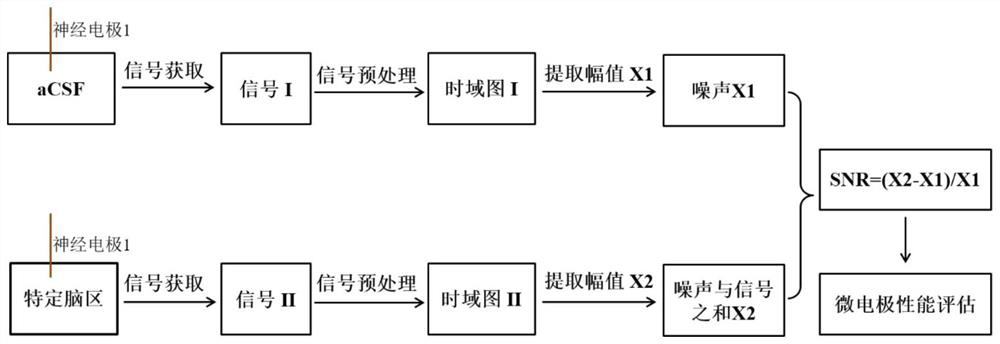
- By placing neural microelectrodes in artificial cerebrospinal fluid and specific brain areas of rats, recording noise levels and local field potential signals, extracting signal amplitudes under time domain waveforms, and calculating signal-to-noise ratios, we can quantify the performance of neural microelectrodes.

Method for analyzing nerve fiber distribution and measuring normalized evoked compound action electric potential
PatentInactiveUS9314202B2
Innovation
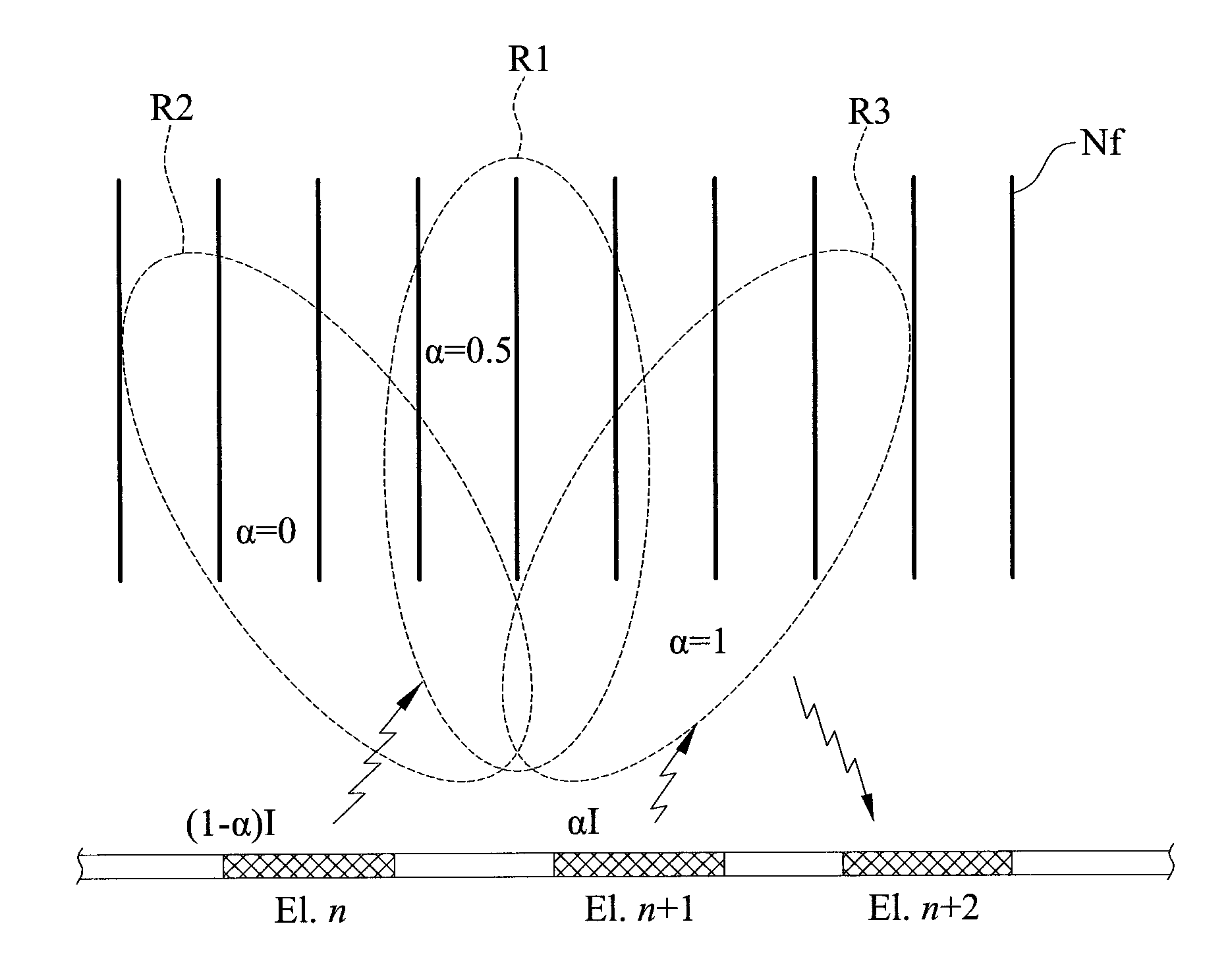
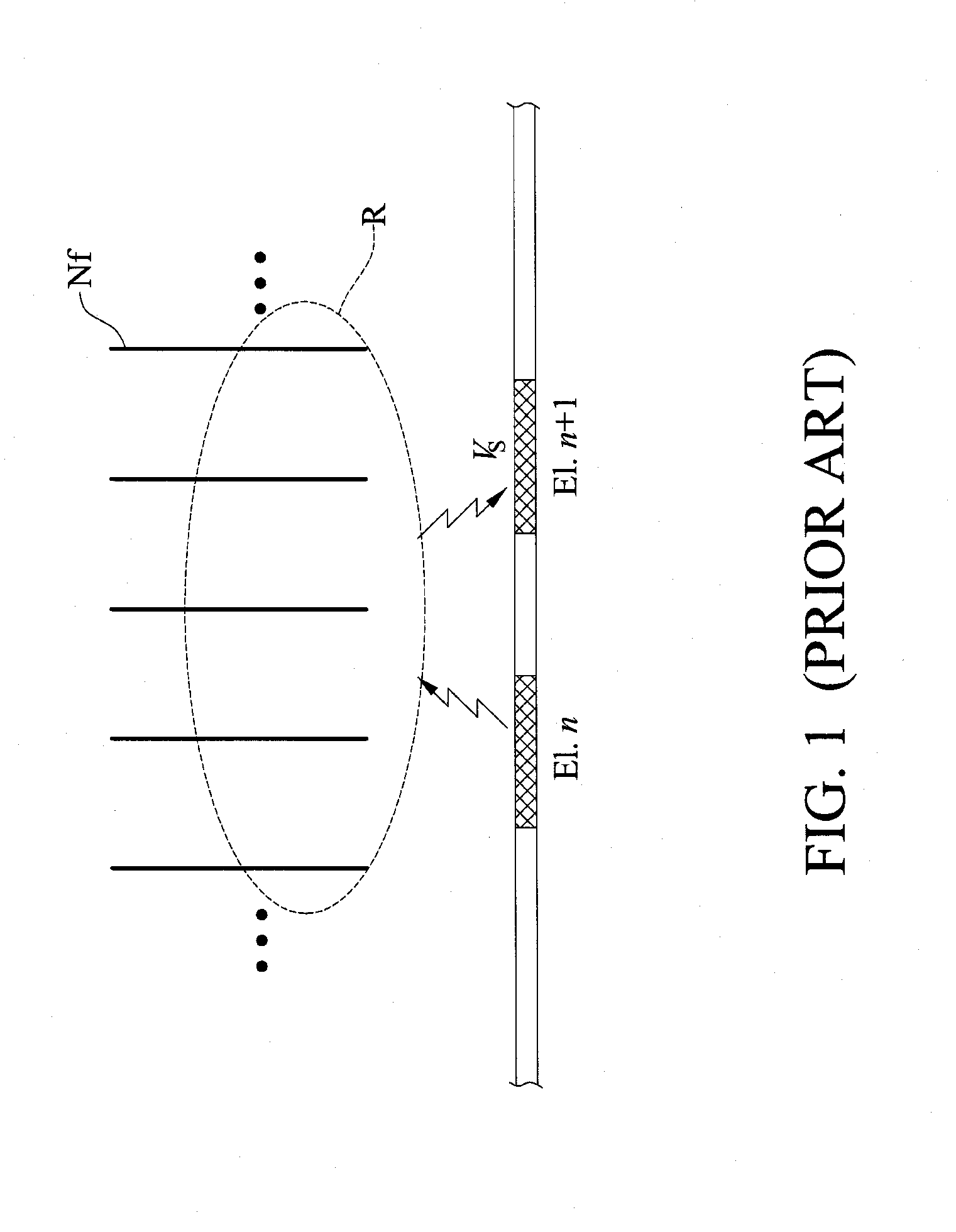
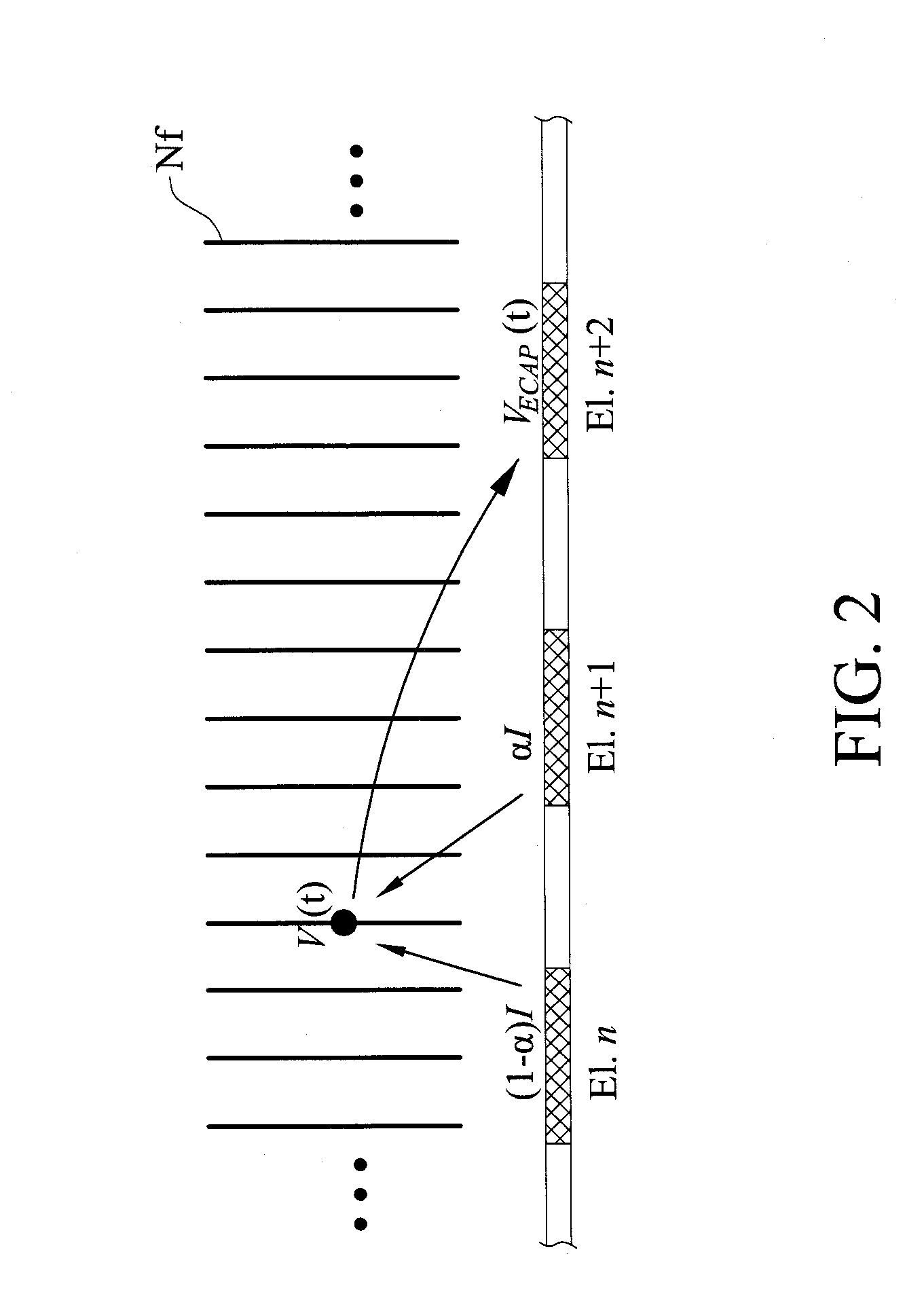
- A method combining electric current steering and normalized ECAP techniques, using multiple sensing and conducting electrodes to input stimulation signals, form stimulation areas, and analyze nerve fibers distribution by integrating and comparing evoked compound action potentials, accounting for electric potential attenuation factors and relative electrode distributions.

Biocompatibility and Safety Standards for Neural Interfaces
Validating electric potential in neural interfaces requires adherence to rigorous biocompatibility and safety standards that govern the interaction between electronic devices and biological tissue. These standards are essential to ensure that neural interfaces do not cause adverse biological responses while maintaining functional integrity during chronic implantation. The regulatory framework encompasses multiple dimensions, including material selection, electrochemical safety limits, and long-term tissue compatibility assessments.
International standards such as ISO 10993 series provide comprehensive guidelines for biological evaluation of medical devices, establishing protocols for cytotoxicity, sensitization, irritation, and systemic toxicity testing. For neural interfaces specifically, these standards must be interpreted within the context of direct contact with neural tissue, where even minor inflammatory responses can compromise signal quality and device longevity. The FDA's guidance documents for implantable brain-computer interfaces further specify requirements for preclinical safety evaluation, including assessment of tissue damage, foreign body response, and potential neurotoxicity from material degradation or electrochemical byproducts.
Electrochemical safety represents a critical aspect of biocompatibility validation. Standards define charge injection limits to prevent irreversible electrochemical reactions that could generate toxic species or cause electrode corrosion. The Shannon equation and related models establish safe operating boundaries based on charge density and pulse duration, typically limiting charge injection to below 0.1-0.3 mC/cm² for platinum electrodes to avoid water electrolysis and tissue damage.
Material biocompatibility testing must demonstrate that electrode materials, insulation layers, and packaging components do not elicit chronic inflammation or encapsulation that would degrade electrical performance. This involves accelerated aging studies, extraction testing for leachable substances, and histological evaluation of tissue-device interfaces. Emerging standards also address concerns about nanoparticle release, biodegradation products, and long-term mechanical stability under physiological conditions.
Validation protocols increasingly incorporate in vitro models using neural cell cultures and organoids to assess acute toxicity and functional compatibility before animal studies. These approaches align with ethical considerations while providing controlled environments for evaluating cellular responses to electrical stimulation parameters and material interactions.
International standards such as ISO 10993 series provide comprehensive guidelines for biological evaluation of medical devices, establishing protocols for cytotoxicity, sensitization, irritation, and systemic toxicity testing. For neural interfaces specifically, these standards must be interpreted within the context of direct contact with neural tissue, where even minor inflammatory responses can compromise signal quality and device longevity. The FDA's guidance documents for implantable brain-computer interfaces further specify requirements for preclinical safety evaluation, including assessment of tissue damage, foreign body response, and potential neurotoxicity from material degradation or electrochemical byproducts.
Electrochemical safety represents a critical aspect of biocompatibility validation. Standards define charge injection limits to prevent irreversible electrochemical reactions that could generate toxic species or cause electrode corrosion. The Shannon equation and related models establish safe operating boundaries based on charge density and pulse duration, typically limiting charge injection to below 0.1-0.3 mC/cm² for platinum electrodes to avoid water electrolysis and tissue damage.
Material biocompatibility testing must demonstrate that electrode materials, insulation layers, and packaging components do not elicit chronic inflammation or encapsulation that would degrade electrical performance. This involves accelerated aging studies, extraction testing for leachable substances, and histological evaluation of tissue-device interfaces. Emerging standards also address concerns about nanoparticle release, biodegradation products, and long-term mechanical stability under physiological conditions.
Validation protocols increasingly incorporate in vitro models using neural cell cultures and organoids to assess acute toxicity and functional compatibility before animal studies. These approaches align with ethical considerations while providing controlled environments for evaluating cellular responses to electrical stimulation parameters and material interactions.
Clinical Trial Requirements for Neural Interface Validation
Validation of electric potential in neural interfaces necessitates rigorous clinical trial protocols that comply with international regulatory standards. The FDA in the United States and the European Medicines Agency require comprehensive preclinical data demonstrating biocompatibility and electrical safety before human trials can commence. These regulatory bodies mandate phased clinical trials, typically progressing from Phase I safety studies with small patient cohorts to larger Phase II and III efficacy trials. For neural interfaces, particular emphasis is placed on demonstrating that electric potential measurements remain stable and accurate across extended implantation periods, often requiring monitoring protocols spanning several years.
Clinical trial design for neural interface validation must incorporate specialized endpoints that address both electrical performance and patient safety. Primary endpoints typically include measurement accuracy of recorded neural signals, impedance stability at the electrode-tissue interface, and absence of adverse tissue reactions. Secondary endpoints often evaluate signal-to-noise ratios, charge injection limits, and long-term device functionality. Protocols must define acceptable thresholds for electric potential drift, typically requiring measurements to remain within 10-15% of baseline values over the study duration.
Patient selection criteria represent a critical component of clinical trial design, as underlying neurological conditions can significantly influence electric potential characteristics. Inclusion criteria must carefully balance the need for homogeneous study populations with the practical realities of rare disease recruitment. Exclusion criteria typically address factors that could confound electrical measurements, such as concurrent use of neurostimulation devices or presence of significant scar tissue from previous surgeries.
Data collection methodologies require standardized protocols for electric potential measurement across all trial sites. This includes specification of measurement equipment, calibration procedures, environmental conditions, and timing of assessments relative to device implantation. Independent data monitoring committees play essential roles in ensuring measurement consistency and identifying potential safety signals. Statistical analysis plans must account for the hierarchical nature of repeated measurements and potential learning effects as surgical teams gain experience with implantation techniques.
Clinical trial design for neural interface validation must incorporate specialized endpoints that address both electrical performance and patient safety. Primary endpoints typically include measurement accuracy of recorded neural signals, impedance stability at the electrode-tissue interface, and absence of adverse tissue reactions. Secondary endpoints often evaluate signal-to-noise ratios, charge injection limits, and long-term device functionality. Protocols must define acceptable thresholds for electric potential drift, typically requiring measurements to remain within 10-15% of baseline values over the study duration.
Patient selection criteria represent a critical component of clinical trial design, as underlying neurological conditions can significantly influence electric potential characteristics. Inclusion criteria must carefully balance the need for homogeneous study populations with the practical realities of rare disease recruitment. Exclusion criteria typically address factors that could confound electrical measurements, such as concurrent use of neurostimulation devices or presence of significant scar tissue from previous surgeries.
Data collection methodologies require standardized protocols for electric potential measurement across all trial sites. This includes specification of measurement equipment, calibration procedures, environmental conditions, and timing of assessments relative to device implantation. Independent data monitoring committees play essential roles in ensuring measurement consistency and identifying potential safety signals. Statistical analysis plans must account for the hierarchical nature of repeated measurements and potential learning effects as surgical teams gain experience with implantation techniques.
Unlock deeper insights with Patsnap Eureka Quick Research — get a full tech report to explore trends and direct your research. Try now!
Generate Your Research Report Instantly with AI Agent
Supercharge your innovation with Patsnap Eureka AI Agent Platform!