

Hydrogen-Induced Cracking in Microalloyed Steels: A Comparative Study
JUN 10, 20269 MIN READ
Generate Your Research Report Instantly with AI Agent
PatSnap Eureka helps you evaluate technical feasibility & market potential.
Hydrogen Cracking in Microalloyed Steels Background and Objectives
Hydrogen-induced cracking (HIC) represents one of the most critical degradation mechanisms affecting microalloyed steels in industrial applications. This phenomenon occurs when atomic hydrogen penetrates the steel matrix and accumulates at microstructural discontinuities, leading to internal pressure buildup and subsequent crack initiation and propagation. The severity of this issue has intensified with the increasing demand for high-strength, lightweight steel components in sectors such as oil and gas, automotive, and infrastructure development.
Microalloyed steels, characterized by small additions of elements like niobium, vanadium, and titanium, have gained prominence due to their superior mechanical properties achieved through precipitation strengthening and grain refinement. However, these same microstructural features that enhance strength can also create preferential sites for hydrogen accumulation, making these materials particularly susceptible to hydrogen embrittlement under certain environmental conditions.
The evolution of hydrogen-induced cracking research has progressed through several distinct phases since the early recognition of hydrogen embrittlement in the 1960s. Initial studies focused on understanding the basic mechanisms of hydrogen entry and diffusion in steel matrices. The 1980s marked a significant advancement with the development of electrochemical charging techniques and improved analytical methods for hydrogen detection. The introduction of advanced characterization tools in the 1990s, including electron backscatter diffraction and atom probe tomography, enabled researchers to correlate microstructural features with hydrogen trapping behavior at unprecedented resolution levels.
Contemporary research trends emphasize the development of predictive models that integrate thermodynamic and kinetic aspects of hydrogen behavior with mechanical stress analysis. The emergence of multi-scale modeling approaches has enabled researchers to bridge the gap between atomic-level hydrogen interactions and macroscopic crack propagation behavior, providing valuable insights for material design optimization.
The primary objective of current hydrogen-induced cracking research in microalloyed steels centers on establishing comprehensive structure-property relationships that can guide the development of hydrogen-resistant alloy compositions and processing routes. This involves systematic investigation of how different microalloying elements, their concentrations, and resulting precipitate distributions influence hydrogen solubility, diffusivity, and trapping characteristics.
A critical goal involves developing standardized testing protocols and evaluation criteria that accurately reflect real-world service conditions while maintaining laboratory reproducibility. This includes establishing correlations between accelerated laboratory tests and long-term field performance, enabling more reliable material selection and design decisions for hydrogen-containing environments.
Microalloyed steels, characterized by small additions of elements like niobium, vanadium, and titanium, have gained prominence due to their superior mechanical properties achieved through precipitation strengthening and grain refinement. However, these same microstructural features that enhance strength can also create preferential sites for hydrogen accumulation, making these materials particularly susceptible to hydrogen embrittlement under certain environmental conditions.
The evolution of hydrogen-induced cracking research has progressed through several distinct phases since the early recognition of hydrogen embrittlement in the 1960s. Initial studies focused on understanding the basic mechanisms of hydrogen entry and diffusion in steel matrices. The 1980s marked a significant advancement with the development of electrochemical charging techniques and improved analytical methods for hydrogen detection. The introduction of advanced characterization tools in the 1990s, including electron backscatter diffraction and atom probe tomography, enabled researchers to correlate microstructural features with hydrogen trapping behavior at unprecedented resolution levels.
Contemporary research trends emphasize the development of predictive models that integrate thermodynamic and kinetic aspects of hydrogen behavior with mechanical stress analysis. The emergence of multi-scale modeling approaches has enabled researchers to bridge the gap between atomic-level hydrogen interactions and macroscopic crack propagation behavior, providing valuable insights for material design optimization.
The primary objective of current hydrogen-induced cracking research in microalloyed steels centers on establishing comprehensive structure-property relationships that can guide the development of hydrogen-resistant alloy compositions and processing routes. This involves systematic investigation of how different microalloying elements, their concentrations, and resulting precipitate distributions influence hydrogen solubility, diffusivity, and trapping characteristics.
A critical goal involves developing standardized testing protocols and evaluation criteria that accurately reflect real-world service conditions while maintaining laboratory reproducibility. This includes establishing correlations between accelerated laboratory tests and long-term field performance, enabling more reliable material selection and design decisions for hydrogen-containing environments.
Market Demand for HIC-Resistant Microalloyed Steel Solutions
The global steel industry faces mounting pressure to develop hydrogen-induced cracking (HIC) resistant microalloyed steel solutions, driven by increasingly stringent safety regulations and operational demands across multiple sectors. Oil and gas infrastructure represents the largest market segment, where pipeline failures due to HIC can result in catastrophic environmental and economic consequences. The energy sector's expansion into sour service environments, characterized by high hydrogen sulfide concentrations, has intensified the need for advanced steel grades that maintain structural integrity under extreme conditions.
Offshore drilling operations and subsea equipment manufacturing constitute rapidly growing market segments demanding HIC-resistant materials. These applications require steel solutions that can withstand prolonged exposure to hydrogen-rich environments while maintaining mechanical properties at varying temperatures and pressures. The increasing depth of offshore exploration activities has further elevated performance requirements, creating opportunities for premium microalloyed steel grades.
The petrochemical industry represents another significant demand driver, particularly in refinery equipment and pressure vessel applications. Processing facilities handling hydrogen-containing feedstocks require materials that resist both uniform corrosion and localized cracking phenomena. Recent industry incidents have heightened awareness of HIC risks, leading to more stringent material selection criteria and driving demand for proven resistant alloys.
Infrastructure development in emerging markets has created substantial opportunities for HIC-resistant steel solutions. Countries expanding their energy infrastructure networks require materials that ensure long-term reliability in challenging service environments. The growing emphasis on asset integrity management has shifted procurement strategies toward premium steel grades that offer enhanced resistance to hydrogen-related degradation mechanisms.
Power generation facilities, particularly those utilizing hydrogen as a fuel source or processing hydrogen-rich gases, represent an emerging market segment. The global transition toward cleaner energy sources has increased hydrogen handling requirements across various industrial applications, creating new demand for specialized steel solutions.
Market dynamics indicate a shift from cost-driven procurement toward value-based selection criteria, where long-term performance and reliability considerations outweigh initial material costs. This trend has created favorable conditions for advanced microalloyed steel grades that demonstrate superior HIC resistance through controlled microstructural design and optimized chemical compositions.
Offshore drilling operations and subsea equipment manufacturing constitute rapidly growing market segments demanding HIC-resistant materials. These applications require steel solutions that can withstand prolonged exposure to hydrogen-rich environments while maintaining mechanical properties at varying temperatures and pressures. The increasing depth of offshore exploration activities has further elevated performance requirements, creating opportunities for premium microalloyed steel grades.
The petrochemical industry represents another significant demand driver, particularly in refinery equipment and pressure vessel applications. Processing facilities handling hydrogen-containing feedstocks require materials that resist both uniform corrosion and localized cracking phenomena. Recent industry incidents have heightened awareness of HIC risks, leading to more stringent material selection criteria and driving demand for proven resistant alloys.
Infrastructure development in emerging markets has created substantial opportunities for HIC-resistant steel solutions. Countries expanding their energy infrastructure networks require materials that ensure long-term reliability in challenging service environments. The growing emphasis on asset integrity management has shifted procurement strategies toward premium steel grades that offer enhanced resistance to hydrogen-related degradation mechanisms.
Power generation facilities, particularly those utilizing hydrogen as a fuel source or processing hydrogen-rich gases, represent an emerging market segment. The global transition toward cleaner energy sources has increased hydrogen handling requirements across various industrial applications, creating new demand for specialized steel solutions.
Market dynamics indicate a shift from cost-driven procurement toward value-based selection criteria, where long-term performance and reliability considerations outweigh initial material costs. This trend has created favorable conditions for advanced microalloyed steel grades that demonstrate superior HIC resistance through controlled microstructural design and optimized chemical compositions.
Current HIC Challenges and Limitations in Microalloyed Steels
Hydrogen-induced cracking remains one of the most persistent and complex challenges facing microalloyed steels in industrial applications. The fundamental difficulty lies in the multifaceted nature of hydrogen embrittlement mechanisms, which involve intricate interactions between hydrogen atoms, microstructural features, and applied stresses. Current understanding reveals that hydrogen atoms can occupy various sites within the steel matrix, including interstitial positions, grain boundaries, and inclusion interfaces, making prediction and prevention extremely challenging.
The heterogeneous microstructure of microalloyed steels presents unique complications for HIC resistance. Unlike conventional carbon steels, microalloyed grades contain complex precipitate distributions of carbides, nitrides, and carbonitrides that serve as both hydrogen trapping sites and potential crack initiation points. The dual role of these microalloying elements creates a delicate balance between strengthening mechanisms and hydrogen embrittlement susceptibility that is difficult to optimize.
Existing testing methodologies demonstrate significant limitations in accurately predicting real-world HIC performance. Standard test procedures such as NACE TM0284 and ASTM G39 often fail to replicate the complex stress states and environmental conditions encountered in service. The accelerated nature of laboratory testing frequently produces different crack morphologies and failure modes compared to field failures, leading to potential misinterpretation of material performance.
Quantitative assessment of hydrogen diffusion and trapping behavior remains technically challenging due to the extremely small concentrations involved and the dynamic nature of hydrogen movement within the steel matrix. Current analytical techniques, including thermal desorption spectroscopy and electrochemical permeation testing, provide valuable insights but often lack the spatial resolution needed to understand localized hydrogen accumulation at critical microstructural features.
The interaction between manufacturing processes and HIC susceptibility presents another significant challenge. Welding operations, forming processes, and heat treatment procedures can dramatically alter the hydrogen charging conditions and microstructural characteristics, making it difficult to establish universal design criteria. The temporal aspect of hydrogen embrittlement, where failures can occur hours or even days after initial hydrogen exposure, complicates both testing protocols and failure analysis procedures.
Current mitigation strategies, while partially effective, often involve trade-offs that limit their practical application. Compositional modifications to reduce hydrogen solubility may compromise mechanical properties or weldability. Surface treatments and coatings can provide temporary protection but may degrade under service conditions. The lack of real-time monitoring capabilities for hydrogen content in operating equipment further constrains the development of predictive maintenance strategies.
The heterogeneous microstructure of microalloyed steels presents unique complications for HIC resistance. Unlike conventional carbon steels, microalloyed grades contain complex precipitate distributions of carbides, nitrides, and carbonitrides that serve as both hydrogen trapping sites and potential crack initiation points. The dual role of these microalloying elements creates a delicate balance between strengthening mechanisms and hydrogen embrittlement susceptibility that is difficult to optimize.
Existing testing methodologies demonstrate significant limitations in accurately predicting real-world HIC performance. Standard test procedures such as NACE TM0284 and ASTM G39 often fail to replicate the complex stress states and environmental conditions encountered in service. The accelerated nature of laboratory testing frequently produces different crack morphologies and failure modes compared to field failures, leading to potential misinterpretation of material performance.
Quantitative assessment of hydrogen diffusion and trapping behavior remains technically challenging due to the extremely small concentrations involved and the dynamic nature of hydrogen movement within the steel matrix. Current analytical techniques, including thermal desorption spectroscopy and electrochemical permeation testing, provide valuable insights but often lack the spatial resolution needed to understand localized hydrogen accumulation at critical microstructural features.
The interaction between manufacturing processes and HIC susceptibility presents another significant challenge. Welding operations, forming processes, and heat treatment procedures can dramatically alter the hydrogen charging conditions and microstructural characteristics, making it difficult to establish universal design criteria. The temporal aspect of hydrogen embrittlement, where failures can occur hours or even days after initial hydrogen exposure, complicates both testing protocols and failure analysis procedures.
Current mitigation strategies, while partially effective, often involve trade-offs that limit their practical application. Compositional modifications to reduce hydrogen solubility may compromise mechanical properties or weldability. Surface treatments and coatings can provide temporary protection but may degrade under service conditions. The lack of real-time monitoring capabilities for hydrogen content in operating equipment further constrains the development of predictive maintenance strategies.
Existing HIC Prevention Solutions for Microalloyed Steels
01 Steel composition optimization to prevent cracking
Microalloyed steels can be formulated with specific chemical compositions including controlled amounts of carbon, manganese, silicon, and microalloying elements such as niobium, vanadium, and titanium to reduce susceptibility to cracking. The optimization of these elements helps improve the steel's mechanical properties and reduces internal stress concentrations that lead to crack initiation.- Steel composition optimization to prevent cracking: Microalloyed steels can be formulated with specific chemical compositions to reduce susceptibility to cracking. This involves controlling the content of carbon, manganese, silicon, and microalloying elements such as niobium, vanadium, and titanium. The optimization of these elements helps improve the steel's mechanical properties and reduces the formation of brittle phases that can lead to crack initiation and propagation.
- Heat treatment processes for crack resistance: Controlled heat treatment processes including controlled cooling, tempering, and stress relief annealing can significantly reduce cracking tendencies in microalloyed steels. These thermal processes help refine the microstructure, reduce residual stresses, and improve the distribution of precipitates, thereby enhancing the overall crack resistance of the material.
- Welding techniques and procedures for crack prevention: Specialized welding procedures and techniques are developed to minimize cracking in microalloyed steel joints. This includes controlling welding parameters such as heat input, preheating temperatures, interpass temperatures, and post-weld heat treatment. Proper selection of welding consumables and joint design also plays a crucial role in preventing both hot and cold cracking phenomena.
- Microstructural control and grain refinement: Controlling the microstructure through grain refinement and precipitation control is essential for improving crack resistance. This involves optimizing the thermomechanical processing parameters to achieve fine-grained structures and uniform distribution of carbides and nitrides. The refined microstructure provides better mechanical properties and reduces stress concentration sites that can initiate cracks.
- Surface treatment and coating methods: Various surface treatment techniques and protective coatings can be applied to microalloyed steels to prevent surface-initiated cracking. These methods include shot peening, surface hardening, and application of protective coatings that reduce environmental effects such as corrosion and hydrogen embrittlement. Surface treatments help create compressive residual stresses that inhibit crack propagation.
02 Heat treatment processes for crack resistance
Controlled cooling rates, tempering temperatures, and thermal processing parameters can be optimized to minimize residual stresses and improve the microstructure of microalloyed steels. Proper heat treatment helps achieve desired grain size, phase distribution, and mechanical properties that enhance crack resistance during service conditions.Expand Specific Solutions03 Welding and joining techniques to minimize cracking
Specialized welding procedures, preheating methods, and post-weld heat treatment can be employed to prevent hydrogen-induced cracking and heat-affected zone cracking in microalloyed steels. These techniques control the cooling rate and hydrogen content to maintain the integrity of welded joints.Expand Specific Solutions04 Microstructure control and grain refinement
The control of austenite grain size, precipitation of carbides and nitrides, and the formation of fine-grained ferrite-pearlite or bainitic structures can significantly improve the toughness and crack resistance of microalloyed steels. Thermomechanical processing techniques are used to achieve optimal microstructural characteristics.Expand Specific Solutions05 Surface treatment and coating methods
Surface modification techniques including shot peening, case hardening, and protective coatings can be applied to microalloyed steels to introduce compressive residual stresses and create barriers against crack initiation. These treatments improve fatigue life and resistance to environmental cracking mechanisms.Expand Specific Solutions
Key Players in Microalloyed Steel and HIC Prevention Industry
The hydrogen-induced cracking in microalloyed steels represents a mature industrial challenge within the established steel manufacturing sector, currently valued at over $2 trillion globally. The industry is in a consolidation phase, with major players like POSCO Holdings, JFE Steel Corp., Baoshan Iron & Steel, and Sumitomo Metal Industries leading technological advancement through extensive R&D investments. Technology maturity varies significantly across the competitive landscape - while traditional steel giants such as Kawasaki Steel Corp., NKK Corp., and Steel Authority of India possess decades of metallurgical expertise, emerging specialized companies like Jiangsu Shagang Group and Shanxi Taigang Stainless Steel are rapidly developing advanced microalloying techniques. The integration of hydrogen energy applications, evidenced by companies like Guangdong Hydrogen Standard Technology, indicates evolving market dynamics where hydrogen compatibility becomes increasingly critical for steel applications in energy infrastructure.
Baoshan Iron & Steel Co., Ltd.
Technical Solution: Baosteel has developed advanced microalloyed steel technologies focusing on hydrogen embrittlement resistance through controlled microstructure design. Their approach involves optimized chemical composition control with precise additions of niobium, titanium, and vanadium to achieve fine grain structures and controlled precipitation. The company employs advanced thermomechanical processing techniques including controlled rolling and accelerated cooling to minimize hydrogen diffusion and trapping. Baosteel's research emphasizes the development of high-strength low-alloy steels with enhanced resistance to hydrogen-induced cracking for pipeline and pressure vessel applications, incorporating clean steel technology to reduce harmful inclusions that serve as hydrogen accumulation sites.
Strengths: Large-scale production capabilities with strong domestic market presence and government support for hydrogen infrastructure development. Weaknesses: Limited international recognition and technology validation compared to established global players.
Saudi Arabian Oil Co.
Technical Solution: Saudi Aramco has developed extensive expertise in hydrogen-induced cracking prevention for sour service applications in oil and gas operations. Their approach combines advanced material selection criteria with rigorous testing protocols including NACE TM0284 and TM0177 standards. The company focuses on optimizing steel chemistry limits for sulfur, phosphorus, and carbon content while specifying appropriate microalloying additions. Aramco's technology includes comprehensive hydrogen charging test methodologies and field validation programs to ensure long-term performance in H2S-containing environments. Their research emphasizes the development of application-specific material requirements and inspection techniques for critical infrastructure components.
Strengths: Extensive field experience in sour service environments with comprehensive testing capabilities and industry standards development. Weaknesses: Primary focus on traditional hydrocarbon applications rather than pure hydrogen service conditions.
Core Patents in Hydrogen Cracking Resistance Technologies
Hydrogen-induced-cracking resistant and sulphide-stress-cracking resistant steel alloy
PatentInactiveUS20030136476A1
Innovation
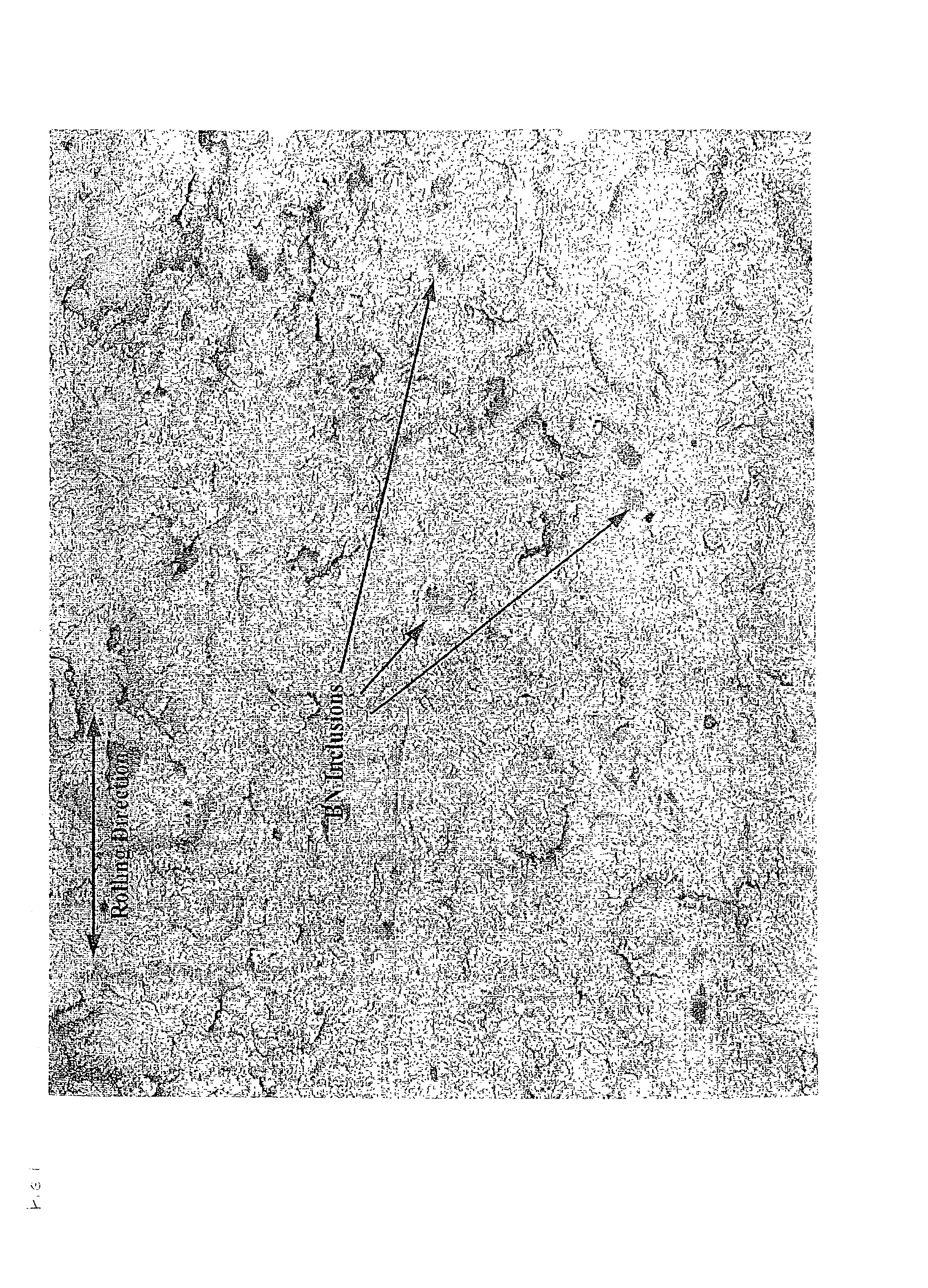
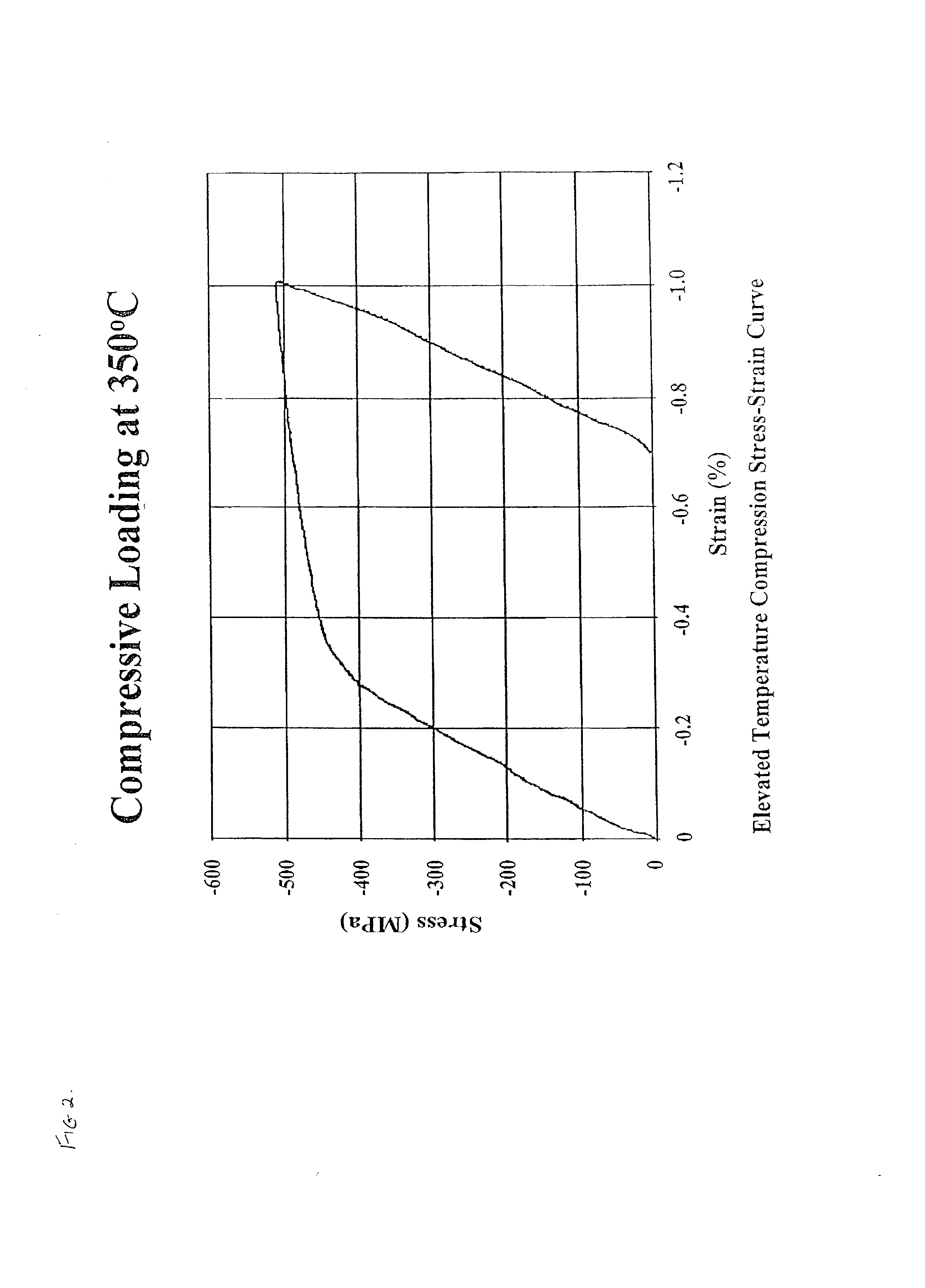
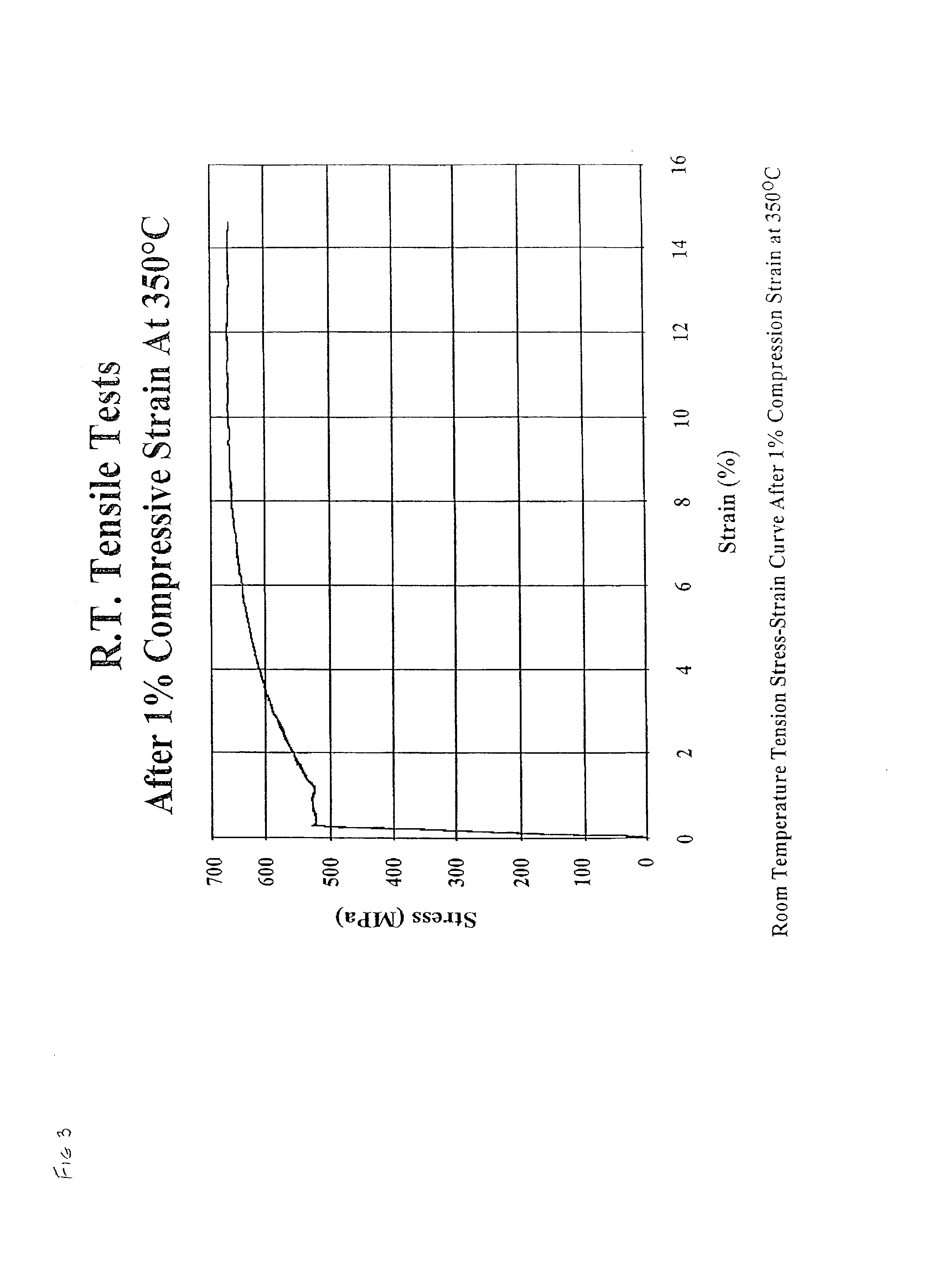
- A quench-and-temper steel alloy with specific chemical composition, including a carbon range of 0.15% to 0.35%, molybdenum of at least 0.15%, and sulfur less than 0.002%, which forms precipitated spheroidal Mo carbides in Mn and C-rich bands, reducing MnS inclusion content and boron and titanium presence to enhance HIC and SSC resistance, corrosion resistance, and stability at elevated temperatures.
Steel material showing excellent hydrogen-induced cracking resistance and method for preparing same
PatentActiveUS11634785B2
Innovation
- A steel material composition with specific weight percentages of elements such as carbon, silicon, manganese, aluminum, phosphorus, sulfur, niobium, vanadium, molybdenum, copper, nickel, titanium, chromium, and calcium, combined with a manufacturing process involving multiple heating and rolling stages to achieve a ferrite structure with 70% area ratio and a retained pearlite structure, resulting in a maximum pore size of 1 μm or less and enhanced hydrogen-induced cracking resistance.
Safety Standards and Regulations for Hydrogen Service Steels
The regulatory landscape for hydrogen service steels has evolved significantly in response to growing industrial applications and safety concerns related to hydrogen-induced cracking. International standards organizations have established comprehensive frameworks to address the unique challenges posed by hydrogen environments in steel applications.
ASME Section VIII Division 3 provides fundamental guidelines for high-pressure hydrogen vessels, establishing material selection criteria and design requirements specifically addressing hydrogen embrittlement susceptibility. The standard mandates rigorous testing protocols for materials intended for hydrogen service, including slow strain rate testing and hydrogen permeation measurements. These requirements are particularly stringent for microalloyed steels due to their complex microstructural characteristics.
ISO 11114 series standards focus on gas cylinder applications, defining compatibility requirements between hydrogen and metallic materials. Part 4 specifically addresses test methods for selecting metallic materials resistant to hydrogen embrittlement, establishing standardized procedures for evaluating material performance under various hydrogen exposure conditions. These standards emphasize the importance of understanding microstructural factors that influence hydrogen diffusion and trapping mechanisms.
The European Industrial Gases Association has developed technical bulletins addressing hydrogen infrastructure safety, with specific attention to pipeline materials and pressure vessel applications. These guidelines incorporate lessons learned from hydrogen-induced failures and establish minimum performance criteria for steel grades used in hydrogen service environments.
Recent regulatory developments have emphasized risk-based approaches to material selection, requiring comprehensive assessment of operating conditions, stress levels, and hydrogen partial pressures. Emerging standards are incorporating advanced testing methodologies, including electrochemical hydrogen charging techniques and in-situ monitoring systems, to better predict long-term material performance in hydrogen environments.
Compliance with these evolving standards requires manufacturers to implement robust quality assurance programs, including material traceability, specialized heat treatment procedures, and comprehensive testing protocols that address the specific vulnerabilities of microalloyed steel compositions to hydrogen-induced degradation mechanisms.
ASME Section VIII Division 3 provides fundamental guidelines for high-pressure hydrogen vessels, establishing material selection criteria and design requirements specifically addressing hydrogen embrittlement susceptibility. The standard mandates rigorous testing protocols for materials intended for hydrogen service, including slow strain rate testing and hydrogen permeation measurements. These requirements are particularly stringent for microalloyed steels due to their complex microstructural characteristics.
ISO 11114 series standards focus on gas cylinder applications, defining compatibility requirements between hydrogen and metallic materials. Part 4 specifically addresses test methods for selecting metallic materials resistant to hydrogen embrittlement, establishing standardized procedures for evaluating material performance under various hydrogen exposure conditions. These standards emphasize the importance of understanding microstructural factors that influence hydrogen diffusion and trapping mechanisms.
The European Industrial Gases Association has developed technical bulletins addressing hydrogen infrastructure safety, with specific attention to pipeline materials and pressure vessel applications. These guidelines incorporate lessons learned from hydrogen-induced failures and establish minimum performance criteria for steel grades used in hydrogen service environments.
Recent regulatory developments have emphasized risk-based approaches to material selection, requiring comprehensive assessment of operating conditions, stress levels, and hydrogen partial pressures. Emerging standards are incorporating advanced testing methodologies, including electrochemical hydrogen charging techniques and in-situ monitoring systems, to better predict long-term material performance in hydrogen environments.
Compliance with these evolving standards requires manufacturers to implement robust quality assurance programs, including material traceability, specialized heat treatment procedures, and comprehensive testing protocols that address the specific vulnerabilities of microalloyed steel compositions to hydrogen-induced degradation mechanisms.
Environmental Impact Assessment of HIC Mitigation Strategies
The environmental implications of hydrogen-induced cracking mitigation strategies in microalloyed steels present a complex landscape of trade-offs between industrial performance and ecological sustainability. Traditional HIC prevention methods often rely on chemical treatments and material modifications that introduce significant environmental considerations throughout the steel production lifecycle.
Chemical composition adjustments, particularly the reduction of sulfur content and optimization of microalloying elements, represent one of the most environmentally favorable approaches. These modifications occur during the steelmaking process and typically result in minimal additional environmental burden while providing substantial HIC resistance improvements. The reduced sulfur content also contributes to lower sulfur dioxide emissions during steel production, creating a dual environmental benefit.
Surface treatment strategies present more complex environmental challenges. Electroplating processes used for protective coatings generate hazardous waste streams containing heavy metals and acidic solutions. The electroplating industry accounts for approximately 15-20% of industrial wastewater contamination, with chromium, nickel, and zinc being primary pollutants. Alternative coating technologies, such as thermal spray applications and organic coatings, offer reduced environmental impact but may compromise long-term HIC protection effectiveness.
Heat treatment modifications for HIC mitigation generally demonstrate favorable environmental profiles. Controlled cooling processes and tempering operations primarily consume additional energy but avoid introducing harmful chemicals or generating toxic byproducts. The energy consumption increase typically ranges from 5-12% compared to standard heat treatment cycles, representing a manageable environmental cost for enhanced HIC resistance.
Cathodic protection systems, while effective for HIC prevention in service environments, introduce lifecycle environmental considerations. The production and disposal of sacrificial anodes contribute to material waste streams, while impressed current systems require continuous electrical power consumption. However, these systems significantly extend steel structure service life, potentially offsetting their environmental impact through reduced replacement frequency.
Advanced mitigation strategies incorporating nanotechnology and smart materials present emerging environmental challenges. While these approaches offer superior HIC resistance, the long-term environmental fate of engineered nanomaterials remains uncertain. Comprehensive lifecycle assessments indicate that despite initial environmental concerns, the extended service life and improved performance characteristics of these advanced materials may result in net positive environmental outcomes when evaluated over complete product lifecycles.
Chemical composition adjustments, particularly the reduction of sulfur content and optimization of microalloying elements, represent one of the most environmentally favorable approaches. These modifications occur during the steelmaking process and typically result in minimal additional environmental burden while providing substantial HIC resistance improvements. The reduced sulfur content also contributes to lower sulfur dioxide emissions during steel production, creating a dual environmental benefit.
Surface treatment strategies present more complex environmental challenges. Electroplating processes used for protective coatings generate hazardous waste streams containing heavy metals and acidic solutions. The electroplating industry accounts for approximately 15-20% of industrial wastewater contamination, with chromium, nickel, and zinc being primary pollutants. Alternative coating technologies, such as thermal spray applications and organic coatings, offer reduced environmental impact but may compromise long-term HIC protection effectiveness.
Heat treatment modifications for HIC mitigation generally demonstrate favorable environmental profiles. Controlled cooling processes and tempering operations primarily consume additional energy but avoid introducing harmful chemicals or generating toxic byproducts. The energy consumption increase typically ranges from 5-12% compared to standard heat treatment cycles, representing a manageable environmental cost for enhanced HIC resistance.
Cathodic protection systems, while effective for HIC prevention in service environments, introduce lifecycle environmental considerations. The production and disposal of sacrificial anodes contribute to material waste streams, while impressed current systems require continuous electrical power consumption. However, these systems significantly extend steel structure service life, potentially offsetting their environmental impact through reduced replacement frequency.
Advanced mitigation strategies incorporating nanotechnology and smart materials present emerging environmental challenges. While these approaches offer superior HIC resistance, the long-term environmental fate of engineered nanomaterials remains uncertain. Comprehensive lifecycle assessments indicate that despite initial environmental concerns, the extended service life and improved performance characteristics of these advanced materials may result in net positive environmental outcomes when evaluated over complete product lifecycles.
Unlock deeper insights with PatSnap Eureka Quick Research — get a full tech report to explore trends and direct your research. Try now!
Generate Your Research Report Instantly with AI Agent
Supercharge your innovation with PatSnap Eureka AI Agent Platform!