

Optimizing Hydrogen Partial Pressure to Prevent Cracking Failures
JUN 10, 20269 MIN READ
Generate Your Research Report Instantly with AI Agent
PatSnap Eureka helps you evaluate technical feasibility & market potential.
Hydrogen Embrittlement Background and Prevention Goals
Hydrogen embrittlement represents one of the most critical materials degradation mechanisms in modern industrial applications, particularly affecting high-strength steels, titanium alloys, and other susceptible materials. This phenomenon occurs when atomic hydrogen penetrates into the crystal lattice of metals, leading to reduced ductility, increased brittleness, and ultimately catastrophic failure under stress. The process begins with hydrogen atoms adsorbing onto metal surfaces, subsequently diffusing into the material matrix where they accumulate at defects, grain boundaries, and stress concentration sites.
The historical understanding of hydrogen embrittlement dates back to the early 20th century when researchers first observed unexpected brittle failures in steel components exposed to hydrogen-rich environments. Over decades of investigation, the scientific community has identified multiple mechanisms including hydrogen-enhanced localized plasticity, hydrogen-enhanced decohesion, and hydrogen-induced cracking. These mechanisms operate simultaneously or independently depending on material properties, environmental conditions, and stress states.
Contemporary industrial sectors face escalating challenges from hydrogen embrittlement as operational demands intensify. The oil and gas industry encounters hydrogen sulfide environments that promote hydrogen uptake in pipeline steels and pressure vessels. Aerospace applications involve high-strength materials operating under extreme conditions where even minimal hydrogen concentrations can trigger premature failures. The emerging hydrogen economy, with its emphasis on hydrogen storage, transport, and utilization, presents unprecedented challenges requiring comprehensive understanding of hydrogen-material interactions.
The primary prevention goal centers on establishing optimal hydrogen partial pressure thresholds that maintain material integrity while enabling operational functionality. This involves developing predictive models that correlate hydrogen concentration, stress levels, and material properties to prevent crack initiation and propagation. Advanced monitoring systems capable of real-time hydrogen detection and pressure optimization represent critical technological objectives.
Secondary prevention goals encompass material selection strategies, surface treatment technologies, and environmental control methods. These approaches aim to minimize hydrogen uptake through barrier coatings, cathodic protection optimization, and controlled atmospheric conditions. The integration of these prevention strategies requires comprehensive understanding of hydrogen transport mechanisms and their interaction with mechanical loading conditions.
The historical understanding of hydrogen embrittlement dates back to the early 20th century when researchers first observed unexpected brittle failures in steel components exposed to hydrogen-rich environments. Over decades of investigation, the scientific community has identified multiple mechanisms including hydrogen-enhanced localized plasticity, hydrogen-enhanced decohesion, and hydrogen-induced cracking. These mechanisms operate simultaneously or independently depending on material properties, environmental conditions, and stress states.
Contemporary industrial sectors face escalating challenges from hydrogen embrittlement as operational demands intensify. The oil and gas industry encounters hydrogen sulfide environments that promote hydrogen uptake in pipeline steels and pressure vessels. Aerospace applications involve high-strength materials operating under extreme conditions where even minimal hydrogen concentrations can trigger premature failures. The emerging hydrogen economy, with its emphasis on hydrogen storage, transport, and utilization, presents unprecedented challenges requiring comprehensive understanding of hydrogen-material interactions.
The primary prevention goal centers on establishing optimal hydrogen partial pressure thresholds that maintain material integrity while enabling operational functionality. This involves developing predictive models that correlate hydrogen concentration, stress levels, and material properties to prevent crack initiation and propagation. Advanced monitoring systems capable of real-time hydrogen detection and pressure optimization represent critical technological objectives.
Secondary prevention goals encompass material selection strategies, surface treatment technologies, and environmental control methods. These approaches aim to minimize hydrogen uptake through barrier coatings, cathodic protection optimization, and controlled atmospheric conditions. The integration of these prevention strategies requires comprehensive understanding of hydrogen transport mechanisms and their interaction with mechanical loading conditions.
Market Demand for Hydrogen-Resistant Materials
The global transition toward hydrogen-based energy systems has created unprecedented demand for materials capable of withstanding hydrogen-induced degradation. Industries ranging from petrochemicals to renewable energy are experiencing critical material failures due to hydrogen embrittlement, driving urgent market needs for advanced hydrogen-resistant solutions. This demand is particularly acute in high-pressure hydrogen storage, transportation pipelines, and fuel cell applications where material integrity directly impacts safety and operational reliability.
The petrochemical sector represents the largest current market segment, where hydrogen partial pressure optimization has become essential for preventing catastrophic equipment failures. Refineries and chemical processing facilities are increasingly investing in specialized alloys and protective coatings to mitigate hydrogen cracking risks. The economic impact of unplanned shutdowns due to hydrogen-related failures has intensified the focus on preventive material solutions.
Emerging hydrogen economy applications are generating substantial new market opportunities. Hydrogen storage tanks, high-pressure distribution networks, and electrolysis equipment require materials that maintain structural integrity under varying hydrogen partial pressures. The automotive industry's shift toward fuel cell vehicles has created additional demand for lightweight, hydrogen-resistant materials that can withstand cyclical pressure variations without compromising performance.
The renewable energy sector's expansion has further amplified market demand, particularly for power-to-gas applications where excess renewable electricity generates hydrogen through electrolysis. These systems require materials that can handle fluctuating hydrogen concentrations and pressures while maintaining long-term durability. Grid-scale energy storage applications using hydrogen as a medium are driving requirements for cost-effective, scalable material solutions.
Regional market dynamics show concentrated demand in industrial hubs with established petrochemical infrastructure, while emerging markets are developing requirements aligned with their hydrogen economy initiatives. The convergence of decarbonization policies and industrial safety regulations is creating sustained market growth for hydrogen-resistant materials across multiple sectors.
The petrochemical sector represents the largest current market segment, where hydrogen partial pressure optimization has become essential for preventing catastrophic equipment failures. Refineries and chemical processing facilities are increasingly investing in specialized alloys and protective coatings to mitigate hydrogen cracking risks. The economic impact of unplanned shutdowns due to hydrogen-related failures has intensified the focus on preventive material solutions.
Emerging hydrogen economy applications are generating substantial new market opportunities. Hydrogen storage tanks, high-pressure distribution networks, and electrolysis equipment require materials that maintain structural integrity under varying hydrogen partial pressures. The automotive industry's shift toward fuel cell vehicles has created additional demand for lightweight, hydrogen-resistant materials that can withstand cyclical pressure variations without compromising performance.
The renewable energy sector's expansion has further amplified market demand, particularly for power-to-gas applications where excess renewable electricity generates hydrogen through electrolysis. These systems require materials that can handle fluctuating hydrogen concentrations and pressures while maintaining long-term durability. Grid-scale energy storage applications using hydrogen as a medium are driving requirements for cost-effective, scalable material solutions.
Regional market dynamics show concentrated demand in industrial hubs with established petrochemical infrastructure, while emerging markets are developing requirements aligned with their hydrogen economy initiatives. The convergence of decarbonization policies and industrial safety regulations is creating sustained market growth for hydrogen-resistant materials across multiple sectors.
Current State of Hydrogen Cracking Prevention Technologies
Hydrogen cracking prevention technologies have evolved significantly over the past decades, driven by the critical need to maintain structural integrity in hydrogen-rich environments across various industries. The current technological landscape encompasses multiple approaches, ranging from material engineering solutions to environmental control methods, each addressing different aspects of hydrogen-induced degradation mechanisms.
Material-based prevention strategies represent the most mature segment of current technologies. Advanced high-strength steels with optimized microstructures have been developed to resist hydrogen embrittlement, incorporating specific alloying elements such as vanadium, niobium, and titanium that act as hydrogen traps. These materials demonstrate improved resistance to hydrogen-induced cracking through refined grain structures and controlled inclusion distributions. Coating technologies have also gained prominence, with barrier coatings like zinc, aluminum, and specialized polymer systems providing effective hydrogen permeation barriers.
Environmental control approaches focus on managing hydrogen exposure conditions, particularly through partial pressure optimization. Current industrial practices employ sophisticated monitoring systems that continuously track hydrogen concentrations and adjust operational parameters accordingly. These systems integrate real-time sensors with automated control mechanisms to maintain hydrogen partial pressures within safe operational windows, preventing the accumulation of critical hydrogen concentrations that lead to cracking initiation.
Cathodic protection systems have been refined to balance corrosion prevention with hydrogen charging minimization. Modern implementations utilize impressed current systems with precise control algorithms that optimize protection levels while avoiding excessive hydrogen generation. These systems often incorporate reference electrode networks and computerized monitoring to ensure optimal performance across large structures.
Inhibitor technologies have advanced considerably, with new chemical formulations designed to reduce hydrogen uptake during various industrial processes. These inhibitors work through multiple mechanisms, including surface film formation, hydrogen recombination promotion, and electrochemical reaction modification. Recent developments include environmentally friendly inhibitor systems that maintain effectiveness while meeting stringent environmental regulations.
Process modification techniques represent another significant category, involving operational parameter adjustments to minimize hydrogen generation and uptake. These include controlled atmosphere processing, temperature management protocols, and surface treatment procedures designed to reduce hydrogen charging during manufacturing and service operations.
Despite these advances, current technologies face limitations in extreme service conditions, long-term reliability assessment, and cost-effectiveness for widespread implementation. Integration challenges between different prevention methods also remain a significant concern for comprehensive hydrogen cracking mitigation strategies.
Material-based prevention strategies represent the most mature segment of current technologies. Advanced high-strength steels with optimized microstructures have been developed to resist hydrogen embrittlement, incorporating specific alloying elements such as vanadium, niobium, and titanium that act as hydrogen traps. These materials demonstrate improved resistance to hydrogen-induced cracking through refined grain structures and controlled inclusion distributions. Coating technologies have also gained prominence, with barrier coatings like zinc, aluminum, and specialized polymer systems providing effective hydrogen permeation barriers.
Environmental control approaches focus on managing hydrogen exposure conditions, particularly through partial pressure optimization. Current industrial practices employ sophisticated monitoring systems that continuously track hydrogen concentrations and adjust operational parameters accordingly. These systems integrate real-time sensors with automated control mechanisms to maintain hydrogen partial pressures within safe operational windows, preventing the accumulation of critical hydrogen concentrations that lead to cracking initiation.
Cathodic protection systems have been refined to balance corrosion prevention with hydrogen charging minimization. Modern implementations utilize impressed current systems with precise control algorithms that optimize protection levels while avoiding excessive hydrogen generation. These systems often incorporate reference electrode networks and computerized monitoring to ensure optimal performance across large structures.
Inhibitor technologies have advanced considerably, with new chemical formulations designed to reduce hydrogen uptake during various industrial processes. These inhibitors work through multiple mechanisms, including surface film formation, hydrogen recombination promotion, and electrochemical reaction modification. Recent developments include environmentally friendly inhibitor systems that maintain effectiveness while meeting stringent environmental regulations.
Process modification techniques represent another significant category, involving operational parameter adjustments to minimize hydrogen generation and uptake. These include controlled atmosphere processing, temperature management protocols, and surface treatment procedures designed to reduce hydrogen charging during manufacturing and service operations.
Despite these advances, current technologies face limitations in extreme service conditions, long-term reliability assessment, and cost-effectiveness for widespread implementation. Integration challenges between different prevention methods also remain a significant concern for comprehensive hydrogen cracking mitigation strategies.
Existing Hydrogen Pressure Optimization Solutions
01 Material composition and alloy design for hydrogen resistance
Development of specialized materials and alloy compositions that exhibit enhanced resistance to hydrogen-induced cracking. These materials are designed with specific microstructures and chemical compositions that minimize hydrogen diffusion and accumulation at grain boundaries, thereby reducing the susceptibility to cracking failures under hydrogen partial pressure conditions.- Material composition and alloy design for hydrogen resistance: Development of specialized alloy compositions and material formulations that exhibit enhanced resistance to hydrogen-induced cracking. These materials are designed with specific microstructures and chemical compositions that minimize hydrogen diffusion and accumulation at grain boundaries, thereby reducing susceptibility to cracking failures under hydrogen partial pressure conditions.
- Protective coating and surface treatment methods: Application of protective coatings and surface modification techniques to prevent hydrogen penetration into base materials. These treatments create barrier layers that inhibit hydrogen absorption while maintaining the mechanical properties of the underlying substrate, effectively reducing the risk of hydrogen-induced cracking in high-pressure hydrogen environments.
- Pressure vessel and containment system design: Engineering solutions for pressure vessels and containment systems specifically designed to operate safely under hydrogen partial pressure conditions. These designs incorporate structural modifications, stress distribution optimization, and specialized joint configurations to minimize stress concentrations that could lead to crack initiation and propagation.
- Monitoring and detection systems for hydrogen cracking: Development of monitoring technologies and detection systems capable of identifying early signs of hydrogen-induced cracking before catastrophic failure occurs. These systems utilize various sensing techniques and diagnostic methods to continuously assess material integrity and provide early warning of potential cracking failures.
- Heat treatment and processing techniques for crack prevention: Specialized heat treatment processes and manufacturing techniques designed to reduce hydrogen embrittlement susceptibility. These methods involve controlled thermal cycles, stress relief procedures, and processing parameters that optimize material microstructure to enhance resistance to hydrogen-induced cracking while maintaining desired mechanical properties.
02 Protective coating and surface treatment methods
Application of protective coatings and surface treatments to prevent hydrogen penetration into base materials. These methods involve the use of barrier layers, surface modifications, and specialized coating systems that act as hydrogen permeation barriers, effectively reducing the hydrogen concentration at the material surface and preventing subsequent cracking.Expand Specific Solutions03 Pressure vessel and equipment design considerations
Engineering design approaches for pressure vessels and equipment operating under hydrogen partial pressure conditions. These designs incorporate specific geometric features, stress distribution optimization, and material selection criteria to minimize stress concentrations and prevent crack initiation and propagation in hydrogen-rich environments.Expand Specific Solutions04 Monitoring and detection systems for hydrogen cracking
Development of monitoring and detection systems capable of identifying early signs of hydrogen-induced cracking in industrial equipment. These systems utilize various sensing technologies and diagnostic methods to continuously assess material integrity and provide early warning of potential failure conditions before catastrophic cracking occurs.Expand Specific Solutions05 Prevention and mitigation techniques
Implementation of operational and maintenance strategies to prevent or mitigate hydrogen partial pressure cracking failures. These techniques include controlled atmosphere management, temperature regulation, stress relief procedures, and preventive maintenance protocols that reduce the likelihood of hydrogen accumulation and subsequent material degradation.Expand Specific Solutions
Key Players in Hydrogen Embrittlement Prevention Industry
The hydrogen partial pressure optimization technology for preventing cracking failures represents a mature industrial challenge within the established petrochemical and energy sectors. The market demonstrates significant scale, driven by major industry players including China Petroleum & Chemical Corp., Saudi Arabian Oil Co., PetroChina, and Shell Oil Co., alongside specialized research institutions like Sinopec Research Institute and China Petroleum University Beijing. Technology maturity varies across segments, with established oil giants possessing advanced capabilities while steel manufacturers like JFE Steel Corp., POSCO Holdings, and thyssenkrupp Steel Europe AG contribute materials expertise. Service providers such as Baker Hughes, Halliburton Energy Services, and Schlumberger Technologies offer specialized solutions, while chemical companies like Air Liquide SA and SABIC Global Technologies provide supporting technologies, indicating a well-developed ecosystem addressing hydrogen-induced cracking prevention across multiple industrial applications.
China Petroleum & Chemical Corp.
Technical Solution: Sinopec has implemented a comprehensive hydrogen partial pressure optimization strategy across their refining operations. Their approach combines advanced process simulation software with real-time monitoring systems to maintain optimal hydrogen levels during hydroprocessing operations. The technology utilizes machine learning algorithms to predict potential cracking scenarios based on historical data and current operating conditions. Their system includes specialized metallurgy assessments and customized operating procedures for different crude oil types. The solution has been integrated into multiple refineries with reported significant reduction in equipment failures related to hydrogen embrittlement and stress corrosion cracking.
Strengths: Extensive refining experience and cost-effective solutions for large-scale operations. Weaknesses: Limited international technology transfer and slower innovation cycles.
Baker Hughes Co.
Technical Solution: Baker Hughes has developed advanced hydrogen partial pressure monitoring and control systems specifically designed for oil and gas operations. Their technology integrates real-time sensors with predictive analytics to continuously monitor hydrogen levels in high-pressure environments. The system uses proprietary algorithms to automatically adjust hydrogen partial pressure based on material stress analysis and environmental conditions. Their solution includes corrosion-resistant monitoring equipment and automated control valves that can respond within milliseconds to pressure variations. The technology has been successfully deployed in refineries and petrochemical plants to prevent hydrogen-induced cracking in critical infrastructure components.
Strengths: Industry-leading sensor technology and extensive field experience in harsh environments. Weaknesses: High implementation costs and complex integration requirements.
Core Patents in Hydrogen Cracking Prevention Technologies
Process for controlling hydrogen partial pressure in single and multiple hydroprocessors
PatentInactiveUS20060040399A1
Innovation
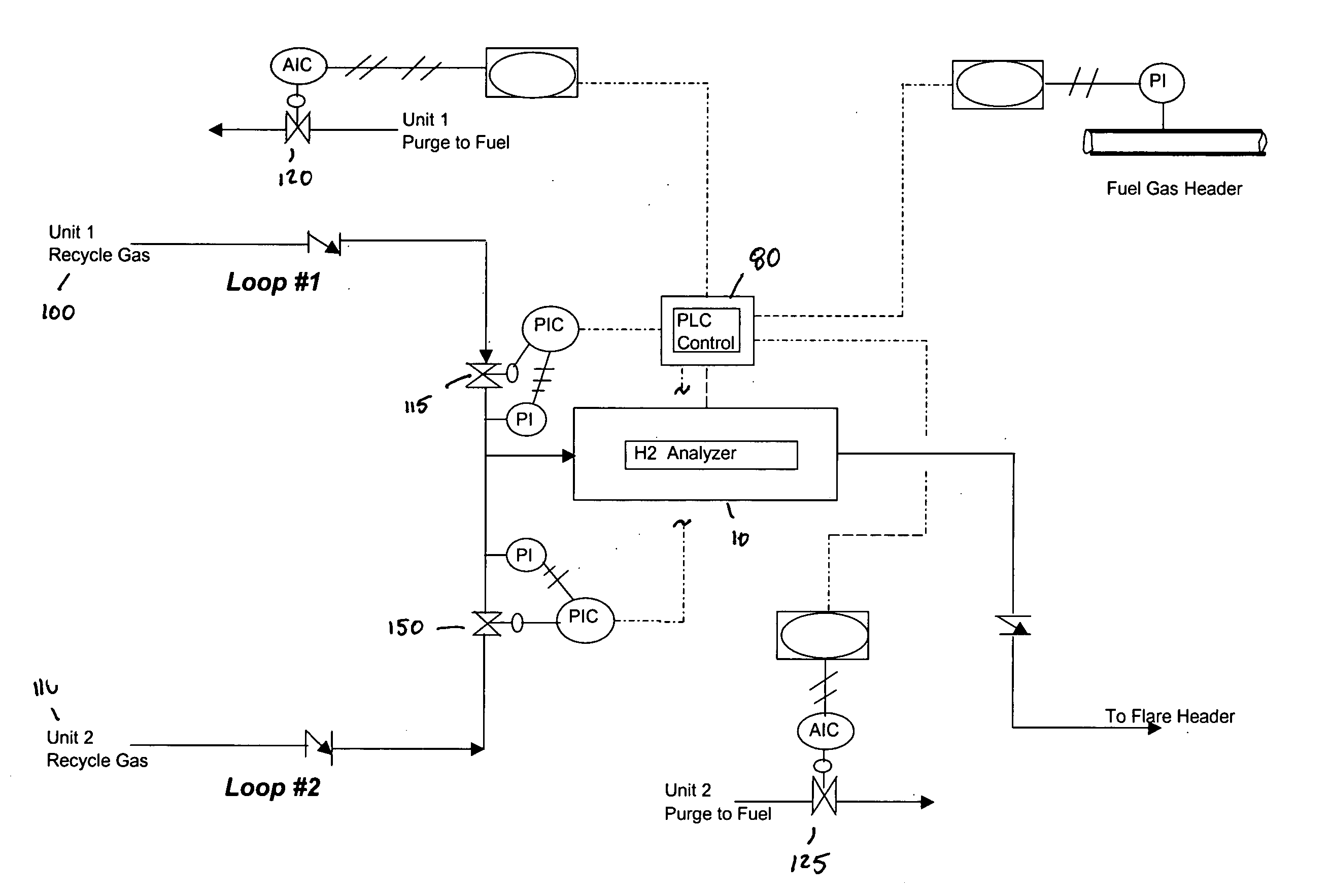
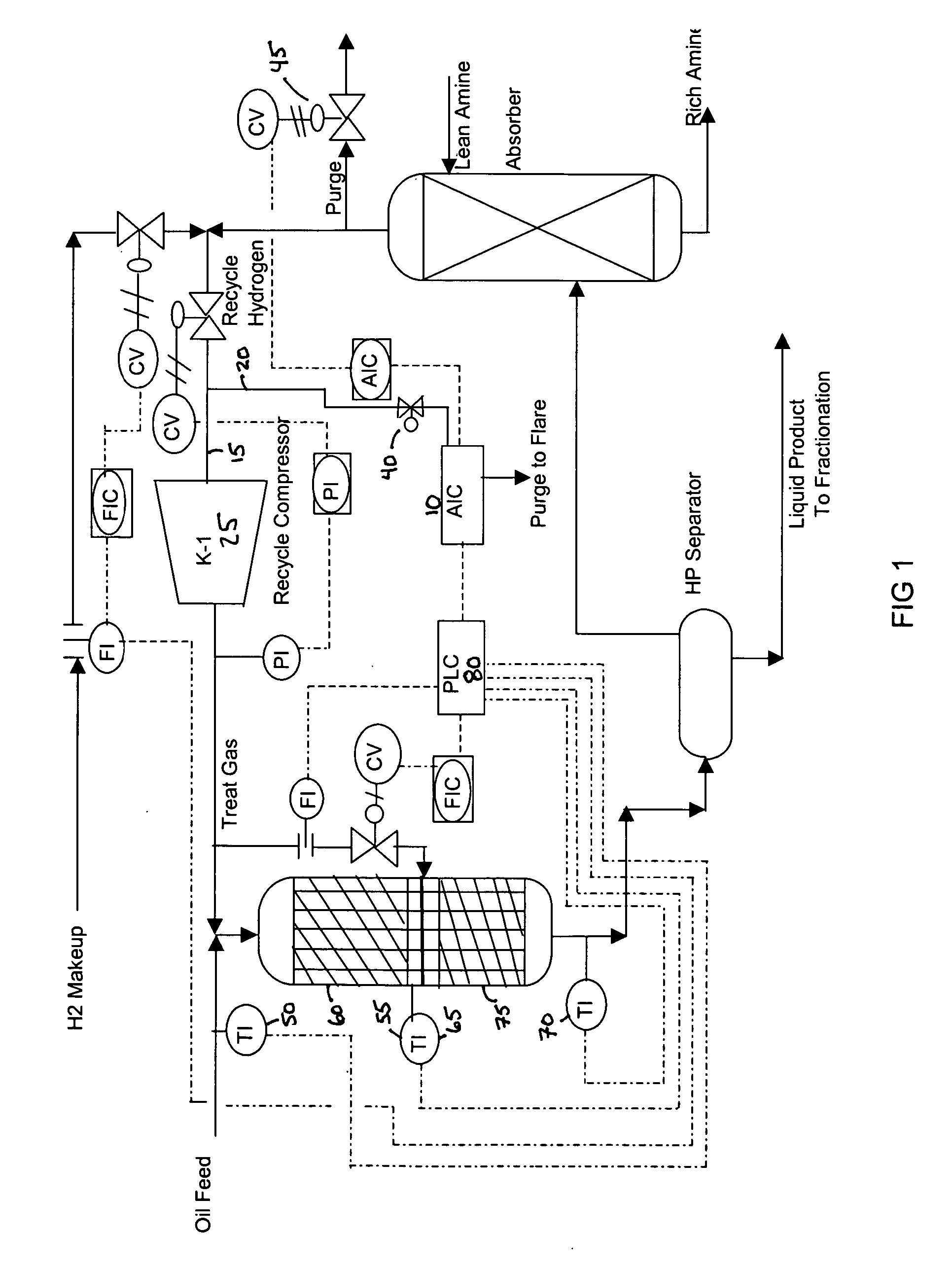
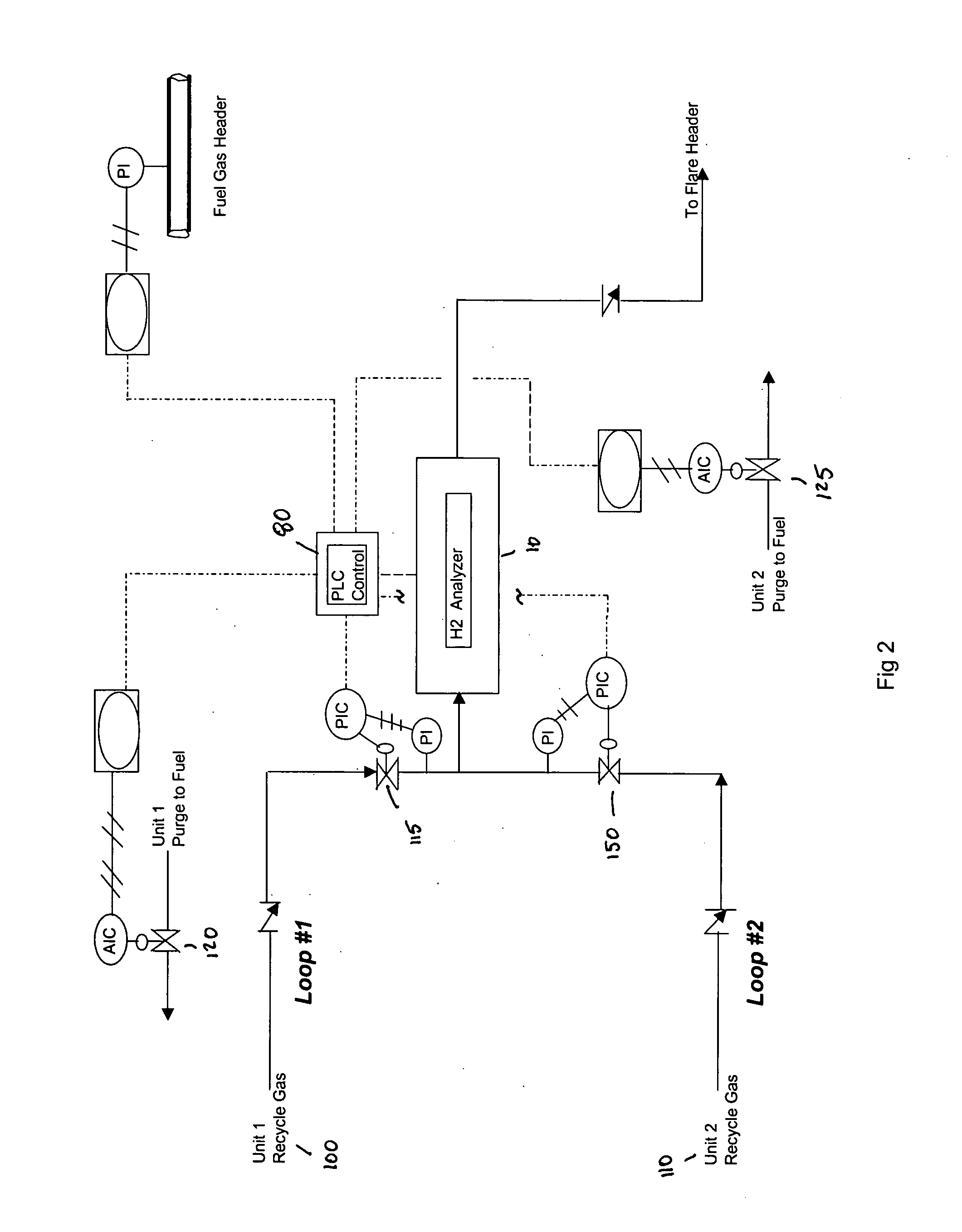
- A control scheme utilizing a hydrogen purity analyzer to measure and automatically adjust the purge gas flow, coupled with a programmable logic controller to manage inputs and maintain desired hydrogen partial pressure, ensuring consistent hydrogen supply and quench flow.
Pressure vessel for hydrogen and method for manufacturing same
PatentInactiveUS20210278043A1
Innovation
- A pressure vessel design incorporating a compressive residual stress on the inner surface and an elastic region on the outer surface, with an equivalent plastic strain of 1% or less and a plastic region limited to 50% of the wall thickness in the radial direction, utilizing high strength steels like Cr—Mo or Ni—Cr—Mo—V with a tensile strength of 725 MPa or higher, and an autofrettage treatment that applies internal pressure to generate compressive residual stress without reducing fracture toughness.


Safety Standards for Hydrogen Environment Operations
The establishment of comprehensive safety standards for hydrogen environment operations has become increasingly critical as industries expand their use of hydrogen technologies. Current regulatory frameworks encompass multiple international and national standards, with ISO 14687 defining hydrogen fuel quality specifications and ASME Section VIII providing guidelines for pressure vessel design in hydrogen service. The European Industrial Gases Association (EIGA) and the Compressed Gas Association (CGA) have developed specific protocols addressing hydrogen handling, storage, and transportation safety requirements.
Personnel safety protocols constitute a fundamental component of hydrogen environment operations, requiring specialized training programs that address the unique properties of hydrogen gas. Workers must understand hydrogen's wide flammability range, low ignition energy, and invisible flame characteristics. Mandatory safety equipment includes hydrogen-specific gas detectors, flame-resistant clothing, and emergency response gear designed for hydrogen incidents. Regular certification programs ensure personnel maintain current knowledge of evolving safety practices and emergency procedures.
Equipment design standards for hydrogen environments emphasize materials compatibility and system integrity. ASME B31.12 provides comprehensive guidelines for hydrogen piping systems, while NACE MR0175 addresses materials selection to prevent hydrogen-induced cracking. These standards mandate specific steel grades, welding procedures, and inspection protocols that account for hydrogen's ability to cause material degradation. Pressure relief systems must be designed with hydrogen's unique properties in mind, including its high diffusivity and potential for rapid pressure buildup.
Monitoring and detection systems represent critical safety infrastructure components, requiring continuous hydrogen concentration monitoring with alarm systems set at 25% of the lower explosive limit. Advanced detection technologies include catalytic bead sensors, electrochemical cells, and optical sensors capable of detecting hydrogen leaks before they reach dangerous concentrations. Integration with automated shutdown systems ensures rapid response to potential hazardous conditions.
Emergency response procedures specific to hydrogen environments require specialized protocols addressing leak detection, fire suppression, and evacuation procedures. Unlike conventional hydrocarbon fires, hydrogen flames are nearly invisible and require specialized detection methods. Fire suppression strategies focus on source isolation rather than flame extinguishing, as hydrogen fires are best controlled by stopping the gas flow. Emergency response teams must be trained in hydrogen-specific hazards and equipped with appropriate detection and protection equipment to ensure safe incident management.
Personnel safety protocols constitute a fundamental component of hydrogen environment operations, requiring specialized training programs that address the unique properties of hydrogen gas. Workers must understand hydrogen's wide flammability range, low ignition energy, and invisible flame characteristics. Mandatory safety equipment includes hydrogen-specific gas detectors, flame-resistant clothing, and emergency response gear designed for hydrogen incidents. Regular certification programs ensure personnel maintain current knowledge of evolving safety practices and emergency procedures.
Equipment design standards for hydrogen environments emphasize materials compatibility and system integrity. ASME B31.12 provides comprehensive guidelines for hydrogen piping systems, while NACE MR0175 addresses materials selection to prevent hydrogen-induced cracking. These standards mandate specific steel grades, welding procedures, and inspection protocols that account for hydrogen's ability to cause material degradation. Pressure relief systems must be designed with hydrogen's unique properties in mind, including its high diffusivity and potential for rapid pressure buildup.
Monitoring and detection systems represent critical safety infrastructure components, requiring continuous hydrogen concentration monitoring with alarm systems set at 25% of the lower explosive limit. Advanced detection technologies include catalytic bead sensors, electrochemical cells, and optical sensors capable of detecting hydrogen leaks before they reach dangerous concentrations. Integration with automated shutdown systems ensures rapid response to potential hazardous conditions.
Emergency response procedures specific to hydrogen environments require specialized protocols addressing leak detection, fire suppression, and evacuation procedures. Unlike conventional hydrocarbon fires, hydrogen flames are nearly invisible and require specialized detection methods. Fire suppression strategies focus on source isolation rather than flame extinguishing, as hydrogen fires are best controlled by stopping the gas flow. Emergency response teams must be trained in hydrogen-specific hazards and equipped with appropriate detection and protection equipment to ensure safe incident management.
Environmental Impact of Hydrogen Processing Technologies
The environmental implications of hydrogen processing technologies, particularly in the context of optimizing hydrogen partial pressure to prevent cracking failures, present a complex landscape of both challenges and opportunities for sustainable industrial development. These technologies fundamentally alter the environmental footprint of hydrogen-intensive processes across multiple dimensions.
Carbon emissions represent the most significant environmental consideration in hydrogen processing operations. Traditional steam methane reforming processes, which constitute approximately 95% of current hydrogen production, generate substantial CO2 emissions ranging from 9-12 kg CO2 per kg H2 produced. When optimizing hydrogen partial pressure to prevent material degradation, increased hydrogen consumption often correlates with higher upstream production demands, thereby amplifying the carbon intensity of industrial operations.
Water resource utilization emerges as another critical environmental factor. Hydrogen production through electrolysis requires approximately 9 liters of water per kilogram of hydrogen generated, while steam reforming processes consume additional water for cooling and steam generation. Pressure optimization strategies that enhance hydrogen utilization efficiency can significantly reduce overall water consumption by minimizing the total hydrogen throughput required for effective cracking prevention.
Energy consumption patterns in hydrogen processing facilities directly impact environmental sustainability metrics. Compression systems required to maintain optimal hydrogen partial pressures typically consume 10-15% of the total facility energy budget. Advanced pressure management technologies, including variable-speed compressors and heat recovery systems, can reduce energy intensity by 20-30% compared to conventional approaches.
Atmospheric emissions beyond carbon dioxide warrant careful consideration in environmental impact assessments. Hydrogen processing operations may release nitrogen oxides, sulfur compounds, and volatile organic compounds depending on feedstock composition and process conditions. Optimized pressure control systems often incorporate enhanced monitoring and emission control technologies that can reduce these secondary pollutants by up to 40%.
The lifecycle environmental benefits of preventing hydrogen-induced cracking failures extend beyond immediate operational impacts. Equipment longevity improvements resulting from optimized hydrogen partial pressure management can reduce material replacement frequencies by 30-50%, thereby decreasing the embodied carbon associated with manufacturing new components and minimizing industrial waste generation throughout facility operational lifecycles.
Carbon emissions represent the most significant environmental consideration in hydrogen processing operations. Traditional steam methane reforming processes, which constitute approximately 95% of current hydrogen production, generate substantial CO2 emissions ranging from 9-12 kg CO2 per kg H2 produced. When optimizing hydrogen partial pressure to prevent material degradation, increased hydrogen consumption often correlates with higher upstream production demands, thereby amplifying the carbon intensity of industrial operations.
Water resource utilization emerges as another critical environmental factor. Hydrogen production through electrolysis requires approximately 9 liters of water per kilogram of hydrogen generated, while steam reforming processes consume additional water for cooling and steam generation. Pressure optimization strategies that enhance hydrogen utilization efficiency can significantly reduce overall water consumption by minimizing the total hydrogen throughput required for effective cracking prevention.
Energy consumption patterns in hydrogen processing facilities directly impact environmental sustainability metrics. Compression systems required to maintain optimal hydrogen partial pressures typically consume 10-15% of the total facility energy budget. Advanced pressure management technologies, including variable-speed compressors and heat recovery systems, can reduce energy intensity by 20-30% compared to conventional approaches.
Atmospheric emissions beyond carbon dioxide warrant careful consideration in environmental impact assessments. Hydrogen processing operations may release nitrogen oxides, sulfur compounds, and volatile organic compounds depending on feedstock composition and process conditions. Optimized pressure control systems often incorporate enhanced monitoring and emission control technologies that can reduce these secondary pollutants by up to 40%.
The lifecycle environmental benefits of preventing hydrogen-induced cracking failures extend beyond immediate operational impacts. Equipment longevity improvements resulting from optimized hydrogen partial pressure management can reduce material replacement frequencies by 30-50%, thereby decreasing the embodied carbon associated with manufacturing new components and minimizing industrial waste generation throughout facility operational lifecycles.
Unlock deeper insights with PatSnap Eureka Quick Research — get a full tech report to explore trends and direct your research. Try now!
Generate Your Research Report Instantly with AI Agent
Supercharge your innovation with PatSnap Eureka AI Agent Platform!