Implementing AI for Optical Burst Switching Management
MAR 2, 20269 MIN READ
Generate Your Research Report Instantly with AI Agent
PatSnap Eureka helps you evaluate technical feasibility & market potential.
AI-Driven OBS Technology Background and Objectives
Optical Burst Switching (OBS) represents a revolutionary paradigm in optical networking that emerged in the late 1990s as a hybrid solution combining the benefits of optical circuit switching and optical packet switching. This technology enables dynamic bandwidth allocation by transmitting data in variable-length bursts through pre-established optical paths, eliminating the need for optical buffering at intermediate nodes. The evolution of OBS has been driven by the exponential growth in internet traffic and the demand for high-speed, low-latency communication networks.
The integration of artificial intelligence into OBS management systems marks a significant technological advancement aimed at addressing the inherent complexities of burst scheduling, resource allocation, and network optimization. Traditional OBS networks rely on deterministic algorithms that often struggle with the dynamic nature of modern network traffic patterns and the increasing complexity of multi-domain optical networks. AI-driven approaches promise to enhance network performance through intelligent prediction, adaptive learning, and real-time optimization capabilities.
The primary objective of implementing AI for OBS management is to achieve autonomous network operation that can dynamically adapt to changing traffic conditions while maximizing network utilization and minimizing burst loss probability. Machine learning algorithms can analyze historical traffic patterns, predict future demand, and optimize burst assembly and scheduling processes in real-time. This intelligent approach aims to reduce network congestion, improve quality of service parameters, and enhance overall network efficiency.
Key technological goals include developing predictive models for traffic forecasting, implementing reinforcement learning algorithms for dynamic routing decisions, and creating intelligent burst assembly mechanisms that can adapt to varying application requirements. The AI-driven OBS framework seeks to minimize end-to-end latency while maximizing throughput and ensuring fair resource allocation across different traffic classes.
Furthermore, the integration targets the development of self-healing network capabilities where AI algorithms can detect network anomalies, predict potential failures, and automatically reconfigure network resources to maintain service continuity. This proactive approach represents a paradigm shift from reactive network management to predictive and preventive network optimization, ultimately enabling more resilient and efficient optical communication infrastructures.
The integration of artificial intelligence into OBS management systems marks a significant technological advancement aimed at addressing the inherent complexities of burst scheduling, resource allocation, and network optimization. Traditional OBS networks rely on deterministic algorithms that often struggle with the dynamic nature of modern network traffic patterns and the increasing complexity of multi-domain optical networks. AI-driven approaches promise to enhance network performance through intelligent prediction, adaptive learning, and real-time optimization capabilities.
The primary objective of implementing AI for OBS management is to achieve autonomous network operation that can dynamically adapt to changing traffic conditions while maximizing network utilization and minimizing burst loss probability. Machine learning algorithms can analyze historical traffic patterns, predict future demand, and optimize burst assembly and scheduling processes in real-time. This intelligent approach aims to reduce network congestion, improve quality of service parameters, and enhance overall network efficiency.
Key technological goals include developing predictive models for traffic forecasting, implementing reinforcement learning algorithms for dynamic routing decisions, and creating intelligent burst assembly mechanisms that can adapt to varying application requirements. The AI-driven OBS framework seeks to minimize end-to-end latency while maximizing throughput and ensuring fair resource allocation across different traffic classes.
Furthermore, the integration targets the development of self-healing network capabilities where AI algorithms can detect network anomalies, predict potential failures, and automatically reconfigure network resources to maintain service continuity. This proactive approach represents a paradigm shift from reactive network management to predictive and preventive network optimization, ultimately enabling more resilient and efficient optical communication infrastructures.
Market Demand for Intelligent Optical Network Management
The global telecommunications industry is experiencing unprecedented demand for intelligent optical network management solutions, driven by the exponential growth in data traffic and the increasing complexity of modern network infrastructures. Traditional optical networks, while providing high-capacity transmission capabilities, face significant challenges in managing dynamic traffic patterns, optimizing resource utilization, and ensuring quality of service guarantees in real-time environments.
Enterprise customers across various sectors are demanding more sophisticated network management capabilities that can automatically adapt to changing traffic conditions. Cloud service providers, content delivery networks, and data center operators require optical networks that can intelligently allocate bandwidth resources, predict traffic patterns, and implement proactive management strategies to prevent network congestion and service degradation.
The emergence of 5G networks, Internet of Things deployments, and edge computing applications has created new requirements for optical network management systems. These applications generate highly variable and bursty traffic patterns that traditional static provisioning methods cannot efficiently handle. Network operators are seeking solutions that can provide millisecond-level response times for traffic management decisions while maintaining optimal network performance.
Financial institutions, healthcare organizations, and government agencies are increasingly relying on mission-critical applications that demand guaranteed service levels and minimal latency variations. This has created a substantial market opportunity for intelligent optical network management solutions that can provide predictive analytics, automated fault detection, and self-healing capabilities.
The market demand is further amplified by the growing adoption of software-defined networking principles in optical networks. Organizations are seeking integrated management platforms that can provide centralized control, real-time monitoring, and intelligent decision-making capabilities across their entire optical infrastructure.
Network equipment manufacturers and service providers are responding to this demand by investing heavily in artificial intelligence and machine learning technologies for optical network management. The market is witnessing increased interest in solutions that can reduce operational expenses, improve network reliability, and enable new revenue-generating services through intelligent resource optimization and dynamic service provisioning capabilities.
Enterprise customers across various sectors are demanding more sophisticated network management capabilities that can automatically adapt to changing traffic conditions. Cloud service providers, content delivery networks, and data center operators require optical networks that can intelligently allocate bandwidth resources, predict traffic patterns, and implement proactive management strategies to prevent network congestion and service degradation.
The emergence of 5G networks, Internet of Things deployments, and edge computing applications has created new requirements for optical network management systems. These applications generate highly variable and bursty traffic patterns that traditional static provisioning methods cannot efficiently handle. Network operators are seeking solutions that can provide millisecond-level response times for traffic management decisions while maintaining optimal network performance.
Financial institutions, healthcare organizations, and government agencies are increasingly relying on mission-critical applications that demand guaranteed service levels and minimal latency variations. This has created a substantial market opportunity for intelligent optical network management solutions that can provide predictive analytics, automated fault detection, and self-healing capabilities.
The market demand is further amplified by the growing adoption of software-defined networking principles in optical networks. Organizations are seeking integrated management platforms that can provide centralized control, real-time monitoring, and intelligent decision-making capabilities across their entire optical infrastructure.
Network equipment manufacturers and service providers are responding to this demand by investing heavily in artificial intelligence and machine learning technologies for optical network management. The market is witnessing increased interest in solutions that can reduce operational expenses, improve network reliability, and enable new revenue-generating services through intelligent resource optimization and dynamic service provisioning capabilities.
Current AI-OBS Implementation Challenges and Status
The integration of artificial intelligence into optical burst switching networks represents a significant technological frontier, yet current implementation efforts face substantial challenges across multiple dimensions. The complexity of real-time decision-making in OBS environments, where bursts arrive unpredictably and require immediate routing decisions, creates unprecedented demands on AI systems that must operate within microsecond timeframes.
Contemporary AI-OBS implementations struggle with the fundamental challenge of processing vast amounts of network state information while maintaining the ultra-low latency requirements inherent to optical switching. Traditional machine learning algorithms, while effective in offline analysis, often fail to meet the stringent timing constraints of burst-switched networks where decisions must be made faster than electronic processing typically allows.
The current technological landscape reveals a fragmented approach to AI-OBS integration, with most implementations focusing on narrow applications rather than comprehensive network management solutions. Existing systems primarily address isolated problems such as traffic prediction or basic routing optimization, but lack the holistic intelligence required for dynamic network adaptation and multi-objective optimization across diverse network conditions.
Hardware limitations present another critical barrier, as current optical switching infrastructure was not originally designed to accommodate the computational overhead of AI algorithms. The integration of AI processing units with optical hardware creates architectural challenges that require innovative solutions bridging the gap between electronic computation and photonic switching speeds.
Network scalability issues compound these challenges, as AI models trained on smaller network topologies often fail to generalize effectively to larger, more complex optical networks. The dynamic nature of network traffic patterns and the heterogeneous characteristics of different network segments create additional complexity that current AI implementations struggle to address comprehensively.
Data quality and availability constraints further limit the effectiveness of AI-OBS systems. The lack of standardized datasets for training and the difficulty in obtaining real-time, high-quality network performance data hinder the development of robust AI models capable of making reliable decisions across diverse operational scenarios.
Despite these challenges, emerging research demonstrates promising developments in specialized AI architectures designed specifically for optical networking applications. These include lightweight neural networks optimized for real-time processing and hybrid approaches that combine traditional networking protocols with AI-enhanced decision-making capabilities, suggesting potential pathways toward more effective AI-OBS integration solutions.
Contemporary AI-OBS implementations struggle with the fundamental challenge of processing vast amounts of network state information while maintaining the ultra-low latency requirements inherent to optical switching. Traditional machine learning algorithms, while effective in offline analysis, often fail to meet the stringent timing constraints of burst-switched networks where decisions must be made faster than electronic processing typically allows.
The current technological landscape reveals a fragmented approach to AI-OBS integration, with most implementations focusing on narrow applications rather than comprehensive network management solutions. Existing systems primarily address isolated problems such as traffic prediction or basic routing optimization, but lack the holistic intelligence required for dynamic network adaptation and multi-objective optimization across diverse network conditions.
Hardware limitations present another critical barrier, as current optical switching infrastructure was not originally designed to accommodate the computational overhead of AI algorithms. The integration of AI processing units with optical hardware creates architectural challenges that require innovative solutions bridging the gap between electronic computation and photonic switching speeds.
Network scalability issues compound these challenges, as AI models trained on smaller network topologies often fail to generalize effectively to larger, more complex optical networks. The dynamic nature of network traffic patterns and the heterogeneous characteristics of different network segments create additional complexity that current AI implementations struggle to address comprehensively.
Data quality and availability constraints further limit the effectiveness of AI-OBS systems. The lack of standardized datasets for training and the difficulty in obtaining real-time, high-quality network performance data hinder the development of robust AI models capable of making reliable decisions across diverse operational scenarios.
Despite these challenges, emerging research demonstrates promising developments in specialized AI architectures designed specifically for optical networking applications. These include lightweight neural networks optimized for real-time processing and hybrid approaches that combine traditional networking protocols with AI-enhanced decision-making capabilities, suggesting potential pathways toward more effective AI-OBS integration solutions.
Existing AI Solutions for Burst Switching Optimization
01 Contention resolution mechanisms in optical burst switching networks
Various contention resolution techniques are employed to handle burst collisions in optical burst switching networks. These mechanisms include deflection routing, wavelength conversion, and burst segmentation to minimize data loss when multiple bursts compete for the same resources. Advanced algorithms can dynamically select the optimal resolution strategy based on network conditions and burst priorities.- Contention resolution mechanisms in optical burst switching networks: Various contention resolution techniques are employed to handle burst collisions in optical burst switching networks. These mechanisms include deflection routing, wavelength conversion, and burst segmentation to minimize packet loss. Advanced algorithms can predict and resolve contentions by analyzing traffic patterns and network conditions. The implementation of efficient contention resolution improves network throughput and reduces latency in optical burst switching systems.
- Burst assembly and scheduling algorithms: Intelligent burst assembly algorithms aggregate incoming packets into optical bursts based on various parameters such as time thresholds, burst length, and quality of service requirements. Scheduling mechanisms determine the optimal transmission time for assembled bursts to maximize network efficiency. These algorithms can incorporate machine learning techniques to adapt to dynamic network conditions and traffic patterns. Proper burst assembly and scheduling significantly impact the overall performance of optical burst switching networks.
- Resource reservation and signaling protocols: Signaling protocols enable the reservation of network resources before burst transmission to ensure successful delivery. These protocols communicate burst characteristics and routing information between network nodes. Advanced reservation schemes can utilize predictive algorithms to optimize resource allocation and reduce blocking probability. The implementation of efficient signaling mechanisms is crucial for maintaining quality of service in optical burst switching networks.
- Traffic prediction and network optimization using intelligent algorithms: Intelligent algorithms analyze historical traffic data and network patterns to predict future burst arrivals and optimize network performance. These techniques can employ neural networks, fuzzy logic, or other computational intelligence methods to enhance decision-making processes. Traffic prediction enables proactive resource management and improves the efficiency of burst scheduling and routing. The integration of intelligent optimization algorithms helps reduce network congestion and improve overall system performance.
- Quality of service differentiation and priority management: Quality of service mechanisms in optical burst switching networks provide differentiated treatment for bursts based on priority levels and service requirements. These systems implement classification schemes to identify and handle high-priority traffic with preferential treatment. Advanced management techniques ensure that critical applications receive guaranteed bandwidth and minimal delay. The implementation of effective quality of service differentiation is essential for supporting diverse application requirements in optical burst switching networks.
02 Burst assembly and scheduling algorithms
Efficient burst assembly and scheduling methods are critical for optimizing optical burst switching performance. These algorithms determine how incoming packets are aggregated into bursts and when bursts should be transmitted to maximize network throughput while minimizing delay. Adaptive scheduling techniques can adjust burst sizes and transmission timing based on traffic patterns and quality of service requirements.Expand Specific Solutions03 Offset time calculation and reservation protocols
Offset time mechanisms enable the separation between control packets and data bursts, allowing intermediate nodes to process reservation requests before burst arrival. Sophisticated protocols calculate optimal offset times considering processing delays, propagation distances, and switching configurations. These protocols ensure successful resource reservation and reduce the probability of burst loss due to insufficient setup time.Expand Specific Solutions04 Quality of service differentiation and priority management
Quality of service frameworks in optical burst switching networks provide differentiated treatment for bursts based on service class requirements. Priority-based mechanisms allocate resources preferentially to high-priority traffic while maintaining fairness for lower-priority bursts. These systems implement various strategies including preemption policies, dedicated wavelength allocation, and adaptive offset time adjustment to meet diverse service level agreements.Expand Specific Solutions05 Network control and management architectures
Comprehensive control plane architectures coordinate the operation of optical burst switching networks through signaling protocols, routing algorithms, and resource management systems. These architectures integrate functions such as topology discovery, path computation, and failure recovery to ensure reliable network operation. Advanced management systems provide monitoring capabilities and enable dynamic reconfiguration to adapt to changing traffic demands and network conditions.Expand Specific Solutions
Major Players in AI-Enhanced Optical Networking Industry
The AI-driven optical burst switching management field represents an emerging technology sector in the early development stage, characterized by significant growth potential as network demands intensify. The market remains relatively nascent with substantial expansion opportunities driven by increasing data traffic and 5G deployment requirements. Technology maturity varies considerably across market participants, with established telecommunications giants like Huawei Technologies, Intel Corp., Samsung Electronics, and Ericsson leading advanced AI integration capabilities for network optimization. Traditional network equipment providers including Nokia Solutions & Networks, ZTE Corp., NEC Corp., and Fujitsu demonstrate moderate technological readiness, while academic institutions such as Beijing University of Posts & Telecommunications and Korea Advanced Institute of Science & Technology contribute foundational research. The competitive landscape shows a clear division between industry leaders possessing comprehensive AI and networking expertise versus emerging players and research entities focusing on specialized algorithmic developments for burst switching optimization.
Intel Corp.
Technical Solution: Intel's optical burst switching management solution leverages their neuromorphic computing architecture combined with AI accelerators to process optical network data in real-time. Their approach uses specialized silicon photonics integrated with AI chips to enable intelligent burst detection, classification, and routing decisions. The system incorporates machine learning models optimized for Intel's hardware architecture, providing predictive analytics for network congestion management and automated quality of service optimization across optical burst switched networks.
Strengths: Strong hardware-software integration and established semiconductor expertise. Weaknesses: Less specialized focus on optical networking compared to dedicated telecom equipment vendors.
Huawei Technologies Co., Ltd.
Technical Solution: Huawei has developed comprehensive AI-driven optical burst switching solutions that integrate machine learning algorithms for dynamic bandwidth allocation and traffic prediction. Their approach utilizes deep neural networks to analyze real-time network traffic patterns and optimize burst assembly processes, reducing latency by up to 40% compared to traditional methods. The system employs reinforcement learning for adaptive routing decisions and incorporates edge AI processing capabilities to enable millisecond-level response times for burst scheduling and resource allocation in high-speed optical networks.
Strengths: Advanced AI integration with proven performance improvements and strong R&D capabilities. Weaknesses: Limited market access due to geopolitical restrictions in some regions.
Core AI Algorithms for OBS Traffic Management
Optical burst switch network system and method with just-in-time signaling
PatentInactiveUS20050013613A1
Innovation
- The implementation of an Optical Burst-Switching (OBS) network with Just-In-Time (JIT) signaling and advanced features such as arbitrary signal data transmission, memory access, and unified global address scaling, utilizing an optical signal bus with network adapters and a bus controller that supports bi-directional data movement and out-of-band signaling, allowing for concurrent transmission of diverse signal formats on a single wavelength.
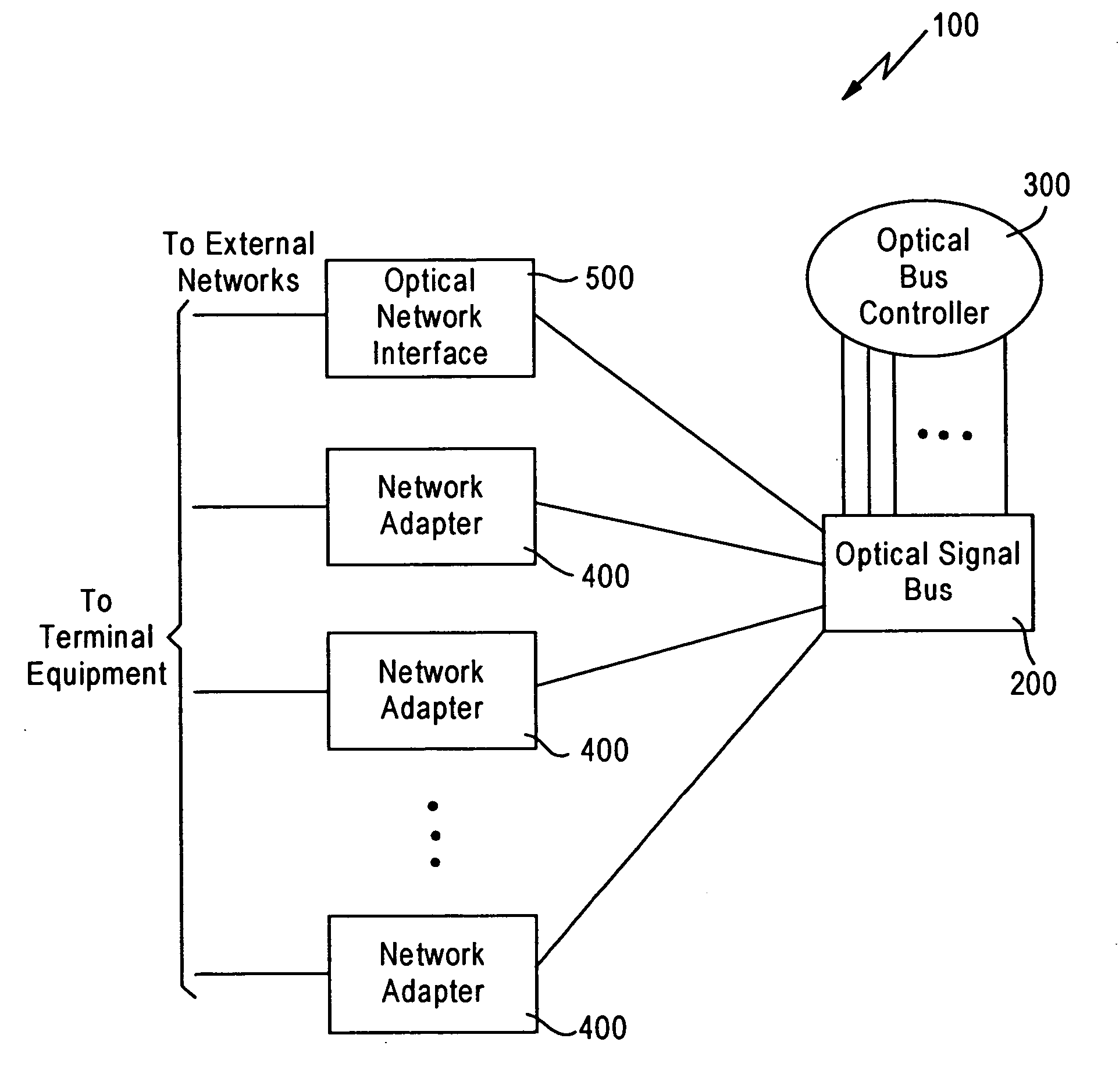
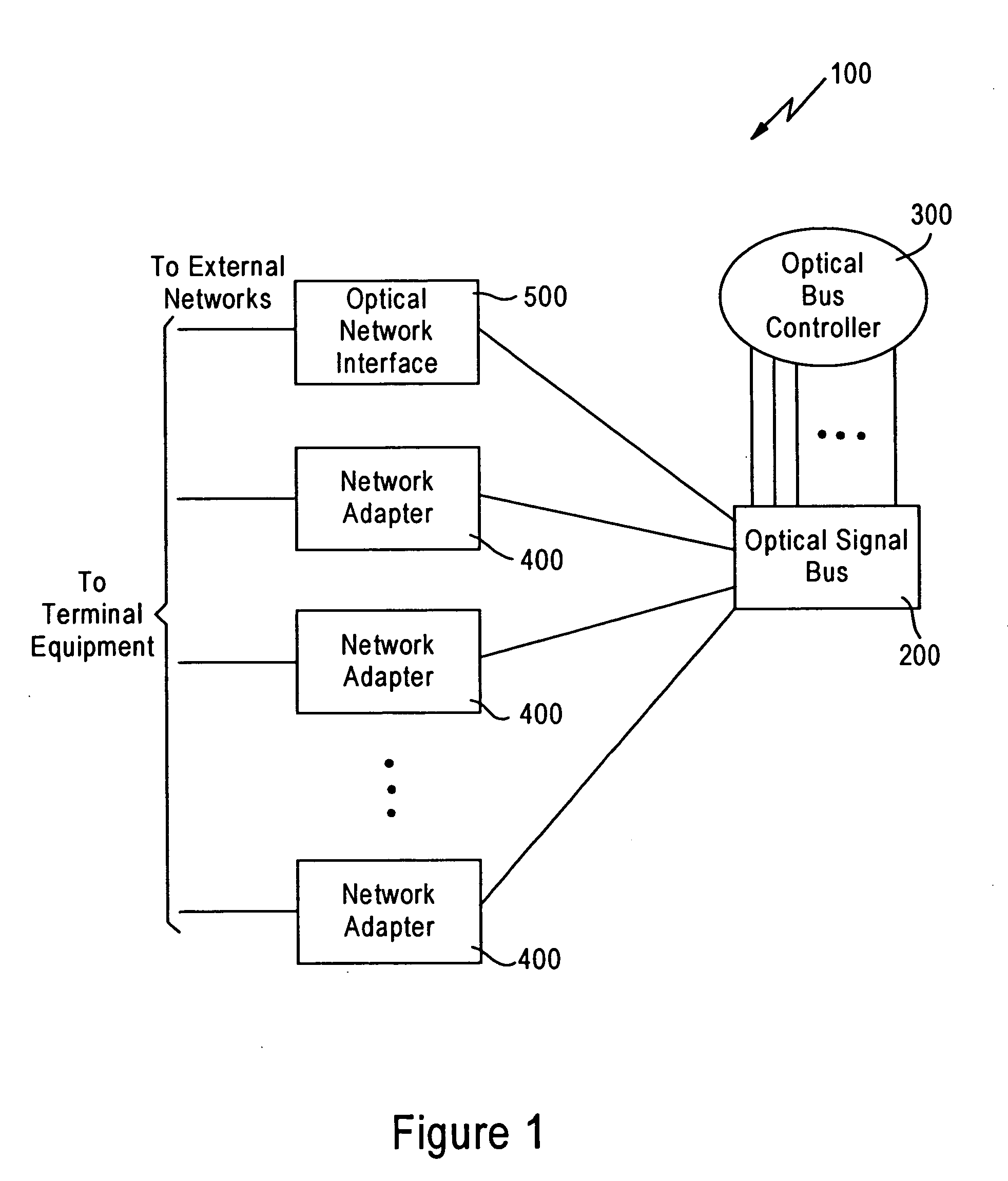
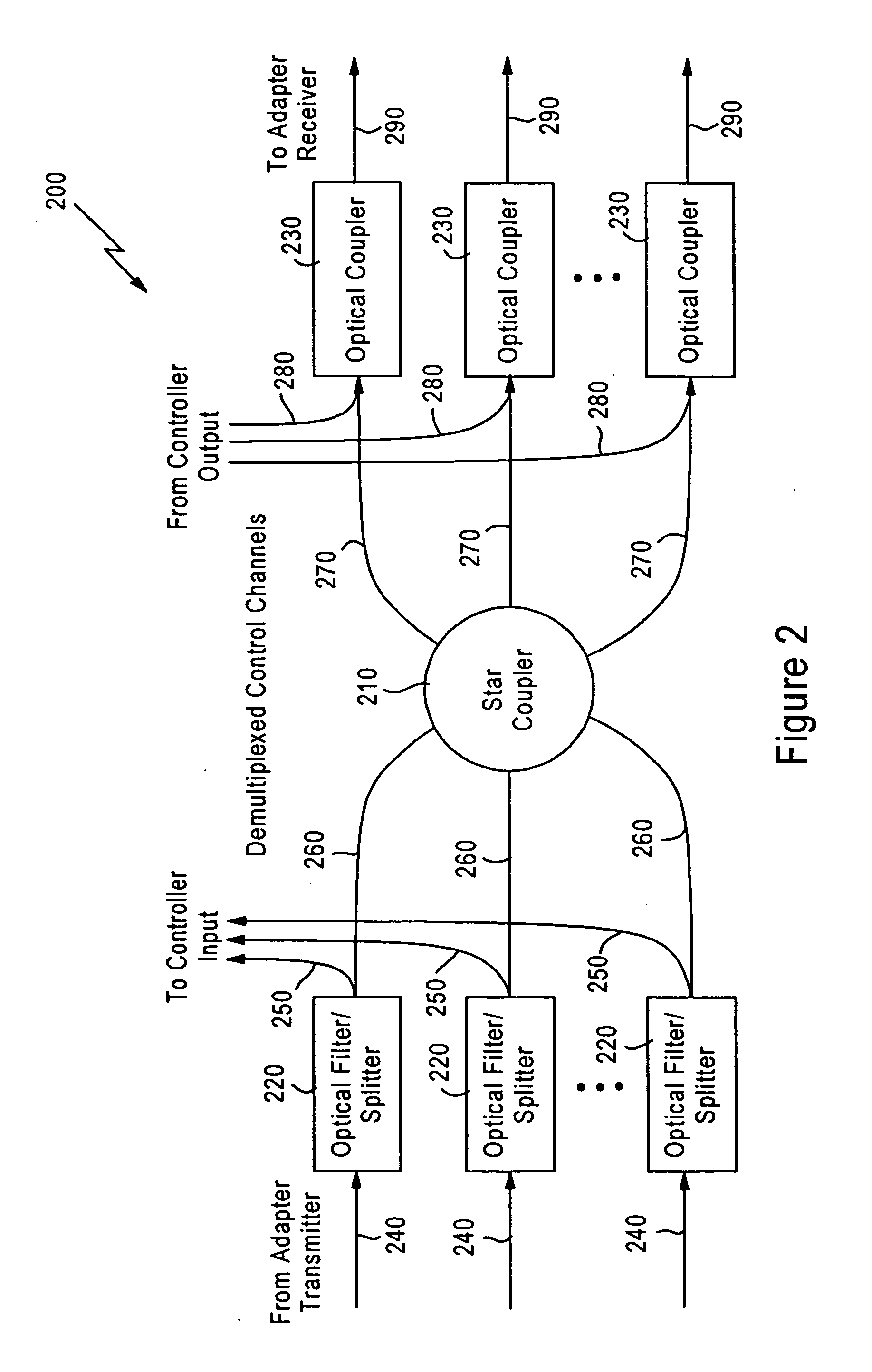

Burst scheduling methods in optical burst switching system
PatentInactiveUS8175456B2
Innovation
- A burst scheduling method that prioritizes Transit Data Bursts (TDBs) using multiple network resources over Several Hop Going (SHG) bursts, with TDBs having higher priority to occupy output channels and SHG bursts being discarded or retransmitted when competing, ensuring efficient channel allocation and minimizing loss.


Network Security Standards for AI-Powered OBS Systems
The security landscape for AI-powered Optical Burst Switching systems requires comprehensive standardization frameworks that address the unique vulnerabilities introduced by artificial intelligence integration. Current network security standards, primarily developed for traditional optical networks, lack adequate provisions for AI-specific attack vectors such as adversarial machine learning, model poisoning, and neural network manipulation that could compromise OBS decision-making processes.
Existing security frameworks like ITU-T Y.3500 series and IEEE 802.1X provide foundational authentication and encryption mechanisms but fall short in addressing AI model integrity verification. The dynamic nature of AI-driven OBS systems, where routing decisions are made in microseconds based on machine learning predictions, creates new security challenges that traditional static security policies cannot effectively mitigate.
The development of specialized security standards must encompass multiple layers of protection. At the data plane level, standards should mandate real-time anomaly detection capabilities that can identify unusual traffic patterns potentially indicating security breaches. Control plane security requires authentication protocols specifically designed for AI model updates and parameter synchronization across distributed OBS nodes.
Emerging standardization efforts focus on establishing trust boundaries between AI components and network infrastructure. These include cryptographic verification of AI model states, secure multi-party computation for distributed learning scenarios, and blockchain-based integrity verification for training data provenance. The standards must also address privacy-preserving techniques such as federated learning and differential privacy to protect sensitive network topology information.
International collaboration between standardization bodies like IETF, ITU-T, and IEEE is essential for creating interoperable security frameworks. These standards should define mandatory security baselines including encrypted AI model storage, secure boot processes for AI inference engines, and standardized APIs for security monitoring and incident response in AI-powered OBS environments.
Existing security frameworks like ITU-T Y.3500 series and IEEE 802.1X provide foundational authentication and encryption mechanisms but fall short in addressing AI model integrity verification. The dynamic nature of AI-driven OBS systems, where routing decisions are made in microseconds based on machine learning predictions, creates new security challenges that traditional static security policies cannot effectively mitigate.
The development of specialized security standards must encompass multiple layers of protection. At the data plane level, standards should mandate real-time anomaly detection capabilities that can identify unusual traffic patterns potentially indicating security breaches. Control plane security requires authentication protocols specifically designed for AI model updates and parameter synchronization across distributed OBS nodes.
Emerging standardization efforts focus on establishing trust boundaries between AI components and network infrastructure. These include cryptographic verification of AI model states, secure multi-party computation for distributed learning scenarios, and blockchain-based integrity verification for training data provenance. The standards must also address privacy-preserving techniques such as federated learning and differential privacy to protect sensitive network topology information.
International collaboration between standardization bodies like IETF, ITU-T, and IEEE is essential for creating interoperable security frameworks. These standards should define mandatory security baselines including encrypted AI model storage, secure boot processes for AI inference engines, and standardized APIs for security monitoring and incident response in AI-powered OBS environments.
Energy Efficiency Considerations in AI-OBS Deployment
Energy efficiency represents a critical design consideration in AI-enabled Optical Burst Switching deployments, as the integration of artificial intelligence algorithms introduces additional computational overhead while simultaneously offering opportunities for intelligent power optimization. The energy consumption profile of AI-OBS systems encompasses multiple components including optical switching hardware, electronic processing units, AI inference engines, and network control infrastructure.
The computational requirements for real-time AI processing in OBS environments create significant energy demands, particularly when implementing deep learning models for traffic prediction and burst scheduling. Graphics Processing Units and specialized AI accelerators consume substantial power during continuous operation, with typical AI inference engines requiring 50-200 watts depending on model complexity and processing frequency. This energy overhead must be carefully balanced against the performance benefits achieved through intelligent network management.
Machine learning algorithms can paradoxically contribute to energy efficiency improvements by optimizing network resource utilization and reducing unnecessary switching operations. Predictive models enable proactive power management by identifying low-traffic periods where certain network components can enter sleep modes or operate at reduced capacity. Advanced AI algorithms can achieve 15-30% energy savings through intelligent load balancing and dynamic resource allocation strategies.
Hardware acceleration technologies play a crucial role in minimizing the energy footprint of AI processing in OBS systems. Field-Programmable Gate Arrays and Application-Specific Integrated Circuits offer significantly lower power consumption compared to general-purpose processors for specific AI workloads. These specialized hardware solutions can reduce AI processing energy requirements by 60-80% while maintaining real-time performance capabilities.
The deployment architecture significantly impacts overall energy efficiency, with edge computing approaches distributing AI processing closer to network nodes to reduce data transmission energy costs. Centralized AI processing may offer computational efficiency but increases network communication overhead, while distributed approaches balance processing load across multiple lower-power nodes.
Cooling and thermal management represent substantial energy consumers in AI-OBS deployments, often accounting for 30-40% of total facility energy consumption. Intelligent thermal management systems leveraging AI algorithms can optimize cooling efficiency by predicting heat generation patterns and adjusting cooling resources dynamically based on processing loads and environmental conditions.
The computational requirements for real-time AI processing in OBS environments create significant energy demands, particularly when implementing deep learning models for traffic prediction and burst scheduling. Graphics Processing Units and specialized AI accelerators consume substantial power during continuous operation, with typical AI inference engines requiring 50-200 watts depending on model complexity and processing frequency. This energy overhead must be carefully balanced against the performance benefits achieved through intelligent network management.
Machine learning algorithms can paradoxically contribute to energy efficiency improvements by optimizing network resource utilization and reducing unnecessary switching operations. Predictive models enable proactive power management by identifying low-traffic periods where certain network components can enter sleep modes or operate at reduced capacity. Advanced AI algorithms can achieve 15-30% energy savings through intelligent load balancing and dynamic resource allocation strategies.
Hardware acceleration technologies play a crucial role in minimizing the energy footprint of AI processing in OBS systems. Field-Programmable Gate Arrays and Application-Specific Integrated Circuits offer significantly lower power consumption compared to general-purpose processors for specific AI workloads. These specialized hardware solutions can reduce AI processing energy requirements by 60-80% while maintaining real-time performance capabilities.
The deployment architecture significantly impacts overall energy efficiency, with edge computing approaches distributing AI processing closer to network nodes to reduce data transmission energy costs. Centralized AI processing may offer computational efficiency but increases network communication overhead, while distributed approaches balance processing load across multiple lower-power nodes.
Cooling and thermal management represent substantial energy consumers in AI-OBS deployments, often accounting for 30-40% of total facility energy consumption. Intelligent thermal management systems leveraging AI algorithms can optimize cooling efficiency by predicting heat generation patterns and adjusting cooling resources dynamically based on processing loads and environmental conditions.
Unlock deeper insights with PatSnap Eureka Quick Research — get a full tech report to explore trends and direct your research. Try now!
Generate Your Research Report Instantly with AI Agent
Supercharge your innovation with PatSnap Eureka AI Agent Platform!