

Improving SCADA System HMI Interfaces: How to Design
MAR 13, 20269 MIN READ
Generate Your Research Report Instantly with AI Agent
PatSnap Eureka helps you evaluate technical feasibility & market potential.
SCADA HMI Design Background and Objectives
SCADA (Supervisory Control and Data Acquisition) systems have evolved significantly since their inception in the 1960s, transitioning from simple telemetry systems to sophisticated industrial automation platforms. Initially designed for remote monitoring of utility infrastructure, SCADA systems now serve as the backbone for critical operations across power generation, water treatment, manufacturing, and transportation sectors. The evolution has been marked by the shift from proprietary hardware-based solutions to software-centric architectures, enabling greater flexibility and integration capabilities.
The Human-Machine Interface represents the critical junction where operators interact with complex industrial processes. Traditional HMI designs often suffered from cluttered displays, inconsistent navigation patterns, and poor alarm management, leading to operator fatigue and potential safety risks. Modern industrial environments demand interfaces that can handle increasing data volumes while maintaining clarity and usability under high-stress conditions.
Current technological trends are reshaping HMI design paradigms. The integration of advanced visualization techniques, including 3D graphics and augmented reality overlays, offers new possibilities for process representation. Touch-screen technologies and gesture-based controls are replacing traditional button-and-switch interfaces, while mobile accessibility requirements are driving responsive design approaches. Additionally, the incorporation of artificial intelligence and machine learning algorithms enables predictive analytics and intelligent alarm filtering.
The primary objective of contemporary SCADA HMI design improvement focuses on enhancing operational efficiency through intuitive user experiences. This involves developing interfaces that reduce cognitive load, minimize response times during critical events, and provide clear situational awareness across multiple process variables. Key goals include implementing standardized design patterns that ensure consistency across different operational contexts and creating adaptive interfaces that can accommodate varying skill levels among operators.
Safety enhancement remains paramount in HMI design objectives. Modern interfaces must provide clear indication of system states, effective alarm prioritization, and fail-safe interaction mechanisms. The design should facilitate rapid decision-making during emergency situations while preventing accidental operations that could compromise system integrity. Furthermore, compliance with international standards such as IEC 62241 and ISA-101 ensures that design improvements align with industry best practices and regulatory requirements.
The Human-Machine Interface represents the critical junction where operators interact with complex industrial processes. Traditional HMI designs often suffered from cluttered displays, inconsistent navigation patterns, and poor alarm management, leading to operator fatigue and potential safety risks. Modern industrial environments demand interfaces that can handle increasing data volumes while maintaining clarity and usability under high-stress conditions.
Current technological trends are reshaping HMI design paradigms. The integration of advanced visualization techniques, including 3D graphics and augmented reality overlays, offers new possibilities for process representation. Touch-screen technologies and gesture-based controls are replacing traditional button-and-switch interfaces, while mobile accessibility requirements are driving responsive design approaches. Additionally, the incorporation of artificial intelligence and machine learning algorithms enables predictive analytics and intelligent alarm filtering.
The primary objective of contemporary SCADA HMI design improvement focuses on enhancing operational efficiency through intuitive user experiences. This involves developing interfaces that reduce cognitive load, minimize response times during critical events, and provide clear situational awareness across multiple process variables. Key goals include implementing standardized design patterns that ensure consistency across different operational contexts and creating adaptive interfaces that can accommodate varying skill levels among operators.
Safety enhancement remains paramount in HMI design objectives. Modern interfaces must provide clear indication of system states, effective alarm prioritization, and fail-safe interaction mechanisms. The design should facilitate rapid decision-making during emergency situations while preventing accidental operations that could compromise system integrity. Furthermore, compliance with international standards such as IEC 62241 and ISA-101 ensures that design improvements align with industry best practices and regulatory requirements.
Market Demand for Advanced SCADA HMI Solutions
The global SCADA market is experiencing unprecedented growth driven by increasing industrial automation requirements and the urgent need for enhanced operational efficiency across critical infrastructure sectors. Power generation and distribution facilities, water treatment plants, oil and gas operations, and manufacturing industries are actively seeking advanced HMI solutions that can provide superior visualization, real-time monitoring capabilities, and intuitive user experiences.
Traditional SCADA HMI interfaces are increasingly inadequate for modern industrial operations, creating substantial market opportunities for next-generation solutions. Legacy systems often suffer from poor usability, limited scalability, and outdated visual designs that hinder operator effectiveness and decision-making processes. This gap has generated significant demand for modernized interfaces that incorporate contemporary design principles, advanced graphics capabilities, and improved ergonomic considerations.
The market demand is particularly strong for HMI solutions that support mobile accessibility and remote monitoring capabilities. Industrial operators require systems that enable seamless access to critical operational data from various devices and locations, especially following the acceleration of remote work practices and distributed operations management. Cloud-based SCADA HMI platforms are gaining substantial traction as organizations seek to reduce infrastructure costs while improving system accessibility and maintenance efficiency.
Cybersecurity concerns are driving additional market demand for advanced SCADA HMI solutions that incorporate robust security frameworks without compromising user experience. Organizations are actively seeking interfaces that provide secure authentication mechanisms, encrypted communications, and comprehensive audit trails while maintaining intuitive operation for end users.
The integration of artificial intelligence and machine learning capabilities into SCADA HMI systems represents another significant market driver. Industries are demanding intelligent interfaces that can provide predictive analytics, automated anomaly detection, and decision support features directly within the HMI environment. These advanced capabilities enable operators to make more informed decisions and respond proactively to potential system issues.
Regulatory compliance requirements across various industries are further amplifying demand for sophisticated HMI solutions that can automatically generate compliance reports, maintain detailed operational logs, and provide comprehensive documentation capabilities. Organizations need systems that streamline regulatory adherence while reducing administrative overhead and ensuring accurate record-keeping for audit purposes.
Traditional SCADA HMI interfaces are increasingly inadequate for modern industrial operations, creating substantial market opportunities for next-generation solutions. Legacy systems often suffer from poor usability, limited scalability, and outdated visual designs that hinder operator effectiveness and decision-making processes. This gap has generated significant demand for modernized interfaces that incorporate contemporary design principles, advanced graphics capabilities, and improved ergonomic considerations.
The market demand is particularly strong for HMI solutions that support mobile accessibility and remote monitoring capabilities. Industrial operators require systems that enable seamless access to critical operational data from various devices and locations, especially following the acceleration of remote work practices and distributed operations management. Cloud-based SCADA HMI platforms are gaining substantial traction as organizations seek to reduce infrastructure costs while improving system accessibility and maintenance efficiency.
Cybersecurity concerns are driving additional market demand for advanced SCADA HMI solutions that incorporate robust security frameworks without compromising user experience. Organizations are actively seeking interfaces that provide secure authentication mechanisms, encrypted communications, and comprehensive audit trails while maintaining intuitive operation for end users.
The integration of artificial intelligence and machine learning capabilities into SCADA HMI systems represents another significant market driver. Industries are demanding intelligent interfaces that can provide predictive analytics, automated anomaly detection, and decision support features directly within the HMI environment. These advanced capabilities enable operators to make more informed decisions and respond proactively to potential system issues.
Regulatory compliance requirements across various industries are further amplifying demand for sophisticated HMI solutions that can automatically generate compliance reports, maintain detailed operational logs, and provide comprehensive documentation capabilities. Organizations need systems that streamline regulatory adherence while reducing administrative overhead and ensuring accurate record-keeping for audit purposes.
Current SCADA HMI Limitations and Design Challenges
Current SCADA HMI systems face significant usability challenges that impede operational efficiency and safety in industrial environments. Traditional interfaces often suffer from cluttered screen layouts, overwhelming operators with excessive information density that makes critical data difficult to identify during emergency situations. The lack of intuitive navigation structures forces operators to memorize complex menu hierarchies, leading to increased response times and potential human errors.
Visual design inconsistencies represent another major limitation across SCADA platforms. Many systems employ outdated graphical elements, inconsistent color schemes, and poor typography that strain operator vision during extended monitoring periods. The absence of standardized iconography and visual conventions creates confusion when operators transition between different system modules or work with multiple vendor solutions within the same facility.
Information hierarchy and prioritization remain poorly implemented in existing SCADA HMI designs. Critical alarms and warnings often compete visually with routine operational data, making it challenging for operators to distinguish between normal conditions and emergency situations. The lack of contextual information presentation means operators must frequently switch between multiple screens to understand system relationships and dependencies.
Responsiveness and real-time performance issues plague many current SCADA interfaces, particularly when handling large-scale industrial processes with thousands of data points. Screen refresh rates, data update delays, and system lag during peak operational periods compromise the effectiveness of human-machine interaction. These performance bottlenecks become critical safety concerns in time-sensitive industrial applications.
Customization limitations restrict operators' ability to adapt interfaces to specific operational requirements or personal preferences. Most SCADA systems offer minimal flexibility in dashboard configuration, forcing operators to work with generic layouts that may not align with their workflow patterns or the unique characteristics of their industrial processes.
Mobile and remote access capabilities remain underdeveloped in traditional SCADA HMI systems. As industrial operations increasingly require remote monitoring and control capabilities, existing interfaces struggle to adapt to smaller screen sizes and touch-based interactions while maintaining full functionality and safety standards.
Integration challenges with modern digital technologies create additional design constraints. Legacy SCADA systems often cannot seamlessly incorporate advanced visualization techniques, augmented reality elements, or artificial intelligence-driven insights that could significantly enhance operator decision-making capabilities and overall system effectiveness.
Visual design inconsistencies represent another major limitation across SCADA platforms. Many systems employ outdated graphical elements, inconsistent color schemes, and poor typography that strain operator vision during extended monitoring periods. The absence of standardized iconography and visual conventions creates confusion when operators transition between different system modules or work with multiple vendor solutions within the same facility.
Information hierarchy and prioritization remain poorly implemented in existing SCADA HMI designs. Critical alarms and warnings often compete visually with routine operational data, making it challenging for operators to distinguish between normal conditions and emergency situations. The lack of contextual information presentation means operators must frequently switch between multiple screens to understand system relationships and dependencies.
Responsiveness and real-time performance issues plague many current SCADA interfaces, particularly when handling large-scale industrial processes with thousands of data points. Screen refresh rates, data update delays, and system lag during peak operational periods compromise the effectiveness of human-machine interaction. These performance bottlenecks become critical safety concerns in time-sensitive industrial applications.
Customization limitations restrict operators' ability to adapt interfaces to specific operational requirements or personal preferences. Most SCADA systems offer minimal flexibility in dashboard configuration, forcing operators to work with generic layouts that may not align with their workflow patterns or the unique characteristics of their industrial processes.
Mobile and remote access capabilities remain underdeveloped in traditional SCADA HMI systems. As industrial operations increasingly require remote monitoring and control capabilities, existing interfaces struggle to adapt to smaller screen sizes and touch-based interactions while maintaining full functionality and safety standards.
Integration challenges with modern digital technologies create additional design constraints. Legacy SCADA systems often cannot seamlessly incorporate advanced visualization techniques, augmented reality elements, or artificial intelligence-driven insights that could significantly enhance operator decision-making capabilities and overall system effectiveness.
Current SCADA HMI Design Methodologies
01 User-friendly graphical interface design for SCADA systems
SCADA HMI interfaces can be designed with intuitive graphical elements to enhance operator interaction and system monitoring. These interfaces incorporate visual representations of industrial processes, equipment status displays, and control panels that allow operators to easily understand system states and make informed decisions. The design focuses on clarity, accessibility, and efficient information presentation to reduce operator cognitive load and improve response times during normal operations and emergency situations.- User-friendly graphical interface design for SCADA systems: SCADA HMI interfaces can be designed with intuitive graphical elements to enhance user experience and operational efficiency. This includes the use of visual representations, customizable dashboards, and interactive controls that allow operators to monitor and control industrial processes effectively. The interface design focuses on presenting complex data in an easily understandable format, reducing cognitive load and improving decision-making capabilities.
- Multi-device and responsive interface design: Modern SCADA HMI interfaces are designed to be accessible across multiple devices and platforms, including desktop computers, tablets, and mobile devices. This responsive design approach ensures that operators can access critical system information and controls from various locations and devices. The interface automatically adapts to different screen sizes and orientations while maintaining functionality and usability.
- Real-time data visualization and monitoring capabilities: SCADA HMI interfaces incorporate advanced data visualization techniques to display real-time process information, trends, and system status. This includes the implementation of dynamic graphics, alarm management systems, and historical data trending capabilities. The interface design enables operators to quickly identify anomalies, monitor system performance, and respond to critical events efficiently.
- Security and access control in HMI design: SCADA HMI interfaces implement robust security features and access control mechanisms to protect critical infrastructure from unauthorized access and cyber threats. This includes user authentication systems, role-based access controls, and audit logging capabilities. The interface design ensures that only authorized personnel can access specific functions and data, while maintaining system integrity and compliance with security standards.
- Customizable and scalable interface architecture: SCADA HMI interfaces are designed with modular and scalable architectures that allow for customization based on specific industrial requirements. This includes the ability to configure interface layouts, add or remove functional modules, and integrate with various control systems and databases. The flexible design approach enables organizations to adapt the interface to their unique operational needs while maintaining consistency and ease of use.
02 Customizable and configurable HMI interface components
Modern SCADA systems feature flexible interface design capabilities that allow customization of display elements, control widgets, and layout configurations to meet specific operational requirements. These systems enable users to create personalized dashboards, adjust visualization parameters, and configure alarm displays according to their workflow needs. The customization features support different user roles and permission levels, ensuring that operators access appropriate information and controls based on their responsibilities.Expand Specific Solutions03 Multi-device and responsive interface design
SCADA HMI interfaces are designed to function across multiple devices and platforms, including desktop workstations, tablets, and mobile devices. The responsive design approach ensures that interface elements automatically adapt to different screen sizes and resolutions while maintaining usability and functionality. This cross-platform compatibility enables operators to monitor and control systems remotely, providing flexibility in operational management and supporting mobile workforce requirements.Expand Specific Solutions04 Real-time data visualization and trending capabilities
Advanced SCADA HMI interfaces incorporate sophisticated data visualization tools that present real-time process information through charts, graphs, and trend displays. These visualization features enable operators to monitor system performance, identify patterns, and detect anomalies quickly. The interfaces support historical data comparison, predictive analytics displays, and dynamic updating of visual elements to reflect current system conditions, facilitating proactive decision-making and preventive maintenance.Expand Specific Solutions05 Security and access control in HMI interface design
SCADA HMI interfaces implement robust security features including user authentication, role-based access control, and audit logging capabilities. The interface design incorporates security measures that protect against unauthorized access while maintaining operational efficiency. These features include secure login mechanisms, session management, encrypted communications, and activity tracking to ensure system integrity and compliance with industrial security standards.Expand Specific Solutions
Major SCADA and HMI Technology Providers
The SCADA system HMI interface design market is experiencing significant growth driven by increasing industrial digitalization and Industry 4.0 adoption. The industry is in a mature expansion phase with established players like TMEIC, Siemens Schweiz AG, and GE Vernova leading technological advancement. Market size continues expanding as manufacturing sectors demand more sophisticated human-machine interfaces for operational efficiency. Technology maturity varies across segments, with companies like Shanghai Baosight Software and Hollysys demonstrating advanced capabilities in industrial automation and control systems. Asian manufacturers including XJ Electric and LS Electric are rapidly advancing their HMI technologies, while traditional automation giants maintain strong positions through continuous innovation. The competitive landscape shows consolidation around key players offering integrated solutions combining hardware, software, and engineering services for comprehensive SCADA HMI implementations across diverse industrial applications.
Toshiba Mitsubishi-Electric Industrial Systems Corp.
Technical Solution: TMEIC has developed specialized SCADA HMI interfaces focusing on power generation and industrial automation applications, featuring high-performance graphics engines capable of handling complex mimic diagrams and real-time process visualization. Their approach emphasizes operator efficiency through streamlined workflows, context-sensitive help systems, and intelligent alarm filtering mechanisms. The platform incorporates advanced trending capabilities with historical data analysis tools and supports multi-monitor configurations for comprehensive system oversight in control room environments.
Strengths: Excellent performance in power industry applications, robust real-time capabilities, proven reliability in critical systems. Weaknesses: Limited flexibility for non-industrial applications, proprietary technology stack, higher integration complexity.
GE Vernova Electrification Software Holdings LLC
Technical Solution: GE Vernova focuses on next-generation SCADA HMI design through their iFIX and CIMPLICITY platforms, emphasizing intuitive user interfaces with contextual information display and predictive analytics integration. Their solution features adaptive layouts that automatically adjust based on screen size and operator preferences, incorporating machine learning algorithms for anomaly detection and automated alarm prioritization. The platform supports cloud-native architectures enabling scalable deployment across distributed systems while maintaining real-time performance requirements for critical infrastructure applications.
Strengths: Advanced predictive analytics, cloud-native architecture, excellent scalability for large systems. Weaknesses: Limited customization options, dependency on GE ecosystem, higher maintenance requirements.
Core HMI Usability and Visualization Innovations
HMI screen designing device and scada web HMI system
PatentPendingUS20250181057A1
Innovation
- The proposed solution involves an HMI screen designing device with a drafting processing unit that includes exclusive grouping means and mutual relationship defining means. This allows for the dynamic arrangement of operation elements on the HMI screen, enabling high flexibility in their exclusive arrangement without relying on scripts.


Human-computer interface capable of defining layout and content flexibly of SACDA upper computer
PatentActiveCN104915198A
Innovation
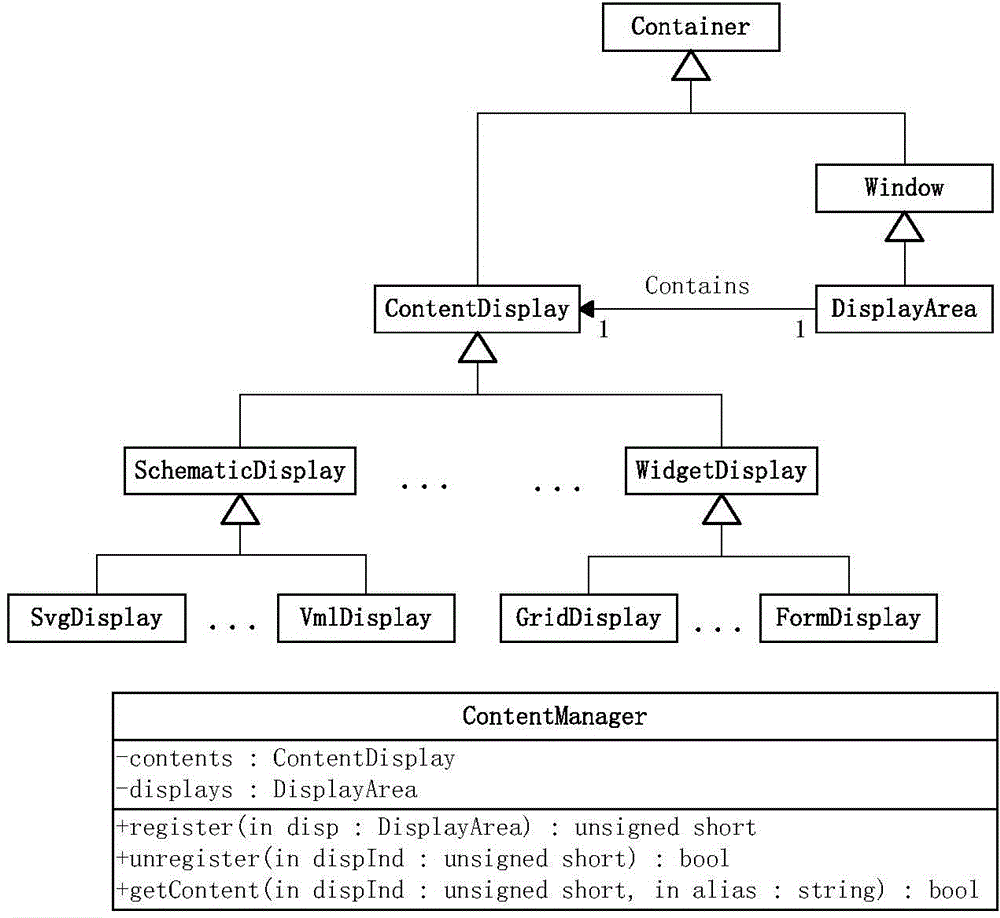
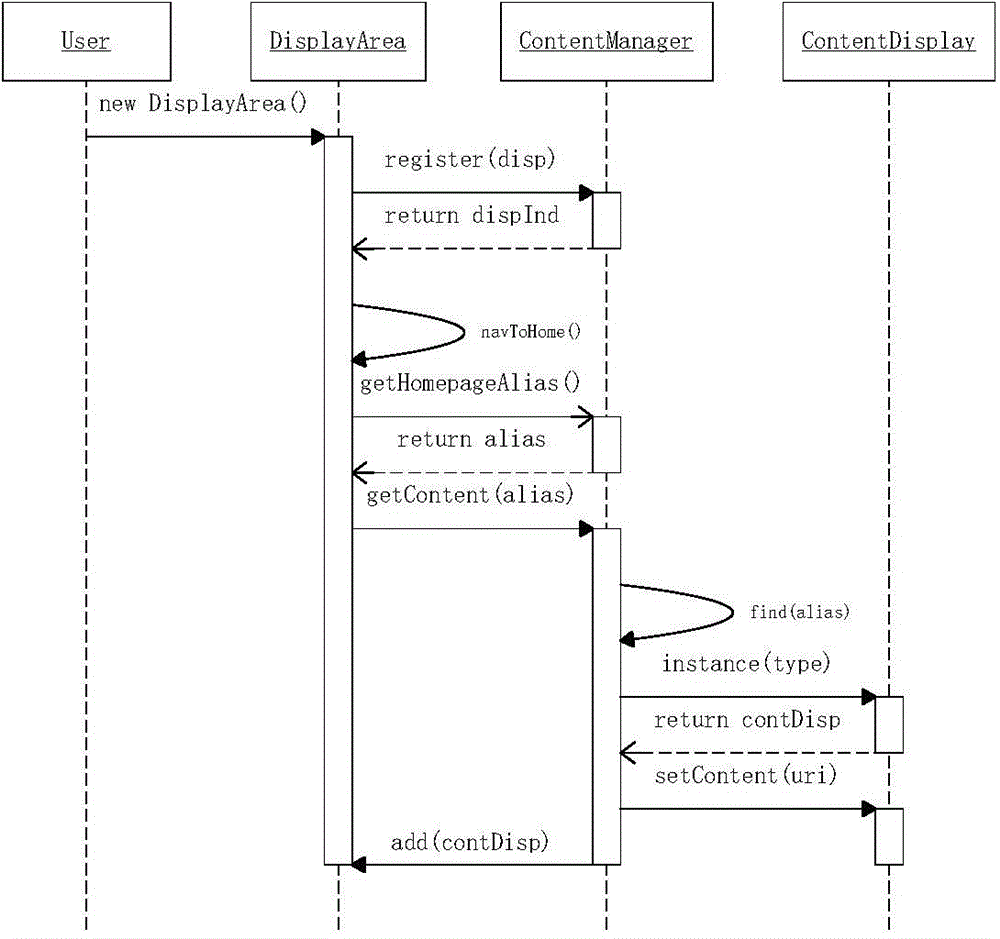
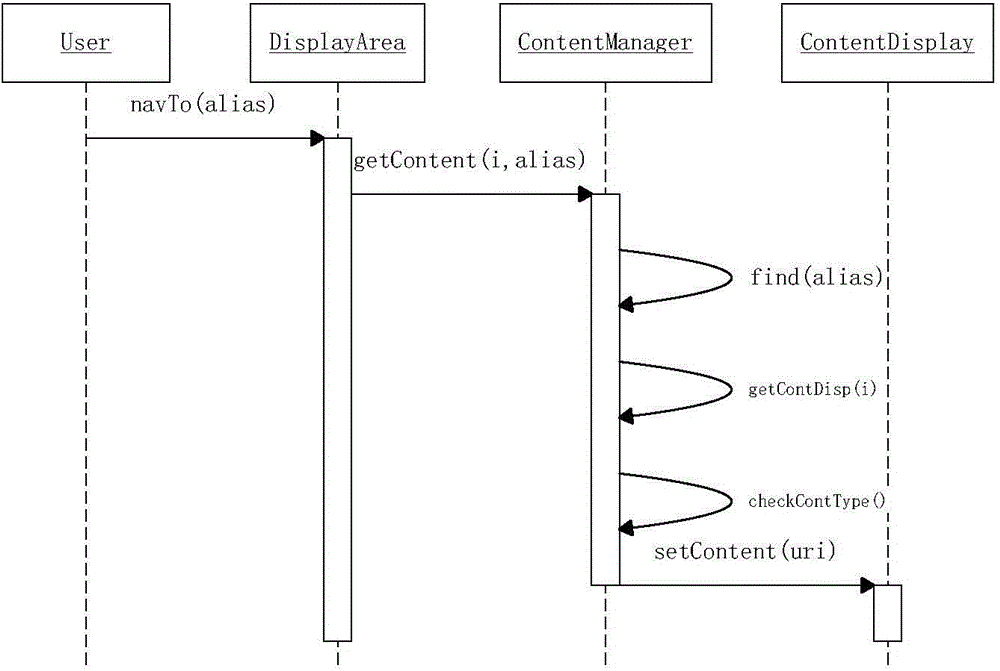
- Adopting the concepts of content management and layout management in the modern graphical interface development framework, through dynamic switching of content display class and display area class, a SCADA host computer human-machine interface that can flexibly define layout and content is realized, and supports splitting, merging windows, and resizing. And configure the window layout, using the layout management function provided by the GUI development framework.

Industrial Safety Standards for SCADA HMI Design
Industrial safety standards form the cornerstone of effective SCADA HMI design, establishing critical frameworks that ensure operational reliability and personnel protection in industrial environments. These standards encompass comprehensive guidelines that address human factors engineering, alarm management, and interface consistency to minimize operational risks and enhance system performance.
The International Electrotechnical Commission (IEC) 62682 standard provides fundamental principles for management of alarm systems in the process industries, directly impacting SCADA HMI design requirements. This standard mandates specific color coding schemes, priority hierarchies, and alarm presentation methods that must be integrated into interface designs. Additionally, IEC 61511 addresses safety instrumented systems, requiring HMI interfaces to clearly distinguish between normal operational controls and safety-critical functions through distinct visual indicators and access controls.
ANSI/ISA-101.01 standard establishes human-machine interface design guidelines specifically for process automation systems, emphasizing the importance of situational awareness and cognitive load management. The standard requires interfaces to present information in logical hierarchies, utilize consistent navigation patterns, and implement standardized symbols and terminology across all system components. These requirements directly influence screen layout principles, information density guidelines, and user interaction workflows.
Functional safety standards such as IEC 61508 impose additional constraints on SCADA HMI design, particularly regarding safety integrity levels and systematic failure prevention. These standards require implementation of independent safety channels, fail-safe design principles, and comprehensive diagnostic capabilities within the interface architecture. The standards also mandate specific documentation requirements and validation procedures for safety-critical interface elements.
Regional regulatory frameworks further refine these international standards, with organizations like OSHA in the United States and HSE in the United Kingdom providing sector-specific guidance for industries such as oil and gas, chemical processing, and power generation. These regulations often specify additional requirements for emergency response procedures, operator training interfaces, and audit trail capabilities that must be seamlessly integrated into the overall HMI design strategy.
Compliance with these industrial safety standards requires systematic design validation processes, including usability testing under simulated emergency conditions, alarm response time measurements, and operator workload assessments to ensure the interface design meets both regulatory requirements and operational effectiveness criteria.
The International Electrotechnical Commission (IEC) 62682 standard provides fundamental principles for management of alarm systems in the process industries, directly impacting SCADA HMI design requirements. This standard mandates specific color coding schemes, priority hierarchies, and alarm presentation methods that must be integrated into interface designs. Additionally, IEC 61511 addresses safety instrumented systems, requiring HMI interfaces to clearly distinguish between normal operational controls and safety-critical functions through distinct visual indicators and access controls.
ANSI/ISA-101.01 standard establishes human-machine interface design guidelines specifically for process automation systems, emphasizing the importance of situational awareness and cognitive load management. The standard requires interfaces to present information in logical hierarchies, utilize consistent navigation patterns, and implement standardized symbols and terminology across all system components. These requirements directly influence screen layout principles, information density guidelines, and user interaction workflows.
Functional safety standards such as IEC 61508 impose additional constraints on SCADA HMI design, particularly regarding safety integrity levels and systematic failure prevention. These standards require implementation of independent safety channels, fail-safe design principles, and comprehensive diagnostic capabilities within the interface architecture. The standards also mandate specific documentation requirements and validation procedures for safety-critical interface elements.
Regional regulatory frameworks further refine these international standards, with organizations like OSHA in the United States and HSE in the United Kingdom providing sector-specific guidance for industries such as oil and gas, chemical processing, and power generation. These regulations often specify additional requirements for emergency response procedures, operator training interfaces, and audit trail capabilities that must be seamlessly integrated into the overall HMI design strategy.
Compliance with these industrial safety standards requires systematic design validation processes, including usability testing under simulated emergency conditions, alarm response time measurements, and operator workload assessments to ensure the interface design meets both regulatory requirements and operational effectiveness criteria.
Cybersecurity Considerations in SCADA HMI Development
Cybersecurity has emerged as a paramount concern in SCADA HMI development, fundamentally reshaping design methodologies and implementation strategies. The increasing connectivity of industrial control systems to corporate networks and the internet has exponentially expanded the attack surface, making traditional air-gapped architectures obsolete. Modern SCADA HMI interfaces must incorporate robust security frameworks from the initial design phase rather than treating cybersecurity as an afterthought.
Authentication mechanisms represent the first line of defense in secure HMI design. Multi-factor authentication protocols, including biometric verification, smart cards, and time-based tokens, are becoming standard requirements. Role-based access control systems must be granularly configured to ensure operators can only access functions relevant to their responsibilities, minimizing potential damage from compromised accounts.
Data encryption protocols play a critical role in protecting sensitive operational information transmitted between HMI clients and SCADA servers. Advanced Encryption Standard implementations with 256-bit keys are increasingly mandated for both data-at-rest and data-in-transit scenarios. Secure communication protocols such as TLS 1.3 and IPSec tunneling provide additional layers of protection against man-in-the-middle attacks and eavesdropping attempts.
Network segmentation strategies have become essential architectural considerations in HMI development. Implementation of demilitarized zones, industrial firewalls, and network access control systems creates multiple security perimeters. These segmented architectures prevent lateral movement of threats and contain potential breaches within isolated network segments.
Vulnerability management processes must be integrated into the HMI development lifecycle. Regular security assessments, penetration testing, and code reviews help identify potential weaknesses before deployment. Automated vulnerability scanning tools specifically designed for industrial control systems can detect configuration errors and known security flaws.
Incident response capabilities require careful integration into HMI design frameworks. Real-time security monitoring dashboards, automated threat detection algorithms, and forensic logging capabilities enable rapid identification and mitigation of security incidents. These systems must balance security requirements with operational continuity to prevent unnecessary disruptions to critical industrial processes.
Authentication mechanisms represent the first line of defense in secure HMI design. Multi-factor authentication protocols, including biometric verification, smart cards, and time-based tokens, are becoming standard requirements. Role-based access control systems must be granularly configured to ensure operators can only access functions relevant to their responsibilities, minimizing potential damage from compromised accounts.
Data encryption protocols play a critical role in protecting sensitive operational information transmitted between HMI clients and SCADA servers. Advanced Encryption Standard implementations with 256-bit keys are increasingly mandated for both data-at-rest and data-in-transit scenarios. Secure communication protocols such as TLS 1.3 and IPSec tunneling provide additional layers of protection against man-in-the-middle attacks and eavesdropping attempts.
Network segmentation strategies have become essential architectural considerations in HMI development. Implementation of demilitarized zones, industrial firewalls, and network access control systems creates multiple security perimeters. These segmented architectures prevent lateral movement of threats and contain potential breaches within isolated network segments.
Vulnerability management processes must be integrated into the HMI development lifecycle. Regular security assessments, penetration testing, and code reviews help identify potential weaknesses before deployment. Automated vulnerability scanning tools specifically designed for industrial control systems can detect configuration errors and known security flaws.
Incident response capabilities require careful integration into HMI design frameworks. Real-time security monitoring dashboards, automated threat detection algorithms, and forensic logging capabilities enable rapid identification and mitigation of security incidents. These systems must balance security requirements with operational continuity to prevent unnecessary disruptions to critical industrial processes.
Unlock deeper insights with PatSnap Eureka Quick Research — get a full tech report to explore trends and direct your research. Try now!
Generate Your Research Report Instantly with AI Agent
Supercharge your innovation with PatSnap Eureka AI Agent Platform!