

Improving Thermocompression Bonding for Microelectronic Packaging
APR 23, 20269 MIN READ
Generate Your Research Report Instantly with AI Agent
Patsnap Eureka helps you evaluate technical feasibility & market potential.
Thermocompression Bonding Background and Objectives
Thermocompression bonding emerged in the 1960s as a critical interconnection technology for microelectronic packaging, initially developed to address the growing demand for reliable electrical connections in semiconductor devices. This solid-state joining process combines controlled heat and pressure to create metallurgical bonds between metal surfaces, typically involving gold-to-gold or aluminum-to-gold interfaces. The technology gained prominence as the electronics industry transitioned from discrete components to integrated circuits, requiring more sophisticated packaging solutions.
The fundamental principle of thermocompression bonding relies on atomic diffusion and plastic deformation at elevated temperatures, typically ranging from 300°C to 500°C, combined with applied forces between 20 to 200 grams per bond. This process enables the formation of intermetallic compounds at the interface, creating robust electrical and mechanical connections essential for device reliability. The technology has evolved from simple wire bonding applications to complex flip-chip assemblies and advanced packaging architectures.
Historical development milestones include the introduction of automated bonding equipment in the 1970s, the adoption of fine-pitch bonding capabilities in the 1980s, and the integration of real-time process monitoring systems in the 1990s. These advancements addressed increasing miniaturization demands and quality requirements in semiconductor manufacturing. The technology has continuously adapted to accommodate new materials, including copper interconnects, low-k dielectrics, and advanced substrate materials.
Current technological objectives focus on achieving sub-10 micron bonding accuracy, reducing process temperatures to minimize thermal stress on sensitive components, and enhancing bond reliability under extreme operating conditions. The industry seeks to optimize bonding parameters for emerging applications including 3D packaging, system-in-package configurations, and heterogeneous integration platforms. Additionally, there is significant emphasis on developing environmentally sustainable processes that reduce energy consumption while maintaining superior bond quality and throughput requirements for high-volume manufacturing environments.
The fundamental principle of thermocompression bonding relies on atomic diffusion and plastic deformation at elevated temperatures, typically ranging from 300°C to 500°C, combined with applied forces between 20 to 200 grams per bond. This process enables the formation of intermetallic compounds at the interface, creating robust electrical and mechanical connections essential for device reliability. The technology has evolved from simple wire bonding applications to complex flip-chip assemblies and advanced packaging architectures.
Historical development milestones include the introduction of automated bonding equipment in the 1970s, the adoption of fine-pitch bonding capabilities in the 1980s, and the integration of real-time process monitoring systems in the 1990s. These advancements addressed increasing miniaturization demands and quality requirements in semiconductor manufacturing. The technology has continuously adapted to accommodate new materials, including copper interconnects, low-k dielectrics, and advanced substrate materials.
Current technological objectives focus on achieving sub-10 micron bonding accuracy, reducing process temperatures to minimize thermal stress on sensitive components, and enhancing bond reliability under extreme operating conditions. The industry seeks to optimize bonding parameters for emerging applications including 3D packaging, system-in-package configurations, and heterogeneous integration platforms. Additionally, there is significant emphasis on developing environmentally sustainable processes that reduce energy consumption while maintaining superior bond quality and throughput requirements for high-volume manufacturing environments.
Market Demand for Advanced Microelectronic Packaging
The global microelectronics packaging market is experiencing unprecedented growth driven by the proliferation of advanced electronic devices across multiple sectors. Consumer electronics, automotive systems, telecommunications infrastructure, and industrial automation are creating substantial demand for more sophisticated packaging solutions that can accommodate increasing miniaturization requirements while maintaining superior performance and reliability.
The automotive industry represents one of the most significant growth drivers, particularly with the accelerated adoption of electric vehicles and autonomous driving technologies. These applications require microelectronic packages capable of withstanding extreme operating conditions while delivering enhanced thermal management and electrical performance. Advanced driver assistance systems, battery management units, and power electronics modules all demand packaging solutions that exceed traditional performance parameters.
Data centers and cloud computing infrastructure constitute another major demand catalyst. The exponential growth in data processing requirements necessitates high-performance computing chips with advanced packaging architectures. These applications require exceptional thermal dissipation capabilities and ultra-low electrical resistance connections, making improved thermocompression bonding techniques essential for meeting performance specifications.
The telecommunications sector, driven by widespread deployment of networks and emerging technologies, is generating substantial demand for high-frequency microelectronic packages. These applications require precise interconnection technologies that can maintain signal integrity at elevated frequencies while supporting increased input/output density requirements.
Consumer electronics continue to push packaging technology boundaries through demands for thinner profiles, enhanced functionality integration, and improved power efficiency. Smartphones, tablets, wearable devices, and Internet of Things applications all require advanced packaging solutions that can accommodate multiple functionalities within increasingly constrained form factors.
Industrial automation and medical device sectors are also contributing to market expansion, requiring packaging solutions that combine high reliability with specialized performance characteristics. These applications often demand extended operational lifespans and consistent performance under varying environmental conditions, placing premium value on advanced bonding technologies that can deliver superior mechanical and electrical stability.
The convergence of these market forces is creating substantial opportunities for companies that can develop enhanced thermocompression bonding capabilities, positioning this technology area as critical for future microelectronics packaging success.
The automotive industry represents one of the most significant growth drivers, particularly with the accelerated adoption of electric vehicles and autonomous driving technologies. These applications require microelectronic packages capable of withstanding extreme operating conditions while delivering enhanced thermal management and electrical performance. Advanced driver assistance systems, battery management units, and power electronics modules all demand packaging solutions that exceed traditional performance parameters.
Data centers and cloud computing infrastructure constitute another major demand catalyst. The exponential growth in data processing requirements necessitates high-performance computing chips with advanced packaging architectures. These applications require exceptional thermal dissipation capabilities and ultra-low electrical resistance connections, making improved thermocompression bonding techniques essential for meeting performance specifications.
The telecommunications sector, driven by widespread deployment of networks and emerging technologies, is generating substantial demand for high-frequency microelectronic packages. These applications require precise interconnection technologies that can maintain signal integrity at elevated frequencies while supporting increased input/output density requirements.
Consumer electronics continue to push packaging technology boundaries through demands for thinner profiles, enhanced functionality integration, and improved power efficiency. Smartphones, tablets, wearable devices, and Internet of Things applications all require advanced packaging solutions that can accommodate multiple functionalities within increasingly constrained form factors.
Industrial automation and medical device sectors are also contributing to market expansion, requiring packaging solutions that combine high reliability with specialized performance characteristics. These applications often demand extended operational lifespans and consistent performance under varying environmental conditions, placing premium value on advanced bonding technologies that can deliver superior mechanical and electrical stability.
The convergence of these market forces is creating substantial opportunities for companies that can develop enhanced thermocompression bonding capabilities, positioning this technology area as critical for future microelectronics packaging success.
Current TCB Challenges in Semiconductor Manufacturing
Thermocompression bonding faces significant technical challenges in modern semiconductor manufacturing, particularly as device miniaturization and performance demands continue to escalate. The primary constraint lies in achieving uniform temperature distribution across increasingly complex chip architectures while maintaining precise pressure control at the nanoscale level. Current bonding equipment struggles to accommodate the thermal expansion coefficients of dissimilar materials, leading to stress concentrations that compromise bond integrity and long-term reliability.
Process control variability represents another critical challenge, as traditional TCB systems lack the real-time monitoring capabilities necessary for consistent results. Temperature fluctuations of even a few degrees Celsius can result in incomplete bonding or thermal damage to sensitive components. The absence of in-situ feedback mechanisms makes it difficult to detect and correct process deviations during the bonding cycle, resulting in yield losses and increased manufacturing costs.
Material compatibility issues have become increasingly problematic as advanced packaging technologies incorporate diverse substrate materials and metallization schemes. The formation of intermetallic compounds at bonding interfaces can create brittle zones that fail under thermal cycling or mechanical stress. Additionally, the presence of organic contaminants and oxide layers on bonding surfaces requires precise cleaning protocols that are difficult to standardize across different material combinations.
Throughput limitations pose significant economic challenges for high-volume manufacturing environments. Current TCB processes require extended heating and cooling cycles that limit production capacity, while the need for individual die handling increases cycle times and introduces potential for mechanical damage. The sequential nature of most bonding operations creates bottlenecks that cannot easily scale with increasing wafer sizes and die counts.
Equipment reliability and maintenance requirements further complicate manufacturing operations. The high-temperature, high-pressure environment of TCB processes accelerates wear on critical components such as bonding tools and heating elements. Frequent calibration and replacement cycles increase operational costs and reduce equipment availability, impacting overall manufacturing efficiency and profitability in competitive semiconductor markets.
Process control variability represents another critical challenge, as traditional TCB systems lack the real-time monitoring capabilities necessary for consistent results. Temperature fluctuations of even a few degrees Celsius can result in incomplete bonding or thermal damage to sensitive components. The absence of in-situ feedback mechanisms makes it difficult to detect and correct process deviations during the bonding cycle, resulting in yield losses and increased manufacturing costs.
Material compatibility issues have become increasingly problematic as advanced packaging technologies incorporate diverse substrate materials and metallization schemes. The formation of intermetallic compounds at bonding interfaces can create brittle zones that fail under thermal cycling or mechanical stress. Additionally, the presence of organic contaminants and oxide layers on bonding surfaces requires precise cleaning protocols that are difficult to standardize across different material combinations.
Throughput limitations pose significant economic challenges for high-volume manufacturing environments. Current TCB processes require extended heating and cooling cycles that limit production capacity, while the need for individual die handling increases cycle times and introduces potential for mechanical damage. The sequential nature of most bonding operations creates bottlenecks that cannot easily scale with increasing wafer sizes and die counts.
Equipment reliability and maintenance requirements further complicate manufacturing operations. The high-temperature, high-pressure environment of TCB processes accelerates wear on critical components such as bonding tools and heating elements. Frequent calibration and replacement cycles increase operational costs and reduce equipment availability, impacting overall manufacturing efficiency and profitability in competitive semiconductor markets.
Existing TCB Process Optimization Solutions
01 Thermocompression bonding apparatus and equipment design
This category focuses on the design and structure of thermocompression bonding equipment, including bonding heads, heating mechanisms, pressure application systems, and tool configurations. The innovations cover apparatus for achieving precise temperature control, uniform pressure distribution, and efficient bonding operations. These designs aim to improve bonding quality, reduce cycle time, and enhance equipment reliability for semiconductor and electronic packaging applications.- Thermocompression bonding apparatus and equipment design: This category focuses on the structural design and configuration of thermocompression bonding equipment. It includes innovations in bonding head design, heating mechanisms, pressure application systems, and overall apparatus architecture to improve bonding efficiency and quality. The designs may incorporate features for precise temperature control, uniform pressure distribution, and automated operation capabilities.
- Thermocompression bonding process parameters and control methods: This category covers techniques for optimizing bonding process parameters such as temperature, pressure, bonding time, and heating rate. It includes methods for controlling and monitoring these parameters to achieve reliable bonding results. The approaches may involve feedback control systems, adaptive parameter adjustment based on material properties, and process optimization algorithms to ensure consistent bond quality across different applications.
- Materials and structures for thermocompression bonding: This category addresses the selection and preparation of materials suitable for thermocompression bonding, including substrate materials, bonding layers, and interface structures. It encompasses innovations in material composition, surface treatment methods, and multilayer structures that enhance bonding strength and reliability. The focus is on achieving optimal material compatibility and interface characteristics for various bonding applications.
- Semiconductor and electronic component bonding applications: This category specifically relates to the application of thermocompression bonding in semiconductor manufacturing and electronic component assembly. It includes techniques for chip-to-substrate bonding, wire bonding alternatives, flip-chip bonding, and three-dimensional packaging. The methods address challenges such as fine-pitch bonding, thermal management, and electrical connectivity in advanced electronic devices.
- Quality inspection and defect prevention in thermocompression bonding: This category focuses on methods for ensuring bonding quality through inspection techniques and defect prevention strategies. It includes approaches for detecting bonding defects, monitoring bond integrity, and implementing preventive measures to avoid common issues such as voids, delamination, and insufficient bonding. The techniques may involve non-destructive testing methods, real-time monitoring systems, and process adjustments to maintain high-quality bonding results.
02 Thermocompression bonding process control and optimization
This category addresses methods for controlling and optimizing the thermocompression bonding process, including temperature profiles, pressure sequences, bonding time, and environmental conditions. The techniques involve monitoring and adjusting process parameters to achieve optimal bond strength, minimize defects, and improve yield. These methods are applicable to various bonding scenarios including chip-to-substrate, die-to-die, and wire bonding applications.Expand Specific Solutions03 Bonding materials and interface enhancement
This category covers materials used in thermocompression bonding and methods for enhancing bonding interfaces. It includes conductive adhesives, metal layers, surface treatments, and intermediate bonding materials that facilitate strong metallurgical or mechanical bonds. The innovations focus on improving adhesion strength, electrical conductivity, thermal conductivity, and reliability of bonded joints through material selection and interface engineering.Expand Specific Solutions04 Thermocompression bonding for advanced packaging structures
This category relates to thermocompression bonding applications in advanced semiconductor packaging architectures, including three-dimensional stacking, flip-chip bonding, and multi-chip modules. The techniques address challenges in bonding fine-pitch interconnects, handling thin dies, achieving high-density connections, and maintaining alignment accuracy. These innovations enable miniaturization and performance enhancement in modern electronic devices.Expand Specific Solutions05 Quality inspection and defect detection in thermocompression bonding
This category encompasses methods and systems for inspecting bond quality and detecting defects in thermocompression bonded structures. It includes non-destructive testing techniques, visual inspection systems, electrical testing methods, and real-time monitoring approaches. These technologies help identify voids, cracks, insufficient bonding, misalignment, and other defects to ensure product reliability and manufacturing quality control.Expand Specific Solutions
Key Players in TCB Equipment and Materials Industry
The thermocompression bonding technology for microelectronic packaging represents a mature yet evolving market segment within the broader semiconductor assembly industry. The competitive landscape is characterized by a multi-billion dollar market driven by increasing miniaturization demands and advanced packaging requirements. Technology maturity varies significantly across players, with established leaders like Intel Corp., Kulicke & Soffa Industries, and Tokyo Electron Ltd. demonstrating advanced capabilities in equipment and process development. Material specialists including Dexerials Corp., Namics Corp., and Sumitomo Bakelite Co. provide sophisticated bonding materials and adhesives. Research institutions such as Huazhong University of Science & Technology and Beijing Institute of Technology contribute fundamental innovations, while companies like Murata Manufacturing and Panasonic Holdings integrate these technologies into commercial applications. The industry shows strong consolidation around key technological nodes, with emerging players like Shenzhen Advanced Connection Technology expanding capabilities in cost-sensitive segments.
Kulicke & Soffa Industries, Inc.
Technical Solution: Kulicke & Soffa has developed advanced thermocompression bonding equipment featuring precise temperature control systems and force monitoring capabilities. Their solutions include automated bonding platforms with real-time process monitoring, enabling consistent bond quality across high-volume production. The company's technology incorporates adaptive heating algorithms that optimize temperature profiles based on substrate materials and die characteristics, reducing thermal stress while maintaining strong metallurgical bonds. Their equipment supports various bonding applications including flip-chip, wire bonding, and advanced packaging formats with sub-micron placement accuracy.
Strengths: Industry-leading equipment reliability and precision control systems, extensive process expertise. Weaknesses: High capital equipment costs, dependency on semiconductor market cycles.
Intel Corp.
Technical Solution: Intel has developed proprietary thermocompression bonding processes for their advanced packaging technologies, particularly for 3D stacking and chiplet integration. Their approach focuses on low-temperature bonding techniques using specialized surface treatments and optimized pressure profiles to achieve reliable interconnections while minimizing thermal budget impact on sensitive components. Intel's process incorporates in-situ monitoring systems to ensure bond quality and has demonstrated successful implementation in high-performance computing applications. The technology enables fine-pitch interconnects essential for their advanced processor architectures and heterogeneous integration strategies.
Strengths: Deep integration with advanced semiconductor processes, strong R&D capabilities in packaging innovation. Weaknesses: Technology primarily optimized for internal use, limited availability to external customers.
Core Innovations in TCB Temperature and Pressure Control
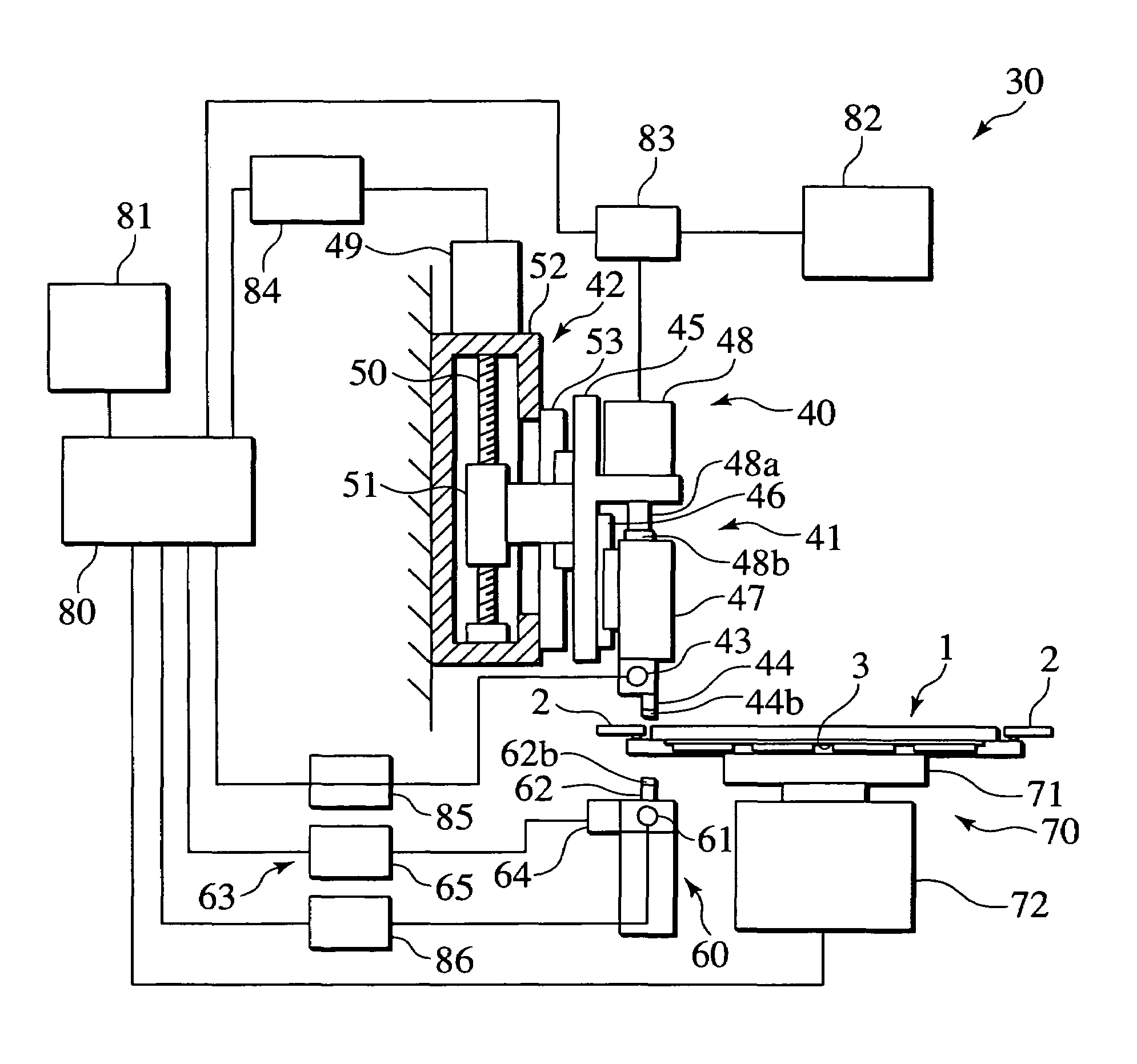
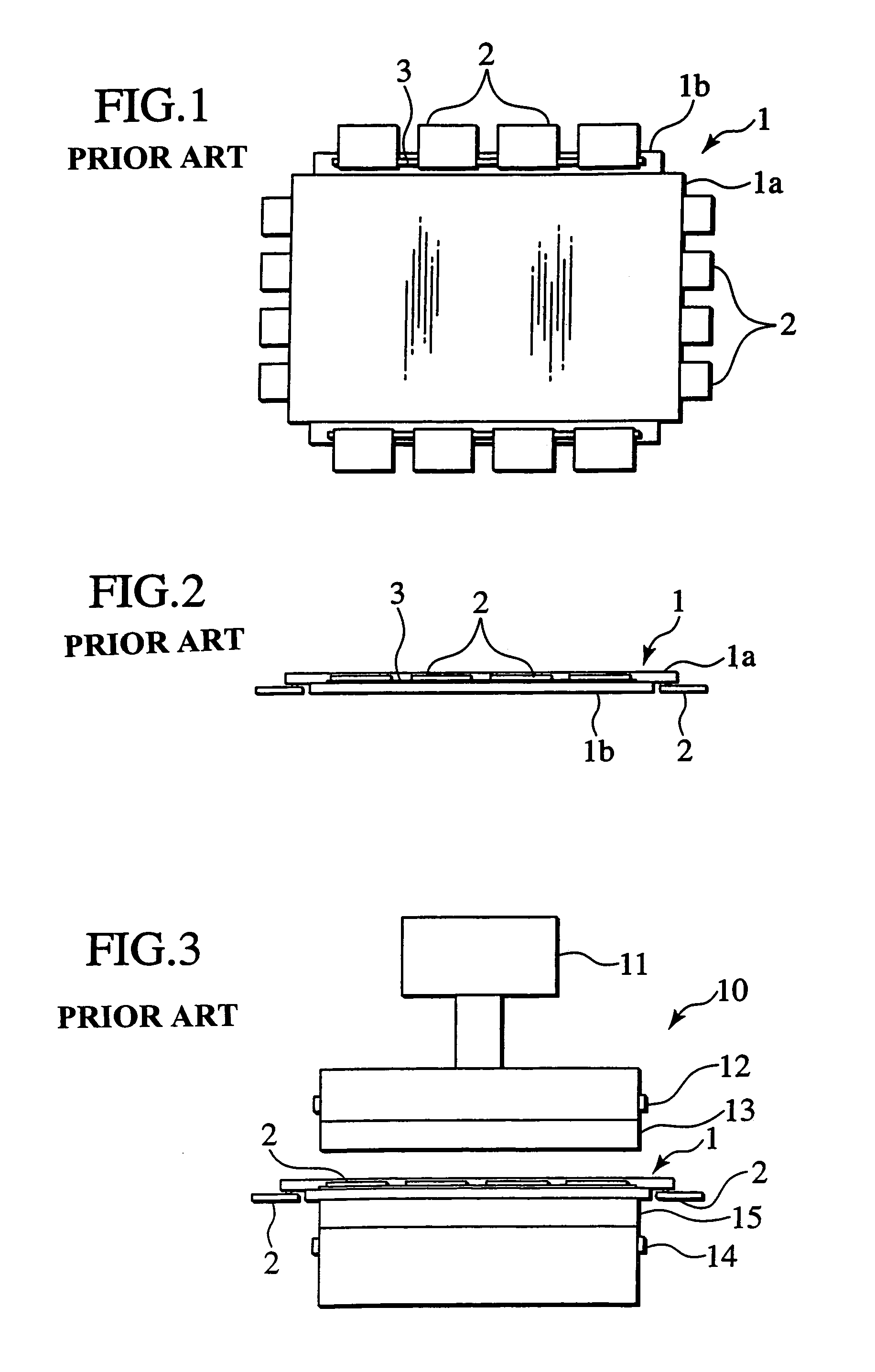
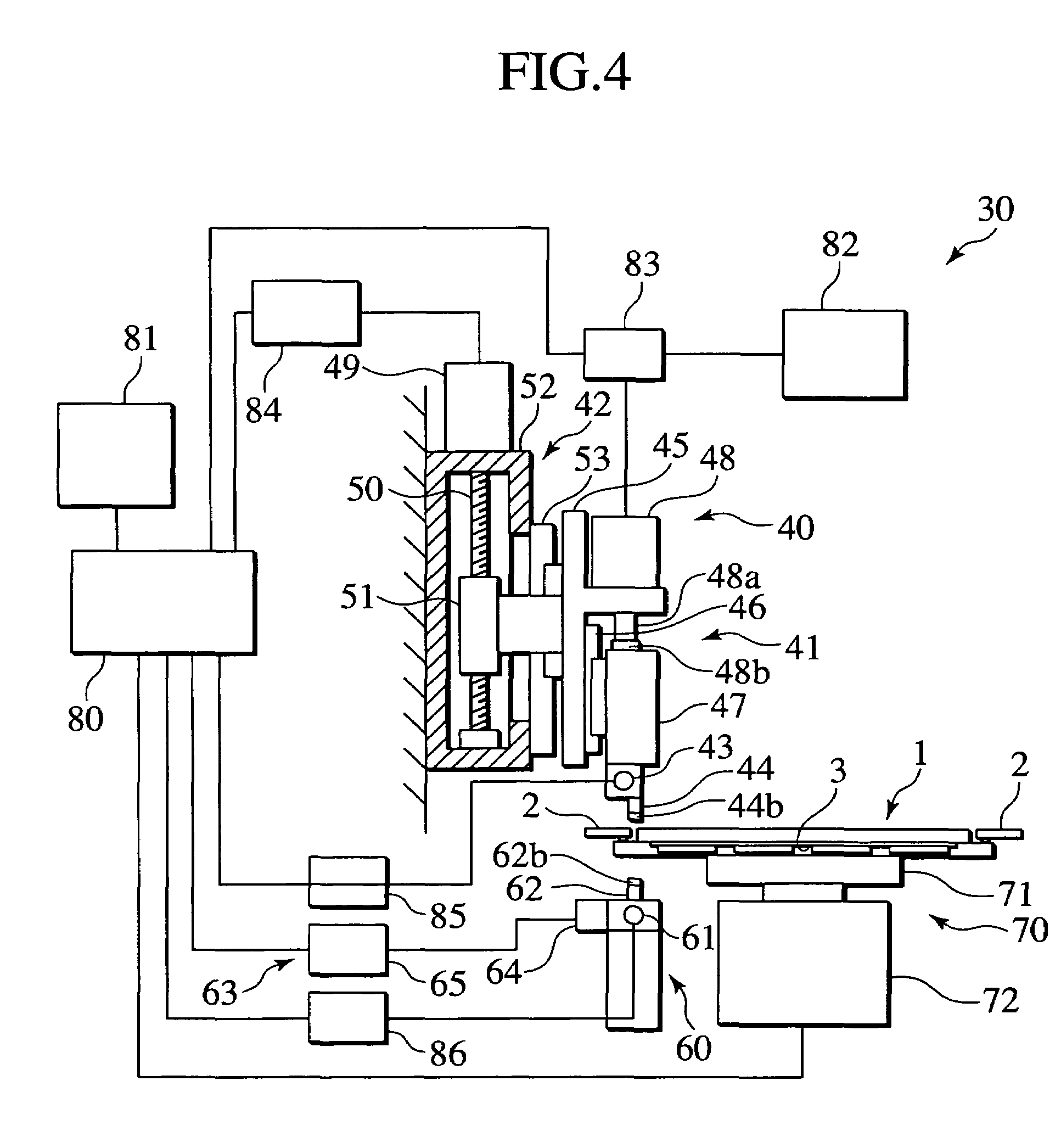
Electronic part compression bonding apparatus and method
PatentInactiveUS7075036B2
Innovation
- The solution involves an electronic part compression bonding apparatus that variably controls pressure and heating conditions based on the elongation properties of the electronic parts, using a thermocompression bonding control unit to adjust pressure and temperature settings during the bonding process, allowing for precise control of elongation through multiple stages and the use of a cooling unit to manage temperature.

Thermocompression bonding with passivated gold contacting metal
PatentActiveUS12363877B2
Innovation
- A low-temperature bonding process using deformable metallic bumps with oxide reduction and passivation, allowing controlled bond height and assembly without reflow, ensuring high reliability and alignment accuracy through specialized surface preparation and bonding parameters.


Environmental Impact of TCB Manufacturing Processes
The environmental implications of thermocompression bonding manufacturing processes have become increasingly significant as the microelectronics industry scales production to meet global demand. TCB manufacturing involves multiple stages that generate various environmental impacts, from raw material extraction to end-of-life disposal, requiring comprehensive assessment and mitigation strategies.
Energy consumption represents the most substantial environmental concern in TCB manufacturing. The bonding process requires precise temperature control, typically operating at 200-400°C, combined with applied pressure ranging from 10-100 MPa. This thermal cycling demands significant electrical energy, particularly in high-volume production environments. Manufacturing facilities often operate multiple bonding systems simultaneously, creating substantial carbon footprints that correlate directly with regional electricity generation methods.
Chemical usage in TCB processes introduces additional environmental considerations. Flux materials, cleaning solvents, and surface preparation chemicals contain volatile organic compounds and potentially hazardous substances. Isopropyl alcohol, acetone, and specialized flux formulations require careful handling and disposal protocols. The semiconductor industry has increasingly adopted green chemistry principles, seeking alternative formulations that maintain process reliability while reducing environmental toxicity.
Waste generation from TCB manufacturing encompasses both solid and liquid streams. Defective components, packaging materials, and consumable tooling contribute to electronic waste volumes. Process-related waste includes spent cleaning solutions, contaminated substrates, and worn bonding tools. The miniaturization trend in microelectronics, while reducing material usage per device, has paradoxically increased manufacturing complexity and associated waste streams due to higher precision requirements and lower yield rates.
Water consumption and wastewater treatment present ongoing challenges for TCB facilities. Cleaning processes require deionized water for substrate preparation and post-bonding cleaning. Cooling systems for temperature control generate thermal discharge that requires management. Advanced facilities implement closed-loop water systems and on-site treatment capabilities to minimize environmental discharge and comply with increasingly stringent regulations.
Regulatory compliance frameworks continue evolving, with initiatives like RoHS, REACH, and regional carbon reduction mandates directly impacting TCB manufacturing practices. These regulations drive innovation toward more sustainable processes, including reduced-temperature bonding techniques, lead-free materials, and energy-efficient equipment designs. Industry collaboration through consortiums and standards organizations facilitates knowledge sharing for environmental best practices while maintaining competitive manufacturing capabilities.
Energy consumption represents the most substantial environmental concern in TCB manufacturing. The bonding process requires precise temperature control, typically operating at 200-400°C, combined with applied pressure ranging from 10-100 MPa. This thermal cycling demands significant electrical energy, particularly in high-volume production environments. Manufacturing facilities often operate multiple bonding systems simultaneously, creating substantial carbon footprints that correlate directly with regional electricity generation methods.
Chemical usage in TCB processes introduces additional environmental considerations. Flux materials, cleaning solvents, and surface preparation chemicals contain volatile organic compounds and potentially hazardous substances. Isopropyl alcohol, acetone, and specialized flux formulations require careful handling and disposal protocols. The semiconductor industry has increasingly adopted green chemistry principles, seeking alternative formulations that maintain process reliability while reducing environmental toxicity.
Waste generation from TCB manufacturing encompasses both solid and liquid streams. Defective components, packaging materials, and consumable tooling contribute to electronic waste volumes. Process-related waste includes spent cleaning solutions, contaminated substrates, and worn bonding tools. The miniaturization trend in microelectronics, while reducing material usage per device, has paradoxically increased manufacturing complexity and associated waste streams due to higher precision requirements and lower yield rates.
Water consumption and wastewater treatment present ongoing challenges for TCB facilities. Cleaning processes require deionized water for substrate preparation and post-bonding cleaning. Cooling systems for temperature control generate thermal discharge that requires management. Advanced facilities implement closed-loop water systems and on-site treatment capabilities to minimize environmental discharge and comply with increasingly stringent regulations.
Regulatory compliance frameworks continue evolving, with initiatives like RoHS, REACH, and regional carbon reduction mandates directly impacting TCB manufacturing practices. These regulations drive innovation toward more sustainable processes, including reduced-temperature bonding techniques, lead-free materials, and energy-efficient equipment designs. Industry collaboration through consortiums and standards organizations facilitates knowledge sharing for environmental best practices while maintaining competitive manufacturing capabilities.
Quality Standards for Microelectronic Packaging Reliability
Quality standards for microelectronic packaging reliability in thermocompression bonding applications are governed by multiple international frameworks that ensure consistent performance across diverse operating environments. The primary standards include IPC-9701 for performance test methods, JEDEC JESD22 series for environmental stress testing, and MIL-STD-883 for military-grade applications. These standards establish baseline requirements for bond strength, electrical continuity, and thermal cycling resistance that directly impact the effectiveness of thermocompression bonding processes.
Bond integrity assessment represents a critical component of quality standards, requiring comprehensive evaluation of mechanical and electrical properties. Standard test protocols mandate pull strength measurements exceeding 5 grams-force for wire bonds and shear strength values above 10 grams-force for die attach applications. Electrical resistance measurements must demonstrate stable contact resistance below 50 milliohms throughout the product lifecycle, with particular emphasis on maintaining these parameters under thermal stress conditions.
Environmental reliability testing protocols establish rigorous validation procedures for thermocompression bonded assemblies. Temperature cycling tests typically span -55°C to +150°C for 1000 cycles, while humidity exposure standards require 85°C/85% relative humidity conditions for extended periods. These tests specifically evaluate the stability of intermetallic compound formation and diffusion barriers that are fundamental to thermocompression bonding success.
Failure analysis methodologies within quality standards provide systematic approaches for identifying and categorizing bond degradation mechanisms. Cross-sectional analysis requirements specify minimum resolution standards for microscopic examination, while electrical failure analysis protocols establish procedures for isolating thermal, mechanical, and chemical failure modes. These standards enable continuous improvement in thermocompression bonding parameter optimization.
Qualification and acceptance criteria establish quantitative thresholds for production implementation. Statistical sampling plans require confidence levels exceeding 95% for critical parameters, while process capability indices must demonstrate Cpk values above 1.33 for key bonding variables. These standards ensure that thermocompression bonding improvements translate into measurable reliability enhancements in production environments.
Bond integrity assessment represents a critical component of quality standards, requiring comprehensive evaluation of mechanical and electrical properties. Standard test protocols mandate pull strength measurements exceeding 5 grams-force for wire bonds and shear strength values above 10 grams-force for die attach applications. Electrical resistance measurements must demonstrate stable contact resistance below 50 milliohms throughout the product lifecycle, with particular emphasis on maintaining these parameters under thermal stress conditions.
Environmental reliability testing protocols establish rigorous validation procedures for thermocompression bonded assemblies. Temperature cycling tests typically span -55°C to +150°C for 1000 cycles, while humidity exposure standards require 85°C/85% relative humidity conditions for extended periods. These tests specifically evaluate the stability of intermetallic compound formation and diffusion barriers that are fundamental to thermocompression bonding success.
Failure analysis methodologies within quality standards provide systematic approaches for identifying and categorizing bond degradation mechanisms. Cross-sectional analysis requirements specify minimum resolution standards for microscopic examination, while electrical failure analysis protocols establish procedures for isolating thermal, mechanical, and chemical failure modes. These standards enable continuous improvement in thermocompression bonding parameter optimization.
Qualification and acceptance criteria establish quantitative thresholds for production implementation. Statistical sampling plans require confidence levels exceeding 95% for critical parameters, while process capability indices must demonstrate Cpk values above 1.33 for key bonding variables. These standards ensure that thermocompression bonding improvements translate into measurable reliability enhancements in production environments.
Unlock deeper insights with Patsnap Eureka Quick Research — get a full tech report to explore trends and direct your research. Try now!
Generate Your Research Report Instantly with AI Agent
Supercharge your innovation with Patsnap Eureka AI Agent Platform!