
Infrared Light vs Cold Plasma: Heating Efficacy
FEB 27, 20269 MIN READ
Generate Your Research Report Instantly with AI Agent
Patsnap Eureka helps you evaluate technical feasibility & market potential.
Infrared and Cold Plasma Heating Technology Background
Infrared heating technology has evolved significantly since its initial discovery in 1800 by William Herschel. The fundamental principle relies on electromagnetic radiation in the wavelength range of 0.75 to 1000 micrometers, which directly transfers energy to target materials through molecular vibration and rotational excitation. Early applications focused primarily on industrial drying processes and space heating, but technological advances have expanded its utility across diverse sectors including food processing, medical therapy, and materials manufacturing.
The development of infrared heating systems has progressed through several distinct phases, beginning with simple radiant heaters and advancing to sophisticated controlled-emission devices. Modern infrared systems utilize various emitter types, including ceramic, quartz, and carbon fiber elements, each optimized for specific wavelength ranges and heating applications. The technology's appeal stems from its ability to provide rapid, targeted heating with minimal energy waste, as heat transfer occurs directly without requiring an intermediate medium.
Cold plasma technology represents a more recent innovation in heating applications, emerging from plasma physics research in the mid-20th century. Unlike traditional thermal plasmas that operate at extremely high temperatures, cold plasma maintains near-ambient bulk temperatures while creating highly energetic electrons and ions. This unique characteristic enables selective heating mechanisms that can target specific molecular structures or surface layers without affecting bulk material properties.
The fundamental distinction between these technologies lies in their energy transfer mechanisms. Infrared heating operates through photon absorption and subsequent thermal conversion, creating uniform temperature distribution across exposed surfaces. The heating rate depends on material absorption coefficients, surface area, and incident radiation intensity. This approach excels in applications requiring consistent, controllable temperature profiles and deep penetration heating.
Cold plasma heating functions through entirely different principles, utilizing ionized gas particles to transfer energy through collision processes and chemical reactions. The plasma generates reactive species that can interact selectively with target materials, enabling heating effects that are often accompanied by surface modification, sterilization, or chemical activation. This dual functionality makes cold plasma particularly valuable in applications where heating must be combined with surface treatment or decontamination processes.
Contemporary research focuses on optimizing both technologies for enhanced efficiency and expanded applications. Infrared systems are advancing toward more precise wavelength control and improved energy conversion rates, while cold plasma research emphasizes better understanding of particle interactions and development of more stable, uniform plasma generation methods. The comparative evaluation of heating efficacy between these technologies has become increasingly important as industries seek optimal solutions for specific thermal processing requirements.
The development of infrared heating systems has progressed through several distinct phases, beginning with simple radiant heaters and advancing to sophisticated controlled-emission devices. Modern infrared systems utilize various emitter types, including ceramic, quartz, and carbon fiber elements, each optimized for specific wavelength ranges and heating applications. The technology's appeal stems from its ability to provide rapid, targeted heating with minimal energy waste, as heat transfer occurs directly without requiring an intermediate medium.
Cold plasma technology represents a more recent innovation in heating applications, emerging from plasma physics research in the mid-20th century. Unlike traditional thermal plasmas that operate at extremely high temperatures, cold plasma maintains near-ambient bulk temperatures while creating highly energetic electrons and ions. This unique characteristic enables selective heating mechanisms that can target specific molecular structures or surface layers without affecting bulk material properties.
The fundamental distinction between these technologies lies in their energy transfer mechanisms. Infrared heating operates through photon absorption and subsequent thermal conversion, creating uniform temperature distribution across exposed surfaces. The heating rate depends on material absorption coefficients, surface area, and incident radiation intensity. This approach excels in applications requiring consistent, controllable temperature profiles and deep penetration heating.
Cold plasma heating functions through entirely different principles, utilizing ionized gas particles to transfer energy through collision processes and chemical reactions. The plasma generates reactive species that can interact selectively with target materials, enabling heating effects that are often accompanied by surface modification, sterilization, or chemical activation. This dual functionality makes cold plasma particularly valuable in applications where heating must be combined with surface treatment or decontamination processes.
Contemporary research focuses on optimizing both technologies for enhanced efficiency and expanded applications. Infrared systems are advancing toward more precise wavelength control and improved energy conversion rates, while cold plasma research emphasizes better understanding of particle interactions and development of more stable, uniform plasma generation methods. The comparative evaluation of heating efficacy between these technologies has become increasingly important as industries seek optimal solutions for specific thermal processing requirements.
Market Demand for Advanced Heating Solutions
The global heating solutions market is experiencing unprecedented transformation driven by increasing energy efficiency requirements and environmental sustainability mandates. Traditional heating methods face mounting pressure from regulatory frameworks targeting carbon emission reductions, creating substantial opportunities for advanced heating technologies that offer superior performance with reduced environmental impact.
Industrial manufacturing sectors represent the largest demand segment for advanced heating solutions, particularly in food processing, pharmaceutical production, and materials treatment applications. These industries require precise temperature control, rapid heating capabilities, and contamination-free processing environments. The growing emphasis on product quality and process optimization has intensified the search for heating technologies that can deliver consistent results while minimizing energy consumption.
Healthcare and medical device sterilization markets demonstrate strong demand for innovative heating approaches that can achieve effective pathogen elimination without damaging sensitive equipment or materials. The recent global health challenges have accelerated investment in advanced sterilization technologies, with particular interest in solutions that can provide rapid, reliable, and chemical-free treatment processes.
Consumer electronics and semiconductor manufacturing industries are driving demand for precision heating solutions capable of operating at microscopic scales with exceptional temperature uniformity. The miniaturization trend in electronic components requires heating technologies that can deliver controlled thermal energy without causing thermal stress or component degradation.
Agricultural and food safety applications present emerging market opportunities for advanced heating solutions that can extend product shelf life, eliminate harmful microorganisms, and preserve nutritional content. The growing global food security concerns and increasing consumer awareness of food safety issues are expanding market demand for innovative preservation technologies.
Energy cost volatility and grid reliability concerns are pushing commercial and residential users toward heating solutions that offer greater energy efficiency and operational flexibility. The integration of smart building technologies and renewable energy systems creates additional demand for heating solutions that can adapt to variable power conditions and optimize energy utilization patterns.
Regulatory compliance requirements across multiple industries are creating mandatory adoption scenarios for advanced heating technologies that can meet stringent safety, environmental, and performance standards while providing verifiable treatment outcomes and operational traceability.
Industrial manufacturing sectors represent the largest demand segment for advanced heating solutions, particularly in food processing, pharmaceutical production, and materials treatment applications. These industries require precise temperature control, rapid heating capabilities, and contamination-free processing environments. The growing emphasis on product quality and process optimization has intensified the search for heating technologies that can deliver consistent results while minimizing energy consumption.
Healthcare and medical device sterilization markets demonstrate strong demand for innovative heating approaches that can achieve effective pathogen elimination without damaging sensitive equipment or materials. The recent global health challenges have accelerated investment in advanced sterilization technologies, with particular interest in solutions that can provide rapid, reliable, and chemical-free treatment processes.
Consumer electronics and semiconductor manufacturing industries are driving demand for precision heating solutions capable of operating at microscopic scales with exceptional temperature uniformity. The miniaturization trend in electronic components requires heating technologies that can deliver controlled thermal energy without causing thermal stress or component degradation.
Agricultural and food safety applications present emerging market opportunities for advanced heating solutions that can extend product shelf life, eliminate harmful microorganisms, and preserve nutritional content. The growing global food security concerns and increasing consumer awareness of food safety issues are expanding market demand for innovative preservation technologies.
Energy cost volatility and grid reliability concerns are pushing commercial and residential users toward heating solutions that offer greater energy efficiency and operational flexibility. The integration of smart building technologies and renewable energy systems creates additional demand for heating solutions that can adapt to variable power conditions and optimize energy utilization patterns.
Regulatory compliance requirements across multiple industries are creating mandatory adoption scenarios for advanced heating technologies that can meet stringent safety, environmental, and performance standards while providing verifiable treatment outcomes and operational traceability.
Current State of IR and Plasma Heating Technologies
Infrared heating technology has reached significant maturity across multiple industrial and commercial applications. Current IR systems utilize wavelengths ranging from near-infrared (0.78-3 μm) to far-infrared (8-15 μm), with heating efficiencies typically achieving 85-95% energy conversion rates. Silicon carbide and ceramic heating elements dominate the market, offering precise temperature control and rapid response times. Industrial applications span food processing, textile manufacturing, and automotive paint curing, where IR systems demonstrate superior energy efficiency compared to conventional convection heating methods.
Cold plasma heating technology represents a more nascent but rapidly advancing field. Atmospheric pressure plasma systems currently operate at temperatures between 30-60°C while generating reactive species concentrations of 10^15-10^17 particles/cm³. Dielectric barrier discharge (DBD) and atmospheric pressure plasma jets constitute the primary technological approaches, with power consumption ranging from 50-500 watts per liter of treated volume. Recent developments in plasma generation have improved stability and reduced equipment costs by approximately 40% over the past five years.
Geographic distribution of these technologies reveals distinct patterns. IR heating technology leadership concentrates in Germany, Japan, and the United States, where established manufacturing infrastructure supports widespread adoption. Cold plasma technology development centers primarily in European research institutions and emerging Asian markets, particularly South Korea and China, which have invested heavily in plasma research facilities and commercialization efforts.
Current technical limitations significantly differentiate these approaches. IR heating faces challenges in uniform heat distribution across complex geometries and limited penetration depth in dense materials. Temperature gradients often exceed 10-15°C across treated surfaces, requiring sophisticated control systems. Cold plasma heating confronts scalability constraints, with current systems limited to relatively small treatment volumes and requiring precise gas composition control to maintain plasma stability.
Energy efficiency comparisons reveal IR systems achieving 80-90% thermal efficiency in direct heating applications, while cold plasma systems demonstrate 60-75% overall energy utilization efficiency. However, cold plasma offers unique advantages in selective heating of specific molecular bonds and surface treatments without bulk temperature elevation, capabilities unattainable through conventional IR heating methods.
Recent technological convergence efforts explore hybrid systems combining IR pre-heating with plasma finishing processes, potentially addressing individual technology limitations while maximizing respective advantages in industrial heating applications.
Cold plasma heating technology represents a more nascent but rapidly advancing field. Atmospheric pressure plasma systems currently operate at temperatures between 30-60°C while generating reactive species concentrations of 10^15-10^17 particles/cm³. Dielectric barrier discharge (DBD) and atmospheric pressure plasma jets constitute the primary technological approaches, with power consumption ranging from 50-500 watts per liter of treated volume. Recent developments in plasma generation have improved stability and reduced equipment costs by approximately 40% over the past five years.
Geographic distribution of these technologies reveals distinct patterns. IR heating technology leadership concentrates in Germany, Japan, and the United States, where established manufacturing infrastructure supports widespread adoption. Cold plasma technology development centers primarily in European research institutions and emerging Asian markets, particularly South Korea and China, which have invested heavily in plasma research facilities and commercialization efforts.
Current technical limitations significantly differentiate these approaches. IR heating faces challenges in uniform heat distribution across complex geometries and limited penetration depth in dense materials. Temperature gradients often exceed 10-15°C across treated surfaces, requiring sophisticated control systems. Cold plasma heating confronts scalability constraints, with current systems limited to relatively small treatment volumes and requiring precise gas composition control to maintain plasma stability.
Energy efficiency comparisons reveal IR systems achieving 80-90% thermal efficiency in direct heating applications, while cold plasma systems demonstrate 60-75% overall energy utilization efficiency. However, cold plasma offers unique advantages in selective heating of specific molecular bonds and surface treatments without bulk temperature elevation, capabilities unattainable through conventional IR heating methods.
Recent technological convergence efforts explore hybrid systems combining IR pre-heating with plasma finishing processes, potentially addressing individual technology limitations while maximizing respective advantages in industrial heating applications.
Existing IR vs Cold Plasma Heating Solutions
01 Infrared heating combined with plasma treatment for material processing
Systems and methods that integrate infrared heating with cold plasma technology for processing various materials. The infrared radiation provides efficient thermal energy transfer while the plasma treatment modifies surface properties. This combination enhances processing efficacy by utilizing the penetrating heat of infrared light alongside the reactive species generated by cold plasma, resulting in improved material treatment outcomes.- Infrared heating combined with plasma treatment for material processing: Systems and methods that integrate infrared heating with cold plasma technology for processing various materials. The infrared radiation provides efficient thermal energy transfer while the plasma treatment modifies surface properties or enhances chemical reactions. This combination allows for controlled heating profiles and simultaneous surface activation, improving processing efficiency and material quality in industrial applications.
- Plasma heating devices with infrared radiation sources: Apparatus designs incorporating both plasma generation systems and infrared emitters for enhanced heating performance. These devices utilize the synergistic effects of plasma-induced heating and infrared radiation to achieve rapid and uniform temperature distribution. The configuration enables precise temperature control and energy-efficient operation for various heating applications including sterilization, surface treatment, and material modification.
- Cold plasma generation with infrared monitoring and control: Methods for generating cold plasma while using infrared sensors or imaging to monitor temperature distribution and plasma characteristics. The infrared detection allows real-time feedback for controlling plasma parameters and preventing overheating. This approach ensures stable plasma operation and optimal heating efficacy while maintaining low-temperature conditions suitable for heat-sensitive materials and biological applications.
- Hybrid heating systems for food processing and sterilization: Applications of combined infrared and cold plasma heating in food industry for pasteurization, sterilization, and preservation. The dual heating mechanism provides rapid microbial inactivation while maintaining food quality and nutritional value. The cold plasma offers non-thermal sterilization effects while infrared heating ensures adequate temperature for pathogen elimination, resulting in improved food safety and extended shelf life.
- Medical and cosmetic devices using infrared and plasma heating: Therapeutic and cosmetic treatment devices that employ both infrared radiation and cold plasma for skin treatment, wound healing, and tissue regeneration. The infrared component provides deep tissue heating and improved blood circulation, while the cold plasma generates reactive species for antimicrobial effects and cellular stimulation. This combination enhances treatment efficacy for various dermatological and medical applications without causing thermal damage to surrounding tissues.
02 Plasma heating devices with infrared radiation sources
Apparatus designs incorporating both plasma generation systems and infrared light sources for heating applications. These devices utilize the synergistic effects of plasma-generated heat and infrared radiation to achieve enhanced heating efficiency. The configuration allows for controlled temperature distribution and improved energy transfer to target materials or surfaces through dual heating mechanisms.Expand Specific Solutions03 Medical and therapeutic applications using infrared and plasma heating
Medical devices and therapeutic systems that employ infrared light and cold plasma for treatment purposes. These applications leverage the heating effects of infrared radiation combined with the biological effects of cold plasma for various medical procedures. The dual approach provides controlled thermal therapy while maintaining tissue safety through non-thermal plasma interactions.Expand Specific Solutions04 Industrial heating systems utilizing infrared and plasma technology
Industrial equipment and processes that combine infrared heating with plasma generation for manufacturing and processing applications. These systems optimize heating efficiency by integrating the rapid heating capabilities of infrared sources with plasma-assisted processing. The technology enables precise temperature control and enhanced processing speeds in industrial settings.Expand Specific Solutions05 Energy efficiency optimization in combined infrared-plasma heating systems
Methods and configurations focused on improving energy efficiency when using infrared and cold plasma heating together. These approaches optimize power consumption by balancing the energy input from infrared sources and plasma generators. The systems incorporate control mechanisms to maximize heating efficacy while minimizing energy waste through intelligent power management and thermal monitoring.Expand Specific Solutions
Key Players in Heating Technology Industry
The infrared light versus cold plasma heating efficacy technology represents a mature industrial sector with significant market penetration across semiconductor manufacturing, automotive, and medical device applications. The competitive landscape demonstrates advanced technological maturity, evidenced by established players like Tokyo Electron Ltd. and Panasonic Holdings Corp. leading semiconductor processing equipment development, while companies such as Toyota Motor Corp. and Toyoda Gosei Co., Ltd. drive automotive heating applications. The market exhibits substantial scale with diversified applications spanning from Semiconductor Energy Laboratory's research initiatives to medical device innovations by US Medical Innovations LLC utilizing plasma technology. Key technological differentiation emerges through specialized approaches: companies like 4K-MEMS SARL focus on NIR emission solutions, while NanoTemper Technologies GmbH advances biophysical heating applications. The industry shows strong geographic distribution across Japan, Europe, and North America, indicating global market maturity with continued innovation in precision heating methodologies for industrial and consumer applications.
Tokyo Electron Ltd.
Technical Solution: Tokyo Electron has developed sophisticated cold plasma heating systems primarily for semiconductor manufacturing processes. Their atmospheric pressure plasma technology operates at temperatures between 100-400°C while maintaining plasma temperatures of 30,000-50,000K in localized regions. The company's plasma systems utilize RF power sources ranging from 13.56MHz to 2.45GHz, enabling precise control over plasma density and heating uniformity. Their cold plasma technology achieves rapid heating rates of up to 100°C/second with excellent spatial control, making it highly effective for surface treatment and localized heating applications in industrial processes.
Strengths: Rapid heating capability, precise temperature control, excellent for surface treatments. Weaknesses: Complex system requirements, higher initial investment costs, limited to specific industrial applications.
Panasonic Holdings Corp.
Technical Solution: Panasonic has developed comprehensive heating solutions incorporating both infrared and plasma technologies for various applications. Their infrared heating systems feature carbon fiber heating elements with wavelength optimization between 2-10μm, achieving heating efficiencies of up to 85%. The company also produces atmospheric pressure plasma systems for industrial heating applications, utilizing microwave-induced plasma at 2.45GHz frequency. Their hybrid approach combines the benefits of both technologies, offering infrared for bulk heating and plasma for surface activation and localized high-temperature processing, with integrated control systems for optimized heating profiles.
Strengths: Diverse technology portfolio, proven reliability, integrated control systems. Weaknesses: Technology complexity in hybrid systems, higher maintenance requirements for plasma components.
Core Patents in Plasma and IR Heating Methods
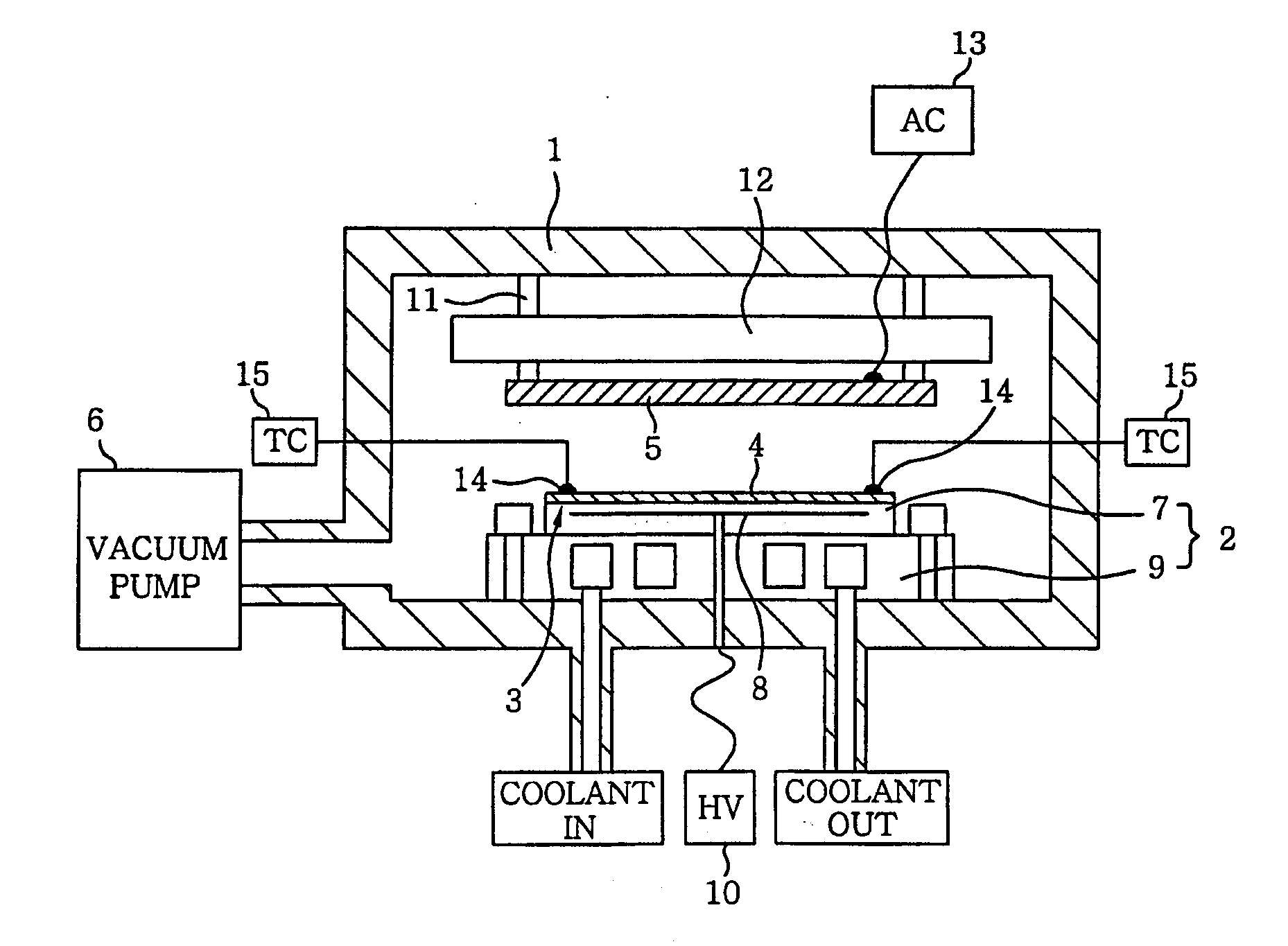
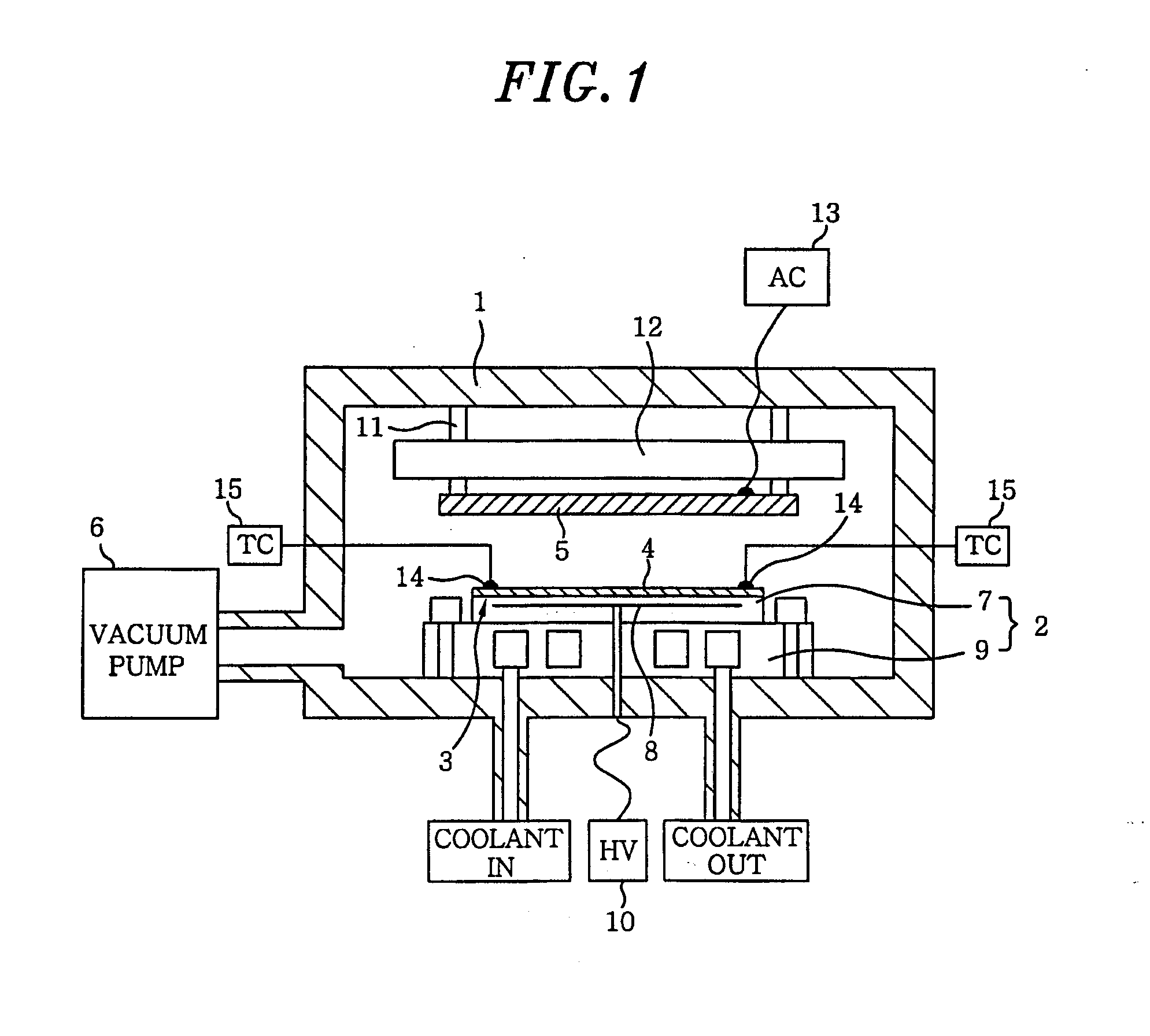
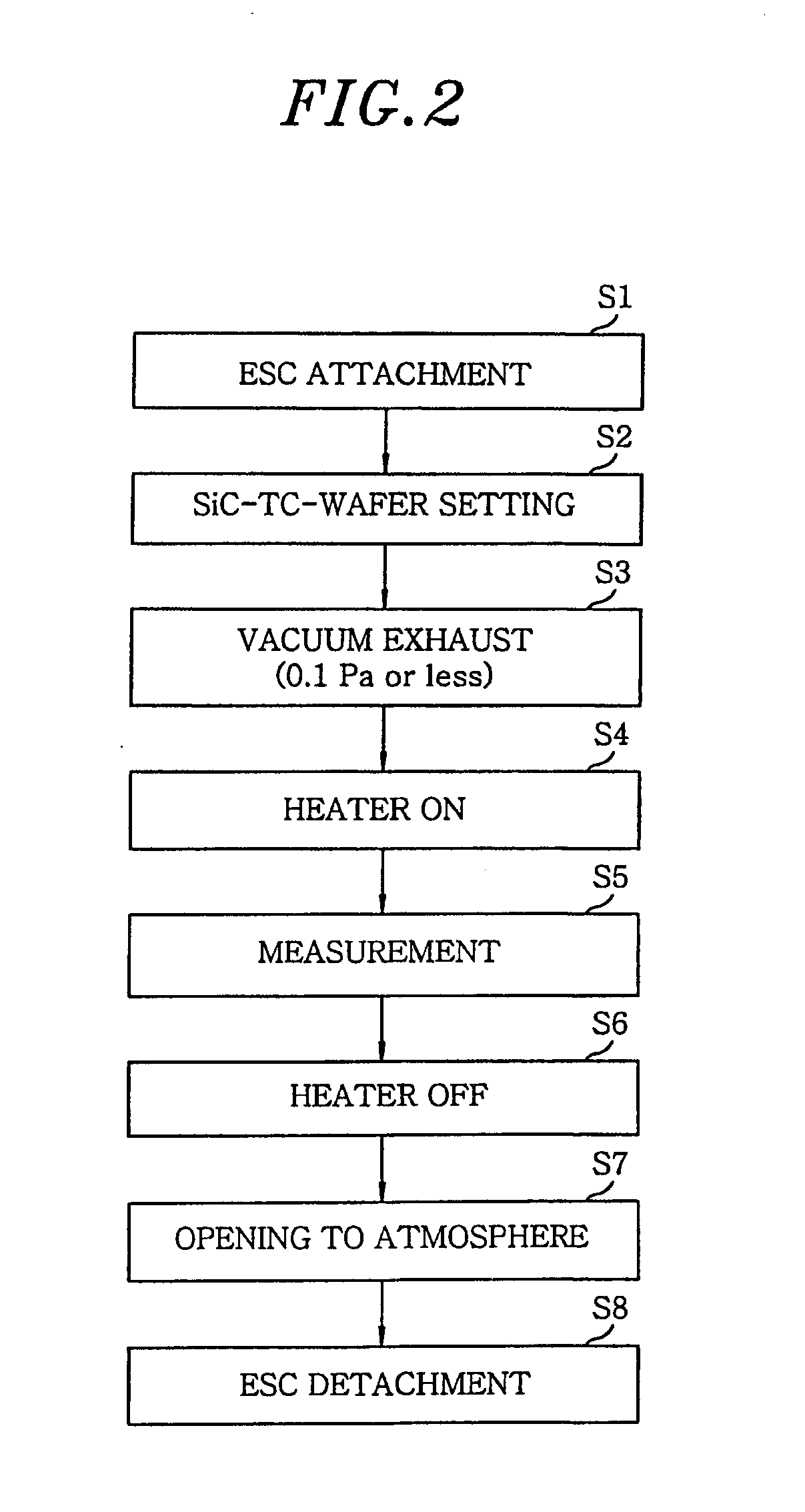
Evaluation device and evaluation method for substrate mounting apparatus and evaluation substrate used for the same
PatentActiveUS20110181313A1
Innovation
- A self-heating type evaluation substrate with a resistance heater and non-contact temperature measurement unit allows for precise temperature control and distribution measurement within an evacuable airtight chamber, eliminating the need for external heating sources and enabling accurate evaluation of temperature control functions.


Apparatus and method for evaluating a substrate mounting device
PatentInactiveUS20080098833A1
Innovation
- Using a silicon carbide substrate with reduced infrared transmittance and increased absorption, designed to mimic the thermal properties of silicon wafers, within an evacuatable sealed chamber equipped with an infrared heater to simulate plasma heat conditions, allowing for accurate temperature control and distribution evaluation.

Energy Efficiency Standards for Heating Systems
Energy efficiency standards for heating systems have become increasingly critical as governments and regulatory bodies worldwide implement stringent requirements to reduce energy consumption and carbon emissions. The comparison between infrared light and cold plasma heating technologies must be evaluated against these evolving regulatory frameworks that define minimum efficiency thresholds, performance metrics, and environmental impact criteria.
Current energy efficiency standards typically measure heating system performance through metrics such as Annual Fuel Utilization Efficiency (AFUE), Coefficient of Performance (COP), and Seasonal Energy Efficiency Ratio (SEER). For infrared heating systems, efficiency ratings often exceed 90% due to direct radiant heat transfer, while cold plasma systems demonstrate variable efficiency depending on the specific application and plasma generation method. These standards directly influence the commercial viability of both technologies in different market segments.
International standards organizations, including ISO, ASHRAE, and regional bodies like the European Committee for Standardization, have established comprehensive frameworks that govern heating system efficiency requirements. The Energy Star program in North America and similar certification schemes in Europe set benchmark performance levels that both infrared and cold plasma heating solutions must meet to qualify for energy efficiency incentives and market acceptance.
Emerging regulations increasingly emphasize lifecycle energy consumption rather than instantaneous efficiency alone. This shift particularly impacts cold plasma heating systems, which may require additional energy for plasma generation but offer superior heat distribution characteristics. Infrared systems benefit from their inherently high conversion efficiency but face scrutiny regarding their effectiveness in large-scale applications where uniform heating is required.
Future energy efficiency standards are expected to incorporate smart grid integration capabilities, demand response features, and real-time energy monitoring requirements. Both infrared and cold plasma heating technologies must evolve to meet these advanced standards, with cold plasma systems potentially offering advantages in controllability and responsiveness, while infrared systems excel in simplicity and direct energy conversion efficiency.
The regulatory landscape continues to tighten efficiency requirements annually, with some jurisdictions mandating efficiency improvements of 2-3% per year. This regulatory pressure drives innovation in both heating technologies, pushing manufacturers to optimize plasma generation efficiency and infrared emitter design to meet increasingly demanding performance standards while maintaining cost-effectiveness and reliability.
Current energy efficiency standards typically measure heating system performance through metrics such as Annual Fuel Utilization Efficiency (AFUE), Coefficient of Performance (COP), and Seasonal Energy Efficiency Ratio (SEER). For infrared heating systems, efficiency ratings often exceed 90% due to direct radiant heat transfer, while cold plasma systems demonstrate variable efficiency depending on the specific application and plasma generation method. These standards directly influence the commercial viability of both technologies in different market segments.
International standards organizations, including ISO, ASHRAE, and regional bodies like the European Committee for Standardization, have established comprehensive frameworks that govern heating system efficiency requirements. The Energy Star program in North America and similar certification schemes in Europe set benchmark performance levels that both infrared and cold plasma heating solutions must meet to qualify for energy efficiency incentives and market acceptance.
Emerging regulations increasingly emphasize lifecycle energy consumption rather than instantaneous efficiency alone. This shift particularly impacts cold plasma heating systems, which may require additional energy for plasma generation but offer superior heat distribution characteristics. Infrared systems benefit from their inherently high conversion efficiency but face scrutiny regarding their effectiveness in large-scale applications where uniform heating is required.
Future energy efficiency standards are expected to incorporate smart grid integration capabilities, demand response features, and real-time energy monitoring requirements. Both infrared and cold plasma heating technologies must evolve to meet these advanced standards, with cold plasma systems potentially offering advantages in controllability and responsiveness, while infrared systems excel in simplicity and direct energy conversion efficiency.
The regulatory landscape continues to tighten efficiency requirements annually, with some jurisdictions mandating efficiency improvements of 2-3% per year. This regulatory pressure drives innovation in both heating technologies, pushing manufacturers to optimize plasma generation efficiency and infrared emitter design to meet increasingly demanding performance standards while maintaining cost-effectiveness and reliability.
Safety Protocols for Plasma and IR Applications
The implementation of safety protocols for plasma and infrared applications requires comprehensive risk assessment frameworks that address the unique hazards associated with each technology. Cold plasma systems present specific risks including electrical hazards from high-voltage power supplies, potential ozone generation, and electromagnetic interference. Personnel must be trained to recognize plasma ignition indicators and emergency shutdown procedures. Proper grounding systems and electrical isolation measures are essential to prevent accidental exposure to high-voltage components.
Infrared heating applications demand distinct safety considerations focused primarily on thermal burn prevention and eye protection. Direct exposure to concentrated infrared radiation can cause severe skin burns and permanent retinal damage. Safety protocols must establish minimum safe distances from IR sources and mandate appropriate personal protective equipment including IR-blocking eyewear and heat-resistant clothing. Temperature monitoring systems with automatic shutoff capabilities should be integrated into all IR heating equipment.
Both technologies require stringent environmental controls to ensure safe operation. Adequate ventilation systems must be installed to manage potential byproducts, with plasma systems requiring specialized filtration for reactive species and ozone removal. IR applications need thermal management systems to prevent overheating of surrounding equipment and materials. Regular air quality monitoring protocols should be established to detect harmful emissions or temperature anomalies.
Personnel training programs must be technology-specific and include hands-on emergency response procedures. Operators should demonstrate competency in equipment shutdown sequences, hazard recognition, and first aid procedures relevant to thermal or electrical injuries. Regular safety audits and equipment calibration schedules ensure continued compliance with established protocols.
Emergency response procedures must address both immediate hazard mitigation and long-term exposure assessment. Quick-access emergency shutoff systems should be positioned strategically throughout work areas, with clear evacuation routes marked and regularly practiced. Medical response protocols should include specific treatments for plasma-related injuries such as electrical burns or ozone exposure, as well as infrared-induced thermal injuries.
Documentation and compliance tracking systems ensure consistent protocol implementation across all applications. Regular incident reporting and analysis help identify potential safety improvements and update existing procedures based on operational experience and evolving safety standards.
Infrared heating applications demand distinct safety considerations focused primarily on thermal burn prevention and eye protection. Direct exposure to concentrated infrared radiation can cause severe skin burns and permanent retinal damage. Safety protocols must establish minimum safe distances from IR sources and mandate appropriate personal protective equipment including IR-blocking eyewear and heat-resistant clothing. Temperature monitoring systems with automatic shutoff capabilities should be integrated into all IR heating equipment.
Both technologies require stringent environmental controls to ensure safe operation. Adequate ventilation systems must be installed to manage potential byproducts, with plasma systems requiring specialized filtration for reactive species and ozone removal. IR applications need thermal management systems to prevent overheating of surrounding equipment and materials. Regular air quality monitoring protocols should be established to detect harmful emissions or temperature anomalies.
Personnel training programs must be technology-specific and include hands-on emergency response procedures. Operators should demonstrate competency in equipment shutdown sequences, hazard recognition, and first aid procedures relevant to thermal or electrical injuries. Regular safety audits and equipment calibration schedules ensure continued compliance with established protocols.
Emergency response procedures must address both immediate hazard mitigation and long-term exposure assessment. Quick-access emergency shutoff systems should be positioned strategically throughout work areas, with clear evacuation routes marked and regularly practiced. Medical response protocols should include specific treatments for plasma-related injuries such as electrical burns or ozone exposure, as well as infrared-induced thermal injuries.
Documentation and compliance tracking systems ensure consistent protocol implementation across all applications. Regular incident reporting and analysis help identify potential safety improvements and update existing procedures based on operational experience and evolving safety standards.
Unlock deeper insights with Patsnap Eureka Quick Research — get a full tech report to explore trends and direct your research. Try now!
Generate Your Research Report Instantly with AI Agent
Supercharge your innovation with Patsnap Eureka AI Agent Platform!