
Infrared Light vs Quantum Dots: Energy Transfer Efficiency
FEB 27, 20269 MIN READ
Generate Your Research Report Instantly with AI Agent
Patsnap Eureka helps you evaluate technical feasibility & market potential.
Infrared-QD Energy Transfer Background and Objectives
The interaction between infrared light and quantum dots represents a critical frontier in energy transfer research, with profound implications for next-generation optoelectronic devices. This field has emerged from the convergence of nanoscale materials science and photonic engineering, driven by the unique properties of quantum dots that enable precise control over electronic and optical characteristics through size and composition tuning.
Historically, energy transfer mechanisms in semiconductor systems have been dominated by traditional bulk materials with fixed bandgaps and limited spectral tunability. The advent of colloidal quantum dots in the 1990s revolutionized this landscape by introducing size-dependent quantum confinement effects, enabling unprecedented control over absorption and emission spectra. The extension of quantum dot technology into the infrared spectrum has opened new possibilities for applications ranging from telecommunications to biomedical imaging.
The evolution of infrared-quantum dot energy transfer research has progressed through several distinct phases. Initial investigations focused on understanding fundamental photophysical processes, including exciton generation, relaxation dynamics, and radiative recombination in confined semiconductor nanocrystals. Subsequent developments emphasized the optimization of quantum dot compositions, particularly lead sulfide, indium arsenide, and mercury telluride systems, to achieve efficient infrared absorption and emission.
Current research trajectories are driven by the need to overcome inherent challenges in infrared quantum dot systems, including surface trap states, thermal quenching effects, and limited charge carrier mobility. These factors significantly impact energy transfer efficiency and represent key bottlenecks for practical device implementation.
The primary objective of advancing infrared-quantum dot energy transfer efficiency centers on achieving near-unity quantum yields while maintaining spectral tunability across the near-infrared to mid-infrared range. This goal encompasses the development of novel core-shell architectures, surface passivation strategies, and hybrid material systems that can effectively suppress non-radiative recombination pathways.
Strategic technical targets include achieving energy transfer efficiencies exceeding 90% in quantum dot assemblies, extending operational wavelengths beyond 2000 nanometers, and developing scalable synthesis methods for high-quality infrared-active quantum dots. These objectives are essential for enabling breakthrough applications in solar energy harvesting, infrared photodetection, and quantum information processing systems.
Historically, energy transfer mechanisms in semiconductor systems have been dominated by traditional bulk materials with fixed bandgaps and limited spectral tunability. The advent of colloidal quantum dots in the 1990s revolutionized this landscape by introducing size-dependent quantum confinement effects, enabling unprecedented control over absorption and emission spectra. The extension of quantum dot technology into the infrared spectrum has opened new possibilities for applications ranging from telecommunications to biomedical imaging.
The evolution of infrared-quantum dot energy transfer research has progressed through several distinct phases. Initial investigations focused on understanding fundamental photophysical processes, including exciton generation, relaxation dynamics, and radiative recombination in confined semiconductor nanocrystals. Subsequent developments emphasized the optimization of quantum dot compositions, particularly lead sulfide, indium arsenide, and mercury telluride systems, to achieve efficient infrared absorption and emission.
Current research trajectories are driven by the need to overcome inherent challenges in infrared quantum dot systems, including surface trap states, thermal quenching effects, and limited charge carrier mobility. These factors significantly impact energy transfer efficiency and represent key bottlenecks for practical device implementation.
The primary objective of advancing infrared-quantum dot energy transfer efficiency centers on achieving near-unity quantum yields while maintaining spectral tunability across the near-infrared to mid-infrared range. This goal encompasses the development of novel core-shell architectures, surface passivation strategies, and hybrid material systems that can effectively suppress non-radiative recombination pathways.
Strategic technical targets include achieving energy transfer efficiencies exceeding 90% in quantum dot assemblies, extending operational wavelengths beyond 2000 nanometers, and developing scalable synthesis methods for high-quality infrared-active quantum dots. These objectives are essential for enabling breakthrough applications in solar energy harvesting, infrared photodetection, and quantum information processing systems.
Market Demand for Efficient IR-QD Energy Systems
The global market for efficient infrared-quantum dot energy transfer systems is experiencing unprecedented growth driven by multiple converging technological and economic factors. The increasing demand for high-performance optoelectronic devices across telecommunications, medical imaging, and renewable energy sectors has created substantial market opportunities for advanced IR-QD energy systems. These applications require enhanced energy conversion efficiency, precise wavelength control, and improved thermal management capabilities that traditional semiconductor technologies struggle to deliver.
Solar energy harvesting represents one of the most significant market drivers for efficient IR-QD systems. The photovoltaic industry's pursuit of higher conversion efficiencies has intensified focus on capturing previously unutilized infrared portions of the solar spectrum. Quantum dot-enhanced solar cells demonstrate superior performance in converting near-infrared radiation compared to conventional silicon-based systems, addressing the industry's need for next-generation energy conversion technologies.
The telecommunications sector presents another substantial market opportunity, particularly in fiber optic communications and data center applications. The exponential growth in data transmission requirements has created demand for more efficient optical components capable of operating across extended wavelength ranges. IR-QD energy transfer systems offer superior performance characteristics for wavelength division multiplexing and optical signal processing applications.
Medical and biomedical imaging markets are driving demand for advanced IR-QD systems due to their enhanced sensitivity and reduced noise characteristics. The growing adoption of non-invasive diagnostic techniques and real-time imaging applications requires sophisticated infrared detection systems with improved energy transfer efficiency. These applications particularly benefit from quantum dots' tunable optical properties and enhanced quantum yield performance.
Defense and security applications constitute a specialized but high-value market segment for efficient IR-QD energy systems. Night vision equipment, thermal imaging systems, and surveillance technologies require advanced infrared detection capabilities with superior energy conversion efficiency and extended operational lifespans. The stringent performance requirements in these applications justify premium pricing for advanced IR-QD technologies.
Emerging applications in autonomous vehicles and industrial automation are creating new market opportunities for efficient IR-QD energy systems. LiDAR systems, thermal monitoring equipment, and machine vision applications increasingly rely on advanced infrared technologies with enhanced energy transfer capabilities. These markets demand reliable, cost-effective solutions that can operate effectively across diverse environmental conditions while maintaining consistent performance characteristics.
Solar energy harvesting represents one of the most significant market drivers for efficient IR-QD systems. The photovoltaic industry's pursuit of higher conversion efficiencies has intensified focus on capturing previously unutilized infrared portions of the solar spectrum. Quantum dot-enhanced solar cells demonstrate superior performance in converting near-infrared radiation compared to conventional silicon-based systems, addressing the industry's need for next-generation energy conversion technologies.
The telecommunications sector presents another substantial market opportunity, particularly in fiber optic communications and data center applications. The exponential growth in data transmission requirements has created demand for more efficient optical components capable of operating across extended wavelength ranges. IR-QD energy transfer systems offer superior performance characteristics for wavelength division multiplexing and optical signal processing applications.
Medical and biomedical imaging markets are driving demand for advanced IR-QD systems due to their enhanced sensitivity and reduced noise characteristics. The growing adoption of non-invasive diagnostic techniques and real-time imaging applications requires sophisticated infrared detection systems with improved energy transfer efficiency. These applications particularly benefit from quantum dots' tunable optical properties and enhanced quantum yield performance.
Defense and security applications constitute a specialized but high-value market segment for efficient IR-QD energy systems. Night vision equipment, thermal imaging systems, and surveillance technologies require advanced infrared detection capabilities with superior energy conversion efficiency and extended operational lifespans. The stringent performance requirements in these applications justify premium pricing for advanced IR-QD technologies.
Emerging applications in autonomous vehicles and industrial automation are creating new market opportunities for efficient IR-QD energy systems. LiDAR systems, thermal monitoring equipment, and machine vision applications increasingly rely on advanced infrared technologies with enhanced energy transfer capabilities. These markets demand reliable, cost-effective solutions that can operate effectively across diverse environmental conditions while maintaining consistent performance characteristics.
Current IR-QD Transfer Efficiency Challenges
The efficiency of energy transfer between infrared light and quantum dots faces several fundamental challenges that significantly limit practical applications. One primary obstacle is the inherent mismatch between the broad spectral characteristics of infrared sources and the narrow absorption bands of quantum dots. This spectral incompatibility results in substantial energy losses during the conversion process, with typical efficiency rates remaining below 15% in most current systems.
Quantum confinement effects present another critical challenge in IR-QD energy transfer systems. As quantum dot size decreases to achieve desired optical properties, surface-to-volume ratios increase dramatically, leading to enhanced surface defect states. These defects act as non-radiative recombination centers, creating energy dissipation pathways that compete with desired transfer mechanisms. Surface trap states particularly affect longer wavelength interactions, making infrared applications especially susceptible to efficiency degradation.
Thermal management represents a significant technical hurdle in IR-QD systems. Infrared radiation inherently carries lower photon energies compared to visible light, requiring more sophisticated heat dissipation strategies to maintain optimal quantum dot performance. Elevated operating temperatures accelerate phonon interactions and increase non-radiative decay rates, further compromising energy transfer efficiency. Current thermal management solutions add system complexity and cost while providing limited improvement in overall performance.
Interface engineering between infrared sources and quantum dot materials remains poorly understood and inadequately optimized. The energy transfer mechanism relies heavily on near-field interactions, surface plasmon coupling, and charge transfer processes that are highly sensitive to interface quality. Existing fabrication techniques struggle to achieve consistent, high-quality interfaces at the nanoscale, resulting in significant batch-to-batch variations in transfer efficiency.
Material stability under infrared exposure poses long-term reliability concerns. Quantum dots experience photodegradation and structural changes when subjected to continuous infrared irradiation, particularly in the near-infrared spectrum. This degradation manifests as spectral shifts, reduced quantum yields, and eventual complete loss of optical properties. Current encapsulation and passivation strategies provide only temporary protection, limiting the practical lifespan of IR-QD systems.
Scalability challenges further constrain the development of efficient IR-QD energy transfer systems. Laboratory demonstrations typically involve small-scale, carefully controlled environments that do not translate effectively to larger applications. Manufacturing processes for maintaining uniform quantum dot properties across large areas remain technically challenging and economically prohibitive, preventing widespread commercial adoption of these technologies.
Quantum confinement effects present another critical challenge in IR-QD energy transfer systems. As quantum dot size decreases to achieve desired optical properties, surface-to-volume ratios increase dramatically, leading to enhanced surface defect states. These defects act as non-radiative recombination centers, creating energy dissipation pathways that compete with desired transfer mechanisms. Surface trap states particularly affect longer wavelength interactions, making infrared applications especially susceptible to efficiency degradation.
Thermal management represents a significant technical hurdle in IR-QD systems. Infrared radiation inherently carries lower photon energies compared to visible light, requiring more sophisticated heat dissipation strategies to maintain optimal quantum dot performance. Elevated operating temperatures accelerate phonon interactions and increase non-radiative decay rates, further compromising energy transfer efficiency. Current thermal management solutions add system complexity and cost while providing limited improvement in overall performance.
Interface engineering between infrared sources and quantum dot materials remains poorly understood and inadequately optimized. The energy transfer mechanism relies heavily on near-field interactions, surface plasmon coupling, and charge transfer processes that are highly sensitive to interface quality. Existing fabrication techniques struggle to achieve consistent, high-quality interfaces at the nanoscale, resulting in significant batch-to-batch variations in transfer efficiency.
Material stability under infrared exposure poses long-term reliability concerns. Quantum dots experience photodegradation and structural changes when subjected to continuous infrared irradiation, particularly in the near-infrared spectrum. This degradation manifests as spectral shifts, reduced quantum yields, and eventual complete loss of optical properties. Current encapsulation and passivation strategies provide only temporary protection, limiting the practical lifespan of IR-QD systems.
Scalability challenges further constrain the development of efficient IR-QD energy transfer systems. Laboratory demonstrations typically involve small-scale, carefully controlled environments that do not translate effectively to larger applications. Manufacturing processes for maintaining uniform quantum dot properties across large areas remain technically challenging and economically prohibitive, preventing widespread commercial adoption of these technologies.
Existing IR-QD Energy Transfer Solutions
01 Quantum dot structures for enhanced infrared energy transfer
Quantum dot structures can be specifically designed and engineered to optimize energy transfer efficiency in the infrared spectrum. The size, composition, and arrangement of quantum dots significantly affect their ability to absorb and transfer infrared energy. Core-shell structures and multi-layered quantum dot configurations have been developed to enhance the energy transfer mechanisms and improve overall efficiency in infrared applications.- Quantum dot structures optimized for infrared energy transfer: Quantum dots can be specifically engineered with tailored size, composition, and surface properties to enhance energy transfer efficiency in the infrared spectrum. The quantum confinement effects and bandgap engineering allow for precise control over absorption and emission wavelengths, enabling efficient energy transfer mechanisms such as Förster resonance energy transfer (FRET) in the infrared range.
- Core-shell quantum dot configurations for enhanced energy transfer: Core-shell quantum dot structures with specific material combinations can significantly improve energy transfer efficiency by reducing non-radiative recombination and enhancing quantum yield. The shell layer protects the core from environmental factors while optimizing the electronic coupling necessary for efficient energy transfer processes in infrared applications.
- Quantum dot spacing and arrangement for optimized energy transfer: The spatial arrangement and inter-dot distance of quantum dots play a critical role in energy transfer efficiency. Controlled spacing through ligand engineering, matrix materials, or assembly techniques enables optimization of dipole-dipole interactions and energy transfer rates, particularly important for infrared wavelength applications where transfer distances and mechanisms differ from visible light.
- Hybrid quantum dot systems with energy acceptor materials: Integration of quantum dots with complementary energy acceptor materials, such as organic molecules, other semiconductor nanostructures, or plasmonic materials, creates hybrid systems with enhanced infrared energy transfer capabilities. These systems leverage the unique properties of each component to achieve higher overall energy transfer efficiency through cascaded or coupled energy transfer mechanisms.
- Surface modification and ligand engineering for energy transfer enhancement: Surface chemistry modifications and ligand selection significantly impact quantum dot energy transfer efficiency by controlling inter-particle interactions, reducing energy losses, and optimizing electronic coupling. Specific surface treatments can minimize trap states, enhance photoluminescence quantum yield, and facilitate efficient energy migration in quantum dot assemblies designed for infrared applications.
02 Förster resonance energy transfer mechanisms in quantum dot systems
Energy transfer between quantum dots and other materials can occur through resonance energy transfer mechanisms, particularly effective in the infrared range. The efficiency of this transfer depends on spectral overlap, distance between donor and acceptor molecules, and quantum yield. Optimization of these parameters enables improved energy transfer rates and enhanced device performance in infrared applications.Expand Specific Solutions03 Surface modification and ligand engineering for improved energy transfer
Surface properties of quantum dots play a crucial role in energy transfer efficiency. Ligand engineering and surface modification techniques can reduce non-radiative recombination losses and enhance coupling with infrared light. Various surface treatments and coating materials have been developed to optimize the interface between quantum dots and surrounding media, thereby improving energy transfer performance.Expand Specific Solutions04 Quantum dot sensitized systems for infrared energy conversion
Quantum dots can be utilized as sensitizers in various energy conversion systems operating in the infrared region. These systems leverage the unique optical properties of quantum dots to capture infrared photons and facilitate efficient energy transfer to adjacent materials or devices. The quantum confinement effect allows tuning of absorption characteristics to match specific infrared wavelengths for optimized energy harvesting.Expand Specific Solutions05 Hybrid quantum dot composites for enhanced infrared response
Composite materials combining quantum dots with other functional materials demonstrate improved energy transfer efficiency in infrared applications. These hybrid systems can incorporate organic molecules, metal nanoparticles, or other semiconductor materials to create synergistic effects. The integration of multiple components enables better light absorption, reduced energy losses, and enhanced overall performance in infrared energy transfer processes.Expand Specific Solutions
Key Players in IR-QD Energy Transfer Industry
The infrared light versus quantum dots energy transfer efficiency landscape represents a rapidly evolving technological domain currently in its growth phase, with significant market expansion driven by applications in display technologies, lighting, and sensing systems. The market demonstrates substantial scale potential, particularly in consumer electronics and automotive sectors. Technology maturity varies considerably across key players, with established giants like Samsung Electronics and Samsung Display leading in quantum dot commercialization for displays, while companies such as Nanoco Technologies and QLight Nanotech specialize in advanced quantum dot materials. Traditional infrared technology players including OSRAM Opto Semiconductors and Sharp Corp. maintain strong positions in established markets. Research institutions like Naval Research Laboratory, University of Chicago, and various Chinese universities contribute fundamental research, while emerging companies like Seoul Viosys and InVisage Technologies push innovative applications, creating a competitive ecosystem spanning from mature infrared solutions to cutting-edge quantum dot implementations.
Samsung Electronics Co., Ltd.
Technical Solution: Samsung has developed advanced quantum dot technology for display applications, focusing on improving energy transfer efficiency between infrared light and quantum dots. Their QLED displays utilize cadmium-free quantum dots with enhanced photoluminescence quantum yield exceeding 90% in the visible spectrum. The company has implemented sophisticated surface engineering techniques to optimize the interface between quantum dots and surrounding materials, reducing non-radiative recombination losses. Samsung's quantum dot films incorporate barrier layers that minimize energy loss during photon conversion processes, achieving improved color gamut coverage of over 100% DCI-P3 standard while maintaining high energy conversion efficiency.
Strengths: Market-leading quantum dot display technology with high energy conversion efficiency and excellent color reproduction. Weaknesses: Limited focus on infrared applications, primarily concentrated on visible light spectrum optimization.
Nanoco Technologies Ltd.
Technical Solution: Nanoco specializes in cadmium-free quantum dot synthesis with particular emphasis on infrared applications and energy transfer optimization. Their proprietary molecular seeding process enables precise control over quantum dot size distribution, directly impacting energy transfer efficiency in infrared wavelengths. The company has developed core-shell quantum dot structures that demonstrate enhanced quantum yield in near-infrared regions, with energy transfer efficiencies reaching 85-95% for specific wavelength ranges. Nanoco's quantum dots feature engineered surface ligands that facilitate efficient energy transfer while minimizing phonon-assisted non-radiative decay processes, particularly important for infrared applications where thermal effects are more pronounced.
Strengths: Specialized expertise in cadmium-free quantum dots with strong infrared capabilities and high energy transfer efficiency. Weaknesses: Smaller scale compared to major electronics manufacturers, limited manufacturing capacity for large-volume applications.
Core Patents in IR-QD Energy Transfer Mechanisms
Phosphor-nanoparticle combinations
PatentInactiveEP2528989A2
Innovation
- The use of core/shell semiconductor nanoparticles (SNPs) and rod-shaped semiconductor nanoparticles (RSNPs) combined with phosphors, which minimize re-absorption and self-absorbance, suppress FRET, and enable high-loading and controlled color emission, resulting in improved light conversion efficiency and color gamut control.
Light emitting device and method of fabricating the same
PatentActiveUS20120132888A1
Innovation
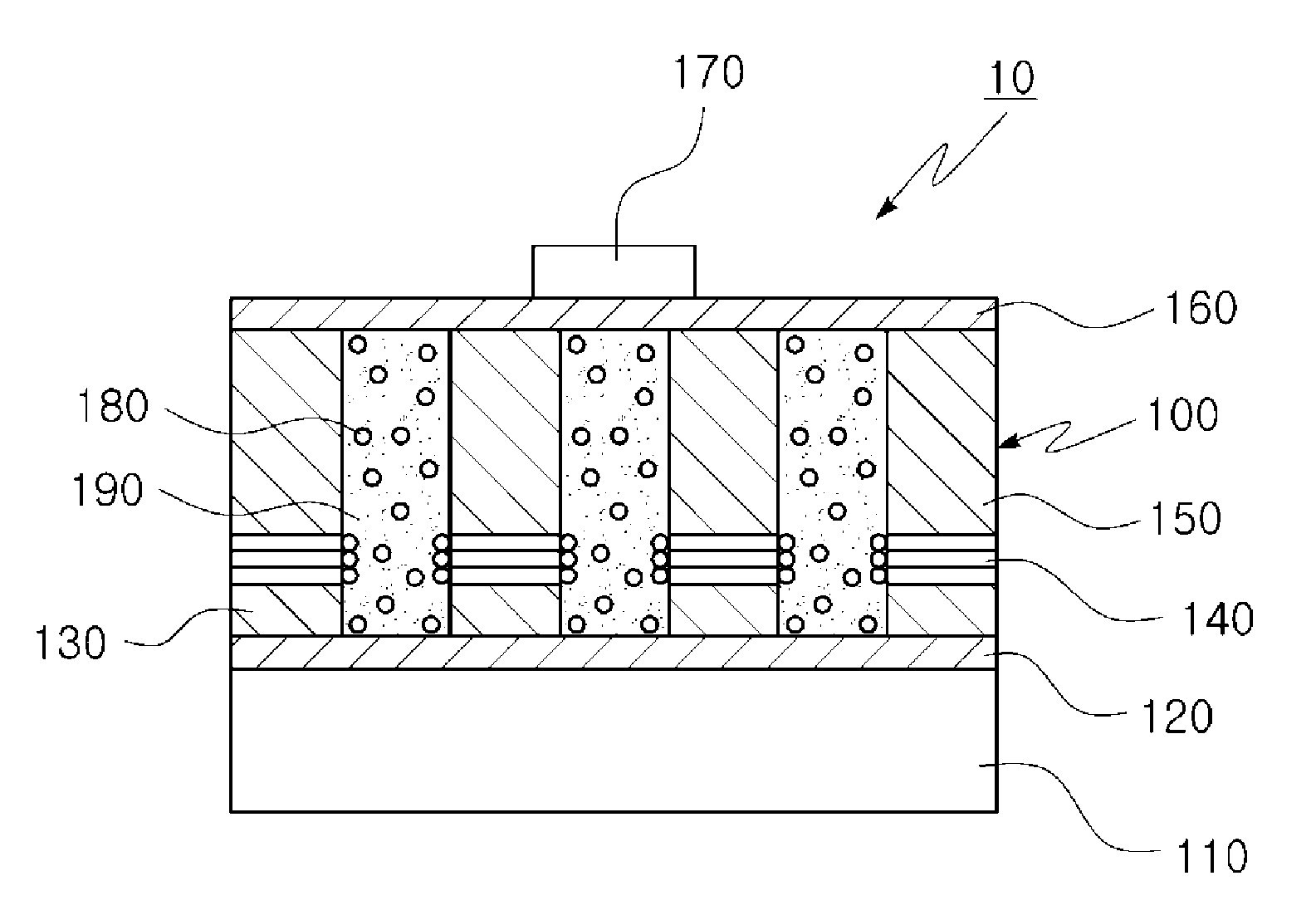
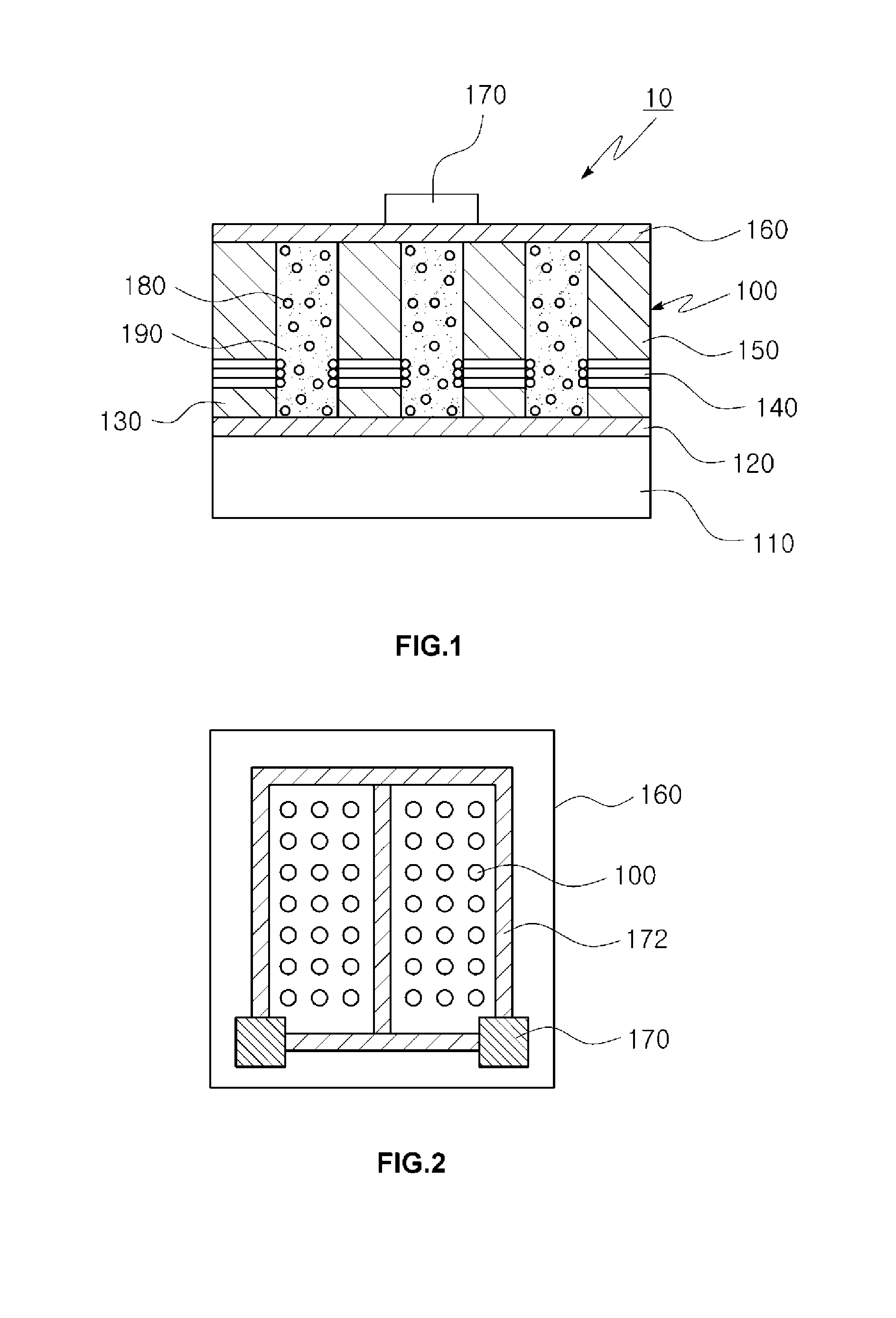
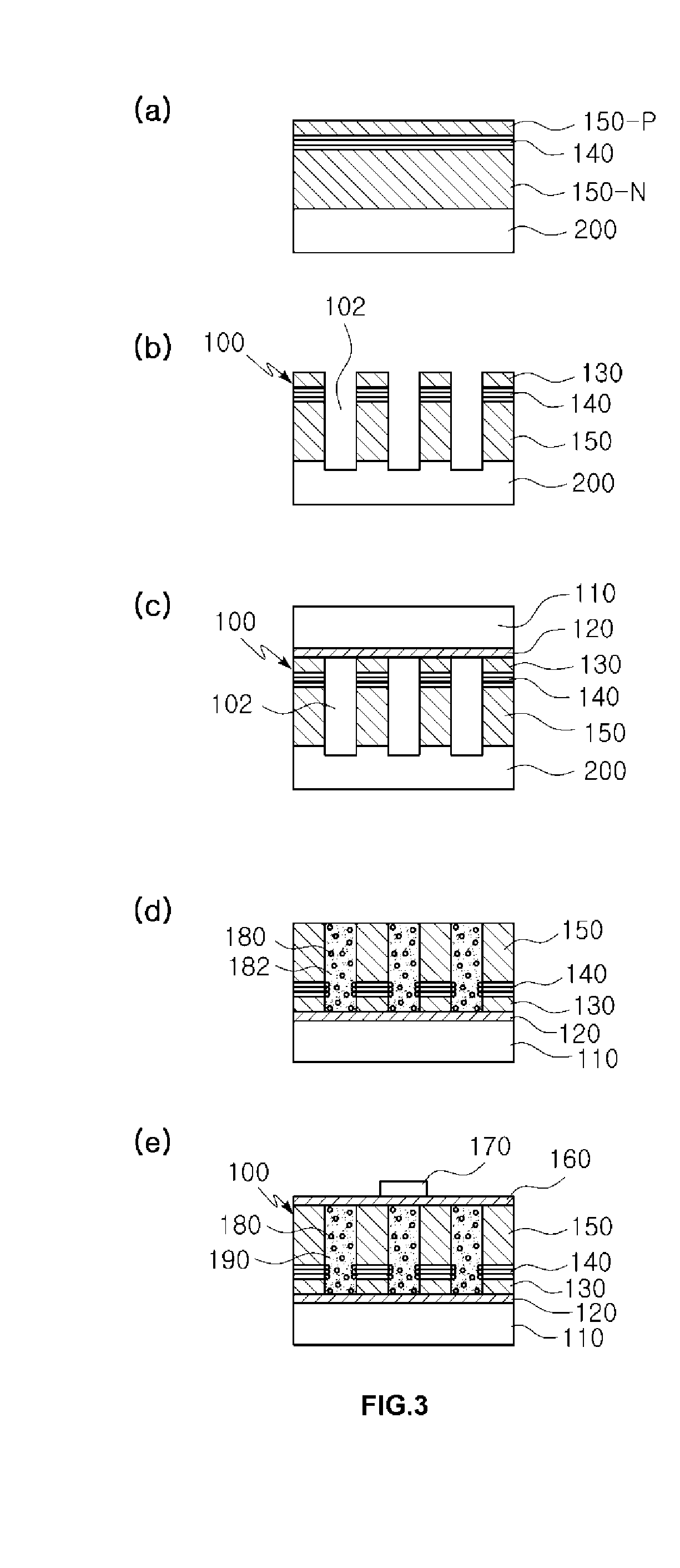
- A light emitting device with nanorods and quantum dots arranged in a three-dimensional configuration, where quantum dots are disposed between the nanorods to increase their density and proximity to the MQW, enhancing FRET and light emission efficiency, and allowing for adjustable emission wavelengths.

Environmental Impact of IR-QD Energy Systems
The environmental implications of infrared-quantum dot (IR-QD) energy systems present a complex landscape of both opportunities and challenges that require comprehensive assessment across their entire lifecycle. These hybrid energy systems, while promising enhanced energy transfer efficiency, introduce unique environmental considerations that differ significantly from conventional photovoltaic technologies.
Manufacturing processes for quantum dots involve the synthesis of semiconductor nanocrystals, which typically requires high-temperature reactions and specialized chemical precursors. The production of cadmium-based quantum dots, such as CdSe and CdTe, raises particular concerns due to the inherent toxicity of cadmium compounds. Alternative materials like indium phosphide (InP) and copper indium selenide (CuInSe2) offer reduced toxicity profiles but may involve rare earth elements with their own supply chain sustainability challenges.
The carbon footprint of IR-QD systems encompasses both the energy-intensive quantum dot synthesis and the fabrication of infrared collection components. Current manufacturing processes require controlled atmospheric conditions and precise temperature management, contributing to higher embodied energy compared to traditional silicon-based systems. However, the enhanced energy conversion efficiency of IR-QD systems may offset these initial environmental costs through improved operational performance.
Waste management and end-of-life considerations present significant environmental challenges. Quantum dots containing heavy metals require specialized disposal protocols to prevent soil and groundwater contamination. The development of recycling technologies for quantum dot materials remains in early stages, though research into recovery methods for valuable semiconductor materials shows promise for circular economy approaches.
Water usage during manufacturing processes varies depending on the synthesis method employed. Aqueous-based quantum dot production methods generally require substantial water resources for purification and washing steps, while non-aqueous approaches may reduce water consumption but increase organic solvent usage.
The operational environmental benefits of IR-QD systems include their potential for enhanced energy harvesting from broader spectral ranges, potentially reducing the land area required for equivalent energy generation. This improved efficiency could translate to reduced material requirements per unit of energy produced over the system lifetime.
Emerging research focuses on developing environmentally benign quantum dot materials, including carbon-based quantum dots and bio-derived semiconductor nanocrystals. These innovations aim to maintain the superior energy transfer characteristics while minimizing environmental impact throughout the product lifecycle.
Manufacturing processes for quantum dots involve the synthesis of semiconductor nanocrystals, which typically requires high-temperature reactions and specialized chemical precursors. The production of cadmium-based quantum dots, such as CdSe and CdTe, raises particular concerns due to the inherent toxicity of cadmium compounds. Alternative materials like indium phosphide (InP) and copper indium selenide (CuInSe2) offer reduced toxicity profiles but may involve rare earth elements with their own supply chain sustainability challenges.
The carbon footprint of IR-QD systems encompasses both the energy-intensive quantum dot synthesis and the fabrication of infrared collection components. Current manufacturing processes require controlled atmospheric conditions and precise temperature management, contributing to higher embodied energy compared to traditional silicon-based systems. However, the enhanced energy conversion efficiency of IR-QD systems may offset these initial environmental costs through improved operational performance.
Waste management and end-of-life considerations present significant environmental challenges. Quantum dots containing heavy metals require specialized disposal protocols to prevent soil and groundwater contamination. The development of recycling technologies for quantum dot materials remains in early stages, though research into recovery methods for valuable semiconductor materials shows promise for circular economy approaches.
Water usage during manufacturing processes varies depending on the synthesis method employed. Aqueous-based quantum dot production methods generally require substantial water resources for purification and washing steps, while non-aqueous approaches may reduce water consumption but increase organic solvent usage.
The operational environmental benefits of IR-QD systems include their potential for enhanced energy harvesting from broader spectral ranges, potentially reducing the land area required for equivalent energy generation. This improved efficiency could translate to reduced material requirements per unit of energy produced over the system lifetime.
Emerging research focuses on developing environmentally benign quantum dot materials, including carbon-based quantum dots and bio-derived semiconductor nanocrystals. These innovations aim to maintain the superior energy transfer characteristics while minimizing environmental impact throughout the product lifecycle.
Safety Standards for IR-QD Energy Applications
The development of safety standards for infrared-quantum dot (IR-QD) energy applications represents a critical regulatory framework essential for the commercial deployment of these emerging technologies. Current safety protocols primarily address traditional infrared systems and conventional semiconductor materials separately, creating a regulatory gap for hybrid IR-QD energy transfer systems that require specialized safety considerations.
Existing international standards such as IEC 62471 for photobiological safety of lamps and IEC 60825 for laser safety provide foundational guidelines for infrared radiation exposure limits. However, these standards inadequately address the unique characteristics of quantum dot materials, particularly their potential for nanoparticle release, surface chemistry interactions, and long-term stability under operational conditions. The integration of quantum dots with infrared energy systems introduces novel safety challenges that transcend conventional optical safety parameters.
Occupational exposure limits for quantum dot materials remain largely undefined in current regulatory frameworks. The National Institute for Occupational Safety and Health (NIOSH) has established preliminary guidelines for engineered nanomaterials, but specific protocols for IR-QD energy applications are still under development. Key safety parameters include maximum permissible exposure levels for both infrared radiation and quantum dot nanoparticles, with particular attention to cumulative exposure effects and potential synergistic interactions.
Environmental safety standards for IR-QD systems focus on lifecycle management, including manufacturing processes, operational emissions, and end-of-life disposal protocols. The European Union's REACH regulation provides a framework for chemical safety assessment, but quantum dot-specific provisions require further refinement to address the unique properties of these materials in energy applications.
Emerging safety standards emphasize real-time monitoring systems capable of detecting both infrared radiation levels and quantum dot particle concentrations in operational environments. Advanced sensor technologies and automated safety shutdown mechanisms are becoming integral components of compliant IR-QD energy systems, ensuring continuous protection for both operators and end-users while maintaining optimal energy transfer efficiency.
Existing international standards such as IEC 62471 for photobiological safety of lamps and IEC 60825 for laser safety provide foundational guidelines for infrared radiation exposure limits. However, these standards inadequately address the unique characteristics of quantum dot materials, particularly their potential for nanoparticle release, surface chemistry interactions, and long-term stability under operational conditions. The integration of quantum dots with infrared energy systems introduces novel safety challenges that transcend conventional optical safety parameters.
Occupational exposure limits for quantum dot materials remain largely undefined in current regulatory frameworks. The National Institute for Occupational Safety and Health (NIOSH) has established preliminary guidelines for engineered nanomaterials, but specific protocols for IR-QD energy applications are still under development. Key safety parameters include maximum permissible exposure levels for both infrared radiation and quantum dot nanoparticles, with particular attention to cumulative exposure effects and potential synergistic interactions.
Environmental safety standards for IR-QD systems focus on lifecycle management, including manufacturing processes, operational emissions, and end-of-life disposal protocols. The European Union's REACH regulation provides a framework for chemical safety assessment, but quantum dot-specific provisions require further refinement to address the unique properties of these materials in energy applications.
Emerging safety standards emphasize real-time monitoring systems capable of detecting both infrared radiation levels and quantum dot particle concentrations in operational environments. Advanced sensor technologies and automated safety shutdown mechanisms are becoming integral components of compliant IR-QD energy systems, ensuring continuous protection for both operators and end-users while maintaining optimal energy transfer efficiency.
Unlock deeper insights with Patsnap Eureka Quick Research — get a full tech report to explore trends and direct your research. Try now!
Generate Your Research Report Instantly with AI Agent
Supercharge your innovation with Patsnap Eureka AI Agent Platform!