

KERS scalability in future-proofing rural electrification
AUG 15, 202510 MIN READ
Generate Your Research Report Instantly with AI Agent
PatSnap Eureka helps you evaluate technical feasibility & market potential.
KERS Evolution and Goals
Kinetic Energy Recovery Systems (KERS) have evolved significantly since their inception in the automotive industry. Initially developed for Formula 1 racing in the late 2000s, KERS technology has gradually found its way into broader applications, including rural electrification. The primary goal of KERS in this context is to harness and store energy that would otherwise be lost during braking or deceleration, converting it into usable electrical power for rural communities.
The evolution of KERS for rural electrification has been driven by the need for sustainable and reliable energy solutions in remote areas. Early adaptations focused on small-scale applications, such as individual households or small community centers. As the technology progressed, the emphasis shifted towards scalability and integration with existing renewable energy systems, particularly solar and wind power installations.
A key milestone in KERS evolution was the development of more efficient energy storage systems. Traditional batteries were replaced with advanced flywheels and supercapacitors, capable of rapid charge and discharge cycles. This improvement significantly enhanced the system's ability to capture and utilize intermittent energy sources, a crucial factor in rural electrification projects.
The goals of KERS in rural electrification have expanded beyond mere energy recovery. Current objectives include increasing overall system efficiency, reducing reliance on fossil fuels, and providing a stable power supply to support economic development in rural areas. Additionally, there is a growing focus on making KERS technology more affordable and easier to maintain, addressing the unique challenges faced by remote communities.
Looking towards the future, the scalability of KERS in rural electrification presents both opportunities and challenges. The primary goal is to develop systems that can grow alongside the energy needs of developing communities. This involves creating modular KERS units that can be easily expanded or interconnected to form larger networks as demand increases.
Another critical objective is to enhance the integration of KERS with smart grid technologies. This aims to optimize energy distribution, balance load demands, and improve overall grid stability in rural areas. The development of advanced control systems and predictive algorithms is crucial in achieving this goal, enabling more efficient energy management and distribution.
Environmental sustainability remains a core focus in the evolution of KERS for rural electrification. Future goals include minimizing the ecological footprint of these systems, both in terms of manufacturing and operation. This encompasses the use of eco-friendly materials, designing for longevity and easy repair, and ensuring that end-of-life disposal or recycling is environmentally responsible.
In conclusion, the evolution of KERS technology in the context of rural electrification reflects a journey from a niche automotive application to a versatile solution for sustainable energy. The goals have expanded from simple energy recovery to comprehensive power management, with an increasing emphasis on scalability, affordability, and environmental responsibility. As KERS continues to evolve, it holds the potential to play a pivotal role in future-proofing rural electrification efforts worldwide.
The evolution of KERS for rural electrification has been driven by the need for sustainable and reliable energy solutions in remote areas. Early adaptations focused on small-scale applications, such as individual households or small community centers. As the technology progressed, the emphasis shifted towards scalability and integration with existing renewable energy systems, particularly solar and wind power installations.
A key milestone in KERS evolution was the development of more efficient energy storage systems. Traditional batteries were replaced with advanced flywheels and supercapacitors, capable of rapid charge and discharge cycles. This improvement significantly enhanced the system's ability to capture and utilize intermittent energy sources, a crucial factor in rural electrification projects.
The goals of KERS in rural electrification have expanded beyond mere energy recovery. Current objectives include increasing overall system efficiency, reducing reliance on fossil fuels, and providing a stable power supply to support economic development in rural areas. Additionally, there is a growing focus on making KERS technology more affordable and easier to maintain, addressing the unique challenges faced by remote communities.
Looking towards the future, the scalability of KERS in rural electrification presents both opportunities and challenges. The primary goal is to develop systems that can grow alongside the energy needs of developing communities. This involves creating modular KERS units that can be easily expanded or interconnected to form larger networks as demand increases.
Another critical objective is to enhance the integration of KERS with smart grid technologies. This aims to optimize energy distribution, balance load demands, and improve overall grid stability in rural areas. The development of advanced control systems and predictive algorithms is crucial in achieving this goal, enabling more efficient energy management and distribution.
Environmental sustainability remains a core focus in the evolution of KERS for rural electrification. Future goals include minimizing the ecological footprint of these systems, both in terms of manufacturing and operation. This encompasses the use of eco-friendly materials, designing for longevity and easy repair, and ensuring that end-of-life disposal or recycling is environmentally responsible.
In conclusion, the evolution of KERS technology in the context of rural electrification reflects a journey from a niche automotive application to a versatile solution for sustainable energy. The goals have expanded from simple energy recovery to comprehensive power management, with an increasing emphasis on scalability, affordability, and environmental responsibility. As KERS continues to evolve, it holds the potential to play a pivotal role in future-proofing rural electrification efforts worldwide.
Rural Electrification Demand
Rural electrification demand has been steadily increasing in developing countries as governments and international organizations recognize the critical role of electricity access in socio-economic development. The demand for Kinetic Energy Recovery Systems (KERS) in rural electrification is driven by the need for sustainable, reliable, and cost-effective power solutions in remote areas where traditional grid infrastructure is challenging to implement.
In many rural regions, the primary energy demand stems from basic household needs such as lighting, cooking, and small appliances. However, as rural economies develop, there is a growing requirement for power to support agricultural activities, small businesses, and community services like healthcare and education. This evolving demand profile necessitates scalable energy solutions that can adapt to changing consumption patterns.
KERS technology offers a promising approach to meet this demand due to its ability to capture and store energy from various kinetic sources, such as vehicle movements or human-powered devices. This aligns well with the decentralized nature of rural energy needs and the often-limited resources available in these areas.
The scalability of KERS in rural electrification is particularly attractive as it allows for modular implementation. Communities can start with small-scale systems and gradually expand as energy needs grow. This flexibility is crucial in rural settings where predicting long-term energy demand can be challenging due to uncertain economic development trajectories.
Market research indicates that the global rural electrification market is expected to grow significantly in the coming years. Factors contributing to this growth include government initiatives to achieve universal electricity access, declining costs of renewable energy technologies, and increasing awareness of the environmental impacts of traditional energy sources.
The demand for KERS in rural electrification is also influenced by the push for clean energy solutions to combat climate change. As countries strive to meet their carbon reduction commitments, there is a growing emphasis on adopting renewable and efficient energy technologies in rural areas, where traditional fossil fuel-based solutions have often been the default choice.
Furthermore, the potential for KERS to integrate with other renewable energy sources, such as solar and wind, makes it an attractive component of hybrid systems. These integrated solutions can provide more reliable and consistent power supply, addressing one of the key challenges in rural electrification – the intermittency of renewable energy sources.
As rural communities become more connected through mobile technologies and the internet, there is an increasing demand for reliable power to support digital infrastructure. KERS can play a role in powering telecommunications equipment and charging stations for mobile devices, further driving its adoption in rural electrification projects.
In many rural regions, the primary energy demand stems from basic household needs such as lighting, cooking, and small appliances. However, as rural economies develop, there is a growing requirement for power to support agricultural activities, small businesses, and community services like healthcare and education. This evolving demand profile necessitates scalable energy solutions that can adapt to changing consumption patterns.
KERS technology offers a promising approach to meet this demand due to its ability to capture and store energy from various kinetic sources, such as vehicle movements or human-powered devices. This aligns well with the decentralized nature of rural energy needs and the often-limited resources available in these areas.
The scalability of KERS in rural electrification is particularly attractive as it allows for modular implementation. Communities can start with small-scale systems and gradually expand as energy needs grow. This flexibility is crucial in rural settings where predicting long-term energy demand can be challenging due to uncertain economic development trajectories.
Market research indicates that the global rural electrification market is expected to grow significantly in the coming years. Factors contributing to this growth include government initiatives to achieve universal electricity access, declining costs of renewable energy technologies, and increasing awareness of the environmental impacts of traditional energy sources.
The demand for KERS in rural electrification is also influenced by the push for clean energy solutions to combat climate change. As countries strive to meet their carbon reduction commitments, there is a growing emphasis on adopting renewable and efficient energy technologies in rural areas, where traditional fossil fuel-based solutions have often been the default choice.
Furthermore, the potential for KERS to integrate with other renewable energy sources, such as solar and wind, makes it an attractive component of hybrid systems. These integrated solutions can provide more reliable and consistent power supply, addressing one of the key challenges in rural electrification – the intermittency of renewable energy sources.
As rural communities become more connected through mobile technologies and the internet, there is an increasing demand for reliable power to support digital infrastructure. KERS can play a role in powering telecommunications equipment and charging stations for mobile devices, further driving its adoption in rural electrification projects.
KERS Challenges in Rural Areas
Kinetic Energy Recovery Systems (KERS) face significant challenges when implemented in rural electrification projects. The primary obstacle is the limited infrastructure in rural areas, which often lack robust power grids and reliable energy sources. This deficiency makes it difficult to integrate KERS effectively into existing systems, as the technology relies on a stable energy network to store and distribute recovered energy.
Another major challenge is the high initial cost of KERS implementation. Rural communities typically have limited financial resources, making it challenging to justify the substantial upfront investment required for KERS installation. This economic barrier is further compounded by the fact that many rural areas have lower energy demands compared to urban centers, potentially reducing the cost-effectiveness of KERS in these settings.
The maintenance and operational complexity of KERS systems pose additional challenges in rural environments. These areas often lack skilled technicians and readily available spare parts, which can lead to prolonged downtime and reduced system efficiency. The technical expertise required for proper KERS maintenance may not be readily available in rural communities, necessitating expensive external support or extensive training programs.
Environmental factors also play a crucial role in KERS challenges for rural areas. Many rural regions experience extreme weather conditions, such as high temperatures, humidity, or dust, which can adversely affect KERS components and reduce their lifespan. These harsh conditions require more robust and specialized equipment, further increasing costs and maintenance requirements.
The intermittent nature of renewable energy sources commonly used in rural electrification projects, such as solar or wind power, presents another challenge for KERS integration. These fluctuating energy inputs can make it difficult to optimize KERS performance and ensure consistent energy recovery and storage. Balancing the energy supply from renewable sources with the demands of KERS and local consumption requires sophisticated control systems that may be impractical in rural settings.
Scalability issues also arise when considering KERS for rural electrification. As rural communities grow and their energy needs increase, KERS systems must be able to adapt and expand accordingly. However, the modular nature of many KERS installations may not align well with the gradual and often unpredictable growth patterns of rural areas, leading to potential inefficiencies or the need for frequent system overhauls.
Lastly, regulatory and policy frameworks in many rural areas may not be well-suited to support KERS implementation. The lack of clear guidelines, incentives, or standards for energy recovery systems in rural electrification projects can create uncertainty and hinder investment in KERS technology. Overcoming these regulatory challenges requires coordinated efforts between local authorities, energy providers, and technology developers to create an enabling environment for KERS adoption in rural settings.
Another major challenge is the high initial cost of KERS implementation. Rural communities typically have limited financial resources, making it challenging to justify the substantial upfront investment required for KERS installation. This economic barrier is further compounded by the fact that many rural areas have lower energy demands compared to urban centers, potentially reducing the cost-effectiveness of KERS in these settings.
The maintenance and operational complexity of KERS systems pose additional challenges in rural environments. These areas often lack skilled technicians and readily available spare parts, which can lead to prolonged downtime and reduced system efficiency. The technical expertise required for proper KERS maintenance may not be readily available in rural communities, necessitating expensive external support or extensive training programs.
Environmental factors also play a crucial role in KERS challenges for rural areas. Many rural regions experience extreme weather conditions, such as high temperatures, humidity, or dust, which can adversely affect KERS components and reduce their lifespan. These harsh conditions require more robust and specialized equipment, further increasing costs and maintenance requirements.
The intermittent nature of renewable energy sources commonly used in rural electrification projects, such as solar or wind power, presents another challenge for KERS integration. These fluctuating energy inputs can make it difficult to optimize KERS performance and ensure consistent energy recovery and storage. Balancing the energy supply from renewable sources with the demands of KERS and local consumption requires sophisticated control systems that may be impractical in rural settings.
Scalability issues also arise when considering KERS for rural electrification. As rural communities grow and their energy needs increase, KERS systems must be able to adapt and expand accordingly. However, the modular nature of many KERS installations may not align well with the gradual and often unpredictable growth patterns of rural areas, leading to potential inefficiencies or the need for frequent system overhauls.
Lastly, regulatory and policy frameworks in many rural areas may not be well-suited to support KERS implementation. The lack of clear guidelines, incentives, or standards for energy recovery systems in rural electrification projects can create uncertainty and hinder investment in KERS technology. Overcoming these regulatory challenges requires coordinated efforts between local authorities, energy providers, and technology developers to create an enabling environment for KERS adoption in rural settings.
Current KERS Rural Solutions
01 Scalable KERS for various vehicle types
KERS technology can be scaled and adapted for use in different types of vehicles, from small passenger cars to larger commercial vehicles. This scalability allows for efficient energy recovery across a wide range of vehicle sizes and applications, improving overall fuel efficiency and reducing emissions in diverse transportation sectors.- Scalable KERS for various vehicle types: KERS technology can be scaled and adapted for use in different types of vehicles, from small passenger cars to larger commercial vehicles. This scalability allows for efficient energy recovery across a wide range of vehicle sizes and applications, improving overall fuel efficiency and reducing emissions in diverse transportation sectors.
- Integration with hybrid and electric powertrains: KERS can be effectively integrated with hybrid and electric powertrains to enhance energy recovery and improve overall system efficiency. This integration allows for seamless operation between the kinetic energy recovery system and the vehicle's primary power source, maximizing energy utilization and extending the range of electric and hybrid vehicles.
- Advanced energy storage solutions: Innovative energy storage solutions, such as high-capacity batteries and supercapacitors, are being developed to improve the scalability of KERS. These advanced storage technologies allow for greater energy capture and more efficient utilization of recovered kinetic energy, enhancing the overall performance and effectiveness of KERS across various applications.
- Modular KERS designs: Modular KERS designs are being developed to enhance scalability and adaptability. These modular systems allow for easy customization and integration into different vehicle platforms, enabling manufacturers to implement KERS technology across their product lines more efficiently and cost-effectively.
- KERS for non-automotive applications: The scalability of KERS technology extends beyond automotive applications to other industries such as renewable energy and industrial machinery. This versatility allows for kinetic energy recovery in various systems, including wind turbines, manufacturing equipment, and large-scale power generation, demonstrating the broad potential for KERS in improving energy efficiency across multiple sectors.
02 Integration with hybrid and electric powertrains
KERS can be effectively integrated with hybrid and electric powertrains to enhance energy recovery and overall system efficiency. This integration allows for seamless operation between kinetic energy recovery, electric motors, and internal combustion engines, maximizing the benefits of each technology in various driving conditions.Expand Specific Solutions03 Modular KERS design for easy implementation
Modular KERS designs enable easier implementation and scalability across different vehicle platforms. These modular systems can be adapted to fit various vehicle architectures, allowing manufacturers to incorporate KERS technology into existing vehicle designs with minimal modifications, thus promoting wider adoption of the technology.Expand Specific Solutions04 Advanced energy storage solutions for KERS
Innovations in energy storage technologies, such as high-performance batteries and supercapacitors, enhance the scalability of KERS. These advanced storage solutions allow for more efficient capture and release of recovered energy, improving the overall performance and effectiveness of KERS across various vehicle sizes and types.Expand Specific Solutions05 Intelligent control systems for optimized KERS performance
Sophisticated control systems and algorithms are developed to optimize KERS performance across different vehicle types and driving conditions. These intelligent systems can adapt to various vehicle parameters and usage patterns, ensuring efficient energy recovery and utilization regardless of the scale of implementation.Expand Specific Solutions
Key KERS Industry Players
The KERS (Kinetic Energy Recovery System) scalability for rural electrification is in an early development stage, with a growing market potential as renewable energy solutions gain traction. The technology's maturity is still evolving, with companies like Volvo Lastvagnar AB and Marelli Europe SpA leading in automotive applications. However, adaptation for rural electrification is nascent. Key players such as State Grid Corp. of China and Korea Electric Power Corp. are exploring KERS integration into larger power systems. Research institutions like North China Electric Power University and Tianjin University are contributing to technological advancements. The market size is expected to expand as KERS proves its effectiveness in enhancing energy efficiency and sustainability in rural areas.
State Grid Corp. of China
Technical Solution: State Grid Corp. of China has developed an innovative KERS (Kinetic Energy Recovery System) solution for rural electrification scalability. Their approach integrates distributed energy resources with a smart grid infrastructure, allowing for efficient energy capture and storage from various renewable sources. The system utilizes advanced power electronics and control algorithms to optimize energy flow and distribution, ensuring stable power supply in remote areas. State Grid's KERS implementation includes modular design principles, enabling easy expansion and adaptation to growing energy demands. The company has also incorporated AI-driven predictive maintenance capabilities, reducing downtime and improving overall system reliability[1][3]. Their solution addresses the intermittency issues of renewable energy sources by implementing a multi-tiered energy storage system, combining short-term (e.g., supercapacitors) and long-term (e.g., advanced battery technologies) storage options[5].
Strengths: Extensive experience in large-scale grid operations, strong R&D capabilities, and access to significant financial resources. Weaknesses: Potential challenges in adapting centralized grid management practices to decentralized rural electrification needs.
Amazon Technologies, Inc.
Technical Solution: Amazon Technologies has developed a unique KERS solution for rural electrification, leveraging its expertise in cloud computing and IoT technologies. Their approach focuses on creating a scalable, interconnected network of microgrids powered by renewable energy sources. Amazon's KERS implementation utilizes edge computing devices to manage local energy distribution and storage, while AWS (Amazon Web Services) provides cloud-based analytics and control capabilities[7]. The system incorporates machine learning algorithms to optimize energy flow, predict maintenance needs, and balance supply and demand across multiple microgrids. Amazon has also developed a blockchain-based energy trading platform, enabling peer-to-peer energy transactions within rural communities[9]. Their solution includes modular hardware components and standardized interfaces, allowing for easy expansion and integration of new technologies as they become available.
Strengths: Advanced cloud computing and IoT capabilities, strong data analytics expertise, and significant financial resources for R&D. Weaknesses: Limited experience in traditional power systems and potential concerns about data privacy and security in rural implementations.
KERS Scalability Innovations
Powering and recharging long range electric vehicles
PatentWO2024263226A1
Innovation
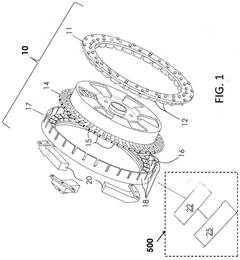
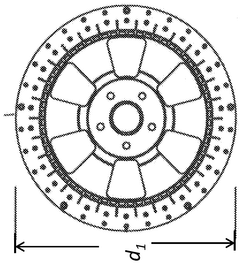
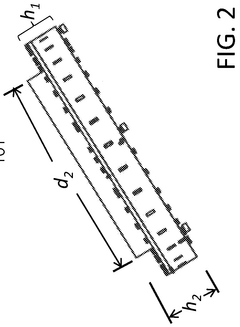
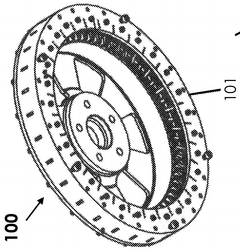
- The Grayson Kinetic Recharger (GKR) system employs Advanced Kinetic Energy Recovery Systems (AKERS) with modular, scalable designs, including Center Hub, Rear Hub, and Hubless Tire kinetic rechargers, utilizing multiple redundant generators to convert kinetic energy into electricity, storing it in ultracapacitors for extended vehicle range without the need for large batteries.
Vehicle equipped with at least one solar panel, a supercapacitor and a kinetic energy recovery system
PatentPendingEP4446148A1
Innovation
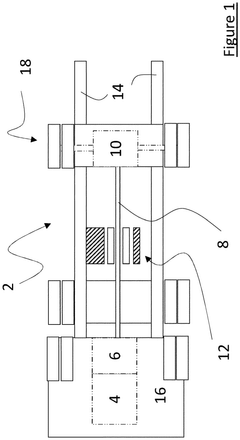
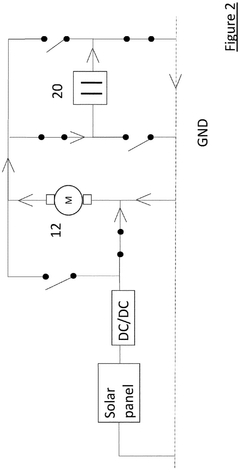
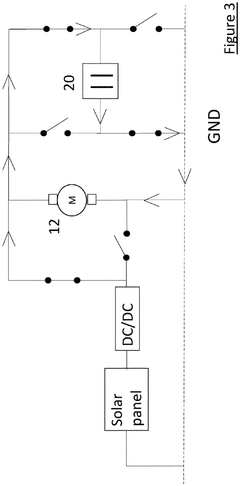
- A vehicle equipped with a kinetic energy recuperation system using a supercapacitor and solar panels connected to an electric machine on the transmission shaft, where a controller directs solar energy to either the electric machine or supercapacitor based on torque demand, optimizing energy use and storage.
KERS Environmental Impact
The environmental impact of Kinetic Energy Recovery Systems (KERS) in rural electrification is a crucial consideration for sustainable development. KERS technology, when implemented in rural areas, can significantly reduce the carbon footprint associated with electricity generation and distribution. By capturing and reusing kinetic energy that would otherwise be lost, KERS contributes to improved energy efficiency and reduced reliance on fossil fuels.
One of the primary environmental benefits of KERS in rural electrification is the potential reduction in greenhouse gas emissions. Traditional rural electrification methods often rely on diesel generators or other fossil fuel-based power sources, which contribute to air pollution and climate change. KERS, on the other hand, harnesses renewable energy from motion, providing a cleaner alternative that can help mitigate the environmental impact of rural energy consumption.
Furthermore, KERS can enhance the overall sustainability of rural power systems by reducing the need for extensive power transmission infrastructure. This minimizes land use changes and habitat disruption associated with large-scale power projects. The decentralized nature of KERS installations allows for more localized energy production, reducing transmission losses and the environmental impact of long-distance power distribution.
The scalability of KERS in rural electrification also presents opportunities for positive environmental outcomes. As the technology becomes more widespread, it can contribute to the development of micro-grids and community-based energy systems. These localized energy solutions can promote energy independence and resilience while minimizing the ecological footprint of power generation.
However, it is essential to consider the potential environmental challenges associated with KERS implementation. The production and disposal of KERS components, particularly batteries and electronic systems, must be carefully managed to prevent negative impacts on local ecosystems. Proper recycling and waste management protocols should be established to address these concerns and ensure the long-term environmental sustainability of KERS in rural areas.
Additionally, the integration of KERS with other renewable energy sources, such as solar and wind power, can further enhance its environmental benefits. This synergistic approach can lead to more stable and reliable clean energy systems, reducing the need for backup fossil fuel generators and their associated emissions.
In conclusion, the environmental impact of KERS in rural electrification is predominantly positive, offering significant potential for reducing carbon emissions, improving energy efficiency, and promoting sustainable development in rural communities. However, careful consideration must be given to the entire lifecycle of KERS installations to maximize their environmental benefits and mitigate any potential negative impacts.
One of the primary environmental benefits of KERS in rural electrification is the potential reduction in greenhouse gas emissions. Traditional rural electrification methods often rely on diesel generators or other fossil fuel-based power sources, which contribute to air pollution and climate change. KERS, on the other hand, harnesses renewable energy from motion, providing a cleaner alternative that can help mitigate the environmental impact of rural energy consumption.
Furthermore, KERS can enhance the overall sustainability of rural power systems by reducing the need for extensive power transmission infrastructure. This minimizes land use changes and habitat disruption associated with large-scale power projects. The decentralized nature of KERS installations allows for more localized energy production, reducing transmission losses and the environmental impact of long-distance power distribution.
The scalability of KERS in rural electrification also presents opportunities for positive environmental outcomes. As the technology becomes more widespread, it can contribute to the development of micro-grids and community-based energy systems. These localized energy solutions can promote energy independence and resilience while minimizing the ecological footprint of power generation.
However, it is essential to consider the potential environmental challenges associated with KERS implementation. The production and disposal of KERS components, particularly batteries and electronic systems, must be carefully managed to prevent negative impacts on local ecosystems. Proper recycling and waste management protocols should be established to address these concerns and ensure the long-term environmental sustainability of KERS in rural areas.
Additionally, the integration of KERS with other renewable energy sources, such as solar and wind power, can further enhance its environmental benefits. This synergistic approach can lead to more stable and reliable clean energy systems, reducing the need for backup fossil fuel generators and their associated emissions.
In conclusion, the environmental impact of KERS in rural electrification is predominantly positive, offering significant potential for reducing carbon emissions, improving energy efficiency, and promoting sustainable development in rural communities. However, careful consideration must be given to the entire lifecycle of KERS installations to maximize their environmental benefits and mitigate any potential negative impacts.
KERS Policy and Regulations
The development and implementation of Kinetic Energy Recovery Systems (KERS) in rural electrification projects require a comprehensive policy and regulatory framework. This framework must address various aspects of KERS deployment, including safety standards, grid integration, and environmental considerations.
At the national level, governments need to establish clear policies that promote the adoption of KERS technology in rural areas. These policies should include financial incentives, such as tax breaks or subsidies, to encourage investment in KERS infrastructure. Additionally, regulatory bodies must develop and enforce standards for KERS equipment manufacturing, installation, and maintenance to ensure safety and reliability.
Local authorities play a crucial role in implementing KERS policies at the community level. They need to create zoning regulations that accommodate KERS installations while considering land use and environmental impact. Furthermore, local governments should establish permitting processes that streamline the approval of KERS projects, reducing bureaucratic hurdles for rural electrification initiatives.
Grid integration policies are essential for the successful implementation of KERS in rural areas. Regulatory bodies must develop guidelines for connecting KERS to existing power grids, ensuring compatibility and stability. These policies should address issues such as power quality, voltage regulation, and grid synchronization to maintain the overall reliability of the electrical system.
Environmental regulations are another critical aspect of KERS policy development. Policymakers must establish guidelines for the sustainable production and disposal of KERS components, particularly focusing on battery technologies. These regulations should promote the use of environmentally friendly materials and encourage recycling programs to minimize the ecological impact of KERS deployment.
To ensure the long-term success of KERS in rural electrification, policies must also address workforce development and training. Governments should implement programs to educate and certify technicians in KERS installation, maintenance, and repair. This approach will create local job opportunities and support the sustainable operation of KERS infrastructure in rural communities.
International cooperation and standardization efforts are crucial for the global scalability of KERS technology. Policymakers should work towards establishing international standards for KERS equipment and protocols, facilitating cross-border technology transfer and reducing barriers to market entry for KERS manufacturers and service providers.
Lastly, regulatory frameworks must be adaptable to technological advancements in KERS. Policies should include provisions for regular reviews and updates to accommodate emerging technologies and evolving best practices in rural electrification. This flexibility will ensure that regulations remain relevant and supportive of KERS scalability in future-proofing rural electrification efforts.
At the national level, governments need to establish clear policies that promote the adoption of KERS technology in rural areas. These policies should include financial incentives, such as tax breaks or subsidies, to encourage investment in KERS infrastructure. Additionally, regulatory bodies must develop and enforce standards for KERS equipment manufacturing, installation, and maintenance to ensure safety and reliability.
Local authorities play a crucial role in implementing KERS policies at the community level. They need to create zoning regulations that accommodate KERS installations while considering land use and environmental impact. Furthermore, local governments should establish permitting processes that streamline the approval of KERS projects, reducing bureaucratic hurdles for rural electrification initiatives.
Grid integration policies are essential for the successful implementation of KERS in rural areas. Regulatory bodies must develop guidelines for connecting KERS to existing power grids, ensuring compatibility and stability. These policies should address issues such as power quality, voltage regulation, and grid synchronization to maintain the overall reliability of the electrical system.
Environmental regulations are another critical aspect of KERS policy development. Policymakers must establish guidelines for the sustainable production and disposal of KERS components, particularly focusing on battery technologies. These regulations should promote the use of environmentally friendly materials and encourage recycling programs to minimize the ecological impact of KERS deployment.
To ensure the long-term success of KERS in rural electrification, policies must also address workforce development and training. Governments should implement programs to educate and certify technicians in KERS installation, maintenance, and repair. This approach will create local job opportunities and support the sustainable operation of KERS infrastructure in rural communities.
International cooperation and standardization efforts are crucial for the global scalability of KERS technology. Policymakers should work towards establishing international standards for KERS equipment and protocols, facilitating cross-border technology transfer and reducing barriers to market entry for KERS manufacturers and service providers.
Lastly, regulatory frameworks must be adaptable to technological advancements in KERS. Policies should include provisions for regular reviews and updates to accommodate emerging technologies and evolving best practices in rural electrification. This flexibility will ensure that regulations remain relevant and supportive of KERS scalability in future-proofing rural electrification efforts.
Unlock deeper insights with PatSnap Eureka Quick Research — get a full tech report to explore trends and direct your research. Try now!
Generate Your Research Report Instantly with AI Agent
Supercharge your innovation with PatSnap Eureka AI Agent Platform!