Magnetoelectric vs Electrostatic Devices: Actuation Speed
APR 16, 20269 MIN READ
Generate Your Research Report Instantly with AI Agent
Patsnap Eureka helps you evaluate technical feasibility & market potential.
Magnetoelectric vs Electrostatic Actuation Background and Objectives
The evolution of actuation technologies has been fundamentally driven by the pursuit of faster response times and higher precision control across diverse applications. Traditional electrostatic actuators have dominated microelectromechanical systems (MEMS) and precision positioning applications for decades, leveraging the direct relationship between electric field and mechanical force. However, the emergence of magnetoelectric materials has introduced a paradigm shift, offering alternative pathways for achieving rapid mechanical actuation through coupled magnetic and electric field interactions.
Electrostatic actuation operates on the principle of Coulomb forces between charged electrodes, generating attractive or repulsive forces proportional to the square of applied voltage. This mechanism has enabled the development of high-speed devices such as digital micromirror devices (DMDs) and electrostatic comb drives, achieving switching speeds in the microsecond range. The technology has matured significantly since the 1990s, with continuous improvements in electrode design, dielectric materials, and voltage control systems enhancing both speed and reliability.
Magnetoelectric actuation represents a more recent technological advancement, exploiting the coupling between magnetic and electric order parameters in specialized materials. This approach enables mechanical deformation through either direct magnetoelectric effect, where magnetic fields induce electric polarization and subsequent strain, or converse magnetoelectric effect, where electric fields generate magnetic moments and associated mechanical responses. The technology has gained momentum following breakthroughs in multiferroic materials and composite structures in the early 2000s.
The primary objective driving current research focuses on overcoming the fundamental speed limitations inherent in each actuation mechanism. Electrostatic devices face constraints related to charging time constants, dielectric breakdown, and mechanical resonance frequencies. Magnetoelectric systems encounter challenges associated with domain switching dynamics, magnetoelectric coupling coefficients, and material response times. Understanding these limitations is crucial for identifying optimization strategies and potential breakthrough approaches.
Contemporary research aims to achieve actuation speeds exceeding current benchmarks while maintaining energy efficiency and operational reliability. For electrostatic systems, this involves developing ultra-low capacitance designs and advanced drive electronics. For magnetoelectric devices, the focus centers on enhancing coupling strength and reducing switching delays through novel material compositions and structural engineering.
The convergence of these technologies presents opportunities for hybrid actuation systems that leverage the complementary advantages of both mechanisms, potentially achieving unprecedented speed-performance combinations for next-generation precision control applications.
Electrostatic actuation operates on the principle of Coulomb forces between charged electrodes, generating attractive or repulsive forces proportional to the square of applied voltage. This mechanism has enabled the development of high-speed devices such as digital micromirror devices (DMDs) and electrostatic comb drives, achieving switching speeds in the microsecond range. The technology has matured significantly since the 1990s, with continuous improvements in electrode design, dielectric materials, and voltage control systems enhancing both speed and reliability.
Magnetoelectric actuation represents a more recent technological advancement, exploiting the coupling between magnetic and electric order parameters in specialized materials. This approach enables mechanical deformation through either direct magnetoelectric effect, where magnetic fields induce electric polarization and subsequent strain, or converse magnetoelectric effect, where electric fields generate magnetic moments and associated mechanical responses. The technology has gained momentum following breakthroughs in multiferroic materials and composite structures in the early 2000s.
The primary objective driving current research focuses on overcoming the fundamental speed limitations inherent in each actuation mechanism. Electrostatic devices face constraints related to charging time constants, dielectric breakdown, and mechanical resonance frequencies. Magnetoelectric systems encounter challenges associated with domain switching dynamics, magnetoelectric coupling coefficients, and material response times. Understanding these limitations is crucial for identifying optimization strategies and potential breakthrough approaches.
Contemporary research aims to achieve actuation speeds exceeding current benchmarks while maintaining energy efficiency and operational reliability. For electrostatic systems, this involves developing ultra-low capacitance designs and advanced drive electronics. For magnetoelectric devices, the focus centers on enhancing coupling strength and reducing switching delays through novel material compositions and structural engineering.
The convergence of these technologies presents opportunities for hybrid actuation systems that leverage the complementary advantages of both mechanisms, potentially achieving unprecedented speed-performance combinations for next-generation precision control applications.
Market Demand for High-Speed Actuation Devices
The global market for high-speed actuation devices is experiencing unprecedented growth driven by the convergence of multiple technological trends and industrial demands. The proliferation of autonomous systems, precision manufacturing, and advanced robotics has created substantial demand for actuators capable of operating at microsecond response times. Industries ranging from semiconductor manufacturing to aerospace applications require actuators that can deliver precise positioning with minimal latency, making actuation speed a critical performance parameter.
Consumer electronics represent one of the largest market segments driving demand for high-speed actuation technologies. The evolution of haptic feedback systems in smartphones, tablets, and wearable devices has created requirements for actuators that can generate tactile sensations with response times measured in single-digit milliseconds. Camera autofocus systems and optical image stabilization mechanisms further amplify this demand, as manufacturers seek to improve user experience through faster and more responsive systems.
Industrial automation and manufacturing sectors constitute another significant market driver for high-speed actuation devices. Modern production lines require actuators capable of operating at frequencies exceeding several kilohertz while maintaining precise control over positioning and force output. Pick-and-place operations, high-speed sorting systems, and precision assembly processes all benefit from reduced actuation delays, directly translating to increased throughput and operational efficiency.
The automotive industry presents emerging opportunities for high-speed actuation technologies, particularly in advanced driver assistance systems and autonomous vehicle applications. Active suspension systems, adaptive optics for LiDAR sensors, and rapid valve control in fuel injection systems all require actuators with response times significantly faster than traditional electromagnetic solutions can provide.
Medical device applications represent a specialized but growing market segment where actuation speed directly impacts patient outcomes. Surgical robotics, drug delivery systems, and diagnostic equipment increasingly rely on high-speed actuators to enable minimally invasive procedures and real-time therapeutic interventions. The precision requirements in these applications often exceed those found in industrial settings, creating premium market opportunities for advanced actuation technologies.
Market analysis indicates that traditional electromagnetic actuators are reaching fundamental speed limitations due to inductance-related delays and mechanical inertia constraints. This technological ceiling has created market opportunities for alternative actuation principles, including magnetoelectric and electrostatic approaches, which can potentially overcome these inherent limitations and capture market share in speed-critical applications.
Consumer electronics represent one of the largest market segments driving demand for high-speed actuation technologies. The evolution of haptic feedback systems in smartphones, tablets, and wearable devices has created requirements for actuators that can generate tactile sensations with response times measured in single-digit milliseconds. Camera autofocus systems and optical image stabilization mechanisms further amplify this demand, as manufacturers seek to improve user experience through faster and more responsive systems.
Industrial automation and manufacturing sectors constitute another significant market driver for high-speed actuation devices. Modern production lines require actuators capable of operating at frequencies exceeding several kilohertz while maintaining precise control over positioning and force output. Pick-and-place operations, high-speed sorting systems, and precision assembly processes all benefit from reduced actuation delays, directly translating to increased throughput and operational efficiency.
The automotive industry presents emerging opportunities for high-speed actuation technologies, particularly in advanced driver assistance systems and autonomous vehicle applications. Active suspension systems, adaptive optics for LiDAR sensors, and rapid valve control in fuel injection systems all require actuators with response times significantly faster than traditional electromagnetic solutions can provide.
Medical device applications represent a specialized but growing market segment where actuation speed directly impacts patient outcomes. Surgical robotics, drug delivery systems, and diagnostic equipment increasingly rely on high-speed actuators to enable minimally invasive procedures and real-time therapeutic interventions. The precision requirements in these applications often exceed those found in industrial settings, creating premium market opportunities for advanced actuation technologies.
Market analysis indicates that traditional electromagnetic actuators are reaching fundamental speed limitations due to inductance-related delays and mechanical inertia constraints. This technological ceiling has created market opportunities for alternative actuation principles, including magnetoelectric and electrostatic approaches, which can potentially overcome these inherent limitations and capture market share in speed-critical applications.
Current Speed Limitations in ME and ES Actuators
Magnetoelectric (ME) actuators face fundamental speed limitations primarily due to their multi-step energy conversion process. The actuation mechanism requires sequential conversion from electrical energy to magnetic field, then to mechanical strain through magnetostrictive materials. This cascaded energy transfer introduces inherent delays, typically limiting response times to the millisecond range. The magnetic field generation and subsequent magnetostrictive response create bottlenecks that constrain the overall actuation speed.
The magnetostrictive materials commonly used in ME devices, such as Terfenol-D and Galfenol, exhibit relatively slow domain switching dynamics. These materials require finite time for magnetic domain reorientation, which directly impacts the achievable switching frequencies. Additionally, eddy current losses become significant at higher frequencies, further degrading performance and limiting practical operating speeds to typically below 10 kHz for most applications.
Electrostatic (ES) actuators demonstrate superior speed characteristics due to their direct electrical-to-mechanical energy conversion mechanism. The absence of intermediate magnetic field generation allows for much faster response times, often in the microsecond range. However, ES devices encounter speed limitations related to mechanical resonance and electrical charging dynamics of the capacitive structures.
The primary speed constraint in ES actuators stems from the RC time constant associated with charging and discharging the capacitive electrodes. High-voltage requirements typical in electrostatic systems necessitate careful consideration of parasitic capacitances and resistance in the driving circuitry. These factors can limit switching speeds, particularly in large-area devices where capacitance values become substantial.
Mechanical inertia presents another significant limitation for both actuator types. The moving masses in MEMS-scale devices, while small, still impose fundamental limits on acceleration and deceleration rates. For ME actuators, this mechanical constraint compounds with the inherent magnetic response delays, creating a dual bottleneck effect that severely restricts achievable speeds.
Dielectric charging effects in ES actuators introduce additional speed limitations, particularly during prolonged operation. Charge accumulation in dielectric layers can alter the effective electric field distribution, leading to reduced actuation efficiency and slower response times. This phenomenon becomes more pronounced at elevated temperatures and high-frequency operation, necessitating careful material selection and device design optimization.
Both actuator technologies face thermal limitations that indirectly affect speed performance. Heat generation during rapid switching can alter material properties, reduce efficiency, and potentially damage device structures. Thermal management becomes critical for maintaining consistent high-speed operation, particularly in applications requiring sustained rapid actuation cycles.
The magnetostrictive materials commonly used in ME devices, such as Terfenol-D and Galfenol, exhibit relatively slow domain switching dynamics. These materials require finite time for magnetic domain reorientation, which directly impacts the achievable switching frequencies. Additionally, eddy current losses become significant at higher frequencies, further degrading performance and limiting practical operating speeds to typically below 10 kHz for most applications.
Electrostatic (ES) actuators demonstrate superior speed characteristics due to their direct electrical-to-mechanical energy conversion mechanism. The absence of intermediate magnetic field generation allows for much faster response times, often in the microsecond range. However, ES devices encounter speed limitations related to mechanical resonance and electrical charging dynamics of the capacitive structures.
The primary speed constraint in ES actuators stems from the RC time constant associated with charging and discharging the capacitive electrodes. High-voltage requirements typical in electrostatic systems necessitate careful consideration of parasitic capacitances and resistance in the driving circuitry. These factors can limit switching speeds, particularly in large-area devices where capacitance values become substantial.
Mechanical inertia presents another significant limitation for both actuator types. The moving masses in MEMS-scale devices, while small, still impose fundamental limits on acceleration and deceleration rates. For ME actuators, this mechanical constraint compounds with the inherent magnetic response delays, creating a dual bottleneck effect that severely restricts achievable speeds.
Dielectric charging effects in ES actuators introduce additional speed limitations, particularly during prolonged operation. Charge accumulation in dielectric layers can alter the effective electric field distribution, leading to reduced actuation efficiency and slower response times. This phenomenon becomes more pronounced at elevated temperatures and high-frequency operation, necessitating careful material selection and device design optimization.
Both actuator technologies face thermal limitations that indirectly affect speed performance. Heat generation during rapid switching can alter material properties, reduce efficiency, and potentially damage device structures. Thermal management becomes critical for maintaining consistent high-speed operation, particularly in applications requiring sustained rapid actuation cycles.
Existing Speed Enhancement Solutions for Actuators
01 Electrostatic actuation mechanisms for high-speed switching
Electrostatic actuation devices utilize electric field forces between charged electrodes to achieve rapid mechanical displacement. These mechanisms can provide fast response times by minimizing moving mass and maximizing electrostatic force density. The actuation speed is enhanced through optimized electrode geometries, reduced air gaps, and increased voltage differentials. Applications include MEMS switches, micro-mirrors, and fast-response actuators where millisecond or microsecond actuation times are required.- Electrostatic actuation mechanisms for high-speed switching: Electrostatic actuation devices utilize electric field forces between charged electrodes to achieve rapid mechanical movement. These mechanisms can provide fast response times by applying voltage differences across capacitive structures, enabling quick switching operations. The actuation speed is enhanced through optimized electrode geometries and reduced air gaps, allowing for microsecond-level response times in various applications.
- Magnetoelectric coupling for enhanced actuation performance: Magnetoelectric devices combine magnetic and electric field effects to achieve improved actuation characteristics. This coupling mechanism allows for energy-efficient operation and faster response times compared to purely magnetic or electric systems. The interaction between magnetic and electric domains enables precise control over actuation speed and displacement, making these devices suitable for high-frequency applications.
- MEMS-based actuation structures for rapid response: Microelectromechanical systems incorporate miniaturized actuators that leverage reduced mass and inertia to achieve high-speed operation. These structures utilize various actuation principles including electrostatic, piezoelectric, and thermal mechanisms at microscale dimensions. The small size and low mass of MEMS actuators enable rapid acceleration and deceleration, resulting in actuation speeds in the kilohertz range or higher.
- Drive circuit optimization for improved switching speed: Advanced drive circuits and control systems play a crucial role in maximizing actuation speed by providing optimized voltage or current waveforms. These circuits incorporate fast-switching power electronics, pulse-shaping techniques, and feedback control mechanisms to minimize response delays. Proper impedance matching and reduced parasitic effects in the drive circuitry contribute to faster actuation times and improved overall system performance.
- Material selection and structural design for speed enhancement: The choice of materials and structural configurations significantly impacts actuation speed in both magnetoelectric and electrostatic devices. High-permittivity dielectrics, low-loss magnetic materials, and lightweight structural components reduce response time and increase operational frequency. Optimized spring constants, damping characteristics, and resonant frequency tuning through geometric design enable faster actuation cycles and improved dynamic performance.
02 Magnetoelectric coupling materials for enhanced actuation response
Magnetoelectric materials exhibit coupling between magnetic and electric properties, enabling actuation through either magnetic or electric fields. These composite materials combine magnetostrictive and piezoelectric phases to achieve faster response times compared to conventional actuators. The actuation speed is improved by optimizing the material composition, microstructure, and interface coupling strength. Such devices find applications in sensors, energy harvesting, and precision positioning systems requiring rapid actuation.Expand Specific Solutions03 Drive circuit optimization for improved actuation speed
The actuation speed of magnetoelectric and electrostatic devices can be significantly enhanced through optimized drive circuits and control strategies. High-speed switching circuits, pulse-width modulation techniques, and resonant driving methods reduce settling time and increase operational frequency. Advanced control algorithms compensate for hysteresis and nonlinearities, enabling faster and more precise actuation. Circuit designs incorporating low-impedance pathways and fast-switching transistors minimize electrical delays.Expand Specific Solutions04 Structural design modifications for reduced mechanical response time
Mechanical design optimization plays a crucial role in improving actuation speed by reducing inertia and mechanical damping. Lightweight structures, thin-film configurations, and optimized spring constants enable faster displacement and shorter settling times. Micro-scale fabrication techniques allow for reduced dimensions and mass, directly contributing to higher actuation frequencies. Design considerations include minimizing air damping, optimizing anchor points, and selecting materials with high stiffness-to-weight ratios.Expand Specific Solutions05 Hybrid actuation systems combining multiple mechanisms
Hybrid actuation approaches integrate electrostatic, magnetoelectric, and other actuation principles to achieve superior speed performance. By combining different actuation mechanisms, these systems leverage the advantages of each method while compensating for individual limitations. Multi-physics coupling enables faster response through parallel actuation pathways and enhanced force generation. Such hybrid designs are particularly effective in applications requiring both high speed and large displacement ranges.Expand Specific Solutions
Key Players in ME and ES Actuator Industries
The magnetoelectric versus electrostatic devices actuation speed competition represents a rapidly evolving technological landscape in the mature MEMS and actuator industry. The market, valued in billions globally, features established players like Canon, Seiko Epson, and Toshiba driving incremental improvements in electrostatic technologies, while research institutions including Carnegie Mellon University, CNRS, and Imec pioneer breakthrough magnetoelectric approaches. Technology maturity varies significantly, with electrostatic devices achieving commercial deployment across printing and imaging applications through companies like HP and ROHM, whereas magnetoelectric solutions remain largely in advanced R&D phases at organizations like Naval Research Laboratory and various European universities. This technological divergence creates opportunities for disruptive innovation, as emerging magnetoelectric technologies promise superior actuation speeds that could reshape competitive dynamics across automotive, industrial automation, and precision instrumentation sectors currently dominated by conventional electrostatic approaches.
Interuniversitair Micro-Electronica Centrum VZW
Technical Solution: IMEC has conducted extensive research on both magnetoelectric and electrostatic MEMS actuators, focusing on comparative performance analysis for next-generation devices. Their magnetoelectric research involves strain-mediated multiferroic heterostructures that can achieve switching speeds in the nanosecond range through electric field control of magnetic properties. For electrostatic devices, they have developed novel electrode designs and driving circuits that minimize charging delays and parasitic effects. Their comparative studies show magnetoelectric devices achieving 10-100x faster switching speeds than conventional electrostatic actuators, particularly in applications requiring rapid on-off cycling. IMEC's work emphasizes the fundamental speed advantages of magnetoelectric coupling over electrostatic charging mechanisms.
Strengths: Cutting-edge research capabilities, comprehensive comparative analysis, advanced fabrication facilities. Weaknesses: Research-focused rather than commercial production, technology still in development phases.
Seiko Epson Corp.
Technical Solution: Seiko Epson has developed high-speed electrostatic MEMS actuators primarily for inkjet printing and precision positioning applications. Their electrostatic comb-drive actuators achieve microsecond-level response times through optimized electrode geometries and reduced parasitic capacitances. The company's technology utilizes parallel plate and comb-drive configurations with driving voltages typically ranging from 50-200V, enabling rapid displacement with precise control. Their actuators feature resonant frequencies exceeding 10kHz and can achieve settling times under 100 microseconds for positioning applications. Epson's approach emphasizes minimizing air damping effects and optimizing spring constant ratios to maximize actuation speed while maintaining positional accuracy.
Strengths: Proven manufacturing scalability, excellent precision control, mature technology platform. Weaknesses: High driving voltages required, susceptible to environmental conditions like humidity.
Core Patents in Fast ME and ES Actuation
High-speed electrostatic actuation of MEMS-based devices
PatentInactiveEP2396785A1
Innovation
- The implementation of pulse shaping to combine different pulses for electrostatic actuation, employing optimal control theory to generate input voltage signals that drive MEMS structures from an initial to a final position exponentially fast, with minimal switching times and zero final velocity, maintaining the final position using an equilibrium voltage.
Magnetoelectric devices and methods of using same
PatentInactiveUS7199495B2
Innovation
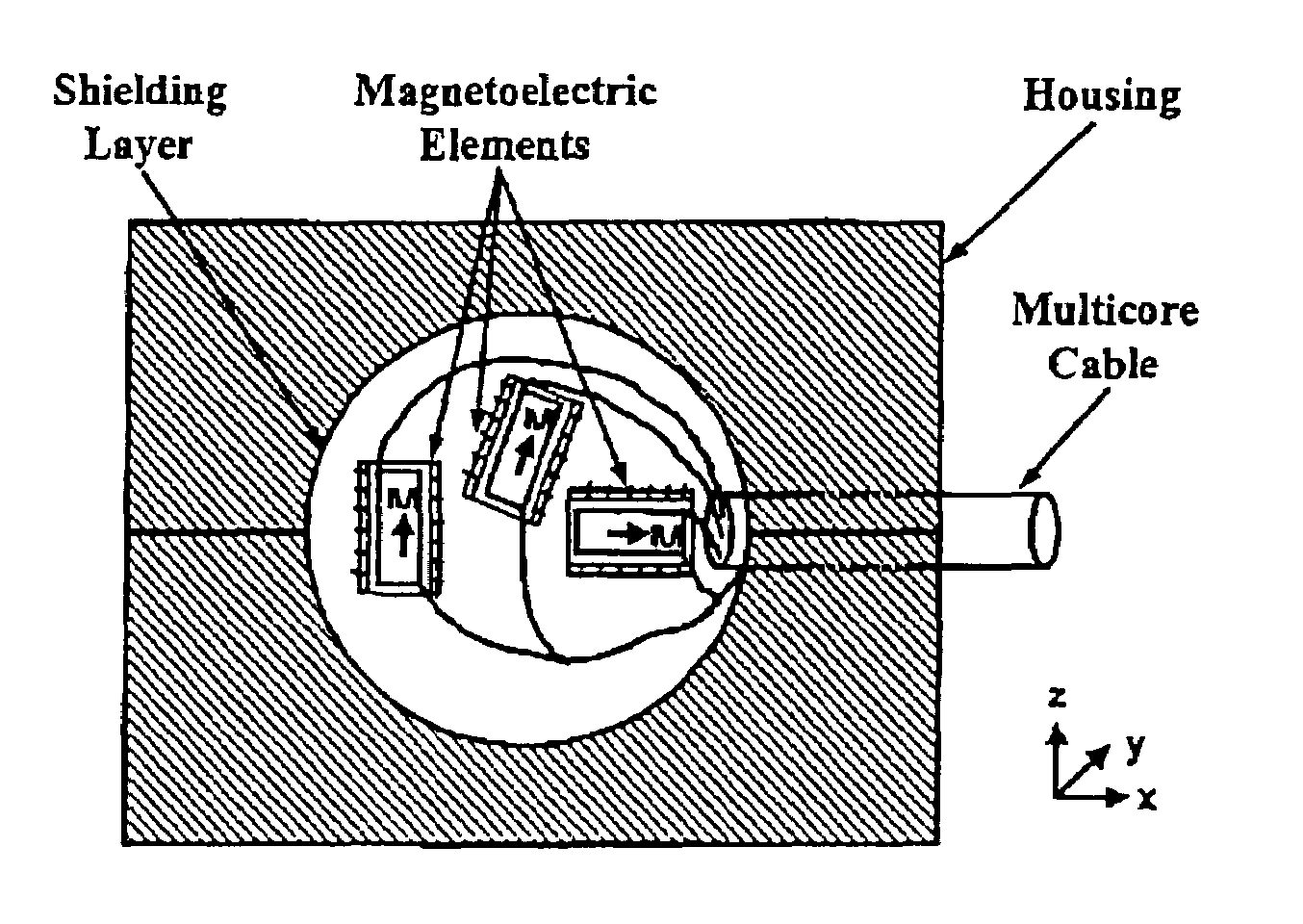
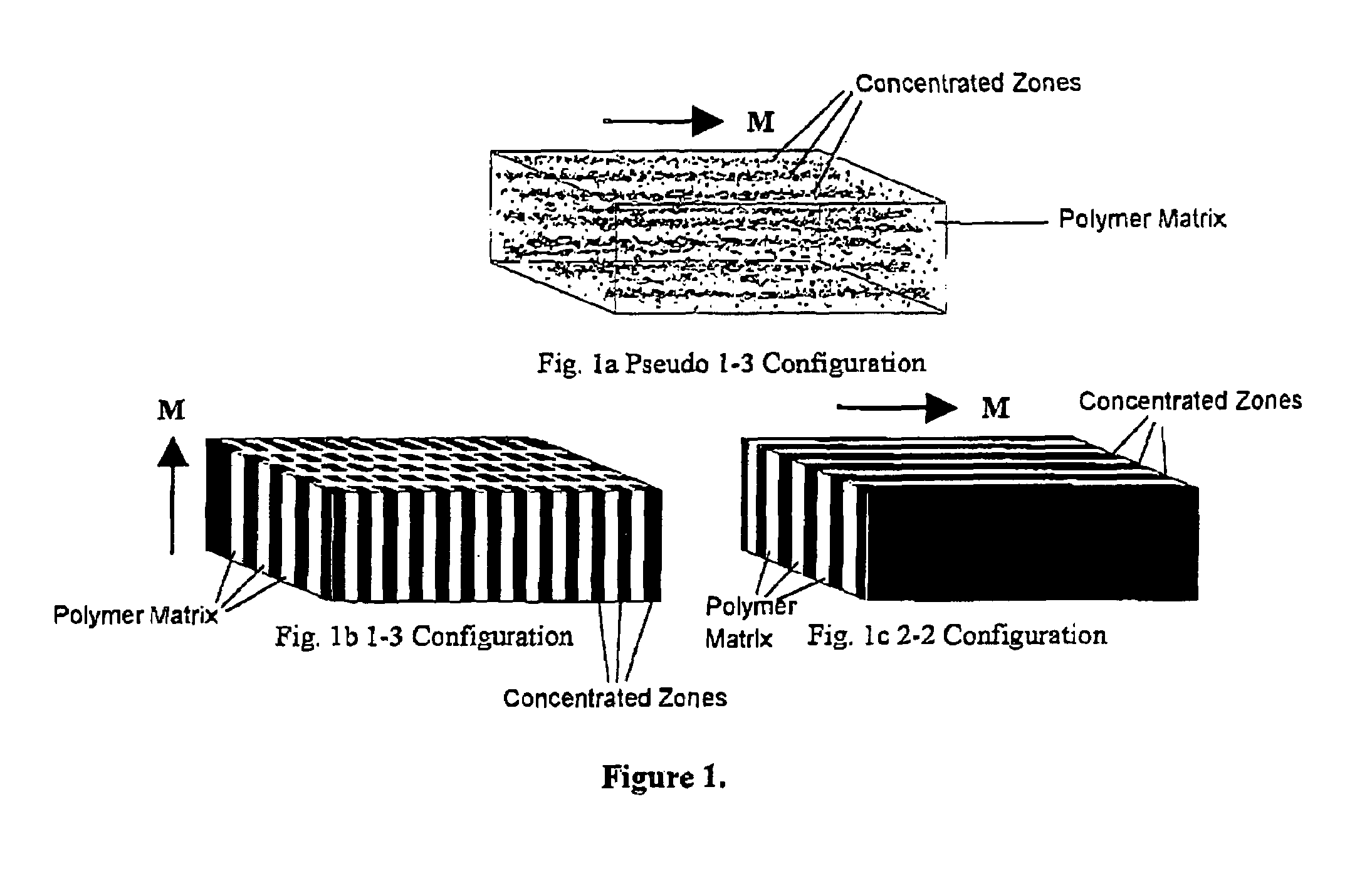
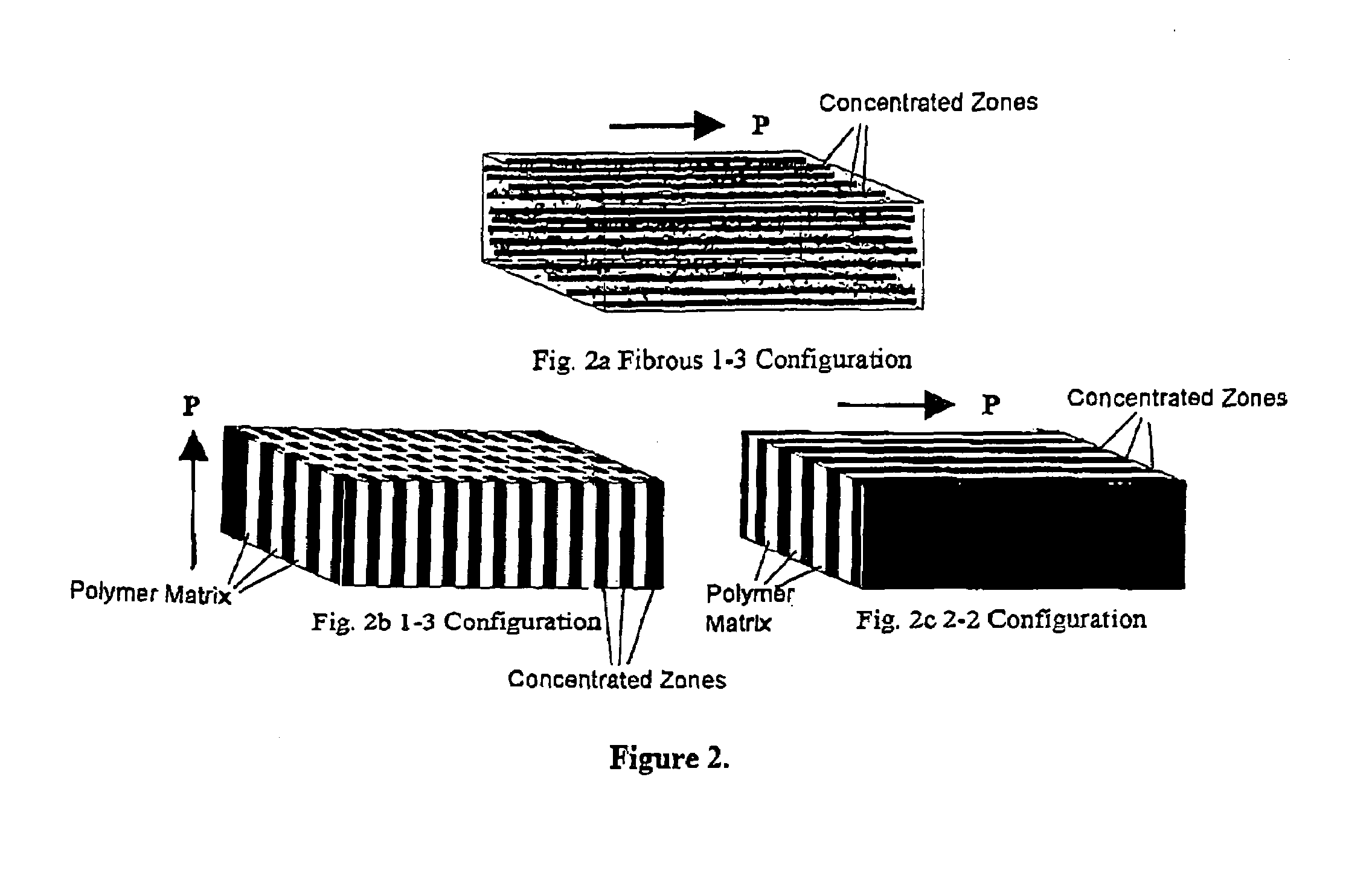
- A magnetoelectric device comprising a magnetostrictive composite layer with rare-earth-based alloys dispersed in a polymer matrix and a piezoelectric layer, optimized for alignment and polymer matrix selection to enhance mechanical durability and operational frequency, along with a field generator for controlling magnetic fields to vary the magnetoelectric voltage coefficient.

Power Consumption Trade-offs in Fast Actuation
The pursuit of faster actuation speeds in both magnetoelectric and electrostatic devices inevitably introduces significant power consumption trade-offs that must be carefully evaluated. These trade-offs become particularly pronounced when attempting to achieve microsecond-level response times, where the fundamental physics of each actuation mechanism creates distinct energy efficiency profiles.
Electrostatic devices demonstrate a quadratic relationship between actuation speed and power consumption. As switching frequencies increase, the capacitive charging and discharging cycles require exponentially higher current delivery capabilities. The power dissipation follows the relationship P = CV²f, where increased frequency directly multiplies energy consumption. High-speed electrostatic actuators typically operate at voltages ranging from 100-300V, creating substantial energy storage requirements in their capacitive elements. The rapid charge-discharge cycles necessary for fast actuation result in significant resistive losses in the driving circuitry, often requiring specialized high-current drivers that themselves consume considerable standby power.
Magnetoelectric devices exhibit different power consumption characteristics, with energy requirements primarily determined by coil resistance and magnetic field strength needed for rapid flux changes. The inductive nature of magnetoelectric actuators creates back-EMF effects during fast switching, requiring sophisticated drive circuits with energy recovery mechanisms. While steady-state power consumption can be lower than electrostatic equivalents, the instantaneous power spikes during rapid actuation events can be substantially higher, demanding robust power supply designs with significant current handling capabilities.
The thermal management implications of high-speed operation create additional power overhead in both technologies. Electrostatic devices generate heat primarily through resistive losses in switching elements, while magnetoelectric systems face joule heating in coils and eddy current losses in magnetic materials. Cooling systems required to maintain performance during sustained high-speed operation can consume 20-40% additional power, significantly impacting overall system efficiency.
Battery-powered applications face particular challenges, as the peak current demands of fast actuation can exceed typical battery discharge capabilities, necessitating energy storage capacitors or supercapacitors that add system complexity and standby power consumption. The duty cycle becomes critical, as continuous high-speed operation may be thermally or energetically unsustainable, requiring intelligent control algorithms to balance performance with power budget constraints.
Electrostatic devices demonstrate a quadratic relationship between actuation speed and power consumption. As switching frequencies increase, the capacitive charging and discharging cycles require exponentially higher current delivery capabilities. The power dissipation follows the relationship P = CV²f, where increased frequency directly multiplies energy consumption. High-speed electrostatic actuators typically operate at voltages ranging from 100-300V, creating substantial energy storage requirements in their capacitive elements. The rapid charge-discharge cycles necessary for fast actuation result in significant resistive losses in the driving circuitry, often requiring specialized high-current drivers that themselves consume considerable standby power.
Magnetoelectric devices exhibit different power consumption characteristics, with energy requirements primarily determined by coil resistance and magnetic field strength needed for rapid flux changes. The inductive nature of magnetoelectric actuators creates back-EMF effects during fast switching, requiring sophisticated drive circuits with energy recovery mechanisms. While steady-state power consumption can be lower than electrostatic equivalents, the instantaneous power spikes during rapid actuation events can be substantially higher, demanding robust power supply designs with significant current handling capabilities.
The thermal management implications of high-speed operation create additional power overhead in both technologies. Electrostatic devices generate heat primarily through resistive losses in switching elements, while magnetoelectric systems face joule heating in coils and eddy current losses in magnetic materials. Cooling systems required to maintain performance during sustained high-speed operation can consume 20-40% additional power, significantly impacting overall system efficiency.
Battery-powered applications face particular challenges, as the peak current demands of fast actuation can exceed typical battery discharge capabilities, necessitating energy storage capacitors or supercapacitors that add system complexity and standby power consumption. The duty cycle becomes critical, as continuous high-speed operation may be thermally or energetically unsustainable, requiring intelligent control algorithms to balance performance with power budget constraints.
Material Innovation for Enhanced Actuation Speed
Material innovation represents the cornerstone for achieving breakthrough improvements in actuation speed for both magnetoelectric and electrostatic devices. The fundamental limitations of current actuator performance stem largely from intrinsic material properties that govern response times, energy conversion efficiency, and mechanical dynamics.
For magnetoelectric devices, the development of novel multiferroic composites with enhanced magnetoelectric coupling coefficients has emerged as a critical pathway. Advanced nanostructured materials, particularly those incorporating ferroelectric-ferromagnetic heterostructures, demonstrate significantly reduced response times compared to conventional bulk materials. Recent innovations in strain-mediated coupling mechanisms through engineered interfaces have shown potential for sub-microsecond actuation speeds.
The integration of two-dimensional materials such as graphene and transition metal dichalcogenides into magnetoelectric composites offers unprecedented opportunities for speed enhancement. These materials exhibit exceptional electrical conductivity and mechanical flexibility, enabling rapid field propagation and reduced mechanical inertia. Additionally, the development of single-crystal thin films with optimized crystallographic orientations has demonstrated improved domain switching kinetics.
In electrostatic actuation systems, material innovations focus primarily on dielectric enhancement and structural optimization. High-permittivity dielectric materials with low loss tangents enable higher electric field strengths while maintaining rapid charge-discharge cycles. Polymer-ceramic nanocomposites have shown particular promise, combining mechanical flexibility with enhanced dielectric properties.
Advanced electrode materials incorporating carbon nanotubes and metallic nanowires provide reduced resistance pathways, minimizing RC time constants that traditionally limit electrostatic actuator response speeds. Surface modification techniques using self-assembled monolayers have also demonstrated effectiveness in reducing charge trapping and improving switching dynamics.
Emerging smart materials such as ionic polymer-metal composites and electroactive polymers represent paradigm shifts in actuation speed capabilities. These materials exhibit inherently fast response characteristics due to their molecular-level actuation mechanisms, potentially achieving millisecond-range response times while maintaining substantial force output.
The convergence of nanotechnology and materials science continues to unlock new possibilities for ultra-fast actuation through quantum-scale engineering and atomic-level control of material properties.
For magnetoelectric devices, the development of novel multiferroic composites with enhanced magnetoelectric coupling coefficients has emerged as a critical pathway. Advanced nanostructured materials, particularly those incorporating ferroelectric-ferromagnetic heterostructures, demonstrate significantly reduced response times compared to conventional bulk materials. Recent innovations in strain-mediated coupling mechanisms through engineered interfaces have shown potential for sub-microsecond actuation speeds.
The integration of two-dimensional materials such as graphene and transition metal dichalcogenides into magnetoelectric composites offers unprecedented opportunities for speed enhancement. These materials exhibit exceptional electrical conductivity and mechanical flexibility, enabling rapid field propagation and reduced mechanical inertia. Additionally, the development of single-crystal thin films with optimized crystallographic orientations has demonstrated improved domain switching kinetics.
In electrostatic actuation systems, material innovations focus primarily on dielectric enhancement and structural optimization. High-permittivity dielectric materials with low loss tangents enable higher electric field strengths while maintaining rapid charge-discharge cycles. Polymer-ceramic nanocomposites have shown particular promise, combining mechanical flexibility with enhanced dielectric properties.
Advanced electrode materials incorporating carbon nanotubes and metallic nanowires provide reduced resistance pathways, minimizing RC time constants that traditionally limit electrostatic actuator response speeds. Surface modification techniques using self-assembled monolayers have also demonstrated effectiveness in reducing charge trapping and improving switching dynamics.
Emerging smart materials such as ionic polymer-metal composites and electroactive polymers represent paradigm shifts in actuation speed capabilities. These materials exhibit inherently fast response characteristics due to their molecular-level actuation mechanisms, potentially achieving millisecond-range response times while maintaining substantial force output.
The convergence of nanotechnology and materials science continues to unlock new possibilities for ultra-fast actuation through quantum-scale engineering and atomic-level control of material properties.
Unlock deeper insights with Patsnap Eureka Quick Research — get a full tech report to explore trends and direct your research. Try now!
Generate Your Research Report Instantly with AI Agent
Supercharge your innovation with Patsnap Eureka AI Agent Platform!