

Maximize Yield In Electronics Manufacturing Using Precision Dry Room Technology
MAY 11, 20269 MIN READ
Generate Your Research Report Instantly with AI Agent
PatSnap Eureka helps you evaluate technical feasibility & market potential.
Precision Dry Room Technology Background and Manufacturing Goals
Precision dry room technology represents a critical environmental control system designed to maintain ultra-low humidity levels in manufacturing environments where moisture sensitivity poses significant risks to product quality and yield. This technology emerged from the semiconductor industry's stringent requirements for moisture control during the fabrication of integrated circuits, where even trace amounts of water vapor can cause defects, corrosion, and reliability issues.
The evolution of precision dry room technology began in the 1970s when semiconductor manufacturers recognized that atmospheric moisture was a primary contributor to device failures and reduced manufacturing yields. Early implementations focused on basic dehumidification systems, but as device geometries shrank and complexity increased, the demand for more sophisticated moisture control solutions intensified. Modern precision dry rooms can maintain relative humidity levels below 1% RH, with some specialized applications requiring dewpoint temperatures as low as -60°C.
The fundamental principle underlying precision dry room technology involves the systematic removal of moisture from both the ambient air and manufacturing materials through advanced dehumidification processes. These systems typically employ molecular sieve adsorption, refrigeration-based condensation, or membrane separation technologies to achieve the required humidity levels. The controlled environment extends beyond simple dehumidification to include temperature regulation, particulate filtration, and contamination prevention measures.
In electronics manufacturing, precision dry rooms serve multiple critical functions that directly impact yield optimization. Moisture-sensitive devices such as surface-mount components, bare die, and advanced packaging materials require storage and handling in controlled low-humidity environments to prevent moisture absorption that could lead to package cracking, delamination, or electrical failures during subsequent processing steps.
The primary manufacturing goals achieved through precision dry room implementation include maximizing product yield by eliminating moisture-induced defects, extending the shelf life of moisture-sensitive components, reducing rework and scrap rates, and ensuring consistent product quality across production batches. These objectives align with the broader industry trend toward zero-defect manufacturing and lean production methodologies.
Contemporary precision dry room technology has expanded beyond traditional semiconductor applications to encompass advanced packaging, MEMS devices, optical components, and emerging technologies such as flexible electronics and printed electronics. The integration of real-time monitoring systems, automated material handling, and predictive maintenance capabilities has transformed these facilities into intelligent manufacturing environments that can adapt to varying production requirements while maintaining optimal environmental conditions.
The evolution of precision dry room technology began in the 1970s when semiconductor manufacturers recognized that atmospheric moisture was a primary contributor to device failures and reduced manufacturing yields. Early implementations focused on basic dehumidification systems, but as device geometries shrank and complexity increased, the demand for more sophisticated moisture control solutions intensified. Modern precision dry rooms can maintain relative humidity levels below 1% RH, with some specialized applications requiring dewpoint temperatures as low as -60°C.
The fundamental principle underlying precision dry room technology involves the systematic removal of moisture from both the ambient air and manufacturing materials through advanced dehumidification processes. These systems typically employ molecular sieve adsorption, refrigeration-based condensation, or membrane separation technologies to achieve the required humidity levels. The controlled environment extends beyond simple dehumidification to include temperature regulation, particulate filtration, and contamination prevention measures.
In electronics manufacturing, precision dry rooms serve multiple critical functions that directly impact yield optimization. Moisture-sensitive devices such as surface-mount components, bare die, and advanced packaging materials require storage and handling in controlled low-humidity environments to prevent moisture absorption that could lead to package cracking, delamination, or electrical failures during subsequent processing steps.
The primary manufacturing goals achieved through precision dry room implementation include maximizing product yield by eliminating moisture-induced defects, extending the shelf life of moisture-sensitive components, reducing rework and scrap rates, and ensuring consistent product quality across production batches. These objectives align with the broader industry trend toward zero-defect manufacturing and lean production methodologies.
Contemporary precision dry room technology has expanded beyond traditional semiconductor applications to encompass advanced packaging, MEMS devices, optical components, and emerging technologies such as flexible electronics and printed electronics. The integration of real-time monitoring systems, automated material handling, and predictive maintenance capabilities has transformed these facilities into intelligent manufacturing environments that can adapt to varying production requirements while maintaining optimal environmental conditions.
Market Demand for High-Yield Electronics Manufacturing Solutions
The global electronics manufacturing industry faces unprecedented pressure to achieve higher production yields while maintaining stringent quality standards. Market demand for high-yield manufacturing solutions has intensified significantly as consumer electronics become more sophisticated and manufacturing tolerances continue to tighten. The proliferation of advanced semiconductor devices, flexible displays, and miniaturized components has created an urgent need for manufacturing environments that can consistently deliver near-perfect production outcomes.
Precision dry room technology represents a critical response to this market demand, particularly in sectors where moisture sensitivity directly impacts product reliability and manufacturing success rates. The automotive electronics segment, driven by electric vehicle adoption and autonomous driving systems, requires components with exceptional reliability standards that can only be achieved through controlled manufacturing environments. Similarly, the medical device industry demands manufacturing processes that ensure consistent quality for life-critical applications.
Market drivers extend beyond traditional quality requirements to encompass economic pressures that make yield optimization essential for competitive survival. Rising material costs, particularly for advanced substrates and rare earth elements, have made waste reduction through improved yields a strategic imperative rather than merely an operational improvement. Companies are increasingly recognizing that investments in precision environmental control systems deliver measurable returns through reduced scrap rates and enhanced product consistency.
The telecommunications infrastructure sector, particularly with ongoing deployment of advanced wireless technologies, has emerged as a significant demand driver for high-yield manufacturing solutions. Network equipment manufacturers require components that meet increasingly stringent performance specifications while maintaining cost competitiveness in global markets. This has created substantial market opportunities for precision dry room technologies that can deliver the environmental stability necessary for consistent high-yield production.
Regional market dynamics reveal varying demand patterns, with technology-intensive manufacturing hubs showing the strongest adoption rates for advanced yield optimization solutions. The convergence of Industry 4.0 initiatives with traditional manufacturing excellence programs has created additional market momentum, as companies seek integrated solutions that combine environmental control with data-driven process optimization capabilities.
Precision dry room technology represents a critical response to this market demand, particularly in sectors where moisture sensitivity directly impacts product reliability and manufacturing success rates. The automotive electronics segment, driven by electric vehicle adoption and autonomous driving systems, requires components with exceptional reliability standards that can only be achieved through controlled manufacturing environments. Similarly, the medical device industry demands manufacturing processes that ensure consistent quality for life-critical applications.
Market drivers extend beyond traditional quality requirements to encompass economic pressures that make yield optimization essential for competitive survival. Rising material costs, particularly for advanced substrates and rare earth elements, have made waste reduction through improved yields a strategic imperative rather than merely an operational improvement. Companies are increasingly recognizing that investments in precision environmental control systems deliver measurable returns through reduced scrap rates and enhanced product consistency.
The telecommunications infrastructure sector, particularly with ongoing deployment of advanced wireless technologies, has emerged as a significant demand driver for high-yield manufacturing solutions. Network equipment manufacturers require components that meet increasingly stringent performance specifications while maintaining cost competitiveness in global markets. This has created substantial market opportunities for precision dry room technologies that can deliver the environmental stability necessary for consistent high-yield production.
Regional market dynamics reveal varying demand patterns, with technology-intensive manufacturing hubs showing the strongest adoption rates for advanced yield optimization solutions. The convergence of Industry 4.0 initiatives with traditional manufacturing excellence programs has created additional market momentum, as companies seek integrated solutions that combine environmental control with data-driven process optimization capabilities.
Current State and Challenges of Moisture Control in Electronics
The electronics manufacturing industry faces significant challenges in moisture control, with humidity levels directly impacting product quality, yield rates, and manufacturing costs. Current moisture control systems in electronics facilities typically maintain relative humidity levels between 30-50%, yet many advanced semiconductor and precision component manufacturing processes require even stricter environmental conditions, often below 1% relative humidity.
Traditional moisture control approaches rely heavily on conventional HVAC systems combined with desiccant-based dehumidification technologies. These systems utilize silica gel, molecular sieves, or lithium chloride solutions to remove moisture from manufacturing environments. However, these conventional methods often struggle to achieve the ultra-low humidity levels required for advanced electronics manufacturing, particularly in processes involving hygroscopic materials, wire bonding, and advanced packaging technologies.
One of the primary technical challenges lies in achieving consistent moisture control across large manufacturing spaces while maintaining energy efficiency. Current systems frequently experience humidity fluctuations due to personnel movement, equipment heat generation, and material handling processes. These variations can lead to moisture-sensitive device failures, reduced adhesion in bonding processes, and compromised reliability of electronic components.
Energy consumption represents another critical challenge, as maintaining ultra-low humidity environments requires substantial power for continuous dehumidification, air circulation, and temperature control. Many facilities report that moisture control systems account for 40-60% of their total energy consumption, significantly impacting operational costs and sustainability goals.
Contamination control presents additional complexity, as traditional moisture removal methods can introduce particulates or chemical contaminants that compromise product quality. Cross-contamination between different manufacturing zones remains problematic, particularly in facilities producing multiple product types with varying moisture sensitivity requirements.
Geographic distribution of advanced moisture control capabilities shows concentration in established semiconductor manufacturing regions, including Taiwan, South Korea, Japan, and select locations in the United States and Europe. Emerging manufacturing regions often lack the infrastructure and expertise necessary for implementing precision moisture control systems, creating competitive disadvantages in high-value electronics production.
Current technological limitations include insufficient real-time monitoring capabilities, inadequate integration between moisture control and other environmental systems, and limited scalability of existing solutions for next-generation manufacturing requirements.
Traditional moisture control approaches rely heavily on conventional HVAC systems combined with desiccant-based dehumidification technologies. These systems utilize silica gel, molecular sieves, or lithium chloride solutions to remove moisture from manufacturing environments. However, these conventional methods often struggle to achieve the ultra-low humidity levels required for advanced electronics manufacturing, particularly in processes involving hygroscopic materials, wire bonding, and advanced packaging technologies.
One of the primary technical challenges lies in achieving consistent moisture control across large manufacturing spaces while maintaining energy efficiency. Current systems frequently experience humidity fluctuations due to personnel movement, equipment heat generation, and material handling processes. These variations can lead to moisture-sensitive device failures, reduced adhesion in bonding processes, and compromised reliability of electronic components.
Energy consumption represents another critical challenge, as maintaining ultra-low humidity environments requires substantial power for continuous dehumidification, air circulation, and temperature control. Many facilities report that moisture control systems account for 40-60% of their total energy consumption, significantly impacting operational costs and sustainability goals.
Contamination control presents additional complexity, as traditional moisture removal methods can introduce particulates or chemical contaminants that compromise product quality. Cross-contamination between different manufacturing zones remains problematic, particularly in facilities producing multiple product types with varying moisture sensitivity requirements.
Geographic distribution of advanced moisture control capabilities shows concentration in established semiconductor manufacturing regions, including Taiwan, South Korea, Japan, and select locations in the United States and Europe. Emerging manufacturing regions often lack the infrastructure and expertise necessary for implementing precision moisture control systems, creating competitive disadvantages in high-value electronics production.
Current technological limitations include insufficient real-time monitoring capabilities, inadequate integration between moisture control and other environmental systems, and limited scalability of existing solutions for next-generation manufacturing requirements.
Existing Dry Room Solutions for Electronics Manufacturing
01 Environmental control systems for precision dry rooms
Advanced environmental control systems are essential for maintaining precise humidity, temperature, and air quality conditions in dry room facilities. These systems utilize sophisticated sensors, automated feedback loops, and climate control mechanisms to ensure optimal processing conditions that directly impact yield performance.- Environmental control systems for precision dry rooms: Advanced environmental control systems are essential for maintaining precise humidity, temperature, and air quality conditions in dry room facilities. These systems incorporate sophisticated monitoring and feedback mechanisms to ensure optimal processing conditions that directly impact yield performance. The technology includes automated climate control, air filtration systems, and real-time environmental parameter adjustment capabilities.
- Moisture management and dehumidification technologies: Specialized moisture management systems are critical for achieving high yields in precision dry room operations. These technologies focus on advanced dehumidification methods, moisture detection systems, and prevention of contamination from ambient humidity. The systems employ various drying techniques and moisture control mechanisms to maintain ultra-low humidity levels required for sensitive manufacturing processes.
- Process optimization and yield enhancement methods: Comprehensive process optimization strategies are implemented to maximize yield in precision dry room environments. These methods include advanced process monitoring, quality control systems, and optimization algorithms that analyze production parameters to improve efficiency. The approaches focus on minimizing waste, reducing defects, and enhancing overall production throughput through systematic process improvements.
- Equipment design and material handling systems: Specialized equipment design and material handling systems are developed specifically for precision dry room applications to ensure optimal yield performance. These systems include contamination-free material transport, precision handling mechanisms, and equipment configurations that minimize exposure to environmental factors. The technology encompasses automated handling systems, clean room compatible equipment, and specialized storage solutions.
- Quality monitoring and control systems: Advanced quality monitoring and control systems are integrated into precision dry room operations to ensure consistent high yields. These systems provide real-time monitoring of critical parameters, automated quality assessment, and feedback control mechanisms. The technology includes sensor networks, data analytics platforms, and automated control systems that maintain optimal conditions throughout the production process.
02 Moisture management and dehumidification technologies
Specialized moisture management systems employ advanced dehumidification technologies to maintain ultra-low humidity levels required for precision manufacturing processes. These technologies include desiccant systems, condensation control, and vapor barrier implementations that prevent moisture-related defects and improve production yields.Expand Specific Solutions03 Process monitoring and quality control systems
Integrated monitoring systems provide real-time tracking of critical process parameters and environmental conditions within dry room facilities. These systems utilize advanced sensors, data analytics, and automated control mechanisms to optimize process conditions and maximize yield through continuous quality assurance.Expand Specific Solutions04 Material handling and contamination prevention
Specialized material handling systems and contamination prevention protocols are designed to maintain product integrity throughout the manufacturing process. These systems include cleanroom protocols, automated transfer mechanisms, and particle control technologies that minimize defects and enhance overall yield performance.Expand Specific Solutions05 Energy efficiency and operational optimization
Energy-efficient operational strategies and system optimization techniques are implemented to reduce operational costs while maintaining high yield performance. These approaches include heat recovery systems, optimized airflow patterns, and intelligent power management systems that balance energy consumption with production requirements.Expand Specific Solutions
Key Players in Precision Environmental Control Systems Industry
The precision dry room technology market for electronics manufacturing is experiencing rapid growth driven by increasing demand for high-quality semiconductor and electronic components. The industry is in a mature expansion phase with significant market opportunities, particularly in Asia-Pacific regions where major players like Samsung Electronics, LG Chem, and Contemporary Amperex Technology are heavily investing. Technology maturity varies across segments, with established companies like Siemens AG, Applied Materials Italia, and Micron Technology leading in advanced manufacturing solutions, while emerging players such as Ningde Amperex Technology and Shanghai Zhongwo Electronic Technology are developing specialized applications. The competitive landscape shows strong consolidation around precision control systems, with research institutions like Fraunhofer-Gesellschaft driving innovation in next-generation dry room technologies for yield optimization.
Samsung Electronics Co., Ltd.
Technical Solution: Samsung implements state-of-the-art dry room facilities in their semiconductor fabrication plants, utilizing multi-zone environmental control systems that maintain different humidity and temperature zones based on specific manufacturing requirements. Their approach includes advanced dehumidification technology, nitrogen purging systems, and sophisticated contamination control measures to maximize yield in memory chip and processor manufacturing, achieving defect rates below 0.01% in critical production areas.
Strengths: Extensive manufacturing experience, integrated supply chain control, continuous innovation in process optimization. Weaknesses: Technology primarily focused on internal use, limited external technology transfer.
Applied Materials Italia Srl
Technical Solution: Applied Materials develops advanced precision dry room technology solutions for semiconductor and electronics manufacturing, featuring integrated environmental control systems that maintain ultra-low humidity levels below 1% RH with precise temperature control within ±0.1°C. Their dry room systems incorporate advanced filtration technology, real-time monitoring sensors, and automated control algorithms to ensure optimal manufacturing conditions for moisture-sensitive components like advanced semiconductors and OLED displays.
Strengths: Industry-leading precision control, comprehensive integration capabilities, proven track record in semiconductor manufacturing. Weaknesses: High capital investment requirements, complex maintenance procedures.
Core Innovations in Precision Humidity and Contamination Control
dry room, especially for use in lithium-ion cell production
PatentInactiveDE102013016559A1
Innovation
- The drying room design allows process machines to be operated from outside, minimizing moisture entry and reducing the need for extensive dehumidification, achieved by vapor-tight construction and circulation of dry air with external dehumidification, ensuring stable environmental conditions with lower energy and maintenance costs.


System and method for precision fabrication of micro- and nano-devices and structures
PatentActiveUS20110309553A1
Innovation
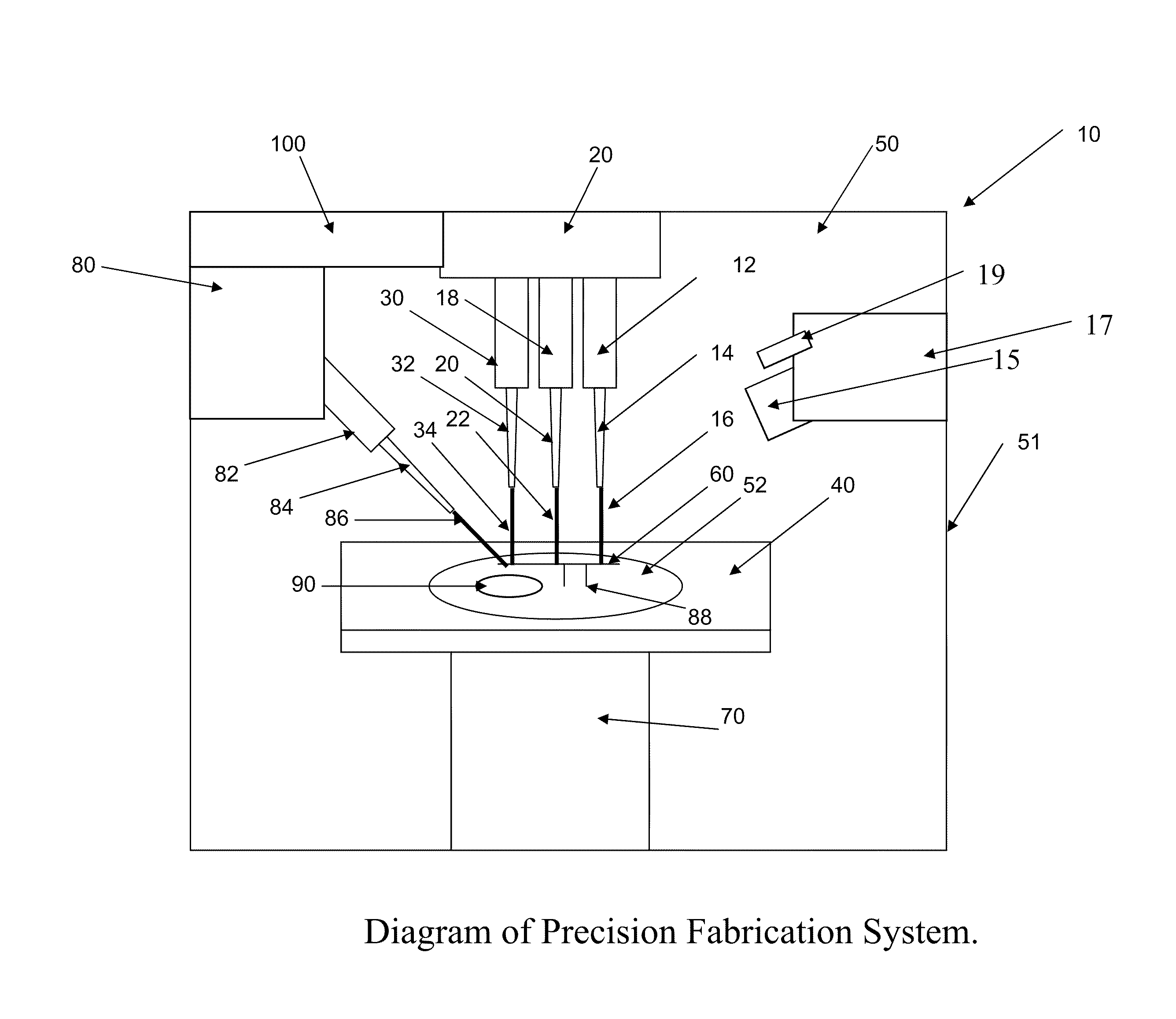
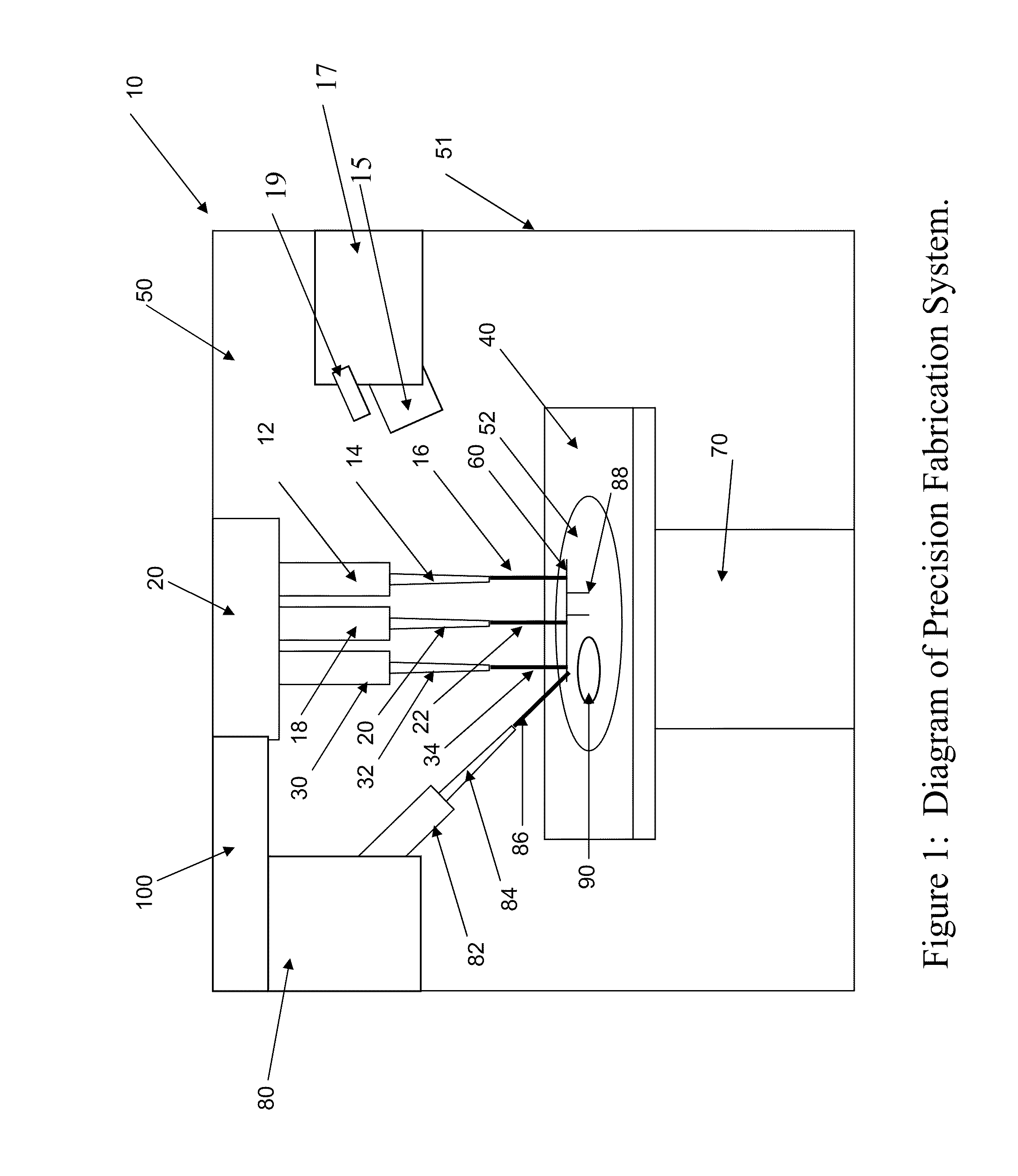
- A system and method combining femto-second laser machining, Plasma Focused-Ion Beam machining, and conventional laser machining with closed-loop control to achieve unprecedented precision and machining rates, eliminating the need for photolithography and masks, thereby enabling direct-write etching or machining with improved dimensional control and throughput.

Energy Efficiency Standards for Industrial Environmental Systems
The implementation of precision dry room technology in electronics manufacturing necessitates adherence to stringent energy efficiency standards that govern industrial environmental control systems. Current regulatory frameworks, including ISO 50001 and ASHRAE 90.1, establish baseline requirements for energy management in controlled manufacturing environments, with specific provisions for humidity control systems that maintain relative humidity levels below 1% RH.
Energy efficiency standards for dry room facilities typically mandate minimum coefficient of performance (COP) ratings of 3.5 for desiccant-based dehumidification systems and require integration of heat recovery mechanisms to capture and reuse thermal energy from the drying process. These standards also stipulate maximum allowable energy consumption per cubic meter of conditioned space, generally not exceeding 150 kWh/m³ annually for semiconductor-grade dry rooms.
Emerging standards focus on dynamic energy optimization, requiring real-time monitoring systems that adjust environmental parameters based on production schedules and ambient conditions. The International Electrotechnical Commission (IEC) has proposed new guidelines mandating variable-speed drive systems for air handling units and requiring predictive maintenance protocols to maintain optimal energy performance throughout equipment lifecycle.
Compliance with these standards involves implementing advanced control algorithms that balance energy consumption with environmental precision. Modern dry room facilities must demonstrate energy usage effectiveness (EUE) ratios below 1.8, meaning total facility energy consumption should not exceed 1.8 times the energy directly used for production equipment.
Future regulatory developments are expected to incorporate artificial intelligence-driven optimization requirements, mandating machine learning systems that continuously improve energy efficiency while maintaining the ultra-low humidity conditions essential for high-yield electronics manufacturing. These evolving standards will likely establish mandatory energy benchmarking and require facilities to achieve year-over-year efficiency improvements of at least 2% annually.
Energy efficiency standards for dry room facilities typically mandate minimum coefficient of performance (COP) ratings of 3.5 for desiccant-based dehumidification systems and require integration of heat recovery mechanisms to capture and reuse thermal energy from the drying process. These standards also stipulate maximum allowable energy consumption per cubic meter of conditioned space, generally not exceeding 150 kWh/m³ annually for semiconductor-grade dry rooms.
Emerging standards focus on dynamic energy optimization, requiring real-time monitoring systems that adjust environmental parameters based on production schedules and ambient conditions. The International Electrotechnical Commission (IEC) has proposed new guidelines mandating variable-speed drive systems for air handling units and requiring predictive maintenance protocols to maintain optimal energy performance throughout equipment lifecycle.
Compliance with these standards involves implementing advanced control algorithms that balance energy consumption with environmental precision. Modern dry room facilities must demonstrate energy usage effectiveness (EUE) ratios below 1.8, meaning total facility energy consumption should not exceed 1.8 times the energy directly used for production equipment.
Future regulatory developments are expected to incorporate artificial intelligence-driven optimization requirements, mandating machine learning systems that continuously improve energy efficiency while maintaining the ultra-low humidity conditions essential for high-yield electronics manufacturing. These evolving standards will likely establish mandatory energy benchmarking and require facilities to achieve year-over-year efficiency improvements of at least 2% annually.
Cost-Benefit Analysis of Precision Dry Room Implementation
The implementation of precision dry room technology in electronics manufacturing requires substantial capital investment, yet the financial returns demonstrate compelling justification for adoption. Initial setup costs typically range from $2-8 million depending on facility size and humidity control specifications, with Class 1 dry rooms (<1% RH) commanding premium pricing due to advanced dehumidification systems and specialized construction materials.
Capital expenditure breakdown reveals equipment costs representing 60-70% of total investment, including molecular sieve dehumidifiers, nitrogen purging systems, and environmental monitoring infrastructure. Facility modifications account for 20-25%, encompassing vapor barriers, specialized flooring, and HVAC integration. The remaining 10-15% covers installation, commissioning, and initial training programs.
Operational expenses demonstrate favorable economics over time. Energy consumption for precision dry rooms averages $0.15-0.25 per square foot monthly, significantly lower than traditional cleanroom environments. Maintenance costs remain minimal due to reduced mechanical complexity compared to particle-based contamination control systems. Personnel training requirements are streamlined, focusing primarily on humidity monitoring protocols rather than extensive cleanroom procedures.
Quantifiable benefits emerge rapidly through yield improvements and defect reduction. Electronics manufacturers typically observe 15-25% yield increases within six months of implementation, translating to substantial revenue gains. For semiconductor assembly operations processing $50 million annually, a 20% yield improvement generates $10 million additional revenue. Reduced rework costs contribute an additional 5-8% operational savings through elimination of moisture-related failures.
Return on investment calculations consistently demonstrate payback periods of 18-36 months across various manufacturing segments. High-volume operations achieve faster ROI through economies of scale, while specialized applications benefit from premium pricing enabled by superior quality metrics. Risk mitigation value, including reduced warranty claims and enhanced customer satisfaction, provides additional financial benefits that extend beyond direct manufacturing metrics.
Long-term financial advantages include extended equipment lifespan due to reduced corrosion and oxidation, lower insurance premiums through improved process control, and enhanced market positioning capabilities. These factors collectively establish precision dry room technology as a financially sound investment for electronics manufacturing operations seeking sustainable competitive advantages.
Capital expenditure breakdown reveals equipment costs representing 60-70% of total investment, including molecular sieve dehumidifiers, nitrogen purging systems, and environmental monitoring infrastructure. Facility modifications account for 20-25%, encompassing vapor barriers, specialized flooring, and HVAC integration. The remaining 10-15% covers installation, commissioning, and initial training programs.
Operational expenses demonstrate favorable economics over time. Energy consumption for precision dry rooms averages $0.15-0.25 per square foot monthly, significantly lower than traditional cleanroom environments. Maintenance costs remain minimal due to reduced mechanical complexity compared to particle-based contamination control systems. Personnel training requirements are streamlined, focusing primarily on humidity monitoring protocols rather than extensive cleanroom procedures.
Quantifiable benefits emerge rapidly through yield improvements and defect reduction. Electronics manufacturers typically observe 15-25% yield increases within six months of implementation, translating to substantial revenue gains. For semiconductor assembly operations processing $50 million annually, a 20% yield improvement generates $10 million additional revenue. Reduced rework costs contribute an additional 5-8% operational savings through elimination of moisture-related failures.
Return on investment calculations consistently demonstrate payback periods of 18-36 months across various manufacturing segments. High-volume operations achieve faster ROI through economies of scale, while specialized applications benefit from premium pricing enabled by superior quality metrics. Risk mitigation value, including reduced warranty claims and enhanced customer satisfaction, provides additional financial benefits that extend beyond direct manufacturing metrics.
Long-term financial advantages include extended equipment lifespan due to reduced corrosion and oxidation, lower insurance premiums through improved process control, and enhanced market positioning capabilities. These factors collectively establish precision dry room technology as a financially sound investment for electronics manufacturing operations seeking sustainable competitive advantages.
Unlock deeper insights with PatSnap Eureka Quick Research — get a full tech report to explore trends and direct your research. Try now!
Generate Your Research Report Instantly with AI Agent
Supercharge your innovation with PatSnap Eureka AI Agent Platform!