

Maximizing Electromagnetic Efficiency in Wireless Networks
MAR 6, 20269 MIN READ
Generate Your Research Report Instantly with AI Agent
PatSnap Eureka helps you evaluate technical feasibility & market potential.
Electromagnetic Efficiency Background and Objectives
Electromagnetic efficiency in wireless networks has emerged as a critical technological frontier driven by the exponential growth of connected devices and data traffic demands. The proliferation of Internet of Things devices, 5G networks, and emerging 6G technologies has created unprecedented challenges in managing electromagnetic spectrum utilization while maintaining optimal power consumption and signal quality.
The historical evolution of wireless communication systems reveals a consistent pattern of increasing complexity in electromagnetic management. From early analog systems operating at basic frequency bands to modern multi-input multi-output systems utilizing advanced beamforming techniques, the industry has continuously sought methods to maximize spectral efficiency while minimizing interference and power consumption.
Current wireless networks face significant electromagnetic efficiency challenges stemming from spectrum scarcity, interference management, and energy consumption constraints. The limited availability of usable frequency spectrum, combined with increasing user density in urban environments, has created bottlenecks that traditional approaches struggle to address effectively.
The primary objective of maximizing electromagnetic efficiency encompasses multiple interconnected goals. Signal-to-interference-plus-noise ratio optimization represents a fundamental target, requiring sophisticated algorithms to dynamically adjust transmission parameters based on real-time channel conditions and network topology changes.
Energy efficiency optimization constitutes another crucial objective, particularly relevant for battery-powered devices and sustainable network operations. This involves developing intelligent power management systems that can adapt transmission power levels while maintaining acceptable quality of service standards across diverse operational scenarios.
Spectrum utilization enhancement through advanced modulation schemes, cognitive radio technologies, and dynamic spectrum access mechanisms forms the third pillar of electromagnetic efficiency objectives. These approaches aim to maximize throughput per unit bandwidth while ensuring coexistence with existing wireless services.
The integration of artificial intelligence and machine learning techniques into electromagnetic efficiency optimization represents a paradigm shift toward autonomous network management. These technologies enable predictive interference mitigation, adaptive resource allocation, and real-time optimization of multiple network parameters simultaneously.
Future electromagnetic efficiency objectives extend beyond traditional metrics to encompass environmental sustainability, regulatory compliance, and support for emerging applications such as autonomous vehicles and industrial automation systems requiring ultra-reliable low-latency communications.
The historical evolution of wireless communication systems reveals a consistent pattern of increasing complexity in electromagnetic management. From early analog systems operating at basic frequency bands to modern multi-input multi-output systems utilizing advanced beamforming techniques, the industry has continuously sought methods to maximize spectral efficiency while minimizing interference and power consumption.
Current wireless networks face significant electromagnetic efficiency challenges stemming from spectrum scarcity, interference management, and energy consumption constraints. The limited availability of usable frequency spectrum, combined with increasing user density in urban environments, has created bottlenecks that traditional approaches struggle to address effectively.
The primary objective of maximizing electromagnetic efficiency encompasses multiple interconnected goals. Signal-to-interference-plus-noise ratio optimization represents a fundamental target, requiring sophisticated algorithms to dynamically adjust transmission parameters based on real-time channel conditions and network topology changes.
Energy efficiency optimization constitutes another crucial objective, particularly relevant for battery-powered devices and sustainable network operations. This involves developing intelligent power management systems that can adapt transmission power levels while maintaining acceptable quality of service standards across diverse operational scenarios.
Spectrum utilization enhancement through advanced modulation schemes, cognitive radio technologies, and dynamic spectrum access mechanisms forms the third pillar of electromagnetic efficiency objectives. These approaches aim to maximize throughput per unit bandwidth while ensuring coexistence with existing wireless services.
The integration of artificial intelligence and machine learning techniques into electromagnetic efficiency optimization represents a paradigm shift toward autonomous network management. These technologies enable predictive interference mitigation, adaptive resource allocation, and real-time optimization of multiple network parameters simultaneously.
Future electromagnetic efficiency objectives extend beyond traditional metrics to encompass environmental sustainability, regulatory compliance, and support for emerging applications such as autonomous vehicles and industrial automation systems requiring ultra-reliable low-latency communications.
Market Demand for Energy-Efficient Wireless Solutions
The global wireless communications market is experiencing unprecedented growth driven by the proliferation of connected devices and the expansion of Internet of Things applications. Mobile data traffic continues to surge exponentially, with network operators facing mounting pressure to enhance capacity while managing operational costs. This growth trajectory has intensified focus on energy consumption, as wireless networks currently account for a substantial portion of global telecommunications energy usage.
Enterprise customers across industries are increasingly prioritizing sustainability initiatives and seeking energy-efficient technology solutions to meet corporate environmental goals. Data centers, telecommunications infrastructure providers, and network equipment manufacturers face regulatory pressures and stakeholder demands for reduced carbon footprints. The convergence of environmental consciousness and economic necessity has created a compelling market pull for electromagnetic efficiency innovations.
The deployment of fifth-generation wireless networks has amplified energy efficiency concerns due to increased network density and higher frequency operations. Network operators require solutions that can deliver enhanced performance while minimizing power consumption per bit transmitted. This demand extends beyond traditional cellular networks to include private networks, industrial IoT deployments, and emerging applications in autonomous systems.
Cost optimization remains a primary driver, as energy expenses represent a significant operational expenditure for network operators. Rising electricity costs globally have intensified the economic incentive for efficiency improvements. Organizations seek technologies that can reduce total cost of ownership through lower power consumption without compromising network performance or coverage quality.
Emerging applications in smart cities, autonomous vehicles, and industrial automation require reliable wireless connectivity with stringent power constraints. These use cases demand innovative approaches to electromagnetic efficiency that can support always-on connectivity while extending battery life and reducing infrastructure energy requirements.
The market opportunity spans multiple segments including base station equipment, antenna systems, power amplifiers, and network optimization software. Equipment manufacturers are responding with advanced technologies such as massive MIMO systems, beamforming capabilities, and intelligent power management solutions designed to maximize spectral and energy efficiency simultaneously.
Enterprise customers across industries are increasingly prioritizing sustainability initiatives and seeking energy-efficient technology solutions to meet corporate environmental goals. Data centers, telecommunications infrastructure providers, and network equipment manufacturers face regulatory pressures and stakeholder demands for reduced carbon footprints. The convergence of environmental consciousness and economic necessity has created a compelling market pull for electromagnetic efficiency innovations.
The deployment of fifth-generation wireless networks has amplified energy efficiency concerns due to increased network density and higher frequency operations. Network operators require solutions that can deliver enhanced performance while minimizing power consumption per bit transmitted. This demand extends beyond traditional cellular networks to include private networks, industrial IoT deployments, and emerging applications in autonomous systems.
Cost optimization remains a primary driver, as energy expenses represent a significant operational expenditure for network operators. Rising electricity costs globally have intensified the economic incentive for efficiency improvements. Organizations seek technologies that can reduce total cost of ownership through lower power consumption without compromising network performance or coverage quality.
Emerging applications in smart cities, autonomous vehicles, and industrial automation require reliable wireless connectivity with stringent power constraints. These use cases demand innovative approaches to electromagnetic efficiency that can support always-on connectivity while extending battery life and reducing infrastructure energy requirements.
The market opportunity spans multiple segments including base station equipment, antenna systems, power amplifiers, and network optimization software. Equipment manufacturers are responding with advanced technologies such as massive MIMO systems, beamforming capabilities, and intelligent power management solutions designed to maximize spectral and energy efficiency simultaneously.
Current EM Efficiency Challenges in Wireless Networks
Wireless networks face significant electromagnetic efficiency challenges that fundamentally limit their performance and sustainability. The primary constraint stems from the inherent physics of electromagnetic wave propagation, where signal strength diminishes exponentially with distance according to the inverse square law. This phenomenon forces network operators to deploy excessive infrastructure to maintain adequate coverage, resulting in substantial energy consumption and capital expenditure.
Interference management represents another critical challenge in contemporary wireless systems. As spectrum becomes increasingly congested with multiple technologies operating simultaneously, including 5G, Wi-Fi 6, IoT devices, and legacy systems, electromagnetic interference significantly degrades signal quality and reduces overall network efficiency. The coexistence of heterogeneous networks creates complex interference patterns that are difficult to predict and mitigate effectively.
Power consumption inefficiencies plague current wireless infrastructure, particularly in base stations and access points. Traditional amplifiers and signal processing units operate at suboptimal efficiency levels, typically converting only 30-40% of input power into useful electromagnetic radiation. The remainder dissipates as heat, requiring additional cooling systems that further increase energy consumption and operational costs.
Beamforming and spatial diversity techniques, while promising, face implementation challenges that limit their effectiveness. Current massive MIMO systems struggle with channel estimation accuracy in highly mobile environments, leading to suboptimal beam steering and reduced electromagnetic efficiency. The computational complexity required for real-time beamforming optimization often exceeds practical hardware limitations.
Spectrum utilization inefficiencies persist across wireless networks due to static allocation policies and limited cognitive radio deployment. Traditional frequency planning approaches fail to adapt to dynamic traffic patterns, resulting in underutilized spectrum bands while others experience congestion. This inflexibility prevents optimal electromagnetic resource allocation and reduces overall network capacity.
Environmental factors introduce additional complexity to electromagnetic efficiency optimization. Urban environments with dense building structures create multipath propagation effects that distort signal characteristics and reduce transmission efficiency. Weather conditions, atmospheric absorption, and seasonal variations further complicate electromagnetic wave propagation, making consistent efficiency maintenance challenging across diverse deployment scenarios.
Interference management represents another critical challenge in contemporary wireless systems. As spectrum becomes increasingly congested with multiple technologies operating simultaneously, including 5G, Wi-Fi 6, IoT devices, and legacy systems, electromagnetic interference significantly degrades signal quality and reduces overall network efficiency. The coexistence of heterogeneous networks creates complex interference patterns that are difficult to predict and mitigate effectively.
Power consumption inefficiencies plague current wireless infrastructure, particularly in base stations and access points. Traditional amplifiers and signal processing units operate at suboptimal efficiency levels, typically converting only 30-40% of input power into useful electromagnetic radiation. The remainder dissipates as heat, requiring additional cooling systems that further increase energy consumption and operational costs.
Beamforming and spatial diversity techniques, while promising, face implementation challenges that limit their effectiveness. Current massive MIMO systems struggle with channel estimation accuracy in highly mobile environments, leading to suboptimal beam steering and reduced electromagnetic efficiency. The computational complexity required for real-time beamforming optimization often exceeds practical hardware limitations.
Spectrum utilization inefficiencies persist across wireless networks due to static allocation policies and limited cognitive radio deployment. Traditional frequency planning approaches fail to adapt to dynamic traffic patterns, resulting in underutilized spectrum bands while others experience congestion. This inflexibility prevents optimal electromagnetic resource allocation and reduces overall network capacity.
Environmental factors introduce additional complexity to electromagnetic efficiency optimization. Urban environments with dense building structures create multipath propagation effects that distort signal characteristics and reduce transmission efficiency. Weather conditions, atmospheric absorption, and seasonal variations further complicate electromagnetic wave propagation, making consistent efficiency maintenance challenging across diverse deployment scenarios.
Current EM Efficiency Optimization Approaches
01 Power control and transmission optimization in wireless networks
Techniques for optimizing power control and transmission parameters in wireless networks to improve electromagnetic efficiency. This includes adaptive power adjustment, dynamic transmission power control, and energy-efficient transmission schemes that reduce power consumption while maintaining network performance. Methods involve adjusting transmission power levels based on channel conditions, distance, and network load to minimize electromagnetic energy waste.- Power control and transmission optimization in wireless networks: Techniques for optimizing power control and transmission parameters in wireless networks to improve electromagnetic efficiency. This includes adaptive power adjustment, dynamic transmission power control, and energy-efficient transmission schemes that reduce unnecessary electromagnetic radiation while maintaining network performance. Methods involve monitoring signal strength, adjusting transmission power levels based on channel conditions, and implementing algorithms that balance coverage requirements with energy consumption.
- Antenna design and beamforming for improved electromagnetic efficiency: Advanced antenna configurations and beamforming techniques that enhance electromagnetic efficiency in wireless networks. This includes directional antennas, adaptive antenna arrays, and spatial signal processing methods that focus electromagnetic energy toward intended receivers rather than broadcasting omnidirectionally. These approaches reduce interference, minimize wasted electromagnetic radiation, and improve overall network energy efficiency through targeted signal delivery.
- Resource allocation and scheduling for electromagnetic efficiency: Methods for efficient allocation of network resources including time slots, frequency bands, and spatial resources to optimize electromagnetic efficiency. This encompasses dynamic resource scheduling algorithms, interference management techniques, and coordinated transmission schemes that minimize electromagnetic exposure while maximizing network capacity. Techniques include intelligent channel assignment, time-division strategies, and coordinated multi-point transmission.
- Sleep mode and duty cycling for reduced electromagnetic emissions: Implementation of sleep modes, duty cycling, and discontinuous transmission techniques in wireless network devices to reduce electromagnetic emissions during idle periods. This includes protocols for transitioning network components between active and low-power states, wake-up scheduling mechanisms, and methods for maintaining network connectivity while minimizing continuous electromagnetic radiation. These approaches significantly reduce overall electromagnetic exposure in wireless networks.
- Network topology and architecture optimization for electromagnetic efficiency: Optimization of network topology, node placement, and architectural design to improve electromagnetic efficiency in wireless networks. This includes methods for optimal base station placement, relay node positioning, and network densification strategies that reduce transmission distances and required power levels. Techniques involve coverage planning, interference mitigation through geometric arrangements, and hierarchical network structures that minimize electromagnetic radiation while ensuring adequate service quality.
02 Antenna design and beamforming for improved electromagnetic efficiency
Advanced antenna configurations and beamforming techniques that enhance electromagnetic efficiency in wireless networks. This includes directional antennas, smart antenna arrays, and adaptive beamforming systems that focus electromagnetic energy toward intended receivers, reducing interference and improving signal quality. These technologies enable more efficient use of electromagnetic spectrum and reduce overall power requirements.Expand Specific Solutions03 Resource allocation and scheduling for electromagnetic efficiency
Methods for optimizing resource allocation and scheduling in wireless networks to enhance electromagnetic efficiency. This includes intelligent frequency allocation, time-slot scheduling, and spectrum management techniques that minimize electromagnetic interference and maximize spectral efficiency. Approaches involve dynamic resource assignment based on traffic patterns, user requirements, and channel conditions to reduce unnecessary electromagnetic emissions.Expand Specific Solutions04 Energy harvesting and power management in wireless devices
Technologies for energy harvesting and power management in wireless network devices to improve overall electromagnetic efficiency. This includes techniques for capturing ambient electromagnetic energy, implementing sleep modes, and optimizing power consumption in wireless transceivers. Methods focus on reducing battery drain and extending device lifetime while maintaining network connectivity and performance.Expand Specific Solutions05 Interference mitigation and signal processing for electromagnetic efficiency
Signal processing techniques and interference mitigation strategies that enhance electromagnetic efficiency in wireless networks. This includes advanced modulation schemes, error correction coding, and interference cancellation methods that improve signal-to-noise ratio and reduce the need for high transmission power. Technologies enable more efficient use of electromagnetic spectrum by minimizing interference between network nodes and improving overall system capacity.Expand Specific Solutions
Key Players in Wireless Infrastructure and EM Solutions
The wireless network electromagnetic efficiency landscape represents a mature, rapidly expanding market driven by 5G deployment and IoT proliferation. The industry demonstrates significant technological sophistication, with established telecommunications giants like Qualcomm, Ericsson, and Nokia leading infrastructure development alongside emerging specialists such as Digital Global Systems focusing on spectrum management innovations. Technology maturity varies across segments, with companies like Apple and Intel advancing consumer device efficiency, while Comcast and DISH Wireless optimize network operations. Asian players including NTT Docomo and Chinese research institutions contribute substantial R&D capabilities. The competitive environment spans hardware manufacturers, software developers, and service providers, indicating a multi-layered ecosystem where electromagnetic optimization has become critical for network performance, energy efficiency, and spectrum utilization across diverse wireless applications.
QUALCOMM, Inc.
Technical Solution: QUALCOMM develops advanced antenna technologies including massive MIMO systems and beamforming solutions to maximize electromagnetic efficiency in 5G networks. Their Snapdragon X series modems incorporate intelligent power management algorithms that optimize RF transmission power based on channel conditions, achieving up to 40% power reduction while maintaining signal quality. The company's envelope tracking technology dynamically adjusts power amplifier supply voltage to match signal requirements, improving overall system efficiency by 25-30% compared to traditional linear amplifiers.
Strengths: Industry-leading RF expertise and comprehensive patent portfolio in wireless communications. Weaknesses: High licensing costs and dependency on semiconductor manufacturing partners.
Telefonaktiebolaget LM Ericsson
Technical Solution: Ericsson implements advanced radio resource management algorithms and intelligent antenna systems to optimize electromagnetic efficiency across cellular networks. Their AIR (Advanced Intelligent Radio) portfolio features adaptive beamforming and interference cancellation technologies that reduce power consumption by up to 35% while improving coverage. The company's machine learning-based network optimization platform continuously adjusts transmission parameters, antenna patterns, and power levels to minimize electromagnetic waste and maximize spectral efficiency in real-time network conditions.
Strengths: Comprehensive network infrastructure solutions and strong R&D capabilities in radio access technologies. Weaknesses: Limited presence in consumer device markets and high infrastructure deployment costs.
Core Patents in Electromagnetic Efficiency Enhancement
Method and apparatus for optimization of wireless multipoint electromagnetic communication networks
PatentInactiveUS20040095907A1
Innovation
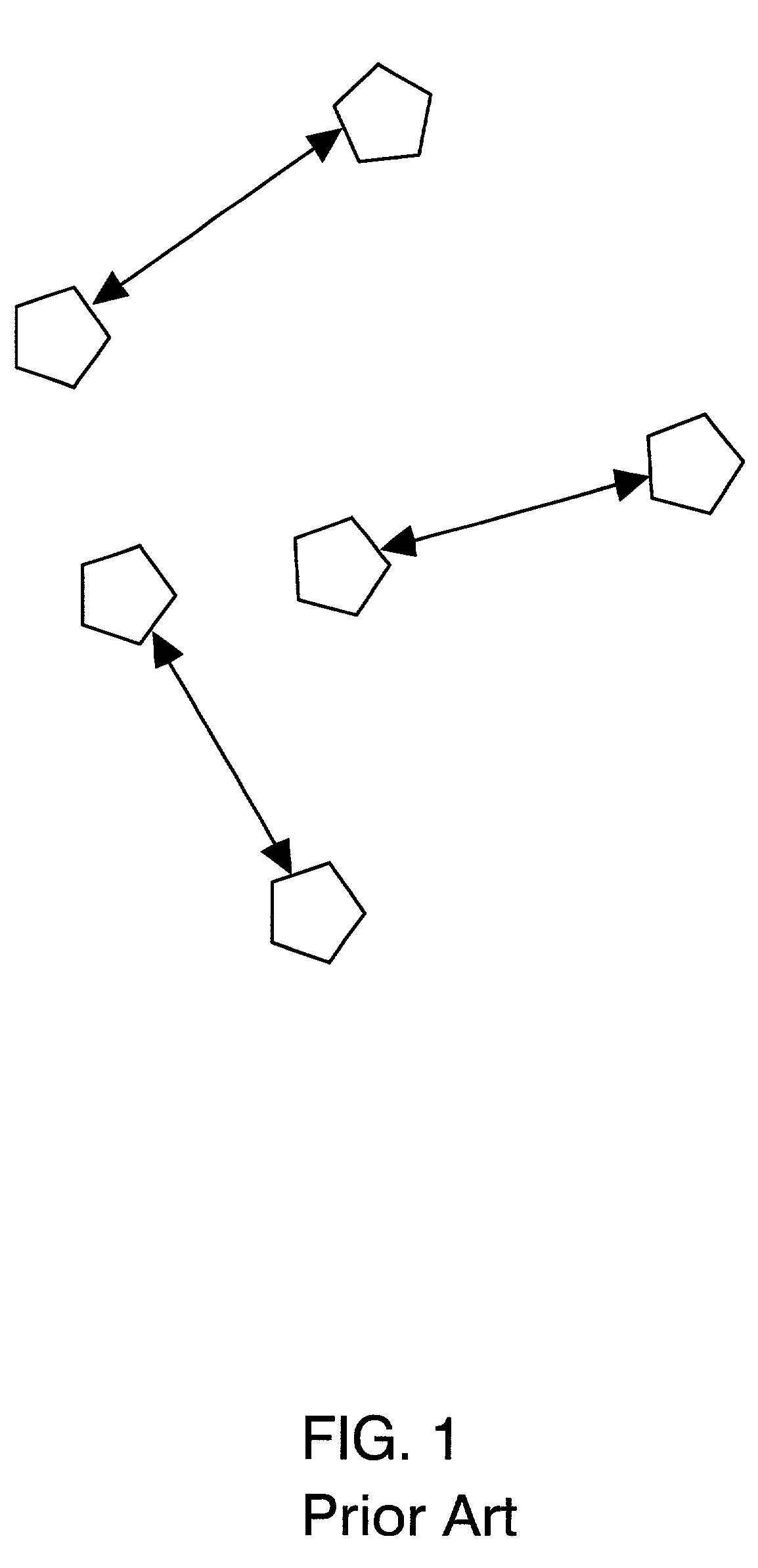
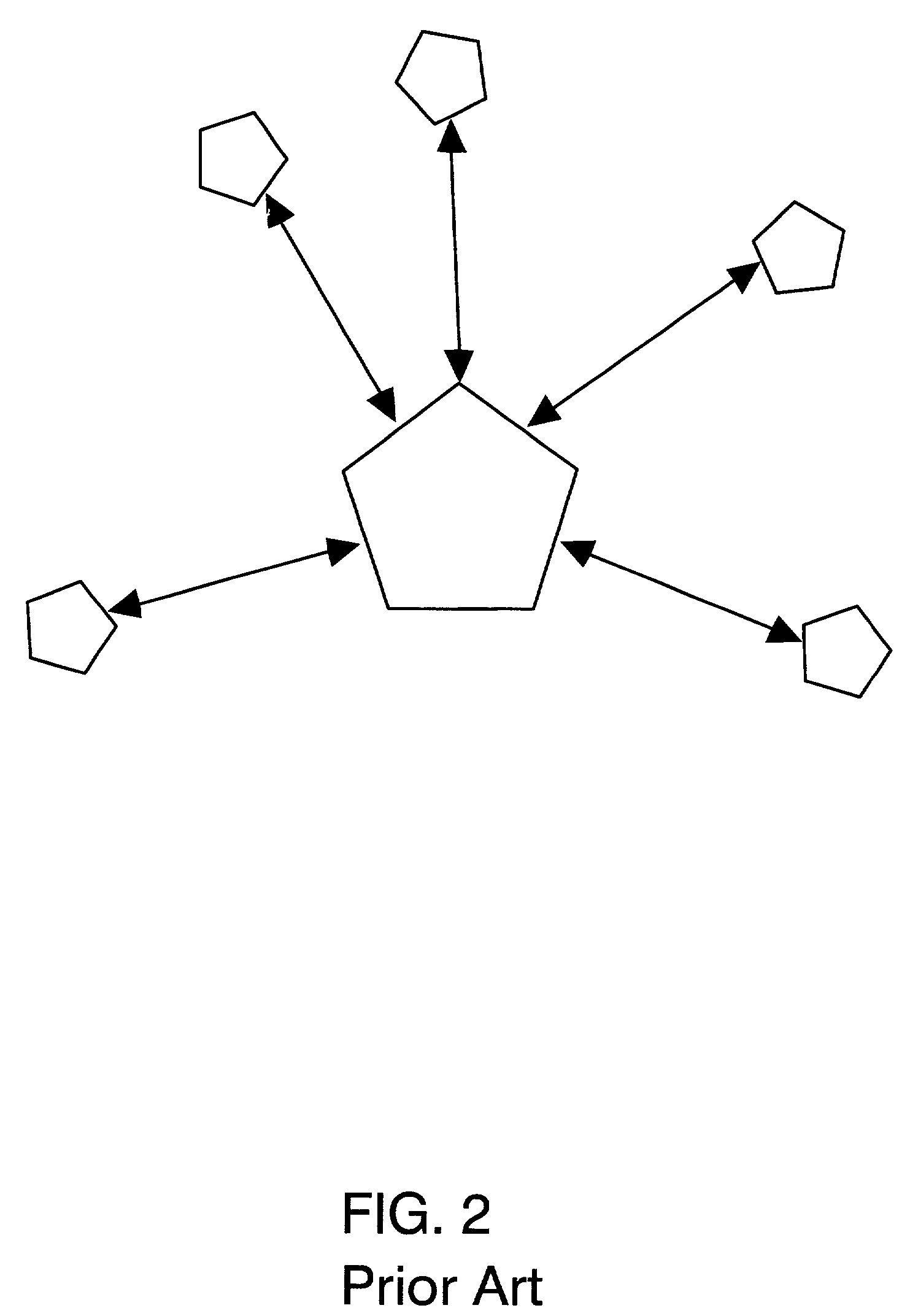
- The implementation of a multiple-input, multiple-output (MIMO) network with spatially and/or polarization diverse multiple-antenna arrays, using vector OFDM transceivers and reciprocity-based transmit and receive weights to optimize channel utilization, minimize interference, and adaptively manage power and capacity across nodes, enabling opportunistic use of multipath and diversity channels.
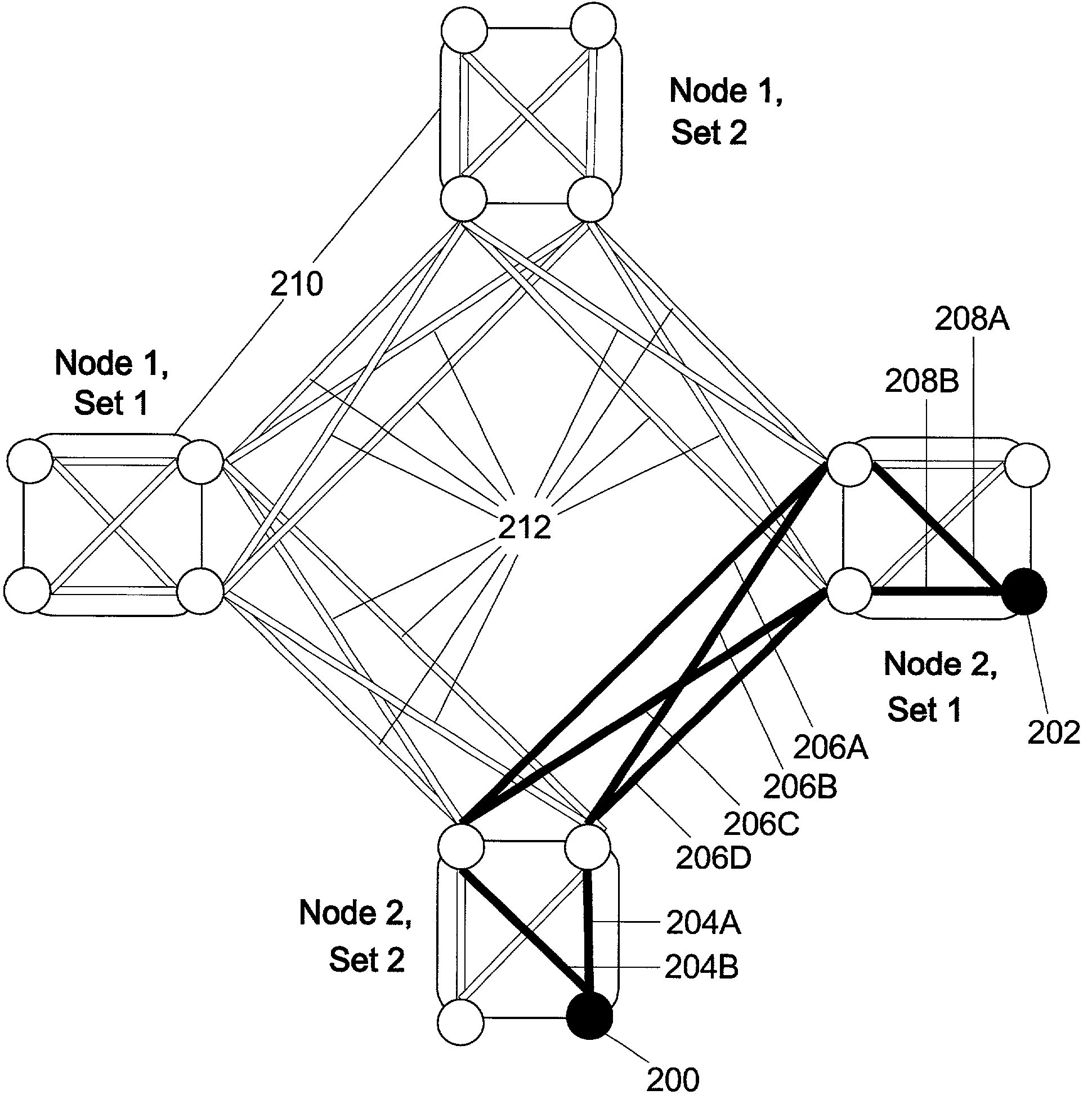

System energy efficiency in a wireless network
PatentPendingEP4199607A1
Innovation
- A device using a trained machine learning model to select the optimal configuration for network components based on real-time input data, balancing power consumption with performance metrics such as throughput and latency, by evaluating various power saving mechanisms and instructing network component operations accordingly.


Spectrum Regulation and Policy Framework
The regulatory landscape governing electromagnetic spectrum allocation represents a critical foundation for maximizing wireless network efficiency. Current spectrum management frameworks operate through a complex interplay of international coordination bodies, national regulatory authorities, and regional harmonization initiatives. The International Telecommunication Union (ITU) establishes global spectrum allocation tables and technical standards, while national regulators like the Federal Communications Commission (FCC) in the United States and Ofcom in the United Kingdom implement localized policies that balance commercial interests with public safety requirements.
Traditional command-and-control spectrum allocation approaches have increasingly given way to market-based mechanisms designed to optimize spectrum utilization. Dynamic spectrum access policies enable secondary users to opportunistically access underutilized frequency bands, while spectrum sharing frameworks facilitate coexistence between different wireless services. These regulatory innovations directly impact electromagnetic efficiency by reducing interference and enabling more intensive frequency reuse patterns.
Emerging policy frameworks are addressing the unique challenges posed by next-generation wireless technologies. Millimeter-wave spectrum regulations have been adapted to accommodate the propagation characteristics and interference patterns of 5G networks. Regulatory bodies are developing new interference protection criteria and coordination procedures that account for advanced antenna technologies, including massive MIMO and beamforming systems, which fundamentally alter traditional interference analysis methodologies.
Cross-border coordination mechanisms play an increasingly vital role as wireless networks densify and operate across national boundaries. Bilateral and multilateral agreements establish interference thresholds and coordination procedures for border regions, while regional bodies like the European Conference of Postal and Telecommunications Administrations (CEPT) develop harmonized technical conditions that facilitate equipment standardization and reduce regulatory fragmentation.
The evolution toward software-defined and cognitive radio technologies is driving regulatory adaptation in real-time spectrum management. Policies governing database-driven spectrum sharing, such as those implemented for TV white space access, establish precedents for more dynamic regulatory frameworks. These approaches enable automated interference protection and spectrum optimization, representing a paradigm shift from static allocation models toward adaptive regulatory mechanisms that can respond to changing network conditions and traffic demands.
Traditional command-and-control spectrum allocation approaches have increasingly given way to market-based mechanisms designed to optimize spectrum utilization. Dynamic spectrum access policies enable secondary users to opportunistically access underutilized frequency bands, while spectrum sharing frameworks facilitate coexistence between different wireless services. These regulatory innovations directly impact electromagnetic efficiency by reducing interference and enabling more intensive frequency reuse patterns.
Emerging policy frameworks are addressing the unique challenges posed by next-generation wireless technologies. Millimeter-wave spectrum regulations have been adapted to accommodate the propagation characteristics and interference patterns of 5G networks. Regulatory bodies are developing new interference protection criteria and coordination procedures that account for advanced antenna technologies, including massive MIMO and beamforming systems, which fundamentally alter traditional interference analysis methodologies.
Cross-border coordination mechanisms play an increasingly vital role as wireless networks densify and operate across national boundaries. Bilateral and multilateral agreements establish interference thresholds and coordination procedures for border regions, while regional bodies like the European Conference of Postal and Telecommunications Administrations (CEPT) develop harmonized technical conditions that facilitate equipment standardization and reduce regulatory fragmentation.
The evolution toward software-defined and cognitive radio technologies is driving regulatory adaptation in real-time spectrum management. Policies governing database-driven spectrum sharing, such as those implemented for TV white space access, establish precedents for more dynamic regulatory frameworks. These approaches enable automated interference protection and spectrum optimization, representing a paradigm shift from static allocation models toward adaptive regulatory mechanisms that can respond to changing network conditions and traffic demands.
Environmental Impact of EM Efficiency Improvements
The pursuit of electromagnetic efficiency improvements in wireless networks presents significant environmental benefits that extend far beyond immediate energy savings. Enhanced EM efficiency directly translates to reduced power consumption across network infrastructure, leading to substantial decreases in carbon emissions from telecommunications operations. Studies indicate that optimizing electromagnetic performance can reduce network energy consumption by 20-40%, corresponding to millions of tons of CO2 reduction annually across global wireless networks.
Energy efficiency gains from improved EM design contribute to decreased reliance on fossil fuel-based power generation. As wireless networks consume approximately 3-4% of global electricity, efficiency improvements create cascading environmental benefits throughout the energy supply chain. This reduction is particularly impactful in regions where electricity generation remains heavily dependent on coal and natural gas, amplifying the environmental significance of each percentage point of efficiency gained.
The environmental impact extends to reduced heat generation and cooling requirements in network infrastructure. Improved electromagnetic efficiency minimizes thermal losses, subsequently reducing the energy demands of cooling systems in base stations and data centers. This dual benefit creates a multiplicative effect on environmental impact reduction, as cooling systems typically account for 30-50% of total facility energy consumption.
Manufacturing and lifecycle considerations reveal additional environmental advantages. More efficient electromagnetic components often require fewer rare earth materials and exhibit longer operational lifespans, reducing the frequency of equipment replacement and associated manufacturing emissions. The reduced material intensity of high-efficiency designs contributes to lower environmental impact throughout the product lifecycle.
Electromagnetic efficiency improvements also enable network densification strategies that optimize coverage with minimal infrastructure expansion. This approach reduces the environmental footprint associated with new tower construction, land use changes, and material consumption while maintaining or improving service quality. The ability to achieve superior performance with existing infrastructure represents a significant environmental advantage in sustainable network development.
Energy efficiency gains from improved EM design contribute to decreased reliance on fossil fuel-based power generation. As wireless networks consume approximately 3-4% of global electricity, efficiency improvements create cascading environmental benefits throughout the energy supply chain. This reduction is particularly impactful in regions where electricity generation remains heavily dependent on coal and natural gas, amplifying the environmental significance of each percentage point of efficiency gained.
The environmental impact extends to reduced heat generation and cooling requirements in network infrastructure. Improved electromagnetic efficiency minimizes thermal losses, subsequently reducing the energy demands of cooling systems in base stations and data centers. This dual benefit creates a multiplicative effect on environmental impact reduction, as cooling systems typically account for 30-50% of total facility energy consumption.
Manufacturing and lifecycle considerations reveal additional environmental advantages. More efficient electromagnetic components often require fewer rare earth materials and exhibit longer operational lifespans, reducing the frequency of equipment replacement and associated manufacturing emissions. The reduced material intensity of high-efficiency designs contributes to lower environmental impact throughout the product lifecycle.
Electromagnetic efficiency improvements also enable network densification strategies that optimize coverage with minimal infrastructure expansion. This approach reduces the environmental footprint associated with new tower construction, land use changes, and material consumption while maintaining or improving service quality. The ability to achieve superior performance with existing infrastructure represents a significant environmental advantage in sustainable network development.
Unlock deeper insights with PatSnap Eureka Quick Research — get a full tech report to explore trends and direct your research. Try now!
Generate Your Research Report Instantly with AI Agent
Supercharge your innovation with PatSnap Eureka AI Agent Platform!