

Minimizing Edge Scattering In High-Resolution Electron Beam Lithography
APR 28, 20269 MIN READ
Generate Your Research Report Instantly with AI Agent
PatSnap Eureka helps you evaluate technical feasibility & market potential.
EBL Edge Scattering Background and Technical Objectives
Electron beam lithography has emerged as a cornerstone technology for nanoscale pattern fabrication since its inception in the 1960s. Initially developed for mask making in semiconductor manufacturing, EBL has evolved to become an indispensable tool for research and development in nanotechnology, quantum devices, and advanced semiconductor applications. The technology's ability to achieve sub-10 nanometer resolution has made it essential for creating prototype devices, photomasks, and specialized nanostructures that conventional optical lithography cannot produce.
The fundamental principle of EBL involves focusing a high-energy electron beam to expose electron-sensitive resist materials with nanometer precision. However, as the demand for higher resolution patterns continues to grow, particularly for applications in quantum computing, advanced memory devices, and photonic structures, the limitations imposed by electron scattering phenomena have become increasingly critical. Edge scattering represents one of the most significant challenges in achieving the ultimate resolution potential of EBL systems.
Edge scattering occurs when electrons interact with pattern boundaries, substrate interfaces, and resist edges, causing unwanted exposure in adjacent areas. This phenomenon manifests as line edge roughness, critical dimension variations, and proximity effects that degrade pattern fidelity. The scattering mechanisms include forward scattering within the resist layer, backscattering from the substrate, and secondary electron generation at material interfaces. These effects become more pronounced as feature sizes shrink below 20 nanometers, where the scattering range becomes comparable to the desired pattern dimensions.
The primary technical objective in minimizing edge scattering is to achieve consistent sub-10 nanometer pattern resolution with minimal line edge roughness and improved critical dimension uniformity. This requires developing comprehensive solutions that address both the physical scattering mechanisms and the process optimization strategies. Key targets include reducing line edge roughness to below 2 nanometers, maintaining critical dimension control within ±5% across large exposure areas, and enabling reliable patterning of high aspect ratio structures.
Advanced resist chemistry development represents another crucial objective, focusing on materials with reduced electron scattering cross-sections and improved resolution capabilities. Additionally, optimizing exposure strategies through dose modulation, proximity effect correction algorithms, and multi-pass writing techniques aims to compensate for scattering-induced distortions while maintaining acceptable throughput for practical applications.
The fundamental principle of EBL involves focusing a high-energy electron beam to expose electron-sensitive resist materials with nanometer precision. However, as the demand for higher resolution patterns continues to grow, particularly for applications in quantum computing, advanced memory devices, and photonic structures, the limitations imposed by electron scattering phenomena have become increasingly critical. Edge scattering represents one of the most significant challenges in achieving the ultimate resolution potential of EBL systems.
Edge scattering occurs when electrons interact with pattern boundaries, substrate interfaces, and resist edges, causing unwanted exposure in adjacent areas. This phenomenon manifests as line edge roughness, critical dimension variations, and proximity effects that degrade pattern fidelity. The scattering mechanisms include forward scattering within the resist layer, backscattering from the substrate, and secondary electron generation at material interfaces. These effects become more pronounced as feature sizes shrink below 20 nanometers, where the scattering range becomes comparable to the desired pattern dimensions.
The primary technical objective in minimizing edge scattering is to achieve consistent sub-10 nanometer pattern resolution with minimal line edge roughness and improved critical dimension uniformity. This requires developing comprehensive solutions that address both the physical scattering mechanisms and the process optimization strategies. Key targets include reducing line edge roughness to below 2 nanometers, maintaining critical dimension control within ±5% across large exposure areas, and enabling reliable patterning of high aspect ratio structures.
Advanced resist chemistry development represents another crucial objective, focusing on materials with reduced electron scattering cross-sections and improved resolution capabilities. Additionally, optimizing exposure strategies through dose modulation, proximity effect correction algorithms, and multi-pass writing techniques aims to compensate for scattering-induced distortions while maintaining acceptable throughput for practical applications.
Market Demand for High-Resolution EBL Applications
The semiconductor industry continues to drive unprecedented demand for high-resolution electron beam lithography (EBL) applications, particularly as device geometries shrink below 10 nanometers. Advanced processor manufacturing, memory devices, and emerging quantum computing components require precise patterning capabilities that only high-resolution EBL can deliver. The transition to extreme ultraviolet lithography has created complementary demand for EBL in mask repair, defect correction, and prototype development where edge precision directly impacts yield rates.
Photonic integrated circuits represent a rapidly expanding market segment demanding superior edge definition in EBL processes. Silicon photonics applications require waveguide structures with smooth sidewalls and minimal edge roughness to prevent optical losses. The telecommunications infrastructure upgrade to support 5G networks and data center interconnects has intensified requirements for low-loss photonic components, making edge scattering minimization a critical performance parameter.
The emerging quantum technology sector presents substantial growth opportunities for precision EBL applications. Quantum dot fabrication, superconducting qubit structures, and single-photon sources require atomic-level precision where edge scattering directly affects device functionality. Research institutions and quantum computing companies increasingly prioritize EBL systems capable of producing ultra-smooth edges to maintain quantum coherence properties.
Biomedical device manufacturing has emerged as an unexpected but significant market driver for high-resolution EBL. Microfluidic devices, biosensors, and implantable electronics require precise channel geometries and surface properties where edge quality affects fluid dynamics and biological interactions. The growing personalized medicine market demands rapid prototyping capabilities with exceptional edge control.
Advanced materials research, including metamaterials and plasmonic structures, requires EBL systems with superior edge definition capabilities. These applications often involve complex three-dimensional geometries where edge scattering can compromise optical or electromagnetic performance. The defense and aerospace sectors particularly value these capabilities for stealth technologies and advanced sensor systems.
Market growth is further accelerated by the increasing adoption of EBL in academic research institutions and government laboratories. The democratization of nanotechnology research has created demand for accessible yet high-performance EBL systems capable of producing research-grade results with minimal edge artifacts.
Photonic integrated circuits represent a rapidly expanding market segment demanding superior edge definition in EBL processes. Silicon photonics applications require waveguide structures with smooth sidewalls and minimal edge roughness to prevent optical losses. The telecommunications infrastructure upgrade to support 5G networks and data center interconnects has intensified requirements for low-loss photonic components, making edge scattering minimization a critical performance parameter.
The emerging quantum technology sector presents substantial growth opportunities for precision EBL applications. Quantum dot fabrication, superconducting qubit structures, and single-photon sources require atomic-level precision where edge scattering directly affects device functionality. Research institutions and quantum computing companies increasingly prioritize EBL systems capable of producing ultra-smooth edges to maintain quantum coherence properties.
Biomedical device manufacturing has emerged as an unexpected but significant market driver for high-resolution EBL. Microfluidic devices, biosensors, and implantable electronics require precise channel geometries and surface properties where edge quality affects fluid dynamics and biological interactions. The growing personalized medicine market demands rapid prototyping capabilities with exceptional edge control.
Advanced materials research, including metamaterials and plasmonic structures, requires EBL systems with superior edge definition capabilities. These applications often involve complex three-dimensional geometries where edge scattering can compromise optical or electromagnetic performance. The defense and aerospace sectors particularly value these capabilities for stealth technologies and advanced sensor systems.
Market growth is further accelerated by the increasing adoption of EBL in academic research institutions and government laboratories. The democratization of nanotechnology research has created demand for accessible yet high-performance EBL systems capable of producing research-grade results with minimal edge artifacts.
Current Edge Scattering Challenges in EBL Systems
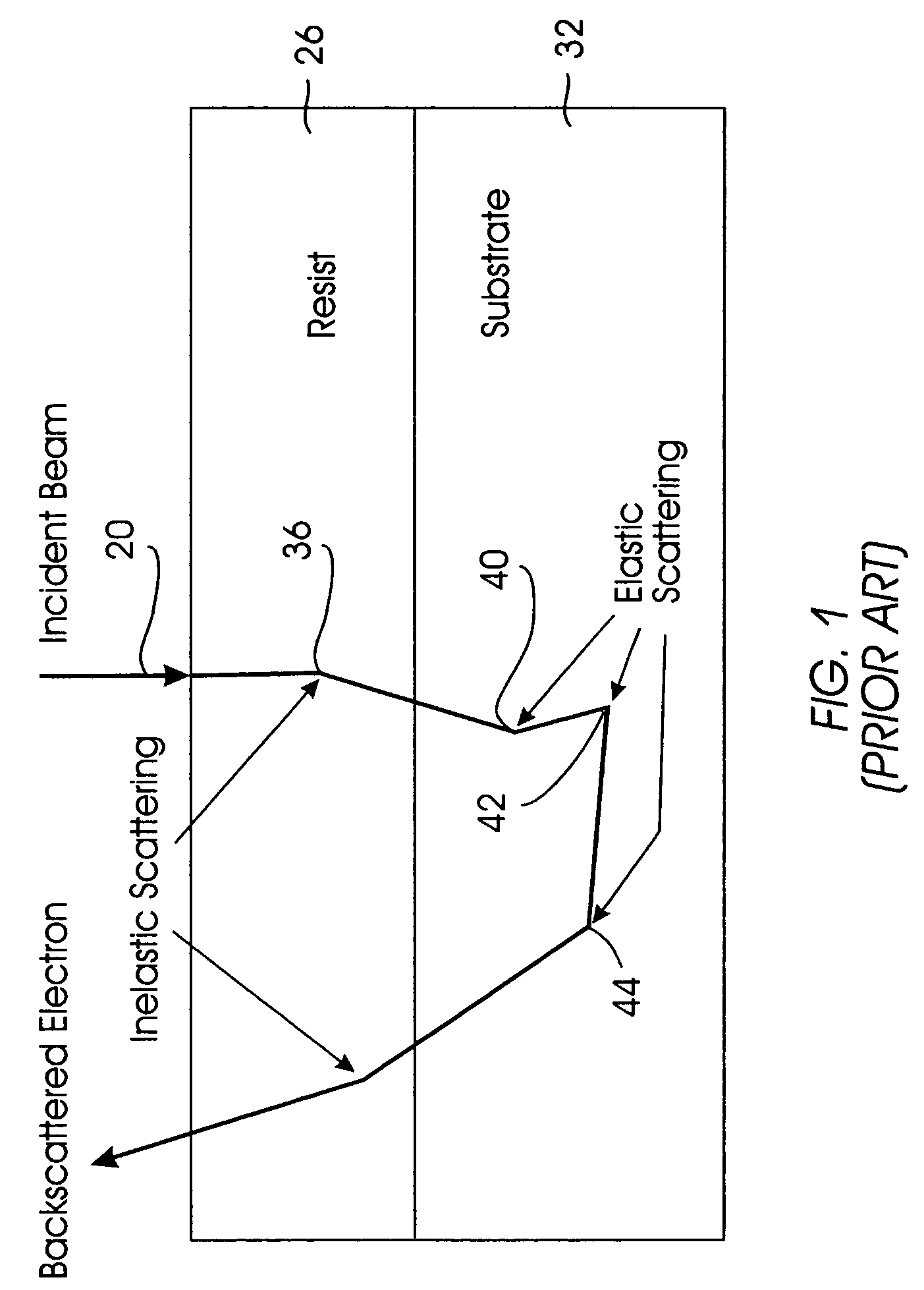
Edge scattering represents one of the most persistent and technically challenging obstacles in achieving sub-10nm resolution in electron beam lithography systems. This phenomenon occurs when primary electrons interact with resist materials and underlying substrates, generating secondary electrons that deviate from the intended exposure path. The fundamental physics behind edge scattering involves complex electron-matter interactions, including forward scattering within the resist layer and backscattering from the substrate, both contributing to pattern edge roughness and dimensional inaccuracies.
Current EBL systems face significant challenges in controlling proximity effects, which manifest as unwanted exposure of resist areas adjacent to the intended pattern boundaries. These effects become increasingly pronounced as feature sizes shrink below 20nm, where the scattering range approaches or exceeds the feature dimensions. The challenge is compounded by the stochastic nature of electron scattering, leading to shot noise effects that create random variations in edge placement and line width roughness.
Resist chemistry limitations present another critical challenge in edge scattering mitigation. Traditional chemically amplified resists exhibit acid diffusion during post-exposure baking, causing pattern edge blur that can extend several nanometers beyond the initial exposure boundary. This chemical blur combines with physical scattering effects to create composite edge roughness that severely impacts pattern fidelity. Advanced resist platforms, including molecular glass resists and inorganic resists, show promise but introduce new challenges related to sensitivity, contrast, and processing compatibility.
Substrate-induced backscattering poses particularly complex challenges in multilayer device fabrication. High atomic number materials commonly used in semiconductor devices, such as tungsten and hafnium-based compounds, generate intense backscattered electron distributions that can extend hundreds of nanometers from the primary beam impact point. This long-range scattering creates dose variations across large pattern areas, requiring sophisticated proximity effect correction algorithms that significantly increase computational overhead and writing time.
Modern EBL systems also struggle with beam-related factors that exacerbate edge scattering effects. Beam blur from chromatic and spherical aberrations, combined with space charge effects in high-current systems, creates effective beam sizes that approach or exceed the desired feature dimensions. Coulomb interactions between electrons in the beam column introduce additional stochastic variations that directly translate to edge placement errors in the final patterns.
The integration of multiple scattering mitigation techniques presents system-level challenges, as optimizations for one scattering mechanism often conflict with solutions for others. For instance, reducing resist thickness to minimize forward scattering may increase sensitivity to backscattering effects, while substrate modifications to reduce backscattering can introduce new process integration complexities in device manufacturing environments.
Current EBL systems face significant challenges in controlling proximity effects, which manifest as unwanted exposure of resist areas adjacent to the intended pattern boundaries. These effects become increasingly pronounced as feature sizes shrink below 20nm, where the scattering range approaches or exceeds the feature dimensions. The challenge is compounded by the stochastic nature of electron scattering, leading to shot noise effects that create random variations in edge placement and line width roughness.
Resist chemistry limitations present another critical challenge in edge scattering mitigation. Traditional chemically amplified resists exhibit acid diffusion during post-exposure baking, causing pattern edge blur that can extend several nanometers beyond the initial exposure boundary. This chemical blur combines with physical scattering effects to create composite edge roughness that severely impacts pattern fidelity. Advanced resist platforms, including molecular glass resists and inorganic resists, show promise but introduce new challenges related to sensitivity, contrast, and processing compatibility.
Substrate-induced backscattering poses particularly complex challenges in multilayer device fabrication. High atomic number materials commonly used in semiconductor devices, such as tungsten and hafnium-based compounds, generate intense backscattered electron distributions that can extend hundreds of nanometers from the primary beam impact point. This long-range scattering creates dose variations across large pattern areas, requiring sophisticated proximity effect correction algorithms that significantly increase computational overhead and writing time.
Modern EBL systems also struggle with beam-related factors that exacerbate edge scattering effects. Beam blur from chromatic and spherical aberrations, combined with space charge effects in high-current systems, creates effective beam sizes that approach or exceed the desired feature dimensions. Coulomb interactions between electrons in the beam column introduce additional stochastic variations that directly translate to edge placement errors in the final patterns.
The integration of multiple scattering mitigation techniques presents system-level challenges, as optimizations for one scattering mechanism often conflict with solutions for others. For instance, reducing resist thickness to minimize forward scattering may increase sensitivity to backscattering effects, while substrate modifications to reduce backscattering can introduce new process integration complexities in device manufacturing environments.
Existing Edge Scattering Mitigation Solutions
01 Proximity effect correction methods
Techniques for correcting proximity effects in electron beam lithography that arise from electron scattering. These methods involve computational algorithms and dose modulation strategies to compensate for the unwanted exposure of adjacent areas due to backscattered and forward-scattered electrons. The correction approaches include pre-distortion of pattern data and real-time adjustment of beam parameters to achieve accurate pattern transfer.- Proximity effect correction methods: Techniques for correcting proximity effects in electron beam lithography that arise from electron scattering. These methods involve computational algorithms and dose modulation strategies to compensate for the unwanted exposure caused by scattered electrons. The correction approaches include pre-distortion of pattern data, dose adjustment calculations, and iterative correction algorithms to achieve accurate pattern reproduction.
- Resist material optimization for scattering reduction: Development of specialized resist materials and processing techniques designed to minimize the impact of electron scattering effects. These approaches focus on resist chemistry modifications, thickness optimization, and multi-layer resist systems that can better control the spread of scattered electrons and improve pattern fidelity at small feature sizes.
- Beam shaping and exposure control techniques: Methods for controlling electron beam characteristics and exposure parameters to reduce edge scattering effects. These techniques include variable beam shaping, dynamic focus adjustment, and optimized scanning strategies that minimize the interaction between the electron beam and substrate materials, thereby reducing unwanted scattering phenomena.
- Substrate and backing layer modifications: Approaches involving substrate material selection and backing layer design to control electron scattering behavior. These methods include the use of specific substrate materials with favorable scattering properties, implementation of conductive backing layers, and substrate surface treatments that help minimize backscattered electron effects during lithographic exposure.
- Pattern design and layout optimization: Strategies for optimizing pattern layouts and design rules to account for electron scattering effects. These approaches involve intelligent pattern placement, feature size adjustments, and design rule modifications that consider the physical limitations imposed by electron scattering, enabling better pattern transfer accuracy and reduced edge placement errors.
02 Resist material optimization for scattering reduction
Development of specialized resist materials and processing techniques designed to minimize the impact of electron scattering effects. These approaches focus on resist chemistry modifications, thickness optimization, and substrate interactions to reduce the influence of scattered electrons on pattern fidelity. The methods include novel resist formulations and multi-layer resist systems that provide better scattering control.Expand Specific Solutions03 Beam shaping and exposure strategies
Advanced electron beam shaping techniques and exposure methodologies to control edge scattering effects. These strategies involve optimized beam profiles, variable beam shapes, and sophisticated exposure sequences that minimize scattering-induced pattern distortions. The approaches include multi-pass exposure techniques and beam current optimization for improved edge definition.Expand Specific Solutions04 Substrate and underlayer engineering
Engineering of substrate materials and underlayer structures to reduce electron backscattering and improve pattern accuracy. These techniques involve the use of specialized substrate materials, anti-reflective coatings, and engineered underlayers that minimize electron scattering effects. The methods focus on material selection and layer stack optimization to control electron interaction with the substrate.Expand Specific Solutions05 Computational modeling and simulation tools
Advanced computational methods and simulation tools for predicting and analyzing electron scattering effects in lithographic processes. These tools enable accurate modeling of electron trajectories, scattering distributions, and their impact on pattern formation. The simulation approaches include Monte Carlo methods and analytical models that help optimize lithographic processes and predict scattering-related effects.Expand Specific Solutions
Key Players in EBL Equipment and Process Industry
The electron beam lithography market for minimizing edge scattering represents a mature yet rapidly evolving sector within the semiconductor manufacturing ecosystem. The industry is currently in an advanced development stage, driven by the increasing demand for sub-nanometer precision in next-generation chip production. Market size continues expanding as AI, automotive electronics, and high-performance computing applications require more sophisticated patterning solutions. Technology maturity varies significantly across market players, with established leaders like ASML Netherlands BV and Applied Materials demonstrating advanced EUV and e-beam capabilities, while specialized firms such as Multibeam Corp. and NIL Technology ApS focus on innovative multi-column architectures and nanoimprint solutions. Asian manufacturers including Taiwan Semiconductor Manufacturing, Samsung Electronics, and NuFlare Technology have achieved substantial technological parity, particularly in production-scale implementations. Research institutions like Huazhong University of Science & Technology and Columbia University contribute fundamental breakthroughs in edge scattering mitigation techniques, while emerging players like Aselta Nanographics develop specialized software solutions for proximity effect correction, indicating a competitive landscape balancing established capabilities with disruptive innovations.
ASML Netherlands BV
Technical Solution: ASML develops advanced electron beam lithography systems with sophisticated proximity effect correction algorithms and multi-pass exposure strategies to minimize edge scattering. Their EBL systems incorporate real-time dose modulation techniques that compensate for forward and backscattering effects by adjusting electron beam parameters dynamically during exposure. The company's approach includes optimized resist chemistry integration and precise beam shaping technologies that reduce edge roughness to sub-nanometer levels. Their systems feature advanced pattern fragmentation algorithms that minimize stitching errors and edge placement accuracy issues through intelligent shot placement optimization.
Strengths: Industry-leading precision in lithography systems, extensive R&D resources, strong market position. Weaknesses: High system costs, complex integration requirements, limited flexibility for specialized applications.
Tokyo Electron Ltd.
Technical Solution: Tokyo Electron develops comprehensive solutions for minimizing edge scattering in electron beam lithography through integrated process optimization. Their approach combines advanced resist processing equipment with specialized thermal treatment systems that enhance resist contrast and reduce line edge roughness. The company's technology includes plasma-based surface treatment processes that modify substrate properties to reduce backscattering effects. TEL's systems feature precise temperature and chemical control during resist development processes, which significantly impacts final edge quality. Their integrated approach addresses both exposure and post-exposure processing parameters to achieve optimal edge definition.
Strengths: Comprehensive process integration capabilities, strong semiconductor equipment portfolio, established customer relationships. Weaknesses: Less specialized in pure EBL technology, faces competition from dedicated lithography companies, complex system integration challenges.
Core Innovations in Electron Scattering Control
Minimization of electron fogging in electron beam lithography
PatentInactiveEP1200979B1
Innovation
- An electron beam column with a shield assembly comprising conically shaped vanes made of low-density, low-atomic-number materials, where each vane has a sharp edge terminating with a subtended acute angle, pointing towards the incident point to minimize the area for reflection and direct scattered electrons into absorption chambers.


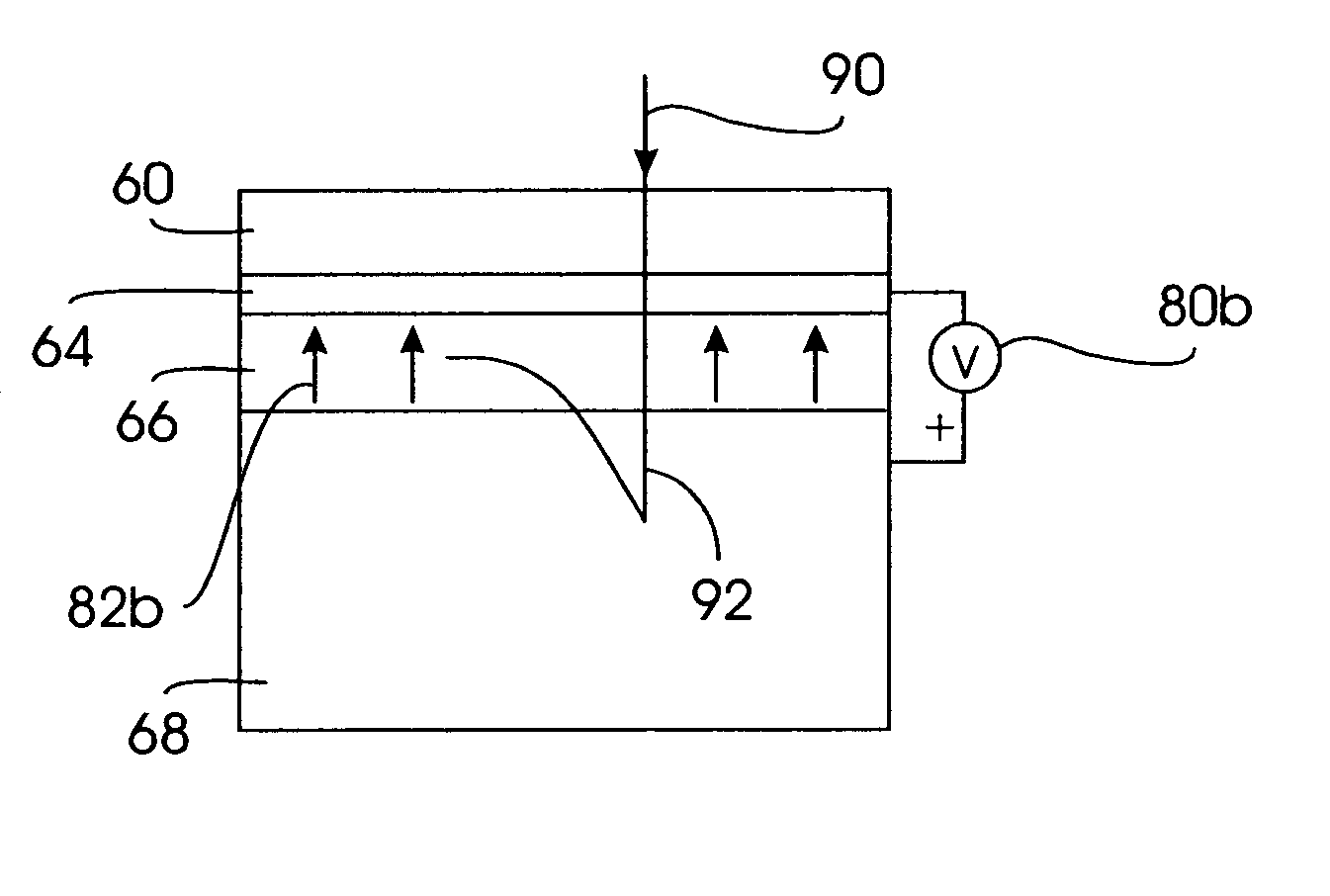
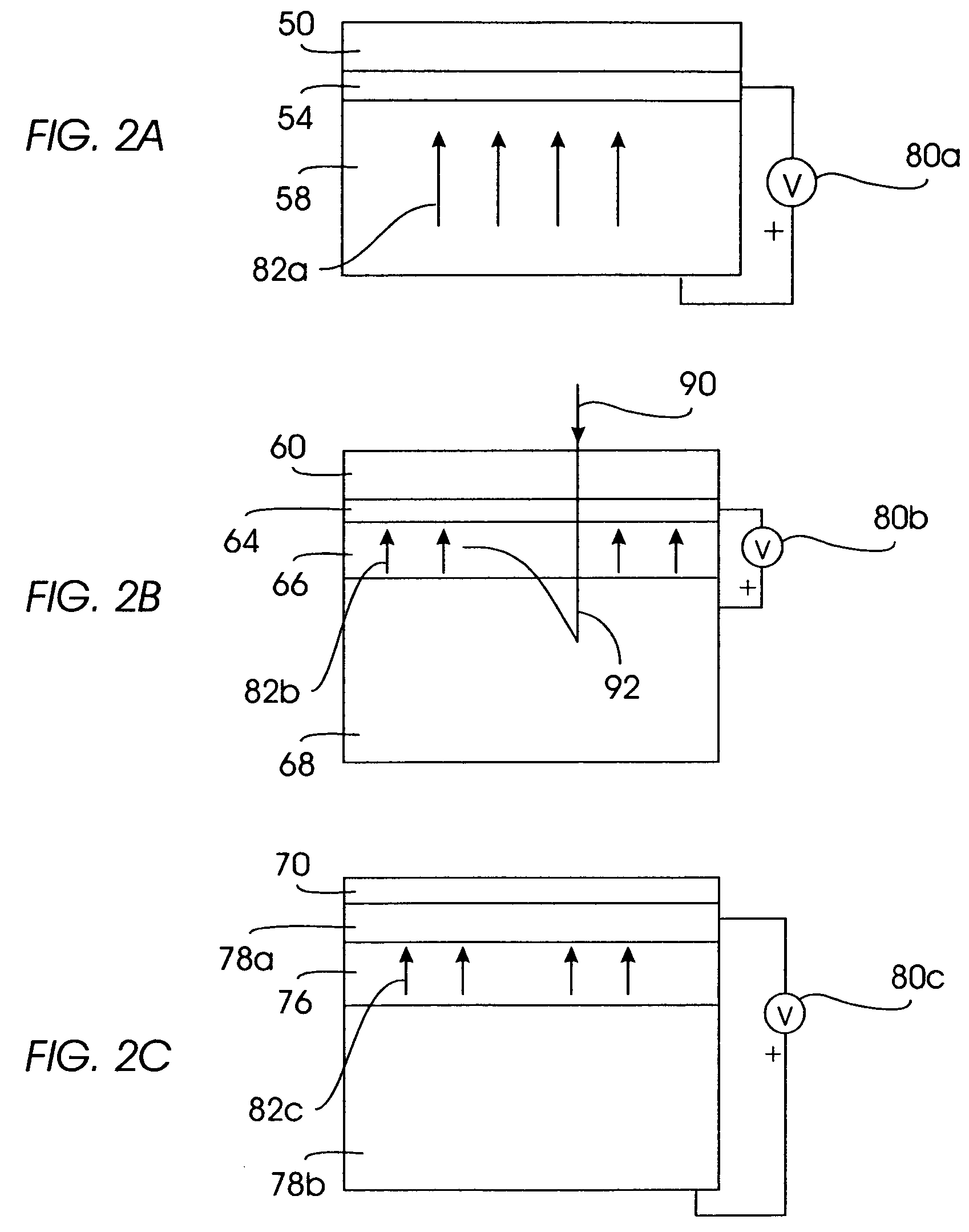
Method for reducing proximity effects in electron beam lithography
PatentInactiveUS7038204B2
Innovation
- Applying an electric field in the region where detrimental electron backscattering occurs, deflecting backscattered electrons and reducing the energy deposited in the resist, thereby reducing proximity effects without requiring high potentials or degrading electron optical performance.

Semiconductor Manufacturing Standards for EBL
The semiconductor industry has established comprehensive manufacturing standards for electron beam lithography (EBL) to address edge scattering challenges and ensure consistent high-resolution patterning across production environments. These standards encompass critical parameters including beam energy specifications, substrate preparation protocols, and resist material qualifications that directly impact edge roughness and pattern fidelity.
International standards organizations, particularly SEMI and ISO, have developed specific guidelines for EBL systems operating in semiconductor manufacturing. The SEMI E142 standard defines measurement methodologies for electron beam parameters, while ISO 23312 establishes protocols for pattern placement accuracy and edge definition quality. These standards mandate maximum allowable edge roughness values of 2-3 nanometers for critical dimension features below 10 nanometers.
Substrate preparation standards require atomically clean surfaces with specific surface roughness parameters to minimize scattering sources. The standards specify cleaning procedures using standardized chemical solutions and plasma treatments, followed by metrology verification using atomic force microscopy. Surface contamination levels must remain below 10^10 atoms per square centimeter to prevent localized charging effects that contribute to edge scattering.
Resist material standards define molecular weight distributions, glass transition temperatures, and dissolution characteristics that influence edge quality. Qualified resist formulations must demonstrate consistent performance across specified dose ranges while maintaining edge roughness within acceptable limits. The standards also establish protocols for resist storage, handling, and application to ensure reproducible results.
Calibration and maintenance standards require regular verification of beam current stability, focus accuracy, and stage positioning precision. These protocols include daily beam current measurements with variations limited to ±2%, weekly focus calibration using standardized test patterns, and monthly stage accuracy verification with positioning errors below 1 nanometer. Environmental control standards specify cleanroom classifications, temperature stability within ±0.1°C, and vibration isolation requirements to maintain optimal lithographic conditions for minimizing edge scattering effects.
International standards organizations, particularly SEMI and ISO, have developed specific guidelines for EBL systems operating in semiconductor manufacturing. The SEMI E142 standard defines measurement methodologies for electron beam parameters, while ISO 23312 establishes protocols for pattern placement accuracy and edge definition quality. These standards mandate maximum allowable edge roughness values of 2-3 nanometers for critical dimension features below 10 nanometers.
Substrate preparation standards require atomically clean surfaces with specific surface roughness parameters to minimize scattering sources. The standards specify cleaning procedures using standardized chemical solutions and plasma treatments, followed by metrology verification using atomic force microscopy. Surface contamination levels must remain below 10^10 atoms per square centimeter to prevent localized charging effects that contribute to edge scattering.
Resist material standards define molecular weight distributions, glass transition temperatures, and dissolution characteristics that influence edge quality. Qualified resist formulations must demonstrate consistent performance across specified dose ranges while maintaining edge roughness within acceptable limits. The standards also establish protocols for resist storage, handling, and application to ensure reproducible results.
Calibration and maintenance standards require regular verification of beam current stability, focus accuracy, and stage positioning precision. These protocols include daily beam current measurements with variations limited to ±2%, weekly focus calibration using standardized test patterns, and monthly stage accuracy verification with positioning errors below 1 nanometer. Environmental control standards specify cleanroom classifications, temperature stability within ±0.1°C, and vibration isolation requirements to maintain optimal lithographic conditions for minimizing edge scattering effects.
Environmental Impact of Advanced EBL Processes
Advanced electron beam lithography (EBL) processes designed to minimize edge scattering present significant environmental considerations that extend beyond traditional semiconductor manufacturing impacts. The pursuit of higher resolution and reduced edge effects necessitates sophisticated process modifications that introduce new environmental challenges requiring comprehensive assessment and mitigation strategies.
Energy consumption represents a primary environmental concern in advanced EBL systems. High-resolution processes demand increased beam current stability, extended exposure times, and enhanced vacuum requirements, resulting in substantially higher power consumption compared to conventional lithography methods. The need for ultra-stable electron sources and precision control systems further amplifies energy demands, with some advanced systems consuming 30-40% more power than standard EBL equipment.
Chemical waste generation intensifies with advanced resist systems specifically formulated for edge scattering reduction. These specialized resists often incorporate novel polymer matrices and additives that require unique disposal protocols. The development and processing of chemically amplified resists (CARs) optimized for minimal edge roughness generate complex organic waste streams containing proprietary compounds with limited recycling pathways.
Atmospheric emissions from advanced EBL processes include volatile organic compounds (VOCs) released during resist processing and specialized cleaning procedures. Edge scattering mitigation techniques frequently employ aggressive plasma treatments and chemical etching steps that produce fluorinated gases and other greenhouse gas emissions. The implementation of proximity effect correction algorithms also necessitates multiple exposure passes, proportionally increasing emission volumes.
Water consumption and contamination present additional environmental challenges. Advanced resist development and cleaning processes require ultra-pure water systems operating at higher volumes to achieve the cleanliness standards necessary for edge scattering control. Wastewater streams contain elevated concentrations of organic solvents and metallic contaminants from specialized etch-back processes used to refine pattern edges.
Solid waste generation encompasses spent resist materials, contaminated substrates from process optimization, and specialized consumables including electron beam apertures and focusing elements that require more frequent replacement due to the demanding operational parameters of high-resolution systems.
Energy consumption represents a primary environmental concern in advanced EBL systems. High-resolution processes demand increased beam current stability, extended exposure times, and enhanced vacuum requirements, resulting in substantially higher power consumption compared to conventional lithography methods. The need for ultra-stable electron sources and precision control systems further amplifies energy demands, with some advanced systems consuming 30-40% more power than standard EBL equipment.
Chemical waste generation intensifies with advanced resist systems specifically formulated for edge scattering reduction. These specialized resists often incorporate novel polymer matrices and additives that require unique disposal protocols. The development and processing of chemically amplified resists (CARs) optimized for minimal edge roughness generate complex organic waste streams containing proprietary compounds with limited recycling pathways.
Atmospheric emissions from advanced EBL processes include volatile organic compounds (VOCs) released during resist processing and specialized cleaning procedures. Edge scattering mitigation techniques frequently employ aggressive plasma treatments and chemical etching steps that produce fluorinated gases and other greenhouse gas emissions. The implementation of proximity effect correction algorithms also necessitates multiple exposure passes, proportionally increasing emission volumes.
Water consumption and contamination present additional environmental challenges. Advanced resist development and cleaning processes require ultra-pure water systems operating at higher volumes to achieve the cleanliness standards necessary for edge scattering control. Wastewater streams contain elevated concentrations of organic solvents and metallic contaminants from specialized etch-back processes used to refine pattern edges.
Solid waste generation encompasses spent resist materials, contaminated substrates from process optimization, and specialized consumables including electron beam apertures and focusing elements that require more frequent replacement due to the demanding operational parameters of high-resolution systems.
Unlock deeper insights with PatSnap Eureka Quick Research — get a full tech report to explore trends and direct your research. Try now!
Generate Your Research Report Instantly with AI Agent
Supercharge your innovation with PatSnap Eureka AI Agent Platform!