

Multiphysics Simulation vs Hybrid Models
MAR 26, 20269 MIN READ
Generate Your Research Report Instantly with AI Agent
PatSnap Eureka helps you evaluate technical feasibility & market potential.
Multiphysics Simulation Background and Objectives
Multiphysics simulation has emerged as a critical computational methodology over the past three decades, driven by the increasing complexity of engineering systems that involve multiple interacting physical phenomena. The evolution began in the 1990s when computational power reached sufficient levels to handle coupled differential equations across different physics domains simultaneously. Early applications focused primarily on structural-thermal coupling in aerospace and automotive industries, where understanding the interaction between mechanical stress and temperature distribution was essential for component design and safety analysis.
The technological landscape has witnessed significant advancement from simple two-physics coupling to comprehensive multiphysics frameworks encompassing fluid dynamics, electromagnetics, chemical reactions, and structural mechanics. Modern multiphysics platforms have evolved from academic research tools to industrial-grade software capable of handling real-world engineering challenges. The integration of high-performance computing and advanced numerical methods has enabled simulation of increasingly complex systems with higher fidelity and reduced computational time.
Current trends indicate a shift toward cloud-based multiphysics simulation platforms, artificial intelligence-enhanced solver optimization, and real-time simulation capabilities. The emergence of digital twin technologies has further accelerated the demand for accurate multiphysics modeling, as industries seek to create virtual replicas of physical systems for predictive maintenance and operational optimization.
The primary objective of advancing multiphysics simulation technology centers on achieving seamless integration of disparate physical phenomena while maintaining computational efficiency and numerical stability. Key technical goals include developing robust coupling algorithms that can handle strong nonlinearities and multi-scale interactions without compromising solution accuracy. The industry aims to establish standardized interfaces between different physics solvers, enabling plug-and-play functionality for various simulation modules.
Another critical objective involves reducing computational overhead through intelligent mesh adaptation, parallel processing optimization, and hybrid modeling approaches that combine high-fidelity simulation with reduced-order models. The ultimate goal is to enable real-time or near-real-time multiphysics simulation for applications requiring immediate feedback, such as autonomous vehicle control systems and industrial process optimization.
The technological landscape has witnessed significant advancement from simple two-physics coupling to comprehensive multiphysics frameworks encompassing fluid dynamics, electromagnetics, chemical reactions, and structural mechanics. Modern multiphysics platforms have evolved from academic research tools to industrial-grade software capable of handling real-world engineering challenges. The integration of high-performance computing and advanced numerical methods has enabled simulation of increasingly complex systems with higher fidelity and reduced computational time.
Current trends indicate a shift toward cloud-based multiphysics simulation platforms, artificial intelligence-enhanced solver optimization, and real-time simulation capabilities. The emergence of digital twin technologies has further accelerated the demand for accurate multiphysics modeling, as industries seek to create virtual replicas of physical systems for predictive maintenance and operational optimization.
The primary objective of advancing multiphysics simulation technology centers on achieving seamless integration of disparate physical phenomena while maintaining computational efficiency and numerical stability. Key technical goals include developing robust coupling algorithms that can handle strong nonlinearities and multi-scale interactions without compromising solution accuracy. The industry aims to establish standardized interfaces between different physics solvers, enabling plug-and-play functionality for various simulation modules.
Another critical objective involves reducing computational overhead through intelligent mesh adaptation, parallel processing optimization, and hybrid modeling approaches that combine high-fidelity simulation with reduced-order models. The ultimate goal is to enable real-time or near-real-time multiphysics simulation for applications requiring immediate feedback, such as autonomous vehicle control systems and industrial process optimization.
Market Demand for Advanced Simulation Technologies
The global simulation software market has experienced substantial growth driven by increasing complexity in engineering design and the need for virtual prototyping across multiple industries. Traditional single-physics simulation tools, while effective for specific applications, are increasingly insufficient for modern engineering challenges that require understanding of coupled physical phenomena. This limitation has created significant demand for advanced simulation technologies that can handle multiphysics interactions and hybrid modeling approaches.
Automotive and aerospace industries represent the largest demand segments for advanced simulation technologies. These sectors require comprehensive analysis of fluid-structure interactions, thermal-mechanical coupling, and electromagnetic effects simultaneously. The shift toward electric vehicles has intensified this demand, as engineers must analyze battery thermal management, electromagnetic compatibility, and structural integrity within integrated simulation environments.
Manufacturing industries are driving demand for hybrid modeling approaches that combine physics-based simulations with data-driven models. This trend reflects the need to incorporate real-world operational data into simulation workflows, enabling more accurate predictions and reduced physical testing requirements. Industries such as oil and gas, chemical processing, and power generation particularly value these capabilities for optimizing complex systems.
The semiconductor industry has emerged as a critical demand driver for multiphysics simulation capabilities. Advanced chip designs require simultaneous analysis of electrical, thermal, and mechanical effects at microscale levels. The increasing complexity of packaging technologies and the push toward smaller geometries have made traditional single-physics approaches inadequate for modern semiconductor development.
Healthcare and biomedical sectors are generating growing demand for specialized multiphysics simulation tools. Applications range from drug delivery system design to medical device development, where fluid dynamics, heat transfer, and biological interactions must be analyzed simultaneously. This market segment values simulation tools that can handle complex geometries and biological material properties.
The renewable energy sector has become a significant demand source for advanced simulation technologies. Wind turbine design requires coupled aerodynamic-structural analysis, while solar panel development involves thermal-electrical-mechanical interactions. Energy storage systems, particularly batteries, require multiphysics approaches to optimize performance and safety characteristics.
Cloud-based simulation platforms are experiencing increased market demand as organizations seek to democratize access to advanced simulation capabilities. This trend is particularly strong among small and medium enterprises that require sophisticated simulation tools but lack the infrastructure for traditional high-performance computing solutions.
Automotive and aerospace industries represent the largest demand segments for advanced simulation technologies. These sectors require comprehensive analysis of fluid-structure interactions, thermal-mechanical coupling, and electromagnetic effects simultaneously. The shift toward electric vehicles has intensified this demand, as engineers must analyze battery thermal management, electromagnetic compatibility, and structural integrity within integrated simulation environments.
Manufacturing industries are driving demand for hybrid modeling approaches that combine physics-based simulations with data-driven models. This trend reflects the need to incorporate real-world operational data into simulation workflows, enabling more accurate predictions and reduced physical testing requirements. Industries such as oil and gas, chemical processing, and power generation particularly value these capabilities for optimizing complex systems.
The semiconductor industry has emerged as a critical demand driver for multiphysics simulation capabilities. Advanced chip designs require simultaneous analysis of electrical, thermal, and mechanical effects at microscale levels. The increasing complexity of packaging technologies and the push toward smaller geometries have made traditional single-physics approaches inadequate for modern semiconductor development.
Healthcare and biomedical sectors are generating growing demand for specialized multiphysics simulation tools. Applications range from drug delivery system design to medical device development, where fluid dynamics, heat transfer, and biological interactions must be analyzed simultaneously. This market segment values simulation tools that can handle complex geometries and biological material properties.
The renewable energy sector has become a significant demand source for advanced simulation technologies. Wind turbine design requires coupled aerodynamic-structural analysis, while solar panel development involves thermal-electrical-mechanical interactions. Energy storage systems, particularly batteries, require multiphysics approaches to optimize performance and safety characteristics.
Cloud-based simulation platforms are experiencing increased market demand as organizations seek to democratize access to advanced simulation capabilities. This trend is particularly strong among small and medium enterprises that require sophisticated simulation tools but lack the infrastructure for traditional high-performance computing solutions.
Current State of Multiphysics vs Hybrid Modeling
Multiphysics simulation has reached significant maturity in the computational modeling landscape, with established commercial platforms like ANSYS Multiphysics, COMSOL Multiphysics, and Abaqus leading the market. These platforms excel in solving coupled physical phenomena through finite element methods, finite volume methods, and finite difference approaches. Current multiphysics capabilities span fluid-structure interaction, thermal-mechanical coupling, electromagnetic-thermal analysis, and chemical reaction modeling with heat transfer.
The computational infrastructure supporting multiphysics simulation has evolved substantially, with high-performance computing clusters enabling complex three-dimensional models with millions of degrees of freedom. Modern solvers incorporate advanced numerical techniques such as adaptive mesh refinement, parallel processing algorithms, and iterative coupling strategies to handle the inherent complexity of multi-domain physics interactions.
Hybrid modeling represents an emerging paradigm that combines physics-based simulation with data-driven approaches, particularly machine learning and artificial intelligence techniques. Current hybrid implementations integrate neural networks as surrogate models within traditional simulation frameworks, enabling real-time parameter estimation and model correction. Physics-informed neural networks have gained traction for solving partial differential equations while respecting physical constraints.
The integration landscape shows hybrid models addressing specific limitations of pure multiphysics approaches, particularly in scenarios involving incomplete physical understanding or computationally prohibitive full-scale simulations. Current hybrid architectures employ machine learning for closure modeling in turbulence, material property prediction, and boundary condition estimation where experimental data can supplement theoretical models.
Performance benchmarking reveals distinct advantages for each approach depending on application requirements. Multiphysics simulation maintains superiority in well-understood physical systems requiring high fidelity and regulatory compliance, while hybrid models demonstrate advantages in complex systems with abundant data but incomplete physical models. Current computational costs favor hybrid approaches for real-time applications, whereas multiphysics simulation remains preferred for detailed design optimization.
The technological convergence is evident in recent developments where traditional multiphysics platforms incorporate machine learning modules, and AI frameworks integrate physics-based constraints. This convergence suggests the future landscape will feature seamless integration rather than competitive replacement between these modeling paradigms.
The computational infrastructure supporting multiphysics simulation has evolved substantially, with high-performance computing clusters enabling complex three-dimensional models with millions of degrees of freedom. Modern solvers incorporate advanced numerical techniques such as adaptive mesh refinement, parallel processing algorithms, and iterative coupling strategies to handle the inherent complexity of multi-domain physics interactions.
Hybrid modeling represents an emerging paradigm that combines physics-based simulation with data-driven approaches, particularly machine learning and artificial intelligence techniques. Current hybrid implementations integrate neural networks as surrogate models within traditional simulation frameworks, enabling real-time parameter estimation and model correction. Physics-informed neural networks have gained traction for solving partial differential equations while respecting physical constraints.
The integration landscape shows hybrid models addressing specific limitations of pure multiphysics approaches, particularly in scenarios involving incomplete physical understanding or computationally prohibitive full-scale simulations. Current hybrid architectures employ machine learning for closure modeling in turbulence, material property prediction, and boundary condition estimation where experimental data can supplement theoretical models.
Performance benchmarking reveals distinct advantages for each approach depending on application requirements. Multiphysics simulation maintains superiority in well-understood physical systems requiring high fidelity and regulatory compliance, while hybrid models demonstrate advantages in complex systems with abundant data but incomplete physical models. Current computational costs favor hybrid approaches for real-time applications, whereas multiphysics simulation remains preferred for detailed design optimization.
The technological convergence is evident in recent developments where traditional multiphysics platforms incorporate machine learning modules, and AI frameworks integrate physics-based constraints. This convergence suggests the future landscape will feature seamless integration rather than competitive replacement between these modeling paradigms.
Existing Multiphysics and Hybrid Modeling Solutions
01 Coupling of multiple physical domains in simulation systems
Methods and systems for integrating multiple physical phenomena such as electromagnetic, thermal, mechanical, and fluid dynamics into unified simulation frameworks. These approaches enable simultaneous solving of coupled equations representing different physical domains, allowing for accurate prediction of interactions between various physical effects in complex systems. The coupling mechanisms include iterative solvers, co-simulation techniques, and unified field representations.- Coupling of multiple physical domains in simulation: Methods and systems for simulating complex phenomena by coupling multiple physical domains such as fluid dynamics, heat transfer, structural mechanics, and electromagnetic fields. These approaches enable comprehensive analysis of interactions between different physical processes in a unified computational framework, improving accuracy and efficiency of predictions for real-world applications.
- Hybrid modeling combining physics-based and data-driven approaches: Integration of traditional physics-based models with machine learning and data-driven techniques to create hybrid models. These models leverage the interpretability and physical consistency of mechanistic models while incorporating the flexibility and pattern recognition capabilities of artificial intelligence methods to enhance predictive performance and reduce computational costs.
- Reduced-order modeling for computational efficiency: Techniques for developing reduced-order models that capture essential physics while significantly decreasing computational requirements. These methods employ model reduction algorithms, surrogate modeling, and dimensionality reduction to enable rapid simulation of multiphysics systems, particularly useful for optimization, uncertainty quantification, and real-time applications.
- Multi-scale simulation frameworks: Approaches for handling phenomena occurring at different spatial and temporal scales within a single simulation framework. These methods bridge microscale and macroscale physics through hierarchical modeling strategies, enabling accurate representation of systems where small-scale effects significantly influence large-scale behavior, such as in materials science and biological systems.
- Adaptive mesh refinement and domain decomposition: Computational techniques that dynamically adjust mesh resolution and partition computational domains to optimize accuracy and performance in multiphysics simulations. These methods automatically refine meshes in regions of high gradients or complex physics while maintaining coarser discretization elsewhere, and distribute computational workload across parallel processors for efficient large-scale simulations.
02 Hybrid modeling combining physics-based and data-driven approaches
Integration of traditional physics-based simulation models with machine learning and data-driven techniques to create hybrid computational models. These methods leverage the interpretability and physical consistency of analytical models while incorporating the flexibility and pattern recognition capabilities of neural networks and statistical learning. The hybrid approach improves accuracy in scenarios where pure physics models are insufficient or computational costs are prohibitive.Expand Specific Solutions03 Reduced-order modeling for multiphysics simulations
Techniques for developing computationally efficient reduced-order models that capture essential multiphysics behavior while significantly decreasing simulation time. These methods employ model reduction algorithms, proper orthogonal decomposition, and surrogate modeling to create simplified representations of complex multiphysics systems. The reduced models maintain acceptable accuracy while enabling real-time or near-real-time simulation capabilities for design optimization and control applications.Expand Specific Solutions04 Adaptive mesh refinement and domain decomposition for multiphysics problems
Advanced numerical techniques for spatial discretization in multiphysics simulations that dynamically adjust computational mesh resolution based on solution gradients and error estimates. These methods include adaptive mesh refinement strategies, domain decomposition approaches for parallel computing, and multi-scale meshing techniques that optimize computational resources. The adaptive approaches ensure accuracy in critical regions while maintaining computational efficiency in areas with smooth solution behavior.Expand Specific Solutions05 Validation and uncertainty quantification in hybrid multiphysics models
Frameworks for validating hybrid multiphysics simulation results against experimental data and quantifying uncertainties arising from model assumptions, parameter variations, and numerical approximations. These approaches incorporate sensitivity analysis, probabilistic methods, and statistical validation techniques to assess model reliability. The uncertainty quantification methods provide confidence bounds on simulation predictions and guide experimental design for model improvement.Expand Specific Solutions
Leading Players in Simulation Software Industry
The multiphysics simulation versus hybrid models technology landscape represents a mature yet rapidly evolving sector within the broader computational modeling industry. The market demonstrates significant growth potential, driven by increasing demand for complex system simulations across automotive, energy, and semiconductor industries. Technology maturity varies considerably among key players: established simulation leaders like ANSYS and Siemens AG offer comprehensive multiphysics platforms, while emerging companies such as HQS Quantum Simulations are pioneering quantum-enhanced hybrid approaches. Traditional industrial giants including Toshiba Corp., Fujitsu Ltd., and Robert Bosch GmbH are integrating these technologies into their product development workflows. Academic institutions like Xi'an Jiaotong University and Northwestern Polytechnical University contribute fundamental research, while power grid operators such as State Grid Corp. of China drive practical applications. The competitive landscape shows consolidation around platform providers, with increasing emphasis on AI-enhanced hybrid modeling capabilities and cloud-based deployment models.
Fujitsu Ltd.
Technical Solution: Fujitsu has developed quantum-inspired computing approaches for multiphysics simulation, leveraging their digital annealer technology to solve complex optimization problems within multiphysics frameworks. Their hybrid modeling strategy combines traditional finite element methods with quantum-inspired algorithms for materials science and fluid dynamics applications. The company focuses on developing efficient coupling algorithms that can handle large-scale multiphysics problems while maintaining computational tractability. Their approach particularly targets semiconductor manufacturing processes where multiple physics domains interact at microscale levels.
Strengths: Innovative quantum-inspired approaches with potential for handling complex optimization within multiphysics frameworks. Weaknesses: Early-stage technology with limited proven applications and high computational infrastructure requirements for quantum-inspired methods.
Siemens AG
Technical Solution: Siemens offers multiphysics simulation through their Simcenter portfolio, combining traditional finite element analysis with system-level modeling approaches. Their solution integrates 3D CFD and FEA with 1D system simulation tools, enabling hybrid modeling strategies that balance computational efficiency with accuracy. The platform supports co-simulation between detailed multiphysics models and reduced-order models, allowing engineers to switch between high-fidelity simulations and fast-running hybrid models depending on design phase requirements. Their digital twin approach leverages both multiphysics and hybrid modeling for real-time applications.
Strengths: Strong integration between detailed multiphysics and system-level hybrid models with industrial validation. Weaknesses: Requires significant expertise to effectively combine different modeling approaches and optimize computational resources.
Core Technologies in Coupled Physics Simulation
Computing system for implementing and operating model describing target system, and method of predicting behavior of target system using the same
PatentPendingUS20220237345A1
Innovation
- A hybrid system model that combines the strengths of physical-driven and data-driven models, using sub-models to infer and predict system behavior based on structural information, allowing for robust analysis and prediction across a broader range of applications.


Simulation method, apparatus, and computer program using hybrid model
PatentInactiveUS20040158442A1
Innovation
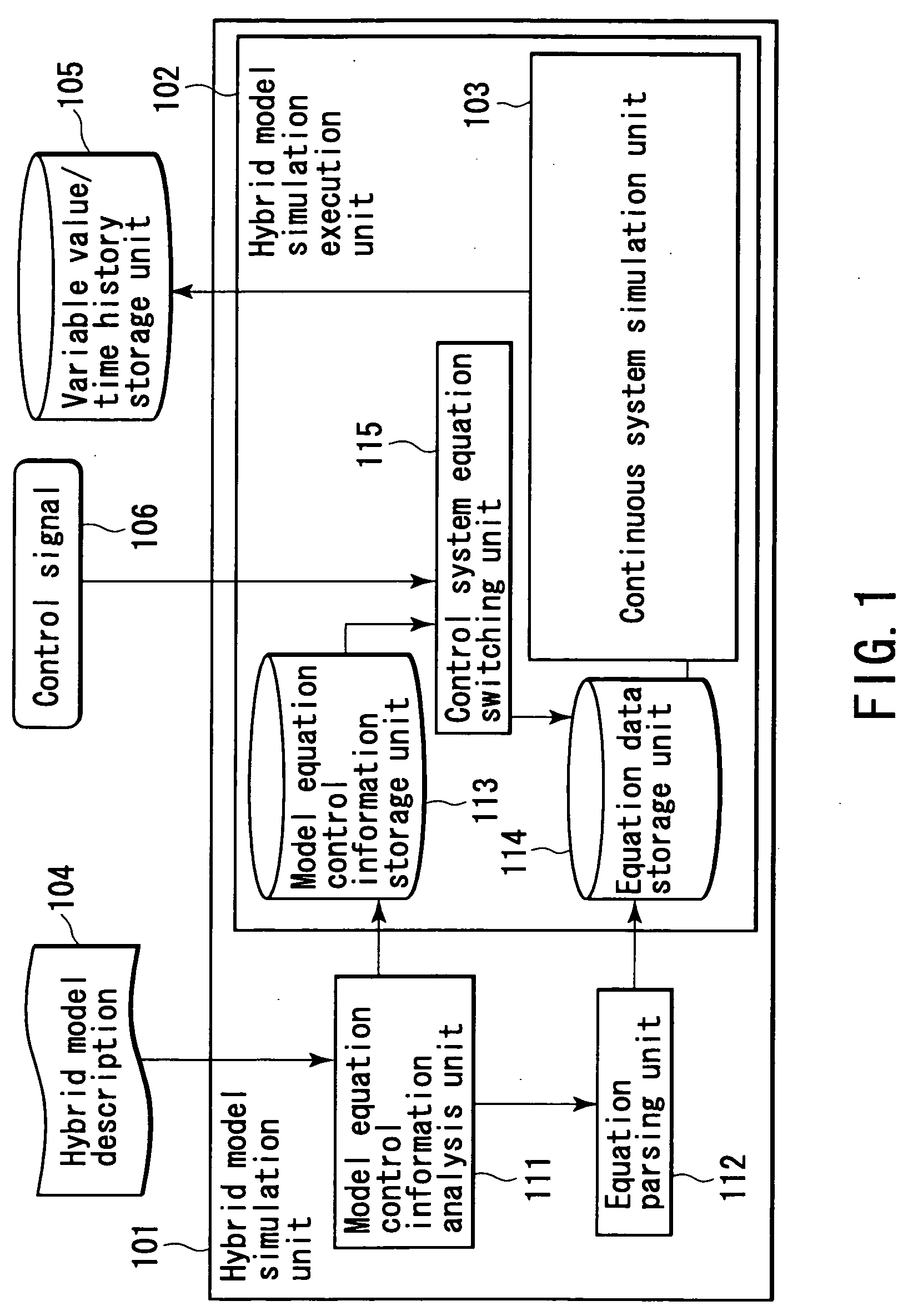
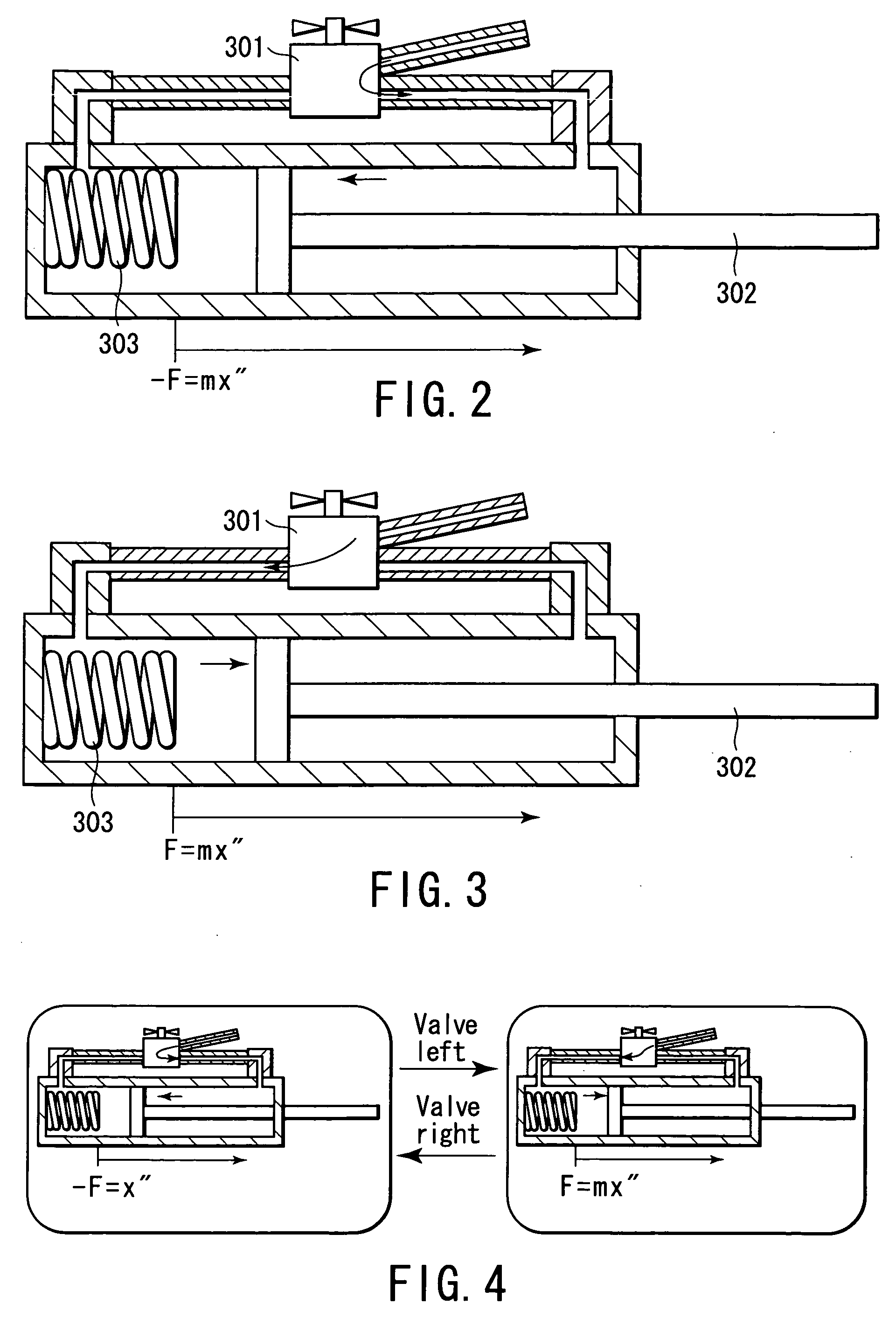
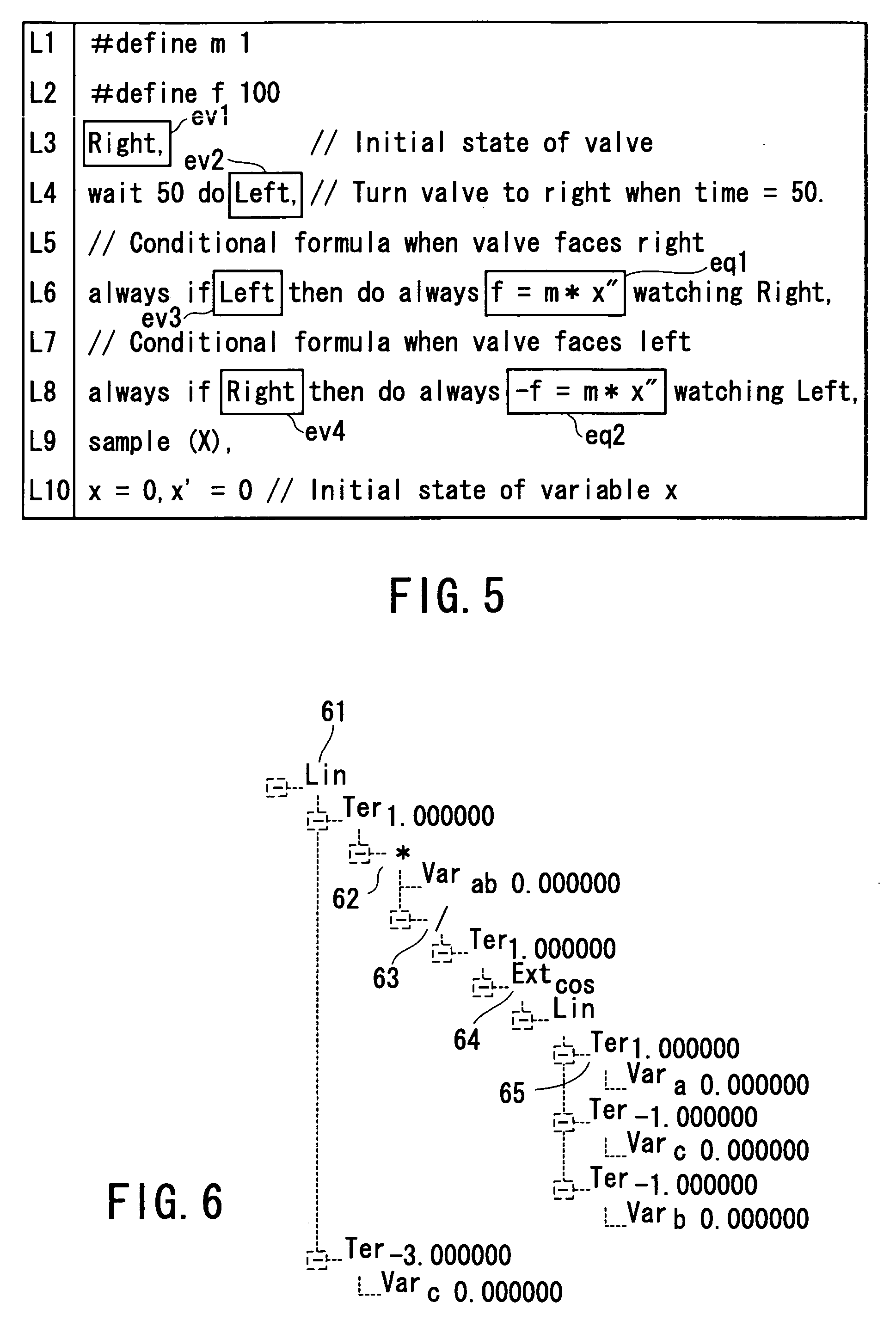
- A method is developed to analyze hybrid models, extracting description data to generate tables representing relationships between continuous system equations and switching conditions, and internal data expressions, allowing for efficient simulation by managing active/inactive flags and pre-processing equations into tree structures for high-speed calculation.

High Performance Computing Infrastructure Requirements
The computational demands of multiphysics simulations and hybrid models necessitate sophisticated high-performance computing infrastructure capable of handling complex mathematical operations and massive datasets. Traditional multiphysics simulations require substantial memory bandwidth and processing power due to their need to solve coupled partial differential equations across multiple physical domains simultaneously. These simulations typically demand distributed computing architectures with high-speed interconnects to facilitate efficient data exchange between computational nodes.
Hybrid models present unique infrastructure challenges as they combine physics-based simulations with machine learning components, requiring heterogeneous computing environments. The infrastructure must support both traditional CPU-intensive numerical computations and GPU-accelerated machine learning operations. This dual requirement necessitates hybrid cluster architectures featuring both high-core-count CPUs for finite element calculations and specialized accelerators like GPUs or TPUs for neural network inference and training.
Memory requirements vary significantly between approaches, with pure multiphysics simulations often requiring large amounts of high-bandwidth memory for storing mesh data and solution vectors. Hybrid models may require additional memory for storing trained model parameters and intermediate feature representations, but can potentially reduce overall memory footprint through model compression techniques and adaptive mesh refinement guided by machine learning predictions.
Storage infrastructure must accommodate different data patterns, including large simulation output files, training datasets for machine learning components, and checkpoint data for fault tolerance. High-throughput parallel file systems become essential for managing the substantial I/O requirements, particularly when coupling real-time data ingestion with simulation workflows.
Network topology considerations include minimizing communication latency for tightly coupled multiphysics problems while providing sufficient bandwidth for hybrid model inference operations. Modern implementations increasingly leverage containerized deployment strategies and cloud-native architectures to provide scalable, on-demand computing resources that can dynamically adapt to varying computational requirements across different simulation phases.
Hybrid models present unique infrastructure challenges as they combine physics-based simulations with machine learning components, requiring heterogeneous computing environments. The infrastructure must support both traditional CPU-intensive numerical computations and GPU-accelerated machine learning operations. This dual requirement necessitates hybrid cluster architectures featuring both high-core-count CPUs for finite element calculations and specialized accelerators like GPUs or TPUs for neural network inference and training.
Memory requirements vary significantly between approaches, with pure multiphysics simulations often requiring large amounts of high-bandwidth memory for storing mesh data and solution vectors. Hybrid models may require additional memory for storing trained model parameters and intermediate feature representations, but can potentially reduce overall memory footprint through model compression techniques and adaptive mesh refinement guided by machine learning predictions.
Storage infrastructure must accommodate different data patterns, including large simulation output files, training datasets for machine learning components, and checkpoint data for fault tolerance. High-throughput parallel file systems become essential for managing the substantial I/O requirements, particularly when coupling real-time data ingestion with simulation workflows.
Network topology considerations include minimizing communication latency for tightly coupled multiphysics problems while providing sufficient bandwidth for hybrid model inference operations. Modern implementations increasingly leverage containerized deployment strategies and cloud-native architectures to provide scalable, on-demand computing resources that can dynamically adapt to varying computational requirements across different simulation phases.
Validation and Verification Standards for Simulation
The establishment of robust validation and verification (V&V) standards represents a critical foundation for ensuring the reliability and accuracy of both multiphysics simulations and hybrid modeling approaches. Current industry standards, including ASME V&V 10, V&V 20, and IEEE standards, provide comprehensive frameworks for computational model validation, though their application to hybrid models requires careful adaptation due to the inherent complexity of combining physics-based and data-driven components.
Verification standards focus on ensuring that computational models correctly solve the underlying mathematical equations. For multiphysics simulations, this involves rigorous mesh convergence studies, temporal discretization analysis, and code verification benchmarks. The verification process becomes more complex when dealing with coupled physics phenomena, requiring specialized techniques such as method of manufactured solutions and cross-code comparisons to validate the coupling algorithms and interface treatments.
Validation standards address the fundamental question of whether models accurately represent real-world physics. Traditional validation approaches rely on experimental data comparison, uncertainty quantification, and statistical metrics to assess model fidelity. For multiphysics applications, validation must account for the propagation of uncertainties across coupled domains and the potential for error accumulation in sequential or iterative coupling schemes.
Hybrid models present unique V&V challenges that existing standards inadequately address. The integration of machine learning components with physics-based models requires new validation paradigms that can assess both the physical consistency and data-driven accuracy of the hybrid approach. This includes validating the training data representativeness, evaluating model extrapolation capabilities, and ensuring that data-driven components do not violate fundamental physical principles.
Emerging standards development focuses on establishing metrics for hybrid model validation, including physics-informed loss functions, uncertainty bounds for machine learning components, and systematic approaches for validating model predictions outside the training domain. These evolving standards emphasize the need for comprehensive documentation of model assumptions, training procedures, and validation datasets to ensure reproducibility and reliability in hybrid modeling applications.
Verification standards focus on ensuring that computational models correctly solve the underlying mathematical equations. For multiphysics simulations, this involves rigorous mesh convergence studies, temporal discretization analysis, and code verification benchmarks. The verification process becomes more complex when dealing with coupled physics phenomena, requiring specialized techniques such as method of manufactured solutions and cross-code comparisons to validate the coupling algorithms and interface treatments.
Validation standards address the fundamental question of whether models accurately represent real-world physics. Traditional validation approaches rely on experimental data comparison, uncertainty quantification, and statistical metrics to assess model fidelity. For multiphysics applications, validation must account for the propagation of uncertainties across coupled domains and the potential for error accumulation in sequential or iterative coupling schemes.
Hybrid models present unique V&V challenges that existing standards inadequately address. The integration of machine learning components with physics-based models requires new validation paradigms that can assess both the physical consistency and data-driven accuracy of the hybrid approach. This includes validating the training data representativeness, evaluating model extrapolation capabilities, and ensuring that data-driven components do not violate fundamental physical principles.
Emerging standards development focuses on establishing metrics for hybrid model validation, including physics-informed loss functions, uncertainty bounds for machine learning components, and systematic approaches for validating model predictions outside the training domain. These evolving standards emphasize the need for comprehensive documentation of model assumptions, training procedures, and validation datasets to ensure reproducibility and reliability in hybrid modeling applications.
Unlock deeper insights with PatSnap Eureka Quick Research — get a full tech report to explore trends and direct your research. Try now!
Generate Your Research Report Instantly with AI Agent
Supercharge your innovation with PatSnap Eureka AI Agent Platform!