

Multiphysics Simulation vs Field Interactions
MAR 26, 20269 MIN READ
Generate Your Research Report Instantly with AI Agent
PatSnap Eureka helps you evaluate technical feasibility & market potential.
Multiphysics Simulation Background and Objectives
Multiphysics simulation represents a computational methodology that addresses the complex interactions between multiple physical phenomena occurring simultaneously within a single system or across coupled systems. This approach has evolved from the limitations of traditional single-physics modeling, where individual physical processes such as heat transfer, fluid dynamics, structural mechanics, or electromagnetic fields were analyzed in isolation. The recognition that real-world engineering problems rarely involve isolated physical phenomena has driven the development of sophisticated simulation frameworks capable of capturing the intricate coupling effects between different physical domains.
The historical development of multiphysics simulation can be traced back to the 1960s when early finite element methods began incorporating coupled thermal-structural analyses. The field gained significant momentum during the 1980s and 1990s with advances in computational power and numerical methods. The emergence of commercial multiphysics software platforms in the early 2000s marked a pivotal transition from academic research tools to industrial-grade simulation capabilities. Today, multiphysics simulation has become indispensable across diverse industries including aerospace, automotive, electronics, energy, and biomedical engineering.
Current technological trends indicate a shift toward more sophisticated coupling algorithms, enhanced computational efficiency through parallel processing, and integration with artificial intelligence and machine learning techniques. The advent of high-performance computing and cloud-based simulation platforms has democratized access to complex multiphysics modeling capabilities, enabling smaller organizations to leverage these advanced tools.
The primary technical objectives of contemporary multiphysics simulation research focus on achieving higher fidelity coupling between physical domains while maintaining computational efficiency. Key goals include developing robust numerical schemes that can handle disparate time and length scales across different physics, implementing adaptive mesh refinement techniques for optimal computational resource allocation, and establishing standardized validation methodologies for complex coupled phenomena.
Strategic objectives encompass expanding the scope of simultaneously coupled physics beyond traditional combinations, integrating real-time data acquisition with simulation models for digital twin applications, and developing user-friendly interfaces that enable domain experts to construct multiphysics models without extensive computational expertise. The ultimate goal is to create predictive simulation environments that can accurately represent the full complexity of real-world systems while remaining computationally tractable for engineering design and optimization processes.
The historical development of multiphysics simulation can be traced back to the 1960s when early finite element methods began incorporating coupled thermal-structural analyses. The field gained significant momentum during the 1980s and 1990s with advances in computational power and numerical methods. The emergence of commercial multiphysics software platforms in the early 2000s marked a pivotal transition from academic research tools to industrial-grade simulation capabilities. Today, multiphysics simulation has become indispensable across diverse industries including aerospace, automotive, electronics, energy, and biomedical engineering.
Current technological trends indicate a shift toward more sophisticated coupling algorithms, enhanced computational efficiency through parallel processing, and integration with artificial intelligence and machine learning techniques. The advent of high-performance computing and cloud-based simulation platforms has democratized access to complex multiphysics modeling capabilities, enabling smaller organizations to leverage these advanced tools.
The primary technical objectives of contemporary multiphysics simulation research focus on achieving higher fidelity coupling between physical domains while maintaining computational efficiency. Key goals include developing robust numerical schemes that can handle disparate time and length scales across different physics, implementing adaptive mesh refinement techniques for optimal computational resource allocation, and establishing standardized validation methodologies for complex coupled phenomena.
Strategic objectives encompass expanding the scope of simultaneously coupled physics beyond traditional combinations, integrating real-time data acquisition with simulation models for digital twin applications, and developing user-friendly interfaces that enable domain experts to construct multiphysics models without extensive computational expertise. The ultimate goal is to create predictive simulation environments that can accurately represent the full complexity of real-world systems while remaining computationally tractable for engineering design and optimization processes.
Market Demand for Advanced Simulation Technologies
The global simulation software market has experienced substantial growth driven by increasing complexity in engineering design and manufacturing processes. Industries are demanding more sophisticated simulation capabilities that can accurately model real-world phenomena involving multiple physical domains simultaneously. This demand stems from the need to reduce physical prototyping costs, accelerate product development cycles, and improve design reliability across various sectors.
Aerospace and automotive industries represent the largest consumer segments for advanced multiphysics simulation technologies. These sectors require comprehensive analysis of fluid-structure interactions, thermal-mechanical coupling, and electromagnetic effects within single integrated platforms. The growing emphasis on electric vehicle development has particularly intensified demand for coupled electromagnetic-thermal simulations to optimize battery performance and electric motor efficiency.
Energy sector applications, including renewable energy systems and oil and gas exploration, constitute another significant market driver. Wind turbine design requires sophisticated fluid-structure interaction modeling, while geothermal and nuclear applications demand coupled thermal-mechanical-chemical simulations. The transition toward sustainable energy solutions has created new requirements for multiphysics modeling capabilities in energy storage systems and smart grid technologies.
Manufacturing industries increasingly rely on multiphysics simulations for process optimization and quality control. Additive manufacturing processes require coupled thermal-mechanical-metallurgical modeling to predict residual stresses and material properties. Semiconductor manufacturing demands precise electromagnetic-thermal coupling simulations for device performance prediction and thermal management optimization.
The pharmaceutical and biomedical sectors represent emerging high-growth markets for multiphysics simulation technologies. Drug delivery system design requires coupled fluid-chemical-biological modeling, while medical device development demands biocompatible material analysis under various physiological conditions. These applications drive demand for specialized simulation capabilities that can handle complex biological interactions.
Market demand is increasingly shifting toward cloud-based simulation platforms that offer scalable computing resources and collaborative capabilities. Organizations seek solutions that can integrate with existing CAD workflows while providing real-time collaboration features for distributed engineering teams. This trend reflects the growing need for accessible, cost-effective simulation tools that can handle computationally intensive multiphysics problems without requiring substantial local infrastructure investments.
Aerospace and automotive industries represent the largest consumer segments for advanced multiphysics simulation technologies. These sectors require comprehensive analysis of fluid-structure interactions, thermal-mechanical coupling, and electromagnetic effects within single integrated platforms. The growing emphasis on electric vehicle development has particularly intensified demand for coupled electromagnetic-thermal simulations to optimize battery performance and electric motor efficiency.
Energy sector applications, including renewable energy systems and oil and gas exploration, constitute another significant market driver. Wind turbine design requires sophisticated fluid-structure interaction modeling, while geothermal and nuclear applications demand coupled thermal-mechanical-chemical simulations. The transition toward sustainable energy solutions has created new requirements for multiphysics modeling capabilities in energy storage systems and smart grid technologies.
Manufacturing industries increasingly rely on multiphysics simulations for process optimization and quality control. Additive manufacturing processes require coupled thermal-mechanical-metallurgical modeling to predict residual stresses and material properties. Semiconductor manufacturing demands precise electromagnetic-thermal coupling simulations for device performance prediction and thermal management optimization.
The pharmaceutical and biomedical sectors represent emerging high-growth markets for multiphysics simulation technologies. Drug delivery system design requires coupled fluid-chemical-biological modeling, while medical device development demands biocompatible material analysis under various physiological conditions. These applications drive demand for specialized simulation capabilities that can handle complex biological interactions.
Market demand is increasingly shifting toward cloud-based simulation platforms that offer scalable computing resources and collaborative capabilities. Organizations seek solutions that can integrate with existing CAD workflows while providing real-time collaboration features for distributed engineering teams. This trend reflects the growing need for accessible, cost-effective simulation tools that can handle computationally intensive multiphysics problems without requiring substantial local infrastructure investments.
Current State of Multiphysics Field Coupling Methods
The current landscape of multiphysics field coupling methods encompasses several established computational approaches that enable the simulation of interacting physical phenomena. Finite Element Method (FEM) remains the dominant framework, offering robust capabilities for handling complex geometries and boundary conditions across multiple physics domains. Commercial platforms like COMSOL Multiphysics, ANSYS Multiphysics, and Abaqus have matured significantly, providing integrated environments for coupled electromagnetic-thermal, fluid-structure, and thermo-mechanical simulations.
Partitioned coupling strategies represent a widely adopted approach where separate solvers handle individual physics domains, exchanging information through interface conditions. This methodology allows leveraging specialized solvers optimized for specific physics while maintaining computational efficiency. Strong coupling methods ensure simultaneous solution of all physics equations, providing superior accuracy for tightly coupled phenomena but at increased computational cost.
Weak coupling approaches, alternatively, solve physics sequentially with periodic data exchange, offering computational advantages for loosely coupled systems. Recent developments in operator splitting techniques have enhanced the stability and accuracy of such methods, particularly for time-dependent multiphysics problems.
Mesh-based coupling techniques have evolved to address interface treatment challenges. Mortar methods and mesh tying algorithms enable non-conforming mesh interfaces between different physics domains, while adaptive mesh refinement strategies optimize computational resources based on local coupling intensity and solution gradients.
Domain decomposition methods have gained prominence for large-scale multiphysics simulations, enabling parallel processing across different physics regions. Schwarz alternating methods and their variants provide effective frameworks for iterative solution of coupled field problems, particularly in high-performance computing environments.
Emerging machine learning-enhanced coupling methods are beginning to supplement traditional approaches. Physics-informed neural networks and reduced-order modeling techniques show promise for accelerating multiphysics simulations while maintaining acceptable accuracy levels. These hybrid approaches represent a growing trend toward intelligent coupling strategies that adapt to problem-specific characteristics and computational constraints.
Partitioned coupling strategies represent a widely adopted approach where separate solvers handle individual physics domains, exchanging information through interface conditions. This methodology allows leveraging specialized solvers optimized for specific physics while maintaining computational efficiency. Strong coupling methods ensure simultaneous solution of all physics equations, providing superior accuracy for tightly coupled phenomena but at increased computational cost.
Weak coupling approaches, alternatively, solve physics sequentially with periodic data exchange, offering computational advantages for loosely coupled systems. Recent developments in operator splitting techniques have enhanced the stability and accuracy of such methods, particularly for time-dependent multiphysics problems.
Mesh-based coupling techniques have evolved to address interface treatment challenges. Mortar methods and mesh tying algorithms enable non-conforming mesh interfaces between different physics domains, while adaptive mesh refinement strategies optimize computational resources based on local coupling intensity and solution gradients.
Domain decomposition methods have gained prominence for large-scale multiphysics simulations, enabling parallel processing across different physics regions. Schwarz alternating methods and their variants provide effective frameworks for iterative solution of coupled field problems, particularly in high-performance computing environments.
Emerging machine learning-enhanced coupling methods are beginning to supplement traditional approaches. Physics-informed neural networks and reduced-order modeling techniques show promise for accelerating multiphysics simulations while maintaining acceptable accuracy levels. These hybrid approaches represent a growing trend toward intelligent coupling strategies that adapt to problem-specific characteristics and computational constraints.
Existing Multiphysics Coupling Solutions
01 Multiphysics simulation for electromagnetic and thermal coupling analysis
This approach involves the integration of electromagnetic field simulation with thermal analysis to predict the behavior of devices under combined electrical and thermal loads. The method enables accurate modeling of heat generation from electromagnetic sources and its distribution within components. Applications include power electronics, electric motors, and semiconductor devices where electromagnetic losses generate significant heat that affects performance and reliability.- Multiphysics simulation for electromagnetic and thermal coupling analysis: This approach involves the integration of electromagnetic field simulation with thermal analysis to predict the behavior of devices under combined electrical and thermal loads. The method enables accurate modeling of heat generation due to electromagnetic losses and the subsequent thermal effects on material properties and device performance. Such simulations are particularly useful for power electronics, electric motors, and other devices where electromagnetic and thermal phenomena are strongly coupled.
- Fluid-structure interaction simulation methods: These techniques combine computational fluid dynamics with structural mechanics to analyze the interaction between fluid flow and deformable structures. The simulation captures the mutual influence of fluid forces on structural deformation and the effect of structural movement on fluid flow patterns. Applications include aerospace components, biomedical devices, and civil engineering structures subjected to wind or water loads.
- Multiphysics optimization and design automation: This category focuses on integrating multiple physical domains into automated design optimization workflows. The approach combines simulation of various physical phenomena with optimization algorithms to automatically identify optimal design parameters. The methodology reduces design cycles and enables exploration of complex design spaces where multiple physical constraints must be simultaneously satisfied.
- Coupled electrochemical-thermal-mechanical simulation: This simulation approach integrates electrochemical reactions with thermal management and mechanical stress analysis, particularly relevant for battery systems and fuel cells. The method models the complex interactions between chemical reactions, heat generation, temperature distribution, and mechanical deformation. Such comprehensive modeling enables prediction of performance degradation, safety issues, and lifetime estimation under various operating conditions.
- Multiscale and multiphysics coupling frameworks: These frameworks enable simulation across different spatial and temporal scales while coupling multiple physical phenomena. The approach bridges microscale material behavior with macroscale system performance through hierarchical modeling techniques. Such methods are essential for materials design, manufacturing process simulation, and systems where phenomena at different scales significantly influence overall behavior.
02 Fluid-structure interaction simulation methods
These techniques combine computational fluid dynamics with structural mechanics to analyze the mutual interaction between fluid flow and deformable structures. The simulation captures how fluid forces deform structures and how structural deformation affects fluid flow patterns. This is particularly useful in aerospace, automotive, and biomedical applications where fluid-induced vibrations and structural responses are critical design considerations.Expand Specific Solutions03 Coupled simulation for manufacturing process optimization
This category focuses on integrating multiple physical phenomena occurring during manufacturing processes such as casting, welding, or additive manufacturing. The simulation combines thermal, mechanical, and metallurgical models to predict defects, residual stresses, and microstructure evolution. Such comprehensive analysis helps optimize process parameters and improve product quality while reducing trial-and-error experimentation.Expand Specific Solutions04 Multiscale and multiphysics modeling frameworks
These frameworks enable simulation across different spatial and temporal scales while coupling various physical domains. The approach bridges microscopic material behavior with macroscopic system performance through hierarchical modeling techniques. Applications span from material design to system-level analysis, allowing engineers to understand how atomic-level phenomena influence overall device performance.Expand Specific Solutions05 Integrated simulation platforms and software tools
This involves the development of comprehensive software environments that facilitate the setup, execution, and post-processing of multiphysics simulations. These platforms provide user-friendly interfaces, automated meshing capabilities, and solver coupling algorithms to handle complex multi-domain problems. The tools often include optimization modules and parametric study capabilities to support design exploration and decision-making processes.Expand Specific Solutions
Leading Players in Simulation Software Industry
The multiphysics simulation versus field interactions research domain represents a rapidly evolving technological landscape currently in its growth phase, driven by increasing demand for complex system modeling across industries. The market demonstrates substantial expansion potential, particularly in automotive, aerospace, and energy sectors, with estimated values reaching billions globally. Technology maturity varies significantly among key players: established simulation leaders like ANSYS and NVIDIA provide mature commercial platforms, while academic institutions including Xi'an Jiaotong University, ETH Zurich, and Northwestern Polytechnical University drive fundamental research breakthroughs. Emerging companies such as D.E. Shaw Research and Zoox represent specialized applications in computational biochemistry and autonomous systems respectively. The competitive landscape shows a clear bifurcation between commercial software providers offering comprehensive solutions and research institutions developing next-generation methodologies, with technology giants like Microsoft and hardware specialists like Infineon bridging computational infrastructure gaps.
NVIDIA Corp.
Technical Solution: NVIDIA leverages GPU acceleration for multiphysics simulations through CUDA-enabled computing platforms and specialized libraries like cuSPARSE and cuFFT. Their Omniverse platform integrates physics simulation engines for real-time multiphysics modeling, particularly in digital twin applications. NVIDIA's PhysX SDK provides real-time physics simulation capabilities for fluid dynamics, rigid body mechanics, and particle systems. The company's A100 and H100 GPUs offer tensor cores optimized for scientific computing workloads, enabling massive parallel processing of coupled field equations. Their recent focus includes AI-accelerated simulation methods that use machine learning to predict field interactions and reduce computational overhead in complex multiphysics problems.
Strengths: Exceptional parallel processing power, real-time simulation capabilities, AI-enhanced modeling. Weaknesses: Limited to GPU-compatible algorithms, requires specialized programming expertise, hardware dependency.
Microsoft Technology Licensing LLC
Technical Solution: Microsoft develops cloud-based multiphysics simulation solutions through Azure HPC services and partnerships with simulation software vendors. Their Azure Batch service enables large-scale parallel processing of coupled field problems, while Azure Machine Learning integrates AI methods for predictive multiphysics modeling. Microsoft's Digital Twins platform incorporates real-time physics simulation for IoT applications, combining sensor data with multiphysics models to create dynamic virtual representations. The company's research division focuses on quantum-inspired algorithms for solving complex field interaction problems and developing hybrid classical-quantum approaches for multiphysics simulations that could revolutionize computational efficiency in coupled field analysis.
Strengths: Scalable cloud infrastructure, AI integration capabilities, quantum computing research. Weaknesses: Dependent on third-party simulation engines, limited specialized physics expertise, subscription-based cost model.
Core Technologies in Field Interaction Modeling
Internal feature determination from field interactions in a complex medium
PatentInactiveUS20090089025A1
Innovation
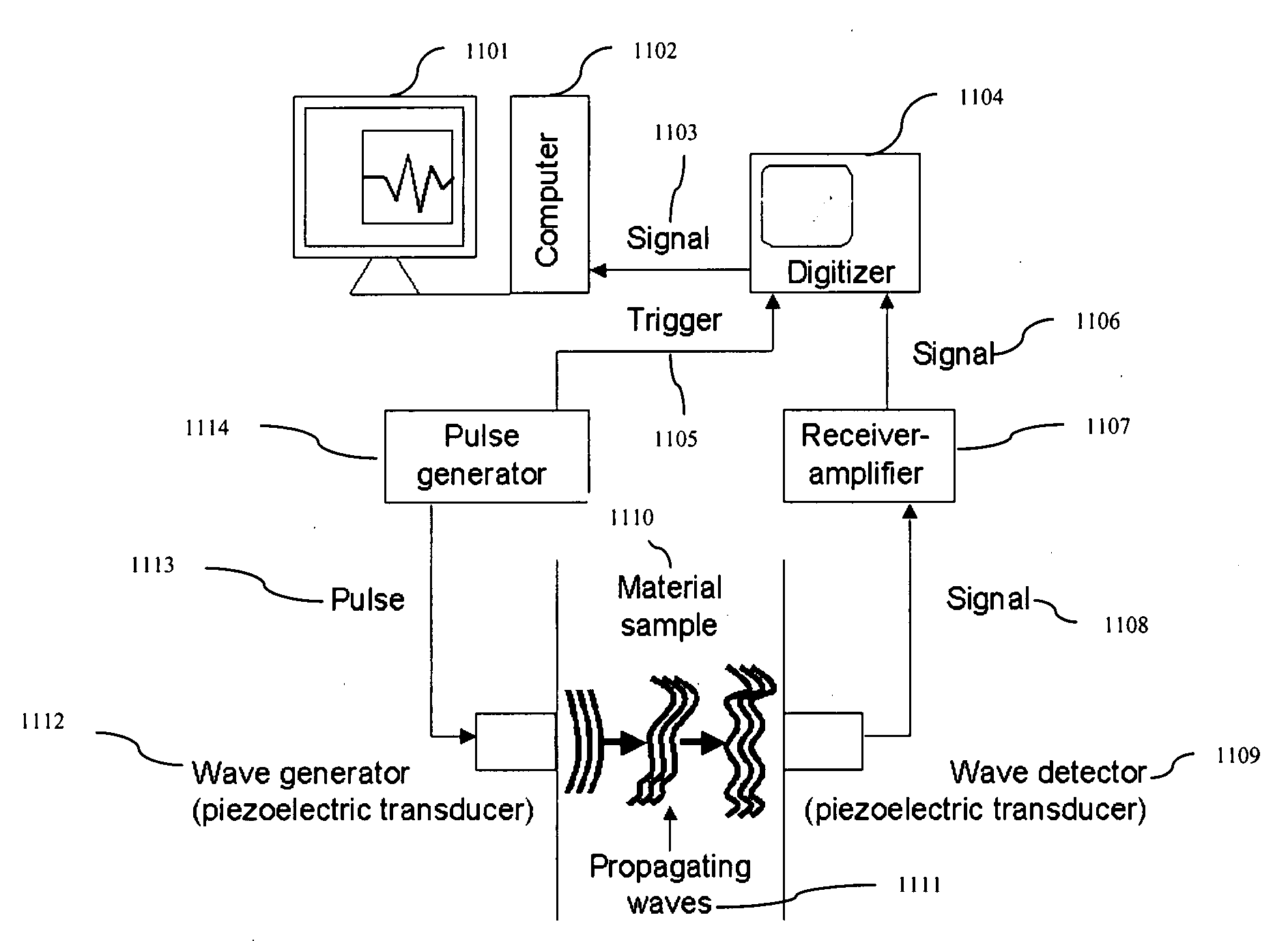
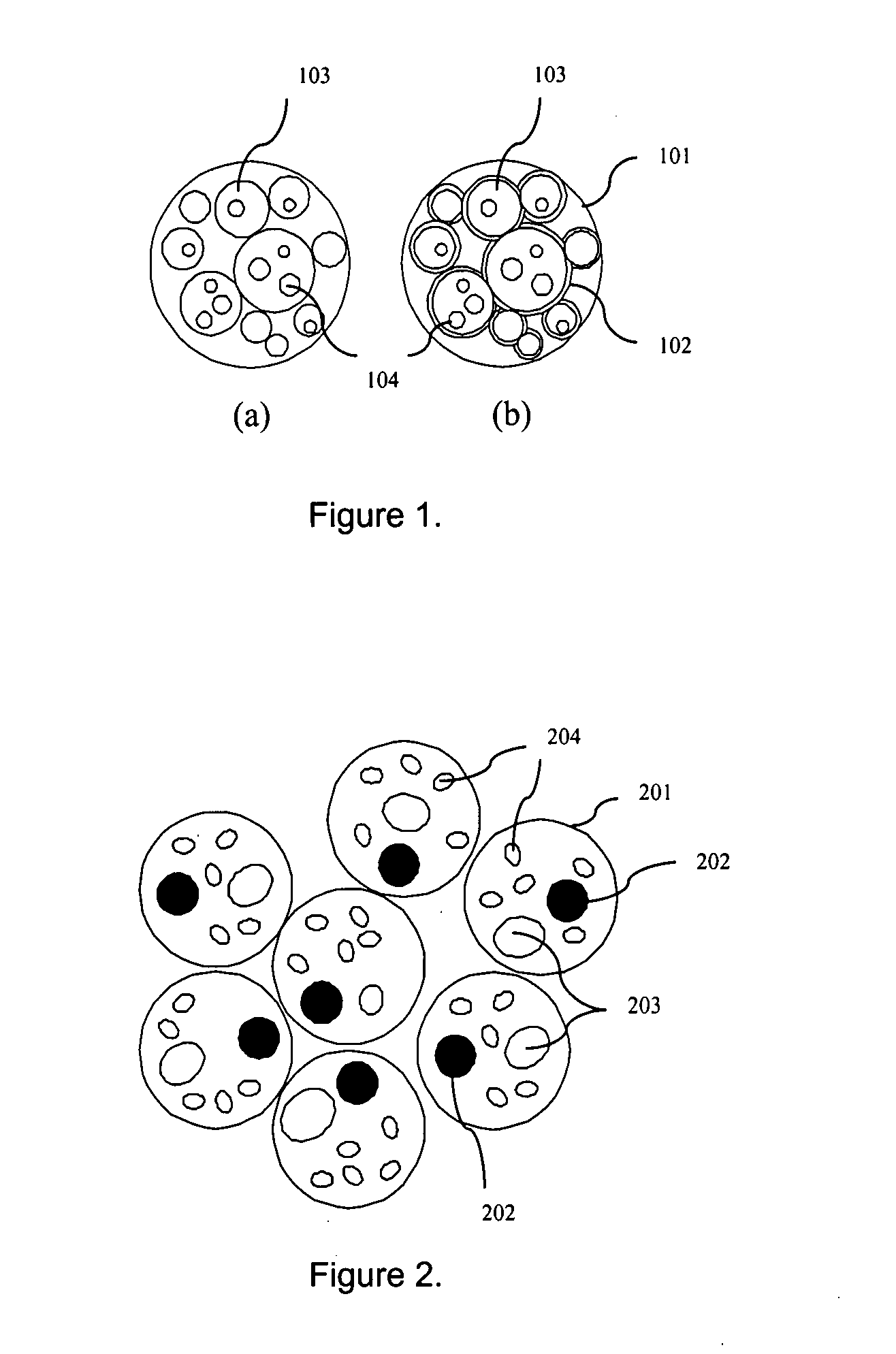
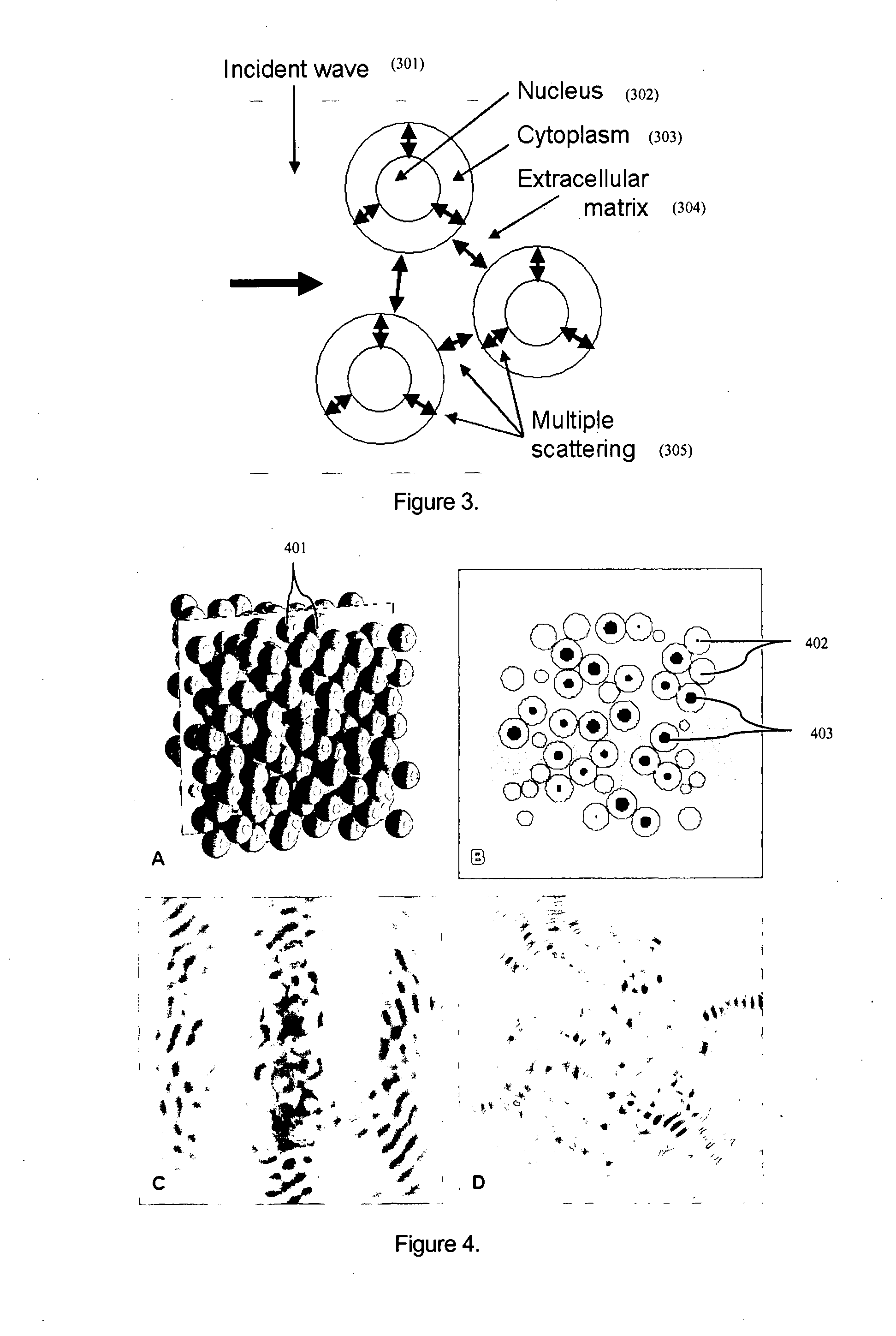
- A method and apparatus using a computational simulation engine with iterative multipole expansions to calculate field propagation properties, combined with physical testing and pattern recognition to correlate calculated and measured results, allowing for accurate determination of properties in materials with arbitrary microstructures and substructure.

Computational Resource Requirements and Scalability
Multiphysics simulation of field interactions presents significant computational challenges that scale exponentially with problem complexity. The computational resource requirements are primarily driven by the need to solve coupled partial differential equations across multiple physical domains simultaneously, including electromagnetic, thermal, mechanical, and fluid dynamics phenomena. Memory requirements typically range from several gigabytes for simplified 2D models to hundreds of gigabytes or even terabytes for high-fidelity 3D simulations involving complex geometries and fine mesh resolutions.
Processing power demands vary substantially based on the coupling strength between different physics domains. Weakly coupled problems can often utilize sequential solving approaches, requiring moderate computational resources with processing times measured in hours to days on standard workstations. However, strongly coupled multiphysics problems necessitate iterative or fully coupled solution strategies, demanding high-performance computing clusters with hundreds to thousands of cores and processing times extending to weeks or months.
Scalability challenges emerge from several factors including mesh generation complexity, solver convergence issues, and load balancing across distributed computing environments. The computational complexity typically exhibits non-linear scaling behavior, where doubling the mesh density can result in four to eight times increase in computational time depending on the solver algorithms employed. Memory bandwidth limitations often become bottlenecks before processing power constraints, particularly in simulations involving large sparse matrix operations.
Modern scalability solutions leverage domain decomposition methods, adaptive mesh refinement, and hybrid parallelization strategies combining MPI and OpenMP approaches. Cloud-based computing platforms are increasingly adopted to provide elastic scalability, allowing researchers to access thousands of cores on-demand while managing costs through optimized resource allocation algorithms that can reduce computational expenses by 30-50% compared to traditional fixed-resource approaches.
Processing power demands vary substantially based on the coupling strength between different physics domains. Weakly coupled problems can often utilize sequential solving approaches, requiring moderate computational resources with processing times measured in hours to days on standard workstations. However, strongly coupled multiphysics problems necessitate iterative or fully coupled solution strategies, demanding high-performance computing clusters with hundreds to thousands of cores and processing times extending to weeks or months.
Scalability challenges emerge from several factors including mesh generation complexity, solver convergence issues, and load balancing across distributed computing environments. The computational complexity typically exhibits non-linear scaling behavior, where doubling the mesh density can result in four to eight times increase in computational time depending on the solver algorithms employed. Memory bandwidth limitations often become bottlenecks before processing power constraints, particularly in simulations involving large sparse matrix operations.
Modern scalability solutions leverage domain decomposition methods, adaptive mesh refinement, and hybrid parallelization strategies combining MPI and OpenMP approaches. Cloud-based computing platforms are increasingly adopted to provide elastic scalability, allowing researchers to access thousands of cores on-demand while managing costs through optimized resource allocation algorithms that can reduce computational expenses by 30-50% compared to traditional fixed-resource approaches.
Validation and Verification Standards for Multiphysics
Validation and verification (V&V) standards for multiphysics simulations represent a critical framework ensuring the reliability and accuracy of complex computational models that involve multiple interacting physical phenomena. These standards establish systematic methodologies to confirm that simulation codes correctly implement the intended mathematical models and that the computational results accurately represent real-world physical behaviors.
The verification process focuses on confirming that the numerical algorithms and computational implementations are mathematically correct. This involves code verification through manufactured solutions, where analytical solutions are used to test the numerical accuracy of the solver. Grid convergence studies form another essential component, demonstrating that solutions converge to the correct mathematical limit as mesh resolution increases. Order of accuracy verification ensures that the numerical schemes achieve their theoretical convergence rates across different physics domains.
Validation standards address whether the computational model accurately represents the physical reality being simulated. This requires comprehensive comparison between simulation results and experimental data or analytical benchmarks. For multiphysics applications, validation becomes particularly challenging due to the coupling effects between different physical fields, necessitating carefully designed experiments that can isolate individual physics contributions while also capturing coupled phenomena.
International standards organizations have developed specific guidelines for multiphysics V&V processes. The American Society of Mechanical Engineers (ASME) V&V 10 standard provides comprehensive frameworks for solid mechanics applications, while IEEE standards address electromagnetic field simulations. The International Organization for Standardization (ISO) has established protocols for thermal and fluid dynamics validation procedures.
Uncertainty quantification forms an integral part of modern V&V standards, requiring systematic assessment of numerical errors, modeling uncertainties, and experimental measurement uncertainties. This probabilistic approach enables confidence interval estimation for simulation predictions, particularly crucial for multiphysics applications where uncertainties can propagate and amplify across coupled physics domains.
Quality assurance protocols mandate documentation requirements, including detailed descriptions of numerical methods, boundary conditions, material properties, and coupling algorithms. Traceability standards ensure that all simulation inputs, computational procedures, and post-processing steps are thoroughly documented and reproducible, enabling independent verification of results and facilitating regulatory approval processes in safety-critical applications.
The verification process focuses on confirming that the numerical algorithms and computational implementations are mathematically correct. This involves code verification through manufactured solutions, where analytical solutions are used to test the numerical accuracy of the solver. Grid convergence studies form another essential component, demonstrating that solutions converge to the correct mathematical limit as mesh resolution increases. Order of accuracy verification ensures that the numerical schemes achieve their theoretical convergence rates across different physics domains.
Validation standards address whether the computational model accurately represents the physical reality being simulated. This requires comprehensive comparison between simulation results and experimental data or analytical benchmarks. For multiphysics applications, validation becomes particularly challenging due to the coupling effects between different physical fields, necessitating carefully designed experiments that can isolate individual physics contributions while also capturing coupled phenomena.
International standards organizations have developed specific guidelines for multiphysics V&V processes. The American Society of Mechanical Engineers (ASME) V&V 10 standard provides comprehensive frameworks for solid mechanics applications, while IEEE standards address electromagnetic field simulations. The International Organization for Standardization (ISO) has established protocols for thermal and fluid dynamics validation procedures.
Uncertainty quantification forms an integral part of modern V&V standards, requiring systematic assessment of numerical errors, modeling uncertainties, and experimental measurement uncertainties. This probabilistic approach enables confidence interval estimation for simulation predictions, particularly crucial for multiphysics applications where uncertainties can propagate and amplify across coupled physics domains.
Quality assurance protocols mandate documentation requirements, including detailed descriptions of numerical methods, boundary conditions, material properties, and coupling algorithms. Traceability standards ensure that all simulation inputs, computational procedures, and post-processing steps are thoroughly documented and reproducible, enabling independent verification of results and facilitating regulatory approval processes in safety-critical applications.
Unlock deeper insights with PatSnap Eureka Quick Research — get a full tech report to explore trends and direct your research. Try now!
Generate Your Research Report Instantly with AI Agent
Supercharge your innovation with PatSnap Eureka AI Agent Platform!