Nanoparticles vs Nanosheets: Surface Area Utilization
FEB 26, 20269 MIN READ
Generate Your Research Report Instantly with AI Agent
PatSnap Eureka helps you evaluate technical feasibility & market potential.
Nanoparticle vs Nanosheet Technology Background and Objectives
The field of nanomaterials has undergone remarkable evolution since its inception in the 1980s, driven by the fundamental understanding that material properties can be dramatically altered when dimensions are reduced to the nanoscale. This technological domain has progressively expanded from basic research into practical applications across electronics, energy storage, catalysis, and biomedical sectors. The development trajectory has been marked by continuous refinement of synthesis methods, characterization techniques, and application-specific optimization strategies.
Surface area utilization represents a critical performance parameter in nanomaterial applications, particularly where interfacial interactions determine overall system efficiency. The geometric configuration of nanomaterials fundamentally influences their surface-to-volume ratio, accessibility of active sites, and interaction mechanisms with surrounding media. Two predominant morphological categories have emerged as focal points for research and development: spherical nanoparticles and two-dimensional nanosheets, each offering distinct advantages in surface area exploitation.
Nanoparticles, characterized by their three-dimensional spherical or quasi-spherical geometry, provide uniform surface curvature and isotropic properties. Their surface area scales predictably with particle size reduction, following established mathematical relationships. Conversely, nanosheets exhibit high aspect ratios with extensive planar surfaces and minimal thickness, typically ranging from single atomic layers to several nanometers. This morphology maximizes surface area per unit mass while providing unique anisotropic properties.
The primary objective of comparing these morphologies centers on optimizing surface area utilization efficiency for specific applications. This involves understanding how geometric factors influence active site accessibility, mass transport phenomena, and interfacial charge transfer processes. The evaluation encompasses both theoretical surface area calculations and practical surface utilization under real operating conditions.
Current research aims to establish comprehensive frameworks for morphology selection based on application requirements. Key objectives include developing predictive models for surface area utilization efficiency, identifying optimal synthesis parameters for maximizing functional surface area, and understanding structure-property relationships that govern performance in different environments. These efforts seek to bridge the gap between theoretical surface area potential and practical performance outcomes.
The ultimate goal involves creating design principles that enable rational selection between nanoparticle and nanosheet morphologies based on specific surface area utilization requirements, leading to enhanced performance in targeted applications while optimizing material usage efficiency.
Surface area utilization represents a critical performance parameter in nanomaterial applications, particularly where interfacial interactions determine overall system efficiency. The geometric configuration of nanomaterials fundamentally influences their surface-to-volume ratio, accessibility of active sites, and interaction mechanisms with surrounding media. Two predominant morphological categories have emerged as focal points for research and development: spherical nanoparticles and two-dimensional nanosheets, each offering distinct advantages in surface area exploitation.
Nanoparticles, characterized by their three-dimensional spherical or quasi-spherical geometry, provide uniform surface curvature and isotropic properties. Their surface area scales predictably with particle size reduction, following established mathematical relationships. Conversely, nanosheets exhibit high aspect ratios with extensive planar surfaces and minimal thickness, typically ranging from single atomic layers to several nanometers. This morphology maximizes surface area per unit mass while providing unique anisotropic properties.
The primary objective of comparing these morphologies centers on optimizing surface area utilization efficiency for specific applications. This involves understanding how geometric factors influence active site accessibility, mass transport phenomena, and interfacial charge transfer processes. The evaluation encompasses both theoretical surface area calculations and practical surface utilization under real operating conditions.
Current research aims to establish comprehensive frameworks for morphology selection based on application requirements. Key objectives include developing predictive models for surface area utilization efficiency, identifying optimal synthesis parameters for maximizing functional surface area, and understanding structure-property relationships that govern performance in different environments. These efforts seek to bridge the gap between theoretical surface area potential and practical performance outcomes.
The ultimate goal involves creating design principles that enable rational selection between nanoparticle and nanosheet morphologies based on specific surface area utilization requirements, leading to enhanced performance in targeted applications while optimizing material usage efficiency.
Market Demand for High Surface Area Nanomaterials
The global nanomaterials market is experiencing unprecedented growth driven by the critical need for materials with maximized surface area utilization across multiple industrial sectors. High surface area nanomaterials have become essential components in energy storage systems, catalysis applications, environmental remediation technologies, and advanced manufacturing processes. The fundamental advantage of enhanced surface-to-volume ratios directly translates to improved performance metrics in these applications.
Energy storage represents one of the most significant demand drivers for high surface area nanomaterials. Battery manufacturers increasingly require electrode materials that can accommodate higher ion densities and facilitate faster charge-discharge cycles. Both nanoparticles and nanosheets offer distinct advantages in this sector, with lithium-ion battery producers actively seeking materials that maximize electrochemically active surface area while maintaining structural integrity during cycling operations.
The catalysis industry demonstrates substantial appetite for nanomaterials with optimized surface utilization characteristics. Chemical processing companies require catalysts that provide maximum active site density per unit mass, directly impacting reaction efficiency and economic viability. Automotive manufacturers particularly demand high-performance catalytic materials for emission control systems, where surface area optimization directly correlates with pollutant conversion effectiveness.
Environmental applications constitute another rapidly expanding market segment. Water treatment facilities increasingly deploy nanomaterials for contaminant removal, requiring materials with exceptional adsorption capacities. Air purification systems similarly demand nanomaterials with maximized surface interactions for effective pollutant capture and degradation processes.
The electronics industry drives demand for nanomaterials in sensor applications, where surface area directly influences sensitivity and response characteristics. Semiconductor manufacturers require materials with precisely controlled surface properties for advanced device fabrication, particularly in emerging technologies such as flexible electronics and quantum devices.
Pharmaceutical and biomedical sectors increasingly utilize high surface area nanomaterials for drug delivery systems, diagnostic applications, and tissue engineering scaffolds. The ability to maximize surface interactions while controlling biocompatibility represents a critical market requirement driving continued innovation in nanomaterial design and synthesis approaches.
Market growth is further accelerated by increasing regulatory emphasis on energy efficiency and environmental sustainability, creating additional demand for materials that can enhance performance while reducing overall system footprints and resource consumption requirements.
Energy storage represents one of the most significant demand drivers for high surface area nanomaterials. Battery manufacturers increasingly require electrode materials that can accommodate higher ion densities and facilitate faster charge-discharge cycles. Both nanoparticles and nanosheets offer distinct advantages in this sector, with lithium-ion battery producers actively seeking materials that maximize electrochemically active surface area while maintaining structural integrity during cycling operations.
The catalysis industry demonstrates substantial appetite for nanomaterials with optimized surface utilization characteristics. Chemical processing companies require catalysts that provide maximum active site density per unit mass, directly impacting reaction efficiency and economic viability. Automotive manufacturers particularly demand high-performance catalytic materials for emission control systems, where surface area optimization directly correlates with pollutant conversion effectiveness.
Environmental applications constitute another rapidly expanding market segment. Water treatment facilities increasingly deploy nanomaterials for contaminant removal, requiring materials with exceptional adsorption capacities. Air purification systems similarly demand nanomaterials with maximized surface interactions for effective pollutant capture and degradation processes.
The electronics industry drives demand for nanomaterials in sensor applications, where surface area directly influences sensitivity and response characteristics. Semiconductor manufacturers require materials with precisely controlled surface properties for advanced device fabrication, particularly in emerging technologies such as flexible electronics and quantum devices.
Pharmaceutical and biomedical sectors increasingly utilize high surface area nanomaterials for drug delivery systems, diagnostic applications, and tissue engineering scaffolds. The ability to maximize surface interactions while controlling biocompatibility represents a critical market requirement driving continued innovation in nanomaterial design and synthesis approaches.
Market growth is further accelerated by increasing regulatory emphasis on energy efficiency and environmental sustainability, creating additional demand for materials that can enhance performance while reducing overall system footprints and resource consumption requirements.
Current Status and Challenges in Surface Area Optimization
The optimization of surface area utilization in nanomaterials represents a critical frontier in materials science, where the fundamental trade-offs between nanoparticles and nanosheets continue to challenge researchers and industry practitioners. Current approaches to maximizing surface area efficiency face significant theoretical and practical limitations that constrain their real-world applications across diverse sectors including catalysis, energy storage, and environmental remediation.
Nanoparticles, despite their high surface-to-volume ratios, suffer from inherent aggregation tendencies that dramatically reduce their effective surface area during processing and application. This agglomeration phenomenon occurs due to van der Waals forces and surface energy minimization, leading to substantial losses in accessible surface sites. Contemporary stabilization methods, including surfactant coating and electrostatic stabilization, provide only partial solutions while introducing additional complexity and potential performance trade-offs.
Nanosheets present alternative challenges in surface area optimization, particularly regarding structural integrity and scalable synthesis. While theoretically offering maximum surface exposure through their two-dimensional architecture, nanosheets frequently experience restacking during processing, effectively negating their surface area advantages. Current exfoliation techniques, including chemical intercalation and mechanical delamination, struggle to maintain individual sheet separation at industrial scales.
The measurement and characterization of effective surface area remain problematic across both material types. Traditional BET analysis often overestimates accessible surface area by including micropores and internal surfaces that may be inaccessible during actual applications. Advanced characterization techniques such as in-situ spectroscopy and environmental electron microscopy are revealing significant discrepancies between theoretical and practical surface utilization rates.
Processing-induced surface area degradation represents another major challenge affecting both nanoparticles and nanosheets. High-temperature treatments, mechanical processing, and chemical modifications frequently compromise surface integrity and accessibility. The development of gentle processing methods that preserve surface characteristics while enabling practical manufacturing remains an ongoing challenge.
Environmental stability issues further complicate surface area optimization efforts. Both nanoparticles and nanosheets demonstrate susceptibility to oxidation, contamination, and morphological changes under ambient conditions, leading to progressive surface area losses during storage and application. Current protective strategies often involve surface modifications that may reduce overall surface accessibility.
The integration of nanomaterials into composite systems introduces additional surface area utilization challenges. Binder materials, support matrices, and interfacial interactions can significantly reduce accessible surface area compared to pristine materials. Optimizing these composite architectures while maintaining high surface utilization efficiency requires sophisticated design approaches that are still under development.
Nanoparticles, despite their high surface-to-volume ratios, suffer from inherent aggregation tendencies that dramatically reduce their effective surface area during processing and application. This agglomeration phenomenon occurs due to van der Waals forces and surface energy minimization, leading to substantial losses in accessible surface sites. Contemporary stabilization methods, including surfactant coating and electrostatic stabilization, provide only partial solutions while introducing additional complexity and potential performance trade-offs.
Nanosheets present alternative challenges in surface area optimization, particularly regarding structural integrity and scalable synthesis. While theoretically offering maximum surface exposure through their two-dimensional architecture, nanosheets frequently experience restacking during processing, effectively negating their surface area advantages. Current exfoliation techniques, including chemical intercalation and mechanical delamination, struggle to maintain individual sheet separation at industrial scales.
The measurement and characterization of effective surface area remain problematic across both material types. Traditional BET analysis often overestimates accessible surface area by including micropores and internal surfaces that may be inaccessible during actual applications. Advanced characterization techniques such as in-situ spectroscopy and environmental electron microscopy are revealing significant discrepancies between theoretical and practical surface utilization rates.
Processing-induced surface area degradation represents another major challenge affecting both nanoparticles and nanosheets. High-temperature treatments, mechanical processing, and chemical modifications frequently compromise surface integrity and accessibility. The development of gentle processing methods that preserve surface characteristics while enabling practical manufacturing remains an ongoing challenge.
Environmental stability issues further complicate surface area optimization efforts. Both nanoparticles and nanosheets demonstrate susceptibility to oxidation, contamination, and morphological changes under ambient conditions, leading to progressive surface area losses during storage and application. Current protective strategies often involve surface modifications that may reduce overall surface accessibility.
The integration of nanomaterials into composite systems introduces additional surface area utilization challenges. Binder materials, support matrices, and interfacial interactions can significantly reduce accessible surface area compared to pristine materials. Optimizing these composite architectures while maintaining high surface utilization efficiency requires sophisticated design approaches that are still under development.
Current Solutions for Surface Area Enhancement
01 Nanoparticles with enhanced surface area for catalytic applications
Nanoparticles are engineered with increased surface area to improve catalytic efficiency and reaction rates. The high surface-to-volume ratio of nanoparticles enables more active sites for chemical reactions. Various synthesis methods are employed to control particle size and morphology, maximizing the available surface area for catalytic processes. These nanoparticles can be used in energy conversion, chemical synthesis, and environmental remediation applications.- Nanoparticles with enhanced surface area for catalytic applications: Nanoparticles are engineered with increased surface area to improve catalytic efficiency and reaction rates. The high surface-to-volume ratio of nanoparticles enables more active sites for chemical reactions. Various synthesis methods are employed to control particle size and morphology, maximizing the available surface area for catalytic processes. These materials demonstrate superior performance in energy conversion, chemical synthesis, and environmental remediation applications.
- Two-dimensional nanosheets for energy storage devices: Two-dimensional nanosheets with large surface areas are utilized in batteries and supercapacitors to enhance charge storage capacity and power density. The ultrathin structure provides shortened ion diffusion pathways and increased electrode-electrolyte contact area. These materials exhibit excellent electrical conductivity and mechanical flexibility. The high surface area enables rapid charge-discharge cycles and improved energy storage performance in various electrochemical applications.
- Surface functionalization of nanoparticles for biomedical applications: Nanoparticles are surface-modified to maximize their interaction with biological systems while utilizing their high surface area. Functional groups are attached to the nanoparticle surface to improve biocompatibility, targeting capability, and drug loading capacity. The large surface area allows for efficient attachment of therapeutic agents, imaging probes, or targeting ligands. These functionalized nanoparticles show enhanced cellular uptake and controlled release properties for drug delivery and diagnostic applications.
- Composite materials incorporating high surface area nanostructures: Composite materials are developed by integrating nanoparticles or nanosheets with high surface areas into matrix materials to enhance overall performance. The nanostructures provide reinforcement, improved thermal conductivity, or enhanced mechanical properties. The large interfacial area between nanostructures and matrix enables efficient load transfer and property enhancement. These composites find applications in structural materials, thermal management systems, and functional coatings.
- Surface area optimization for sensing and detection applications: Nanoparticles and nanosheets with maximized surface areas are employed in sensors to improve sensitivity and detection limits. The high surface area provides more binding sites for target analytes, enhancing signal response. Various nanostructure morphologies are designed to optimize surface accessibility and analyte interaction. These high-surface-area materials enable rapid response times and low detection limits in chemical, biological, and environmental sensing applications.
02 Two-dimensional nanosheets for energy storage devices
Two-dimensional nanosheets with large surface areas are utilized in batteries and supercapacitors to enhance charge storage capacity and power density. The sheet-like morphology provides extensive surface area for electrochemical reactions and ion transport. These materials can be stacked or assembled into three-dimensional structures while maintaining high surface accessibility. The nanosheet architecture enables faster charging rates and improved cycling stability in energy storage applications.Expand Specific Solutions03 Surface functionalization of nanoparticles for biomedical applications
Nanoparticles are surface-modified to increase their functional surface area for drug delivery, imaging, and therapeutic purposes. Surface functionalization techniques allow for the attachment of targeting ligands, therapeutic agents, or imaging probes across the available surface area. The high surface area of nanoparticles enables efficient loading of multiple functional groups and biomolecules. These functionalized nanoparticles can achieve enhanced cellular uptake and targeted delivery in biomedical applications.Expand Specific Solutions04 Composite materials incorporating nanoparticles for enhanced properties
Nanoparticles are dispersed within matrix materials to utilize their high surface area for improving mechanical, thermal, or electrical properties. The large interfacial area between nanoparticles and the matrix contributes to enhanced material performance. Uniform distribution of nanoparticles throughout the composite ensures maximum utilization of their surface area. These composites find applications in structural materials, coatings, and electronic devices.Expand Specific Solutions05 Nanostructured materials for sensing and detection applications
Nanomaterials with high surface area are employed in sensors to increase sensitivity and detection limits. The extensive surface area provides more sites for analyte interaction and signal generation. Various nanostructures including particles, sheets, and porous networks are designed to maximize surface accessibility. These sensing materials can detect chemical, biological, or physical changes with improved response times and selectivity.Expand Specific Solutions
Key Players in Nanoparticle and Nanosheet Industries
The nanoparticles versus nanosheets surface area utilization technology represents an emerging field within the broader nanomaterials industry, currently in its early-to-growth stage with significant research momentum. The market demonstrates substantial potential driven by applications in energy storage, catalysis, and electronics, though commercial adoption remains nascent. Technology maturity varies considerably across the competitive landscape, with established materials companies like DuPont, Cabot Corp., and Wanhua Chemical leveraging their manufacturing expertise to develop scalable nanosheet production methods. Research institutions including Northwestern University, Bar-Ilan University, and Fraunhofer-Gesellschaft are advancing fundamental understanding of surface area optimization mechanisms. Specialized nanomaterials companies such as Nanoco Technologies, SDCmaterials, and SurgePower Materials are pioneering novel synthesis approaches for enhanced surface utilization. The competitive dynamics indicate a fragmented ecosystem where academic research, industrial R&D, and startup innovation converge to address the critical challenge of maximizing functional surface area in nanoscale materials.
International Business Machines Corp.
Technical Solution: IBM has developed advanced nanomaterial synthesis and characterization technologies focusing on optimizing surface area utilization in both nanoparticles and nanosheets. Their approach involves precise control of particle morphology and size distribution to maximize active surface sites. IBM's research emphasizes the development of scalable manufacturing processes that can produce nanomaterials with controlled surface properties for applications in catalysis, energy storage, and electronics. They utilize advanced computational modeling to predict and optimize surface area characteristics before synthesis, enabling more efficient material design. Their technology platform includes sophisticated characterization tools to measure and validate surface area utilization across different nanomaterial geometries.
Strengths: Strong computational modeling capabilities and scalable manufacturing processes. Weaknesses: Limited focus on specific application domains compared to specialized nanomaterial companies.
Cabot Corp.
Technical Solution: Cabot Corporation specializes in engineered nanomaterials with focus on optimizing surface area utilization through advanced carbon black and specialty carbon technologies. Their approach involves controlling particle aggregation and surface treatment to maximize accessible surface area in nanoparticle systems. Cabot has developed proprietary methods for producing nanomaterials with high surface area-to-volume ratios while maintaining structural integrity and processability. Their technology platform includes surface modification techniques that enhance the functional utilization of available surface area in applications such as reinforcement, conductivity enhancement, and barrier properties. They have extensive research on how particle morphology affects surface area accessibility and have developed manufacturing processes that can consistently produce materials with optimized surface characteristics.
Strengths: Deep expertise in carbon nanomaterials and established global manufacturing infrastructure. Weaknesses: Primarily focused on carbon-based materials, limiting diversification into other nanomaterial types.
Core Technologies in Nanostructure Surface Utilization
Dispersible surface-enhanced raman scattering nanosheets
PatentWO2014022330A2
Innovation
- The development of nanosheets comprising SERS-active nanostructures, such as nanorods and triangular nanoprisms, immobilized on a support like silica, which maintains the geometry and density of these structures, preventing aggregation and ensuring consistent SERS signals across various surfaces.


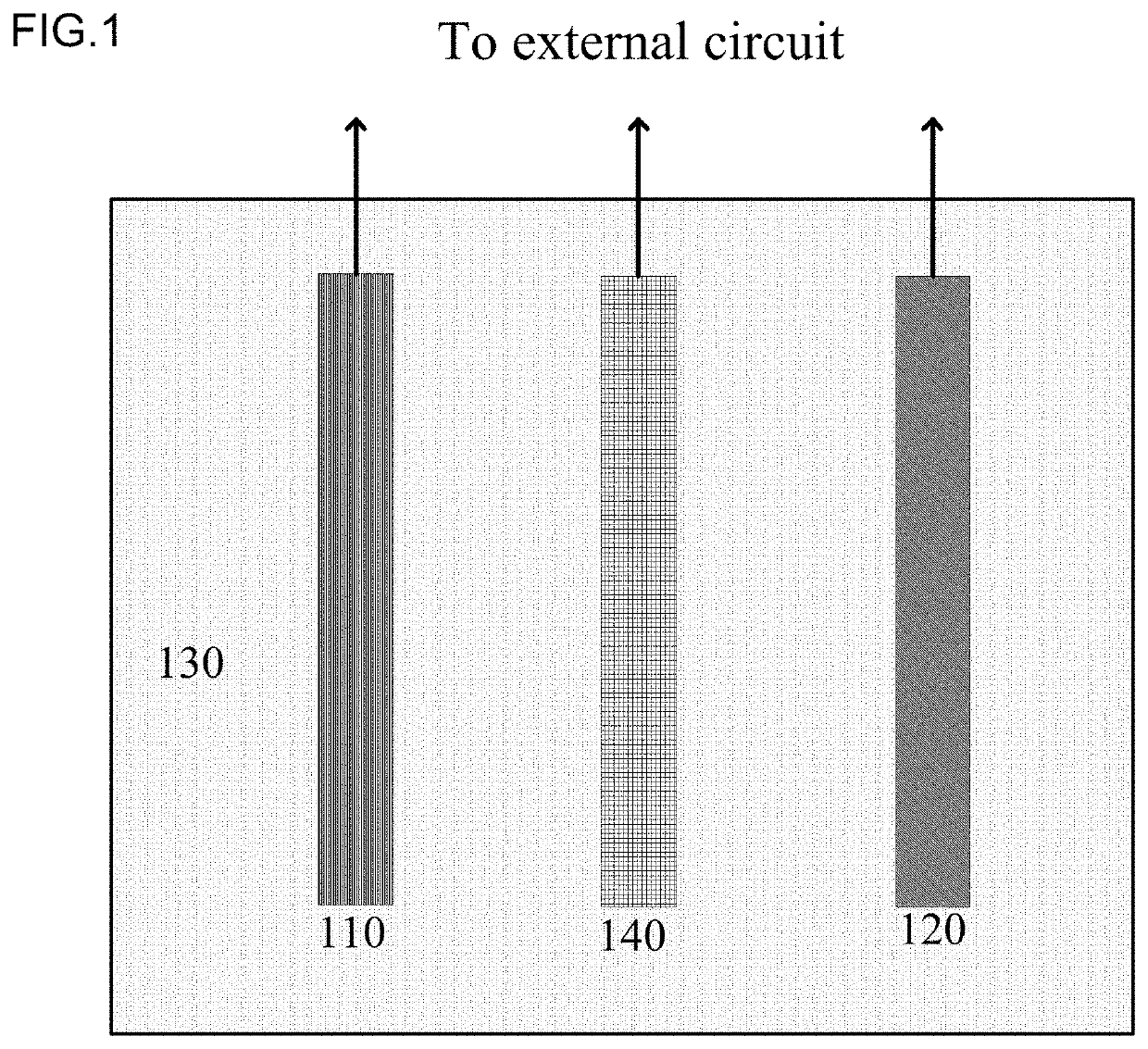
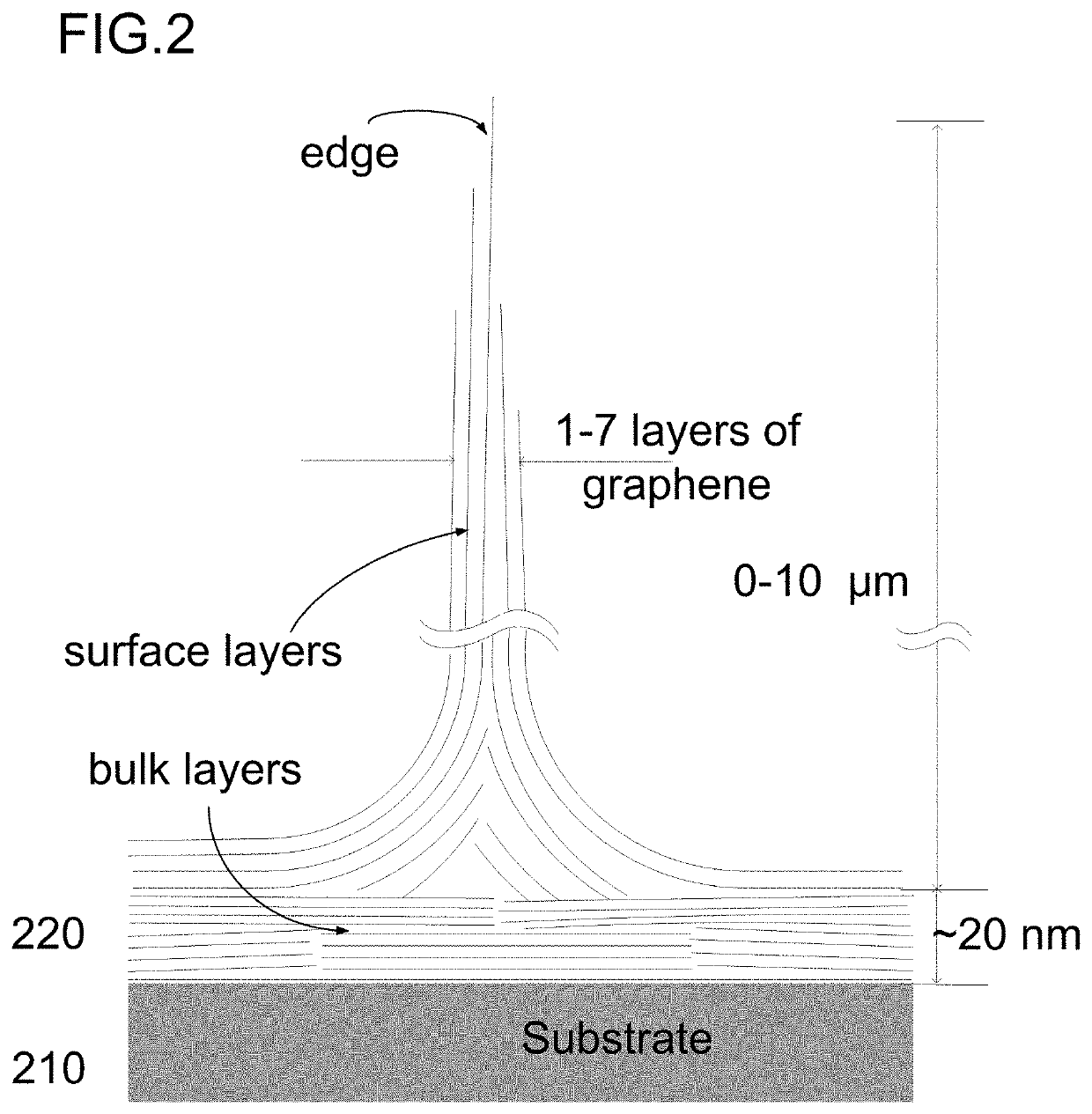
Electrochemical Stripping Analysis Using Vertically Free Standing Graphene containing Carbon Nanosheets as Electrode Materials
PatentInactiveUS20190376928A1
Innovation
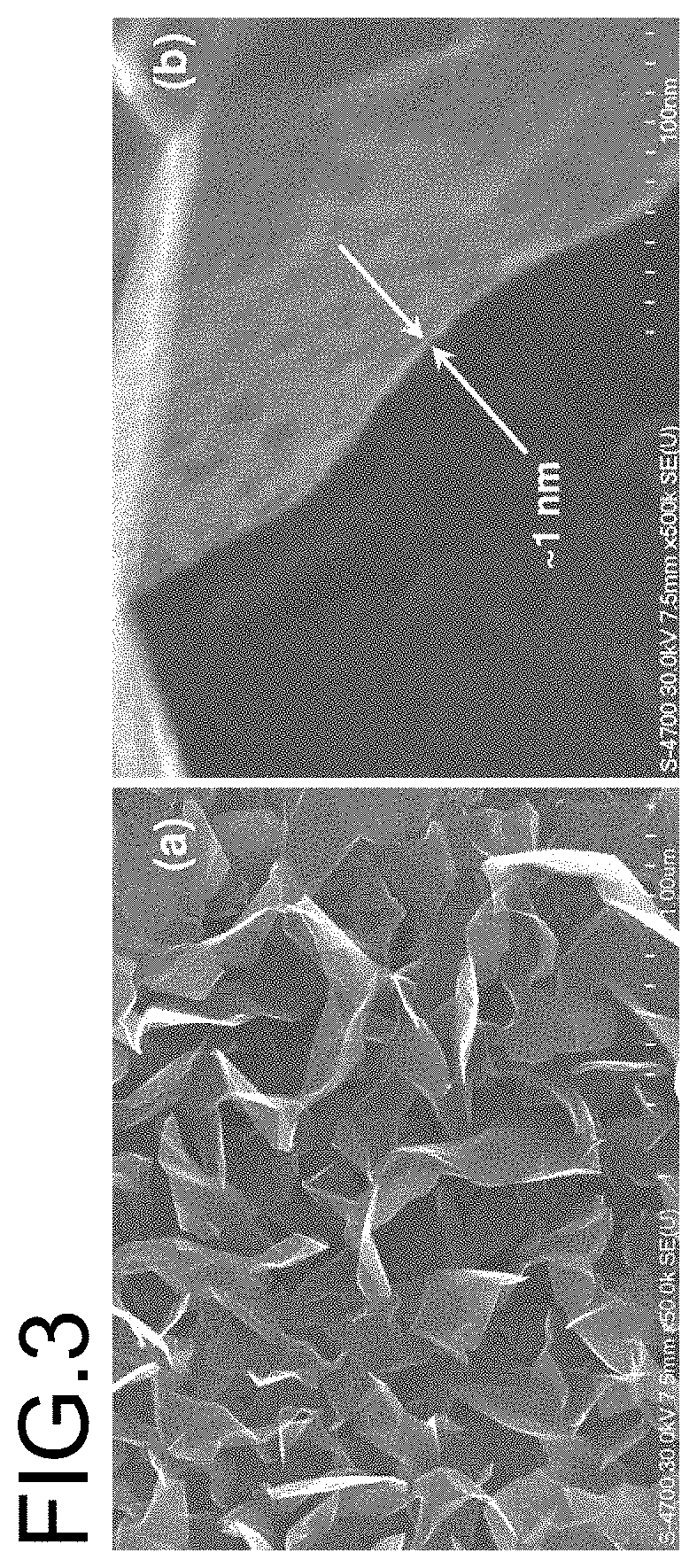
- The use of vertically free-standing graphene containing Carbon Nanosheets as electrodes or electrode coatings, which significantly increase the surface area, enhance electrical conductivity, and provide structural strength, thereby improving sensitivity and chemical stability, allowing for a larger active surface area and efficient attachment of catalysts and additives.

Environmental Impact of Nanomaterial Production
The production of nanomaterials, particularly nanoparticles and nanosheets, presents significant environmental challenges that vary substantially based on manufacturing methodologies and material properties. The synthesis processes for these distinct morphologies require different energy inputs, chemical precursors, and processing conditions, leading to varying environmental footprints. Nanoparticle production typically involves high-temperature processes, chemical reduction methods, or mechanical grinding techniques that consume considerable energy and generate substantial waste streams.
Nanosheet fabrication often employs liquid-phase exfoliation, chemical vapor deposition, or electrochemical methods that may require toxic solvents, high-purity gases, or hazardous chemicals. The environmental burden extends beyond direct manufacturing impacts to include raw material extraction, transportation, and end-of-life disposal considerations. Mining operations for precursor materials such as graphite, transition metals, or rare earth elements create substantial ecological disruption and carbon emissions.
Water consumption represents a critical environmental concern, as both nanoparticle and nanosheet production frequently require extensive washing, purification, and cooling processes. Chemical waste generation varies significantly between morphologies, with nanosheet production often generating larger volumes of solvent waste due to exfoliation and functionalization procedures. Atmospheric emissions from manufacturing facilities include volatile organic compounds, particulate matter, and greenhouse gases that contribute to air quality degradation and climate change.
The scalability of production methods directly influences environmental impact intensity. Laboratory-scale synthesis methods often exhibit poor atom economy and generate disproportionate waste volumes compared to industrial-scale processes. However, scaling up production introduces new environmental challenges including increased energy consumption, larger waste streams, and potential for accidental releases. Life cycle assessments reveal that surface area optimization strategies must balance enhanced performance benefits against increased environmental costs associated with more complex synthesis procedures.
Regulatory frameworks governing nanomaterial production remain fragmented across different jurisdictions, creating inconsistencies in environmental protection standards. The lack of standardized assessment methodologies for evaluating nanomaterial environmental impacts complicates efforts to compare the sustainability profiles of different morphologies and production routes.
Nanosheet fabrication often employs liquid-phase exfoliation, chemical vapor deposition, or electrochemical methods that may require toxic solvents, high-purity gases, or hazardous chemicals. The environmental burden extends beyond direct manufacturing impacts to include raw material extraction, transportation, and end-of-life disposal considerations. Mining operations for precursor materials such as graphite, transition metals, or rare earth elements create substantial ecological disruption and carbon emissions.
Water consumption represents a critical environmental concern, as both nanoparticle and nanosheet production frequently require extensive washing, purification, and cooling processes. Chemical waste generation varies significantly between morphologies, with nanosheet production often generating larger volumes of solvent waste due to exfoliation and functionalization procedures. Atmospheric emissions from manufacturing facilities include volatile organic compounds, particulate matter, and greenhouse gases that contribute to air quality degradation and climate change.
The scalability of production methods directly influences environmental impact intensity. Laboratory-scale synthesis methods often exhibit poor atom economy and generate disproportionate waste volumes compared to industrial-scale processes. However, scaling up production introduces new environmental challenges including increased energy consumption, larger waste streams, and potential for accidental releases. Life cycle assessments reveal that surface area optimization strategies must balance enhanced performance benefits against increased environmental costs associated with more complex synthesis procedures.
Regulatory frameworks governing nanomaterial production remain fragmented across different jurisdictions, creating inconsistencies in environmental protection standards. The lack of standardized assessment methodologies for evaluating nanomaterial environmental impacts complicates efforts to compare the sustainability profiles of different morphologies and production routes.
Safety Regulations for Nanomaterial Applications
The regulatory landscape for nanomaterials has evolved significantly as the comparison between nanoparticles and nanosheets reveals distinct safety considerations based on their surface area characteristics. Current international frameworks, including those established by the OECD, EPA, and European Chemicals Agency (ECHA), recognize that surface area utilization directly impacts toxicological profiles and environmental fate of nanomaterials.
Regulatory bodies have implemented tiered assessment approaches that specifically address surface area-dependent properties. The EU's REACH regulation requires comprehensive characterization of nanomaterial surface properties, including specific surface area measurements and surface reactivity assessments. These requirements acknowledge that higher surface area materials, whether nanoparticles or nanosheets, may exhibit enhanced biological interactions and require more stringent evaluation protocols.
Occupational exposure limits have been established with consideration of surface area metrics. The National Institute for Occupational Safety and Health (NIOSH) has developed recommended exposure limits that factor in particle surface area alongside mass-based measurements. This dual approach recognizes that nanosheets with extensive surface areas may pose different inhalation risks compared to spherical nanoparticles of equivalent mass.
Environmental release regulations increasingly incorporate surface area considerations into risk assessment frameworks. The Toxic Substances Control Act (TSCA) amendments specifically address nanomaterial surface modifications and their implications for environmental persistence and bioaccumulation. Regulatory agencies require detailed surface area characterization data to evaluate potential ecological impacts.
Manufacturing and handling protocols mandate specific safety measures based on surface area utilization efficiency. Good Manufacturing Practices (GMP) for nanomaterials include surface area-specific containment requirements, personal protective equipment specifications, and waste disposal procedures. These regulations recognize that materials with higher surface area utilization may require enhanced containment strategies.
International harmonization efforts continue to develop standardized testing protocols that account for surface area variations between different nanomaterial morphologies, ensuring consistent safety evaluation across global markets while addressing the unique challenges posed by high surface area nanomaterials.
Regulatory bodies have implemented tiered assessment approaches that specifically address surface area-dependent properties. The EU's REACH regulation requires comprehensive characterization of nanomaterial surface properties, including specific surface area measurements and surface reactivity assessments. These requirements acknowledge that higher surface area materials, whether nanoparticles or nanosheets, may exhibit enhanced biological interactions and require more stringent evaluation protocols.
Occupational exposure limits have been established with consideration of surface area metrics. The National Institute for Occupational Safety and Health (NIOSH) has developed recommended exposure limits that factor in particle surface area alongside mass-based measurements. This dual approach recognizes that nanosheets with extensive surface areas may pose different inhalation risks compared to spherical nanoparticles of equivalent mass.
Environmental release regulations increasingly incorporate surface area considerations into risk assessment frameworks. The Toxic Substances Control Act (TSCA) amendments specifically address nanomaterial surface modifications and their implications for environmental persistence and bioaccumulation. Regulatory agencies require detailed surface area characterization data to evaluate potential ecological impacts.
Manufacturing and handling protocols mandate specific safety measures based on surface area utilization efficiency. Good Manufacturing Practices (GMP) for nanomaterials include surface area-specific containment requirements, personal protective equipment specifications, and waste disposal procedures. These regulations recognize that materials with higher surface area utilization may require enhanced containment strategies.
International harmonization efforts continue to develop standardized testing protocols that account for surface area variations between different nanomaterial morphologies, ensuring consistent safety evaluation across global markets while addressing the unique challenges posed by high surface area nanomaterials.
Unlock deeper insights with PatSnap Eureka Quick Research — get a full tech report to explore trends and direct your research. Try now!
Generate Your Research Report Instantly with AI Agent
Supercharge your innovation with PatSnap Eureka AI Agent Platform!