

Octadecanoic Acid vs Linoleic Acid: Oxidative Stability
MAR 2, 20269 MIN READ
Generate Your Research Report Instantly with AI Agent
Patsnap Eureka helps you evaluate technical feasibility & market potential.
Fatty Acid Oxidation Background and Research Objectives
Fatty acid oxidation represents one of the most critical degradation pathways affecting food quality, nutritional value, and shelf life across numerous industries. This biochemical process involves the reaction of fatty acids with oxygen, leading to the formation of primary oxidation products such as hydroperoxides, followed by secondary products including aldehydes, ketones, and other volatile compounds that contribute to rancidity and off-flavors.
The oxidative stability of fatty acids varies significantly based on their structural characteristics, particularly the degree of unsaturation. Saturated fatty acids like octadecanoic acid (stearic acid) contain no double bonds, making them inherently more resistant to oxidative degradation. In contrast, polyunsaturated fatty acids such as linoleic acid possess multiple double bonds that serve as reactive sites for oxygen attack, rendering them highly susceptible to oxidation.
Historical research in lipid oxidation dates back to the early 20th century when scientists first identified the relationship between fatty acid structure and oxidative susceptibility. The development of analytical methods for measuring oxidation products, including peroxide value and thiobarbituric acid reactive substances, has enabled quantitative assessment of oxidative stability differences between various fatty acid types.
The comparative study of octadecanoic acid versus linoleic acid oxidative stability has gained prominence due to their contrasting chemical structures and widespread occurrence in food systems. This comparison serves as a fundamental model for understanding how saturation levels influence lipid stability, with implications extending beyond basic research into practical applications in food preservation, cosmetics, and pharmaceutical formulations.
Current technological objectives focus on developing comprehensive methodologies to accurately measure and predict oxidative stability differences between these fatty acids under various environmental conditions. Advanced analytical techniques, including gas chromatography-mass spectrometry and nuclear magnetic resonance spectroscopy, are being employed to monitor oxidation kinetics and identify specific degradation pathways.
The research aims to establish quantitative relationships between fatty acid structure and oxidative behavior, enabling the development of predictive models for shelf-life estimation and formulation optimization. Understanding these fundamental differences will facilitate the design of more effective antioxidant systems and processing conditions tailored to specific fatty acid compositions, ultimately improving product quality and consumer safety across multiple industrial applications.
The oxidative stability of fatty acids varies significantly based on their structural characteristics, particularly the degree of unsaturation. Saturated fatty acids like octadecanoic acid (stearic acid) contain no double bonds, making them inherently more resistant to oxidative degradation. In contrast, polyunsaturated fatty acids such as linoleic acid possess multiple double bonds that serve as reactive sites for oxygen attack, rendering them highly susceptible to oxidation.
Historical research in lipid oxidation dates back to the early 20th century when scientists first identified the relationship between fatty acid structure and oxidative susceptibility. The development of analytical methods for measuring oxidation products, including peroxide value and thiobarbituric acid reactive substances, has enabled quantitative assessment of oxidative stability differences between various fatty acid types.
The comparative study of octadecanoic acid versus linoleic acid oxidative stability has gained prominence due to their contrasting chemical structures and widespread occurrence in food systems. This comparison serves as a fundamental model for understanding how saturation levels influence lipid stability, with implications extending beyond basic research into practical applications in food preservation, cosmetics, and pharmaceutical formulations.
Current technological objectives focus on developing comprehensive methodologies to accurately measure and predict oxidative stability differences between these fatty acids under various environmental conditions. Advanced analytical techniques, including gas chromatography-mass spectrometry and nuclear magnetic resonance spectroscopy, are being employed to monitor oxidation kinetics and identify specific degradation pathways.
The research aims to establish quantitative relationships between fatty acid structure and oxidative behavior, enabling the development of predictive models for shelf-life estimation and formulation optimization. Understanding these fundamental differences will facilitate the design of more effective antioxidant systems and processing conditions tailored to specific fatty acid compositions, ultimately improving product quality and consumer safety across multiple industrial applications.
Market Demand for Oxidatively Stable Lipid Products
The global market for oxidatively stable lipid products has experienced substantial growth driven by increasing consumer awareness of health benefits and the food industry's need for extended shelf life. Food manufacturers face mounting pressure to reduce synthetic antioxidants while maintaining product quality, creating significant demand for naturally stable lipid formulations. The cosmetics and personal care sectors similarly require stable lipid ingredients to prevent rancidity and maintain product efficacy throughout extended storage periods.
Industrial applications represent a rapidly expanding segment, particularly in lubricants, coatings, and polymer industries where oxidative degradation directly impacts performance and durability. The pharmaceutical sector demands highly stable lipid excipients for drug delivery systems, especially for lipid-based formulations requiring long-term stability without compromising bioavailability or safety profiles.
Consumer preferences have shifted toward clean-label products, driving manufacturers to seek naturally stable fatty acid profiles rather than relying heavily on synthetic preservation systems. This trend particularly affects the functional foods and nutraceuticals markets, where oxidative stability directly correlates with nutritional value retention and consumer acceptance.
The growing awareness of the relationship between fatty acid composition and oxidative stability has created specialized market niches. Products rich in saturated fatty acids like octadecanoic acid command premium pricing in applications requiring exceptional stability, while polyunsaturated fatty acid products like those containing linoleic acid require sophisticated stabilization strategies to meet market demands.
Regulatory pressures across multiple jurisdictions have intensified requirements for oxidative stability testing and shelf-life validation, creating additional market drivers for stable lipid formulations. The increasing cost of product recalls and quality failures has made oxidative stability a critical purchasing criterion for industrial buyers.
Emerging markets in Asia-Pacific and Latin America show particularly strong growth potential, driven by expanding middle-class populations and increasing adoption of processed foods requiring stable lipid ingredients. The market demonstrates clear segmentation based on stability requirements, with premium segments willing to pay significantly higher prices for superior oxidative stability performance.
Industrial applications represent a rapidly expanding segment, particularly in lubricants, coatings, and polymer industries where oxidative degradation directly impacts performance and durability. The pharmaceutical sector demands highly stable lipid excipients for drug delivery systems, especially for lipid-based formulations requiring long-term stability without compromising bioavailability or safety profiles.
Consumer preferences have shifted toward clean-label products, driving manufacturers to seek naturally stable fatty acid profiles rather than relying heavily on synthetic preservation systems. This trend particularly affects the functional foods and nutraceuticals markets, where oxidative stability directly correlates with nutritional value retention and consumer acceptance.
The growing awareness of the relationship between fatty acid composition and oxidative stability has created specialized market niches. Products rich in saturated fatty acids like octadecanoic acid command premium pricing in applications requiring exceptional stability, while polyunsaturated fatty acid products like those containing linoleic acid require sophisticated stabilization strategies to meet market demands.
Regulatory pressures across multiple jurisdictions have intensified requirements for oxidative stability testing and shelf-life validation, creating additional market drivers for stable lipid formulations. The increasing cost of product recalls and quality failures has made oxidative stability a critical purchasing criterion for industrial buyers.
Emerging markets in Asia-Pacific and Latin America show particularly strong growth potential, driven by expanding middle-class populations and increasing adoption of processed foods requiring stable lipid ingredients. The market demonstrates clear segmentation based on stability requirements, with premium segments willing to pay significantly higher prices for superior oxidative stability performance.
Current Oxidative Stability Challenges in Fatty Acid Applications
The oxidative stability of fatty acids represents one of the most critical challenges in modern food, cosmetic, and pharmaceutical industries. Octadecanoic acid (stearic acid) and linoleic acid exemplify the fundamental dichotomy between saturated and polyunsaturated fatty acids in terms of oxidative susceptibility. Current applications face significant hurdles in maintaining product quality, extending shelf life, and ensuring consumer safety across diverse environmental conditions.
Temperature fluctuations during storage and transportation create substantial oxidative stress for fatty acid-containing products. Linoleic acid, with its two double bonds, demonstrates exponentially higher susceptibility to thermal oxidation compared to the fully saturated octadecanoic acid. This disparity becomes particularly problematic in applications requiring elevated processing temperatures or extended ambient storage periods.
Light exposure presents another formidable challenge, especially for products containing polyunsaturated fatty acids. Photosensitized oxidation reactions accelerate rapidly in linoleic acid systems, leading to off-flavor development, nutritional degradation, and potential formation of harmful secondary oxidation products. The challenge intensifies in transparent packaging systems where UV protection remains inadequate.
Oxygen availability continues to be a primary limiting factor in fatty acid stability. Despite advances in modified atmosphere packaging and oxygen scavenging technologies, complete oxygen exclusion remains economically unfeasible for many applications. The challenge becomes more complex when considering the varying oxygen permeability requirements across different product categories and storage conditions.
Metal contamination, particularly iron and copper traces, catalyzes lipid oxidation through Fenton-type reactions. Current purification and chelation strategies often prove insufficient, especially in complex formulations where multiple ingredients may introduce trace metals. This challenge is compounded by the need to maintain product functionality while implementing effective metal sequestration strategies.
The interaction between different fatty acid types within formulations creates additional complexity. Products containing both saturated and unsaturated fatty acids exhibit unpredictable oxidative behavior, where the presence of easily oxidizable components can accelerate overall system degradation through chain reaction mechanisms.
Antioxidant system optimization remains challenging due to the need to balance efficacy, regulatory compliance, and consumer acceptance. Natural antioxidants often provide insufficient protection for highly susceptible fatty acids like linoleic acid, while synthetic alternatives face increasing regulatory scrutiny and consumer resistance.
Temperature fluctuations during storage and transportation create substantial oxidative stress for fatty acid-containing products. Linoleic acid, with its two double bonds, demonstrates exponentially higher susceptibility to thermal oxidation compared to the fully saturated octadecanoic acid. This disparity becomes particularly problematic in applications requiring elevated processing temperatures or extended ambient storage periods.
Light exposure presents another formidable challenge, especially for products containing polyunsaturated fatty acids. Photosensitized oxidation reactions accelerate rapidly in linoleic acid systems, leading to off-flavor development, nutritional degradation, and potential formation of harmful secondary oxidation products. The challenge intensifies in transparent packaging systems where UV protection remains inadequate.
Oxygen availability continues to be a primary limiting factor in fatty acid stability. Despite advances in modified atmosphere packaging and oxygen scavenging technologies, complete oxygen exclusion remains economically unfeasible for many applications. The challenge becomes more complex when considering the varying oxygen permeability requirements across different product categories and storage conditions.
Metal contamination, particularly iron and copper traces, catalyzes lipid oxidation through Fenton-type reactions. Current purification and chelation strategies often prove insufficient, especially in complex formulations where multiple ingredients may introduce trace metals. This challenge is compounded by the need to maintain product functionality while implementing effective metal sequestration strategies.
The interaction between different fatty acid types within formulations creates additional complexity. Products containing both saturated and unsaturated fatty acids exhibit unpredictable oxidative behavior, where the presence of easily oxidizable components can accelerate overall system degradation through chain reaction mechanisms.
Antioxidant system optimization remains challenging due to the need to balance efficacy, regulatory compliance, and consumer acceptance. Natural antioxidants often provide insufficient protection for highly susceptible fatty acids like linoleic acid, while synthetic alternatives face increasing regulatory scrutiny and consumer resistance.
Existing Antioxidant Solutions for Fatty Acid Stabilization
01 Use of antioxidants to enhance oxidative stability
Antioxidants can be incorporated to prevent or reduce the oxidative degradation of octadecanoic acid and linoleic acid. These compounds work by scavenging free radicals and inhibiting oxidation reactions, thereby extending the shelf life and maintaining the quality of formulations containing these fatty acids. Various natural and synthetic antioxidants can be employed to improve the oxidative stability of lipid-based products.- Use of antioxidants to enhance oxidative stability: Antioxidants can be incorporated to prevent or reduce the oxidative degradation of octadecanoic acid and linoleic acid. These compounds work by scavenging free radicals and inhibiting oxidation reactions, thereby extending the shelf life and maintaining the quality of formulations containing these fatty acids. Various natural and synthetic antioxidants can be employed to achieve improved oxidative stability.
- Encapsulation and microencapsulation techniques: Encapsulation methods can be used to protect octadecanoic acid and linoleic acid from oxidative degradation. By enclosing these fatty acids within protective matrices or coatings, exposure to oxygen and other oxidizing agents is minimized. This approach helps maintain the stability of the fatty acids during storage and use, particularly in food, pharmaceutical, and cosmetic applications.
- Formulation with stabilizing agents and carriers: The incorporation of stabilizing agents and appropriate carrier systems can significantly improve the oxidative stability of octadecanoic acid and linoleic acid. These formulations may include emulsifiers, chelating agents, and pH adjusters that create an environment less conducive to oxidation. The selection of compatible carriers and stabilizers is crucial for maintaining the integrity of these unsaturated and saturated fatty acids.
- Modified processing and storage conditions: Controlling processing parameters and storage conditions can enhance the oxidative stability of octadecanoic acid and linoleic acid. This includes minimizing exposure to light, heat, and oxygen during manufacturing and storage. Techniques such as nitrogen blanketing, reduced temperature storage, and light-protective packaging can be employed to prevent oxidative deterioration and maintain the quality of fatty acid-containing products.
- Synergistic combinations and delivery systems: Combining multiple stabilization strategies or using advanced delivery systems can provide enhanced protection against oxidation of octadecanoic acid and linoleic acid. This may involve the use of synergistic antioxidant combinations, lipid-based delivery systems, or novel formulation technologies that provide multiple layers of protection. Such approaches can be particularly effective in complex formulations where multiple factors contribute to oxidative instability.
02 Encapsulation and microencapsulation techniques
Encapsulation methods can be used to protect unsaturated fatty acids from oxidative degradation. By enclosing these sensitive compounds within protective matrices or coatings, exposure to oxygen, light, and other pro-oxidant factors can be minimized. This approach helps maintain the stability of linoleic acid and other polyunsaturated fatty acids during storage and processing.Expand Specific Solutions03 Formulation with stabilizing agents and carriers
The incorporation of specific stabilizing agents and carrier systems can enhance the oxidative stability of fatty acid compositions. These formulations may include emulsifiers, chelating agents, and other excipients that create a protective environment for octadecanoic acid and linoleic acid. The selection of appropriate carriers and stabilizers is crucial for preventing oxidation and maintaining product integrity.Expand Specific Solutions04 Modified fatty acid derivatives with improved stability
Chemical modification or derivatization of fatty acids can result in compounds with enhanced oxidative stability compared to their parent molecules. These modifications may include esterification, conjugation, or structural alterations that reduce susceptibility to oxidation while maintaining desired functional properties. Such derivatives can be particularly useful in applications requiring long-term stability.Expand Specific Solutions05 Controlled storage and packaging conditions
Optimization of storage conditions and packaging technologies plays a critical role in maintaining the oxidative stability of fatty acids. This includes the use of inert atmospheres, light-protective packaging, temperature control, and oxygen barrier materials. Proper handling and storage protocols can significantly reduce oxidative degradation and preserve the quality of octadecanoic acid and linoleic acid containing products.Expand Specific Solutions
Key Players in Fatty Acid and Antioxidant Industries
The oxidative stability comparison between octadecanoic acid and linoleic acid represents a mature research area within the broader lipid chemistry and food science sectors. The market demonstrates significant scale, driven by applications in food preservation, cosmetics, and industrial lubricants, with global fatty acid markets valued in billions annually. The competitive landscape features established players across multiple sectors: petrochemical giants like China Petroleum & Chemical Corp. and Sinopec Research Institute dominate upstream production, while agricultural conglomerates including Archer-Daniels-Midland Co., Cargill Inc., and Corteva Agriscience LLC control oilseed processing and specialty fatty acid development. Chemical manufacturers such as BASF Corp., DSM IP Assets BV, and Unilever entities focus on downstream applications and formulation technologies. The technology maturity is high, with well-established analytical methods and industrial processes, though innovation continues in antioxidant systems and specialized applications for enhanced oxidative stability across diverse end-use markets.
Archer-Daniels-Midland Co.
Technical Solution: ADM has developed comprehensive oxidative stability enhancement technologies that specifically address the contrasting behaviors of octadecanoic acid and linoleic acid. Their research confirms that octadecanoic acid's saturated structure provides exceptional oxidative stability with minimal degradation even under elevated temperatures, while linoleic acid requires sophisticated antioxidant systems due to its polyunsaturated nature. The company's technology platform includes natural vitamin E complexes, plant-based phenolic antioxidants, and chelating agents that work synergistically to protect vulnerable double bonds in linoleic acid. Their solutions achieve oxidative stability improvements of up to 400% for linoleic acid-based products while maintaining the inherent stability advantages of octadecanoic acid formulations.
Strengths: Extensive oilseed processing expertise, natural antioxidant sourcing capabilities, large-scale production experience. Weaknesses: Limited specialty chemical applications, focus mainly on commodity-scale solutions.
DSM IP Assets BV
Technical Solution: DSM has developed advanced antioxidant technologies that specifically target the oxidative stability challenges associated with different fatty acid profiles, particularly comparing octadecanoic acid and linoleic acid. Their research demonstrates that octadecanoic acid exhibits superior oxidative stability due to its saturated nature, showing minimal peroxide value increases over extended storage periods. In contrast, linoleic acid's polyunsaturated structure makes it highly susceptible to lipid peroxidation. DSM's technology includes specialized vitamin E derivatives, mixed carotenoids, and synthetic antioxidants like BHA and BHT that provide targeted protection for unsaturated fatty acids while maintaining the natural stability of saturated compounds like octadecanoic acid.
Strengths: Strong nutritional science background, high-quality antioxidant ingredients, regulatory expertise across multiple markets. Weaknesses: Higher cost premium for specialized solutions, limited industrial lubricant applications.
Core Innovations in Oxidative Stability Enhancement Methods
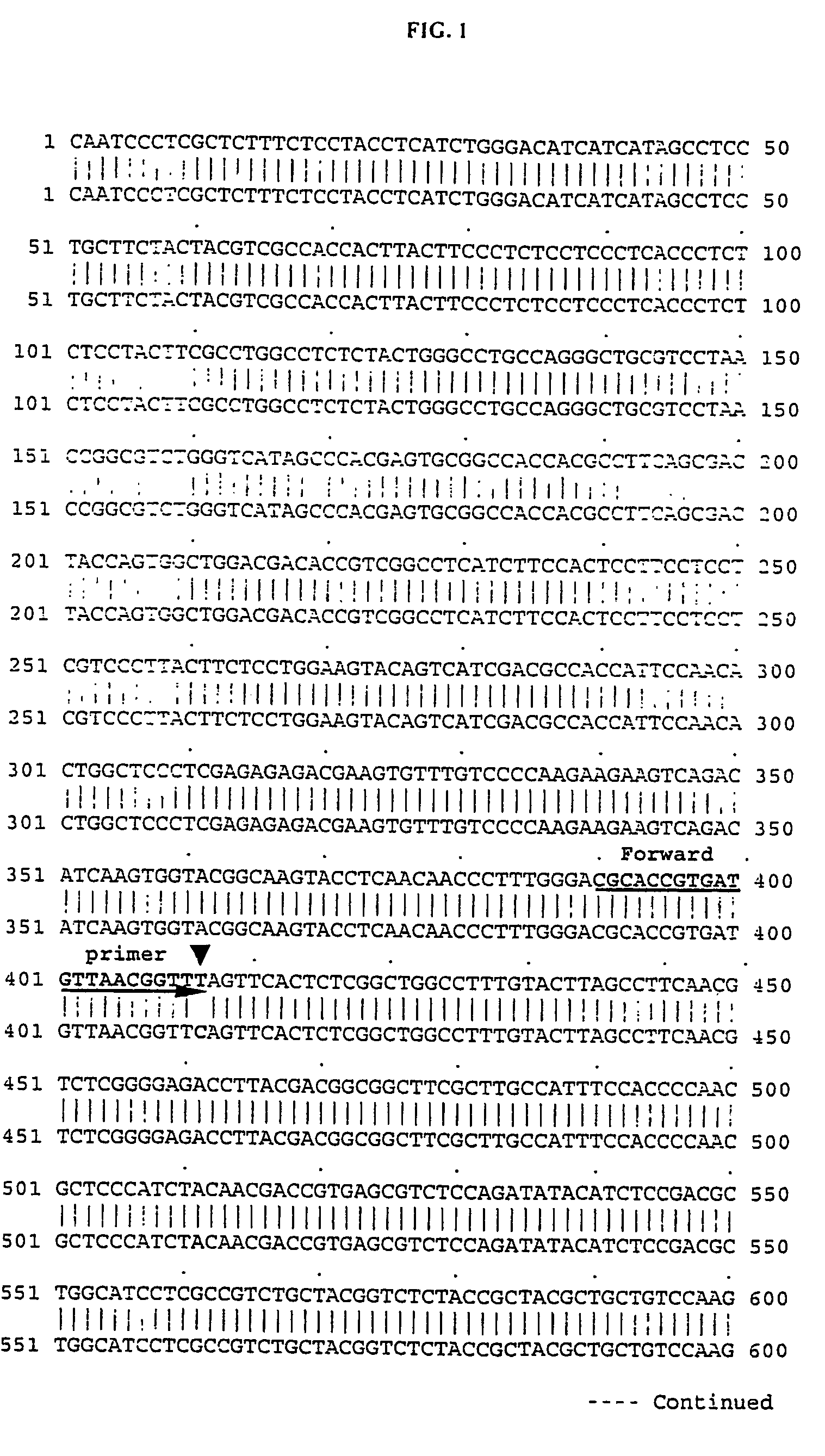
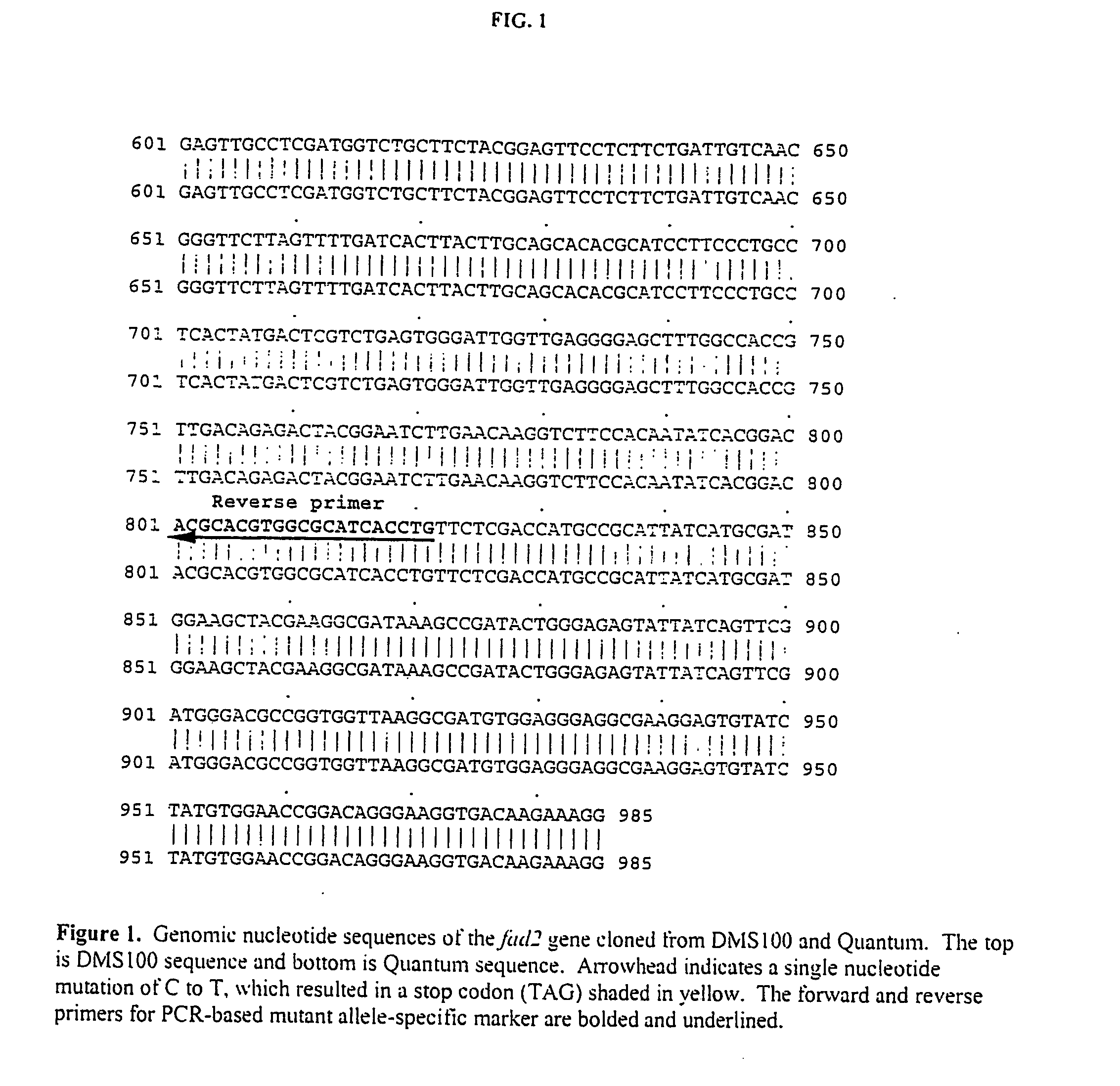
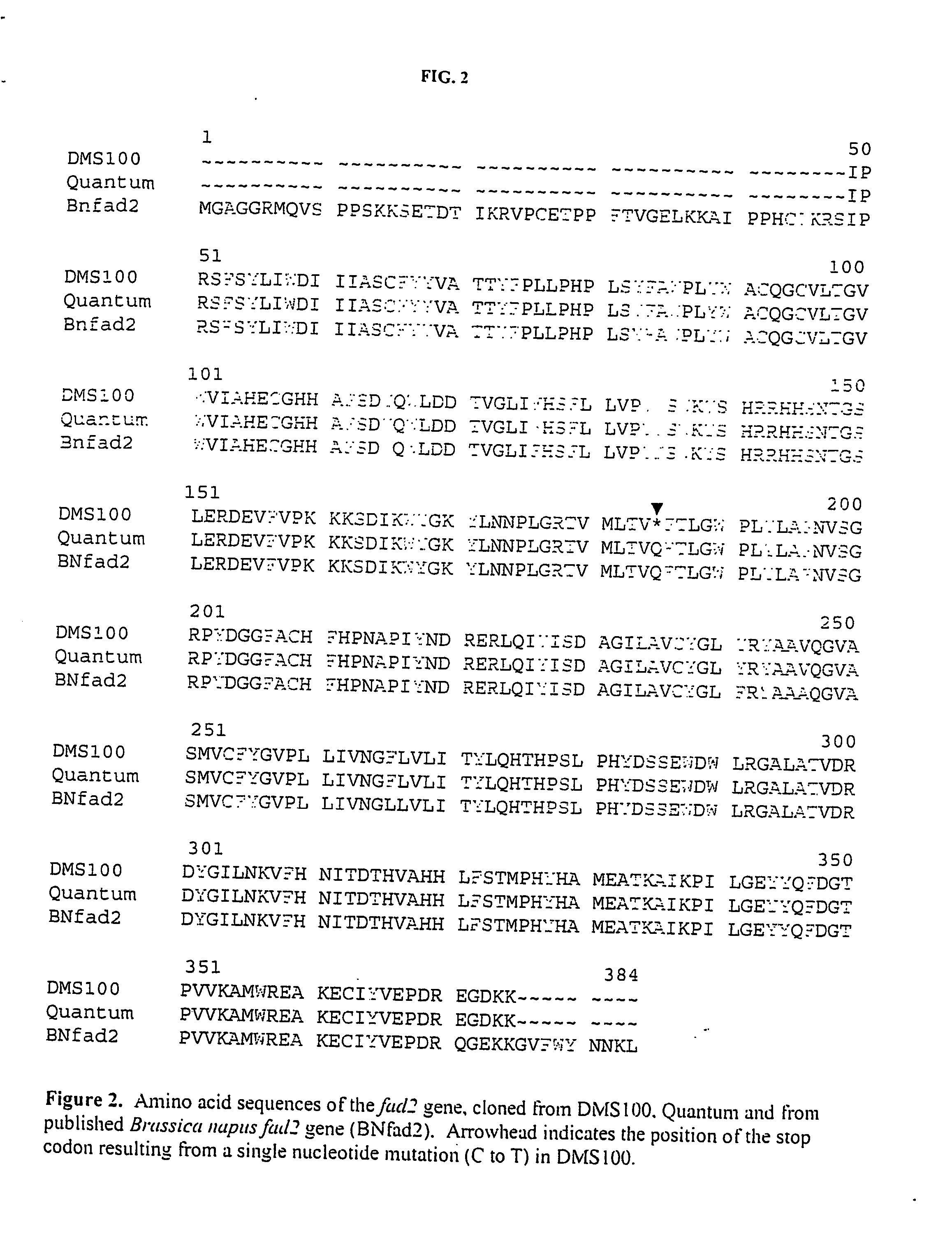
Altered fad2 and fad3 genes in brassica and the molecular marker-assisted detection thereof
PatentActiveUS20060248611A1
Innovation
- Development of molecular markers associated with high oleic and low linolenic acid content, specifically targeting the fad2 and fad3 genes, allows for marker-assisted selection and introgression of these traits into Brassica germplasm, enabling early and reliable selection of plants with improved fatty acid profiles.

Hydrogenation process and high monoene compositions obtained therefrom
PatentWO2008048495A2
Innovation
- A hydrogenation process using basic copper carbonate as a catalyst in a hydrogen atmosphere to selectively reduce unsaturated content, particularly linolenic acid, while minimizing the formation of saturated fatty acids, thus producing high monoene content oils without substantial increases in saturated content.


Food Safety Regulations for Lipid Oxidation Control
Food safety regulations governing lipid oxidation control have evolved significantly to address the differential oxidative stability characteristics of fatty acids like octadecanoic acid and linoleic acid. Regulatory frameworks worldwide recognize that unsaturated fatty acids, particularly polyunsaturated ones such as linoleic acid, pose greater oxidative risks compared to saturated fatty acids like octadecanoic acid, necessitating more stringent control measures.
The FDA's Code of Federal Regulations Title 21 establishes specific guidelines for lipid oxidation monitoring in food products. These regulations mandate peroxide value testing, with maximum allowable limits varying based on the fatty acid composition of products. Foods containing higher concentrations of polyunsaturated fatty acids face stricter peroxide value thresholds, typically not exceeding 10 milliequivalents per kilogram, while products predominantly containing saturated fats may have slightly higher tolerance levels.
European Union regulations under Commission Regulation (EU) No 432/2012 require comprehensive oxidative stability assessments for food products containing significant amounts of unsaturated fatty acids. The regulations specifically address the need for accelerated oxidation testing methods, such as the Rancimat test, to predict shelf-life stability. Products with high linoleic acid content must demonstrate extended stability through appropriate packaging and antioxidant systems.
International standards, including those established by Codex Alimentarius, provide harmonized approaches to lipid oxidation control. These standards emphasize the importance of monitoring secondary oxidation products, particularly aldehydes and ketones, which form more readily in polyunsaturated fatty acid systems. The standards require manufacturers to implement HACCP-based systems that specifically address oxidative deterioration risks based on fatty acid profiles.
Recent regulatory developments have introduced mandatory labeling requirements for products containing oxidation-prone fatty acids. These regulations require clear indication of storage conditions, shelf-life limitations, and antioxidant additions. Additionally, emerging regulations are beginning to address the formation of potentially harmful oxidation byproducts, establishing maximum allowable concentrations for compounds such as 4-hydroxynonenal and malondialdehyde, which are more prevalent in linoleic acid oxidation pathways compared to octadecanoic acid systems.
The FDA's Code of Federal Regulations Title 21 establishes specific guidelines for lipid oxidation monitoring in food products. These regulations mandate peroxide value testing, with maximum allowable limits varying based on the fatty acid composition of products. Foods containing higher concentrations of polyunsaturated fatty acids face stricter peroxide value thresholds, typically not exceeding 10 milliequivalents per kilogram, while products predominantly containing saturated fats may have slightly higher tolerance levels.
European Union regulations under Commission Regulation (EU) No 432/2012 require comprehensive oxidative stability assessments for food products containing significant amounts of unsaturated fatty acids. The regulations specifically address the need for accelerated oxidation testing methods, such as the Rancimat test, to predict shelf-life stability. Products with high linoleic acid content must demonstrate extended stability through appropriate packaging and antioxidant systems.
International standards, including those established by Codex Alimentarius, provide harmonized approaches to lipid oxidation control. These standards emphasize the importance of monitoring secondary oxidation products, particularly aldehydes and ketones, which form more readily in polyunsaturated fatty acid systems. The standards require manufacturers to implement HACCP-based systems that specifically address oxidative deterioration risks based on fatty acid profiles.
Recent regulatory developments have introduced mandatory labeling requirements for products containing oxidation-prone fatty acids. These regulations require clear indication of storage conditions, shelf-life limitations, and antioxidant additions. Additionally, emerging regulations are beginning to address the formation of potentially harmful oxidation byproducts, establishing maximum allowable concentrations for compounds such as 4-hydroxynonenal and malondialdehyde, which are more prevalent in linoleic acid oxidation pathways compared to octadecanoic acid systems.
Environmental Impact of Fatty Acid Production and Processing
The environmental implications of fatty acid production and processing vary significantly between octadecanoic acid (stearic acid) and linoleic acid, reflecting their distinct sources, extraction methods, and industrial processing requirements. These differences have profound consequences for sustainability assessments and environmental footprint calculations in the lipid industry.
Octadecanoic acid production primarily relies on animal-derived sources such as beef tallow and lard, alongside plant-based alternatives like cocoa butter and shea butter. The environmental impact of animal-sourced stearic acid is intrinsically linked to livestock farming, which contributes substantially to greenhouse gas emissions, land use changes, and water consumption. Cattle farming alone accounts for approximately 14.5% of global greenhouse gas emissions, with significant methane production during digestion processes.
Plant-based octadecanoic acid extraction presents a more favorable environmental profile, particularly when sourced from sustainable agricultural practices. However, the processing requirements for purification and concentration often involve energy-intensive hydrogenation processes, which increase the carbon footprint and require careful waste management protocols.
Linoleic acid production predominantly depends on oilseed crops including sunflower, safflower, and soybean cultivation. The agricultural phase involves extensive land use, with potential impacts on biodiversity and soil health. Modern oilseed farming frequently employs synthetic fertilizers and pesticides, contributing to nitrogen runoff and aquatic ecosystem disruption. The global expansion of soybean cultivation has been particularly associated with deforestation in sensitive regions.
The extraction and refining processes for linoleic acid typically involve solvent-based methods using hexane or other petroleum-derived chemicals. These processes generate volatile organic compound emissions and require sophisticated waste treatment systems. The energy requirements for oil extraction, degumming, and purification contribute significantly to the overall environmental burden.
Processing efficiency differences between the two fatty acids create distinct environmental profiles. Linoleic acid's susceptibility to oxidation necessitates protective atmospheres during processing, often requiring nitrogen blanketing and specialized storage conditions. This increases energy consumption and infrastructure requirements compared to the more stable octadecanoic acid processing.
Waste stream management presents unique challenges for each fatty acid type. Linoleic acid processing generates oxidized byproducts that require careful disposal or conversion into value-added products. Octadecanoic acid processing typically produces more manageable waste streams, though the volume can be substantial depending on the purification level required.
The geographic distribution of production facilities influences transportation-related environmental impacts. Linoleic acid production is often concentrated in major agricultural regions, while octadecanoic acid sources are more globally distributed, affecting supply chain carbon footprints and logistics optimization strategies.
Octadecanoic acid production primarily relies on animal-derived sources such as beef tallow and lard, alongside plant-based alternatives like cocoa butter and shea butter. The environmental impact of animal-sourced stearic acid is intrinsically linked to livestock farming, which contributes substantially to greenhouse gas emissions, land use changes, and water consumption. Cattle farming alone accounts for approximately 14.5% of global greenhouse gas emissions, with significant methane production during digestion processes.
Plant-based octadecanoic acid extraction presents a more favorable environmental profile, particularly when sourced from sustainable agricultural practices. However, the processing requirements for purification and concentration often involve energy-intensive hydrogenation processes, which increase the carbon footprint and require careful waste management protocols.
Linoleic acid production predominantly depends on oilseed crops including sunflower, safflower, and soybean cultivation. The agricultural phase involves extensive land use, with potential impacts on biodiversity and soil health. Modern oilseed farming frequently employs synthetic fertilizers and pesticides, contributing to nitrogen runoff and aquatic ecosystem disruption. The global expansion of soybean cultivation has been particularly associated with deforestation in sensitive regions.
The extraction and refining processes for linoleic acid typically involve solvent-based methods using hexane or other petroleum-derived chemicals. These processes generate volatile organic compound emissions and require sophisticated waste treatment systems. The energy requirements for oil extraction, degumming, and purification contribute significantly to the overall environmental burden.
Processing efficiency differences between the two fatty acids create distinct environmental profiles. Linoleic acid's susceptibility to oxidation necessitates protective atmospheres during processing, often requiring nitrogen blanketing and specialized storage conditions. This increases energy consumption and infrastructure requirements compared to the more stable octadecanoic acid processing.
Waste stream management presents unique challenges for each fatty acid type. Linoleic acid processing generates oxidized byproducts that require careful disposal or conversion into value-added products. Octadecanoic acid processing typically produces more manageable waste streams, though the volume can be substantial depending on the purification level required.
The geographic distribution of production facilities influences transportation-related environmental impacts. Linoleic acid production is often concentrated in major agricultural regions, while octadecanoic acid sources are more globally distributed, affecting supply chain carbon footprints and logistics optimization strategies.
Unlock deeper insights with Patsnap Eureka Quick Research — get a full tech report to explore trends and direct your research. Try now!
Generate Your Research Report Instantly with AI Agent
Supercharge your innovation with Patsnap Eureka AI Agent Platform!