Optimization of Microcrystalline Cellulose for Suppository Formulation
JUL 23, 20259 MIN READ
Generate Your Research Report Instantly with AI Agent
Patsnap Eureka helps you evaluate technical feasibility & market potential.
MCC in Suppositories: Background and Objectives
Microcrystalline cellulose (MCC) has emerged as a pivotal excipient in pharmaceutical formulations, particularly in the development of suppositories. The optimization of MCC for suppository formulation represents a significant advancement in drug delivery systems, addressing the unique challenges associated with rectal and vaginal administration routes.
The evolution of MCC in suppository formulations can be traced back to the mid-20th century when researchers began exploring alternatives to traditional fatty bases. The primary objective was to enhance the stability, bioavailability, and release characteristics of drugs administered via suppositories. MCC, derived from purified, depolymerized cellulose, offered promising properties that aligned with these goals.
As the pharmaceutical industry progressed, the demand for more efficient and patient-friendly drug delivery methods grew. Suppositories, while effective for certain medications and patient populations, faced limitations in terms of melting point consistency, drug release profiles, and overall patient acceptability. The introduction of MCC into suppository formulations aimed to address these challenges by leveraging its unique physicochemical properties.
The technical objectives of optimizing MCC for suppository formulation encompass several key aspects. Firstly, researchers seek to enhance the mechanical strength and structural integrity of suppositories, ensuring they maintain their shape during storage and insertion. Secondly, there is a focus on improving the disintegration and dissolution characteristics of the suppository matrix, facilitating controlled and predictable drug release.
Another critical objective is to increase the drug loading capacity of suppositories without compromising their physical properties or stability. MCC's high surface area and porous structure offer potential advantages in this regard, allowing for greater drug incorporation and potentially improving bioavailability.
Furthermore, the optimization of MCC in suppositories aims to enhance the overall manufacturing process. This includes improving the flow properties of the formulation during production, reducing the variability in suppository weight and drug content, and increasing the overall efficiency of large-scale manufacturing.
The development of MCC-based suppositories also aligns with the broader trend towards more sustainable and environmentally friendly pharmaceutical products. As a natural, biodegradable material, MCC offers potential advantages over synthetic polymers in terms of environmental impact and regulatory compliance.
In the context of personalized medicine, the optimization of MCC in suppositories opens up possibilities for tailoring drug release profiles to individual patient needs. This could lead to more effective treatments and improved patient outcomes across various therapeutic areas, including pain management, hormone therapy, and local treatments for rectal and vaginal conditions.
The evolution of MCC in suppository formulations can be traced back to the mid-20th century when researchers began exploring alternatives to traditional fatty bases. The primary objective was to enhance the stability, bioavailability, and release characteristics of drugs administered via suppositories. MCC, derived from purified, depolymerized cellulose, offered promising properties that aligned with these goals.
As the pharmaceutical industry progressed, the demand for more efficient and patient-friendly drug delivery methods grew. Suppositories, while effective for certain medications and patient populations, faced limitations in terms of melting point consistency, drug release profiles, and overall patient acceptability. The introduction of MCC into suppository formulations aimed to address these challenges by leveraging its unique physicochemical properties.
The technical objectives of optimizing MCC for suppository formulation encompass several key aspects. Firstly, researchers seek to enhance the mechanical strength and structural integrity of suppositories, ensuring they maintain their shape during storage and insertion. Secondly, there is a focus on improving the disintegration and dissolution characteristics of the suppository matrix, facilitating controlled and predictable drug release.
Another critical objective is to increase the drug loading capacity of suppositories without compromising their physical properties or stability. MCC's high surface area and porous structure offer potential advantages in this regard, allowing for greater drug incorporation and potentially improving bioavailability.
Furthermore, the optimization of MCC in suppositories aims to enhance the overall manufacturing process. This includes improving the flow properties of the formulation during production, reducing the variability in suppository weight and drug content, and increasing the overall efficiency of large-scale manufacturing.
The development of MCC-based suppositories also aligns with the broader trend towards more sustainable and environmentally friendly pharmaceutical products. As a natural, biodegradable material, MCC offers potential advantages over synthetic polymers in terms of environmental impact and regulatory compliance.
In the context of personalized medicine, the optimization of MCC in suppositories opens up possibilities for tailoring drug release profiles to individual patient needs. This could lead to more effective treatments and improved patient outcomes across various therapeutic areas, including pain management, hormone therapy, and local treatments for rectal and vaginal conditions.
Market Analysis for MCC-based Suppositories
The market for microcrystalline cellulose (MCC)-based suppositories has shown significant growth potential in recent years, driven by increasing demand for alternative drug delivery methods and the growing prevalence of conditions requiring rectal or vaginal administration. The global suppository market, which includes MCC-based formulations, was valued at approximately $1.3 billion in 2020 and is projected to reach $2.1 billion by 2027, with a compound annual growth rate (CAGR) of 7.2%.
MCC-based suppositories offer several advantages over traditional formulations, including improved stability, enhanced drug release profiles, and better patient compliance. These benefits have led to increased adoption in various therapeutic areas, particularly in the treatment of hemorrhoids, constipation, and certain types of cancer. The geriatric population, which is more prone to these conditions, is a key demographic driving market growth.
Geographically, North America and Europe currently dominate the MCC-based suppository market, accounting for over 60% of the global share. This is primarily due to advanced healthcare infrastructure, higher healthcare expenditure, and greater awareness of alternative drug delivery methods. However, the Asia-Pacific region is expected to witness the fastest growth in the coming years, with a CAGR of 9.5%, driven by improving healthcare access and rising disposable incomes.
The pharmaceutical industry's increasing focus on personalized medicine and targeted drug delivery has also contributed to the growing interest in MCC-based suppositories. These formulations allow for precise dosing and localized drug release, making them particularly attractive for applications in oncology and hormone replacement therapy.
Despite the positive market outlook, there are challenges that may impact the growth of MCC-based suppositories. These include cultural stigma associated with rectal and vaginal drug administration in some regions, as well as competition from other novel drug delivery systems such as transdermal patches and oral disintegrating tablets. Additionally, regulatory hurdles and the need for extensive clinical trials to prove the efficacy and safety of MCC-based formulations may slow market penetration in certain therapeutic areas.
In conclusion, the market for MCC-based suppositories presents significant opportunities for growth and innovation. As research continues to optimize MCC formulations for suppositories, addressing challenges such as improved bioavailability and patient acceptability will be crucial for capitalizing on the market's full potential.
MCC-based suppositories offer several advantages over traditional formulations, including improved stability, enhanced drug release profiles, and better patient compliance. These benefits have led to increased adoption in various therapeutic areas, particularly in the treatment of hemorrhoids, constipation, and certain types of cancer. The geriatric population, which is more prone to these conditions, is a key demographic driving market growth.
Geographically, North America and Europe currently dominate the MCC-based suppository market, accounting for over 60% of the global share. This is primarily due to advanced healthcare infrastructure, higher healthcare expenditure, and greater awareness of alternative drug delivery methods. However, the Asia-Pacific region is expected to witness the fastest growth in the coming years, with a CAGR of 9.5%, driven by improving healthcare access and rising disposable incomes.
The pharmaceutical industry's increasing focus on personalized medicine and targeted drug delivery has also contributed to the growing interest in MCC-based suppositories. These formulations allow for precise dosing and localized drug release, making them particularly attractive for applications in oncology and hormone replacement therapy.
Despite the positive market outlook, there are challenges that may impact the growth of MCC-based suppositories. These include cultural stigma associated with rectal and vaginal drug administration in some regions, as well as competition from other novel drug delivery systems such as transdermal patches and oral disintegrating tablets. Additionally, regulatory hurdles and the need for extensive clinical trials to prove the efficacy and safety of MCC-based formulations may slow market penetration in certain therapeutic areas.
In conclusion, the market for MCC-based suppositories presents significant opportunities for growth and innovation. As research continues to optimize MCC formulations for suppositories, addressing challenges such as improved bioavailability and patient acceptability will be crucial for capitalizing on the market's full potential.
Current Challenges in MCC Suppository Formulation
Despite the widespread use of microcrystalline cellulose (MCC) in suppository formulations, several challenges persist in optimizing its application. One of the primary issues is achieving consistent particle size distribution. MCC particles can vary significantly in size, which affects the uniformity of the suppository matrix and potentially impacts drug release kinetics. This variability can lead to inconsistencies in melting point, disintegration time, and overall product performance.
Another challenge lies in controlling the moisture content of MCC. As a hygroscopic material, MCC can absorb moisture from the environment, leading to changes in its physical properties. This moisture absorption can affect the stability of the suppository, potentially altering its shape, texture, and release characteristics over time. Manufacturers must implement stringent moisture control measures throughout the production and storage processes to maintain product quality.
The interaction between MCC and active pharmaceutical ingredients (APIs) presents another hurdle. Some APIs may adsorb onto the surface of MCC particles, potentially affecting their bioavailability. This phenomenon can lead to unpredictable drug release profiles and reduced therapeutic efficacy. Formulators must carefully consider these interactions and potentially employ surface modification techniques or alternative excipients to mitigate these effects.
Achieving optimal dispersion of MCC within the suppository base is also challenging. Inadequate dispersion can result in non-homogeneous distribution of the MCC particles, leading to inconsistencies in drug release and mechanical properties across different units of the same batch. This issue is particularly pronounced when working with hydrophobic suppository bases, as MCC is inherently hydrophilic.
The compressibility and flow properties of MCC can also pose difficulties in large-scale manufacturing. While MCC generally exhibits good flow characteristics, variations in particle size and morphology can lead to inconsistencies in die filling and compression behavior. This can result in weight variations and potential issues with content uniformity in the final product.
Furthermore, the selection of the appropriate grade of MCC for suppository formulations remains a complex task. Different grades of MCC vary in their particle size, crystallinity, and moisture content, each of which can significantly impact the final product's properties. Formulators must carefully balance these factors against the desired characteristics of the suppository, often requiring extensive trial and error to identify the optimal grade for a specific formulation.
Lastly, ensuring the stability of MCC-containing suppositories under various storage conditions presents ongoing challenges. Temperature fluctuations can affect the physical state of the suppository base, potentially leading to recrystallization or phase separation. These changes can alter the distribution of MCC within the matrix, affecting both the physical integrity of the suppository and its drug release profile over time.
Another challenge lies in controlling the moisture content of MCC. As a hygroscopic material, MCC can absorb moisture from the environment, leading to changes in its physical properties. This moisture absorption can affect the stability of the suppository, potentially altering its shape, texture, and release characteristics over time. Manufacturers must implement stringent moisture control measures throughout the production and storage processes to maintain product quality.
The interaction between MCC and active pharmaceutical ingredients (APIs) presents another hurdle. Some APIs may adsorb onto the surface of MCC particles, potentially affecting their bioavailability. This phenomenon can lead to unpredictable drug release profiles and reduced therapeutic efficacy. Formulators must carefully consider these interactions and potentially employ surface modification techniques or alternative excipients to mitigate these effects.
Achieving optimal dispersion of MCC within the suppository base is also challenging. Inadequate dispersion can result in non-homogeneous distribution of the MCC particles, leading to inconsistencies in drug release and mechanical properties across different units of the same batch. This issue is particularly pronounced when working with hydrophobic suppository bases, as MCC is inherently hydrophilic.
The compressibility and flow properties of MCC can also pose difficulties in large-scale manufacturing. While MCC generally exhibits good flow characteristics, variations in particle size and morphology can lead to inconsistencies in die filling and compression behavior. This can result in weight variations and potential issues with content uniformity in the final product.
Furthermore, the selection of the appropriate grade of MCC for suppository formulations remains a complex task. Different grades of MCC vary in their particle size, crystallinity, and moisture content, each of which can significantly impact the final product's properties. Formulators must carefully balance these factors against the desired characteristics of the suppository, often requiring extensive trial and error to identify the optimal grade for a specific formulation.
Lastly, ensuring the stability of MCC-containing suppositories under various storage conditions presents ongoing challenges. Temperature fluctuations can affect the physical state of the suppository base, potentially leading to recrystallization or phase separation. These changes can alter the distribution of MCC within the matrix, affecting both the physical integrity of the suppository and its drug release profile over time.
Existing MCC Optimization Techniques for Suppositories
01 Preparation and modification of microcrystalline cellulose
Various methods for preparing and modifying microcrystalline cellulose are described. These include processes for producing microcrystalline cellulose with specific properties, such as improved dispersibility or enhanced stability. Modifications may involve chemical treatments or physical processing to alter the characteristics of the cellulose particles.- Preparation and modification of microcrystalline cellulose: Various methods are employed to prepare and modify microcrystalline cellulose, including chemical treatments, mechanical processing, and surface modifications. These processes aim to enhance the properties of microcrystalline cellulose for specific applications, such as improving its dispersibility, stability, or functionality in different formulations.
- Use of microcrystalline cellulose in pharmaceutical formulations: Microcrystalline cellulose is widely used in pharmaceutical formulations as an excipient. It serves various functions such as a binder, disintegrant, and filler in tablet and capsule formulations. Its properties contribute to improved drug release, stability, and overall performance of pharmaceutical products.
- Application of microcrystalline cellulose in food and cosmetic industries: Microcrystalline cellulose finds applications in food and cosmetic industries as a stabilizer, thickener, and texturizing agent. It is used to improve the consistency, mouthfeel, and stability of various food products and cosmetic formulations, enhancing their overall quality and performance.
- Microcrystalline cellulose in composite materials: Microcrystalline cellulose is utilized in the development of composite materials, where it acts as a reinforcing agent or filler. It can enhance the mechanical properties, thermal stability, and biodegradability of various composite materials, making them suitable for applications in packaging, construction, and automotive industries.
- Production of microcrystalline cellulose from various sources: Microcrystalline cellulose can be produced from various cellulosic sources, including wood pulp, cotton, and agricultural residues. Different production methods and raw materials can result in microcrystalline cellulose with varying properties, allowing for customization to meet specific application requirements.
02 Applications in pharmaceutical formulations
Microcrystalline cellulose is widely used in pharmaceutical formulations as an excipient. It serves various functions such as a binder, disintegrant, and filler in tablet and capsule formulations. Its properties contribute to improved drug release, stability, and manufacturability of pharmaceutical products.Expand Specific Solutions03 Use in food and cosmetic products
Microcrystalline cellulose finds applications in food and cosmetic industries. In food products, it can act as a texturizer, stabilizer, or fat replacer. In cosmetics, it may be used as a thickening agent or to improve the feel of products. Its natural origin and safety profile make it suitable for these applications.Expand Specific Solutions04 Composite materials and reinforcement applications
Microcrystalline cellulose is utilized in the development of composite materials. It can serve as a reinforcing agent in various matrices, improving mechanical properties and reducing environmental impact. Applications include packaging materials, construction products, and automotive components.Expand Specific Solutions05 Processing and surface modification techniques
Various techniques for processing and modifying the surface of microcrystalline cellulose are explored. These include methods to improve dispersibility, enhance compatibility with different matrices, and alter surface properties. Such modifications can expand the range of applications and improve performance in specific use cases.Expand Specific Solutions
Key Players in MCC and Suppository Manufacturing
The optimization of microcrystalline cellulose for suppository formulation is in a mature stage of development, with a well-established market and significant industry players. The global market for pharmaceutical excipients, including microcrystalline cellulose, is substantial and growing. Key companies like FMC Corp., CP Kelco, and Shin-Etsu Chemical Co., Ltd. are at the forefront of this technology, leveraging their expertise in cellulose-based products. The technical maturity is high, with these firms continually refining processes and formulations to meet evolving pharmaceutical standards and improve drug delivery efficacy in suppository applications.
FMC Corp.
Technical Solution: FMC Corp. has developed advanced microcrystalline cellulose (MCC) formulations specifically optimized for suppository applications. Their proprietary process involves controlled hydrolysis of alpha-cellulose, resulting in MCC particles with tailored size distribution and surface properties[1]. This enables improved flow characteristics and enhanced binding capacity in suppository bases. FMC's MCC grades for suppositories feature high purity (>99.5% cellulose content) and low moisture content (<5%)[2], contributing to improved stability and shelf-life of the final product. The company has also introduced functionalized MCC variants with modified surface chemistry to enhance drug release profiles in suppository formulations[3].
Strengths: High purity MCC, tailored particle properties, enhanced stability. Weaknesses: May require specialized processing equipment, potentially higher cost compared to standard MCC grades.
Shin-Etsu Chemical Co., Ltd.
Technical Solution: Shin-Etsu Chemical has developed a novel MCC-based excipient system specifically for suppository formulations. Their approach involves co-processing MCC with hydrophilic polymers to create a composite material with improved plasticity and moldability[4]. This composite excipient, marketed under the trade name "Cellulose-S", exhibits excellent compatibility with both hydrophilic and lipophilic suppository bases. Shin-Etsu's technology incorporates a proprietary surface modification process that enhances the dispersibility of the MCC particles in molten suppository bases, resulting in more homogeneous and stable formulations[5]. Additionally, the company has developed a range of grades with varying particle sizes and surface properties to optimize drug release kinetics for different therapeutic applications[6].
Strengths: Improved plasticity and moldability, enhanced compatibility with various bases. Weaknesses: May require reformulation of existing suppository products, potential regulatory hurdles for novel excipient approval.
Innovative MCC Modifications for Suppository Enhancement
Directly compressible sustained release formulation containing microcrystalline cellulose
PatentInactiveUS20050147673A1
Innovation
- A novel agglomerated microcrystalline cellulose excipient is developed by combining microcrystalline cellulose with compressibility augmenting agents like silicon dioxide or surfactants, which inhibit hydrogen bonding and quasi-hornification, thereby maintaining compressibility even in wet granulation processes.
Microcrystalline cellulose, compositions, methods of making the same and food products comprising them
PatentWO2022125895A1
Innovation
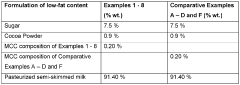
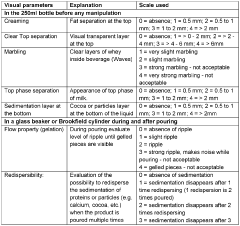
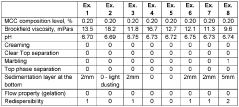
- A microcrystalline cellulose composition comprising three types of carboxymethyl cellulose (CMC) with specific degree of substitution (DS) ranges, co-attrited and dried to achieve a stable dispersion, effectively suspending microparticles even at low concentrations and elevated temperatures.

Regulatory Considerations for MCC in Suppositories
The regulatory landscape for microcrystalline cellulose (MCC) in suppository formulations is complex and multifaceted, requiring careful consideration by manufacturers and pharmaceutical companies. In the United States, the Food and Drug Administration (FDA) oversees the regulation of MCC in suppositories, classifying it as a generally recognized as safe (GRAS) substance when used as an excipient in pharmaceutical preparations.
The European Medicines Agency (EMA) also recognizes MCC as a safe excipient for use in suppositories, provided it meets the quality standards outlined in the European Pharmacopoeia. Both regulatory bodies emphasize the importance of quality control and consistency in the manufacturing process of MCC-containing suppositories.
Manufacturers must adhere to Good Manufacturing Practice (GMP) guidelines to ensure the quality, safety, and efficacy of suppositories containing MCC. This includes implementing robust quality management systems, maintaining proper documentation, and conducting regular audits of production facilities.
Stability testing is a crucial regulatory requirement for MCC-based suppositories. Manufacturers must demonstrate that the formulation remains stable throughout its intended shelf life, with particular attention paid to the potential impact of MCC on the release profile of active pharmaceutical ingredients (APIs).
Regulatory bodies also require thorough characterization of the MCC used in suppository formulations. This includes specifications for particle size distribution, moisture content, and degree of polymerization, as these factors can significantly influence the performance of the final product.
In terms of safety assessment, while MCC is generally considered safe, manufacturers must still provide data on its biocompatibility and potential for local irritation when used in suppositories. This may involve conducting specific toxicological studies to support the safety profile of the formulation.
Labeling requirements for suppositories containing MCC vary by region but typically include information on the presence of MCC as an excipient, storage conditions, and any relevant warnings or precautions. Manufacturers must ensure that their labeling complies with local regulatory requirements.
As the regulatory landscape evolves, manufacturers must stay informed about any changes in guidelines or requirements related to MCC use in suppositories. This may involve ongoing communication with regulatory agencies and participation in industry forums to stay abreast of emerging trends and potential regulatory shifts.
The European Medicines Agency (EMA) also recognizes MCC as a safe excipient for use in suppositories, provided it meets the quality standards outlined in the European Pharmacopoeia. Both regulatory bodies emphasize the importance of quality control and consistency in the manufacturing process of MCC-containing suppositories.
Manufacturers must adhere to Good Manufacturing Practice (GMP) guidelines to ensure the quality, safety, and efficacy of suppositories containing MCC. This includes implementing robust quality management systems, maintaining proper documentation, and conducting regular audits of production facilities.
Stability testing is a crucial regulatory requirement for MCC-based suppositories. Manufacturers must demonstrate that the formulation remains stable throughout its intended shelf life, with particular attention paid to the potential impact of MCC on the release profile of active pharmaceutical ingredients (APIs).
Regulatory bodies also require thorough characterization of the MCC used in suppository formulations. This includes specifications for particle size distribution, moisture content, and degree of polymerization, as these factors can significantly influence the performance of the final product.
In terms of safety assessment, while MCC is generally considered safe, manufacturers must still provide data on its biocompatibility and potential for local irritation when used in suppositories. This may involve conducting specific toxicological studies to support the safety profile of the formulation.
Labeling requirements for suppositories containing MCC vary by region but typically include information on the presence of MCC as an excipient, storage conditions, and any relevant warnings or precautions. Manufacturers must ensure that their labeling complies with local regulatory requirements.
As the regulatory landscape evolves, manufacturers must stay informed about any changes in guidelines or requirements related to MCC use in suppositories. This may involve ongoing communication with regulatory agencies and participation in industry forums to stay abreast of emerging trends and potential regulatory shifts.
Environmental Impact of MCC in Pharmaceutical Products
The environmental impact of microcrystalline cellulose (MCC) in pharmaceutical products, particularly in suppository formulations, is an important consideration in the broader context of sustainable drug development and manufacturing. MCC, derived from natural cellulose sources, is generally considered a biodegradable and environmentally friendly excipient. However, its production and use in pharmaceutical products still have environmental implications that warrant careful examination.
The production of MCC involves the processing of wood pulp or other plant-based materials, which can have upstream environmental impacts related to forestry practices and agricultural land use. Sustainable sourcing of raw materials is crucial to minimize deforestation and maintain biodiversity. Additionally, the chemical processes used to convert cellulose into MCC require energy and chemicals, contributing to carbon emissions and potential chemical waste.
In the context of suppository formulations, the use of MCC as an excipient may have both positive and negative environmental effects. On the positive side, MCC's natural origin and biodegradability make it a more environmentally friendly alternative to synthetic polymers often used in pharmaceutical formulations. This can lead to reduced persistence of pharmaceutical waste in the environment and lower ecotoxicological risks.
However, the optimization of MCC for suppository formulations may involve additional processing steps or chemical modifications, which could increase its environmental footprint. The environmental impact of these processes should be carefully assessed and balanced against the potential benefits of improved drug delivery and efficacy.
The disposal of MCC-containing suppositories also merits consideration. While MCC itself is biodegradable, the presence of active pharmaceutical ingredients (APIs) and other excipients in the formulation may complicate the environmental fate of the product. Proper waste management and disposal protocols are essential to prevent pharmaceutical pollution of water systems and soil.
From a lifecycle perspective, the use of MCC in suppositories may contribute to reduced packaging requirements due to its ability to improve product stability and shelf life. This could lead to decreased plastic usage and transportation-related emissions, further enhancing the environmental profile of MCC-based formulations.
As pharmaceutical companies increasingly prioritize sustainability, the environmental impact of MCC in suppository formulations should be evaluated holistically. This includes considering its production, use, and disposal, as well as its potential to enable more environmentally friendly drug delivery systems. Future research and development efforts should focus on further optimizing MCC production and application to minimize environmental impacts while maximizing its benefits in pharmaceutical formulations.
The production of MCC involves the processing of wood pulp or other plant-based materials, which can have upstream environmental impacts related to forestry practices and agricultural land use. Sustainable sourcing of raw materials is crucial to minimize deforestation and maintain biodiversity. Additionally, the chemical processes used to convert cellulose into MCC require energy and chemicals, contributing to carbon emissions and potential chemical waste.
In the context of suppository formulations, the use of MCC as an excipient may have both positive and negative environmental effects. On the positive side, MCC's natural origin and biodegradability make it a more environmentally friendly alternative to synthetic polymers often used in pharmaceutical formulations. This can lead to reduced persistence of pharmaceutical waste in the environment and lower ecotoxicological risks.
However, the optimization of MCC for suppository formulations may involve additional processing steps or chemical modifications, which could increase its environmental footprint. The environmental impact of these processes should be carefully assessed and balanced against the potential benefits of improved drug delivery and efficacy.
The disposal of MCC-containing suppositories also merits consideration. While MCC itself is biodegradable, the presence of active pharmaceutical ingredients (APIs) and other excipients in the formulation may complicate the environmental fate of the product. Proper waste management and disposal protocols are essential to prevent pharmaceutical pollution of water systems and soil.
From a lifecycle perspective, the use of MCC in suppositories may contribute to reduced packaging requirements due to its ability to improve product stability and shelf life. This could lead to decreased plastic usage and transportation-related emissions, further enhancing the environmental profile of MCC-based formulations.
As pharmaceutical companies increasingly prioritize sustainability, the environmental impact of MCC in suppository formulations should be evaluated holistically. This includes considering its production, use, and disposal, as well as its potential to enable more environmentally friendly drug delivery systems. Future research and development efforts should focus on further optimizing MCC production and application to minimize environmental impacts while maximizing its benefits in pharmaceutical formulations.
Unlock deeper insights with Patsnap Eureka Quick Research — get a full tech report to explore trends and direct your research. Try now!
Generate Your Research Report Instantly with AI Agent
Supercharge your innovation with Patsnap Eureka AI Agent Platform!