

Optimize Blue Laser Calibration Techniques for R&D Functions
MAY 21, 20269 MIN READ
Generate Your Research Report Instantly with AI Agent
PatSnap Eureka helps you evaluate technical feasibility & market potential.
Blue Laser Calibration Background and R&D Objectives
Blue laser technology has emerged as a critical component in modern precision measurement and calibration systems, particularly within research and development environments. The evolution of blue laser systems began in the 1990s with the development of gallium nitride-based semiconductor materials, leading to the first practical blue laser diodes. These devices operate typically at wavelengths between 405-450 nanometers, offering unique advantages in terms of beam quality, power density, and interaction with various materials.
The historical development trajectory shows significant milestones including the Nobel Prize-winning work on blue LEDs in 2014, which accelerated commercial applications. Early blue laser systems faced challenges related to temperature stability, power consistency, and calibration drift. Over the past two decades, technological advances have addressed many fundamental limitations, yet calibration precision remains a critical bottleneck for high-precision R&D applications.
Current blue laser calibration techniques primarily focus on wavelength stabilization, power output consistency, and beam profile optimization. Traditional calibration methods often rely on external reference standards and periodic manual adjustments, which introduce operational complexity and potential measurement uncertainties. The increasing demand for automated, real-time calibration solutions has driven research toward more sophisticated approaches.
The primary technical objectives for optimizing blue laser calibration techniques center on achieving sub-nanometer wavelength accuracy, maintaining long-term stability over extended operational periods, and implementing automated feedback control systems. Enhanced calibration precision directly impacts measurement reliability in applications such as optical metrology, spectroscopy, and materials characterization.
Research and development goals include developing self-referencing calibration algorithms that minimize dependency on external standards, implementing machine learning approaches for predictive calibration drift compensation, and creating integrated sensor systems for real-time performance monitoring. These objectives aim to reduce calibration time from hours to minutes while improving measurement repeatability by an order of magnitude.
The strategic importance of advancing blue laser calibration techniques extends beyond immediate technical benefits, positioning organizations to leverage next-generation optical measurement capabilities and maintain competitive advantages in precision instrumentation markets.
The historical development trajectory shows significant milestones including the Nobel Prize-winning work on blue LEDs in 2014, which accelerated commercial applications. Early blue laser systems faced challenges related to temperature stability, power consistency, and calibration drift. Over the past two decades, technological advances have addressed many fundamental limitations, yet calibration precision remains a critical bottleneck for high-precision R&D applications.
Current blue laser calibration techniques primarily focus on wavelength stabilization, power output consistency, and beam profile optimization. Traditional calibration methods often rely on external reference standards and periodic manual adjustments, which introduce operational complexity and potential measurement uncertainties. The increasing demand for automated, real-time calibration solutions has driven research toward more sophisticated approaches.
The primary technical objectives for optimizing blue laser calibration techniques center on achieving sub-nanometer wavelength accuracy, maintaining long-term stability over extended operational periods, and implementing automated feedback control systems. Enhanced calibration precision directly impacts measurement reliability in applications such as optical metrology, spectroscopy, and materials characterization.
Research and development goals include developing self-referencing calibration algorithms that minimize dependency on external standards, implementing machine learning approaches for predictive calibration drift compensation, and creating integrated sensor systems for real-time performance monitoring. These objectives aim to reduce calibration time from hours to minutes while improving measurement repeatability by an order of magnitude.
The strategic importance of advancing blue laser calibration techniques extends beyond immediate technical benefits, positioning organizations to leverage next-generation optical measurement capabilities and maintain competitive advantages in precision instrumentation markets.
Market Demand for Precision Blue Laser Applications
The precision blue laser market has experienced substantial growth driven by expanding applications across multiple high-technology sectors. Industrial manufacturing represents the largest demand segment, where blue lasers enable precise material processing, micro-machining, and additive manufacturing applications. The automotive industry increasingly relies on blue laser systems for battery welding in electric vehicles, precision cutting of advanced materials, and quality inspection processes that require exceptional accuracy and repeatability.
Medical device manufacturing constitutes another critical demand driver, with blue lasers essential for surgical instrument production, diagnostic equipment calibration, and therapeutic device development. The biomedical sector particularly values blue laser precision for DNA sequencing, fluorescence microscopy, and photodynamic therapy applications where calibration accuracy directly impacts patient safety and treatment efficacy.
Consumer electronics manufacturing has emerged as a rapidly growing market segment, utilizing precision blue lasers for display technology production, optical data storage systems, and semiconductor processing. The proliferation of high-resolution displays, augmented reality devices, and advanced imaging systems has intensified requirements for laser calibration precision and stability.
Research and development institutions across academic and corporate environments represent a specialized but significant market segment. These facilities require highly calibrated blue laser systems for materials science research, quantum optics experiments, and advanced spectroscopy applications. The R&D market particularly emphasizes flexibility, measurement accuracy, and long-term stability in laser performance.
Aerospace and defense applications demand the highest precision standards, utilizing blue lasers for satellite communication systems, precision guidance mechanisms, and advanced sensing technologies. These applications require calibration techniques that maintain accuracy under extreme environmental conditions and extended operational periods.
The telecommunications industry increasingly adopts blue laser technology for fiber optic communication systems and data transmission applications. Market demand focuses on systems capable of maintaining precise wavelength stability and power output consistency over extended operational lifespans.
Emerging applications in quantum computing, advanced materials processing, and next-generation display technologies are creating new market opportunities. These sectors require calibration techniques that can achieve unprecedented precision levels while maintaining cost-effectiveness for commercial viability.
Medical device manufacturing constitutes another critical demand driver, with blue lasers essential for surgical instrument production, diagnostic equipment calibration, and therapeutic device development. The biomedical sector particularly values blue laser precision for DNA sequencing, fluorescence microscopy, and photodynamic therapy applications where calibration accuracy directly impacts patient safety and treatment efficacy.
Consumer electronics manufacturing has emerged as a rapidly growing market segment, utilizing precision blue lasers for display technology production, optical data storage systems, and semiconductor processing. The proliferation of high-resolution displays, augmented reality devices, and advanced imaging systems has intensified requirements for laser calibration precision and stability.
Research and development institutions across academic and corporate environments represent a specialized but significant market segment. These facilities require highly calibrated blue laser systems for materials science research, quantum optics experiments, and advanced spectroscopy applications. The R&D market particularly emphasizes flexibility, measurement accuracy, and long-term stability in laser performance.
Aerospace and defense applications demand the highest precision standards, utilizing blue lasers for satellite communication systems, precision guidance mechanisms, and advanced sensing technologies. These applications require calibration techniques that maintain accuracy under extreme environmental conditions and extended operational periods.
The telecommunications industry increasingly adopts blue laser technology for fiber optic communication systems and data transmission applications. Market demand focuses on systems capable of maintaining precise wavelength stability and power output consistency over extended operational lifespans.
Emerging applications in quantum computing, advanced materials processing, and next-generation display technologies are creating new market opportunities. These sectors require calibration techniques that can achieve unprecedented precision levels while maintaining cost-effectiveness for commercial viability.
Current Blue Laser Calibration Challenges and Limitations
Blue laser calibration in research and development environments faces significant technical challenges that limit precision and reliability across various applications. Current calibration methodologies struggle with wavelength stability issues, as blue lasers operating in the 405-450nm range exhibit substantial sensitivity to temperature fluctuations and aging effects. These variations can cause wavelength drift of several nanometers over operational periods, compromising measurement accuracy in spectroscopy and optical characterization applications.
Power output consistency represents another critical limitation in existing calibration approaches. Blue laser diodes demonstrate non-linear power degradation patterns that are difficult to predict and compensate for using traditional calibration models. The inherent instability of blue laser sources requires frequent recalibration cycles, disrupting research workflows and reducing overall system uptime in laboratory environments.
Beam quality and spatial profile variations pose substantial challenges for precision applications. Blue lasers often exhibit asymmetric beam profiles and mode instabilities that conventional calibration techniques cannot adequately address. These spatial inconsistencies become particularly problematic in applications requiring uniform illumination or precise beam positioning, such as fluorescence microscopy and optical lithography research.
Environmental sensitivity constraints further complicate calibration procedures. Blue laser systems demonstrate heightened susceptibility to humidity, vibration, and electromagnetic interference compared to longer wavelength sources. Current calibration protocols inadequately account for these environmental factors, leading to measurement uncertainties and reduced reproducibility in research outcomes.
Spectral purity limitations present additional obstacles for high-precision applications. Blue lasers frequently exhibit side-mode oscillations and spectral broadening that existing calibration methods cannot effectively characterize or compensate. These spectral impurities interfere with sensitive measurements in applications such as Raman spectroscopy and photoluminescence studies.
The lack of standardized calibration protocols across different blue laser technologies creates inconsistencies in research data and limits cross-platform compatibility. Current approaches often rely on manufacturer-specific calibration procedures that may not translate effectively between different laser architectures or research applications, hindering collaborative research efforts and data comparison across institutions.
Power output consistency represents another critical limitation in existing calibration approaches. Blue laser diodes demonstrate non-linear power degradation patterns that are difficult to predict and compensate for using traditional calibration models. The inherent instability of blue laser sources requires frequent recalibration cycles, disrupting research workflows and reducing overall system uptime in laboratory environments.
Beam quality and spatial profile variations pose substantial challenges for precision applications. Blue lasers often exhibit asymmetric beam profiles and mode instabilities that conventional calibration techniques cannot adequately address. These spatial inconsistencies become particularly problematic in applications requiring uniform illumination or precise beam positioning, such as fluorescence microscopy and optical lithography research.
Environmental sensitivity constraints further complicate calibration procedures. Blue laser systems demonstrate heightened susceptibility to humidity, vibration, and electromagnetic interference compared to longer wavelength sources. Current calibration protocols inadequately account for these environmental factors, leading to measurement uncertainties and reduced reproducibility in research outcomes.
Spectral purity limitations present additional obstacles for high-precision applications. Blue lasers frequently exhibit side-mode oscillations and spectral broadening that existing calibration methods cannot effectively characterize or compensate. These spectral impurities interfere with sensitive measurements in applications such as Raman spectroscopy and photoluminescence studies.
The lack of standardized calibration protocols across different blue laser technologies creates inconsistencies in research data and limits cross-platform compatibility. Current approaches often rely on manufacturer-specific calibration procedures that may not translate effectively between different laser architectures or research applications, hindering collaborative research efforts and data comparison across institutions.
Existing Blue Laser Calibration Solutions and Methods
01 Optical power calibration methods for blue laser systems
Techniques for calibrating the optical power output of blue laser systems to ensure accurate and consistent performance. These methods involve measuring and adjusting the laser power levels using reference standards and feedback control mechanisms to maintain optimal operation across different operating conditions and environmental factors.- Optical power calibration methods for blue laser systems: Techniques for calibrating the optical power output of blue laser systems to ensure accurate and consistent performance. These methods involve measuring and adjusting the laser power output using reference standards and feedback control mechanisms to maintain optimal operating conditions across different environmental parameters and aging effects.
- Wavelength stabilization and frequency calibration techniques: Methods for stabilizing and calibrating the wavelength and frequency characteristics of blue laser sources. These approaches utilize temperature control, feedback systems, and reference wavelength standards to maintain precise spectral output and compensate for thermal drift and other environmental factors that can affect laser performance.
- Beam alignment and positioning calibration systems: Calibration techniques focused on precise beam alignment and positioning for blue laser applications. These systems employ optical sensors, position detectors, and automated adjustment mechanisms to ensure accurate beam delivery and maintain proper optical alignment throughout the operational lifetime of the laser system.
- Temperature compensation and thermal calibration methods: Approaches for compensating temperature-related variations in blue laser performance through calibration procedures. These methods involve characterizing thermal effects on laser parameters and implementing compensation algorithms or active thermal management to maintain consistent output characteristics across varying operating temperatures.
- Automated calibration and self-diagnostic systems: Advanced calibration systems that incorporate automated procedures and self-diagnostic capabilities for blue laser maintenance. These systems utilize built-in sensors, calibration algorithms, and feedback control to perform routine calibration tasks without manual intervention, ensuring continuous optimal performance and early detection of potential issues.
02 Wavelength stabilization and frequency calibration
Methods for stabilizing and calibrating the wavelength and frequency characteristics of blue laser sources. These techniques ensure that the laser operates at the desired spectral position with minimal drift over time and temperature variations, utilizing feedback systems and reference wavelength standards for precise control.Expand Specific Solutions03 Temperature compensation and thermal calibration
Calibration approaches that account for temperature effects on blue laser performance, including thermal drift compensation and temperature-dependent parameter adjustment. These methods involve monitoring thermal conditions and applying corrective measures to maintain stable laser characteristics across varying operating temperatures.Expand Specific Solutions04 Beam alignment and positioning calibration systems
Techniques for calibrating the spatial alignment and positioning accuracy of blue laser beams in optical systems. These methods ensure proper beam steering, focusing, and alignment relative to target positions or optical components, often incorporating automated adjustment mechanisms and position sensing feedback.Expand Specific Solutions05 Modulation and timing calibration protocols
Calibration methods for blue laser modulation characteristics including pulse timing, duty cycle accuracy, and signal integrity. These techniques ensure precise control of laser switching, pulse generation, and temporal characteristics required for various applications such as data storage or precision manufacturing.Expand Specific Solutions
Key Players in Blue Laser and Calibration Equipment Industry
The blue laser calibration technology market is experiencing rapid growth driven by expanding applications in automotive LiDAR, medical devices, and precision manufacturing. The industry is in a mature development stage with established players like IPG Photonics, Finisar, and II-VI Delaware leading fiber laser and optical component innovations. Technology maturity varies significantly across segments, with companies like Olympus and FUJIFILM demonstrating advanced medical imaging applications, while Lockheed Martin and BAE Systems push defense-grade precision requirements. Asian manufacturers including Mitsubishi Electric, Sharp, and Toshiba are driving cost-effective solutions for consumer electronics integration. Research institutions like University of Electronic Science & Technology of China and Fraunhofer-Gesellschaft are advancing next-generation calibration algorithms, indicating strong R&D investment momentum across the competitive landscape.
II-VI Delaware, Inc.
Technical Solution: II-VI has developed comprehensive blue laser calibration solutions focusing on semiconductor laser diode characterization and optimization. Their calibration techniques utilize advanced optical measurement systems with automated test equipment capable of measuring wavelength, power, and beam quality parameters simultaneously. The company's approach includes proprietary algorithms for laser diode binning and selection processes, incorporating statistical process control methods for R&D quality assurance. Their calibration systems feature high-speed data acquisition capabilities and automated reporting functions for research and development environments.
Strengths: Comprehensive semiconductor laser expertise, automated calibration processes, statistical quality control integration. Weaknesses: Limited to semiconductor-based solutions, requires specialized training for operation.
Olympus Corp.
Technical Solution: Olympus has implemented blue laser calibration techniques specifically designed for microscopy and imaging applications in R&D environments. Their calibration methodology incorporates precision optical components with automated alignment systems and software-controlled calibration protocols. The company's approach utilizes reference standards and traceable measurement techniques to ensure consistent laser performance across different research applications. Their calibration systems include integrated beam profiling capabilities and automated documentation features for regulatory compliance in research settings.
Strengths: Specialized microscopy applications, traceable calibration standards, regulatory compliance features. Weaknesses: Limited to imaging applications, higher maintenance requirements for precision optical components.
Core Patents in Advanced Blue Laser Calibration
Laser Calibration And Recalibration Using Integrated Wavemeter
PatentPendingUS20230307887A1
Innovation
- Incorporating multiple temperature sensors within the integrated assembly to infer varying temperatures across the wavemeter layout, allowing for temperature-corrected wavelength measurements and feedback stabilization, thereby improving the accuracy and reliability of wavelength control.


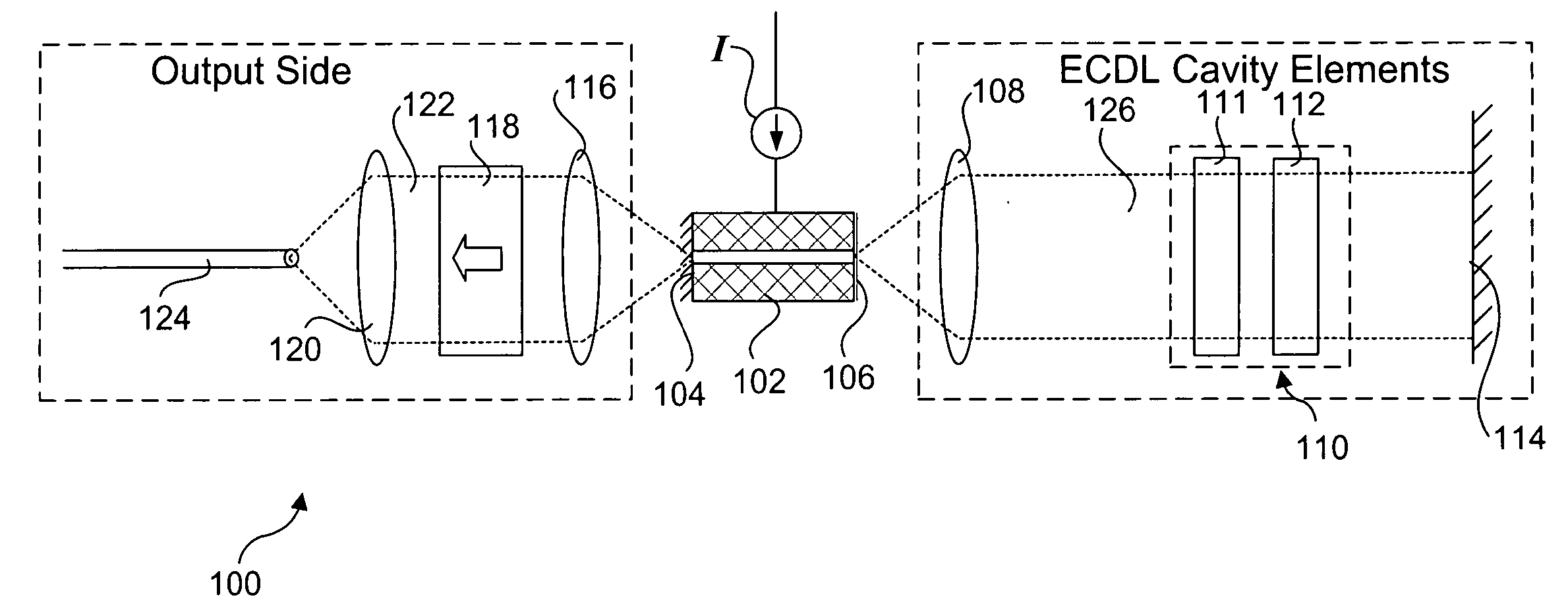
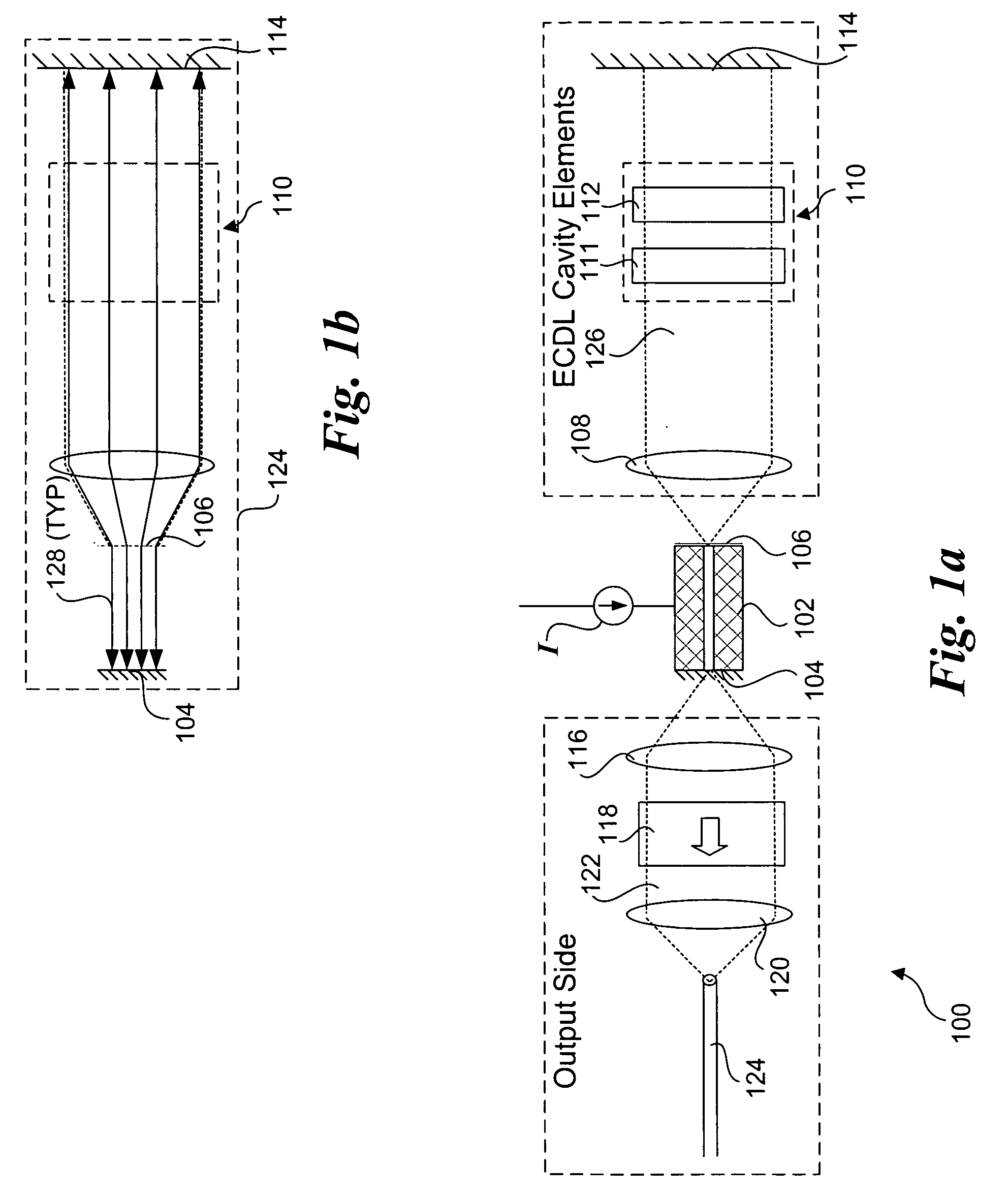
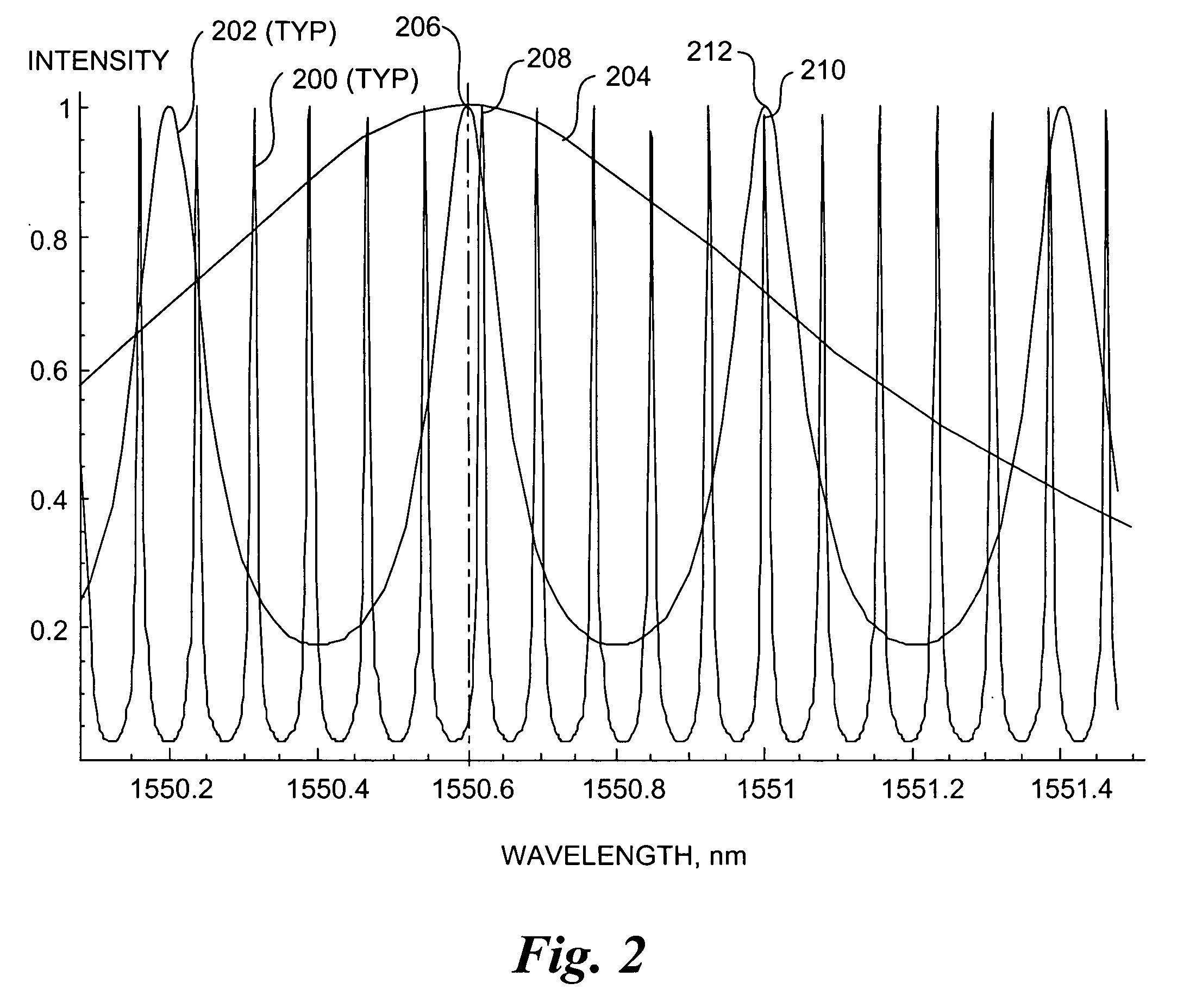
Calibration methods for tunable lasers
PatentInactiveUS20060072634A1
Innovation
- The implementation of a calibration method using mathematical equations to model the behavior of tunable lasers, allowing for precise tuning and power control through thermally-controlled etalons and Vernier tuning, eliminating the need for lookup tables and reducing calibration time by employing on-board firmware with physical model equations.

Safety Standards for Blue Laser R&D Operations
Blue laser systems operating in R&D environments present unique safety challenges due to their high energy density and potential for causing severe ocular and dermal injuries. Current safety standards for blue laser R&D operations are primarily governed by international frameworks including IEC 60825-1, ANSI Z136.1, and ISO 12100, which establish comprehensive guidelines for laser classification, exposure limits, and protective measures. These standards categorize blue lasers based on their output power and wavelength characteristics, with most R&D applications involving Class 3B or Class 4 systems requiring stringent safety protocols.
Personnel protection requirements constitute the cornerstone of blue laser safety standards in research environments. Eye protection standards mandate the use of laser safety eyewear with appropriate optical density ratings specific to blue wavelengths, typically requiring OD 4+ protection for direct beam exposure scenarios. Skin protection protocols require coverage of exposed areas when working with high-power blue laser systems, as these wavelengths can cause thermal burns and photochemical damage to biological tissues.
Administrative controls form another critical component of safety standards, encompassing comprehensive training programs, standard operating procedures, and access control measures. These standards require designated laser safety officers, regular safety audits, and documented emergency response procedures. Personnel must demonstrate competency in laser physics, hazard recognition, and proper use of safety equipment before operating blue laser systems in R&D environments.
Engineering controls specified in current standards include beam containment systems, interlocked enclosures, and automated safety shutoffs. Environmental monitoring requirements mandate regular assessment of stray radiation levels and proper ventilation systems to manage potential chemical hazards from laser-material interactions. Warning systems must include appropriate signage, audible alarms, and visual indicators to alert personnel of active laser operations.
Emerging safety considerations address the integration of blue laser systems with automated calibration equipment and remote monitoring capabilities. Standards are evolving to accommodate new technologies while maintaining rigorous safety requirements, particularly focusing on fail-safe mechanisms and redundant protection systems that ensure personnel safety during extended R&D operations involving complex blue laser calibration procedures.
Personnel protection requirements constitute the cornerstone of blue laser safety standards in research environments. Eye protection standards mandate the use of laser safety eyewear with appropriate optical density ratings specific to blue wavelengths, typically requiring OD 4+ protection for direct beam exposure scenarios. Skin protection protocols require coverage of exposed areas when working with high-power blue laser systems, as these wavelengths can cause thermal burns and photochemical damage to biological tissues.
Administrative controls form another critical component of safety standards, encompassing comprehensive training programs, standard operating procedures, and access control measures. These standards require designated laser safety officers, regular safety audits, and documented emergency response procedures. Personnel must demonstrate competency in laser physics, hazard recognition, and proper use of safety equipment before operating blue laser systems in R&D environments.
Engineering controls specified in current standards include beam containment systems, interlocked enclosures, and automated safety shutoffs. Environmental monitoring requirements mandate regular assessment of stray radiation levels and proper ventilation systems to manage potential chemical hazards from laser-material interactions. Warning systems must include appropriate signage, audible alarms, and visual indicators to alert personnel of active laser operations.
Emerging safety considerations address the integration of blue laser systems with automated calibration equipment and remote monitoring capabilities. Standards are evolving to accommodate new technologies while maintaining rigorous safety requirements, particularly focusing on fail-safe mechanisms and redundant protection systems that ensure personnel safety during extended R&D operations involving complex blue laser calibration procedures.
Quality Assurance Framework for Laser Calibration Systems
A comprehensive quality assurance framework for blue laser calibration systems requires establishing systematic protocols that ensure measurement accuracy, repeatability, and traceability throughout the R&D process. The framework must address the unique characteristics of blue laser wavelengths, which present distinct challenges compared to traditional red or infrared laser systems due to their shorter wavelength and higher photon energy.
The foundation of quality assurance begins with establishing reference standards and metrological traceability. Blue laser calibration systems must be traceable to national or international standards, requiring certified reference materials and calibrated measurement instruments. This includes wavelength standards, power meters, and beam profiling equipment specifically designed for blue laser wavelengths. Regular verification against these standards ensures measurement consistency and enables comparison of results across different laboratories and time periods.
Environmental control represents a critical component of the quality framework. Blue laser systems are particularly sensitive to temperature fluctuations, humidity variations, and mechanical vibrations. The framework must specify controlled environmental conditions, including temperature stability within ±0.1°C, relative humidity control, and vibration isolation requirements. Continuous monitoring systems should track these parameters and provide alerts when conditions deviate from specified ranges.
Calibration procedures must follow standardized protocols that define measurement sequences, data collection methods, and acceptance criteria. These procedures should specify warm-up times, measurement intervals, and statistical requirements for data validation. The framework must also establish clear documentation requirements, including calibration certificates, measurement uncertainty calculations, and equipment maintenance records.
Personnel qualification and training form another essential element of the quality framework. Operators must demonstrate competency in laser safety protocols, measurement techniques, and data analysis methods. Regular training updates ensure awareness of evolving best practices and regulatory requirements. The framework should define certification requirements and establish periodic competency assessments.
Equipment maintenance and validation protocols ensure long-term system reliability. This includes preventive maintenance schedules, performance verification procedures, and criteria for equipment replacement or upgrade. The framework must specify validation requirements for software systems, including version control, data integrity checks, and backup procedures.
Risk management processes identify potential sources of measurement error and establish mitigation strategies. This includes analysis of systematic errors, random uncertainties, and potential failure modes. The framework should define corrective action procedures and establish protocols for investigating measurement anomalies or system failures.
The foundation of quality assurance begins with establishing reference standards and metrological traceability. Blue laser calibration systems must be traceable to national or international standards, requiring certified reference materials and calibrated measurement instruments. This includes wavelength standards, power meters, and beam profiling equipment specifically designed for blue laser wavelengths. Regular verification against these standards ensures measurement consistency and enables comparison of results across different laboratories and time periods.
Environmental control represents a critical component of the quality framework. Blue laser systems are particularly sensitive to temperature fluctuations, humidity variations, and mechanical vibrations. The framework must specify controlled environmental conditions, including temperature stability within ±0.1°C, relative humidity control, and vibration isolation requirements. Continuous monitoring systems should track these parameters and provide alerts when conditions deviate from specified ranges.
Calibration procedures must follow standardized protocols that define measurement sequences, data collection methods, and acceptance criteria. These procedures should specify warm-up times, measurement intervals, and statistical requirements for data validation. The framework must also establish clear documentation requirements, including calibration certificates, measurement uncertainty calculations, and equipment maintenance records.
Personnel qualification and training form another essential element of the quality framework. Operators must demonstrate competency in laser safety protocols, measurement techniques, and data analysis methods. Regular training updates ensure awareness of evolving best practices and regulatory requirements. The framework should define certification requirements and establish periodic competency assessments.
Equipment maintenance and validation protocols ensure long-term system reliability. This includes preventive maintenance schedules, performance verification procedures, and criteria for equipment replacement or upgrade. The framework must specify validation requirements for software systems, including version control, data integrity checks, and backup procedures.
Risk management processes identify potential sources of measurement error and establish mitigation strategies. This includes analysis of systematic errors, random uncertainties, and potential failure modes. The framework should define corrective action procedures and establish protocols for investigating measurement anomalies or system failures.
Unlock deeper insights with PatSnap Eureka Quick Research — get a full tech report to explore trends and direct your research. Try now!
Generate Your Research Report Instantly with AI Agent
Supercharge your innovation with PatSnap Eureka AI Agent Platform!