

Optimize Blue Lasers for Superior Noise-Suppression Techniques
MAY 21, 20269 MIN READ
Generate Your Research Report Instantly with AI Agent
PatSnap Eureka helps you evaluate technical feasibility & market potential.
Blue Laser Technology Background and Optimization Goals
Blue laser technology emerged in the late 20th century as a significant breakthrough in semiconductor laser development, representing the final piece in achieving full-spectrum visible light emission through laser diodes. The development journey began with infrared and red lasers in the 1960s, followed by green lasers, but blue wavelengths remained elusive due to material science challenges. The breakthrough came with the development of gallium nitride (GaN) based semiconductors, which enabled efficient blue light emission at wavelengths typically ranging from 405nm to 480nm.
The evolution of blue laser technology has been marked by continuous improvements in efficiency, power output, and beam quality. Early blue lasers suffered from significant limitations including high threshold currents, poor temperature stability, and substantial optical noise characteristics. These challenges stemmed from the inherent properties of wide-bandgap semiconductors and the complex crystal structures required for blue light generation.
Modern applications of blue lasers span diverse industries including high-density optical storage, laser displays, biomedical applications, and industrial processing. However, noise suppression remains a critical challenge that limits performance in precision applications. Optical noise in blue lasers manifests as intensity fluctuations, spectral instabilities, and spatial beam variations that can significantly impact system performance.
The primary optimization goals for blue laser noise suppression focus on achieving superior intensity stability, reduced spectral linewidth, and enhanced spatial coherence. Target specifications typically include relative intensity noise levels below -140 dB/Hz at frequencies above 1 MHz, spectral linewidths narrower than 1 MHz, and beam quality factors approaching the diffraction limit.
Advanced noise suppression techniques aim to address fundamental noise sources including spontaneous emission, carrier density fluctuations, and thermal variations. The optimization strategy encompasses both active feedback control systems and passive stabilization methods, targeting applications requiring ultra-low noise performance such as quantum optics, precision metrology, and high-resolution spectroscopy.
Contemporary research directions emphasize the integration of external cavity configurations, advanced current control electronics, and temperature stabilization systems to achieve unprecedented noise performance levels in blue laser systems.
The evolution of blue laser technology has been marked by continuous improvements in efficiency, power output, and beam quality. Early blue lasers suffered from significant limitations including high threshold currents, poor temperature stability, and substantial optical noise characteristics. These challenges stemmed from the inherent properties of wide-bandgap semiconductors and the complex crystal structures required for blue light generation.
Modern applications of blue lasers span diverse industries including high-density optical storage, laser displays, biomedical applications, and industrial processing. However, noise suppression remains a critical challenge that limits performance in precision applications. Optical noise in blue lasers manifests as intensity fluctuations, spectral instabilities, and spatial beam variations that can significantly impact system performance.
The primary optimization goals for blue laser noise suppression focus on achieving superior intensity stability, reduced spectral linewidth, and enhanced spatial coherence. Target specifications typically include relative intensity noise levels below -140 dB/Hz at frequencies above 1 MHz, spectral linewidths narrower than 1 MHz, and beam quality factors approaching the diffraction limit.
Advanced noise suppression techniques aim to address fundamental noise sources including spontaneous emission, carrier density fluctuations, and thermal variations. The optimization strategy encompasses both active feedback control systems and passive stabilization methods, targeting applications requiring ultra-low noise performance such as quantum optics, precision metrology, and high-resolution spectroscopy.
Contemporary research directions emphasize the integration of external cavity configurations, advanced current control electronics, and temperature stabilization systems to achieve unprecedented noise performance levels in blue laser systems.
Market Demand for Low-Noise Blue Laser Applications
The market demand for low-noise blue laser applications has experienced substantial growth across multiple high-precision industries, driven by the increasing need for enhanced performance in advanced technological systems. Blue lasers operating at wavelengths around 405-450 nanometers have become critical components in applications where noise reduction directly impacts system functionality and output quality.
The display and projection industry represents one of the largest market segments demanding low-noise blue laser solutions. High-end laser projectors and next-generation display technologies require exceptional color purity and stability, where noise suppression directly correlates with image quality and viewer experience. The automotive sector has emerged as another significant driver, particularly in LiDAR systems for autonomous vehicles, where noise reduction in blue laser components enhances detection accuracy and safety performance.
Optical data storage applications continue to fuel demand for superior noise-suppression blue lasers. Blu-ray technology and emerging high-density storage systems require precise wavelength stability and minimal amplitude fluctuations to achieve reliable data reading and writing operations. The medical device sector has shown increasing adoption, particularly in precision surgical equipment, fluorescence microscopy, and photodynamic therapy systems where noise characteristics directly affect treatment efficacy and diagnostic accuracy.
Industrial manufacturing applications have demonstrated growing requirements for low-noise blue lasers in materials processing, 3D printing, and quality inspection systems. The semiconductor industry specifically demands ultra-low noise blue lasers for photolithography processes and wafer inspection equipment, where even minimal noise can compromise manufacturing precision and yield rates.
Research and scientific instrumentation markets continue expanding their adoption of noise-optimized blue laser systems. Flow cytometry, spectroscopy, and quantum research applications require exceptional stability and noise performance to achieve accurate measurements and reliable experimental results. The telecommunications sector has begun exploring blue laser applications in specialized optical communication systems where noise suppression enhances signal integrity and transmission quality.
Market growth is further accelerated by the increasing integration of blue lasers in consumer electronics, including advanced smartphone cameras, augmented reality devices, and portable measurement instruments. These applications demand compact, energy-efficient blue laser solutions with superior noise characteristics to meet consumer expectations for performance and reliability in everyday use scenarios.
The display and projection industry represents one of the largest market segments demanding low-noise blue laser solutions. High-end laser projectors and next-generation display technologies require exceptional color purity and stability, where noise suppression directly correlates with image quality and viewer experience. The automotive sector has emerged as another significant driver, particularly in LiDAR systems for autonomous vehicles, where noise reduction in blue laser components enhances detection accuracy and safety performance.
Optical data storage applications continue to fuel demand for superior noise-suppression blue lasers. Blu-ray technology and emerging high-density storage systems require precise wavelength stability and minimal amplitude fluctuations to achieve reliable data reading and writing operations. The medical device sector has shown increasing adoption, particularly in precision surgical equipment, fluorescence microscopy, and photodynamic therapy systems where noise characteristics directly affect treatment efficacy and diagnostic accuracy.
Industrial manufacturing applications have demonstrated growing requirements for low-noise blue lasers in materials processing, 3D printing, and quality inspection systems. The semiconductor industry specifically demands ultra-low noise blue lasers for photolithography processes and wafer inspection equipment, where even minimal noise can compromise manufacturing precision and yield rates.
Research and scientific instrumentation markets continue expanding their adoption of noise-optimized blue laser systems. Flow cytometry, spectroscopy, and quantum research applications require exceptional stability and noise performance to achieve accurate measurements and reliable experimental results. The telecommunications sector has begun exploring blue laser applications in specialized optical communication systems where noise suppression enhances signal integrity and transmission quality.
Market growth is further accelerated by the increasing integration of blue lasers in consumer electronics, including advanced smartphone cameras, augmented reality devices, and portable measurement instruments. These applications demand compact, energy-efficient blue laser solutions with superior noise characteristics to meet consumer expectations for performance and reliability in everyday use scenarios.
Current Blue Laser Noise Issues and Technical Challenges
Blue laser systems face significant noise challenges that fundamentally limit their performance in precision applications. The primary noise sources stem from quantum shot noise, thermal fluctuations, and mechanical vibrations within the laser cavity. These noise components manifest as amplitude fluctuations, frequency jitter, and phase instabilities that degrade beam quality and coherence properties essential for high-precision operations.
Relative intensity noise represents one of the most critical challenges in blue laser optimization. This noise type originates from spontaneous emission processes and pump source fluctuations, creating unwanted amplitude variations that can exceed acceptable thresholds for sensitive applications. The shorter wavelength of blue lasers exacerbates this issue, as quantum noise effects become more pronounced compared to longer wavelength systems.
Frequency stability poses another substantial technical hurdle. Blue laser diodes exhibit heightened sensitivity to temperature variations and current fluctuations, leading to wavelength drift and spectral broadening. The temperature coefficient of blue laser diodes typically ranges from 0.2 to 0.4 nm/°C, requiring sophisticated thermal management systems to maintain stable operation. Current-induced frequency modulation further compounds this challenge, particularly in high-power applications where drive current variations directly translate to optical frequency noise.
Phase noise characteristics in blue lasers present unique challenges due to their semiconductor gain medium properties. The linewidth enhancement factor in blue laser diodes tends to be higher than in infrared counterparts, coupling amplitude and phase fluctuations more strongly. This coupling mechanism amplifies phase noise contributions from various sources, including carrier density fluctuations and junction temperature variations.
Manufacturing tolerances and material quality issues significantly impact noise performance in blue laser systems. Gallium nitride-based active regions, while enabling blue wavelength emission, introduce additional noise sources through defect states and interface roughness. These structural imperfections create scattering centers that contribute to excess noise beyond fundamental quantum limits.
Power scaling challenges emerge when attempting to reduce noise through increased optical power. Blue laser diodes face thermal rollover at relatively low power levels compared to other semiconductor lasers, limiting the signal-to-noise ratio improvements achievable through power scaling. Additionally, nonlinear effects become more prominent at higher power densities, introducing new noise mechanisms.
External cavity configurations, while offering improved spectral properties, introduce mechanical noise sources that can dominate the overall noise performance. Vibration sensitivity, thermal expansion of cavity components, and acoustic coupling create low-frequency noise contributions that are particularly challenging to suppress in portable or industrial environments.
Current feedback and control systems often struggle with the fast dynamics and high sensitivity of blue laser systems. Traditional noise suppression techniques developed for other laser types require significant adaptation to address the unique characteristics of blue laser noise sources and their interdependencies.
Relative intensity noise represents one of the most critical challenges in blue laser optimization. This noise type originates from spontaneous emission processes and pump source fluctuations, creating unwanted amplitude variations that can exceed acceptable thresholds for sensitive applications. The shorter wavelength of blue lasers exacerbates this issue, as quantum noise effects become more pronounced compared to longer wavelength systems.
Frequency stability poses another substantial technical hurdle. Blue laser diodes exhibit heightened sensitivity to temperature variations and current fluctuations, leading to wavelength drift and spectral broadening. The temperature coefficient of blue laser diodes typically ranges from 0.2 to 0.4 nm/°C, requiring sophisticated thermal management systems to maintain stable operation. Current-induced frequency modulation further compounds this challenge, particularly in high-power applications where drive current variations directly translate to optical frequency noise.
Phase noise characteristics in blue lasers present unique challenges due to their semiconductor gain medium properties. The linewidth enhancement factor in blue laser diodes tends to be higher than in infrared counterparts, coupling amplitude and phase fluctuations more strongly. This coupling mechanism amplifies phase noise contributions from various sources, including carrier density fluctuations and junction temperature variations.
Manufacturing tolerances and material quality issues significantly impact noise performance in blue laser systems. Gallium nitride-based active regions, while enabling blue wavelength emission, introduce additional noise sources through defect states and interface roughness. These structural imperfections create scattering centers that contribute to excess noise beyond fundamental quantum limits.
Power scaling challenges emerge when attempting to reduce noise through increased optical power. Blue laser diodes face thermal rollover at relatively low power levels compared to other semiconductor lasers, limiting the signal-to-noise ratio improvements achievable through power scaling. Additionally, nonlinear effects become more prominent at higher power densities, introducing new noise mechanisms.
External cavity configurations, while offering improved spectral properties, introduce mechanical noise sources that can dominate the overall noise performance. Vibration sensitivity, thermal expansion of cavity components, and acoustic coupling create low-frequency noise contributions that are particularly challenging to suppress in portable or industrial environments.
Current feedback and control systems often struggle with the fast dynamics and high sensitivity of blue laser systems. Traditional noise suppression techniques developed for other laser types require significant adaptation to address the unique characteristics of blue laser noise sources and their interdependencies.
Existing Blue Laser Noise Suppression Solutions
01 Electronic noise suppression circuits and feedback control
Implementation of electronic circuits designed to suppress noise in blue laser systems through feedback control mechanisms. These circuits monitor the laser output and adjust operating parameters to minimize noise fluctuations and maintain stable performance. The systems typically employ real-time monitoring and correction algorithms to detect and compensate for noise sources.- Optical feedback control systems for noise reduction: Implementation of optical feedback mechanisms to monitor and control laser output characteristics, reducing amplitude and phase noise through real-time adjustment of laser parameters. These systems utilize photodetectors and control circuits to maintain stable laser operation and minimize unwanted fluctuations in the blue laser output.
- Electronic noise suppression circuits: Development of specialized electronic circuits and filtering systems designed to reduce electrical noise in blue laser drive systems. These circuits incorporate advanced filtering techniques, impedance matching, and signal conditioning to minimize noise propagation from power supplies and control electronics to the laser output.
- Laser cavity design optimization: Modification of laser cavity structure and components to inherently reduce noise generation in blue laser systems. This includes optimization of mirror coatings, cavity length stabilization, and implementation of mode selection techniques to achieve single-mode operation with reduced noise characteristics.
- Temperature stabilization and thermal management: Implementation of precise temperature control systems to minimize thermally-induced noise in blue laser operation. These systems include thermoelectric coolers, temperature sensors, and thermal isolation techniques to maintain stable operating conditions and reduce temperature-related fluctuations in laser output.
- Current modulation and drive control techniques: Advanced current control and modulation schemes specifically designed for blue laser diodes to minimize noise while maintaining desired output characteristics. These techniques include constant current sources, modulation bandwidth optimization, and drive circuit designs that reduce current noise and its impact on laser performance.
02 Optical filtering and wavelength stabilization techniques
Use of optical filters and wavelength stabilization methods to reduce noise in blue laser emissions. These techniques involve selective filtering of unwanted spectral components and maintaining consistent wavelength output to minimize noise interference. The approaches include both passive and active filtering systems integrated into the laser cavity or external optical path.Expand Specific Solutions03 Current and power supply stabilization methods
Stabilization of electrical power supply and current control systems to reduce noise in blue laser operation. These methods focus on providing clean, stable electrical power to laser diodes and controlling current fluctuations that can introduce noise. The techniques include advanced power conditioning and current regulation circuits.Expand Specific Solutions04 Temperature control and thermal management systems
Implementation of precise temperature control and thermal management to minimize temperature-induced noise in blue laser systems. These systems maintain optimal operating temperatures through active cooling and heating elements, preventing thermal fluctuations that can cause noise and instability in laser output.Expand Specific Solutions05 Mechanical vibration isolation and structural design
Design of mechanical isolation systems and structural configurations to reduce vibration-induced noise in blue laser systems. These approaches include vibration dampening materials, isolation mounts, and optimized mechanical designs that minimize the transmission of external vibrations to sensitive laser components.Expand Specific Solutions
Key Players in Blue Laser and Noise Control Industry
The blue laser optimization market for noise-suppression applications represents a mature yet evolving technological landscape characterized by intense competition among established players. The industry has progressed beyond early development stages, with major Japanese corporations like Sony Group Corp., Canon Inc., Sharp Corp., and Hitachi Ltd. leading technological advancement through substantial R&D investments. Companies such as Panasonic Holdings Corp., Toshiba Corp., and Pioneer Corp. demonstrate strong market presence in optical technologies, while specialized firms like Sharp Fukuyama Laser Co. focus specifically on laser applications. The market exhibits significant scale with diverse applications spanning consumer electronics, industrial equipment, and professional imaging systems. Technology maturity varies across segments, with established players like FUJIFILM Corp. and Ricoh Co. leveraging decades of optical expertise, while emerging applications in automotive and telecommunications drive continued innovation. Academic institutions including Zhejiang University and National University of Defense Technology contribute fundamental research, supporting the ecosystem's technological evolution toward superior noise-suppression capabilities.
Hitachi Ltd.
Technical Solution: Hitachi has developed comprehensive blue laser noise suppression solutions through advanced materials engineering and precision manufacturing techniques. Their approach includes sophisticated laser cavity design, optimized thermal management systems, and proprietary noise filtering algorithms to minimize unwanted fluctuations. The company focuses on developing reliable blue laser systems for industrial and scientific applications, incorporating multi-stage noise reduction techniques and precision optical components for enhanced performance stability.
Strengths: Extensive industrial experience and strong materials science capabilities. Weaknesses: Less specialized focus on laser technology compared to dedicated laser manufacturers.
Sony Group Corp.
Technical Solution: Sony has developed advanced blue laser diode technology with enhanced noise suppression capabilities through proprietary semiconductor design and manufacturing processes. Their blue laser systems incorporate sophisticated feedback control mechanisms and thermal management solutions to minimize phase noise and amplitude fluctuations. The company utilizes advanced epitaxial growth techniques and precise wavelength stabilization methods to achieve superior signal-to-noise ratios in their laser products, particularly for optical storage and display applications.
Strengths: Strong semiconductor manufacturing capabilities and extensive R&D resources. Weaknesses: High manufacturing costs and complex production processes.
Core Patents in Blue Laser Noise Reduction Techniques
System for reducing feedback noise due to relaxation oscillation in optical data recording reproducing systems using optimized external cavity
PatentInactiveEP1719124A1
Innovation
- The system adjusts the optical length of the external cavity based on the relaxation oscillation frequency (ROF) of the pulsating light, using a specific formula L = N-c/2-ROF, where N is an integer greater than 0 and c is the speed of light, to minimize feedback noise, and employs a combination of alternating and direct currents to control the pulsating light emission.
Optical recording and reading equipment
PatentInactiveUS7502302B2
Innovation
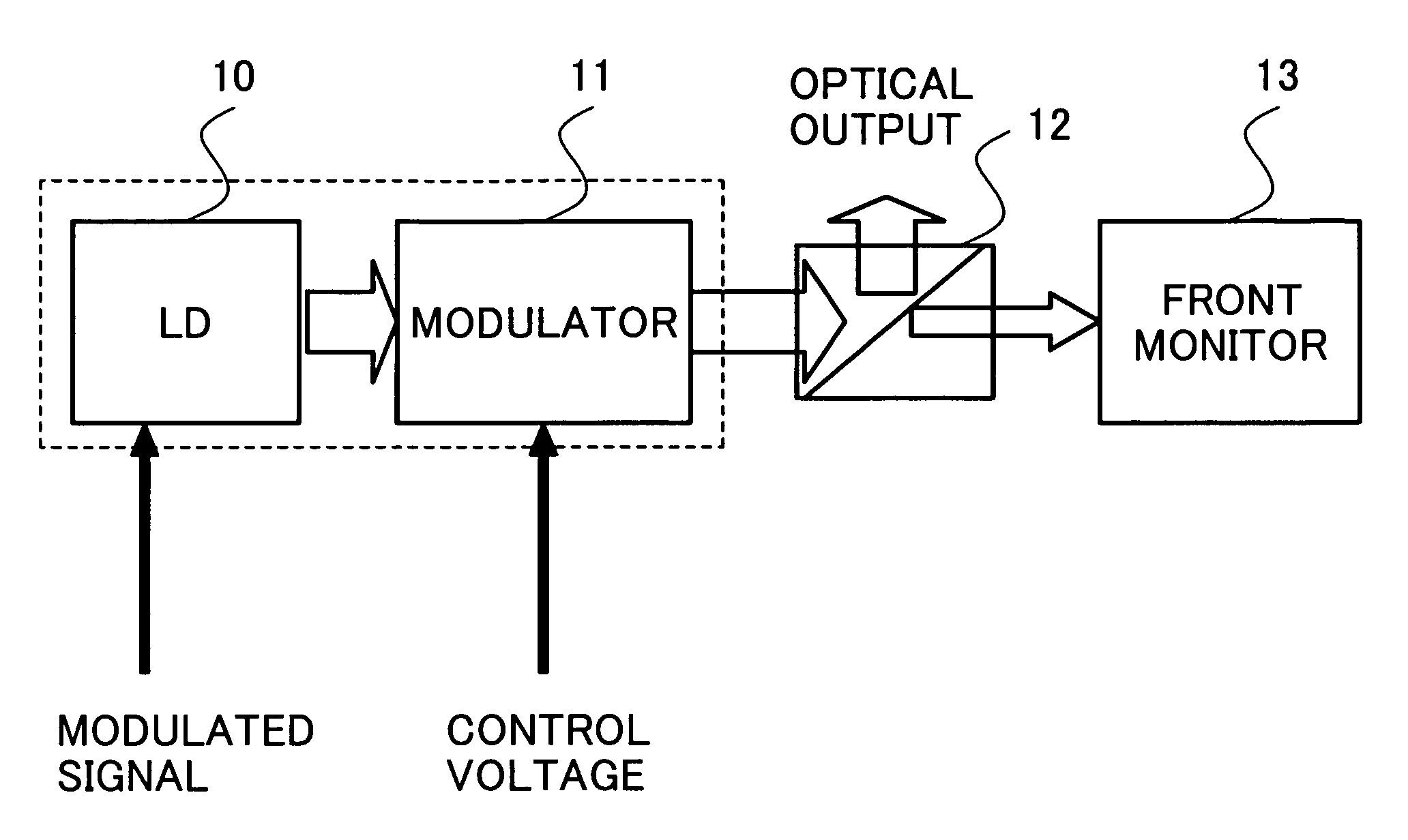
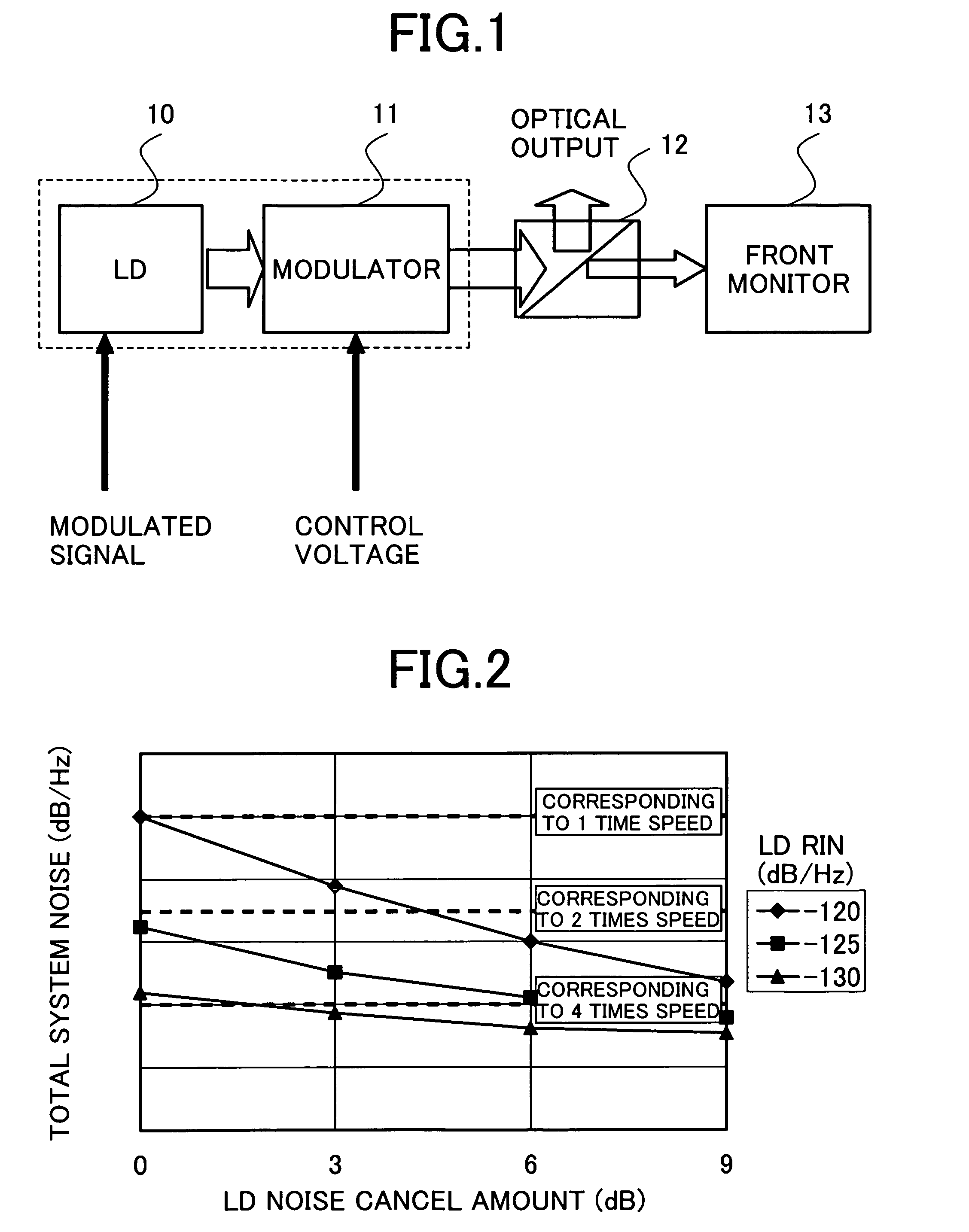
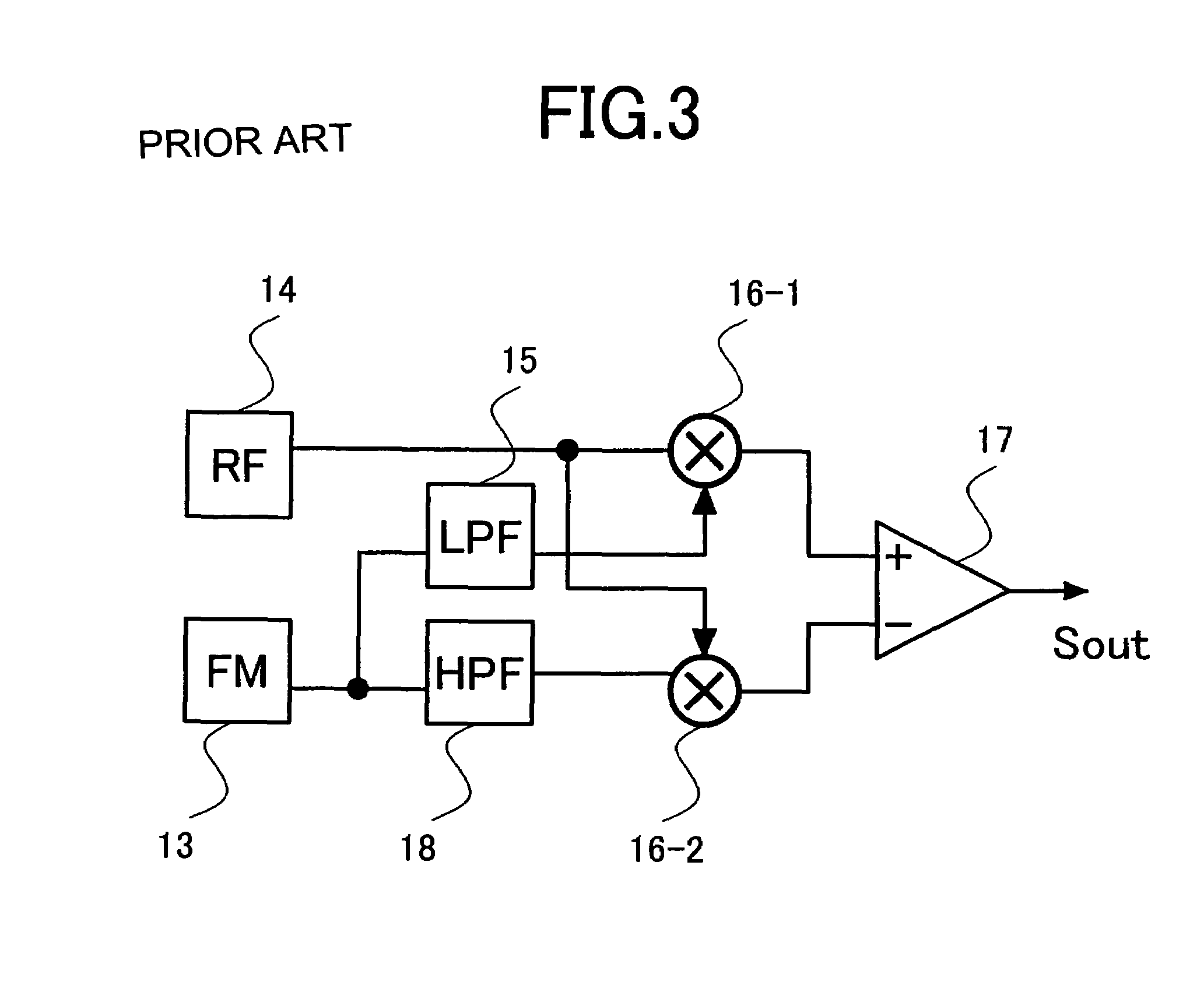
- The use of an electro-absorption type optical modulator, such as an EA-DFB laser semiconductor chip, which integrates a modulator with a laser diode, allows for high-speed modulation and reduced coupling loss, enabling efficient noise reduction and improved response times, thus addressing the laser noise and filter response issues.

Safety Standards for High-Power Blue Laser Systems
High-power blue laser systems operating in noise-suppression applications require comprehensive safety frameworks that address both traditional laser hazards and unique risks associated with advanced optical configurations. The integration of noise-suppression techniques often involves complex beam manipulation, feedback systems, and high-intensity optical components that necessitate specialized safety protocols beyond conventional laser safety standards.
Current international safety standards, including IEC 60825-1 and ANSI Z136.1, provide foundational guidelines for laser classification and safety measures. However, these standards require significant adaptation for high-power blue laser systems optimized for noise suppression. The shorter wavelength of blue lasers (typically 405-450 nm) presents enhanced photochemical risks to biological tissues, particularly retinal damage, requiring more stringent eye protection protocols and reduced maximum permissible exposure limits.
The implementation of noise-suppression techniques introduces additional safety considerations related to optical feedback systems and beam stabilization mechanisms. These systems often employ multiple optical elements, including acousto-optic modulators, phase conjugate mirrors, and adaptive optics components, creating potential failure points that could result in unexpected beam redirection or power fluctuations. Safety standards must address fail-safe mechanisms that ensure immediate system shutdown in case of component malfunction or optical misalignment.
Electromagnetic compatibility requirements become critical when noise-suppression electronics operate in proximity to high-power laser systems. Radio frequency interference from switching power supplies and control electronics can potentially disrupt safety interlocks or monitoring systems. Comprehensive shielding and grounding protocols must be established to maintain safety system integrity under all operating conditions.
Personnel training requirements for high-power blue laser systems with noise-suppression capabilities extend beyond standard laser safety education. Operators must understand the complex interactions between optical and electronic subsystems, recognize potential failure modes specific to noise-suppression configurations, and implement appropriate emergency response procedures. Regular safety audits and equipment calibration protocols ensure continued compliance with evolving safety standards as these advanced laser systems become more prevalent in industrial and research applications.
Current international safety standards, including IEC 60825-1 and ANSI Z136.1, provide foundational guidelines for laser classification and safety measures. However, these standards require significant adaptation for high-power blue laser systems optimized for noise suppression. The shorter wavelength of blue lasers (typically 405-450 nm) presents enhanced photochemical risks to biological tissues, particularly retinal damage, requiring more stringent eye protection protocols and reduced maximum permissible exposure limits.
The implementation of noise-suppression techniques introduces additional safety considerations related to optical feedback systems and beam stabilization mechanisms. These systems often employ multiple optical elements, including acousto-optic modulators, phase conjugate mirrors, and adaptive optics components, creating potential failure points that could result in unexpected beam redirection or power fluctuations. Safety standards must address fail-safe mechanisms that ensure immediate system shutdown in case of component malfunction or optical misalignment.
Electromagnetic compatibility requirements become critical when noise-suppression electronics operate in proximity to high-power laser systems. Radio frequency interference from switching power supplies and control electronics can potentially disrupt safety interlocks or monitoring systems. Comprehensive shielding and grounding protocols must be established to maintain safety system integrity under all operating conditions.
Personnel training requirements for high-power blue laser systems with noise-suppression capabilities extend beyond standard laser safety education. Operators must understand the complex interactions between optical and electronic subsystems, recognize potential failure modes specific to noise-suppression configurations, and implement appropriate emergency response procedures. Regular safety audits and equipment calibration protocols ensure continued compliance with evolving safety standards as these advanced laser systems become more prevalent in industrial and research applications.
Environmental Impact of Blue Laser Manufacturing
The manufacturing of blue lasers for noise-suppression applications presents significant environmental challenges that require careful consideration throughout the production lifecycle. The semiconductor fabrication processes essential for blue laser diode production involve energy-intensive procedures, including high-temperature crystal growth, precision lithography, and multiple chemical etching steps. These processes typically consume substantial amounts of electricity, often sourced from non-renewable energy grids, contributing to carbon emissions and environmental degradation.
Chemical waste generation represents another critical environmental concern in blue laser manufacturing. The production process requires various hazardous materials, including gallium compounds, indium-based alloys, and nitrogen precursors for GaN substrate formation. These materials pose risks to soil and water systems if not properly managed. Additionally, the wet etching and cleaning processes generate acidic and alkaline waste streams containing heavy metals and organic solvents that require specialized treatment before disposal.
Water consumption in blue laser fabrication facilities is exceptionally high, with ultra-pure water requirements for wafer cleaning and cooling systems. The deionization and purification processes necessary to achieve semiconductor-grade water quality result in significant water waste, typically generating 3-5 liters of waste water for every liter of ultra-pure water produced. This places considerable strain on local water resources, particularly in regions where semiconductor manufacturing is concentrated.
The packaging and assembly phases introduce additional environmental impacts through the use of rare earth elements and precious metals in heat sinks, optical components, and electrical connections. Mining and processing of these materials often involve environmentally destructive extraction methods and generate substantial carbon footprints due to global supply chain transportation requirements.
Emerging sustainable manufacturing approaches are being developed to address these challenges, including closed-loop water recycling systems, renewable energy integration, and alternative material chemistries that reduce toxic waste generation. Some manufacturers are implementing green chemistry principles to minimize solvent usage and developing more efficient epitaxial growth techniques that reduce energy consumption while maintaining the precision required for superior noise-suppression performance in blue laser applications.
Chemical waste generation represents another critical environmental concern in blue laser manufacturing. The production process requires various hazardous materials, including gallium compounds, indium-based alloys, and nitrogen precursors for GaN substrate formation. These materials pose risks to soil and water systems if not properly managed. Additionally, the wet etching and cleaning processes generate acidic and alkaline waste streams containing heavy metals and organic solvents that require specialized treatment before disposal.
Water consumption in blue laser fabrication facilities is exceptionally high, with ultra-pure water requirements for wafer cleaning and cooling systems. The deionization and purification processes necessary to achieve semiconductor-grade water quality result in significant water waste, typically generating 3-5 liters of waste water for every liter of ultra-pure water produced. This places considerable strain on local water resources, particularly in regions where semiconductor manufacturing is concentrated.
The packaging and assembly phases introduce additional environmental impacts through the use of rare earth elements and precious metals in heat sinks, optical components, and electrical connections. Mining and processing of these materials often involve environmentally destructive extraction methods and generate substantial carbon footprints due to global supply chain transportation requirements.
Emerging sustainable manufacturing approaches are being developed to address these challenges, including closed-loop water recycling systems, renewable energy integration, and alternative material chemistries that reduce toxic waste generation. Some manufacturers are implementing green chemistry principles to minimize solvent usage and developing more efficient epitaxial growth techniques that reduce energy consumption while maintaining the precision required for superior noise-suppression performance in blue laser applications.
Unlock deeper insights with PatSnap Eureka Quick Research — get a full tech report to explore trends and direct your research. Try now!
Generate Your Research Report Instantly with AI Agent
Supercharge your innovation with PatSnap Eureka AI Agent Platform!