Optimize Optical Burst Switching for Telecom Infrastructure
MAR 2, 20269 MIN READ
Generate Your Research Report Instantly with AI Agent
Patsnap Eureka helps you evaluate technical feasibility & market potential.
OBS Technology Background and Infrastructure Goals
Optical Burst Switching (OBS) emerged in the early 2000s as a revolutionary paradigm designed to bridge the gap between optical circuit switching and optical packet switching in high-speed telecommunications networks. The technology was conceived to address the fundamental challenge of efficiently handling bursty data traffic in optical networks without requiring optical buffering at intermediate nodes. OBS represents a hybrid approach that combines the bandwidth efficiency of optical circuit switching with the flexibility of packet switching, enabling dynamic bandwidth allocation based on real-time traffic demands.
The evolution of OBS technology has been driven by the exponential growth in internet traffic and the increasing demand for bandwidth-intensive applications such as cloud computing, video streaming, and big data analytics. Traditional electronic switching methods became bottlenecks as network speeds reached multi-terabit levels, necessitating all-optical switching solutions that could operate at the speed of light without optical-to-electrical-to-optical conversions at every network node.
The core principle of OBS involves assembling data packets into larger units called bursts at edge nodes, then transmitting control information ahead of the actual data burst to reserve network resources along the transmission path. This approach eliminates the need for optical buffering while maintaining statistical multiplexing benefits, making it particularly suitable for backbone networks and metropolitan area networks where traffic patterns exhibit high variability.
Current infrastructure goals for OBS optimization focus on achieving sub-millisecond switching times, improving burst loss ratios to below 0.1%, and supporting wavelength division multiplexing with hundreds of channels per fiber. The technology aims to enable seamless integration with existing DWDM systems while providing Quality of Service differentiation for various traffic classes.
Key technical objectives include developing advanced burst assembly algorithms that can adapt to varying traffic conditions, implementing sophisticated contention resolution mechanisms, and creating robust signaling protocols that can handle network failures gracefully. The ultimate goal is to establish OBS as a viable solution for next-generation optical networks that can support emerging applications requiring ultra-low latency and high reliability, such as autonomous vehicle networks, industrial IoT, and real-time financial trading systems.
The evolution of OBS technology has been driven by the exponential growth in internet traffic and the increasing demand for bandwidth-intensive applications such as cloud computing, video streaming, and big data analytics. Traditional electronic switching methods became bottlenecks as network speeds reached multi-terabit levels, necessitating all-optical switching solutions that could operate at the speed of light without optical-to-electrical-to-optical conversions at every network node.
The core principle of OBS involves assembling data packets into larger units called bursts at edge nodes, then transmitting control information ahead of the actual data burst to reserve network resources along the transmission path. This approach eliminates the need for optical buffering while maintaining statistical multiplexing benefits, making it particularly suitable for backbone networks and metropolitan area networks where traffic patterns exhibit high variability.
Current infrastructure goals for OBS optimization focus on achieving sub-millisecond switching times, improving burst loss ratios to below 0.1%, and supporting wavelength division multiplexing with hundreds of channels per fiber. The technology aims to enable seamless integration with existing DWDM systems while providing Quality of Service differentiation for various traffic classes.
Key technical objectives include developing advanced burst assembly algorithms that can adapt to varying traffic conditions, implementing sophisticated contention resolution mechanisms, and creating robust signaling protocols that can handle network failures gracefully. The ultimate goal is to establish OBS as a viable solution for next-generation optical networks that can support emerging applications requiring ultra-low latency and high reliability, such as autonomous vehicle networks, industrial IoT, and real-time financial trading systems.
Market Demand for High-Speed Optical Networks
The global telecommunications industry is experiencing unprecedented demand for high-speed optical networks, driven by the exponential growth in data consumption and the proliferation of bandwidth-intensive applications. Cloud computing services, video streaming platforms, and emerging technologies such as augmented reality and virtual reality are creating substantial pressure on existing network infrastructure to deliver faster, more reliable connectivity.
Enterprise digital transformation initiatives have accelerated the adoption of cloud-based services, requiring robust optical network solutions capable of handling massive data transfers between data centers and end users. The shift toward remote work and distributed computing architectures has further intensified the need for high-capacity optical transmission systems that can maintain consistent performance across long distances.
The deployment of 5G networks represents a significant catalyst for optical network expansion, as mobile operators require extensive fiber-optic backhaul infrastructure to support the ultra-low latency and high-bandwidth requirements of next-generation wireless services. This technological transition is creating substantial opportunities for advanced optical switching technologies that can efficiently manage dynamic traffic patterns.
Data center interconnectivity demands are evolving rapidly as hyperscale cloud providers expand their global footprint and implement edge computing strategies. These developments necessitate sophisticated optical networking solutions capable of providing flexible, scalable bandwidth allocation while minimizing operational complexity and power consumption.
The Internet of Things ecosystem is generating massive volumes of sensor data that require efficient transmission and processing capabilities. Industrial automation, smart city initiatives, and connected vehicle technologies are contributing to sustained growth in optical network utilization across diverse market segments.
Financial services, healthcare, and government sectors are implementing increasingly stringent data security and compliance requirements, driving demand for dedicated optical network infrastructure that can provide guaranteed service levels and enhanced protection against cyber threats.
Emerging applications in artificial intelligence and machine learning are creating new traffic patterns characterized by burst-intensive data flows that challenge traditional network architectures. These workloads require optical switching technologies capable of dynamically adapting to variable bandwidth requirements while maintaining optimal resource utilization efficiency.
The convergence of these market forces is establishing a compelling business case for advanced optical burst switching solutions that can address the complex performance, scalability, and cost optimization challenges facing modern telecommunications infrastructure providers.
Enterprise digital transformation initiatives have accelerated the adoption of cloud-based services, requiring robust optical network solutions capable of handling massive data transfers between data centers and end users. The shift toward remote work and distributed computing architectures has further intensified the need for high-capacity optical transmission systems that can maintain consistent performance across long distances.
The deployment of 5G networks represents a significant catalyst for optical network expansion, as mobile operators require extensive fiber-optic backhaul infrastructure to support the ultra-low latency and high-bandwidth requirements of next-generation wireless services. This technological transition is creating substantial opportunities for advanced optical switching technologies that can efficiently manage dynamic traffic patterns.
Data center interconnectivity demands are evolving rapidly as hyperscale cloud providers expand their global footprint and implement edge computing strategies. These developments necessitate sophisticated optical networking solutions capable of providing flexible, scalable bandwidth allocation while minimizing operational complexity and power consumption.
The Internet of Things ecosystem is generating massive volumes of sensor data that require efficient transmission and processing capabilities. Industrial automation, smart city initiatives, and connected vehicle technologies are contributing to sustained growth in optical network utilization across diverse market segments.
Financial services, healthcare, and government sectors are implementing increasingly stringent data security and compliance requirements, driving demand for dedicated optical network infrastructure that can provide guaranteed service levels and enhanced protection against cyber threats.
Emerging applications in artificial intelligence and machine learning are creating new traffic patterns characterized by burst-intensive data flows that challenge traditional network architectures. These workloads require optical switching technologies capable of dynamically adapting to variable bandwidth requirements while maintaining optimal resource utilization efficiency.
The convergence of these market forces is establishing a compelling business case for advanced optical burst switching solutions that can address the complex performance, scalability, and cost optimization challenges facing modern telecommunications infrastructure providers.
Current OBS Implementation Challenges and Limitations
Optical Burst Switching faces significant implementation challenges that have hindered its widespread adoption in telecom infrastructure despite its theoretical advantages. The primary technical obstacle lies in the lack of optical buffering capabilities, which forces networks to rely on fiber delay lines for temporary storage. These delay lines provide only limited and fixed buffering capacity, making it difficult to handle traffic congestion and burst collisions effectively.
Burst assembly and disassembly processes present another critical limitation. The time required to aggregate packets into bursts at edge nodes introduces additional latency, which can be problematic for delay-sensitive applications. Furthermore, the burst scheduling algorithms must operate within extremely tight time constraints, often requiring decisions to be made in microseconds, placing enormous computational demands on network control systems.
Control plane synchronization represents a fundamental challenge in OBS networks. The separation of control and data planes requires precise timing coordination between burst control packets and their corresponding data bursts. Any timing misalignment can result in burst loss, as optical switches must be configured before the arrival of data bursts. This synchronization becomes increasingly complex in multi-hop networks where cumulative timing errors can severely impact performance.
Quality of Service provisioning remains problematic in current OBS implementations. Traditional QoS mechanisms designed for circuit-switched or packet-switched networks do not translate effectively to the burst-switched paradigm. Differentiated service levels are difficult to maintain when bursts cannot be buffered optically, and priority-based scheduling often leads to unfair resource allocation among different traffic classes.
Scalability concerns emerge as network size increases. The computational complexity of burst scheduling algorithms grows exponentially with the number of wavelengths and ports, making real-time decision-making challenging in large-scale deployments. Additionally, the control overhead increases proportionally with network size, potentially overwhelming the control plane infrastructure.
Interoperability with existing network infrastructure poses practical deployment challenges. Current telecom networks are predominantly based on packet-switching technologies, and integrating OBS requires significant modifications to existing protocols and hardware. The lack of standardized OBS protocols further complicates integration efforts and increases deployment costs.
Finally, the economic viability of OBS deployment remains questionable due to the high costs associated with optical switching hardware and the need for specialized network management systems. The return on investment is difficult to justify when alternative technologies can provide similar performance improvements at lower implementation costs.
Burst assembly and disassembly processes present another critical limitation. The time required to aggregate packets into bursts at edge nodes introduces additional latency, which can be problematic for delay-sensitive applications. Furthermore, the burst scheduling algorithms must operate within extremely tight time constraints, often requiring decisions to be made in microseconds, placing enormous computational demands on network control systems.
Control plane synchronization represents a fundamental challenge in OBS networks. The separation of control and data planes requires precise timing coordination between burst control packets and their corresponding data bursts. Any timing misalignment can result in burst loss, as optical switches must be configured before the arrival of data bursts. This synchronization becomes increasingly complex in multi-hop networks where cumulative timing errors can severely impact performance.
Quality of Service provisioning remains problematic in current OBS implementations. Traditional QoS mechanisms designed for circuit-switched or packet-switched networks do not translate effectively to the burst-switched paradigm. Differentiated service levels are difficult to maintain when bursts cannot be buffered optically, and priority-based scheduling often leads to unfair resource allocation among different traffic classes.
Scalability concerns emerge as network size increases. The computational complexity of burst scheduling algorithms grows exponentially with the number of wavelengths and ports, making real-time decision-making challenging in large-scale deployments. Additionally, the control overhead increases proportionally with network size, potentially overwhelming the control plane infrastructure.
Interoperability with existing network infrastructure poses practical deployment challenges. Current telecom networks are predominantly based on packet-switching technologies, and integrating OBS requires significant modifications to existing protocols and hardware. The lack of standardized OBS protocols further complicates integration efforts and increases deployment costs.
Finally, the economic viability of OBS deployment remains questionable due to the high costs associated with optical switching hardware and the need for specialized network management systems. The return on investment is difficult to justify when alternative technologies can provide similar performance improvements at lower implementation costs.
Existing OBS Optimization Solutions
01 Burst assembly and scheduling mechanisms
Optical burst switching networks require efficient mechanisms for assembling data packets into bursts and scheduling their transmission. Various algorithms and methods have been developed to optimize burst assembly based on factors such as burst size, timeout values, and traffic characteristics. These mechanisms aim to improve network throughput and reduce delay by efficiently grouping packets and determining optimal transmission times.- Burst assembly and scheduling mechanisms: Optical burst switching networks require efficient mechanisms for assembling data packets into bursts and scheduling their transmission. Various algorithms and methods have been developed to optimize burst assembly based on factors such as burst size, timeout values, and traffic characteristics. These mechanisms aim to improve network throughput and reduce delay by efficiently grouping packets and determining optimal transmission times.
- Contention resolution and resource management: When multiple bursts compete for the same resources in optical burst switching networks, contention resolution techniques are essential. Methods include wavelength conversion, fiber delay lines, burst segmentation, and deflection routing. These approaches help manage conflicts when bursts arrive simultaneously at network nodes, ensuring efficient utilization of optical resources and minimizing data loss.
- Control plane signaling and reservation protocols: Effective signaling protocols are crucial for optical burst switching to reserve network resources before burst arrival. These protocols involve sending control packets ahead of data bursts to establish paths and reserve wavelengths. Various offset time strategies and reservation mechanisms have been developed to balance the trade-off between resource utilization and blocking probability while ensuring quality of service.
- Network architecture and node design: The physical architecture of optical burst switching networks includes specialized node designs with optical switching fabrics, wavelength converters, and buffering mechanisms. Network topologies and switching node structures are optimized to support high-speed burst forwarding with minimal electronic processing. These designs focus on reducing latency and enabling scalable network expansion while maintaining optical transparency.
- Quality of service and traffic differentiation: Optical burst switching systems implement various quality of service mechanisms to support different traffic classes and priority levels. Techniques include offset time differentiation, burst preemption, and selective burst dropping strategies. These methods enable the network to provide differentiated services for various applications, ensuring that high-priority traffic receives preferential treatment while maintaining overall network efficiency.
02 Contention resolution and wavelength assignment
When multiple bursts contend for the same wavelength channel, contention resolution techniques are essential. Methods include wavelength conversion, fiber delay lines, burst segmentation, and deflection routing. Wavelength assignment strategies determine how to allocate available wavelengths to incoming bursts to minimize blocking probability and optimize network resource utilization.Expand Specific Solutions03 Control channel signaling and reservation protocols
Optical burst switching relies on control channels to transmit burst header information ahead of the data burst. Signaling protocols manage the reservation of network resources along the path from source to destination. These protocols handle offset time configuration, resource reservation, and acknowledgment mechanisms to ensure successful burst transmission through the network.Expand Specific Solutions04 Quality of Service differentiation and prioritization
To support different service classes and traffic priorities in optical burst switching networks, quality of service mechanisms are implemented. These include priority-based scheduling, differentiated offset times, and selective burst dropping strategies. Such mechanisms ensure that high-priority traffic receives preferential treatment while maintaining overall network efficiency.Expand Specific Solutions05 Network architecture and node design
The physical architecture of optical burst switching networks includes core node designs, edge node configurations, and overall network topology considerations. Node architectures incorporate optical switches, wavelength converters, and electronic processing units. Design considerations address scalability, switching speed, and integration with existing optical transport networks to enable efficient burst-mode operation.Expand Specific Solutions
Key Players in OBS and Telecom Equipment Industry
The optical burst switching (OBS) market for telecom infrastructure is in a mature development stage, driven by increasing bandwidth demands and network efficiency requirements. The competitive landscape shows significant market potential with global telecommunications infrastructure investments exceeding hundreds of billions annually. Technology maturity varies considerably across market participants, with established telecom giants like Huawei Technologies, ZTE Corp., Samsung Electronics, and Nokia Solutions & Networks leading commercial implementations and standardization efforts. Intel Corp. and Siemens AG contribute advanced semiconductor and automation solutions essential for OBS systems. Academic institutions including Tsinghua University, Beijing University of Posts & Telecommunications, and Korea Advanced Institute of Science & Technology drive fundamental research and innovation. Research organizations like Industrial Technology Research Institute and Agency for Science, Technology & Research focus on next-generation optical networking technologies. The fragmented ecosystem combines mature commercial players with emerging research-driven innovations, indicating strong growth potential despite technical complexity challenges in burst assembly, scheduling algorithms, and quality-of-service management that continue to influence widespread adoption timelines.
Huawei Technologies Co., Ltd.
Technical Solution: Huawei has developed comprehensive OBS solutions featuring advanced burst assembly algorithms and intelligent scheduling mechanisms. Their approach utilizes machine learning-based traffic prediction to optimize burst formation, reducing assembly delays by up to 40% compared to traditional methods[1]. The company implements adaptive wavelength assignment protocols that dynamically allocate optical channels based on real-time network conditions, achieving burst loss rates below 0.1% in high-traffic scenarios[3]. Their OBS architecture incorporates edge computing capabilities for distributed burst processing and includes proprietary optical switching matrices with sub-microsecond switching times[5].
Strengths: Market-leading optical networking expertise, extensive R&D investment, comprehensive end-to-end solutions. Weaknesses: Limited deployment in Western markets due to geopolitical concerns, high implementation complexity.
ZTE Corp.
Technical Solution: ZTE has developed next-generation OBS systems focusing on software-defined networking integration and network function virtualization. Their solution employs AI-driven burst aggregation algorithms that adapt to traffic patterns in real-time, improving bandwidth utilization by 35% over static approaches[6]. The platform features distributed burst control processors with microsecond-level decision making capabilities and supports hybrid optical-electrical switching for enhanced flexibility[8]. ZTE's OBS architecture includes advanced monitoring systems with machine learning-based anomaly detection and predictive maintenance capabilities, reducing network downtime by up to 60%[9].
Strengths: Strong SDN integration, competitive pricing, growing global market share. Weaknesses: Limited high-end market penetration, concerns about technology transfer restrictions in some regions.
Core Patents in Burst Switching Algorithms
Control device and a method for controlling an optical data transmission, and a shared storage network system
PatentInactiveUS20090142055A1
Innovation
- A control device and method for controlling optical data transmission in an optical burst switching mode, where the burst length is determined based on available buffer size and a timeout value, allowing for efficient resource management and reduced transmission failures by accumulating data into proper-length bursts before transmission, utilizing parameters like initial window size, packet size, and peak service rate.
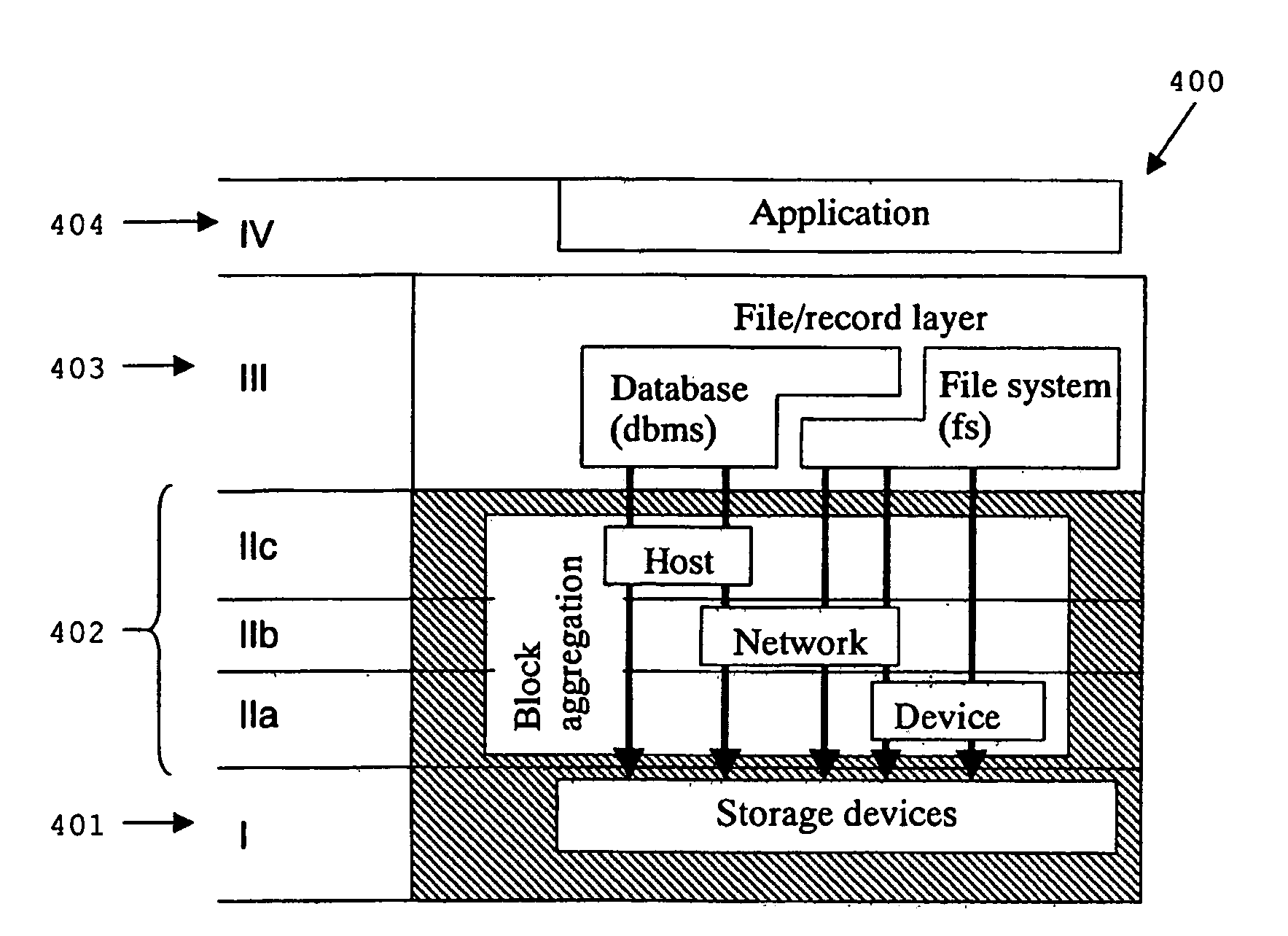
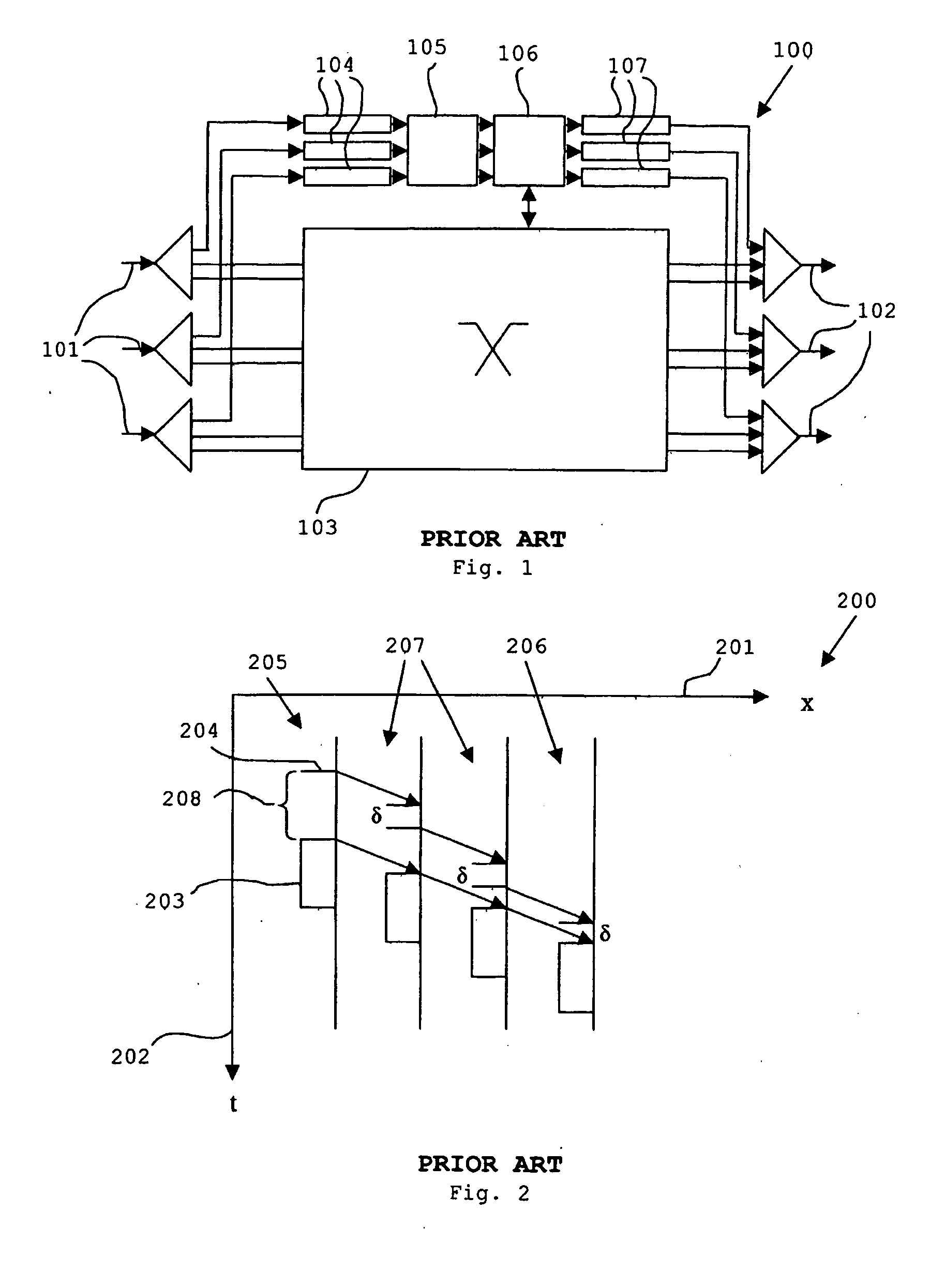
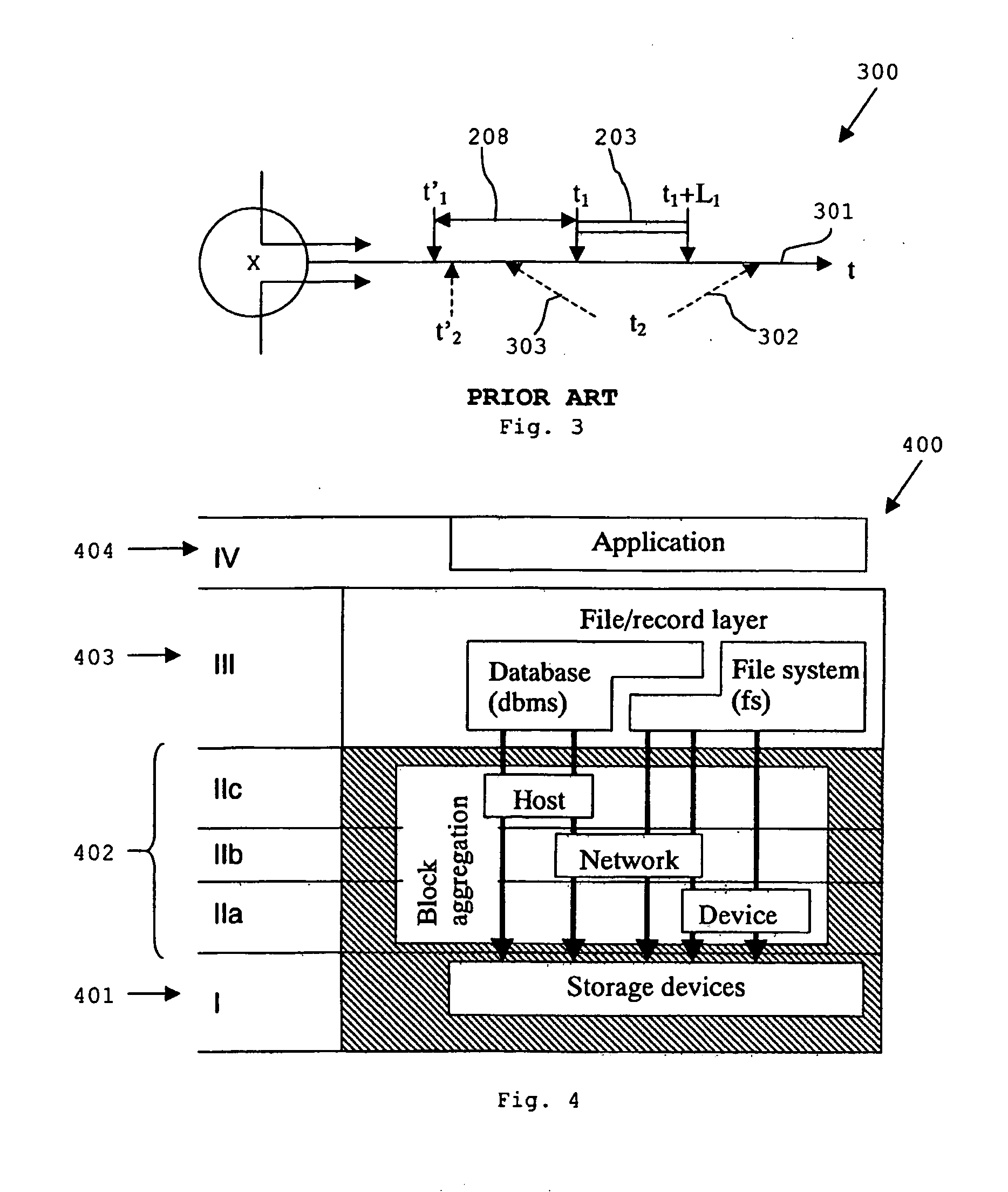

System and method of time-slotted optical burst switching
PatentInactiveUS7620049B2
Innovation
- The system employs edge nodes to generate and transmit data bursts, with core nodes assigning output slots based on burst control packet information, allowing for simultaneous transmission of burst control packets and data bursts, and utilizing fiber delay lines to synchronize data bursts with assigned slots, thereby minimizing delay and reducing burst loss.


Network Standards and Telecom Regulations
The standardization landscape for Optical Burst Switching (OBS) in telecommunications infrastructure operates within a complex regulatory framework that spans multiple international and regional bodies. The International Telecommunication Union (ITU-T) serves as the primary global standards organization, with Study Group 15 specifically addressing optical transport networks and related switching technologies. Key recommendations such as G.709 for optical transport network interfaces and G.872 for optical transport network architecture provide foundational frameworks that OBS implementations must consider for interoperability and compliance.
Regional telecommunications standards organizations play crucial roles in adapting global standards to local market requirements. The European Telecommunications Standards Institute (ETSI) has developed complementary specifications for optical networking equipment, while the Alliance for Telecommunications Industry Solutions (ATIS) in North America focuses on network reliability and performance standards. These organizations work collaboratively to ensure OBS technologies can seamlessly integrate with existing Dense Wavelength Division Multiplexing (DWDM) and Synchronous Digital Hierarchy (SDH) infrastructure.
Current regulatory challenges for OBS deployment center on quality of service guarantees and network reliability requirements. Telecommunications regulators mandate specific performance metrics including bit error rates, availability percentages, and restoration times that OBS networks must achieve. The burst-based nature of OBS technology creates unique compliance considerations, particularly regarding traffic prioritization and emergency service accessibility requirements mandated by national telecommunications authorities.
Emerging regulatory trends indicate increasing focus on network security and data protection standards. The implementation of OBS in critical telecommunications infrastructure must comply with cybersecurity frameworks such as the NIST Cybersecurity Framework and emerging quantum-safe cryptography requirements. Additionally, environmental regulations regarding energy efficiency and carbon footprint reduction are driving new standards for optical switching equipment power consumption and thermal management.
The standardization roadmap for OBS technology includes ongoing work on control plane protocols, burst assembly algorithms, and contention resolution mechanisms. Industry consortiums such as the Optical Internetworking Forum (OIF) are developing implementation agreements that bridge the gap between formal standards and practical deployment requirements, ensuring OBS solutions can meet both technical performance criteria and regulatory compliance obligations across diverse telecommunications markets.
Regional telecommunications standards organizations play crucial roles in adapting global standards to local market requirements. The European Telecommunications Standards Institute (ETSI) has developed complementary specifications for optical networking equipment, while the Alliance for Telecommunications Industry Solutions (ATIS) in North America focuses on network reliability and performance standards. These organizations work collaboratively to ensure OBS technologies can seamlessly integrate with existing Dense Wavelength Division Multiplexing (DWDM) and Synchronous Digital Hierarchy (SDH) infrastructure.
Current regulatory challenges for OBS deployment center on quality of service guarantees and network reliability requirements. Telecommunications regulators mandate specific performance metrics including bit error rates, availability percentages, and restoration times that OBS networks must achieve. The burst-based nature of OBS technology creates unique compliance considerations, particularly regarding traffic prioritization and emergency service accessibility requirements mandated by national telecommunications authorities.
Emerging regulatory trends indicate increasing focus on network security and data protection standards. The implementation of OBS in critical telecommunications infrastructure must comply with cybersecurity frameworks such as the NIST Cybersecurity Framework and emerging quantum-safe cryptography requirements. Additionally, environmental regulations regarding energy efficiency and carbon footprint reduction are driving new standards for optical switching equipment power consumption and thermal management.
The standardization roadmap for OBS technology includes ongoing work on control plane protocols, burst assembly algorithms, and contention resolution mechanisms. Industry consortiums such as the Optical Internetworking Forum (OIF) are developing implementation agreements that bridge the gap between formal standards and practical deployment requirements, ensuring OBS solutions can meet both technical performance criteria and regulatory compliance obligations across diverse telecommunications markets.
Energy Efficiency in Optical Network Design
Energy efficiency has emerged as a critical design consideration in optical burst switching (OBS) networks, driven by escalating operational costs and environmental sustainability requirements. Traditional telecom infrastructure consumes substantial power through continuous operation of optical amplifiers, electronic processing units, and cooling systems. In OBS networks, energy consumption patterns differ significantly from conventional circuit-switched systems due to the dynamic nature of burst transmission and the need for rapid switching decisions.
The fundamental challenge in energy-efficient OBS design lies in balancing network performance with power consumption. Unlike traditional optical networks where lightpaths remain established for extended periods, OBS networks must maintain switching capabilities in standby mode while minimizing idle power consumption. This creates unique opportunities for energy optimization through intelligent resource management and adaptive power scaling mechanisms.
Modern energy-efficient OBS architectures employ several key strategies to reduce power consumption. Dynamic wavelength allocation allows unused wavelengths to enter low-power states during periods of reduced traffic demand. Advanced burst scheduling algorithms can consolidate traffic onto fewer wavelengths, enabling selective shutdown of optical components. Additionally, intelligent routing protocols consider energy consumption as a primary metric alongside traditional performance parameters such as latency and blocking probability.
Power-aware burst assembly techniques represent another significant advancement in energy-efficient OBS design. By optimizing burst length and assembly timeouts based on traffic patterns and energy considerations, networks can reduce the frequency of switching operations and associated power consumption. Adaptive threshold mechanisms adjust burst assembly parameters in real-time to maintain optimal energy efficiency across varying load conditions.
The integration of machine learning algorithms into OBS energy management systems enables predictive power optimization. These systems analyze historical traffic patterns to anticipate demand fluctuations and proactively adjust network resources accordingly. Sleep mode scheduling for optical switches and amplifiers during predicted low-traffic periods can achieve substantial energy savings without compromising quality of service requirements.
Emerging technologies such as silicon photonics and advanced modulation formats offer additional pathways for energy reduction in OBS networks. Silicon-based optical switches consume significantly less power than traditional technologies while providing faster switching speeds essential for burst-mode operation. Furthermore, coherent detection systems enable longer transmission distances with reduced amplification requirements, contributing to overall network energy efficiency improvements.
The fundamental challenge in energy-efficient OBS design lies in balancing network performance with power consumption. Unlike traditional optical networks where lightpaths remain established for extended periods, OBS networks must maintain switching capabilities in standby mode while minimizing idle power consumption. This creates unique opportunities for energy optimization through intelligent resource management and adaptive power scaling mechanisms.
Modern energy-efficient OBS architectures employ several key strategies to reduce power consumption. Dynamic wavelength allocation allows unused wavelengths to enter low-power states during periods of reduced traffic demand. Advanced burst scheduling algorithms can consolidate traffic onto fewer wavelengths, enabling selective shutdown of optical components. Additionally, intelligent routing protocols consider energy consumption as a primary metric alongside traditional performance parameters such as latency and blocking probability.
Power-aware burst assembly techniques represent another significant advancement in energy-efficient OBS design. By optimizing burst length and assembly timeouts based on traffic patterns and energy considerations, networks can reduce the frequency of switching operations and associated power consumption. Adaptive threshold mechanisms adjust burst assembly parameters in real-time to maintain optimal energy efficiency across varying load conditions.
The integration of machine learning algorithms into OBS energy management systems enables predictive power optimization. These systems analyze historical traffic patterns to anticipate demand fluctuations and proactively adjust network resources accordingly. Sleep mode scheduling for optical switches and amplifiers during predicted low-traffic periods can achieve substantial energy savings without compromising quality of service requirements.
Emerging technologies such as silicon photonics and advanced modulation formats offer additional pathways for energy reduction in OBS networks. Silicon-based optical switches consume significantly less power than traditional technologies while providing faster switching speeds essential for burst-mode operation. Furthermore, coherent detection systems enable longer transmission distances with reduced amplification requirements, contributing to overall network energy efficiency improvements.
Unlock deeper insights with Patsnap Eureka Quick Research — get a full tech report to explore trends and direct your research. Try now!
Generate Your Research Report Instantly with AI Agent
Supercharge your innovation with Patsnap Eureka AI Agent Platform!