

Optimize Plasma Reactor Design for Enhanced Catalysis
APR 14, 20269 MIN READ
Generate Your Research Report Instantly with AI Agent
Patsnap Eureka helps you evaluate technical feasibility & market potential.
Plasma Catalysis Background and Technical Objectives
Plasma catalysis represents a revolutionary approach that combines the unique properties of non-thermal plasma with traditional catalytic processes to achieve enhanced chemical transformations under mild operating conditions. This emerging technology harnesses the synergistic effects between plasma-generated reactive species and catalytic surfaces, enabling reactions that would otherwise require extreme temperatures or pressures to proceed efficiently at near-ambient conditions.
The fundamental principle underlying plasma catalysis involves the generation of energetic electrons, ions, radicals, and excited molecules through electrical discharge in gas mixtures. These plasma-generated species interact with catalyst surfaces, creating highly reactive environments that facilitate bond breaking and formation processes. Unlike conventional thermal catalysis, plasma catalysis can selectively activate specific molecular bonds while maintaining overall low temperatures, offering unprecedented control over reaction pathways.
Historical development of plasma catalysis began in the 1980s with early investigations into plasma-assisted chemical vapor deposition and surface modification processes. The field gained significant momentum in the 1990s when researchers discovered that combining plasma with heterogeneous catalysts could dramatically improve conversion rates and selectivity for various chemical reactions. Key milestones include the development of dielectric barrier discharge reactors, microwave plasma systems, and corona discharge configurations specifically designed for catalytic applications.
The primary technical objectives driving current plasma reactor optimization efforts focus on maximizing the synergistic interactions between plasma and catalyst while minimizing energy consumption. Critical goals include achieving uniform plasma distribution across catalyst surfaces, controlling plasma density and electron energy distribution, and optimizing reactor geometry to enhance mass transfer and residence time. Additionally, developing stable catalyst materials that can withstand plasma exposure without deactivation remains a paramount objective.
Contemporary research emphasizes the development of novel reactor configurations that integrate plasma generation with advanced catalyst architectures. These include packed-bed plasma reactors, plasma-enhanced monolithic catalysts, and microreactor systems with embedded electrodes. The ultimate aim is to create scalable, energy-efficient plasma catalytic systems capable of industrial implementation for applications ranging from environmental remediation to sustainable chemical synthesis.
The fundamental principle underlying plasma catalysis involves the generation of energetic electrons, ions, radicals, and excited molecules through electrical discharge in gas mixtures. These plasma-generated species interact with catalyst surfaces, creating highly reactive environments that facilitate bond breaking and formation processes. Unlike conventional thermal catalysis, plasma catalysis can selectively activate specific molecular bonds while maintaining overall low temperatures, offering unprecedented control over reaction pathways.
Historical development of plasma catalysis began in the 1980s with early investigations into plasma-assisted chemical vapor deposition and surface modification processes. The field gained significant momentum in the 1990s when researchers discovered that combining plasma with heterogeneous catalysts could dramatically improve conversion rates and selectivity for various chemical reactions. Key milestones include the development of dielectric barrier discharge reactors, microwave plasma systems, and corona discharge configurations specifically designed for catalytic applications.
The primary technical objectives driving current plasma reactor optimization efforts focus on maximizing the synergistic interactions between plasma and catalyst while minimizing energy consumption. Critical goals include achieving uniform plasma distribution across catalyst surfaces, controlling plasma density and electron energy distribution, and optimizing reactor geometry to enhance mass transfer and residence time. Additionally, developing stable catalyst materials that can withstand plasma exposure without deactivation remains a paramount objective.
Contemporary research emphasizes the development of novel reactor configurations that integrate plasma generation with advanced catalyst architectures. These include packed-bed plasma reactors, plasma-enhanced monolithic catalysts, and microreactor systems with embedded electrodes. The ultimate aim is to create scalable, energy-efficient plasma catalytic systems capable of industrial implementation for applications ranging from environmental remediation to sustainable chemical synthesis.
Market Demand for Advanced Plasma Reactor Systems
The global plasma reactor market is experiencing unprecedented growth driven by increasing demand for sustainable manufacturing processes and environmental remediation solutions. Industries are actively seeking advanced plasma technologies to replace traditional chemical processes that generate harmful byproducts and consume excessive energy. This shift toward cleaner production methods has created substantial market opportunities for optimized plasma reactor systems.
Chemical processing industries represent the largest market segment for advanced plasma reactors, particularly in petrochemical synthesis, pharmaceutical manufacturing, and specialty chemical production. These sectors require precise control over reaction conditions and product selectivity, driving demand for enhanced catalytic plasma systems. The ability to operate at lower temperatures while maintaining high conversion rates makes plasma-enhanced catalysis particularly attractive for temperature-sensitive processes.
Environmental applications constitute another rapidly expanding market segment. Plasma reactors are increasingly deployed for air pollution control, volatile organic compound destruction, and greenhouse gas conversion. The growing regulatory pressure on emissions reduction has accelerated adoption of plasma-based environmental technologies, creating sustained demand for more efficient reactor designs.
The semiconductor and electronics manufacturing industries are driving demand for specialized plasma reactor systems capable of precise material processing and surface modification. These applications require extremely controlled plasma environments and uniform treatment capabilities, pushing the need for advanced reactor geometries and enhanced catalytic performance.
Emerging applications in renewable energy sectors, including plasma-assisted fuel production and carbon dioxide utilization, are creating new market opportunities. The global push toward carbon neutrality has intensified interest in plasma technologies for converting waste gases into valuable chemicals and fuels.
Market demand is particularly strong for reactor systems that offer improved energy efficiency, enhanced process control, and reduced maintenance requirements. End users prioritize systems that can deliver consistent performance while minimizing operational costs and environmental impact. This demand profile directly aligns with the benefits offered by optimized plasma reactor designs featuring enhanced catalytic capabilities.
Regional market dynamics show strongest growth in Asia-Pacific regions, driven by rapid industrialization and stringent environmental regulations. North American and European markets focus on advanced applications requiring sophisticated plasma control and integration capabilities.
Chemical processing industries represent the largest market segment for advanced plasma reactors, particularly in petrochemical synthesis, pharmaceutical manufacturing, and specialty chemical production. These sectors require precise control over reaction conditions and product selectivity, driving demand for enhanced catalytic plasma systems. The ability to operate at lower temperatures while maintaining high conversion rates makes plasma-enhanced catalysis particularly attractive for temperature-sensitive processes.
Environmental applications constitute another rapidly expanding market segment. Plasma reactors are increasingly deployed for air pollution control, volatile organic compound destruction, and greenhouse gas conversion. The growing regulatory pressure on emissions reduction has accelerated adoption of plasma-based environmental technologies, creating sustained demand for more efficient reactor designs.
The semiconductor and electronics manufacturing industries are driving demand for specialized plasma reactor systems capable of precise material processing and surface modification. These applications require extremely controlled plasma environments and uniform treatment capabilities, pushing the need for advanced reactor geometries and enhanced catalytic performance.
Emerging applications in renewable energy sectors, including plasma-assisted fuel production and carbon dioxide utilization, are creating new market opportunities. The global push toward carbon neutrality has intensified interest in plasma technologies for converting waste gases into valuable chemicals and fuels.
Market demand is particularly strong for reactor systems that offer improved energy efficiency, enhanced process control, and reduced maintenance requirements. End users prioritize systems that can deliver consistent performance while minimizing operational costs and environmental impact. This demand profile directly aligns with the benefits offered by optimized plasma reactor designs featuring enhanced catalytic capabilities.
Regional market dynamics show strongest growth in Asia-Pacific regions, driven by rapid industrialization and stringent environmental regulations. North American and European markets focus on advanced applications requiring sophisticated plasma control and integration capabilities.
Current Plasma Reactor Limitations and Design Challenges
Current plasma reactor designs face significant limitations that hinder their widespread adoption for catalytic applications. Traditional thermal plasma reactors suffer from poor energy efficiency, with conversion rates typically below 15% due to excessive heat generation and non-selective energy distribution. The high operating temperatures, often exceeding 10,000K, lead to substantial energy losses through radiation and conduction, making the process economically unviable for many industrial applications.
Non-thermal plasma reactors, while more energy-efficient, encounter challenges related to plasma uniformity and stability. Dielectric barrier discharge (DBD) reactors commonly exhibit filamentary discharge patterns that create localized high-energy zones, resulting in uneven treatment of reactants and reduced overall conversion efficiency. The formation of these micro-discharges is difficult to control and leads to inconsistent catalytic performance across the reactor volume.
Electrode design represents another critical limitation in current plasma reactor configurations. Conventional parallel plate electrodes suffer from edge effects and non-uniform electric field distribution, causing preferential discharge formation near electrode edges. This phenomenon reduces the effective reaction volume and creates hot spots that can damage electrode materials over time. Additionally, electrode erosion due to ion bombardment leads to contamination of reaction products and requires frequent maintenance.
Reactor geometry constraints significantly impact mass transfer and residence time distribution. Most existing designs fail to optimize the balance between plasma generation efficiency and reactant mixing. Cylindrical reactors often exhibit poor radial mixing, while rectangular configurations struggle with corner effects that create dead zones with minimal plasma activity. These geometric limitations result in incomplete reactant conversion and reduced selectivity toward desired products.
Gas flow dynamics present additional challenges in plasma reactor optimization. Turbulent flow patterns can disrupt plasma stability, while laminar flow may lead to insufficient mixing between plasma species and reactants. The coupling between fluid dynamics and plasma physics creates complex interactions that are difficult to predict and control using conventional design approaches.
Temperature management remains a persistent issue across all plasma reactor types. While non-thermal plasmas operate at lower bulk temperatures, localized heating still occurs, potentially causing unwanted side reactions or catalyst deactivation. Inadequate heat removal systems can lead to thermal runaway conditions, compromising both safety and performance.
Scaling challenges further complicate plasma reactor implementation for industrial catalysis. Laboratory-scale reactors often demonstrate promising results that cannot be replicated at larger scales due to power coupling inefficiencies and plasma non-uniformities that become more pronounced in larger volumes. The power-to-volume ratio typically decreases with scale-up, reducing the effectiveness of plasma-catalytic processes in commercial applications.
Non-thermal plasma reactors, while more energy-efficient, encounter challenges related to plasma uniformity and stability. Dielectric barrier discharge (DBD) reactors commonly exhibit filamentary discharge patterns that create localized high-energy zones, resulting in uneven treatment of reactants and reduced overall conversion efficiency. The formation of these micro-discharges is difficult to control and leads to inconsistent catalytic performance across the reactor volume.
Electrode design represents another critical limitation in current plasma reactor configurations. Conventional parallel plate electrodes suffer from edge effects and non-uniform electric field distribution, causing preferential discharge formation near electrode edges. This phenomenon reduces the effective reaction volume and creates hot spots that can damage electrode materials over time. Additionally, electrode erosion due to ion bombardment leads to contamination of reaction products and requires frequent maintenance.
Reactor geometry constraints significantly impact mass transfer and residence time distribution. Most existing designs fail to optimize the balance between plasma generation efficiency and reactant mixing. Cylindrical reactors often exhibit poor radial mixing, while rectangular configurations struggle with corner effects that create dead zones with minimal plasma activity. These geometric limitations result in incomplete reactant conversion and reduced selectivity toward desired products.
Gas flow dynamics present additional challenges in plasma reactor optimization. Turbulent flow patterns can disrupt plasma stability, while laminar flow may lead to insufficient mixing between plasma species and reactants. The coupling between fluid dynamics and plasma physics creates complex interactions that are difficult to predict and control using conventional design approaches.
Temperature management remains a persistent issue across all plasma reactor types. While non-thermal plasmas operate at lower bulk temperatures, localized heating still occurs, potentially causing unwanted side reactions or catalyst deactivation. Inadequate heat removal systems can lead to thermal runaway conditions, compromising both safety and performance.
Scaling challenges further complicate plasma reactor implementation for industrial catalysis. Laboratory-scale reactors often demonstrate promising results that cannot be replicated at larger scales due to power coupling inefficiencies and plasma non-uniformities that become more pronounced in larger volumes. The power-to-volume ratio typically decreases with scale-up, reducing the effectiveness of plasma-catalytic processes in commercial applications.
Existing Plasma Reactor Design Solutions
01 Plasma-catalytic reactor design and configuration
This category focuses on the structural design and configuration of plasma reactors integrated with catalytic materials. The reactor designs include various electrode arrangements, discharge chambers, and catalyst positioning methods to optimize plasma-catalyst interactions. These configurations aim to enhance reaction efficiency by maximizing contact between plasma-generated species and catalytic surfaces. Different reactor geometries such as packed-bed, fluidized-bed, and surface discharge reactors are employed to achieve specific catalytic outcomes.- Plasma-catalytic reactor design and configuration: This category focuses on the structural design and configuration of plasma reactors integrated with catalytic materials. The reactor designs include various electrode arrangements, catalyst placement strategies, and chamber configurations to optimize the interaction between plasma and catalyst. These designs aim to enhance reaction efficiency through improved contact between reactive species and catalytic surfaces, including packed-bed configurations, coaxial designs, and multi-stage reactor systems.
- Catalyst materials and preparation methods for plasma reactors: This category covers the selection, preparation, and modification of catalyst materials specifically designed for plasma-assisted reactions. Various catalyst types including metal oxides, supported noble metals, and composite materials are developed to work synergistically with plasma. The preparation methods focus on optimizing catalyst properties such as surface area, pore structure, and active site distribution to maximize the catalytic performance under plasma conditions.
- Plasma generation and control systems: This category addresses the technologies for generating and controlling plasma in catalytic reactors. It includes various plasma generation methods such as dielectric barrier discharge, corona discharge, and microwave plasma, along with power supply systems and control mechanisms. The focus is on achieving stable plasma generation, controlling plasma parameters like power density and frequency, and ensuring uniform plasma distribution throughout the reactor volume for optimal catalytic reactions.
- Applications in gas treatment and chemical synthesis: This category encompasses the practical applications of plasma-catalytic systems in various chemical processes. Major applications include exhaust gas purification, volatile organic compound decomposition, nitrogen oxide reduction, and synthesis of valuable chemicals. The plasma-catalytic approach enables reactions at lower temperatures and atmospheric pressure compared to conventional catalytic processes, making it suitable for environmental remediation and energy-efficient chemical production.
- Process optimization and monitoring systems: This category focuses on methods and systems for optimizing plasma-catalytic processes and monitoring reaction parameters. It includes techniques for measuring plasma characteristics, monitoring catalyst performance, controlling reaction conditions, and analyzing product composition. Advanced control strategies and sensor technologies are employed to maintain optimal operating conditions, improve energy efficiency, and ensure consistent product quality in plasma-catalytic reactions.
02 Catalyst materials and preparation methods for plasma reactors
This classification covers the selection, preparation, and application of various catalyst materials used in plasma reactors. The catalysts include metal oxides, noble metals, zeolites, and composite materials designed to work synergistically with plasma. Preparation methods involve impregnation, deposition, and coating techniques to optimize catalyst dispersion and activity. The catalyst materials are specifically tailored to enhance plasma-assisted reactions such as reforming, oxidation, and pollutant decomposition.Expand Specific Solutions03 Plasma generation and control systems
This category addresses the technologies for generating and controlling plasma in catalytic reactors. It includes various plasma sources such as dielectric barrier discharge, corona discharge, microwave plasma, and radio frequency plasma. Control systems regulate parameters like voltage, frequency, power, and gas flow to maintain optimal plasma conditions. These systems ensure stable plasma generation and uniform distribution throughout the catalytic reaction zone for improved conversion efficiency.Expand Specific Solutions04 Applications in gas treatment and chemical synthesis
This classification encompasses the practical applications of plasma-catalytic reactors in gas treatment and chemical synthesis processes. Applications include volatile organic compound removal, nitrogen oxide reduction, carbon dioxide conversion, and hydrogen production. The plasma-catalytic systems enable reactions at lower temperatures compared to conventional catalytic processes. These technologies are applied in environmental remediation, fuel processing, and production of value-added chemicals.Expand Specific Solutions05 Monitoring and optimization of plasma-catalytic processes
This category focuses on methods and systems for monitoring, analyzing, and optimizing plasma-catalytic reactions. It includes diagnostic techniques for measuring plasma parameters, reaction intermediates, and product distributions. Optimization strategies involve adjusting operational parameters such as residence time, temperature, catalyst loading, and plasma power. Advanced control algorithms and feedback systems are employed to maximize conversion efficiency, selectivity, and energy efficiency of the plasma-catalytic processes.Expand Specific Solutions
Key Players in Plasma Reactor and Catalysis Industry
The plasma reactor design optimization for enhanced catalysis represents a rapidly evolving technological landscape characterized by significant industrial momentum and diverse market participation. The industry is transitioning from early research phases to commercial deployment, with market applications spanning semiconductor manufacturing, carbon capture utilization, and chemical processing. Technology maturity varies considerably across segments, with established players like Lam Research Corp., Tokyo Electron Ltd., and Samsung Electronics demonstrating advanced plasma processing capabilities in semiconductor applications, while emerging companies such as D-CRBN BV and Syzygy Plasmonics are pioneering novel plasma-catalytic approaches for carbon conversion and hydrogen production. Research institutions including Zhejiang University, Korea Institute of Energy Research, and Tata Institute of Fundamental Research are advancing fundamental plasma-catalyst interactions, while industrial giants like Siemens AG and China Petroleum & Chemical Corp. are integrating these technologies into large-scale operations, indicating strong market potential and technological convergence across multiple industrial sectors.
Lam Research Corp.
Technical Solution: Lam Research develops advanced plasma reactor systems featuring multi-frequency RF power delivery and sophisticated gas distribution networks for enhanced catalytic processes. Their reactors incorporate real-time plasma monitoring systems with optical emission spectroscopy and mass spectrometry for precise control of plasma parameters. The company's innovative chamber designs utilize advanced materials and coatings to minimize contamination while maximizing plasma uniformity across large substrate areas, achieving processing temperatures ranging from 200-400°C with plasma densities up to 10^12 cm^-3.
Strengths: Industry-leading plasma uniformity control and advanced process monitoring capabilities. Weaknesses: High capital costs and complex maintenance requirements for sophisticated systems.
Tokyo Electron Ltd.
Technical Solution: Tokyo Electron specializes in atmospheric pressure plasma reactors with innovative electrode configurations and gas flow optimization for catalytic applications. Their systems feature proprietary plasma generation technology using dielectric barrier discharge (DBD) and atmospheric pressure plasma jets, enabling continuous processing at ambient conditions. The reactors incorporate advanced temperature control systems maintaining substrate temperatures between 150-300°C while achieving plasma electron densities of 10^11-10^12 cm^-3. Their modular design allows for scalable processing from laboratory to industrial production scales.
Strengths: Excellent atmospheric pressure plasma control and scalable modular designs. Weaknesses: Limited to specific pressure ranges and requires specialized gas handling systems.
Core Innovations in Plasma-Catalyst Interface Engineering
Plasma reactor
PatentInactiveEP2088838A3
Innovation
- A plasma reactor with a honeycomb structure and perpendicularly arranged second electrodes, supported by a catalyst, utilizing a pulse power supply to enhance electric field concentration and radical production, allowing for efficient hydrogen production at normal pressure and low temperature.


Plasma reactor and plasma reaction apparatus
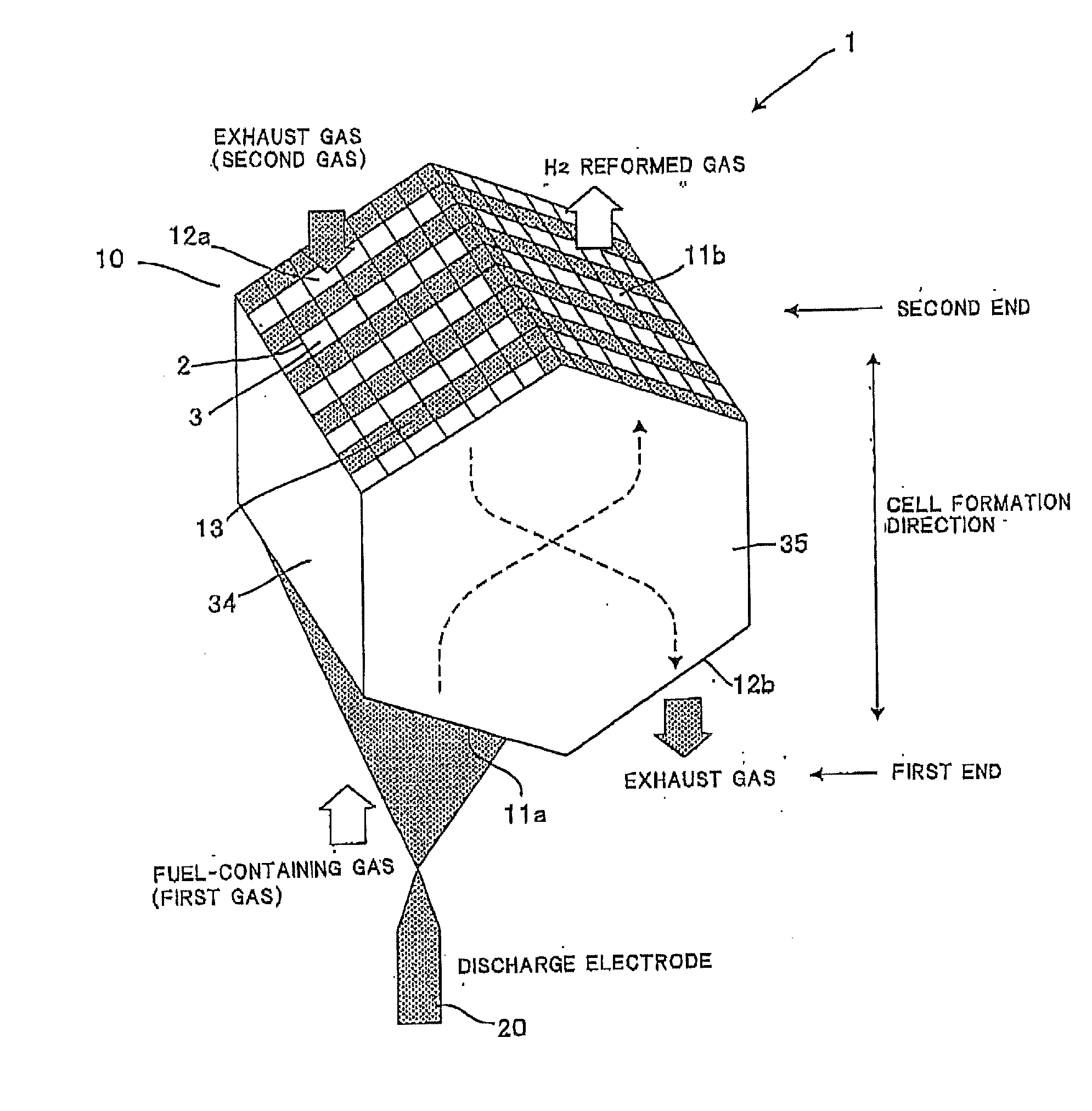
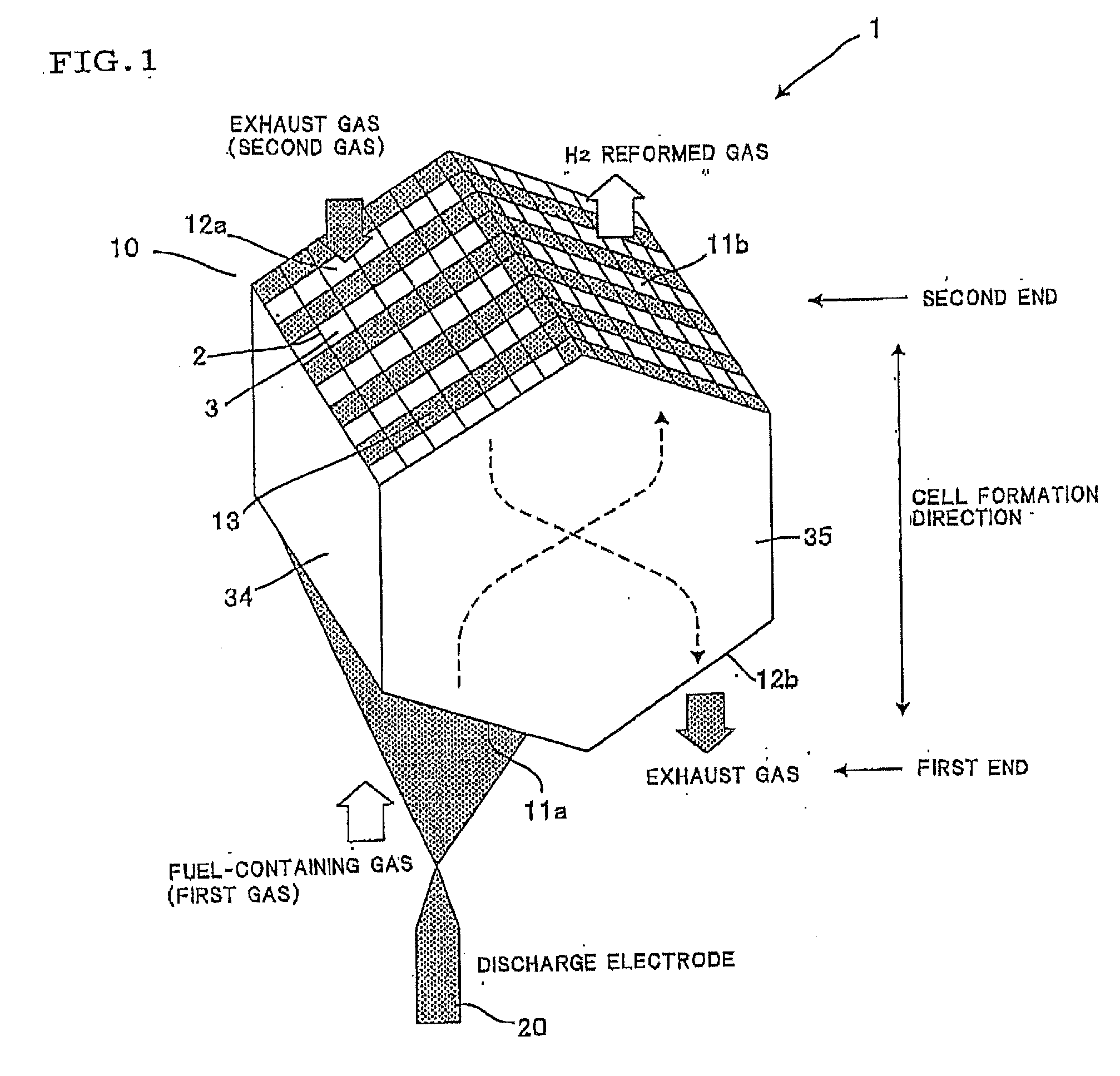
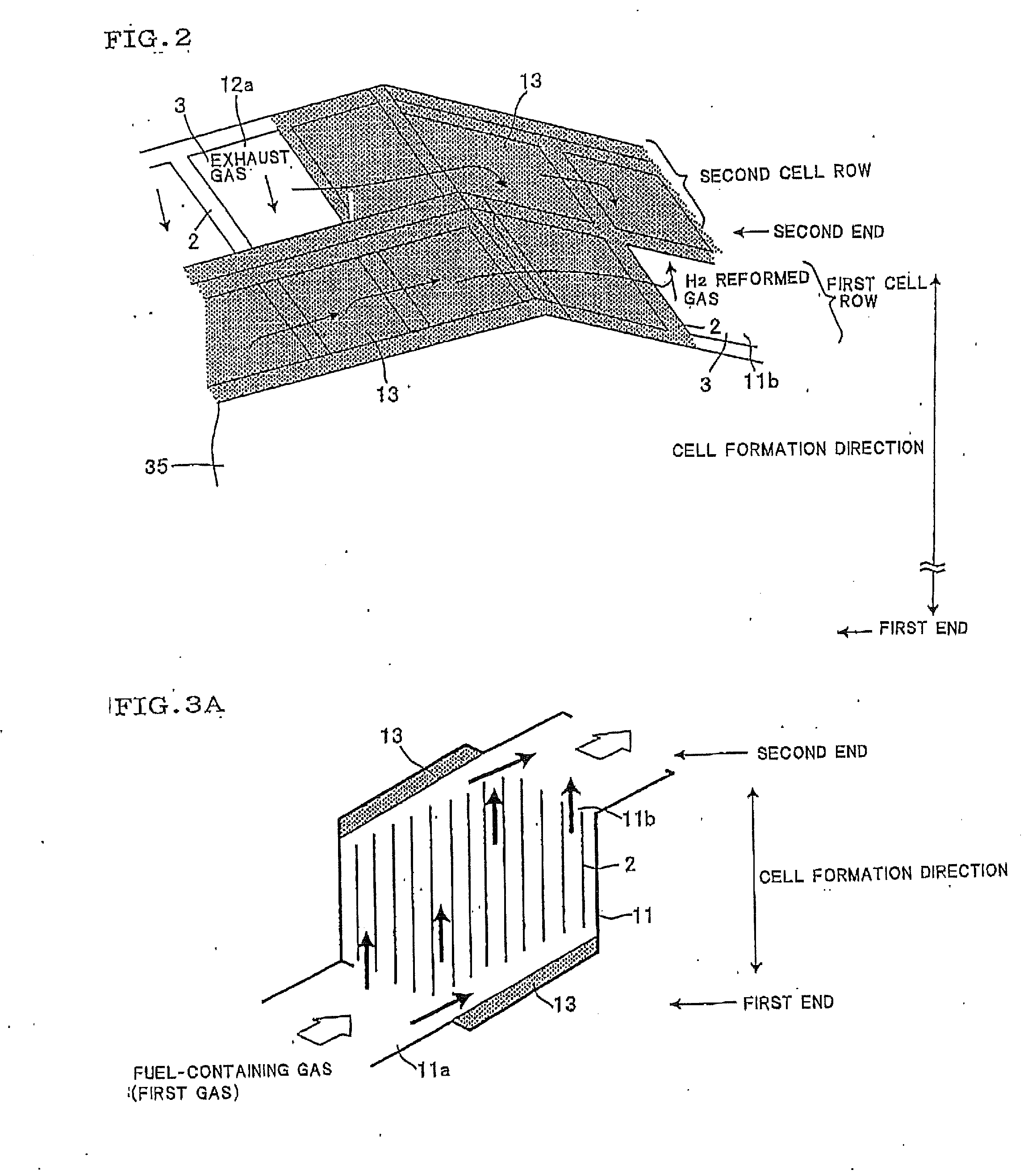
PatentInactiveUS20090206757A1
Innovation
- A plasma reactor with a honeycomb electrode that includes separate gas circulation sections for the first and second gases, where the second gas supplies heat to the first gas to promote a reaction, reducing the need for high reaction temperatures and minimizing catalyst deterioration, and incorporating a discharge electrode to facilitate plasma discharge between the electrodes.

Environmental Regulations for Plasma Processing Systems
Environmental regulations governing plasma processing systems have become increasingly stringent as governments worldwide recognize the potential environmental impacts of plasma-based industrial processes. The regulatory landscape encompasses multiple jurisdictions, with the European Union's REACH regulation, the United States Environmental Protection Agency guidelines, and emerging frameworks in Asia-Pacific regions establishing comprehensive standards for plasma reactor operations.
Emission control requirements represent the most critical regulatory aspect for plasma catalysis systems. Current regulations mandate strict limits on volatile organic compounds, nitrogen oxides, and particulate matter emissions. The European Industrial Emissions Directive sets emission thresholds that plasma reactor designs must meet, requiring advanced monitoring systems and real-time emission tracking capabilities. These requirements directly influence reactor chamber design, necessitating integrated scrubbing systems and sophisticated exhaust treatment mechanisms.
Safety protocols for plasma processing systems are governed by occupational health and safety regulations, including OSHA standards in the United States and similar frameworks globally. These regulations mandate specific design features such as electromagnetic field containment, electrical safety systems, and worker protection measures. Plasma reactor designs must incorporate fail-safe mechanisms, emergency shutdown procedures, and radiation shielding to comply with these safety requirements.
Waste management regulations significantly impact plasma reactor design considerations, particularly regarding the handling and disposal of spent catalysts and reaction byproducts. The Basel Convention on hazardous waste movement and national waste classification systems require plasma processing facilities to implement closed-loop systems where feasible, influencing reactor design toward enhanced material recovery and recycling capabilities.
Energy efficiency standards are increasingly incorporated into environmental regulations, with many jurisdictions implementing mandatory energy performance benchmarks for industrial processing equipment. These standards drive plasma reactor optimization toward reduced power consumption and improved energy conversion efficiency, directly affecting plasma generation systems and reactor configuration design.
Emerging regulatory trends indicate future requirements for lifecycle environmental impact assessments, carbon footprint reporting, and circular economy compliance, suggesting that next-generation plasma reactor designs must incorporate sustainability metrics and environmental monitoring capabilities from the initial design phase.
Emission control requirements represent the most critical regulatory aspect for plasma catalysis systems. Current regulations mandate strict limits on volatile organic compounds, nitrogen oxides, and particulate matter emissions. The European Industrial Emissions Directive sets emission thresholds that plasma reactor designs must meet, requiring advanced monitoring systems and real-time emission tracking capabilities. These requirements directly influence reactor chamber design, necessitating integrated scrubbing systems and sophisticated exhaust treatment mechanisms.
Safety protocols for plasma processing systems are governed by occupational health and safety regulations, including OSHA standards in the United States and similar frameworks globally. These regulations mandate specific design features such as electromagnetic field containment, electrical safety systems, and worker protection measures. Plasma reactor designs must incorporate fail-safe mechanisms, emergency shutdown procedures, and radiation shielding to comply with these safety requirements.
Waste management regulations significantly impact plasma reactor design considerations, particularly regarding the handling and disposal of spent catalysts and reaction byproducts. The Basel Convention on hazardous waste movement and national waste classification systems require plasma processing facilities to implement closed-loop systems where feasible, influencing reactor design toward enhanced material recovery and recycling capabilities.
Energy efficiency standards are increasingly incorporated into environmental regulations, with many jurisdictions implementing mandatory energy performance benchmarks for industrial processing equipment. These standards drive plasma reactor optimization toward reduced power consumption and improved energy conversion efficiency, directly affecting plasma generation systems and reactor configuration design.
Emerging regulatory trends indicate future requirements for lifecycle environmental impact assessments, carbon footprint reporting, and circular economy compliance, suggesting that next-generation plasma reactor designs must incorporate sustainability metrics and environmental monitoring capabilities from the initial design phase.
Energy Efficiency Standards in Plasma Technology
Energy efficiency standards in plasma technology have become increasingly critical as industries seek to balance enhanced catalytic performance with sustainable operational practices. The development of comprehensive efficiency metrics specifically tailored for plasma reactor systems represents a fundamental shift from traditional thermal catalysis evaluation methods. Current standards primarily focus on power consumption per unit of product yield, plasma generation efficiency, and overall energy conversion ratios within catalytic processes.
International standardization bodies, including the International Electrotechnical Commission and various national energy agencies, are actively developing frameworks to establish baseline efficiency requirements for plasma-assisted catalytic systems. These emerging standards typically mandate minimum energy conversion efficiencies of 60-70% for industrial plasma reactors, with specific provisions for different reactor configurations and catalytic applications. The standards also incorporate lifecycle energy assessments that account for auxiliary systems, cooling requirements, and power conditioning equipment.
Regulatory compliance frameworks are evolving to address the unique characteristics of plasma catalytic systems, particularly regarding power quality requirements and electromagnetic compatibility. Modern standards emphasize the importance of power factor correction, harmonic distortion limits, and grid stability considerations when plasma reactors operate at industrial scales. These requirements directly influence reactor design parameters, including power supply architecture, impedance matching networks, and control system specifications.
Energy efficiency benchmarking methodologies for plasma reactors incorporate both electrical efficiency and catalytic effectiveness metrics. The standards define standardized testing protocols that measure energy consumption per mole of converted reactant, accounting for plasma generation losses, heat management requirements, and product separation energy costs. Advanced efficiency standards also consider the temporal aspects of plasma operation, including startup energy penalties and intermittent operation capabilities.
Emerging efficiency standards are beginning to address the integration of renewable energy sources with plasma catalytic systems, establishing requirements for grid-interactive operation and energy storage compatibility. These forward-looking standards recognize the potential for plasma reactors to serve as flexible loads in smart grid applications while maintaining catalytic performance objectives. The standards framework continues to evolve as plasma technology matures and industrial adoption increases.
International standardization bodies, including the International Electrotechnical Commission and various national energy agencies, are actively developing frameworks to establish baseline efficiency requirements for plasma-assisted catalytic systems. These emerging standards typically mandate minimum energy conversion efficiencies of 60-70% for industrial plasma reactors, with specific provisions for different reactor configurations and catalytic applications. The standards also incorporate lifecycle energy assessments that account for auxiliary systems, cooling requirements, and power conditioning equipment.
Regulatory compliance frameworks are evolving to address the unique characteristics of plasma catalytic systems, particularly regarding power quality requirements and electromagnetic compatibility. Modern standards emphasize the importance of power factor correction, harmonic distortion limits, and grid stability considerations when plasma reactors operate at industrial scales. These requirements directly influence reactor design parameters, including power supply architecture, impedance matching networks, and control system specifications.
Energy efficiency benchmarking methodologies for plasma reactors incorporate both electrical efficiency and catalytic effectiveness metrics. The standards define standardized testing protocols that measure energy consumption per mole of converted reactant, accounting for plasma generation losses, heat management requirements, and product separation energy costs. Advanced efficiency standards also consider the temporal aspects of plasma operation, including startup energy penalties and intermittent operation capabilities.
Emerging efficiency standards are beginning to address the integration of renewable energy sources with plasma catalytic systems, establishing requirements for grid-interactive operation and energy storage compatibility. These forward-looking standards recognize the potential for plasma reactors to serve as flexible loads in smart grid applications while maintaining catalytic performance objectives. The standards framework continues to evolve as plasma technology matures and industrial adoption increases.
Unlock deeper insights with Patsnap Eureka Quick Research — get a full tech report to explore trends and direct your research. Try now!
Generate Your Research Report Instantly with AI Agent
Supercharge your innovation with Patsnap Eureka AI Agent Platform!