

Optimize Uranium Dioxide for High-Temperature Applications
MAR 11, 20269 MIN READ
Generate Your Research Report Instantly with AI Agent
PatSnap Eureka helps you evaluate technical feasibility & market potential.
Uranium Dioxide High-Temperature Background and Objectives
Uranium dioxide (UO₂) has served as the predominant nuclear fuel material for commercial nuclear reactors since the 1950s, establishing itself as the cornerstone of nuclear power generation worldwide. This ceramic compound exhibits exceptional nuclear properties, including high uranium density, chemical stability, and relatively predictable behavior under neutron irradiation. However, the evolving landscape of nuclear technology demands enhanced performance characteristics that push UO₂ beyond its traditional operational boundaries.
The nuclear industry is experiencing a paradigm shift toward advanced reactor designs, including Generation IV reactors, small modular reactors (SMRs), and accident-tolerant fuel systems. These next-generation technologies operate under significantly more demanding conditions than conventional light water reactors, with operating temperatures reaching 800-1000°C compared to the typical 300-350°C range of current systems. This temperature escalation presents unprecedented challenges for fuel performance and safety margins.
Current UO₂ formulations face critical limitations when subjected to extreme thermal environments. At elevated temperatures, the material experiences accelerated fission gas release, increased thermal conductivity degradation, and enhanced susceptibility to pellet-cladding chemical interaction. These phenomena directly impact fuel integrity, reactor efficiency, and operational safety margins, necessitating fundamental improvements in fuel design and composition.
The primary technical objective centers on developing optimized UO₂ compositions and microstructures capable of maintaining structural integrity and performance characteristics at temperatures exceeding 800°C for extended operational periods. This encompasses enhancing thermal conductivity retention, minimizing fission gas release rates, and improving dimensional stability under high-temperature conditions.
Secondary objectives include achieving superior corrosion resistance against high-temperature coolants, maintaining compatibility with advanced cladding materials, and ensuring predictable thermal expansion behavior. The optimization must also address manufacturing scalability and economic viability while meeting stringent nuclear safety and regulatory requirements.
The strategic importance of this technological advancement extends beyond performance enhancement, positioning nuclear energy as a more competitive and reliable baseload power source. Successfully optimized high-temperature UO₂ will enable higher thermal efficiency in advanced reactor designs, reduced operational costs, and enhanced safety margins, ultimately supporting the global transition toward clean energy infrastructure and carbon neutrality goals.
The nuclear industry is experiencing a paradigm shift toward advanced reactor designs, including Generation IV reactors, small modular reactors (SMRs), and accident-tolerant fuel systems. These next-generation technologies operate under significantly more demanding conditions than conventional light water reactors, with operating temperatures reaching 800-1000°C compared to the typical 300-350°C range of current systems. This temperature escalation presents unprecedented challenges for fuel performance and safety margins.
Current UO₂ formulations face critical limitations when subjected to extreme thermal environments. At elevated temperatures, the material experiences accelerated fission gas release, increased thermal conductivity degradation, and enhanced susceptibility to pellet-cladding chemical interaction. These phenomena directly impact fuel integrity, reactor efficiency, and operational safety margins, necessitating fundamental improvements in fuel design and composition.
The primary technical objective centers on developing optimized UO₂ compositions and microstructures capable of maintaining structural integrity and performance characteristics at temperatures exceeding 800°C for extended operational periods. This encompasses enhancing thermal conductivity retention, minimizing fission gas release rates, and improving dimensional stability under high-temperature conditions.
Secondary objectives include achieving superior corrosion resistance against high-temperature coolants, maintaining compatibility with advanced cladding materials, and ensuring predictable thermal expansion behavior. The optimization must also address manufacturing scalability and economic viability while meeting stringent nuclear safety and regulatory requirements.
The strategic importance of this technological advancement extends beyond performance enhancement, positioning nuclear energy as a more competitive and reliable baseload power source. Successfully optimized high-temperature UO₂ will enable higher thermal efficiency in advanced reactor designs, reduced operational costs, and enhanced safety margins, ultimately supporting the global transition toward clean energy infrastructure and carbon neutrality goals.
Market Demand for Advanced Nuclear Fuel Materials
The global nuclear energy sector is experiencing unprecedented growth driven by increasing demand for clean, reliable baseload power generation. As nations worldwide commit to carbon neutrality goals and seek alternatives to fossil fuels, nuclear power has emerged as a critical component of the energy transition strategy. This resurgence has created substantial market opportunities for advanced nuclear fuel materials, particularly those capable of operating under extreme conditions.
Advanced nuclear fuel materials represent a rapidly expanding market segment within the broader nuclear industry. The demand is primarily driven by the development of Generation IV reactor designs, small modular reactors, and accident-tolerant fuel systems. These next-generation technologies require fuel materials that can withstand higher operating temperatures, increased neutron flux, and extended burn-up cycles while maintaining structural integrity and safety margins.
The market for high-temperature nuclear fuel materials is particularly robust in regions with aggressive nuclear expansion programs. Countries investing heavily in advanced reactor technologies are creating significant demand for optimized uranium dioxide and alternative fuel forms. The push toward higher thermal efficiency and enhanced safety features in modern reactor designs necessitates fuel materials with superior high-temperature performance characteristics.
Small modular reactor deployment represents a key growth driver for advanced fuel materials. These systems often operate at elevated temperatures to achieve improved thermal efficiency, creating specific requirements for fuel materials that can maintain performance under these demanding conditions. The modular nature of these reactors also demands fuel materials with consistent, predictable behavior across varying operational parameters.
The accident-tolerant fuel market segment is experiencing particularly strong growth momentum. Regulatory bodies and utilities are increasingly focused on fuel systems that can withstand severe accident conditions, including prolonged high-temperature exposure. This regulatory emphasis has translated into substantial investment in fuel material optimization research and development programs.
Industrial applications beyond traditional power generation are also contributing to market demand. High-temperature gas-cooled reactors for industrial process heat applications require specialized fuel materials capable of sustained operation at temperatures significantly higher than conventional light water reactors. This niche but growing market segment presents unique technical challenges and commercial opportunities.
The competitive landscape is characterized by significant investment in research and development activities focused on fuel material enhancement. Major nuclear fuel suppliers are allocating substantial resources toward developing advanced uranium dioxide formulations and alternative fuel matrix materials to capture emerging market opportunities in the high-temperature application space.
Advanced nuclear fuel materials represent a rapidly expanding market segment within the broader nuclear industry. The demand is primarily driven by the development of Generation IV reactor designs, small modular reactors, and accident-tolerant fuel systems. These next-generation technologies require fuel materials that can withstand higher operating temperatures, increased neutron flux, and extended burn-up cycles while maintaining structural integrity and safety margins.
The market for high-temperature nuclear fuel materials is particularly robust in regions with aggressive nuclear expansion programs. Countries investing heavily in advanced reactor technologies are creating significant demand for optimized uranium dioxide and alternative fuel forms. The push toward higher thermal efficiency and enhanced safety features in modern reactor designs necessitates fuel materials with superior high-temperature performance characteristics.
Small modular reactor deployment represents a key growth driver for advanced fuel materials. These systems often operate at elevated temperatures to achieve improved thermal efficiency, creating specific requirements for fuel materials that can maintain performance under these demanding conditions. The modular nature of these reactors also demands fuel materials with consistent, predictable behavior across varying operational parameters.
The accident-tolerant fuel market segment is experiencing particularly strong growth momentum. Regulatory bodies and utilities are increasingly focused on fuel systems that can withstand severe accident conditions, including prolonged high-temperature exposure. This regulatory emphasis has translated into substantial investment in fuel material optimization research and development programs.
Industrial applications beyond traditional power generation are also contributing to market demand. High-temperature gas-cooled reactors for industrial process heat applications require specialized fuel materials capable of sustained operation at temperatures significantly higher than conventional light water reactors. This niche but growing market segment presents unique technical challenges and commercial opportunities.
The competitive landscape is characterized by significant investment in research and development activities focused on fuel material enhancement. Major nuclear fuel suppliers are allocating substantial resources toward developing advanced uranium dioxide formulations and alternative fuel matrix materials to capture emerging market opportunities in the high-temperature application space.
Current UO2 High-Temperature Performance Limitations
Uranium dioxide (UO2) faces significant performance limitations when exposed to high-temperature environments, particularly above 1200°C, which restricts its effectiveness in advanced nuclear applications. The primary challenge stems from thermal conductivity degradation, where UO2 exhibits inherently low thermal conductivity that further decreases with temperature elevation. This phenomenon creates substantial temperature gradients within fuel pellets, leading to thermal stress accumulation and potential structural failure.
Grain boundary instability represents another critical limitation affecting UO2 performance at elevated temperatures. As temperatures exceed operational thresholds, grain growth accelerates uncontrollably, resulting in microstructural changes that compromise mechanical integrity. The enlarged grain structure reduces the material's ability to accommodate thermal expansion and contraction cycles, ultimately leading to crack formation and propagation throughout the fuel matrix.
Fission gas release becomes increasingly problematic as temperatures rise, with xenon and krypton gases migrating more readily through the UO2 lattice structure. This enhanced gas mobility causes swelling, internal pressure buildup, and potential fuel-cladding interaction issues. The phenomenon is particularly pronounced above 1400°C, where gas bubble coalescence accelerates, creating pathways for rapid gas release and dimensional instability.
Oxidation susceptibility poses additional challenges in high-temperature environments, especially when oxygen potential fluctuates. UO2 can undergo phase transitions to higher oxides such as U4O9 or U3O8, which exhibit different thermal and mechanical properties. These phase changes introduce volume variations and stress concentrations that compromise fuel pellet integrity and performance predictability.
Creep deformation becomes significant at elevated temperatures, where UO2 exhibits time-dependent plastic deformation under constant stress conditions. This behavior leads to fuel pellet densification, gap closure with cladding materials, and potential mechanical interaction issues. The creep rate acceleration above 1300°C particularly limits the material's suitability for next-generation reactor designs requiring enhanced temperature tolerance.
Thermal shock resistance represents another fundamental limitation, as UO2's relatively low thermal conductivity combined with its brittle nature makes it susceptible to rapid temperature changes. This vulnerability restricts operational flexibility and emergency response capabilities in advanced reactor systems where temperature transients may occur more frequently than in conventional designs.
Grain boundary instability represents another critical limitation affecting UO2 performance at elevated temperatures. As temperatures exceed operational thresholds, grain growth accelerates uncontrollably, resulting in microstructural changes that compromise mechanical integrity. The enlarged grain structure reduces the material's ability to accommodate thermal expansion and contraction cycles, ultimately leading to crack formation and propagation throughout the fuel matrix.
Fission gas release becomes increasingly problematic as temperatures rise, with xenon and krypton gases migrating more readily through the UO2 lattice structure. This enhanced gas mobility causes swelling, internal pressure buildup, and potential fuel-cladding interaction issues. The phenomenon is particularly pronounced above 1400°C, where gas bubble coalescence accelerates, creating pathways for rapid gas release and dimensional instability.
Oxidation susceptibility poses additional challenges in high-temperature environments, especially when oxygen potential fluctuates. UO2 can undergo phase transitions to higher oxides such as U4O9 or U3O8, which exhibit different thermal and mechanical properties. These phase changes introduce volume variations and stress concentrations that compromise fuel pellet integrity and performance predictability.
Creep deformation becomes significant at elevated temperatures, where UO2 exhibits time-dependent plastic deformation under constant stress conditions. This behavior leads to fuel pellet densification, gap closure with cladding materials, and potential mechanical interaction issues. The creep rate acceleration above 1300°C particularly limits the material's suitability for next-generation reactor designs requiring enhanced temperature tolerance.
Thermal shock resistance represents another fundamental limitation, as UO2's relatively low thermal conductivity combined with its brittle nature makes it susceptible to rapid temperature changes. This vulnerability restricts operational flexibility and emergency response capabilities in advanced reactor systems where temperature transients may occur more frequently than in conventional designs.
Existing Solutions for UO2 High-Temperature Optimization
01 Production and preparation methods of uranium dioxide
Various methods for producing and preparing uranium dioxide include processes involving reduction, precipitation, calcination, and conversion from other uranium compounds. These methods focus on controlling particle size, morphology, and purity of the uranium dioxide product. The preparation techniques may involve thermal treatment, chemical reduction, or hydrothermal processes to achieve desired characteristics for nuclear fuel applications.- Production and preparation methods of uranium dioxide: Various methods for producing and preparing uranium dioxide include processes involving reduction, precipitation, calcination, and conversion from other uranium compounds. These methods focus on controlling particle size, morphology, and purity of the uranium dioxide product. The preparation techniques may involve thermal treatment, chemical reduction, or hydrothermal processes to achieve desired characteristics for nuclear fuel applications.
- Sintering and densification of uranium dioxide: Techniques for sintering uranium dioxide powders to produce dense pellets with controlled microstructure and properties. The sintering process involves heating uranium dioxide compacts at high temperatures to achieve desired density and grain structure. Methods include conventional sintering, pressure-assisted sintering, and the use of additives or dopants to enhance densification and control grain growth for improved fuel performance.
- Uranium dioxide fuel pellet fabrication: Manufacturing processes for producing uranium dioxide fuel pellets for nuclear reactors, including powder preparation, pressing, sintering, and finishing operations. These processes aim to produce pellets with specific dimensions, density, and microstructure suitable for reactor applications. Quality control measures ensure pellets meet specifications for density, grain size, porosity, and dimensional tolerances required for safe and efficient reactor operation.
- Doping and modification of uranium dioxide properties: Addition of dopants or secondary phases to uranium dioxide to modify its physical, chemical, or nuclear properties. Dopants can be used to control grain growth, enhance thermal conductivity, improve oxidation resistance, or modify fission gas release behavior. Various additives including oxides, metals, or other compounds are incorporated into uranium dioxide matrix to achieve desired performance characteristics for specific reactor applications.
- Oxidation and reduction behavior of uranium dioxide: Studies and methods related to the oxidation and reduction reactions of uranium dioxide under various conditions. This includes understanding the kinetics and mechanisms of uranium dioxide oxidation to higher oxides, as well as reduction processes to control stoichiometry. Control of oxygen-to-metal ratio is critical for fuel performance, and various techniques are employed to maintain or adjust the oxidation state of uranium dioxide during processing and operation.
02 Sintering and densification of uranium dioxide
Techniques for sintering uranium dioxide powders to produce dense pellets with controlled microstructure and properties. The sintering process involves heating uranium dioxide compacts at specific temperatures and atmospheres to achieve high density and uniform grain structure. Methods include conventional sintering, pressure-assisted sintering, and the use of sintering aids or additives to enhance densification and control grain growth.Expand Specific Solutions03 Uranium dioxide fuel pellet fabrication
Manufacturing processes for producing uranium dioxide fuel pellets for nuclear reactors, including powder preparation, pressing, sintering, and finishing operations. The fabrication methods focus on achieving specific pellet dimensions, density, and surface quality requirements. Techniques may involve blending, granulation, die pressing, and grinding to produce pellets meeting nuclear fuel specifications.Expand Specific Solutions04 Additives and dopants in uranium dioxide
Incorporation of various additives, dopants, or secondary phases into uranium dioxide to modify its properties such as thermal conductivity, grain growth behavior, fission gas retention, and oxidation resistance. These additions may include oxides of other elements, burnable absorbers, or grain growth inhibitors that enhance the performance and stability of uranium dioxide fuel under reactor operating conditions.Expand Specific Solutions05 Characterization and quality control of uranium dioxide
Methods and techniques for analyzing and controlling the quality of uranium dioxide materials, including measurement of stoichiometry, impurity content, particle size distribution, surface area, and crystallographic properties. Quality control procedures ensure that uranium dioxide products meet specifications for nuclear fuel applications through various analytical and testing methods.Expand Specific Solutions
Key Players in Nuclear Fuel and UO2 Enhancement Industry
The uranium dioxide optimization for high-temperature applications represents a mature nuclear fuel technology sector experiencing steady growth driven by advanced reactor development and Generation IV nuclear systems. The market demonstrates significant scale with established players spanning global regions, indicating robust commercial viability. Technology maturity varies considerably across stakeholders, with leading research institutions like China Academy of Engineering Physics, Korea Atomic Energy Research Institute, and Commissariat à l'énergie atomique demonstrating advanced R&D capabilities in fuel optimization. Commercial entities including Westinghouse Electric, X Energy LLC, and China Nuclear Power Technology Research Institute showcase deployment-ready technologies, while emerging players like Areva NC and Franco-Belge de Fabrication de Combustibles contribute specialized manufacturing expertise. The competitive landscape reflects a transition from traditional light-water reactor fuels toward high-temperature gas-cooled reactor applications, with established nuclear powers maintaining technological leadership while new entrants focus on innovative fuel designs and manufacturing processes.
Westinghouse Electric Co. LLC
Technical Solution: Westinghouse has developed advanced uranium dioxide fuel pellet manufacturing processes specifically designed for high-temperature reactor applications. Their technology focuses on enhanced grain structure control and optimized stoichiometry to improve thermal conductivity and fission gas retention at elevated temperatures. The company employs sophisticated sintering techniques and additive incorporation methods to achieve superior microstructural properties. Their UO2 pellets demonstrate improved performance in accident-tolerant fuel designs, with enhanced thermal stability and reduced swelling under high-temperature conditions. The manufacturing process includes precise control of oxygen-to-uranium ratios and grain boundary engineering to optimize high-temperature mechanical properties.
Strengths: Extensive commercial nuclear fuel experience, proven manufacturing capabilities, strong regulatory approval track record. Weaknesses: Traditional approach may limit innovation speed, high development costs for new fuel designs.
X Energy LLC
Technical Solution: X Energy has developed specialized uranium dioxide fuel formulations optimized for their high-temperature gas-cooled reactor (HTGR) applications. Their approach involves creating TRISO (tristructural isotropic) fuel particles where UO2 kernels are coated with multiple protective layers including pyrolytic carbon and silicon carbide. This design enables operation at temperatures exceeding 1600°C while maintaining fuel integrity. The company focuses on enhanced UO2 kernel density and microstructure optimization to improve fission product retention and thermal performance. Their manufacturing process incorporates advanced quality control measures and specialized coating techniques to ensure consistent high-temperature performance across all fuel particles.
Strengths: Innovative TRISO fuel technology, specialized high-temperature reactor expertise, advanced manufacturing processes. Weaknesses: Limited commercial deployment experience, dependency on specialized supply chains, higher manufacturing complexity.
Core Innovations in UO2 Thermal Property Enhancement
Improvements in the preparation of sintered uranium dioxide grains
PatentInactiveGB1256283A
Innovation
- A process involving pressing uranium dioxide or ammonium diuranate powder into compacts, sintering at high temperatures in dry hydrogen to form substoichiometric uranium dioxide, and cooling to precipitate metallic uranium, causing the compacts to disintegrate into free-flowing, spherical grains, eliminating the need for grinding and allowing for controlled size and density packing.
Preparation method of monocrystal uranium dioxide nuclear fuel pellets
PatentActiveUS20190127876A1
Innovation
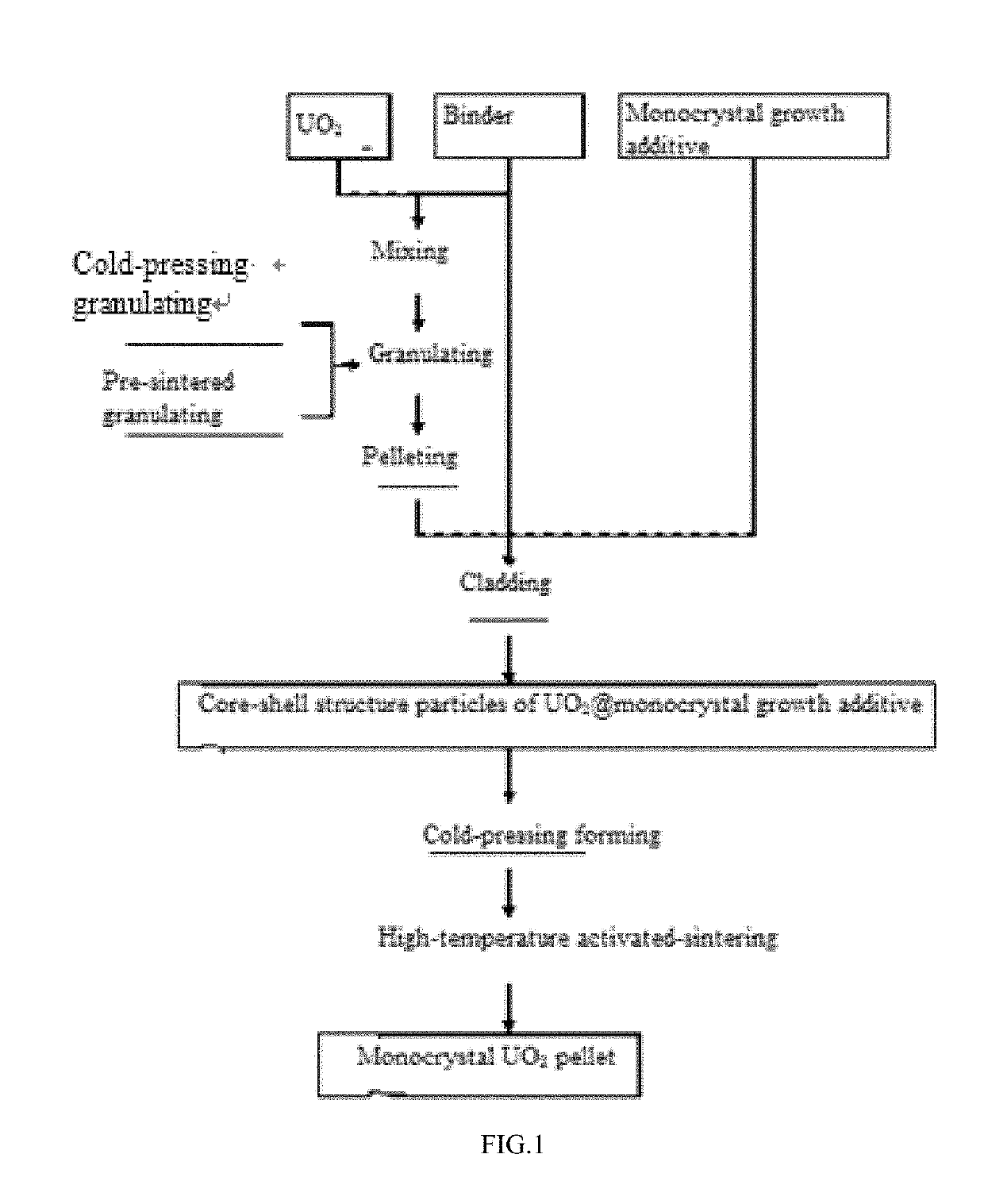
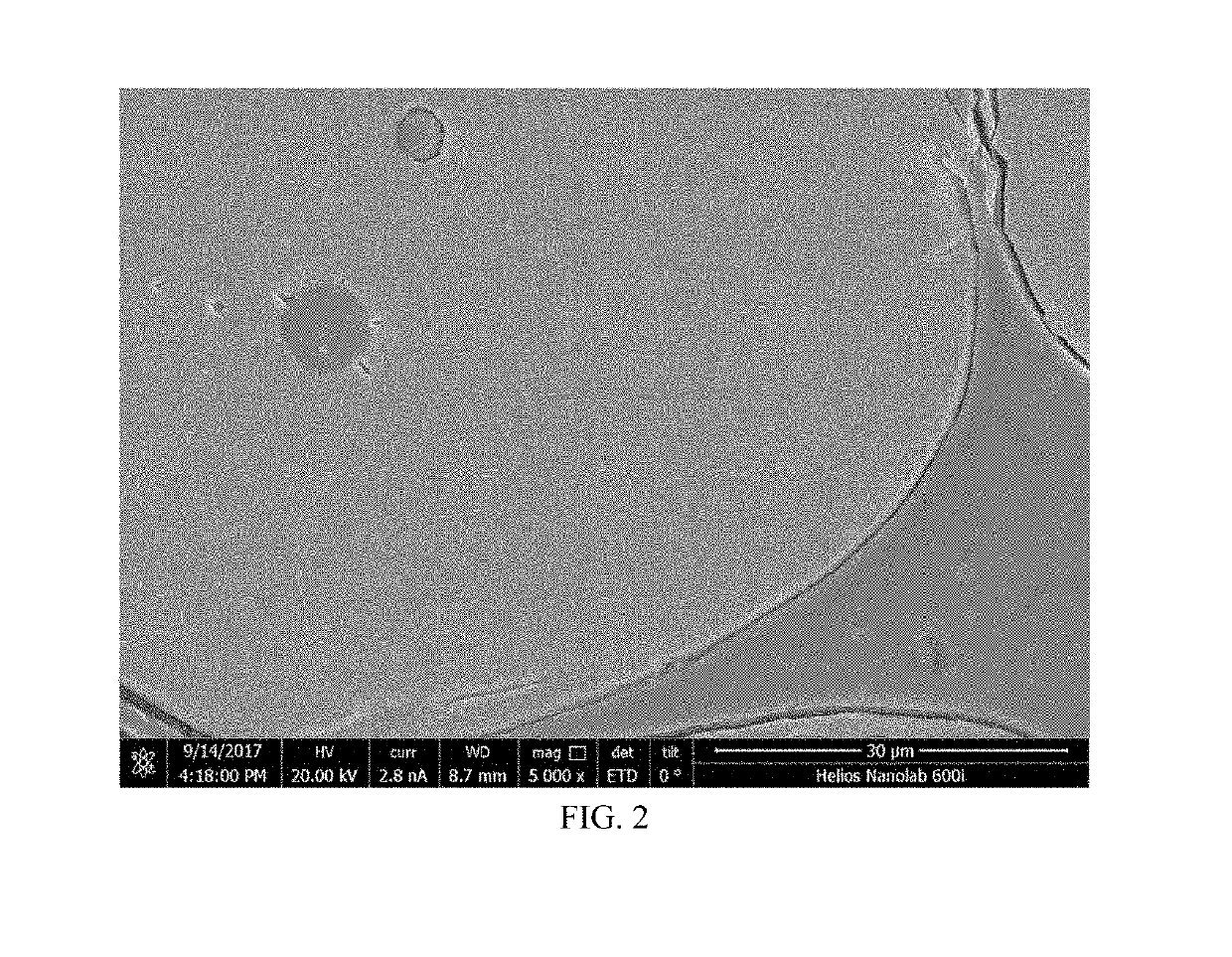
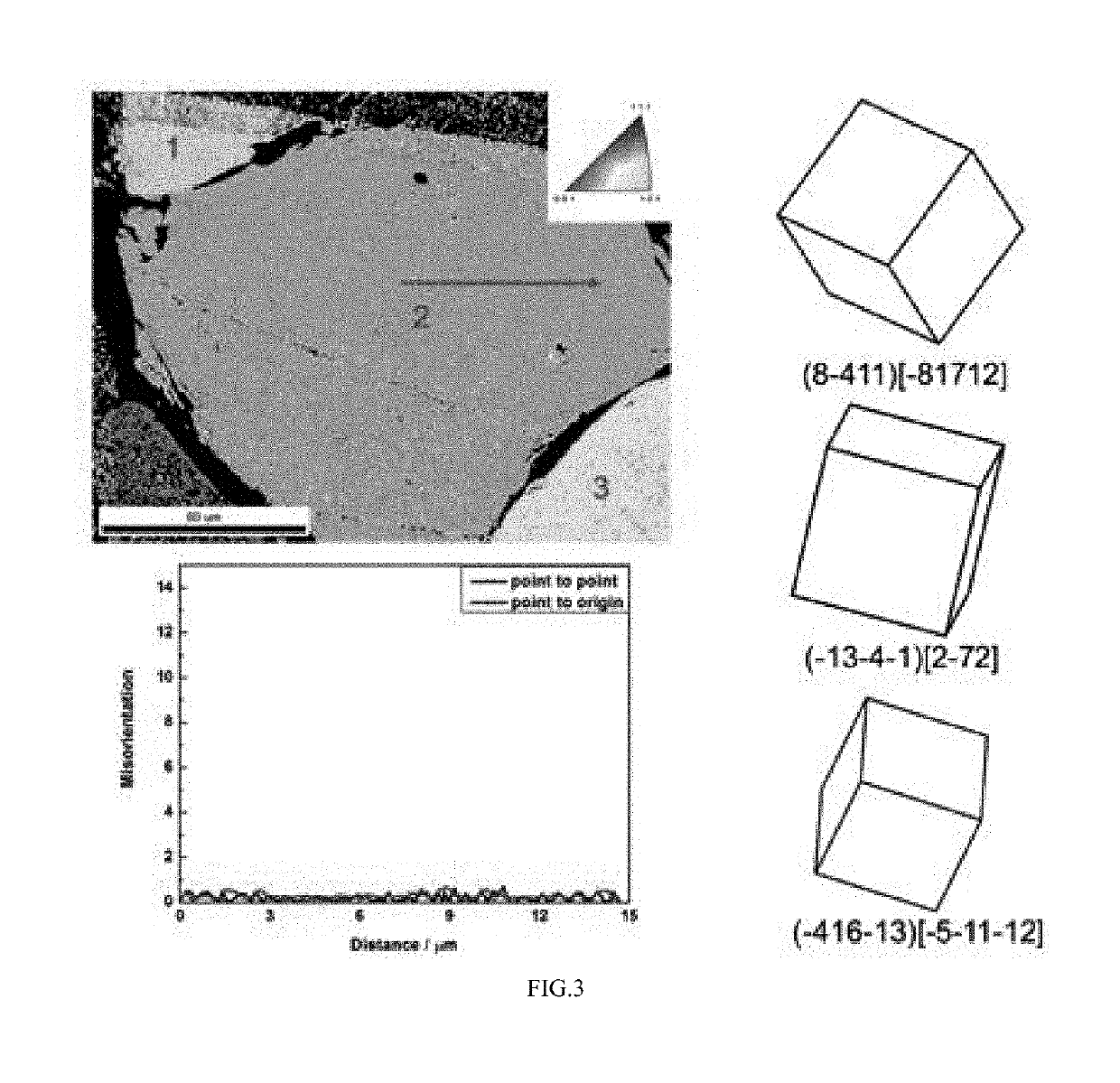
- A method to produce monocrystal UO2 nuclear fuel pellets by granulating and pelleting UO2 powder, coating with monocrystal growth additives, and activated-sintering to form a core-shell structure, promoting recrystallization and increasing crystal grain size, thereby enhancing heat conductivity and radiation stability.
Nuclear Safety Regulations for High-Temperature Fuels
The regulatory landscape for high-temperature nuclear fuels represents a complex framework that has evolved significantly since the early development of advanced reactor concepts. Current nuclear safety regulations governing uranium dioxide fuels in high-temperature applications are primarily established by national regulatory bodies such as the U.S. Nuclear Regulatory Commission, the European Nuclear Safety Regulators Group, and the International Atomic Energy Agency. These regulations encompass stringent requirements for fuel performance, structural integrity, and fission product retention under extreme thermal conditions.
Existing regulatory frameworks mandate comprehensive testing protocols for high-temperature fuel performance, including thermal cycling tests, loss-of-coolant accident simulations, and extended burnup evaluations. The regulations specify maximum allowable fuel centerline temperatures, typically ranging from 1800°C to 2000°C for standard uranium dioxide, with enhanced requirements for advanced fuel designs intended for Generation IV reactor systems. Licensing requirements demand extensive documentation of fuel behavior models, validated through both experimental data and computational analyses.
Recent regulatory developments have focused on establishing performance-based standards rather than prescriptive design requirements, allowing greater flexibility for innovative fuel designs while maintaining safety margins. The regulatory approval process for optimized uranium dioxide fuels requires demonstration of enhanced thermal conductivity, improved fission gas retention, and superior dimensional stability compared to conventional fuels. Quality assurance programs must address manufacturing consistency, material traceability, and statistical sampling protocols for fuel pellet characterization.
International harmonization efforts are underway to standardize testing methodologies and acceptance criteria for high-temperature fuels across different regulatory jurisdictions. These initiatives aim to reduce licensing barriers for advanced fuel technologies while ensuring consistent safety standards. Emerging regulatory considerations include environmental impact assessments for enhanced fuel cycles, waste management implications of modified fuel compositions, and security requirements for advanced nuclear materials.
The regulatory pathway for next-generation uranium dioxide fuels involves phased licensing approaches, beginning with small-scale irradiation testing programs and progressing through lead test assemblies before full-core implementation. Regulatory bodies are developing risk-informed decision-making frameworks that incorporate probabilistic safety assessments and uncertainty quantification methodologies to evaluate the safety margins of optimized fuel designs under high-temperature operating conditions.
Existing regulatory frameworks mandate comprehensive testing protocols for high-temperature fuel performance, including thermal cycling tests, loss-of-coolant accident simulations, and extended burnup evaluations. The regulations specify maximum allowable fuel centerline temperatures, typically ranging from 1800°C to 2000°C for standard uranium dioxide, with enhanced requirements for advanced fuel designs intended for Generation IV reactor systems. Licensing requirements demand extensive documentation of fuel behavior models, validated through both experimental data and computational analyses.
Recent regulatory developments have focused on establishing performance-based standards rather than prescriptive design requirements, allowing greater flexibility for innovative fuel designs while maintaining safety margins. The regulatory approval process for optimized uranium dioxide fuels requires demonstration of enhanced thermal conductivity, improved fission gas retention, and superior dimensional stability compared to conventional fuels. Quality assurance programs must address manufacturing consistency, material traceability, and statistical sampling protocols for fuel pellet characterization.
International harmonization efforts are underway to standardize testing methodologies and acceptance criteria for high-temperature fuels across different regulatory jurisdictions. These initiatives aim to reduce licensing barriers for advanced fuel technologies while ensuring consistent safety standards. Emerging regulatory considerations include environmental impact assessments for enhanced fuel cycles, waste management implications of modified fuel compositions, and security requirements for advanced nuclear materials.
The regulatory pathway for next-generation uranium dioxide fuels involves phased licensing approaches, beginning with small-scale irradiation testing programs and progressing through lead test assemblies before full-core implementation. Regulatory bodies are developing risk-informed decision-making frameworks that incorporate probabilistic safety assessments and uncertainty quantification methodologies to evaluate the safety margins of optimized fuel designs under high-temperature operating conditions.
Environmental Impact of Enhanced UO2 Applications
The environmental implications of enhanced uranium dioxide applications in high-temperature environments present a complex landscape of both opportunities and challenges that require comprehensive assessment across multiple dimensions. Enhanced UO2 formulations, while offering superior performance characteristics, introduce novel environmental considerations that extend beyond traditional nuclear fuel cycle impacts.
Enhanced UO2 materials typically incorporate advanced manufacturing techniques, dopant additions, and microstructural modifications that can alter their environmental behavior throughout the lifecycle. These modifications may include grain boundary engineering, porosity control, and the integration of burnable absorbers or thermal conductivity enhancers, each carrying distinct environmental signatures.
The production phase of enhanced UO2 generates unique waste streams compared to conventional fuel manufacturing. Advanced sintering processes often require higher temperatures and specialized atmospheres, potentially increasing energy consumption and associated carbon emissions. Additionally, the incorporation of dopant materials such as chromium, aluminum, or silicon introduces new chemical species into the manufacturing waste streams, necessitating updated waste treatment protocols and environmental monitoring procedures.
During reactor operation, enhanced UO2 fuels demonstrate improved fission gas retention and reduced fuel-cladding chemical interaction, potentially leading to decreased radioactive release rates under normal operating conditions. However, the long-term behavior of dopant materials under intense neutron irradiation requires careful evaluation, as these additives may form new radioactive isotopes or alter the fuel's leaching characteristics in repository environments.
The enhanced thermal properties of optimized UO2 can contribute to improved reactor efficiency and reduced thermal discharge to cooling water systems. Higher thermal conductivity formulations enable better heat removal, potentially allowing for more compact core designs and reduced environmental footprint per unit of energy generated.
Post-irradiation storage and disposal considerations become more complex with enhanced UO2 formulations. The presence of dopant materials may affect the chemical durability of spent fuel in geological repository conditions, potentially altering radionuclide migration patterns and requiring updated safety assessments. Long-term environmental modeling must account for the interaction between enhancement additives and repository host rock chemistry.
Lifecycle assessment studies indicate that while enhanced UO2 applications may introduce additional complexity in waste management, the overall environmental benefits from improved reactor performance and fuel utilization efficiency generally outweigh the incremental environmental costs associated with advanced fuel manufacturing and disposal.
Enhanced UO2 materials typically incorporate advanced manufacturing techniques, dopant additions, and microstructural modifications that can alter their environmental behavior throughout the lifecycle. These modifications may include grain boundary engineering, porosity control, and the integration of burnable absorbers or thermal conductivity enhancers, each carrying distinct environmental signatures.
The production phase of enhanced UO2 generates unique waste streams compared to conventional fuel manufacturing. Advanced sintering processes often require higher temperatures and specialized atmospheres, potentially increasing energy consumption and associated carbon emissions. Additionally, the incorporation of dopant materials such as chromium, aluminum, or silicon introduces new chemical species into the manufacturing waste streams, necessitating updated waste treatment protocols and environmental monitoring procedures.
During reactor operation, enhanced UO2 fuels demonstrate improved fission gas retention and reduced fuel-cladding chemical interaction, potentially leading to decreased radioactive release rates under normal operating conditions. However, the long-term behavior of dopant materials under intense neutron irradiation requires careful evaluation, as these additives may form new radioactive isotopes or alter the fuel's leaching characteristics in repository environments.
The enhanced thermal properties of optimized UO2 can contribute to improved reactor efficiency and reduced thermal discharge to cooling water systems. Higher thermal conductivity formulations enable better heat removal, potentially allowing for more compact core designs and reduced environmental footprint per unit of energy generated.
Post-irradiation storage and disposal considerations become more complex with enhanced UO2 formulations. The presence of dopant materials may affect the chemical durability of spent fuel in geological repository conditions, potentially altering radionuclide migration patterns and requiring updated safety assessments. Long-term environmental modeling must account for the interaction between enhancement additives and repository host rock chemistry.
Lifecycle assessment studies indicate that while enhanced UO2 applications may introduce additional complexity in waste management, the overall environmental benefits from improved reactor performance and fuel utilization efficiency generally outweigh the incremental environmental costs associated with advanced fuel manufacturing and disposal.
Unlock deeper insights with PatSnap Eureka Quick Research — get a full tech report to explore trends and direct your research. Try now!
Generate Your Research Report Instantly with AI Agent
Supercharge your innovation with PatSnap Eureka AI Agent Platform!