

Uranium Dioxide vs Oxide-Based Fuels: Heat Removal Efficiency
MAR 11, 20269 MIN READ
Generate Your Research Report Instantly with AI Agent
Patsnap Eureka helps you evaluate technical feasibility & market potential.
Nuclear Fuel Evolution and Heat Management Goals
Nuclear fuel technology has undergone significant evolution since the inception of commercial nuclear power in the 1950s. The journey began with natural uranium metal fuels, which quickly revealed limitations in thermal performance and structural integrity under reactor conditions. The transition to uranium dioxide (UO2) in the 1960s marked a pivotal advancement, establishing the foundation for modern nuclear fuel design with improved melting point, chemical stability, and fission product retention capabilities.
The development trajectory of nuclear fuels has been fundamentally driven by the imperative to enhance heat removal efficiency while maintaining safety margins. Early fuel designs prioritized basic functionality, but operational experience revealed that thermal management was critical for both performance optimization and accident prevention. This recognition catalyzed research into advanced fuel geometries, cladding materials, and fuel compositions specifically engineered to improve heat transfer characteristics.
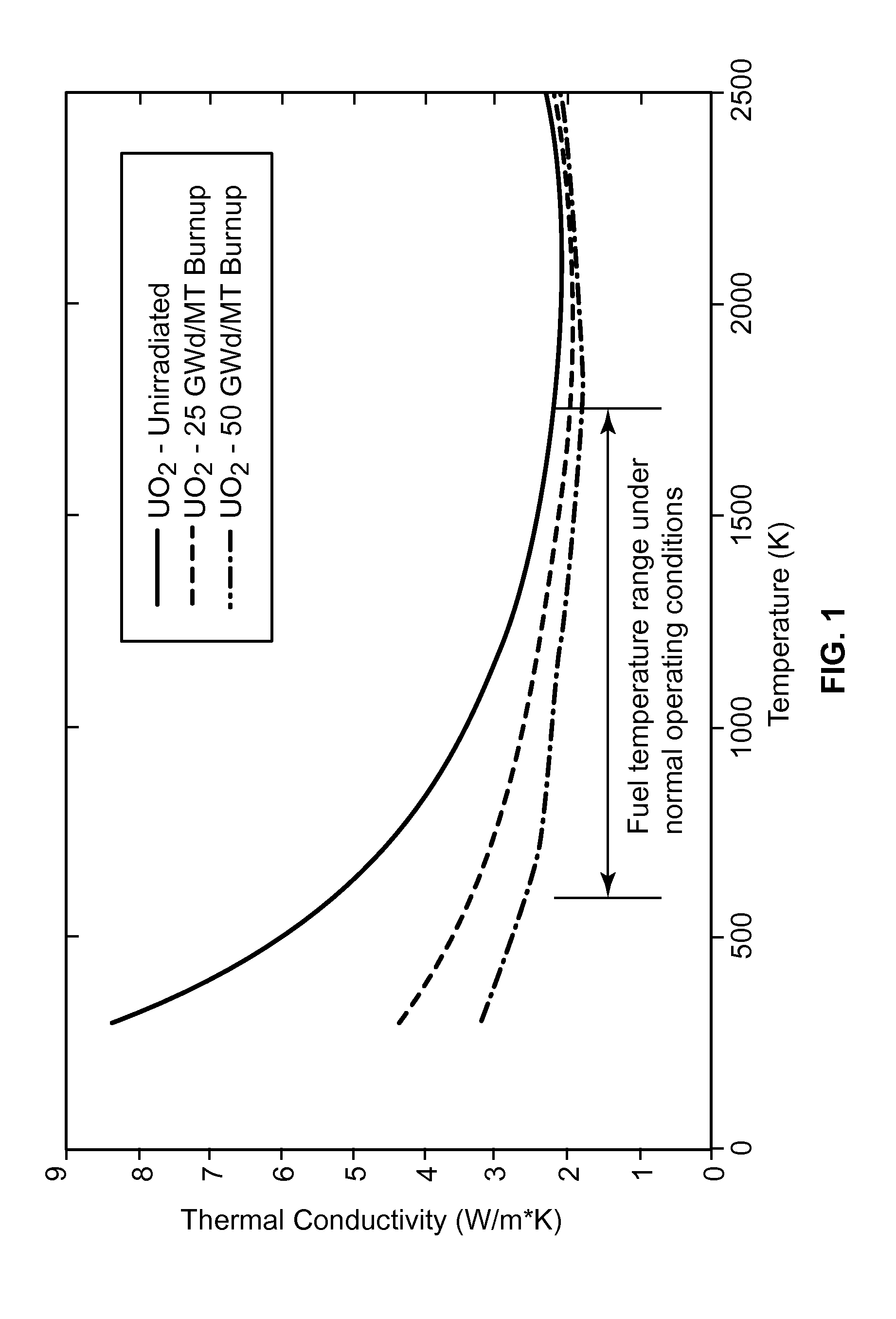
Contemporary nuclear fuel evolution focuses on addressing the thermal limitations of conventional UO2 fuels, particularly their relatively low thermal conductivity of approximately 3-5 W/m·K at operating temperatures. Advanced oxide-based fuel concepts, including mixed oxide (MOX) fuels, accident-tolerant fuels (ATF), and enhanced thermal conductivity fuels, represent the current frontier in addressing these thermal challenges. These developments aim to achieve higher power densities while maintaining or improving safety margins.
The primary technical objectives driving current fuel development include increasing thermal conductivity by 50-100% compared to standard UO2, enhancing heat transfer coefficients through optimized fuel-cladding interfaces, and developing fuel forms that maintain structural integrity at higher operating temperatures. Advanced manufacturing techniques, such as additive manufacturing and novel sintering processes, are being explored to create fuel pellets with engineered microstructures that facilitate improved heat removal.
Future goals encompass the development of fuels capable of operating at higher burnup levels while maintaining superior thermal performance, integration of advanced materials such as silicon carbide cladding for enhanced heat transfer, and implementation of innovative fuel designs including annular pellets and internally cooled fuel concepts. These objectives align with industry demands for improved economic performance, enhanced safety margins, and extended operational flexibility in both existing and next-generation reactor designs.
The development trajectory of nuclear fuels has been fundamentally driven by the imperative to enhance heat removal efficiency while maintaining safety margins. Early fuel designs prioritized basic functionality, but operational experience revealed that thermal management was critical for both performance optimization and accident prevention. This recognition catalyzed research into advanced fuel geometries, cladding materials, and fuel compositions specifically engineered to improve heat transfer characteristics.
Contemporary nuclear fuel evolution focuses on addressing the thermal limitations of conventional UO2 fuels, particularly their relatively low thermal conductivity of approximately 3-5 W/m·K at operating temperatures. Advanced oxide-based fuel concepts, including mixed oxide (MOX) fuels, accident-tolerant fuels (ATF), and enhanced thermal conductivity fuels, represent the current frontier in addressing these thermal challenges. These developments aim to achieve higher power densities while maintaining or improving safety margins.
The primary technical objectives driving current fuel development include increasing thermal conductivity by 50-100% compared to standard UO2, enhancing heat transfer coefficients through optimized fuel-cladding interfaces, and developing fuel forms that maintain structural integrity at higher operating temperatures. Advanced manufacturing techniques, such as additive manufacturing and novel sintering processes, are being explored to create fuel pellets with engineered microstructures that facilitate improved heat removal.
Future goals encompass the development of fuels capable of operating at higher burnup levels while maintaining superior thermal performance, integration of advanced materials such as silicon carbide cladding for enhanced heat transfer, and implementation of innovative fuel designs including annular pellets and internally cooled fuel concepts. These objectives align with industry demands for improved economic performance, enhanced safety margins, and extended operational flexibility in both existing and next-generation reactor designs.
Market Demand for Advanced Nuclear Fuel Technologies
The global nuclear energy sector is experiencing unprecedented growth driven by increasing demand for clean, reliable baseload power generation. As nations worldwide commit to carbon neutrality targets and seek alternatives to fossil fuels, nuclear power has emerged as a critical component of the energy transition strategy. This resurgence has created substantial market opportunities for advanced nuclear fuel technologies that can enhance reactor efficiency, safety, and economic viability.
Current market dynamics reveal strong demand for fuel technologies that optimize heat removal efficiency, particularly as existing reactor fleets undergo life extensions and new reactor designs prioritize enhanced thermal performance. The growing emphasis on reactor safety margins and operational flexibility has intensified focus on fuel materials that can withstand higher operating temperatures while maintaining superior heat transfer characteristics.
The commercial nuclear fuel market demonstrates increasing sophistication in fuel design requirements, with utilities seeking solutions that maximize energy output while minimizing operational risks. Enhanced heat removal capabilities directly translate to improved reactor economics through higher power densities and extended fuel cycle lengths. This economic imperative drives continuous innovation in oxide-based fuel formulations and uranium dioxide alternatives.
Emerging reactor technologies, including small modular reactors and Generation IV designs, present significant market expansion opportunities for advanced fuel systems. These next-generation reactors often operate under more demanding thermal conditions, requiring fuel materials with superior heat removal properties compared to traditional light water reactor fuels. The market anticipates substantial growth in specialized fuel applications tailored to these advanced reactor concepts.
Regional market variations reflect different nuclear development strategies, with established nuclear nations focusing on fuel performance optimization while emerging nuclear markets prioritize proven safety characteristics. The interplay between heat removal efficiency and fuel reliability creates distinct market segments, each with specific technical requirements and commercial expectations.
Investment patterns indicate strong market confidence in advanced fuel technologies, with both established nuclear fuel suppliers and innovative startups developing enhanced oxide-based formulations. The market increasingly values fuel solutions that demonstrate measurable improvements in thermal performance while maintaining regulatory compliance and manufacturing scalability.
Current market dynamics reveal strong demand for fuel technologies that optimize heat removal efficiency, particularly as existing reactor fleets undergo life extensions and new reactor designs prioritize enhanced thermal performance. The growing emphasis on reactor safety margins and operational flexibility has intensified focus on fuel materials that can withstand higher operating temperatures while maintaining superior heat transfer characteristics.
The commercial nuclear fuel market demonstrates increasing sophistication in fuel design requirements, with utilities seeking solutions that maximize energy output while minimizing operational risks. Enhanced heat removal capabilities directly translate to improved reactor economics through higher power densities and extended fuel cycle lengths. This economic imperative drives continuous innovation in oxide-based fuel formulations and uranium dioxide alternatives.
Emerging reactor technologies, including small modular reactors and Generation IV designs, present significant market expansion opportunities for advanced fuel systems. These next-generation reactors often operate under more demanding thermal conditions, requiring fuel materials with superior heat removal properties compared to traditional light water reactor fuels. The market anticipates substantial growth in specialized fuel applications tailored to these advanced reactor concepts.
Regional market variations reflect different nuclear development strategies, with established nuclear nations focusing on fuel performance optimization while emerging nuclear markets prioritize proven safety characteristics. The interplay between heat removal efficiency and fuel reliability creates distinct market segments, each with specific technical requirements and commercial expectations.
Investment patterns indicate strong market confidence in advanced fuel technologies, with both established nuclear fuel suppliers and innovative startups developing enhanced oxide-based formulations. The market increasingly values fuel solutions that demonstrate measurable improvements in thermal performance while maintaining regulatory compliance and manufacturing scalability.
Current Heat Removal Challenges in Nuclear Fuels
Nuclear fuel heat removal faces several critical challenges that directly impact reactor safety, efficiency, and operational longevity. The fundamental issue stems from the inherent thermal properties of nuclear fuels and the complex heat transfer mechanisms within reactor cores. Traditional uranium dioxide (UO2) fuel, while extensively proven, exhibits relatively low thermal conductivity, creating significant temperature gradients across fuel pellets and limiting heat extraction efficiency.
The thermal conductivity degradation phenomenon represents a major obstacle in nuclear fuel performance. As fuel burnup increases, fission products accumulate within the fuel matrix, progressively reducing thermal conductivity. This degradation is particularly pronounced in UO2 fuels, where thermal conductivity can decrease by up to 50% during operational lifetime. The resulting hotspot formation and increased centerline temperatures pose risks of fuel melting and structural integrity compromise.
Gap conductance deterioration between fuel pellets and cladding materials creates additional thermal barriers. During reactor operation, fuel pellet swelling, fission gas release, and pellet-cladding mechanical interaction alter the gap geometry and fill gas composition. These changes significantly impede heat transfer from fuel to coolant, leading to elevated fuel temperatures and reduced safety margins.
Coolant flow distribution challenges compound heat removal difficulties in reactor cores. Non-uniform coolant flow patterns, caused by manufacturing tolerances, assembly bow, or debris accumulation, create localized hot channels where heat removal capacity is compromised. These flow anomalies can result in departure from nucleate boiling conditions and critical heat flux limitations, potentially triggering reactor protection system interventions.
Advanced oxide-based fuel alternatives face unique thermal management challenges. While materials like thorium dioxide or mixed oxide fuels offer certain advantages, they often exhibit different thermal expansion characteristics and thermal conductivity profiles compared to conventional UO2. These differences require careful thermal-hydraulic analysis to ensure adequate heat removal performance throughout the fuel cycle.
The integration of enhanced thermal conductivity additives in oxide fuels introduces manufacturing and performance complexities. Materials such as silicon carbide or metallic inclusions can improve thermal transport properties but may create interface thermal resistance or chemical compatibility issues. Achieving uniform distribution of these additives while maintaining fuel pellet structural integrity remains a significant engineering challenge.
Transient heat removal scenarios present additional complications for nuclear fuel thermal management. During reactor startup, shutdown, or power maneuvering operations, rapid thermal cycling can induce thermal stress and affect heat transfer characteristics. The fuel's ability to accommodate these thermal transients while maintaining effective heat removal becomes crucial for operational flexibility and fuel performance optimization.
The thermal conductivity degradation phenomenon represents a major obstacle in nuclear fuel performance. As fuel burnup increases, fission products accumulate within the fuel matrix, progressively reducing thermal conductivity. This degradation is particularly pronounced in UO2 fuels, where thermal conductivity can decrease by up to 50% during operational lifetime. The resulting hotspot formation and increased centerline temperatures pose risks of fuel melting and structural integrity compromise.
Gap conductance deterioration between fuel pellets and cladding materials creates additional thermal barriers. During reactor operation, fuel pellet swelling, fission gas release, and pellet-cladding mechanical interaction alter the gap geometry and fill gas composition. These changes significantly impede heat transfer from fuel to coolant, leading to elevated fuel temperatures and reduced safety margins.
Coolant flow distribution challenges compound heat removal difficulties in reactor cores. Non-uniform coolant flow patterns, caused by manufacturing tolerances, assembly bow, or debris accumulation, create localized hot channels where heat removal capacity is compromised. These flow anomalies can result in departure from nucleate boiling conditions and critical heat flux limitations, potentially triggering reactor protection system interventions.
Advanced oxide-based fuel alternatives face unique thermal management challenges. While materials like thorium dioxide or mixed oxide fuels offer certain advantages, they often exhibit different thermal expansion characteristics and thermal conductivity profiles compared to conventional UO2. These differences require careful thermal-hydraulic analysis to ensure adequate heat removal performance throughout the fuel cycle.
The integration of enhanced thermal conductivity additives in oxide fuels introduces manufacturing and performance complexities. Materials such as silicon carbide or metallic inclusions can improve thermal transport properties but may create interface thermal resistance or chemical compatibility issues. Achieving uniform distribution of these additives while maintaining fuel pellet structural integrity remains a significant engineering challenge.
Transient heat removal scenarios present additional complications for nuclear fuel thermal management. During reactor startup, shutdown, or power maneuvering operations, rapid thermal cycling can induce thermal stress and affect heat transfer characteristics. The fuel's ability to accommodate these thermal transients while maintaining effective heat removal becomes crucial for operational flexibility and fuel performance optimization.
Current Heat Transfer Solutions in Nuclear Reactors
01 Enhanced thermal conductivity through fuel composition optimization
Improving heat removal efficiency in uranium dioxide and oxide-based fuels can be achieved by optimizing the fuel composition. This includes incorporating additives or dopants that enhance thermal conductivity, modifying the stoichiometry of the oxide fuel, or creating composite fuel structures. These modifications allow for more efficient heat transfer from the fuel pellet to the coolant, reducing peak temperatures and improving overall thermal performance.- Enhanced thermal conductivity through fuel composition modification: Improving heat removal efficiency in uranium dioxide and oxide-based fuels can be achieved by modifying the fuel composition through the addition of thermally conductive materials or dopants. These modifications enhance the thermal conductivity of the fuel matrix, allowing for more efficient heat transfer from the fuel to the coolant. The incorporation of specific additives or the optimization of fuel microstructure can significantly improve the overall thermal performance of nuclear fuel elements.
- Fuel pellet design and geometry optimization: The physical design and geometry of fuel pellets play a crucial role in heat removal efficiency. Optimized pellet configurations, including annular designs, hollow pellets, or pellets with specific surface treatments, can increase the surface area available for heat transfer and reduce the thermal resistance between the fuel and cladding. These design modifications help to lower peak fuel temperatures and improve the overall thermal performance during reactor operation.
- Cladding and fuel-cladding gap management: The interface between the fuel and cladding material significantly affects heat removal efficiency. Techniques to minimize or control the fuel-cladding gap, improve contact conductance, or utilize advanced cladding materials with superior thermal properties can enhance heat transfer. Methods include the use of thermal bonding layers, gas gap optimization, or the selection of cladding materials with high thermal conductivity to facilitate efficient heat removal from the fuel to the coolant.
- Advanced oxide fuel formulations and composite materials: Development of advanced oxide fuel formulations, including mixed oxide fuels or composite materials, can improve heat removal characteristics. These formulations may incorporate materials with enhanced thermal properties or utilize specific manufacturing processes to create fuel structures with improved heat transfer capabilities. The use of composite materials or multi-phase fuel systems can provide better thermal performance while maintaining other desirable fuel properties such as fission product retention and structural integrity.
- Coolant channel design and heat transfer enhancement: Optimization of coolant channel configurations and heat transfer surfaces surrounding the fuel elements can significantly improve heat removal efficiency. This includes the design of fuel assembly geometries, spacer grids, and flow distribution systems that enhance coolant flow characteristics and heat transfer coefficients. Advanced designs may incorporate features that promote turbulence, increase heat transfer surface area, or optimize coolant flow patterns to maximize heat removal from oxide-based fuel elements.
02 Fuel pellet geometry and microstructure design
The physical design of fuel pellets significantly impacts heat removal efficiency. This includes controlling pellet density, porosity distribution, grain size, and surface characteristics. Annular or hollow pellet designs can reduce centerline temperatures by decreasing the distance heat must travel. Optimized microstructures with controlled porosity can enhance thermal conductivity while maintaining structural integrity during irradiation.Expand Specific Solutions03 Cladding materials and fuel-cladding gap optimization
Heat removal efficiency is strongly influenced by the fuel-cladding interface and cladding material properties. Reducing the fuel-cladding gap through design or by using gap-filling materials improves thermal contact. Advanced cladding materials with higher thermal conductivity and better compatibility with oxide fuels can significantly enhance heat transfer. Surface treatments and coatings on either the fuel or cladding can also improve thermal performance.Expand Specific Solutions04 Coolant flow optimization and heat transfer enhancement
Improving heat removal from oxide-based fuels involves optimizing coolant flow patterns and enhancing heat transfer mechanisms at the cladding-coolant interface. This includes designing fuel assembly geometries that promote turbulent flow, using spacer grids or mixing vanes to enhance heat transfer coefficients, and optimizing coolant channel dimensions. Advanced cooling configurations can significantly improve the removal of heat generated in the fuel.Expand Specific Solutions05 Advanced fuel forms and composite structures
Novel fuel forms such as dispersion fuels, cermet fuels, or composite structures can provide enhanced heat removal characteristics compared to conventional pellet designs. These advanced configurations may incorporate high thermal conductivity matrix materials, optimized fuel particle distributions, or engineered thermal pathways. Such designs can achieve lower operating temperatures and improved thermal margins while maintaining fuel performance and safety characteristics.Expand Specific Solutions
Major Nuclear Fuel Manufacturers and Technology Leaders
The uranium dioxide versus oxide-based fuels heat removal efficiency sector represents a mature nuclear technology domain experiencing steady evolution driven by safety and efficiency demands. The market operates within a specialized, highly regulated environment dominated by established nuclear power infrastructure and research institutions. Key players demonstrate varying levels of technological maturity, with industry leaders like Westinghouse Electric Co. LLC and Framatome SA possessing decades of commercial reactor experience and proven fuel technologies. Research institutions including China Nuclear Power Research & Design Institute, Commissariat à l'énergie atomique et aux énergies Alternatives, and UT-Battelle LLC drive innovation through advanced materials research and thermal management solutions. The competitive landscape shows geographic concentration with strong representation from Chinese institutes, European nuclear companies, and North American research facilities, indicating a globally distributed but technically concentrated market focused on incremental improvements in heat transfer efficiency and fuel performance optimization.
Westinghouse Electric Co. LLC
Technical Solution: Westinghouse has developed advanced uranium dioxide fuel designs with enhanced thermal conductivity through microstructural optimization and additive incorporation. Their ADOPT (Advanced Dopant Optimization Process Technology) enhances UO2 fuel performance by improving heat transfer characteristics through controlled grain structure and porosity management. The company's fuel rod designs incorporate advanced cladding materials and optimized pellet-to-cladding gap management to maximize heat removal efficiency. Their research focuses on chromium-doped UO2 fuels which demonstrate improved thermal conductivity compared to standard UO2, achieving up to 15% better heat transfer performance in reactor conditions.
Strengths: Proven commercial reactor experience, advanced manufacturing capabilities, strong regulatory approval track record. Weaknesses: Limited diversification beyond traditional UO2 systems, higher development costs for new fuel concepts.
China Nuclear Power Technology Research Institute Co. Ltd.
Technical Solution: CNPRI has developed advanced UO2 fuel technologies with enhanced thermal conductivity through microstructural engineering and additive incorporation. Their research focuses on developing fuel pellets with optimized grain structures and controlled porosity to improve heat conduction pathways. The institute has investigated various oxide fuel compositions including thorium-uranium mixed oxides and advanced UO2 formulations with thermal conductivity enhancers. Their fuel designs incorporate advanced manufacturing techniques to achieve uniform density distributions and optimized thermal interface characteristics, resulting in improved heat removal efficiency compared to conventional UO2 fuels.
Strengths: Strong government support, growing domestic market, cost-effective manufacturing capabilities. Weaknesses: Limited international market penetration, newer player in advanced fuel technologies compared to Western competitors.
Key Thermal Conductivity Innovations in Nuclear Fuels
Composite nuclear fuel pellet
PatentInactiveUS20120183116A1
Innovation
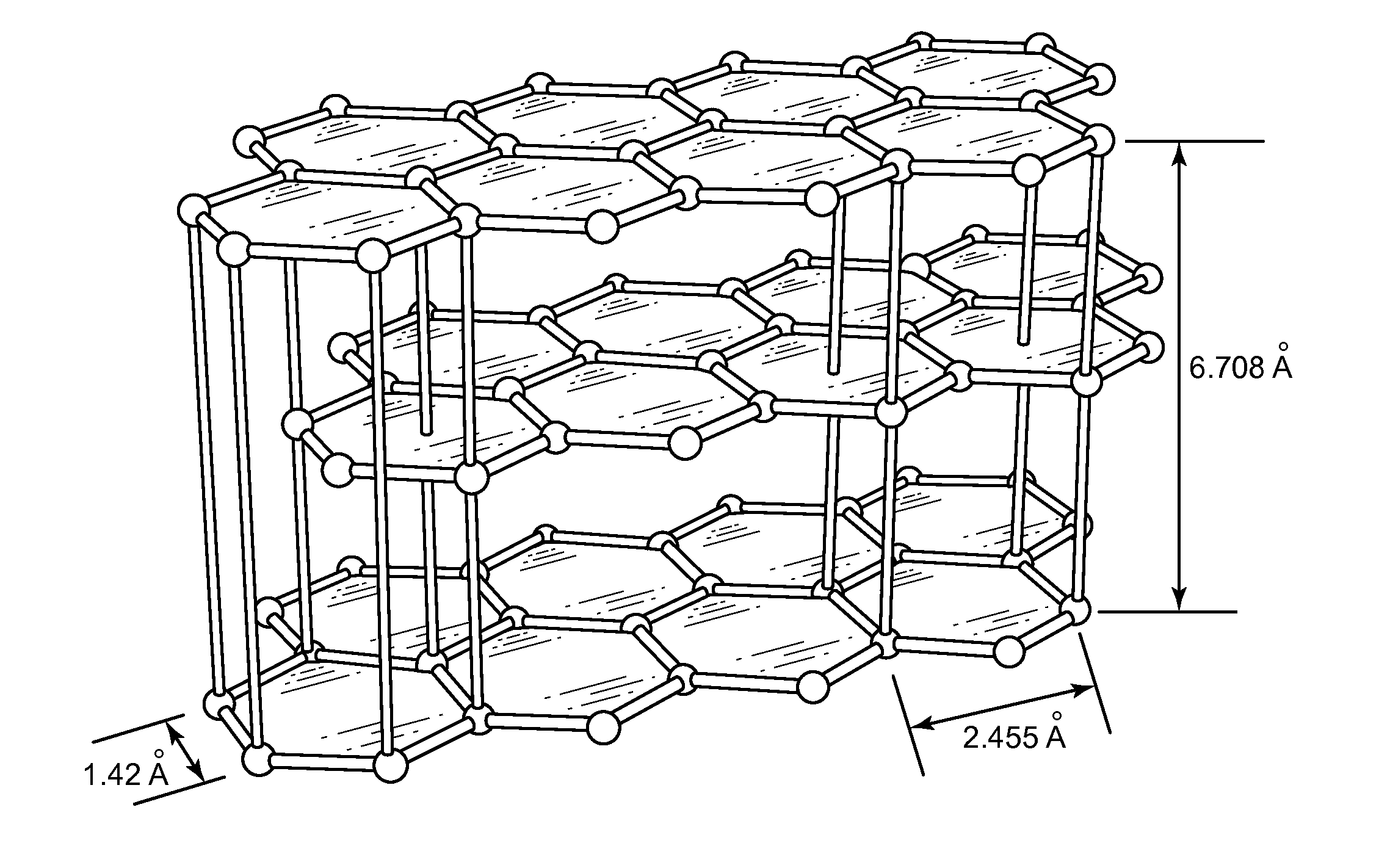
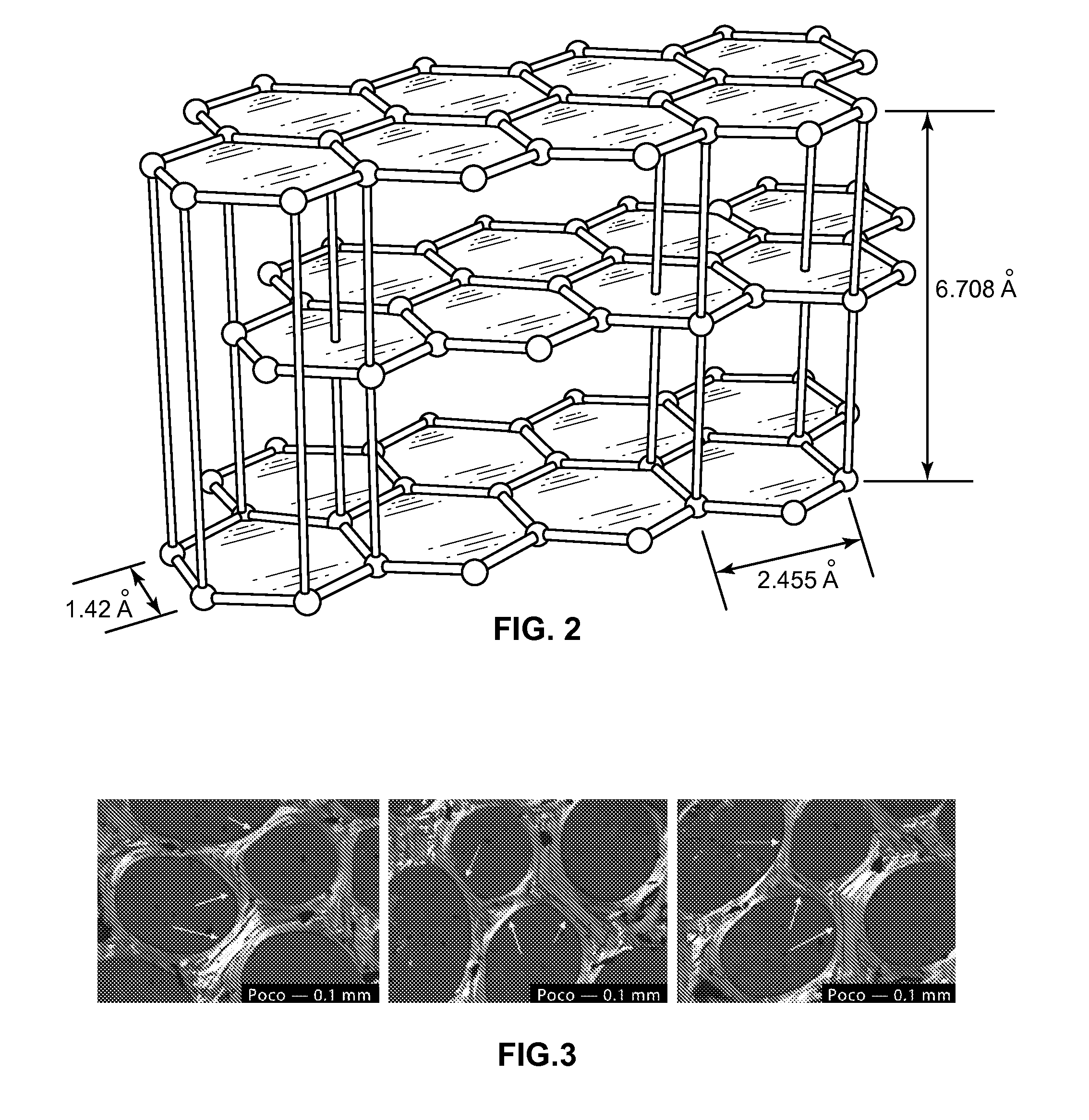
- A composite nuclear fuel pellet is developed by incorporating high aspect ratio particles, such as graphitic carbon fibers or nanotubes, into the UO2 matrix to enhance thermal conductivity, with a surface coating to prevent chemical interactions and maintain stability.

Composite nuclear fuel pellet
PatentWO2011014476A1
Innovation
- A composite nuclear fuel pellet is created by dispersing high aspect ratio particles, such as graphitic carbon fibers or nanotubes, within a UO2 matrix to enhance thermal conductivity, which are chemically inert and have low neutron absorption cross-sections, allowing for improved heat transfer and stability.

Nuclear Safety Regulations and Fuel Standards
Nuclear safety regulations governing uranium dioxide and alternative oxide-based fuels establish comprehensive frameworks that directly impact heat removal efficiency requirements and operational parameters. The Nuclear Regulatory Commission (NRC) in the United States, along with international bodies such as the International Atomic Energy Agency (IAEA), mandate specific thermal performance criteria that fuel assemblies must meet during normal operation and accident scenarios.
Current regulatory standards require uranium dioxide fuel pellets to maintain structural integrity at centerline temperatures up to 1800°C during steady-state operation, with peak cladding temperatures not exceeding 1204°C. These thermal limits directly influence heat removal system design and operational protocols. Enhanced accident tolerant fuels, including advanced oxide compositions, face evolving regulatory pathways that must demonstrate equivalent or superior thermal performance under both design basis and beyond design basis accident conditions.
Fuel qualification standards encompass extensive testing protocols for thermal conductivity, melting point characteristics, and fission gas release behavior. The American Society for Testing and Materials (ASTM) and American Nuclear Society (ANS) standards define specific methodologies for measuring thermal properties that determine heat removal efficiency. These standards require demonstration of fuel performance across burnup levels extending to 62 GWd/MTU for current generation fuels, with proposed extensions for advanced oxide fuels.
International harmonization efforts through the Organisation for Economic Co-operation and Development Nuclear Energy Agency facilitate consistent safety standards across different regulatory jurisdictions. European nuclear regulators have established parallel frameworks that emphasize thermal margin assessments and heat removal capability validation through comprehensive testing programs.
Emerging regulatory considerations address the licensing of chromium-enhanced oxide fuels and silicon carbide composite materials, requiring new analytical methods to evaluate heat transfer characteristics. These evolving standards necessitate updated safety analysis methodologies that account for different thermal properties and heat removal mechanisms compared to traditional uranium dioxide systems.
Quality assurance requirements mandate rigorous documentation of thermal performance data throughout the fuel manufacturing process, ensuring consistent heat removal efficiency across production batches and operational cycles.
Current regulatory standards require uranium dioxide fuel pellets to maintain structural integrity at centerline temperatures up to 1800°C during steady-state operation, with peak cladding temperatures not exceeding 1204°C. These thermal limits directly influence heat removal system design and operational protocols. Enhanced accident tolerant fuels, including advanced oxide compositions, face evolving regulatory pathways that must demonstrate equivalent or superior thermal performance under both design basis and beyond design basis accident conditions.
Fuel qualification standards encompass extensive testing protocols for thermal conductivity, melting point characteristics, and fission gas release behavior. The American Society for Testing and Materials (ASTM) and American Nuclear Society (ANS) standards define specific methodologies for measuring thermal properties that determine heat removal efficiency. These standards require demonstration of fuel performance across burnup levels extending to 62 GWd/MTU for current generation fuels, with proposed extensions for advanced oxide fuels.
International harmonization efforts through the Organisation for Economic Co-operation and Development Nuclear Energy Agency facilitate consistent safety standards across different regulatory jurisdictions. European nuclear regulators have established parallel frameworks that emphasize thermal margin assessments and heat removal capability validation through comprehensive testing programs.
Emerging regulatory considerations address the licensing of chromium-enhanced oxide fuels and silicon carbide composite materials, requiring new analytical methods to evaluate heat transfer characteristics. These evolving standards necessitate updated safety analysis methodologies that account for different thermal properties and heat removal mechanisms compared to traditional uranium dioxide systems.
Quality assurance requirements mandate rigorous documentation of thermal performance data throughout the fuel manufacturing process, ensuring consistent heat removal efficiency across production batches and operational cycles.
Environmental Impact of Advanced Nuclear Fuel Cycles
The environmental implications of advanced nuclear fuel cycles, particularly when comparing uranium dioxide (UO2) with alternative oxide-based fuels, present a complex landscape of trade-offs between operational efficiency and ecological stewardship. The enhanced heat removal efficiency of advanced oxide fuels directly correlates with reduced environmental thermal loading, as more efficient heat transfer systems require lower coolant flow rates and generate less thermal pollution in adjacent water bodies.
Advanced oxide fuel formulations, including mixed oxide (MOX) and accident-tolerant fuel (ATF) variants, demonstrate superior thermal conductivity compared to traditional UO2, resulting in lower peak fuel temperatures during operation. This improved thermal performance translates to reduced stress on reactor cooling systems and decreased likelihood of thermal-induced fuel degradation, ultimately minimizing the potential for radioactive material release into the environment.
The lifecycle environmental impact assessment reveals that higher heat removal efficiency in oxide-based fuels contributes to extended fuel burnup capabilities, reducing the frequency of fuel replacement cycles. This operational advantage directly diminishes the volume of spent nuclear fuel requiring long-term storage and reduces transportation-related environmental risks associated with fresh fuel delivery and waste removal operations.
Water resource conservation emerges as a significant environmental benefit when deploying thermally efficient oxide fuels. Enhanced heat transfer characteristics enable reactor designs with reduced cooling water requirements, alleviating pressure on local water ecosystems and reducing thermal discharge impacts on aquatic environments. This advantage becomes particularly pronounced in regions facing water scarcity or stringent environmental regulations regarding thermal effluent discharge.
The improved heat removal efficiency of advanced oxide fuels also enables higher plant capacity factors and more stable power generation profiles, reducing the need for backup fossil fuel generation during maintenance periods. This operational reliability contributes to overall carbon footprint reduction in electricity generation portfolios, supporting broader climate change mitigation objectives while maintaining grid stability and energy security requirements.
Advanced oxide fuel formulations, including mixed oxide (MOX) and accident-tolerant fuel (ATF) variants, demonstrate superior thermal conductivity compared to traditional UO2, resulting in lower peak fuel temperatures during operation. This improved thermal performance translates to reduced stress on reactor cooling systems and decreased likelihood of thermal-induced fuel degradation, ultimately minimizing the potential for radioactive material release into the environment.
The lifecycle environmental impact assessment reveals that higher heat removal efficiency in oxide-based fuels contributes to extended fuel burnup capabilities, reducing the frequency of fuel replacement cycles. This operational advantage directly diminishes the volume of spent nuclear fuel requiring long-term storage and reduces transportation-related environmental risks associated with fresh fuel delivery and waste removal operations.
Water resource conservation emerges as a significant environmental benefit when deploying thermally efficient oxide fuels. Enhanced heat transfer characteristics enable reactor designs with reduced cooling water requirements, alleviating pressure on local water ecosystems and reducing thermal discharge impacts on aquatic environments. This advantage becomes particularly pronounced in regions facing water scarcity or stringent environmental regulations regarding thermal effluent discharge.
The improved heat removal efficiency of advanced oxide fuels also enables higher plant capacity factors and more stable power generation profiles, reducing the need for backup fossil fuel generation during maintenance periods. This operational reliability contributes to overall carbon footprint reduction in electricity generation portfolios, supporting broader climate change mitigation objectives while maintaining grid stability and energy security requirements.
Unlock deeper insights with Patsnap Eureka Quick Research — get a full tech report to explore trends and direct your research. Try now!
Generate Your Research Report Instantly with AI Agent
Supercharge your innovation with Patsnap Eureka AI Agent Platform!