Optimizing Uranium Dioxide Use in High-Flux Reactors
MAR 11, 20269 MIN READ
Generate Your Research Report Instantly with AI Agent
PatSnap Eureka helps you evaluate technical feasibility & market potential.
UO2 High-Flux Reactor Background and Optimization Goals
Uranium dioxide (UO2) has served as the predominant nuclear fuel in commercial reactors for over six decades, establishing itself as the cornerstone of nuclear power generation worldwide. This ceramic fuel form was first adopted in the 1950s due to its exceptional thermal stability, chemical inertness, and favorable neutron economy characteristics. The material's high melting point of approximately 2865°C and its ability to retain fission products make it particularly suitable for sustained nuclear operations.
High-flux reactors represent a specialized category of nuclear facilities designed to achieve neutron flux densities exceeding 10^14 neutrons per square centimeter per second. These reactors serve critical roles in materials testing, isotope production for medical applications, and fundamental nuclear physics research. The extreme operating conditions in high-flux environments place unprecedented demands on fuel performance, requiring materials that can withstand intense radiation fields while maintaining structural integrity.
The evolution of UO2 fuel technology has progressed through several distinct phases, beginning with natural uranium metal fuels in early reactor designs, transitioning to enriched UO2 pellets in the 1960s, and advancing to modern high-density pellet configurations with enhanced thermal conductivity. Each evolutionary step addressed specific performance limitations while expanding operational capabilities.
Contemporary optimization efforts focus on maximizing fuel utilization efficiency while ensuring safety margins remain robust under high-flux conditions. The primary technical objectives include extending fuel cycle lengths, reducing neutron absorption in structural materials, and minimizing fuel swelling and fission gas release. These goals directly translate to improved economic performance and enhanced operational flexibility.
Current research initiatives target several key performance parameters: increasing fuel density to enhance fissile material loading, improving thermal conductivity to manage heat removal more effectively, and developing advanced cladding materials that exhibit superior corrosion resistance and mechanical properties under intense neutron bombardment.
The strategic importance of optimizing UO2 performance in high-flux applications extends beyond immediate operational benefits. Enhanced fuel efficiency contributes to waste minimization objectives, reduces long-term storage requirements, and supports sustainable nuclear energy development. Furthermore, advances in high-flux fuel technology often translate to improvements in commercial reactor applications, creating broader industry benefits.
Modern optimization approaches integrate computational modeling with experimental validation, enabling precise prediction of fuel behavior under various operating scenarios. This methodology allows researchers to explore design modifications systematically while minimizing the need for extensive irradiation testing programs.
High-flux reactors represent a specialized category of nuclear facilities designed to achieve neutron flux densities exceeding 10^14 neutrons per square centimeter per second. These reactors serve critical roles in materials testing, isotope production for medical applications, and fundamental nuclear physics research. The extreme operating conditions in high-flux environments place unprecedented demands on fuel performance, requiring materials that can withstand intense radiation fields while maintaining structural integrity.
The evolution of UO2 fuel technology has progressed through several distinct phases, beginning with natural uranium metal fuels in early reactor designs, transitioning to enriched UO2 pellets in the 1960s, and advancing to modern high-density pellet configurations with enhanced thermal conductivity. Each evolutionary step addressed specific performance limitations while expanding operational capabilities.
Contemporary optimization efforts focus on maximizing fuel utilization efficiency while ensuring safety margins remain robust under high-flux conditions. The primary technical objectives include extending fuel cycle lengths, reducing neutron absorption in structural materials, and minimizing fuel swelling and fission gas release. These goals directly translate to improved economic performance and enhanced operational flexibility.
Current research initiatives target several key performance parameters: increasing fuel density to enhance fissile material loading, improving thermal conductivity to manage heat removal more effectively, and developing advanced cladding materials that exhibit superior corrosion resistance and mechanical properties under intense neutron bombardment.
The strategic importance of optimizing UO2 performance in high-flux applications extends beyond immediate operational benefits. Enhanced fuel efficiency contributes to waste minimization objectives, reduces long-term storage requirements, and supports sustainable nuclear energy development. Furthermore, advances in high-flux fuel technology often translate to improvements in commercial reactor applications, creating broader industry benefits.
Modern optimization approaches integrate computational modeling with experimental validation, enabling precise prediction of fuel behavior under various operating scenarios. This methodology allows researchers to explore design modifications systematically while minimizing the need for extensive irradiation testing programs.
Market Demand for Advanced Nuclear Fuel Solutions
The global nuclear energy sector is experiencing unprecedented growth driven by climate change mitigation goals and energy security concerns. Advanced nuclear fuel solutions, particularly optimized uranium dioxide formulations for high-flux reactors, represent a critical component in meeting escalating electricity demand while reducing carbon emissions. The International Energy Agency projects substantial expansion in nuclear capacity over the next two decades, creating significant opportunities for enhanced fuel technologies.
High-flux research reactors and next-generation power reactors demand fuel solutions that can withstand extreme neutron environments while maintaining operational efficiency. Current market drivers include the need for extended fuel cycle lengths, improved safety margins, and enhanced economic performance. Medical isotope production facilities, materials testing reactors, and advanced reactor designs all require specialized uranium dioxide formulations optimized for high neutron flux conditions.
The commercial nuclear fuel market demonstrates strong demand for innovative solutions that address traditional limitations of standard uranium dioxide pellets. Utilities and reactor operators increasingly seek fuel technologies that can operate reliably under higher burnup conditions while maintaining structural integrity. This demand stems from economic pressures to maximize fuel utilization and minimize waste generation, particularly in regions with limited uranium resources or strict waste disposal regulations.
Research institutions and national laboratories represent another significant market segment driving demand for advanced uranium dioxide solutions. These facilities require fuel elements capable of producing specific neutron spectra for materials testing, isotope production, and fundamental research applications. The unique operating conditions of high-flux reactors necessitate fuel designs that can accommodate rapid power changes and sustained high-power operation without compromising safety or performance.
Emerging markets in Asia, the Middle East, and Eastern Europe are establishing new nuclear programs that prioritize advanced fuel technologies from the outset. These regions present substantial growth opportunities for optimized uranium dioxide solutions, as new reactor construction often incorporates the latest fuel technology standards. The trend toward small modular reactors and advanced reactor concepts further expands the addressable market for specialized fuel solutions.
The market landscape is also influenced by regulatory developments emphasizing accident-tolerant fuels and enhanced safety features. Regulatory bodies worldwide are encouraging the development of fuel technologies that provide improved performance under both normal and accident conditions, creating additional market pull for advanced uranium dioxide formulations designed for high-flux applications.
High-flux research reactors and next-generation power reactors demand fuel solutions that can withstand extreme neutron environments while maintaining operational efficiency. Current market drivers include the need for extended fuel cycle lengths, improved safety margins, and enhanced economic performance. Medical isotope production facilities, materials testing reactors, and advanced reactor designs all require specialized uranium dioxide formulations optimized for high neutron flux conditions.
The commercial nuclear fuel market demonstrates strong demand for innovative solutions that address traditional limitations of standard uranium dioxide pellets. Utilities and reactor operators increasingly seek fuel technologies that can operate reliably under higher burnup conditions while maintaining structural integrity. This demand stems from economic pressures to maximize fuel utilization and minimize waste generation, particularly in regions with limited uranium resources or strict waste disposal regulations.
Research institutions and national laboratories represent another significant market segment driving demand for advanced uranium dioxide solutions. These facilities require fuel elements capable of producing specific neutron spectra for materials testing, isotope production, and fundamental research applications. The unique operating conditions of high-flux reactors necessitate fuel designs that can accommodate rapid power changes and sustained high-power operation without compromising safety or performance.
Emerging markets in Asia, the Middle East, and Eastern Europe are establishing new nuclear programs that prioritize advanced fuel technologies from the outset. These regions present substantial growth opportunities for optimized uranium dioxide solutions, as new reactor construction often incorporates the latest fuel technology standards. The trend toward small modular reactors and advanced reactor concepts further expands the addressable market for specialized fuel solutions.
The market landscape is also influenced by regulatory developments emphasizing accident-tolerant fuels and enhanced safety features. Regulatory bodies worldwide are encouraging the development of fuel technologies that provide improved performance under both normal and accident conditions, creating additional market pull for advanced uranium dioxide formulations designed for high-flux applications.
Current UO2 Performance Challenges in High-Flux Environments
Uranium dioxide fuel performance in high-flux reactor environments faces significant thermal management challenges that fundamentally limit operational efficiency and safety margins. The elevated neutron flux densities characteristic of research reactors and advanced power systems generate substantially higher volumetric heat generation rates compared to conventional light water reactors. This intensified thermal loading creates steep temperature gradients within fuel pellets, leading to differential thermal expansion, pellet cracking, and potential fuel-cladding mechanical interaction. The resulting thermal stress concentrations can compromise fuel integrity and reduce operational lifetime.
Radiation-induced microstructural degradation represents another critical performance limitation under high-flux conditions. The accelerated neutron bombardment causes rapid accumulation of displacement damage in the UO2 crystal lattice, leading to grain boundary weakening, porosity evolution, and degradation of thermal conductivity. Fission gas bubble formation occurs at an accelerated rate, creating internal pressure buildup that can lead to pellet swelling and cladding strain. These microstructural changes progressively deteriorate the fuel's thermophysical properties, creating a feedback loop that exacerbates thermal management difficulties.
Fission product retention becomes increasingly problematic as burnup rates accelerate in high-flux environments. The rapid accumulation of fission fragments creates chemical incompatibilities within the fuel matrix, leading to phase segregation and the formation of secondary phases that can compromise fuel performance. Volatile fission products, particularly xenon and krypton, accumulate more rapidly than in conventional reactors, increasing internal gas pressure and potentially leading to premature fuel failure.
The interaction between UO2 fuel and cladding materials presents additional challenges under high-flux conditions. Elevated temperatures and radiation fields accelerate corrosion processes and promote interdiffusion between fuel and cladding materials. This can lead to the formation of brittle intermetallic phases that compromise cladding integrity and reduce the effectiveness of the primary containment barrier.
Current fuel designs also struggle with maintaining adequate thermal conductivity throughout their operational lifetime in high-flux environments. The combination of radiation damage, fission product accumulation, and porosity evolution leads to progressive degradation of thermal transport properties, creating operational limitations that constrain reactor performance and necessitate conservative operating parameters to maintain safety margins.
Radiation-induced microstructural degradation represents another critical performance limitation under high-flux conditions. The accelerated neutron bombardment causes rapid accumulation of displacement damage in the UO2 crystal lattice, leading to grain boundary weakening, porosity evolution, and degradation of thermal conductivity. Fission gas bubble formation occurs at an accelerated rate, creating internal pressure buildup that can lead to pellet swelling and cladding strain. These microstructural changes progressively deteriorate the fuel's thermophysical properties, creating a feedback loop that exacerbates thermal management difficulties.
Fission product retention becomes increasingly problematic as burnup rates accelerate in high-flux environments. The rapid accumulation of fission fragments creates chemical incompatibilities within the fuel matrix, leading to phase segregation and the formation of secondary phases that can compromise fuel performance. Volatile fission products, particularly xenon and krypton, accumulate more rapidly than in conventional reactors, increasing internal gas pressure and potentially leading to premature fuel failure.
The interaction between UO2 fuel and cladding materials presents additional challenges under high-flux conditions. Elevated temperatures and radiation fields accelerate corrosion processes and promote interdiffusion between fuel and cladding materials. This can lead to the formation of brittle intermetallic phases that compromise cladding integrity and reduce the effectiveness of the primary containment barrier.
Current fuel designs also struggle with maintaining adequate thermal conductivity throughout their operational lifetime in high-flux environments. The combination of radiation damage, fission product accumulation, and porosity evolution leads to progressive degradation of thermal transport properties, creating operational limitations that constrain reactor performance and necessitate conservative operating parameters to maintain safety margins.
Existing UO2 Optimization Solutions for High-Flux Reactors
01 Optimization of uranium dioxide fuel pellet manufacturing processes
Methods for optimizing the production of uranium dioxide fuel pellets through improved sintering techniques, powder preparation, and densification processes. These approaches focus on controlling particle size distribution, optimizing pressing parameters, and refining thermal treatment cycles to achieve enhanced pellet density and structural uniformity. The optimization of manufacturing parameters leads to improved fuel performance and reliability in nuclear reactors.- Optimization of uranium dioxide fuel pellet manufacturing processes: Methods for optimizing the production of uranium dioxide fuel pellets through improved sintering techniques, powder preparation, and densification processes. These approaches focus on controlling particle size distribution, optimizing pressing parameters, and refining thermal treatment conditions to achieve enhanced pellet density and structural uniformity. The optimization of manufacturing parameters leads to improved fuel performance and reliability in nuclear reactors.
- Enhancement of uranium dioxide thermal conductivity and performance: Techniques for improving the thermal properties of uranium dioxide fuel through the addition of dopants, grain structure modification, and compositional adjustments. These methods aim to enhance heat transfer characteristics, reduce operating temperatures, and improve overall fuel efficiency. The optimization focuses on material properties that directly impact reactor performance and fuel longevity.
- Uranium dioxide fuel cycle optimization and reprocessing: Strategies for optimizing the nuclear fuel cycle through improved uranium dioxide utilization, recycling methods, and waste reduction techniques. These approaches include advanced reprocessing technologies, fuel burnup optimization, and methods for extending fuel lifetime. The focus is on maximizing resource efficiency and minimizing environmental impact throughout the fuel cycle.
- Stabilization and quality control of uranium dioxide materials: Methods for ensuring consistent quality and stability of uranium dioxide through controlled oxidation states, impurity management, and stoichiometry optimization. These techniques involve precise control of oxygen-to-uranium ratios, removal of contaminants, and standardization of material properties. The optimization ensures reliable fuel performance and reduces variability in nuclear applications.
- Advanced uranium dioxide fuel design and geometry optimization: Innovations in fuel element design including optimized pellet geometry, cladding interactions, and fuel rod configurations. These developments focus on improving neutron economy, reducing fuel swelling, and enhancing mechanical stability under irradiation. The optimization of physical design parameters contributes to safer and more efficient reactor operation.
02 Enhancement of uranium dioxide thermal conductivity and performance
Techniques for improving the thermal properties of uranium dioxide fuel through the addition of dopants, grain structure modification, and compositional adjustments. These methods aim to enhance heat transfer characteristics and overall fuel performance under operating conditions. The optimization focuses on reducing thermal resistance and improving the stability of the fuel material during irradiation.Expand Specific Solutions03 Uranium dioxide fuel cycle optimization and reprocessing
Strategies for optimizing the nuclear fuel cycle through improved uranium dioxide utilization, recycling methods, and waste reduction techniques. These approaches include advanced reprocessing technologies, fuel burnup optimization, and methods for recovering valuable materials from spent fuel. The focus is on maximizing resource efficiency and minimizing environmental impact throughout the fuel lifecycle.Expand Specific Solutions04 Advanced uranium dioxide fuel designs and compositions
Innovative fuel designs incorporating modified uranium dioxide compositions, including mixed oxide fuels, composite materials, and advanced cladding systems. These developments aim to improve fuel efficiency, extend operational lifetime, and enhance safety margins. The optimization includes the integration of burnable absorbers, structural reinforcements, and materials that provide better resistance to degradation mechanisms.Expand Specific Solutions05 Quality control and characterization methods for uranium dioxide
Advanced techniques for analyzing and controlling the quality of uranium dioxide materials, including methods for measuring stoichiometry, detecting impurities, and evaluating microstructural properties. These optimization approaches ensure consistent fuel quality through improved inspection procedures, non-destructive testing methods, and real-time monitoring systems. The focus is on establishing reliable quality metrics that correlate with in-reactor performance.Expand Specific Solutions
Key Players in Nuclear Fuel and Reactor Industry
The uranium dioxide optimization in high-flux reactors represents a mature nuclear technology sector experiencing steady growth driven by global energy transition demands and reactor efficiency requirements. The market demonstrates significant scale with established players across multiple regions, indicating robust commercial viability. Technology maturity varies considerably among key participants, with advanced research institutions like China Institute of Atomic Energy, Korea Atomic Energy Research Institute, and Commissariat à l'énergie atomique leading fundamental research, while companies such as Westinghouse Electric, Framatome SA, and Nuclear Fuel Industries Ltd. provide proven commercial solutions. Chinese entities including China Nuclear Power Technology Research Institute and Shanghai Nuclear Engineering Research & Design Institute show strong government-backed development capabilities. The competitive landscape features a mix of established nuclear fuel manufacturers, research institutions, and emerging technology companies like TerraPower LLC, suggesting an industry balancing proven technologies with innovative approaches for next-generation reactor applications.
China Institute of Atomic Energy
Technical Solution: CIAE has developed comprehensive uranium dioxide optimization strategies for high-flux research reactors, focusing on advanced pellet fabrication techniques and microstructural engineering. Their research encompasses sol-gel derived UO2 powders with controlled particle size distribution and enhanced sinterability. The institute has pioneered the use of microwave-assisted sintering for UO2 pellets, achieving improved density uniformization and reduced processing time. Their work includes development of UO2-based composite fuels with enhanced thermal conductivity through incorporation of metallic phases, specifically designed for high heat flux applications in research reactors where power densities exceed conventional operational parameters.
Strengths: Strong research capabilities, government backing, extensive testing infrastructure, cost-effective solutions. Weaknesses: Limited commercial manufacturing scale, slower technology transfer to industry, primarily focused on domestic applications.
Commissariat à l´énergie atomique et aux énergies Alternatives
Technical Solution: CEA has developed innovative uranium dioxide fuel concepts for high-flux reactor applications, including the development of accident-tolerant fuel (ATF) technologies with enhanced UO2 formulations. Their research focuses on chromium-enhanced UO2 pellets that maintain structural integrity under extreme neutron flux conditions. The organization has pioneered spark plasma sintering techniques for UO2 manufacturing, enabling precise control over grain structure and density distribution. CEA's approach includes development of UO2 fuels with integrated burnable poisons and enhanced thermal conductivity additives, specifically engineered for research reactors operating at high power densities where conventional fuel designs face limitations in heat removal and fission product management.
Strengths: Leading research institution, strong international collaborations, advanced characterization capabilities, innovative fuel concepts. Weaknesses: Limited commercial manufacturing capabilities, long development cycles, focus primarily on research applications rather than commercial deployment.
Core Innovations in UO2 Fuel Enhancement Technologies
Method and device for determining the evolution of a chemical reaction in a kiln and for adjusting the reaction
PatentWO2001058810A1
Innovation
- A method and device that allow for precise determination of the chemical reaction progress by sampling gases at multiple points along the furnace and analyzing them externally, enabling the adjustment of reaction conditions through targeted injection of reactive gases, such as hydrogen, to achieve the desired uranium oxide composition without opening the furnace.


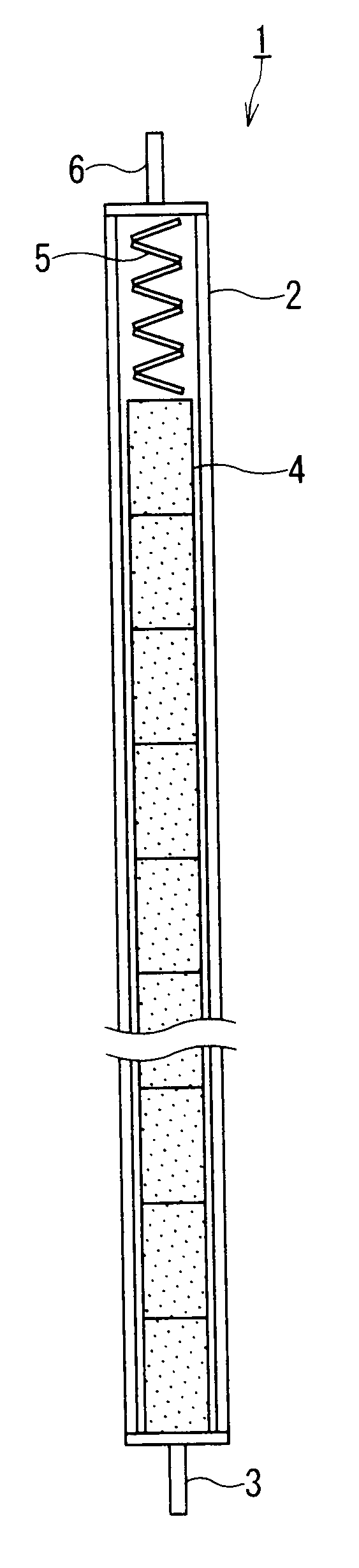
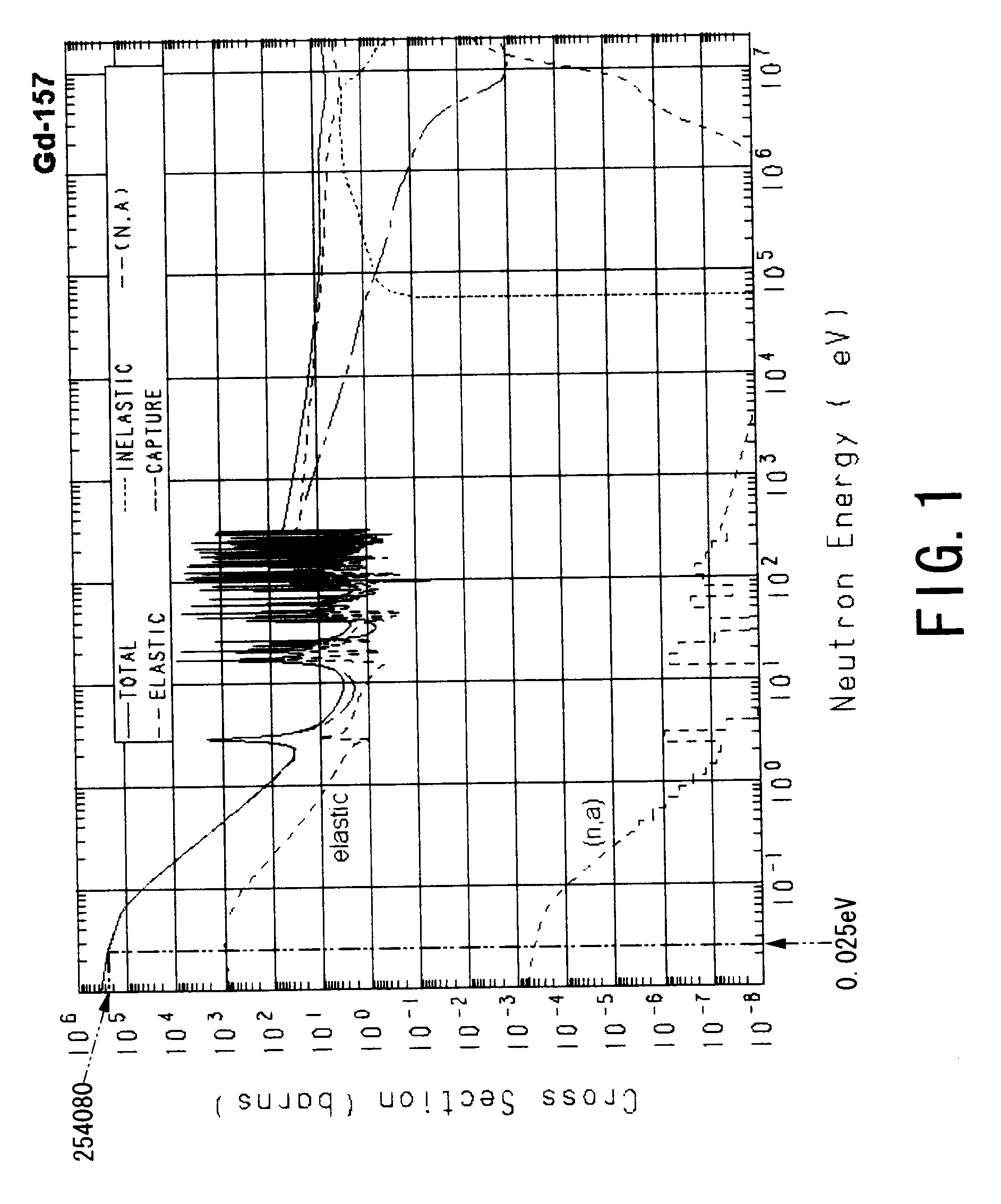
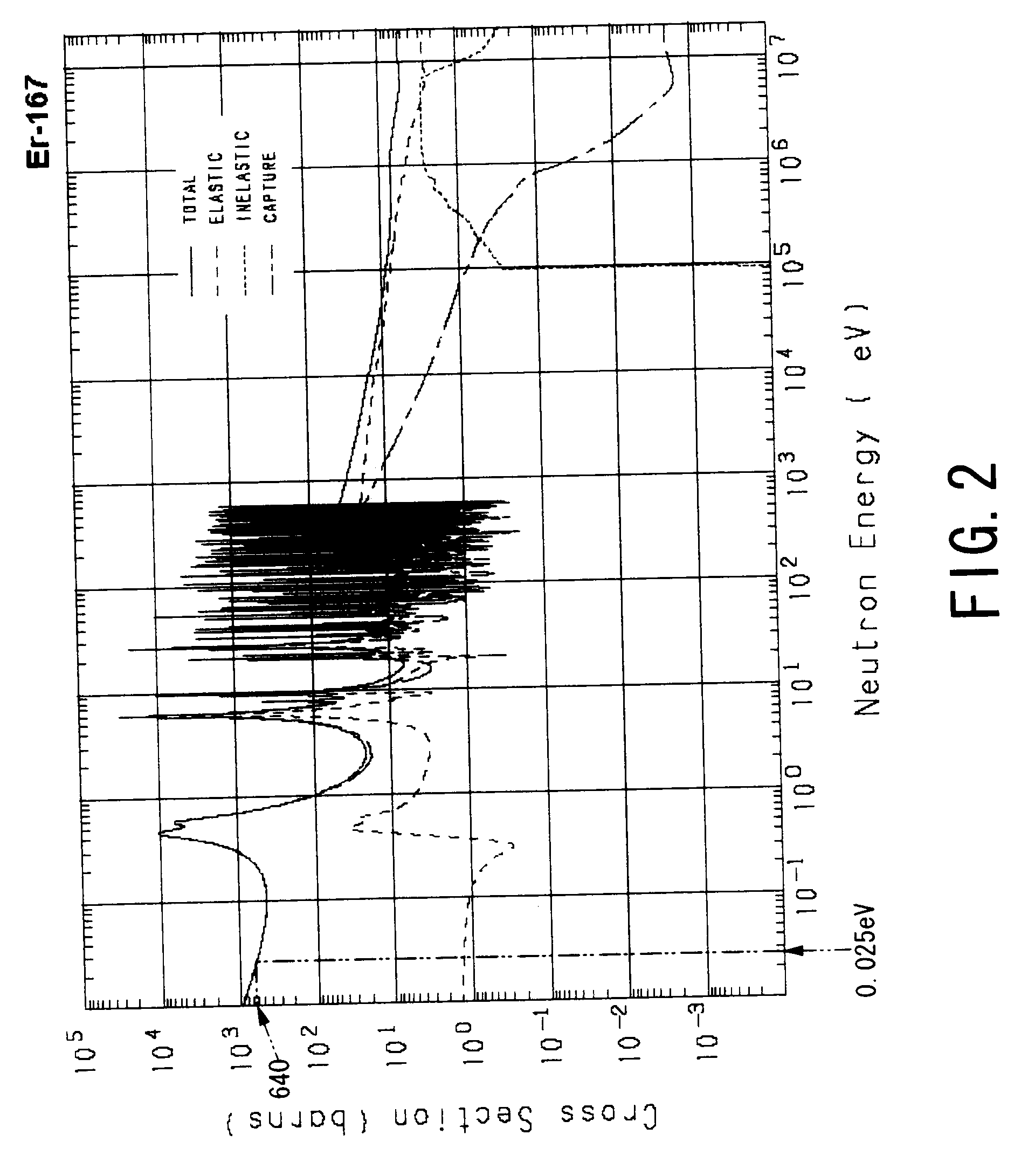
Method of controlling criticality of nuclear fuel cycle facility, method of producing uranium dioxide powder, reactor fuel rod, and fuel assembly
PatentActiveUS20090028284A1
Innovation
- Adding a slight amount of gadolinia, a burnable poison with a large neutron absorption cross-section, to uranium dioxide powders with uranium enrichment greater than 5% by weight to control the effective neutron multiplication factor, allowing for reduced criticality control measures and increased economic efficiency.

Nuclear Regulatory Framework for Advanced Fuel Systems
The nuclear regulatory framework for advanced fuel systems represents a critical infrastructure governing the deployment and optimization of uranium dioxide in high-flux reactor environments. Current regulatory structures primarily evolved around conventional light water reactor technologies, creating significant gaps when addressing the unique challenges posed by advanced fuel configurations operating under extreme neutron flux conditions.
Existing regulatory pathways typically require extensive licensing procedures that can span multiple years, involving comprehensive safety assessments, environmental impact evaluations, and technical performance validations. The Nuclear Regulatory Commission and international counterparts have established baseline requirements for fuel qualification, including irradiation testing protocols, material property characterizations, and failure mode analyses. However, these frameworks often lack specific provisions for the accelerated degradation mechanisms and enhanced fission product release rates characteristic of high-flux operations.
The regulatory approval process for advanced uranium dioxide formulations involves multiple phases of review, beginning with conceptual design assessments and progressing through detailed safety analyses. Regulators require demonstration of fuel performance under both normal operating conditions and postulated accident scenarios, with particular emphasis on maintaining structural integrity and fission product containment. The challenge intensifies when considering novel fuel geometries, enhanced enrichment levels, or modified pellet microstructures designed to optimize performance in high-flux environments.
International harmonization efforts have emerged to streamline regulatory approaches across different jurisdictions, recognizing that advanced fuel development often involves multinational research collaborations and commercial partnerships. Organizations such as the International Atomic Energy Agency have developed guidance documents addressing advanced fuel qualification methodologies, though implementation varies significantly among member states.
Recent regulatory developments have begun incorporating risk-informed decision-making processes, allowing for more flexible approaches to fuel qualification while maintaining safety standards. This evolution recognizes that traditional deterministic methods may be overly conservative for advanced fuel systems, potentially hindering innovation without corresponding safety benefits. The integration of advanced modeling and simulation tools into regulatory review processes represents a significant shift toward performance-based regulations.
Emerging regulatory challenges include addressing the extended burnup capabilities of optimized uranium dioxide fuels, which can exceed traditional licensing limits and require new analytical frameworks for safety evaluation. The regulatory community continues developing updated guidance documents and review standards specifically tailored to advanced fuel technologies operating in high-flux reactor environments.
Existing regulatory pathways typically require extensive licensing procedures that can span multiple years, involving comprehensive safety assessments, environmental impact evaluations, and technical performance validations. The Nuclear Regulatory Commission and international counterparts have established baseline requirements for fuel qualification, including irradiation testing protocols, material property characterizations, and failure mode analyses. However, these frameworks often lack specific provisions for the accelerated degradation mechanisms and enhanced fission product release rates characteristic of high-flux operations.
The regulatory approval process for advanced uranium dioxide formulations involves multiple phases of review, beginning with conceptual design assessments and progressing through detailed safety analyses. Regulators require demonstration of fuel performance under both normal operating conditions and postulated accident scenarios, with particular emphasis on maintaining structural integrity and fission product containment. The challenge intensifies when considering novel fuel geometries, enhanced enrichment levels, or modified pellet microstructures designed to optimize performance in high-flux environments.
International harmonization efforts have emerged to streamline regulatory approaches across different jurisdictions, recognizing that advanced fuel development often involves multinational research collaborations and commercial partnerships. Organizations such as the International Atomic Energy Agency have developed guidance documents addressing advanced fuel qualification methodologies, though implementation varies significantly among member states.
Recent regulatory developments have begun incorporating risk-informed decision-making processes, allowing for more flexible approaches to fuel qualification while maintaining safety standards. This evolution recognizes that traditional deterministic methods may be overly conservative for advanced fuel systems, potentially hindering innovation without corresponding safety benefits. The integration of advanced modeling and simulation tools into regulatory review processes represents a significant shift toward performance-based regulations.
Emerging regulatory challenges include addressing the extended burnup capabilities of optimized uranium dioxide fuels, which can exceed traditional licensing limits and require new analytical frameworks for safety evaluation. The regulatory community continues developing updated guidance documents and review standards specifically tailored to advanced fuel technologies operating in high-flux reactor environments.
Safety Considerations in High-Flux UO2 Fuel Design
Safety considerations in high-flux UO2 fuel design represent a critical aspect of reactor engineering that demands comprehensive evaluation of multiple risk factors and failure modes. The extreme operating conditions in high-flux reactors create unique safety challenges that must be addressed through careful fuel design optimization and robust safety systems integration.
Thermal safety margins constitute the primary concern in high-flux UO2 fuel applications. The elevated neutron flux generates significantly higher heat generation rates, requiring precise thermal hydraulic analysis to prevent fuel centerline melting. Design parameters must maintain adequate margins below the UO2 melting point of approximately 2865°C, accounting for uncertainties in power distribution and coolant flow variations. Advanced fuel pellet designs incorporate central void geometries and annular configurations to reduce peak temperatures while maintaining structural integrity.
Fission gas release behavior becomes increasingly critical under high-flux conditions due to accelerated fuel burnup rates and elevated operating temperatures. Enhanced fission gas production can lead to fuel rod internal pressure buildup, potentially causing cladding stress corrosion cracking or mechanical failure. Safety analysis must consider both steady-state gas release kinetics and transient release during power ramping scenarios.
Cladding integrity represents another fundamental safety consideration, as the metallic cladding serves as the primary barrier preventing fission product release. High-flux environments accelerate corrosion processes, irradiation-induced growth, and creep deformation. Zircaloy and advanced cladding materials must demonstrate adequate performance under extended high-flux exposure while maintaining dimensional stability and corrosion resistance.
Reactivity control safety systems require enhanced capability in high-flux reactor designs due to increased reactivity coefficients and faster kinetics. The higher fission rate necessitates more responsive control rod systems and reliable shutdown mechanisms. Doppler broadening effects and void reactivity coefficients must be carefully characterized to ensure inherent safety feedback mechanisms remain effective throughout the fuel cycle.
Emergency response protocols must account for the unique characteristics of high-flux UO2 fuel behavior during accident scenarios. Loss-of-coolant accidents pose heightened risks due to higher decay heat levels and faster temperature escalation rates. Safety analysis must demonstrate adequate emergency core cooling system performance and containment integrity under these demanding conditions.
Thermal safety margins constitute the primary concern in high-flux UO2 fuel applications. The elevated neutron flux generates significantly higher heat generation rates, requiring precise thermal hydraulic analysis to prevent fuel centerline melting. Design parameters must maintain adequate margins below the UO2 melting point of approximately 2865°C, accounting for uncertainties in power distribution and coolant flow variations. Advanced fuel pellet designs incorporate central void geometries and annular configurations to reduce peak temperatures while maintaining structural integrity.
Fission gas release behavior becomes increasingly critical under high-flux conditions due to accelerated fuel burnup rates and elevated operating temperatures. Enhanced fission gas production can lead to fuel rod internal pressure buildup, potentially causing cladding stress corrosion cracking or mechanical failure. Safety analysis must consider both steady-state gas release kinetics and transient release during power ramping scenarios.
Cladding integrity represents another fundamental safety consideration, as the metallic cladding serves as the primary barrier preventing fission product release. High-flux environments accelerate corrosion processes, irradiation-induced growth, and creep deformation. Zircaloy and advanced cladding materials must demonstrate adequate performance under extended high-flux exposure while maintaining dimensional stability and corrosion resistance.
Reactivity control safety systems require enhanced capability in high-flux reactor designs due to increased reactivity coefficients and faster kinetics. The higher fission rate necessitates more responsive control rod systems and reliable shutdown mechanisms. Doppler broadening effects and void reactivity coefficients must be carefully characterized to ensure inherent safety feedback mechanisms remain effective throughout the fuel cycle.
Emergency response protocols must account for the unique characteristics of high-flux UO2 fuel behavior during accident scenarios. Loss-of-coolant accidents pose heightened risks due to higher decay heat levels and faster temperature escalation rates. Safety analysis must demonstrate adequate emergency core cooling system performance and containment integrity under these demanding conditions.
Unlock deeper insights with PatSnap Eureka Quick Research — get a full tech report to explore trends and direct your research. Try now!
Generate Your Research Report Instantly with AI Agent
Supercharge your innovation with PatSnap Eureka AI Agent Platform!