Uranium Dioxide vs Uranium Carbide: Compatibility with Coolants
MAR 11, 20269 MIN READ
Generate Your Research Report Instantly with AI Agent
PatSnap Eureka helps you evaluate technical feasibility & market potential.
Nuclear Fuel Material Development Background and Objectives
Nuclear fuel materials have undergone continuous evolution since the inception of commercial nuclear power in the 1950s. The development trajectory has been primarily driven by the pursuit of enhanced safety, improved economic performance, and increased fuel utilization efficiency. Early nuclear reactors predominantly utilized natural uranium metal fuel, but the limitations of this approach quickly became apparent, leading to the exploration of ceramic fuel forms that offered superior thermal stability and fission product retention capabilities.
The transition from metallic uranium to oxide-based fuels marked a pivotal moment in nuclear fuel technology. Uranium dioxide emerged as the industry standard due to its excellent chemical stability, well-understood behavior under irradiation, and compatibility with water-cooled reactor systems. However, the quest for higher fuel performance and efficiency has continuously pushed researchers to explore alternative fuel compositions, including carbide-based systems that promise enhanced thermal conductivity and higher uranium density.
Contemporary nuclear fuel development faces unprecedented challenges as the industry seeks to optimize fuel performance while maintaining stringent safety standards. The compatibility between fuel materials and reactor coolants has become a critical consideration, particularly as advanced reactor designs incorporate diverse coolant systems including liquid metals, molten salts, and supercritical fluids. This compatibility directly impacts fuel integrity, coolant chemistry, and overall reactor safety margins.
The primary objective of current fuel material research centers on developing compositions that can withstand extreme operating conditions while maximizing energy output. Uranium carbide has emerged as a promising candidate due to its superior thermal properties compared to traditional oxide fuels. Its higher thermal conductivity enables better heat removal, potentially allowing for higher power densities and improved fuel utilization. Additionally, carbide fuels demonstrate enhanced performance under fast neutron spectra, making them particularly attractive for advanced reactor concepts.
However, the compatibility challenge between different fuel forms and coolant systems remains a fundamental technical barrier. Uranium dioxide's well-established compatibility with water-based coolants contrasts sharply with uranium carbide's sensitivity to oxidizing environments. This incompatibility necessitates careful consideration of reactor design parameters and operational constraints, driving the need for comprehensive materials research and testing programs to establish safe operating envelopes for next-generation nuclear systems.
The transition from metallic uranium to oxide-based fuels marked a pivotal moment in nuclear fuel technology. Uranium dioxide emerged as the industry standard due to its excellent chemical stability, well-understood behavior under irradiation, and compatibility with water-cooled reactor systems. However, the quest for higher fuel performance and efficiency has continuously pushed researchers to explore alternative fuel compositions, including carbide-based systems that promise enhanced thermal conductivity and higher uranium density.
Contemporary nuclear fuel development faces unprecedented challenges as the industry seeks to optimize fuel performance while maintaining stringent safety standards. The compatibility between fuel materials and reactor coolants has become a critical consideration, particularly as advanced reactor designs incorporate diverse coolant systems including liquid metals, molten salts, and supercritical fluids. This compatibility directly impacts fuel integrity, coolant chemistry, and overall reactor safety margins.
The primary objective of current fuel material research centers on developing compositions that can withstand extreme operating conditions while maximizing energy output. Uranium carbide has emerged as a promising candidate due to its superior thermal properties compared to traditional oxide fuels. Its higher thermal conductivity enables better heat removal, potentially allowing for higher power densities and improved fuel utilization. Additionally, carbide fuels demonstrate enhanced performance under fast neutron spectra, making them particularly attractive for advanced reactor concepts.
However, the compatibility challenge between different fuel forms and coolant systems remains a fundamental technical barrier. Uranium dioxide's well-established compatibility with water-based coolants contrasts sharply with uranium carbide's sensitivity to oxidizing environments. This incompatibility necessitates careful consideration of reactor design parameters and operational constraints, driving the need for comprehensive materials research and testing programs to establish safe operating envelopes for next-generation nuclear systems.
Market Demand for Advanced Nuclear Fuel Systems
The global nuclear energy sector is experiencing renewed momentum driven by climate change mitigation goals and energy security concerns. Advanced nuclear fuel systems, particularly those offering enhanced safety margins and improved performance characteristics, are attracting significant attention from utilities, reactor vendors, and regulatory bodies worldwide. The compatibility of fuel materials with various coolant systems has emerged as a critical factor influencing market adoption decisions.
Current market dynamics reflect a growing preference for fuel systems that demonstrate superior performance under accident conditions and extended operational cycles. Utilities are increasingly seeking fuel technologies that can reduce operational risks while maintaining economic competitiveness. The comparison between uranium dioxide and uranium carbide fuels, specifically regarding their coolant compatibility, addresses fundamental market requirements for enhanced safety and operational flexibility.
The demand for advanced fuel systems is particularly pronounced in next-generation reactor designs, including small modular reactors and Generation IV concepts. These emerging reactor technologies often employ non-traditional coolants such as liquid metals, molten salts, or supercritical fluids, creating specific compatibility requirements that influence fuel material selection. Market stakeholders are evaluating fuel options based on their chemical stability, corrosion resistance, and thermal performance in these diverse coolant environments.
Regional market variations significantly impact demand patterns for advanced nuclear fuel systems. Established nuclear markets in North America and Europe prioritize evolutionary improvements to existing light water reactor fuel designs, while emerging nuclear nations focus on proven technologies with strong safety credentials. Asian markets, particularly China and India, demonstrate substantial interest in both conventional and advanced fuel systems to support their expanding nuclear programs.
Economic considerations play a crucial role in shaping market demand for advanced fuel systems. The total cost of ownership, including fuel fabrication, in-reactor performance, and back-end fuel cycle costs, influences utility procurement decisions. Fuel systems offering extended burnup capabilities, reduced refueling frequency, and enhanced accident tolerance command premium market positioning despite potentially higher initial costs.
The regulatory landscape significantly influences market demand patterns for advanced nuclear fuel systems. Licensing requirements for new fuel designs vary across jurisdictions, affecting market entry timelines and commercialization strategies. Fuel systems demonstrating clear safety advantages and regulatory acceptance pathways experience accelerated market adoption compared to technologies requiring extensive qualification programs.
Current market dynamics reflect a growing preference for fuel systems that demonstrate superior performance under accident conditions and extended operational cycles. Utilities are increasingly seeking fuel technologies that can reduce operational risks while maintaining economic competitiveness. The comparison between uranium dioxide and uranium carbide fuels, specifically regarding their coolant compatibility, addresses fundamental market requirements for enhanced safety and operational flexibility.
The demand for advanced fuel systems is particularly pronounced in next-generation reactor designs, including small modular reactors and Generation IV concepts. These emerging reactor technologies often employ non-traditional coolants such as liquid metals, molten salts, or supercritical fluids, creating specific compatibility requirements that influence fuel material selection. Market stakeholders are evaluating fuel options based on their chemical stability, corrosion resistance, and thermal performance in these diverse coolant environments.
Regional market variations significantly impact demand patterns for advanced nuclear fuel systems. Established nuclear markets in North America and Europe prioritize evolutionary improvements to existing light water reactor fuel designs, while emerging nuclear nations focus on proven technologies with strong safety credentials. Asian markets, particularly China and India, demonstrate substantial interest in both conventional and advanced fuel systems to support their expanding nuclear programs.
Economic considerations play a crucial role in shaping market demand for advanced fuel systems. The total cost of ownership, including fuel fabrication, in-reactor performance, and back-end fuel cycle costs, influences utility procurement decisions. Fuel systems offering extended burnup capabilities, reduced refueling frequency, and enhanced accident tolerance command premium market positioning despite potentially higher initial costs.
The regulatory landscape significantly influences market demand patterns for advanced nuclear fuel systems. Licensing requirements for new fuel designs vary across jurisdictions, affecting market entry timelines and commercialization strategies. Fuel systems demonstrating clear safety advantages and regulatory acceptance pathways experience accelerated market adoption compared to technologies requiring extensive qualification programs.
Current Status of UO2 and UC Coolant Compatibility Research
Current research on coolant compatibility with uranium dioxide (UO2) and uranium carbide (UC) fuels represents a critical area of nuclear reactor technology development. Both fuel types exhibit distinct interaction mechanisms with various coolant systems, influencing their viability in advanced reactor designs. The compatibility assessment encompasses chemical stability, corrosion resistance, and thermal performance under operational conditions.
UO2 fuel compatibility research has primarily focused on traditional light water reactor environments, where extensive operational data demonstrates acceptable performance with water-based coolants. Recent investigations have expanded to examine UO2 behavior in liquid metal coolants, particularly sodium and lead-bismuth eutectic systems. Studies indicate that UO2 maintains relatively stable chemical properties in these environments, though oxygen potential control becomes crucial for preventing fuel degradation.
UC fuel presents more complex compatibility challenges due to its higher reactivity compared to UO2. Research has revealed that UC exhibits significant chemical interactions with water-based coolants, leading to hydrolysis reactions that compromise fuel integrity. However, UC demonstrates superior compatibility with liquid metal coolants, particularly in sodium-cooled fast reactor applications where the reducing environment prevents carbide decomposition.
Comparative studies between UO2 and UC have identified key performance differentiators across coolant types. In helium-cooled systems, both fuels show acceptable compatibility, though UC's higher thermal conductivity provides operational advantages. Molten salt coolant research indicates varying compatibility depending on salt composition, with fluoride-based salts showing different interaction patterns for each fuel type.
Current research gaps include long-term compatibility data under high burnup conditions and comprehensive understanding of fission product interactions with different coolant systems. Ongoing experimental programs are addressing these limitations through accelerated testing protocols and advanced characterization techniques to establish reliable compatibility databases for both fuel types.
UO2 fuel compatibility research has primarily focused on traditional light water reactor environments, where extensive operational data demonstrates acceptable performance with water-based coolants. Recent investigations have expanded to examine UO2 behavior in liquid metal coolants, particularly sodium and lead-bismuth eutectic systems. Studies indicate that UO2 maintains relatively stable chemical properties in these environments, though oxygen potential control becomes crucial for preventing fuel degradation.
UC fuel presents more complex compatibility challenges due to its higher reactivity compared to UO2. Research has revealed that UC exhibits significant chemical interactions with water-based coolants, leading to hydrolysis reactions that compromise fuel integrity. However, UC demonstrates superior compatibility with liquid metal coolants, particularly in sodium-cooled fast reactor applications where the reducing environment prevents carbide decomposition.
Comparative studies between UO2 and UC have identified key performance differentiators across coolant types. In helium-cooled systems, both fuels show acceptable compatibility, though UC's higher thermal conductivity provides operational advantages. Molten salt coolant research indicates varying compatibility depending on salt composition, with fluoride-based salts showing different interaction patterns for each fuel type.
Current research gaps include long-term compatibility data under high burnup conditions and comprehensive understanding of fission product interactions with different coolant systems. Ongoing experimental programs are addressing these limitations through accelerated testing protocols and advanced characterization techniques to establish reliable compatibility databases for both fuel types.
Existing Coolant Compatibility Solutions for Nuclear Fuels
01 Composite fuel elements containing uranium dioxide and uranium carbide
Nuclear fuel elements can be designed as composite structures incorporating both uranium dioxide and uranium carbide materials. These composite configurations allow for optimized thermal and mechanical properties by combining the stability of uranium dioxide with the high thermal conductivity of uranium carbide. The compatibility between these materials in composite fuel designs is enhanced through specific fabrication techniques and interface engineering to prevent adverse reactions at elevated temperatures.- Composite fuel elements containing uranium dioxide and uranium carbide: Nuclear fuel elements can be designed as composite structures incorporating both uranium dioxide and uranium carbide materials. These composite configurations aim to combine the beneficial properties of both compounds, such as the thermal stability of uranium dioxide and the high thermal conductivity of uranium carbide. The compatibility between these materials in composite fuel elements is achieved through specific fabrication techniques and interface engineering to ensure structural integrity during reactor operation.
- Cladding materials for uranium dioxide and uranium carbide fuel: The selection of appropriate cladding materials is critical for ensuring compatibility between uranium-based fuels and their containment structures. Various metallic and ceramic cladding materials have been developed to provide chemical and mechanical compatibility with both uranium dioxide and uranium carbide fuels under high-temperature reactor conditions. These cladding materials must resist corrosion, maintain structural integrity, and prevent fuel-cladding chemical interactions that could compromise reactor safety.
- Mixed carbide-oxide fuel systems: Advanced nuclear fuel designs incorporate mixed carbide-oxide systems where uranium carbide and uranium dioxide are combined in controlled proportions. These mixed fuel systems are engineered to optimize performance characteristics such as fission gas retention, thermal conductivity, and melting point. The compatibility of these mixed systems depends on the phase relationships between the carbide and oxide phases and their behavior under irradiation conditions.
- Fabrication methods for uranium dioxide-carbide compatible structures: Specialized fabrication techniques have been developed to produce nuclear fuel structures that maintain compatibility between uranium dioxide and uranium carbide components. These methods include sintering processes, co-precipitation techniques, and powder metallurgy approaches that control the microstructure and interface characteristics. The fabrication parameters are optimized to minimize chemical reactions between the oxide and carbide phases while achieving desired density and homogeneity.
- Chemical interaction and stability studies of uranium dioxide-carbide systems: Research has been conducted on the chemical interactions and thermodynamic stability of systems containing both uranium dioxide and uranium carbide. These studies examine phase equilibria, oxygen potential effects, and reaction kinetics at elevated temperatures typical of reactor operating conditions. Understanding these interactions is essential for predicting long-term compatibility and performance of fuel systems incorporating both materials, particularly regarding carbon-oxygen exchange reactions and phase transformations.
02 Cladding materials for uranium dioxide and uranium carbide fuel systems
The selection of appropriate cladding materials is critical for ensuring compatibility between uranium dioxide and uranium carbide fuels and their containment structures. Various metallic and ceramic cladding materials have been developed to provide chemical and mechanical compatibility with both fuel types while maintaining structural integrity under reactor operating conditions. The cladding must resist corrosion and prevent interdiffusion between the fuel materials and cladding at high temperatures.Expand Specific Solutions03 Mixed carbide-oxide fuel compositions
Advanced nuclear fuel formulations incorporate mixtures of uranium carbide and uranium dioxide to achieve enhanced performance characteristics. These mixed compositions are designed to balance the advantages of both materials, including improved thermal conductivity from carbides and enhanced stability from oxides. The compatibility of these mixed systems depends on controlling the stoichiometry and microstructure to minimize phase separation and chemical reactions during operation.Expand Specific Solutions04 Fabrication methods for uranium dioxide and uranium carbide compatibility
Specialized manufacturing processes have been developed to produce nuclear fuel elements that maintain compatibility between uranium dioxide and uranium carbide phases. These methods include co-sintering techniques, controlled atmosphere processing, and gradient composition approaches that create stable interfaces between the different uranium compounds. The fabrication parameters such as temperature, pressure, and atmosphere composition are carefully controlled to prevent unwanted chemical reactions.Expand Specific Solutions05 Thermal and chemical stability of uranium dioxide-carbide systems
Research has focused on understanding the thermal and chemical interactions between uranium dioxide and uranium carbide under reactor conditions. Studies examine phase equilibria, oxygen potential effects, and temperature-dependent compatibility to predict long-term fuel performance. The stability of these systems is influenced by factors including oxygen-to-metal ratios, carbon content, and the presence of fission products, which can affect the compatibility between the oxide and carbide phases during extended reactor operation.Expand Specific Solutions
Major Players in Nuclear Fuel and Reactor Technology
The uranium dioxide versus uranium carbide compatibility with coolants represents a mature nuclear fuel technology domain currently in an advanced development stage, driven by next-generation reactor requirements. The global market, valued at several billion dollars, is experiencing steady growth as countries pursue advanced nuclear technologies. Technology maturity varies significantly among key players: established entities like Westinghouse Electric Co. LLC, Commissariat à l'énergie atomique et aux énergies Alternatives (CEA), and UT-Battelle LLC demonstrate high technical readiness levels through decades of research experience. Chinese institutions including China Institute of Atomic Energy, China Nuclear Power Research & Design Institute, and University of South China are rapidly advancing their capabilities, while KEPCO Nuclear Fuel Co. Ltd. represents strong Asian market presence. The competitive landscape shows a concentration of expertise among government-backed research institutions and established nuclear industry players, with emerging focus on advanced reactor coolant compatibility studies driving innovation across both traditional uranium dioxide and promising uranium carbide fuel systems.
Commissariat à l´énergie atomique et aux énergies Alternatives
Technical Solution: CEA has developed comprehensive research on uranium dioxide and uranium carbide fuel compatibility with various coolants including sodium, lead, and gas coolants. Their studies focus on thermodynamic stability, corrosion resistance, and fuel-coolant chemical interactions under high temperature conditions. CEA's research demonstrates that uranium dioxide shows better compatibility with water-based coolants due to its oxide stability, while uranium carbide exhibits superior performance with liquid metal coolants like sodium due to reduced oxygen potential and enhanced thermal conductivity properties.
Strengths: Extensive experience in fast reactor fuel development and comprehensive coolant compatibility databases. Weaknesses: Limited commercial deployment of advanced fuel systems.
UT-Battelle LLC
Technical Solution: Oak Ridge National Laboratory through UT-Battelle conducts advanced research on uranium fuel forms for next-generation reactor systems. Their work examines uranium dioxide stability in supercritical CO2 and molten salt coolants, while studying uranium carbide compatibility with liquid metal and high-temperature gas systems. Research emphasizes fuel microstructure evolution, coolant chemistry effects, and materials compatibility under extreme conditions. Studies show uranium carbide's enhanced thermal performance but identify potential issues with carbon transport and coolant contamination in specific applications.
Strengths: Advanced materials research capabilities and multi-disciplinary expertise. Weaknesses: Primary focus on research rather than commercial fuel development and deployment.
Core Research on UO2 and UC Coolant Interaction Mechanisms
Suspended uranium dioxide fuel
PatentPendingUS20250014768A1
Innovation
- A nuclear reactor fuel comprising a liquid metal alloy with suspended uranium dioxide (UO2) particles enriched with uranium-235, which enhances thermal conductivity and allows for improved heat transport, reducing the need for constant cooling and increasing safety.


Preparation method of monocrystal uranium dioxide nuclear fuel pellets
PatentActiveUS20190127876A1
Innovation
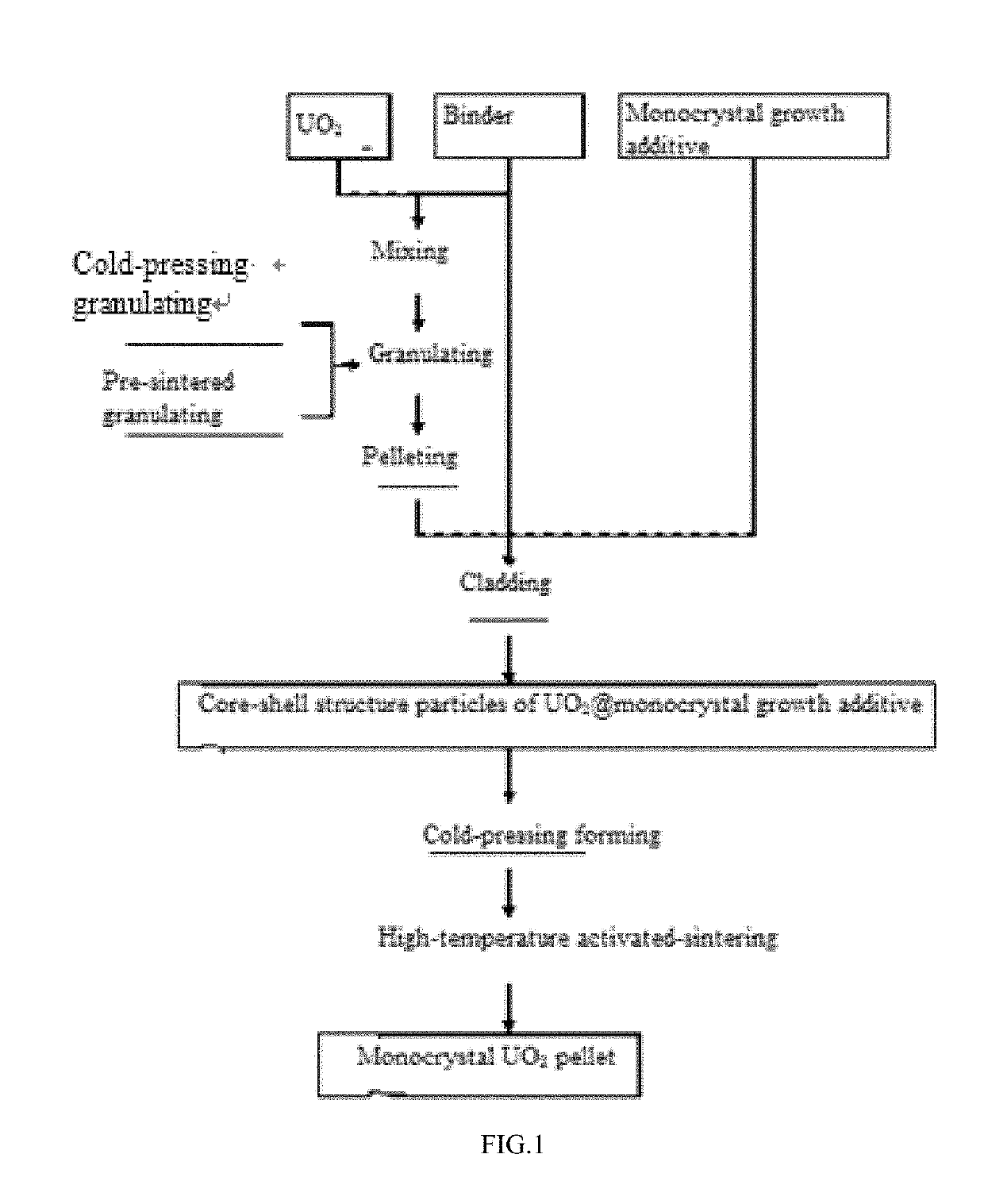
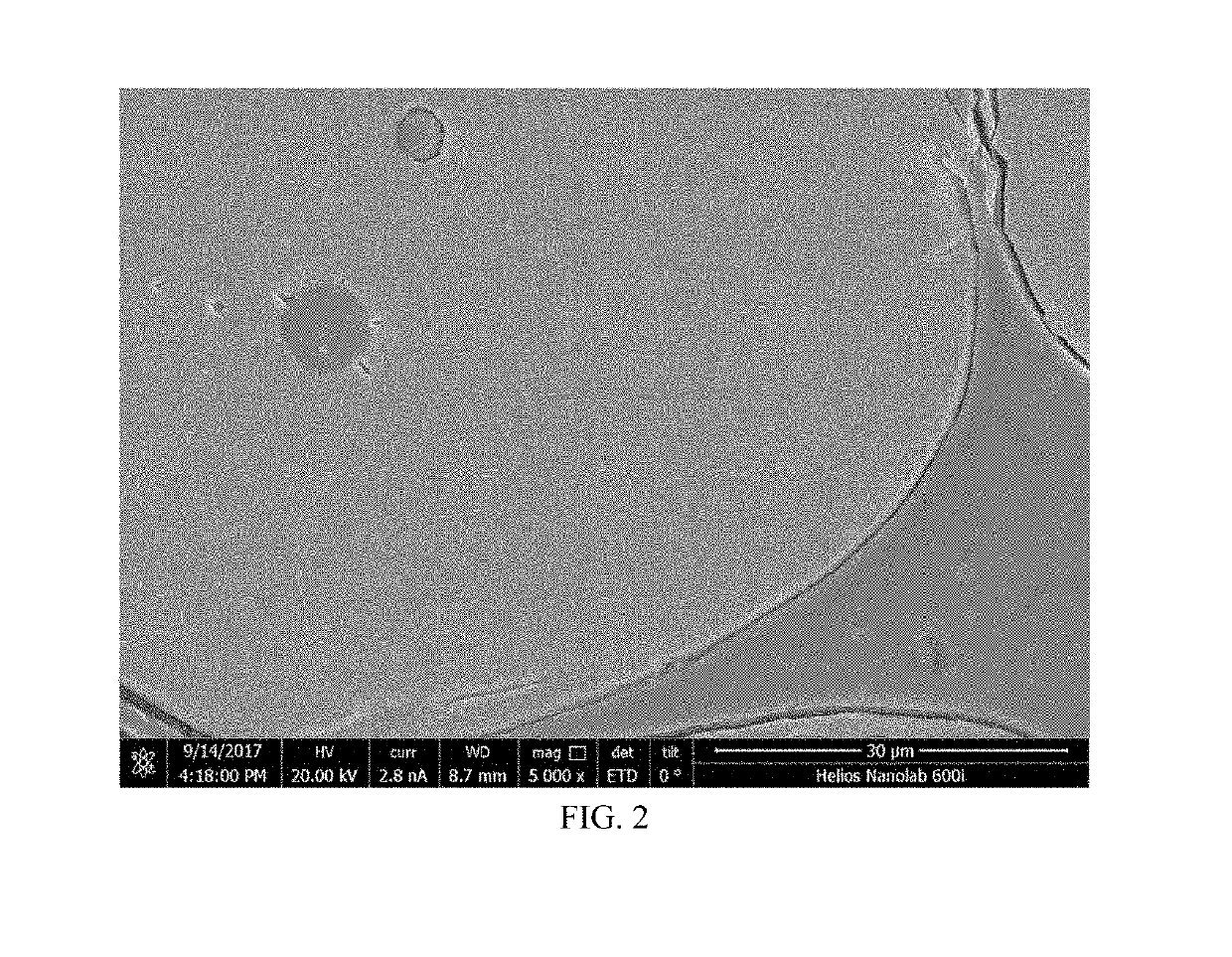
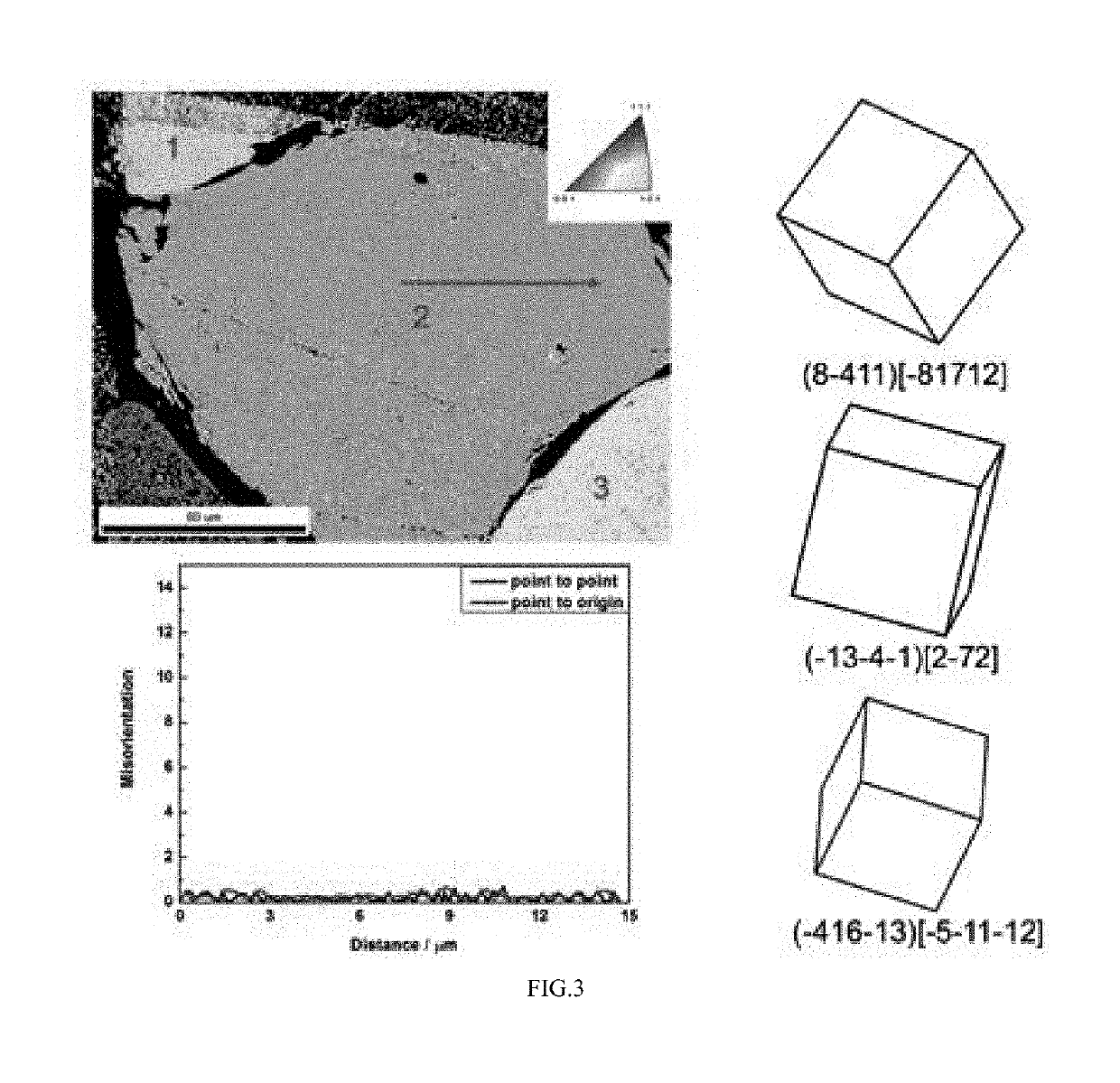
- A method to produce monocrystal UO2 nuclear fuel pellets by granulating and pelleting UO2 powder, coating with monocrystal growth additives, and activated-sintering to form a core-shell structure, promoting recrystallization and increasing crystal grain size, thereby enhancing heat conductivity and radiation stability.
Nuclear Safety Regulations and Licensing Requirements
Nuclear safety regulations governing fuel material selection represent one of the most stringent and comprehensive regulatory frameworks in the energy sector. The choice between uranium dioxide and uranium carbide as nuclear fuel materials must comply with multiple layers of regulatory oversight, including national nuclear regulatory authorities, international safety standards, and facility-specific licensing requirements. These regulations establish fundamental safety criteria that directly influence coolant compatibility assessments and operational parameters.
The licensing process for nuclear fuel materials involves extensive documentation of material properties, performance characteristics, and safety margins under various operational scenarios. Regulatory bodies require comprehensive data on fuel-coolant interactions, including corrosion rates, chemical stability, and potential failure modes. For uranium dioxide, the well-established regulatory pathway benefits from decades of operational data and proven performance records in commercial reactors. Uranium carbide, however, faces more complex licensing challenges due to limited commercial deployment history and the need for extensive experimental validation.
International regulatory frameworks, particularly those established by the International Atomic Energy Agency, provide guidance on fuel qualification standards and safety assessment methodologies. These standards emphasize the importance of demonstrating fuel performance under normal operating conditions, anticipated operational occurrences, and design basis accidents. The regulatory approach requires fuel manufacturers to establish safety cases that address coolant compatibility across the entire fuel lifecycle, from initial loading to final disposal.
Licensing requirements specifically mandate rigorous testing protocols for fuel-coolant compatibility, including long-term irradiation experiments, thermal cycling tests, and accident simulation studies. Regulatory authorities require statistical analysis of fuel performance data to establish safety margins and operational limits. The licensing process also demands comprehensive quality assurance programs covering fuel fabrication, handling, and installation procedures.
The regulatory landscape continues evolving to accommodate advanced reactor designs and alternative fuel materials. Recent regulatory developments emphasize risk-informed decision-making processes and performance-based licensing approaches. These changes create opportunities for innovative fuel materials like uranium carbide while maintaining stringent safety standards. However, the regulatory approval timeline for new fuel materials typically spans multiple years, requiring substantial investment in research, testing, and documentation to satisfy licensing requirements.
The licensing process for nuclear fuel materials involves extensive documentation of material properties, performance characteristics, and safety margins under various operational scenarios. Regulatory bodies require comprehensive data on fuel-coolant interactions, including corrosion rates, chemical stability, and potential failure modes. For uranium dioxide, the well-established regulatory pathway benefits from decades of operational data and proven performance records in commercial reactors. Uranium carbide, however, faces more complex licensing challenges due to limited commercial deployment history and the need for extensive experimental validation.
International regulatory frameworks, particularly those established by the International Atomic Energy Agency, provide guidance on fuel qualification standards and safety assessment methodologies. These standards emphasize the importance of demonstrating fuel performance under normal operating conditions, anticipated operational occurrences, and design basis accidents. The regulatory approach requires fuel manufacturers to establish safety cases that address coolant compatibility across the entire fuel lifecycle, from initial loading to final disposal.
Licensing requirements specifically mandate rigorous testing protocols for fuel-coolant compatibility, including long-term irradiation experiments, thermal cycling tests, and accident simulation studies. Regulatory authorities require statistical analysis of fuel performance data to establish safety margins and operational limits. The licensing process also demands comprehensive quality assurance programs covering fuel fabrication, handling, and installation procedures.
The regulatory landscape continues evolving to accommodate advanced reactor designs and alternative fuel materials. Recent regulatory developments emphasize risk-informed decision-making processes and performance-based licensing approaches. These changes create opportunities for innovative fuel materials like uranium carbide while maintaining stringent safety standards. However, the regulatory approval timeline for new fuel materials typically spans multiple years, requiring substantial investment in research, testing, and documentation to satisfy licensing requirements.
Environmental Impact Assessment of Nuclear Fuel Materials
The environmental implications of nuclear fuel materials, particularly uranium dioxide (UO₂) and uranium carbide (UC), extend far beyond their operational performance characteristics. These materials present distinct environmental challenges throughout their lifecycle, from mining and processing to waste management and eventual disposal.
Uranium dioxide, the conventional nuclear fuel, demonstrates relatively stable environmental behavior under normal operating conditions. Its ceramic structure provides inherent resistance to dissolution in aqueous environments, limiting radionuclide migration potential. However, UO₂ production requires extensive uranium enrichment processes that generate significant quantities of depleted uranium hexafluoride waste. The material's oxidation behavior in atmospheric conditions can lead to the formation of more soluble uranium compounds, potentially increasing environmental mobility during storage or accident scenarios.
Uranium carbide presents a more complex environmental profile despite its superior thermal properties. The material exhibits higher chemical reactivity with moisture and oxygen, potentially accelerating corrosion processes that could release radioactive materials into surrounding environments. UC's interaction with water produces methane and hydrogen gases, creating additional safety and environmental concerns. The carbide's higher uranium density means that equivalent energy production requires less fuel volume, potentially reducing overall waste generation.
Both fuel types pose significant challenges regarding long-term radioactive waste management. UO₂'s established reprocessing infrastructure allows for uranium recovery, though this process generates liquid radioactive waste streams requiring careful environmental management. UC's reprocessing remains less developed, potentially necessitating direct disposal approaches with uncertain long-term environmental consequences.
The manufacturing processes for these materials create distinct environmental footprints. UO₂ production involves well-established powder metallurgy techniques with known emission profiles and waste streams. UC fabrication requires more energy-intensive processes and specialized handling procedures due to its reactivity, potentially increasing the overall environmental burden per unit of fuel produced.
Accident scenario modeling reveals different environmental risk profiles for each material. UO₂'s lower thermal conductivity may contribute to higher fuel temperatures during loss-of-coolant accidents, potentially increasing fission product release. Conversely, UC's chemical reactivity could accelerate fuel degradation under certain accident conditions, though its superior thermal properties might prevent some temperature-related failure modes.
Uranium dioxide, the conventional nuclear fuel, demonstrates relatively stable environmental behavior under normal operating conditions. Its ceramic structure provides inherent resistance to dissolution in aqueous environments, limiting radionuclide migration potential. However, UO₂ production requires extensive uranium enrichment processes that generate significant quantities of depleted uranium hexafluoride waste. The material's oxidation behavior in atmospheric conditions can lead to the formation of more soluble uranium compounds, potentially increasing environmental mobility during storage or accident scenarios.
Uranium carbide presents a more complex environmental profile despite its superior thermal properties. The material exhibits higher chemical reactivity with moisture and oxygen, potentially accelerating corrosion processes that could release radioactive materials into surrounding environments. UC's interaction with water produces methane and hydrogen gases, creating additional safety and environmental concerns. The carbide's higher uranium density means that equivalent energy production requires less fuel volume, potentially reducing overall waste generation.
Both fuel types pose significant challenges regarding long-term radioactive waste management. UO₂'s established reprocessing infrastructure allows for uranium recovery, though this process generates liquid radioactive waste streams requiring careful environmental management. UC's reprocessing remains less developed, potentially necessitating direct disposal approaches with uncertain long-term environmental consequences.
The manufacturing processes for these materials create distinct environmental footprints. UO₂ production involves well-established powder metallurgy techniques with known emission profiles and waste streams. UC fabrication requires more energy-intensive processes and specialized handling procedures due to its reactivity, potentially increasing the overall environmental burden per unit of fuel produced.
Accident scenario modeling reveals different environmental risk profiles for each material. UO₂'s lower thermal conductivity may contribute to higher fuel temperatures during loss-of-coolant accidents, potentially increasing fission product release. Conversely, UC's chemical reactivity could accelerate fuel degradation under certain accident conditions, though its superior thermal properties might prevent some temperature-related failure modes.
Unlock deeper insights with PatSnap Eureka Quick Research — get a full tech report to explore trends and direct your research. Try now!
Generate Your Research Report Instantly with AI Agent
Supercharge your innovation with PatSnap Eureka AI Agent Platform!