

Optimize Vanadium Cells for Heavy-Duty Mobile Applications
APR 27, 20268 MIN READ
Generate Your Research Report Instantly with AI Agent
PatSnap Eureka helps you evaluate technical feasibility & market potential.
Vanadium Battery Technology Background and Mobile Application Goals
Vanadium redox flow batteries (VRFBs) represent a mature electrochemical energy storage technology that has evolved significantly since their initial development in the 1980s. The technology utilizes vanadium ions in different oxidation states as both anolyte and catholyte, stored in external electrolyte tanks and circulated through electrochemical cells via pumps. This unique architecture enables independent scaling of power and energy capacity, distinguishing VRFBs from conventional battery technologies.
The fundamental operating principle involves the reversible oxidation and reduction of vanadium species across a selective ion-exchange membrane. During charging, V3+ ions are reduced to V2+ at the negative electrode while V4+ ions are oxidized to V5+ at the positive electrode. The discharge process reverses these reactions, generating electrical energy. This symmetric chemistry eliminates cross-contamination issues common in other flow battery systems, contributing to exceptional cycle life exceeding 20,000 cycles.
Traditional VRFB applications have primarily focused on stationary energy storage for grid-scale installations, renewable energy integration, and industrial backup power systems. These applications leverage the technology's inherent advantages including long cycle life, deep discharge capability, minimal capacity degradation, and enhanced safety characteristics due to non-flammable aqueous electrolytes.
The evolution toward mobile applications represents a paradigm shift requiring fundamental optimization of system architecture, weight reduction, and power density enhancement. Heavy-duty mobile applications encompass electric commercial vehicles, marine vessels, mining equipment, and aerospace systems where conventional lithium-ion batteries face limitations in terms of safety, thermal management, and operational lifespan under demanding conditions.
Key technical objectives for mobile VRFB optimization include achieving power densities exceeding 1 kW/kg, reducing system complexity through integrated pump-less designs, developing lightweight composite materials for electrolyte storage, and implementing advanced thermal management systems. Additionally, enhancing electrolyte energy density through novel vanadium formulations and optimizing membrane selectivity for mobile operating conditions remain critical development targets.
The convergence of improved materials science, miniaturization technologies, and growing demand for safer, longer-lasting mobile energy storage solutions positions optimized vanadium cells as a potentially transformative technology for heavy-duty mobile applications requiring reliable, high-cycle-life energy storage systems.
The fundamental operating principle involves the reversible oxidation and reduction of vanadium species across a selective ion-exchange membrane. During charging, V3+ ions are reduced to V2+ at the negative electrode while V4+ ions are oxidized to V5+ at the positive electrode. The discharge process reverses these reactions, generating electrical energy. This symmetric chemistry eliminates cross-contamination issues common in other flow battery systems, contributing to exceptional cycle life exceeding 20,000 cycles.
Traditional VRFB applications have primarily focused on stationary energy storage for grid-scale installations, renewable energy integration, and industrial backup power systems. These applications leverage the technology's inherent advantages including long cycle life, deep discharge capability, minimal capacity degradation, and enhanced safety characteristics due to non-flammable aqueous electrolytes.
The evolution toward mobile applications represents a paradigm shift requiring fundamental optimization of system architecture, weight reduction, and power density enhancement. Heavy-duty mobile applications encompass electric commercial vehicles, marine vessels, mining equipment, and aerospace systems where conventional lithium-ion batteries face limitations in terms of safety, thermal management, and operational lifespan under demanding conditions.
Key technical objectives for mobile VRFB optimization include achieving power densities exceeding 1 kW/kg, reducing system complexity through integrated pump-less designs, developing lightweight composite materials for electrolyte storage, and implementing advanced thermal management systems. Additionally, enhancing electrolyte energy density through novel vanadium formulations and optimizing membrane selectivity for mobile operating conditions remain critical development targets.
The convergence of improved materials science, miniaturization technologies, and growing demand for safer, longer-lasting mobile energy storage solutions positions optimized vanadium cells as a potentially transformative technology for heavy-duty mobile applications requiring reliable, high-cycle-life energy storage systems.
Heavy-Duty Mobile Market Demand for Advanced Energy Storage
The heavy-duty mobile equipment sector is experiencing unprecedented demand for advanced energy storage solutions, driven by stringent environmental regulations and the urgent need for decarbonization across industrial operations. Traditional diesel-powered machinery in construction, mining, port operations, and material handling faces increasing pressure to transition toward cleaner alternatives, creating substantial market opportunities for high-performance battery technologies.
Electric heavy-duty vehicles, including electric trucks, buses, construction equipment, and port machinery, require energy storage systems capable of delivering exceptional power density, extended operational duration, and reliable performance under extreme conditions. Current lithium-ion battery technologies, while dominant in light-duty applications, face significant limitations in heavy-duty scenarios, particularly regarding thermal management, safety concerns, and lifecycle costs under intensive usage patterns.
The construction and mining industries represent particularly demanding applications where equipment operates continuously in harsh environments with extreme temperature variations, vibrations, and dust exposure. These sectors require energy storage solutions that maintain consistent performance across wide temperature ranges while providing rapid charging capabilities to minimize operational downtime. Traditional battery chemistries often struggle with thermal runaway risks and capacity degradation under such demanding conditions.
Port operations and logistics applications present unique challenges requiring energy storage systems with exceptional cycle life and predictable performance characteristics. Container handling equipment, reach stackers, and automated guided vehicles demand batteries capable of supporting intensive daily operations with minimal maintenance requirements. The economic viability of electrification in these applications depends heavily on achieving total cost of ownership advantages over conventional diesel systems.
Fleet operators increasingly prioritize energy storage technologies offering superior safety profiles, particularly in applications involving passenger transport or operations in confined spaces. The growing emphasis on operational safety, combined with insurance considerations and regulatory compliance requirements, drives demand for inherently safer battery chemistries that eliminate risks associated with thermal runaway and toxic gas emissions.
Market analysis indicates substantial growth potential for advanced energy storage technologies that can address the specific requirements of heavy-duty mobile applications, including enhanced safety characteristics, extended operational life, wide temperature tolerance, and predictable performance degradation patterns that enable accurate lifecycle cost calculations.
Electric heavy-duty vehicles, including electric trucks, buses, construction equipment, and port machinery, require energy storage systems capable of delivering exceptional power density, extended operational duration, and reliable performance under extreme conditions. Current lithium-ion battery technologies, while dominant in light-duty applications, face significant limitations in heavy-duty scenarios, particularly regarding thermal management, safety concerns, and lifecycle costs under intensive usage patterns.
The construction and mining industries represent particularly demanding applications where equipment operates continuously in harsh environments with extreme temperature variations, vibrations, and dust exposure. These sectors require energy storage solutions that maintain consistent performance across wide temperature ranges while providing rapid charging capabilities to minimize operational downtime. Traditional battery chemistries often struggle with thermal runaway risks and capacity degradation under such demanding conditions.
Port operations and logistics applications present unique challenges requiring energy storage systems with exceptional cycle life and predictable performance characteristics. Container handling equipment, reach stackers, and automated guided vehicles demand batteries capable of supporting intensive daily operations with minimal maintenance requirements. The economic viability of electrification in these applications depends heavily on achieving total cost of ownership advantages over conventional diesel systems.
Fleet operators increasingly prioritize energy storage technologies offering superior safety profiles, particularly in applications involving passenger transport or operations in confined spaces. The growing emphasis on operational safety, combined with insurance considerations and regulatory compliance requirements, drives demand for inherently safer battery chemistries that eliminate risks associated with thermal runaway and toxic gas emissions.
Market analysis indicates substantial growth potential for advanced energy storage technologies that can address the specific requirements of heavy-duty mobile applications, including enhanced safety characteristics, extended operational life, wide temperature tolerance, and predictable performance degradation patterns that enable accurate lifecycle cost calculations.
Current Vanadium Flow Battery Limitations in Mobile Applications
Vanadium flow batteries face significant energy density constraints when deployed in mobile applications, particularly for heavy-duty vehicles. Current systems typically achieve energy densities of 20-40 Wh/kg, substantially lower than lithium-ion batteries which can exceed 250 Wh/kg. This limitation stems from the dilute nature of vanadium electrolytes and the substantial weight of electrolyte storage tanks, pumps, and associated piping systems required for operation.
The physical footprint of vanadium flow battery systems presents another critical challenge for mobile integration. Unlike conventional batteries where energy and power are coupled in a single unit, VFBs require separate electrolyte storage tanks, cell stacks, and circulation systems. This distributed architecture results in complex packaging requirements that are difficult to accommodate within the space constraints of mobile platforms, especially when considering the need for thermal management and safety systems.
Temperature sensitivity significantly impacts the performance and reliability of vanadium flow batteries in mobile environments. The electrolyte viscosity increases dramatically at low temperatures, reducing ionic conductivity and requiring higher pumping power. Conversely, elevated temperatures can accelerate electrolyte degradation and cause precipitation of vanadium compounds, leading to system fouling and reduced efficiency. Mobile applications expose batteries to wide temperature variations that current VFB designs struggle to accommodate effectively.
Mechanical vibration and shock loads encountered in heavy-duty mobile applications pose substantial challenges for vanadium flow battery integrity. The complex fluidic systems, including pumps, valves, and interconnecting tubing, are susceptible to mechanical failure under dynamic loading conditions. Electrolyte leakage risks are heightened in mobile environments, potentially causing safety hazards and environmental contamination concerns that are more easily managed in stationary installations.
Power response characteristics of current vanadium flow batteries are inadequate for many mobile applications requiring rapid acceleration or high instantaneous power delivery. The electrochemical kinetics and mass transport limitations within the cell stack, combined with pumping system response delays, result in slower power ramp rates compared to alternative battery technologies. This limitation is particularly problematic for heavy-duty vehicles requiring quick power delivery for acceleration, hill climbing, or regenerative braking scenarios.
System complexity and maintenance requirements represent additional barriers to mobile VFB adoption. Current designs require sophisticated control systems to manage electrolyte circulation, temperature regulation, and state-of-charge monitoring across distributed components. The maintenance of pumps, sensors, and fluidic connections in mobile environments presents logistical challenges that stationary applications do not face, potentially increasing operational costs and reducing system availability.
The physical footprint of vanadium flow battery systems presents another critical challenge for mobile integration. Unlike conventional batteries where energy and power are coupled in a single unit, VFBs require separate electrolyte storage tanks, cell stacks, and circulation systems. This distributed architecture results in complex packaging requirements that are difficult to accommodate within the space constraints of mobile platforms, especially when considering the need for thermal management and safety systems.
Temperature sensitivity significantly impacts the performance and reliability of vanadium flow batteries in mobile environments. The electrolyte viscosity increases dramatically at low temperatures, reducing ionic conductivity and requiring higher pumping power. Conversely, elevated temperatures can accelerate electrolyte degradation and cause precipitation of vanadium compounds, leading to system fouling and reduced efficiency. Mobile applications expose batteries to wide temperature variations that current VFB designs struggle to accommodate effectively.
Mechanical vibration and shock loads encountered in heavy-duty mobile applications pose substantial challenges for vanadium flow battery integrity. The complex fluidic systems, including pumps, valves, and interconnecting tubing, are susceptible to mechanical failure under dynamic loading conditions. Electrolyte leakage risks are heightened in mobile environments, potentially causing safety hazards and environmental contamination concerns that are more easily managed in stationary installations.
Power response characteristics of current vanadium flow batteries are inadequate for many mobile applications requiring rapid acceleration or high instantaneous power delivery. The electrochemical kinetics and mass transport limitations within the cell stack, combined with pumping system response delays, result in slower power ramp rates compared to alternative battery technologies. This limitation is particularly problematic for heavy-duty vehicles requiring quick power delivery for acceleration, hill climbing, or regenerative braking scenarios.
System complexity and maintenance requirements represent additional barriers to mobile VFB adoption. Current designs require sophisticated control systems to manage electrolyte circulation, temperature regulation, and state-of-charge monitoring across distributed components. The maintenance of pumps, sensors, and fluidic connections in mobile environments presents logistical challenges that stationary applications do not face, potentially increasing operational costs and reducing system availability.
Current Optimization Solutions for Mobile Vanadium Systems
01 Vanadium redox flow battery systems
Vanadium redox flow battery systems utilize vanadium ions in different oxidation states as active materials for energy storage. These systems employ vanadium electrolytes that can exist in multiple oxidation states, allowing for efficient charge and discharge cycles. The technology focuses on optimizing the electrochemical properties and stability of vanadium-based electrolytes for large-scale energy storage applications.- Vanadium redox flow battery systems: Flow battery systems utilizing vanadium ions in different oxidation states as active materials for energy storage. These systems employ vanadium electrolytes that can be cycled between different oxidation states to store and release electrical energy. The technology offers advantages in terms of scalability, long cycle life, and the ability to independently scale power and energy capacity.
- Vanadium electrolyte compositions and preparation: Methods and compositions for preparing vanadium-based electrolytes used in electrochemical cells. These involve specific formulations and preparation techniques to optimize the performance, stability, and efficiency of vanadium electrolytes. The compositions may include various vanadium compounds, stabilizers, and additives to enhance electrochemical properties.
- Vanadium cell stack design and construction: Structural designs and construction methods for vanadium battery cell stacks and assemblies. These encompass the physical arrangement of electrodes, membranes, and flow channels to optimize ion transport and minimize resistance. The designs focus on improving efficiency, reducing costs, and enhancing the overall performance of the battery system.
- Vanadium battery management and control systems: Control systems and methods for managing vanadium battery operations including charging, discharging, and monitoring processes. These systems incorporate sensors, controllers, and algorithms to optimize battery performance, ensure safe operation, and extend battery life. The management systems may include state-of-charge monitoring, thermal management, and electrolyte circulation control.
- Vanadium electrode materials and membrane technologies: Development of specialized electrode materials and ion-selective membranes for vanadium cells. These technologies focus on improving the electrochemical activity, durability, and selectivity of cell components. The innovations include novel electrode compositions, surface treatments, and membrane materials that enhance ion conductivity while preventing crossover between electrolyte compartments.
02 Vanadium cell electrode design and materials
Advanced electrode materials and designs specifically developed for vanadium battery cells to enhance performance and durability. These innovations include specialized carbon-based electrodes, modified electrode surfaces, and novel electrode architectures that improve the electrochemical activity and reduce degradation in vanadium cell environments.Expand Specific Solutions03 Vanadium electrolyte preparation and stabilization
Methods and compositions for preparing and stabilizing vanadium electrolytes used in battery cells. These techniques focus on controlling the concentration, purity, and chemical stability of vanadium solutions, including additives and stabilizers that prevent precipitation and maintain optimal ionic conductivity over extended operating periods.Expand Specific Solutions04 Vanadium cell membrane and separator technologies
Specialized membrane and separator technologies designed for vanadium battery applications to prevent crossover while maintaining ionic conductivity. These innovations include ion-selective membranes, composite separators, and barrier materials that are chemically resistant to vanadium species and provide long-term stability in acidic environments.Expand Specific Solutions05 Vanadium cell system integration and control
Complete vanadium battery system designs including control systems, monitoring technologies, and integration methods for practical applications. These developments encompass battery management systems, flow control mechanisms, temperature regulation, and safety systems specifically tailored for vanadium redox flow battery operations in various industrial and grid-scale applications.Expand Specific Solutions
Core Innovations in Vanadium Cell Miniaturization and Efficiency
Novel Vanadium Halide Redox Flow Battery
PatentInactiveUS20100291420A1
Innovation
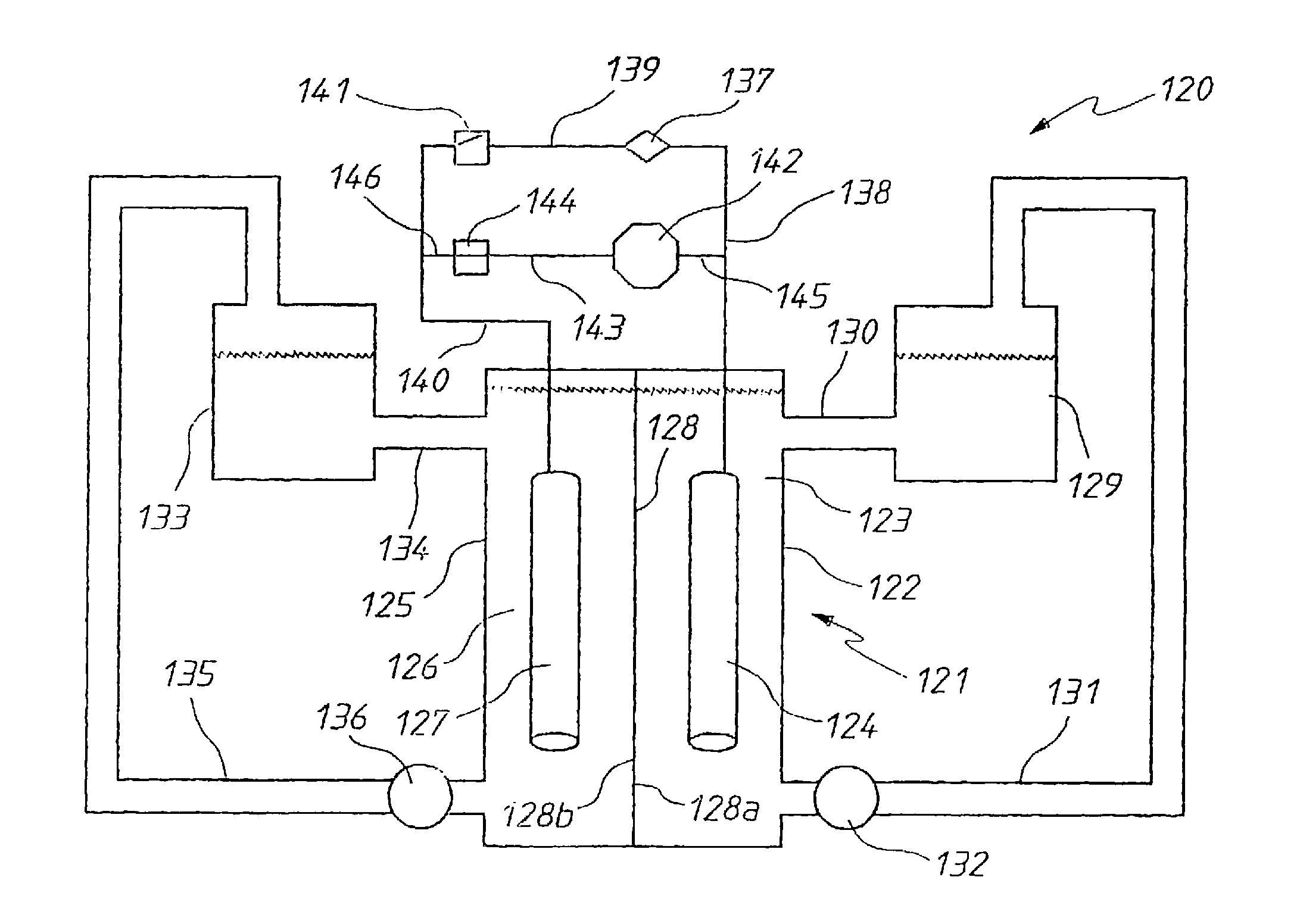
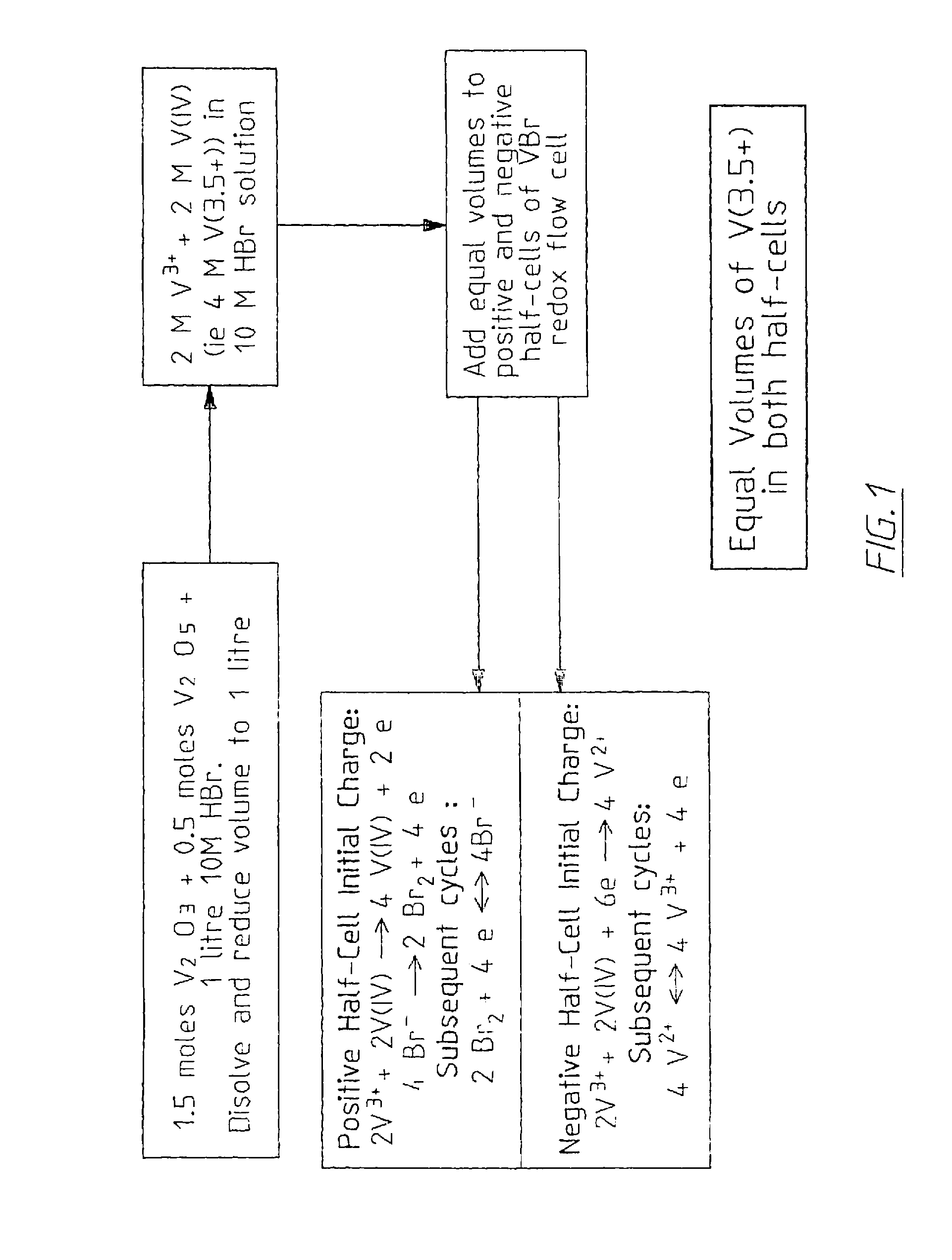
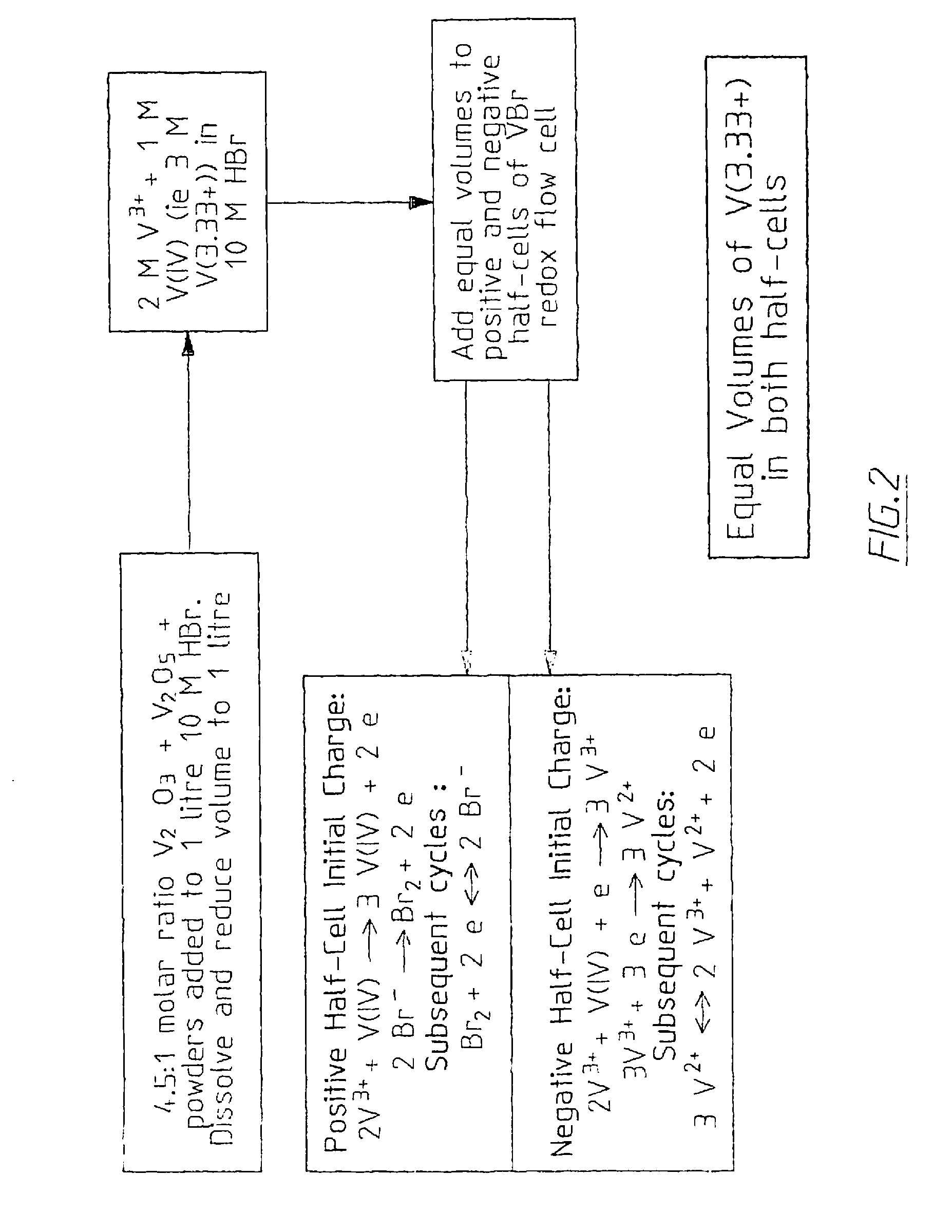
- A vanadium halide redox flow cell employing a 50:50 vanadium(III)/(IV) halide solution in both half-cells, with a 2:1 ratio of vanadium(III) to vanadium(IV) halides, and immobilizing or gelling the electrolytes to stabilize bromine, reducing excess bromine generation and increasing energy density by 25%.

Redox flow battery
PatentInactiveUS6764789B1
Innovation
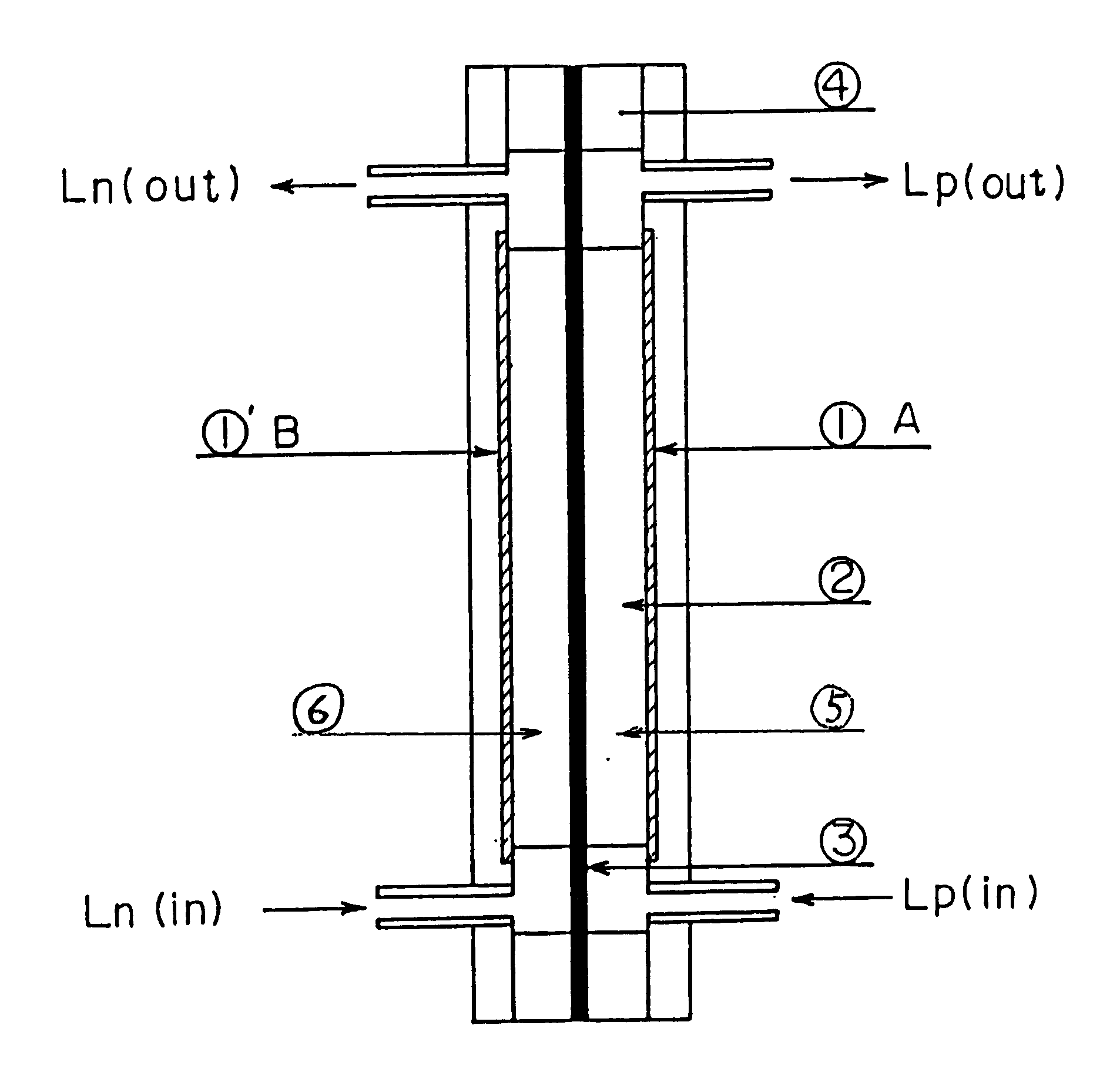
- The battery design includes separate storage tanks for positive and negative electrolytes with a membrane separating the cells, using sulfuric acid aqueous solutions with vanadium ion concentrations between 0.5 mol/l to 8 mol/l, and a system to return electrolyte from the increasing tank to the decreasing tank through a pipe, maintaining liquid levels within a certain range, and employing different membrane types and configurations to manage electrolyte distribution.

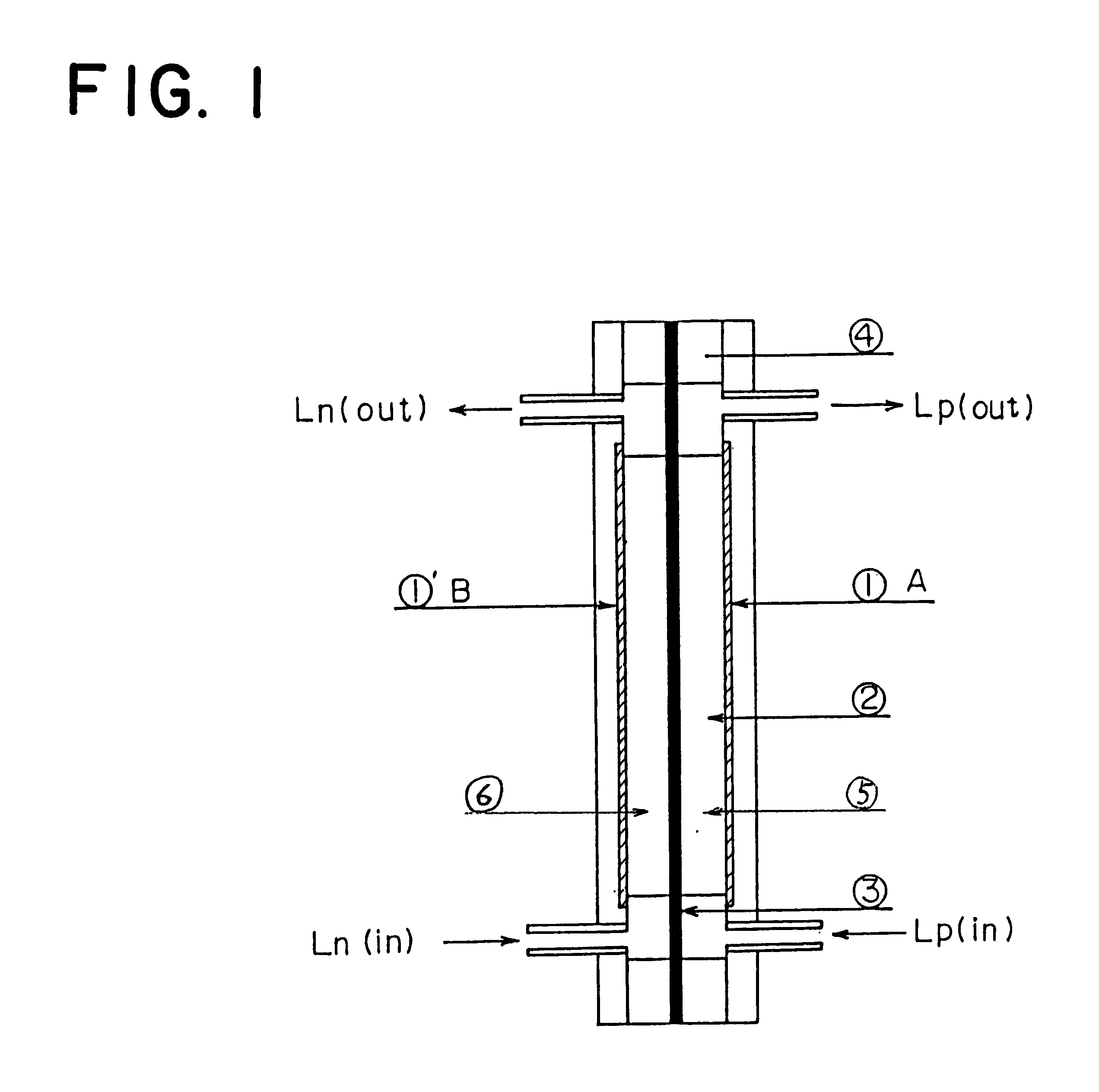

Environmental Regulations for Heavy-Duty Vehicle Electrification
The global shift toward heavy-duty vehicle electrification is being driven by increasingly stringent environmental regulations that directly impact the development and deployment of vanadium redox flow battery systems. The European Union's Euro VII standards, scheduled for implementation by 2030, mandate near-zero emissions for commercial vehicles, creating substantial market pressure for alternative energy storage solutions in transportation applications.
In the United States, the Environmental Protection Agency's Phase 2 greenhouse gas standards require a 25% reduction in CO2 emissions from heavy-duty vehicles by 2027. California's Advanced Clean Trucks Rule, which mandates that 40-75% of truck sales be zero-emission by 2035, has established a regulatory precedent that other states are rapidly adopting. These regulations create immediate compliance requirements that favor energy storage technologies capable of supporting extended operational ranges and rapid charging cycles.
China's National VI emission standards and the country's carbon neutrality commitment by 2060 have accelerated regulatory frameworks supporting battery electric commercial vehicles. The Ministry of Industry and Information Technology has established specific energy density and cycle life requirements for commercial vehicle batteries, parameters where vanadium flow batteries demonstrate competitive advantages over conventional lithium-ion systems.
International Maritime Organization regulations limiting sulfur emissions from shipping have created additional demand for shore power systems and hybrid marine applications. Port authorities worldwide are implementing zero-emission mandates for cargo handling equipment, driving requirements for stationary and mobile energy storage systems that can operate reliably in harsh industrial environments.
The regulatory landscape increasingly emphasizes lifecycle environmental impact assessments, favoring technologies with superior recyclability and reduced critical material dependencies. Vanadium flow batteries align with these sustainability mandates through their inherent material recovery capabilities and extended operational lifespans, positioning them favorably within evolving regulatory frameworks that prioritize circular economy principles in heavy-duty transportation electrification strategies.
In the United States, the Environmental Protection Agency's Phase 2 greenhouse gas standards require a 25% reduction in CO2 emissions from heavy-duty vehicles by 2027. California's Advanced Clean Trucks Rule, which mandates that 40-75% of truck sales be zero-emission by 2035, has established a regulatory precedent that other states are rapidly adopting. These regulations create immediate compliance requirements that favor energy storage technologies capable of supporting extended operational ranges and rapid charging cycles.
China's National VI emission standards and the country's carbon neutrality commitment by 2060 have accelerated regulatory frameworks supporting battery electric commercial vehicles. The Ministry of Industry and Information Technology has established specific energy density and cycle life requirements for commercial vehicle batteries, parameters where vanadium flow batteries demonstrate competitive advantages over conventional lithium-ion systems.
International Maritime Organization regulations limiting sulfur emissions from shipping have created additional demand for shore power systems and hybrid marine applications. Port authorities worldwide are implementing zero-emission mandates for cargo handling equipment, driving requirements for stationary and mobile energy storage systems that can operate reliably in harsh industrial environments.
The regulatory landscape increasingly emphasizes lifecycle environmental impact assessments, favoring technologies with superior recyclability and reduced critical material dependencies. Vanadium flow batteries align with these sustainability mandates through their inherent material recovery capabilities and extended operational lifespans, positioning them favorably within evolving regulatory frameworks that prioritize circular economy principles in heavy-duty transportation electrification strategies.
Safety Standards for Mobile Vanadium Energy Storage Systems
The development of comprehensive safety standards for mobile vanadium energy storage systems represents a critical foundation for the successful deployment of optimized vanadium redox flow batteries in heavy-duty mobile applications. Current safety frameworks primarily address stationary installations, creating significant regulatory gaps for mobile implementations where dynamic operational conditions introduce unique risk profiles.
International standardization bodies including IEC, IEEE, and UL are actively developing mobile-specific safety protocols that address the fundamental challenges of vanadium electrolyte containment during vehicle operation. These emerging standards focus on leak prevention systems, electrolyte spill containment, and emergency response procedures tailored to mobile environments. The corrosive nature of vanadium electrolytes necessitates specialized material compatibility requirements and enhanced monitoring systems beyond conventional battery safety measures.
Thermal management safety standards for mobile vanadium systems emphasize temperature control during extreme operating conditions, including rapid acceleration, heavy loading, and environmental temperature variations. These standards mandate redundant cooling systems, thermal runaway prevention protocols, and automated shutdown mechanisms to prevent electrolyte degradation and system failure under stress conditions typical in heavy-duty applications.
Electrical safety requirements for mobile vanadium systems incorporate enhanced insulation standards, ground fault protection, and arc fault detection specifically designed for high-vibration environments. The standards address unique challenges such as electrolyte conductivity variations affecting electrical safety margins and the need for continuous impedance monitoring during operation.
Structural integrity standards define crashworthiness requirements for vanadium cell stacks and electrolyte storage tanks, incorporating automotive safety testing protocols adapted for energy storage applications. These include impact resistance specifications, mounting system requirements, and emergency disconnect mechanisms that ensure safe system isolation during accidents.
Emerging certification frameworks establish testing protocols for mobile vanadium systems, including vibration testing, environmental exposure assessments, and long-term reliability validation under mobile operating conditions. These standards create pathways for regulatory approval while ensuring consistent safety performance across different heavy-duty vehicle platforms and operational scenarios.
International standardization bodies including IEC, IEEE, and UL are actively developing mobile-specific safety protocols that address the fundamental challenges of vanadium electrolyte containment during vehicle operation. These emerging standards focus on leak prevention systems, electrolyte spill containment, and emergency response procedures tailored to mobile environments. The corrosive nature of vanadium electrolytes necessitates specialized material compatibility requirements and enhanced monitoring systems beyond conventional battery safety measures.
Thermal management safety standards for mobile vanadium systems emphasize temperature control during extreme operating conditions, including rapid acceleration, heavy loading, and environmental temperature variations. These standards mandate redundant cooling systems, thermal runaway prevention protocols, and automated shutdown mechanisms to prevent electrolyte degradation and system failure under stress conditions typical in heavy-duty applications.
Electrical safety requirements for mobile vanadium systems incorporate enhanced insulation standards, ground fault protection, and arc fault detection specifically designed for high-vibration environments. The standards address unique challenges such as electrolyte conductivity variations affecting electrical safety margins and the need for continuous impedance monitoring during operation.
Structural integrity standards define crashworthiness requirements for vanadium cell stacks and electrolyte storage tanks, incorporating automotive safety testing protocols adapted for energy storage applications. These include impact resistance specifications, mounting system requirements, and emergency disconnect mechanisms that ensure safe system isolation during accidents.
Emerging certification frameworks establish testing protocols for mobile vanadium systems, including vibration testing, environmental exposure assessments, and long-term reliability validation under mobile operating conditions. These standards create pathways for regulatory approval while ensuring consistent safety performance across different heavy-duty vehicle platforms and operational scenarios.
Unlock deeper insights with PatSnap Eureka Quick Research — get a full tech report to explore trends and direct your research. Try now!
Generate Your Research Report Instantly with AI Agent
Supercharge your innovation with PatSnap Eureka AI Agent Platform!