

Optimizing Camshaft Overlap for Combustion Efficiency
FEB 28, 20269 MIN READ
Generate Your Research Report Instantly with AI Agent
Patsnap Eureka helps you evaluate technical feasibility & market potential.
Camshaft Overlap Technology Background and Objectives
Camshaft overlap technology represents a critical aspect of internal combustion engine design that has evolved significantly since the early days of automotive engineering. The concept emerged from the fundamental understanding that precise timing of intake and exhaust valve operations directly influences engine performance, fuel efficiency, and emissions characteristics. Early engine designs featured fixed camshaft timing with minimal overlap periods, primarily due to manufacturing limitations and simplified control systems.
The historical development of camshaft overlap optimization can be traced back to the 1960s when automotive engineers began recognizing the potential benefits of controlled valve timing overlap. Initial implementations were mechanical, utilizing fixed cam profiles designed for specific operating conditions. The introduction of variable valve timing systems in the 1980s marked a pivotal moment, enabling dynamic adjustment of overlap periods based on engine operating parameters.
Modern camshaft overlap technology has progressed through several evolutionary phases, from basic mechanical variable timing systems to sophisticated electronically controlled mechanisms. Contemporary systems incorporate advanced materials, precision manufacturing techniques, and integrated electronic control units that enable real-time optimization of valve timing events. The integration of computer-aided design tools and computational fluid dynamics has further accelerated development, allowing engineers to model and predict overlap effects with unprecedented accuracy.
Current technological trends indicate a shift toward fully variable valve actuation systems, including camless designs that eliminate traditional mechanical constraints. These advanced systems promise greater flexibility in overlap control, enabling optimization across broader operating ranges while supporting emerging combustion strategies such as homogeneous charge compression ignition and lean-burn technologies.
The primary objective of optimizing camshaft overlap for combustion efficiency centers on achieving optimal balance between engine performance, fuel economy, and emissions reduction. This involves precise control of the overlap period when both intake and exhaust valves remain open simultaneously, creating opportunities for improved cylinder scavenging, reduced pumping losses, and enhanced combustion characteristics.
Key technical objectives include maximizing volumetric efficiency across diverse operating conditions, minimizing fuel consumption through optimized charge motion and mixture preparation, and reducing harmful emissions while maintaining engine durability. The ultimate goal encompasses developing adaptive overlap control strategies that respond dynamically to real-time operating conditions, driver demands, and environmental factors, thereby achieving comprehensive combustion optimization that meets increasingly stringent regulatory requirements and consumer expectations for performance and efficiency.
Market Demand for Enhanced Engine Combustion Efficiency
The automotive industry faces unprecedented pressure to enhance engine combustion efficiency driven by increasingly stringent environmental regulations and evolving consumer expectations. Global emission standards such as Euro 7, CAFE regulations in North America, and China VI have established aggressive targets for reducing nitrogen oxides, particulate matter, and carbon dioxide emissions. These regulatory frameworks create substantial market demand for advanced engine technologies that can achieve higher thermal efficiency while maintaining performance standards.
Consumer preferences have shifted significantly toward fuel-efficient vehicles as energy costs continue to fluctuate and environmental consciousness grows. Fleet operators, particularly in commercial transportation and logistics sectors, prioritize vehicles with superior fuel economy to reduce operational expenses. This trend extends beyond traditional passenger vehicles to include heavy-duty trucks, marine engines, and industrial power generation applications where combustion efficiency directly impacts profitability.
The market opportunity for enhanced combustion efficiency technologies spans multiple automotive segments. Internal combustion engines remain dominant in heavy-duty applications, commercial vehicles, and hybrid powertrains where complete electrification faces technical and economic constraints. Even as electric vehicle adoption accelerates, internal combustion engines will continue serving critical roles in range-extended electric vehicles and plug-in hybrid systems, necessitating maximum efficiency optimization.
Emerging markets present substantial growth potential for combustion efficiency improvements. Developing economies with expanding automotive markets often lack comprehensive charging infrastructure for electric vehicles, maintaining strong demand for highly efficient internal combustion engines. Additionally, the aftermarket sector shows increasing interest in retrofit solutions and performance upgrades that enhance existing engine efficiency without complete powertrain replacement.
Industrial applications beyond automotive transportation create additional market demand. Power generation, marine propulsion, and heavy machinery sectors require reliable, efficient combustion systems where camshaft optimization technologies can deliver measurable performance improvements. These applications often operate under demanding conditions where incremental efficiency gains translate to significant operational cost savings and reduced environmental impact.
The convergence of regulatory pressure, economic incentives, and technological advancement creates a robust market environment for combustion efficiency innovations. Companies developing advanced camshaft overlap optimization solutions can address multiple market segments simultaneously, positioning these technologies as essential components in the transition toward more sustainable transportation and power generation systems.
Current State and Challenges in Valve Timing Optimization
The current landscape of valve timing optimization represents a complex intersection of mechanical engineering precision and advanced control systems. Modern internal combustion engines predominantly employ Variable Valve Timing (VVT) systems, with technologies ranging from cam phasing mechanisms to fully variable valve actuation systems. Leading automotive manufacturers have implemented various approaches, including Honda's VTEC, BMW's VANOS, and Toyota's VVT-i systems, each offering different degrees of timing control and overlap adjustment capabilities.
Contemporary camshaft overlap optimization faces significant technical constraints that limit the achievement of optimal combustion efficiency across all operating conditions. The primary challenge lies in the inherent trade-off between low-end torque and high-rpm performance, as fixed mechanical systems cannot dynamically adapt to varying engine loads and speeds with sufficient precision. Current cam phasing systems typically provide 40-60 degrees of adjustment range, which proves insufficient for comprehensive optimization across the entire engine operating map.
Thermal management presents another critical challenge in valve timing optimization. Excessive overlap can lead to increased exhaust gas recirculation into the intake manifold, elevating intake temperatures and potentially causing knock in high-performance applications. Conversely, insufficient overlap may result in incomplete scavenging and reduced volumetric efficiency, particularly at higher engine speeds where adequate cylinder filling becomes increasingly difficult.
The integration of turbocharging and direct injection technologies has introduced additional complexity to overlap optimization. Turbocharged engines require careful balance between maintaining boost pressure and preventing blow-through of unburned fuel during the overlap period. Direct injection systems offer some mitigation through precise fuel timing control, but the interaction between injection timing, valve events, and combustion phasing remains challenging to optimize simultaneously.
Current control algorithms for valve timing systems rely heavily on predetermined maps and feedback from limited sensor inputs, primarily manifold pressure, engine speed, and coolant temperature. This approach lacks the sophistication needed for real-time optimization based on actual combustion quality metrics. The absence of direct combustion feedback limits the system's ability to adapt to variations in fuel quality, ambient conditions, and component wear over time.
Manufacturing tolerances and component wear represent ongoing challenges in maintaining optimal valve timing performance. Cam chain stretch, hydraulic actuator degradation, and timing gear wear can introduce timing variations that significantly impact the precision of overlap control. These mechanical limitations become more pronounced as engines accumulate operating hours, leading to gradual performance degradation that current systems cannot adequately compensate for through adaptive control strategies.
Existing Camshaft Overlap Optimization Solutions
01 Variable valve timing systems for optimizing camshaft overlap
Variable valve timing (VVT) systems allow dynamic adjustment of camshaft timing to optimize valve overlap periods based on engine operating conditions. These systems can modify the timing of intake and exhaust valve events to improve combustion efficiency by controlling the amount of residual exhaust gas retained in the cylinder and optimizing the fresh charge intake. The technology enables engines to achieve better fuel economy, reduced emissions, and improved power output across different speed and load ranges.- Variable valve timing systems for optimizing camshaft overlap: Variable valve timing (VVT) systems allow dynamic adjustment of camshaft overlap to optimize combustion efficiency across different engine operating conditions. These systems can modify the timing of intake and exhaust valve events to reduce pumping losses, improve volumetric efficiency, and enhance fuel economy. By controlling the overlap period, engines can achieve better scavenging of exhaust gases and improved cylinder filling, leading to more complete combustion and reduced emissions.
- Camshaft profile design for enhanced combustion efficiency: Optimized camshaft profile designs can significantly impact combustion efficiency by controlling valve lift, duration, and timing characteristics. Advanced cam lobe geometries enable precise control over the gas exchange process, allowing for improved air-fuel mixture preparation and more efficient combustion. These designs consider factors such as valve acceleration, maximum lift, and ramp rates to minimize mechanical losses while maximizing thermodynamic efficiency.
- Dual camshaft systems with independent control: Dual camshaft configurations with independent control of intake and exhaust valves provide enhanced flexibility in managing valve overlap periods. These systems enable separate optimization of intake and exhaust valve timing, allowing for precise control over the scavenging process and residual gas fraction. The independent control capability facilitates improved combustion stability, reduced emissions, and better fuel efficiency across a wide range of engine speeds and loads.
- Overlap reduction strategies for cold start and low load conditions: Minimizing or eliminating valve overlap during cold start and low load operating conditions can improve combustion efficiency and reduce hydrocarbon emissions. Strategies include retarding exhaust cam timing or advancing intake cam timing to prevent excessive dilution of the fresh charge with residual exhaust gases. These approaches help maintain combustion stability when engine temperatures are low and improve catalyst light-off performance by increasing exhaust gas temperatures.
- Overlap optimization for exhaust gas recirculation and emissions control: Strategic management of camshaft overlap can be used to control internal exhaust gas recirculation (EGR) and optimize emissions performance. By adjusting the overlap period, engines can trap controlled amounts of exhaust gas in the cylinder, reducing peak combustion temperatures and nitrogen oxide formation. This internal EGR strategy eliminates the need for external EGR systems in some applications while maintaining combustion efficiency and meeting stringent emissions standards.
02 Camshaft profile design for enhanced combustion efficiency
Optimized camshaft lobe profiles can be designed to control valve lift, duration, and timing characteristics that directly affect combustion efficiency. The profile design influences the breathing characteristics of the engine, affecting volumetric efficiency and the mixing of air and fuel. Advanced cam profiles can reduce pumping losses, improve cylinder filling, and enhance the scavenging process during valve overlap periods, leading to more complete combustion and better thermal efficiency.Expand Specific Solutions03 Dual camshaft systems with independent control
Dual overhead camshaft configurations with independent control of intake and exhaust camshafts provide greater flexibility in managing valve overlap. This arrangement allows separate optimization of intake and exhaust valve timing, enabling precise control over the overlap period. The independent control facilitates better management of internal exhaust gas recirculation, improved low-end torque, and enhanced high-speed performance while maintaining optimal combustion efficiency throughout the engine operating range.Expand Specific Solutions04 Overlap period optimization for emissions reduction
Strategic management of valve overlap periods can significantly reduce harmful emissions while maintaining or improving combustion efficiency. By controlling the overlap duration and timing, engines can regulate the amount of internal exhaust gas recirculation, which affects combustion temperature and NOx formation. Optimized overlap strategies can also reduce hydrocarbon emissions by minimizing the escape of unburned fuel during valve overlap and improving the combustion stability, particularly during cold start and warm-up conditions.Expand Specific Solutions05 Electronic control systems for adaptive overlap management
Advanced electronic control units utilize sensors and algorithms to continuously adjust camshaft overlap based on real-time engine parameters. These systems monitor factors such as engine speed, load, temperature, and air-fuel ratio to determine optimal valve timing. The adaptive control enables dynamic optimization of the overlap period to maximize combustion efficiency under varying operating conditions, improving fuel economy and reducing emissions while maintaining engine performance and drivability.Expand Specific Solutions
Key Players in Engine Management and VVT Systems
The camshaft overlap optimization technology represents a mature segment within the broader internal combustion engine industry, currently experiencing evolutionary rather than revolutionary development as the automotive sector transitions toward electrification. The market remains substantial, driven by ongoing efficiency demands for conventional powertrains and hybrid systems. Technology maturity varies significantly among key players, with established automotive giants like GM Global Technology Operations, Volkswagen AG, and Toyota Motor Corp. leading advanced research initiatives, while specialized suppliers such as Robert Bosch GmbH, BorgWarner Inc., and MAHLE International GmbH focus on precision engineering solutions. Traditional engine manufacturers like DEUTZ AG and Perkins Engines maintain strong positions in commercial applications, whereas emerging players from Asia, including Chinese companies like Dongfeng Motor Group and SERES Group, are rapidly advancing their capabilities to compete in this established but evolving technological landscape.
Robert Bosch GmbH
Technical Solution: Bosch has developed advanced Variable Valve Timing (VVT) systems that optimize camshaft overlap through electronic control units and hydraulic actuators. Their VVT-i (Variable Valve Timing with intelligence) technology allows real-time adjustment of intake and exhaust valve timing based on engine load, RPM, and operating conditions. The system uses oil pressure-controlled phasers that can advance or retard camshaft timing by up to 50 degrees, enabling optimal overlap for different combustion scenarios. Bosch's integrated approach combines sensors, actuators, and sophisticated algorithms to maximize fuel efficiency while reducing emissions. Their latest generation systems feature faster response times and more precise control, achieving up to 8% improvement in fuel economy and 15% reduction in NOx emissions through optimized valve overlap strategies.
Strengths: Market-leading VVT technology with proven reliability and wide OEM adoption. Advanced control algorithms and fast response times. Weaknesses: Higher system complexity and cost compared to fixed timing systems.
BorgWarner, Inc.
Technical Solution: BorgWarner specializes in cam torque actuated (CTA) variable cam timing systems that optimize overlap through dual independent variable cam timing on both intake and exhaust camshafts. Their technology utilizes engine torque fluctuations to drive the phasing mechanism, eliminating the need for external oil pressure systems. The CTA system can provide up to 60 degrees of timing authority on each camshaft, allowing precise control of valve overlap for optimal combustion efficiency. BorgWarner's approach focuses on mechanical simplicity while maintaining high precision, using torsional energy from the camshaft itself to power the timing adjustments. This results in improved low-end torque, reduced pumping losses, and enhanced fuel economy across the entire operating range.
Strengths: Innovative CTA technology reduces system complexity and improves reliability. Excellent low-end torque characteristics and fuel economy benefits. Weaknesses: Limited adoption compared to hydraulic systems, potential noise and vibration challenges.
Core Patents in Advanced Valve Timing Control
Method for operating an internal combustion engine
PatentInactiveUS7415345B2
Innovation
- A method that uses a model incorporating crankshaft RPM, pressure ratio in the intake conduit to ambient pressure, and air temperature to accurately determine air filling, potentially eliminating the need for additional sensors and improving precision by modeling ambient pressure and air flow rates.
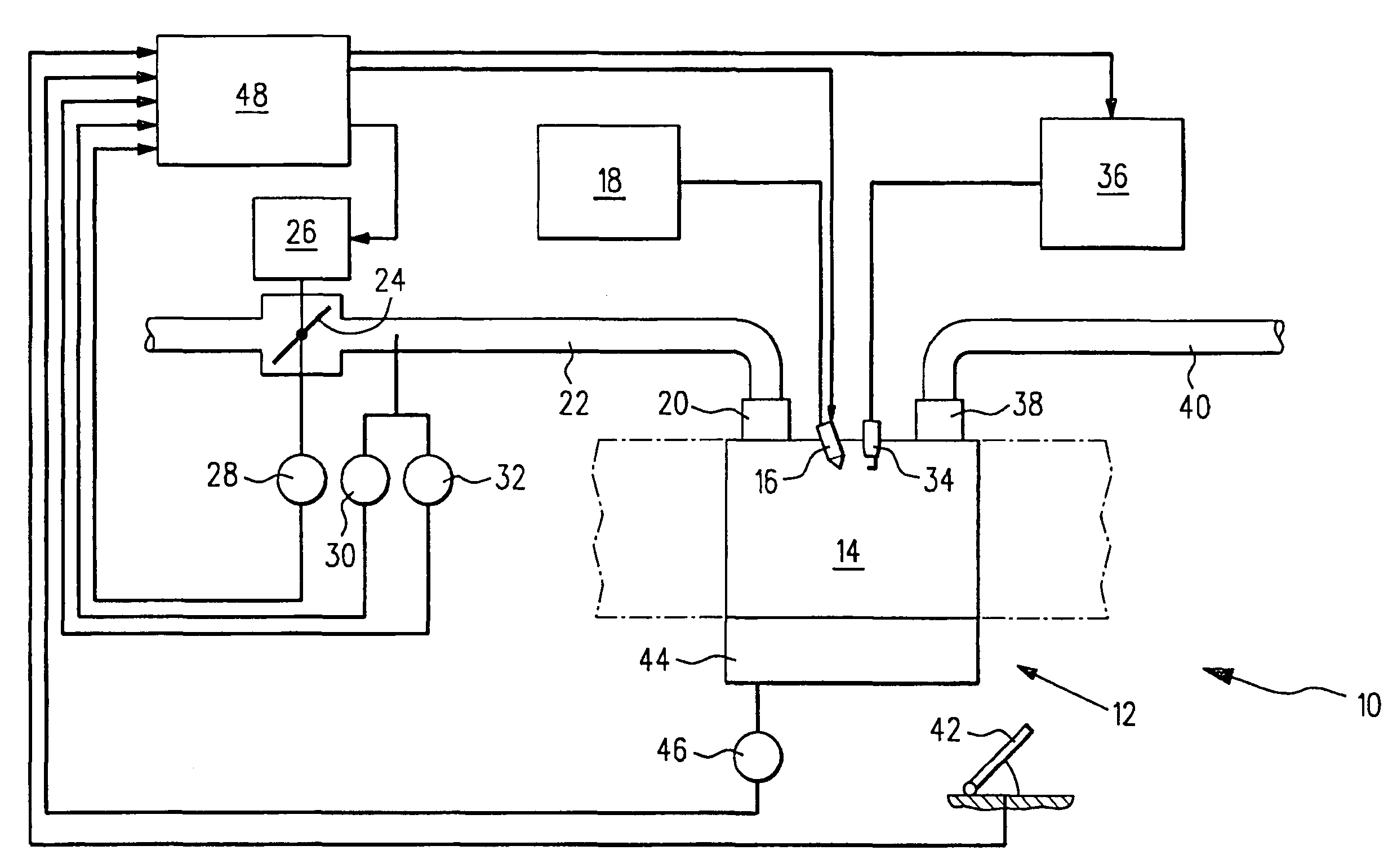
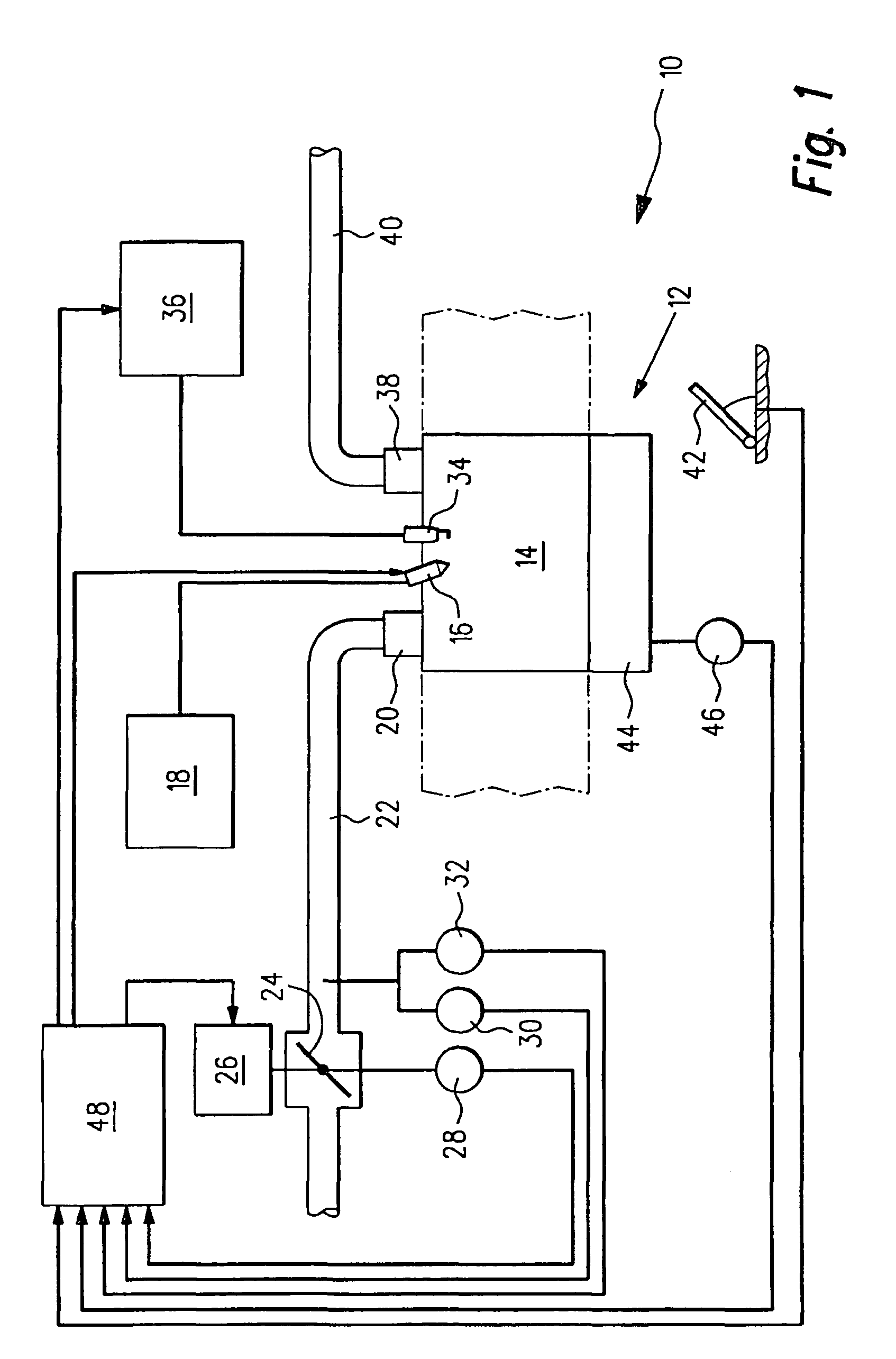
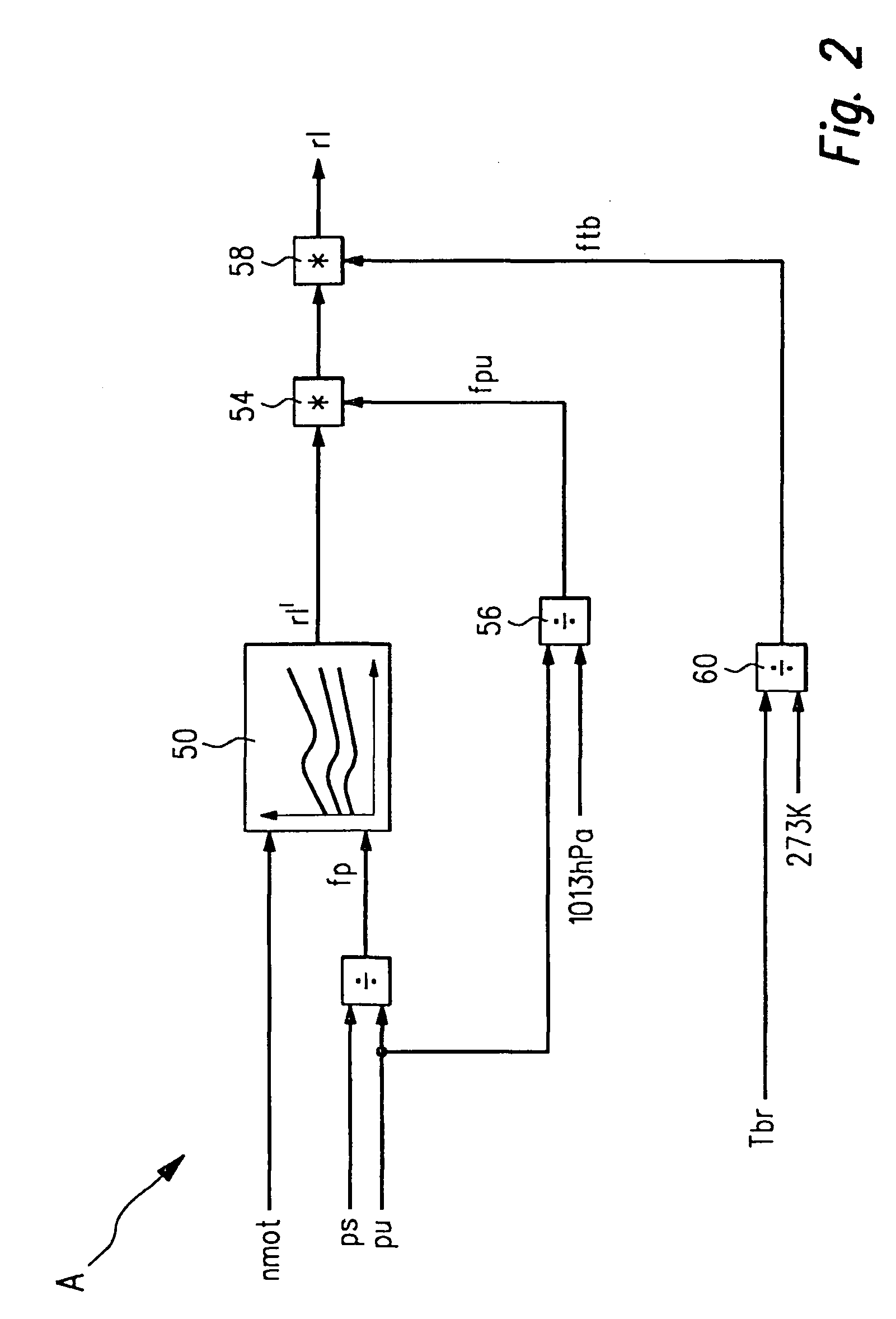

Method of controlling a combustion engine, combustion engine, and related devices
PatentWO2020162810A1
Innovation
- A method and control arrangement that utilize a knock sensing arrangement to set and control the overlap between inlet and outlet valves, allowing for efficient operation with minimal residual and blow-through gases, thereby reducing the tendency of engine knock and emissions, using a simple and low-cost knock sensor.


Emission Standards Impact on Valve Timing Design
The evolution of emission standards has fundamentally transformed valve timing design methodologies, creating a paradigm shift from performance-centric to emission-compliant optimization strategies. Modern regulatory frameworks, including Euro 6d-ISC-FCM, EPA Tier 3, and China VI standards, impose stringent limits on NOx, particulate matter, and hydrocarbon emissions that directly influence camshaft overlap optimization parameters.
Contemporary emission regulations mandate precise control over combustion temperature and pressure profiles, necessitating sophisticated valve timing strategies that balance combustion efficiency with emission reduction. The implementation of Real Driving Emissions (RDE) testing protocols has particularly intensified the focus on transient combustion optimization, where camshaft overlap timing must adapt dynamically to varying operating conditions while maintaining compliance across diverse driving scenarios.
Advanced emission control systems integration has redefined valve timing design constraints, requiring coordination between Variable Valve Timing (VVT) systems and exhaust gas recirculation strategies. The need to minimize cold-start emissions has driven the development of rapid warm-up valve timing profiles, where optimized overlap periods facilitate faster catalyst light-off while preventing excessive hydrocarbon slip-through during initial combustion phases.
Particulate emission standards have introduced additional complexity to overlap optimization, as excessive valve overlap can increase fuel wall-wetting and subsequent particulate formation. Modern design approaches incorporate predictive combustion modeling to determine optimal overlap windows that maximize scavenging efficiency while minimizing unburned hydrocarbon emissions and particulate precursor formation.
The implementation of on-board diagnostics requirements has further influenced valve timing system design, demanding robust feedback mechanisms and fail-safe operating modes. Future emission standards are expected to impose even stricter limits, driving continued innovation in adaptive valve timing technologies that can optimize camshaft overlap in real-time based on emission sensor feedback and predictive algorithms.
Fuel Economy Regulations and Combustion Optimization
The automotive industry faces increasingly stringent fuel economy regulations worldwide, driving unprecedented focus on combustion optimization technologies. The Corporate Average Fuel Economy (CAFE) standards in the United States mandate fleet-wide fuel efficiency improvements of 5% annually through 2026, while the European Union's CO2 emission standards require a 37.5% reduction in new car emissions by 2030 compared to 2021 levels. These regulatory frameworks have positioned camshaft overlap optimization as a critical technology for achieving compliance while maintaining engine performance.
Camshaft overlap optimization directly addresses regulatory requirements by enabling precise control over the combustion process. Variable valve timing systems, which adjust overlap dynamically, can improve fuel efficiency by 3-8% across different operating conditions. This technology allows engines to operate closer to their theoretical thermodynamic limits while reducing pumping losses and optimizing charge motion within the combustion chamber.
The regulatory landscape has accelerated development of advanced overlap control strategies, including continuously variable valve timing (CVVT) and variable valve lift systems. These technologies enable real-time adjustment of overlap duration and timing based on engine load, speed, and environmental conditions. Manufacturers are integrating these systems with engine management software to create adaptive combustion strategies that maximize efficiency under varying regulatory test cycles.
Emerging regulations focusing on real-world driving emissions have further emphasized the importance of dynamic overlap optimization. Unlike laboratory test conditions, real-world driving requires rapid adaptation to changing loads and speeds. Advanced overlap control systems now incorporate predictive algorithms that anticipate driving conditions and pre-adjust valve timing to maintain optimal combustion efficiency throughout diverse operating scenarios.
The convergence of fuel economy regulations and electrification mandates has created additional optimization opportunities. Hybrid powertrains benefit significantly from precise overlap control during engine start-stop cycles and load-point optimization. As regulations continue tightening, camshaft overlap optimization remains fundamental to achieving compliance while preserving the performance characteristics consumers expect from internal combustion engines.
Unlock deeper insights with Patsnap Eureka Quick Research — get a full tech report to explore trends and direct your research. Try now!
Generate Your Research Report Instantly with AI Agent
Supercharge your innovation with Patsnap Eureka AI Agent Platform!