
Optimizing Charge Cycle for Superconducting Magnetic Storage
MAR 7, 20269 MIN READ
Generate Your Research Report Instantly with AI Agent
Patsnap Eureka helps you evaluate technical feasibility & market potential.
Superconducting Magnetic Storage Background and Objectives
Superconducting magnetic energy storage (SMES) technology emerged from the fundamental discovery of superconductivity in 1911 by Heike Kamerlingh Onnes, evolving through decades of materials science breakthroughs and cryogenic engineering advances. The technology leverages the unique property of superconducting materials to conduct electrical current with zero resistance, enabling the storage of electrical energy in magnetic fields generated by persistent current loops within superconducting coils.
The historical development trajectory of SMES systems has been marked by significant milestones, including the development of practical superconducting materials such as niobium-titanium alloys in the 1960s and the subsequent discovery of high-temperature superconductors in the 1980s. These advances progressively reduced the cooling requirements and operational complexity, making commercial applications increasingly viable.
Current technological evolution trends indicate a strong focus on improving system efficiency, reducing operational costs, and enhancing charge-discharge cycle optimization. The integration of advanced power electronics, sophisticated control algorithms, and improved superconducting materials has enabled more precise management of energy storage and retrieval processes. Modern SMES systems demonstrate rapid response capabilities, high power density, and exceptional cycle life compared to conventional energy storage technologies.
The primary technical objectives for optimizing charge cycles in superconducting magnetic storage systems center on maximizing energy transfer efficiency while minimizing losses during charging and discharging operations. Key targets include achieving charge cycle efficiencies exceeding 95%, reducing charging time to seconds or minutes rather than hours, and maintaining stable performance across millions of charge-discharge cycles without degradation.
Secondary objectives encompass the development of intelligent charging protocols that adapt to varying load conditions, grid requirements, and operational parameters. This includes implementing predictive algorithms for optimal charging timing, dynamic power factor correction, and seamless integration with renewable energy sources and smart grid infrastructure.
Long-term strategic goals focus on achieving cost-effective scalability for utility-scale applications, developing standardized charging interfaces and protocols, and establishing robust safety mechanisms for high-energy magnetic field management. These objectives collectively aim to position SMES technology as a cornerstone solution for grid stabilization, renewable energy integration, and high-performance industrial applications requiring instantaneous power delivery and absorption capabilities.
The historical development trajectory of SMES systems has been marked by significant milestones, including the development of practical superconducting materials such as niobium-titanium alloys in the 1960s and the subsequent discovery of high-temperature superconductors in the 1980s. These advances progressively reduced the cooling requirements and operational complexity, making commercial applications increasingly viable.
Current technological evolution trends indicate a strong focus on improving system efficiency, reducing operational costs, and enhancing charge-discharge cycle optimization. The integration of advanced power electronics, sophisticated control algorithms, and improved superconducting materials has enabled more precise management of energy storage and retrieval processes. Modern SMES systems demonstrate rapid response capabilities, high power density, and exceptional cycle life compared to conventional energy storage technologies.
The primary technical objectives for optimizing charge cycles in superconducting magnetic storage systems center on maximizing energy transfer efficiency while minimizing losses during charging and discharging operations. Key targets include achieving charge cycle efficiencies exceeding 95%, reducing charging time to seconds or minutes rather than hours, and maintaining stable performance across millions of charge-discharge cycles without degradation.
Secondary objectives encompass the development of intelligent charging protocols that adapt to varying load conditions, grid requirements, and operational parameters. This includes implementing predictive algorithms for optimal charging timing, dynamic power factor correction, and seamless integration with renewable energy sources and smart grid infrastructure.
Long-term strategic goals focus on achieving cost-effective scalability for utility-scale applications, developing standardized charging interfaces and protocols, and establishing robust safety mechanisms for high-energy magnetic field management. These objectives collectively aim to position SMES technology as a cornerstone solution for grid stabilization, renewable energy integration, and high-performance industrial applications requiring instantaneous power delivery and absorption capabilities.
Market Demand for Advanced Energy Storage Solutions
The global energy storage market is experiencing unprecedented growth driven by the urgent need for grid stabilization, renewable energy integration, and sustainable power solutions. Traditional energy storage technologies, while established, face significant limitations in terms of efficiency, response time, and energy density that create substantial market opportunities for advanced alternatives.
Superconducting magnetic energy storage systems represent a compelling solution to address critical market gaps in high-power, short-duration applications. The technology's ability to provide instantaneous power delivery with minimal energy loss positions it as an ideal candidate for grid frequency regulation, power quality improvement, and renewable energy smoothing applications. These use cases are becoming increasingly valuable as power grids worldwide struggle to accommodate intermittent renewable energy sources.
The market demand for optimized charge cycle performance in superconducting magnetic storage stems from several key factors. Grid operators require energy storage systems capable of rapid cycling between charge and discharge states to maintain grid stability during peak demand fluctuations. Industrial facilities seek power conditioning solutions that can respond within milliseconds to voltage sags and power quality disturbances, requirements that conventional battery technologies cannot adequately fulfill.
Renewable energy integration presents another significant market driver. Wind and solar installations require sophisticated energy storage systems capable of smoothing power output variations while maintaining high round-trip efficiency. The ability to optimize charge cycles in superconducting magnetic storage systems directly addresses these requirements by enabling more efficient energy capture during peak generation periods and controlled release during demand spikes.
The transportation sector, particularly electric vehicle fast-charging infrastructure and rail systems, represents an emerging market segment with substantial growth potential. These applications demand energy storage solutions capable of delivering high power levels repeatedly without degradation, making charge cycle optimization a critical performance parameter.
Market analysis indicates growing interest from utility companies and industrial users seeking alternatives to traditional energy storage technologies. The total cost of ownership advantages become apparent when considering the extended operational lifespan and minimal maintenance requirements of optimized superconducting magnetic storage systems compared to electrochemical alternatives.
Superconducting magnetic energy storage systems represent a compelling solution to address critical market gaps in high-power, short-duration applications. The technology's ability to provide instantaneous power delivery with minimal energy loss positions it as an ideal candidate for grid frequency regulation, power quality improvement, and renewable energy smoothing applications. These use cases are becoming increasingly valuable as power grids worldwide struggle to accommodate intermittent renewable energy sources.
The market demand for optimized charge cycle performance in superconducting magnetic storage stems from several key factors. Grid operators require energy storage systems capable of rapid cycling between charge and discharge states to maintain grid stability during peak demand fluctuations. Industrial facilities seek power conditioning solutions that can respond within milliseconds to voltage sags and power quality disturbances, requirements that conventional battery technologies cannot adequately fulfill.
Renewable energy integration presents another significant market driver. Wind and solar installations require sophisticated energy storage systems capable of smoothing power output variations while maintaining high round-trip efficiency. The ability to optimize charge cycles in superconducting magnetic storage systems directly addresses these requirements by enabling more efficient energy capture during peak generation periods and controlled release during demand spikes.
The transportation sector, particularly electric vehicle fast-charging infrastructure and rail systems, represents an emerging market segment with substantial growth potential. These applications demand energy storage solutions capable of delivering high power levels repeatedly without degradation, making charge cycle optimization a critical performance parameter.
Market analysis indicates growing interest from utility companies and industrial users seeking alternatives to traditional energy storage technologies. The total cost of ownership advantages become apparent when considering the extended operational lifespan and minimal maintenance requirements of optimized superconducting magnetic storage systems compared to electrochemical alternatives.
Current State and Challenges of SMES Charge Optimization
Superconducting Magnetic Energy Storage (SMES) systems have achieved significant technological maturity in recent decades, with commercial installations ranging from small-scale power quality applications to large grid-scale energy storage facilities. Current SMES technology primarily utilizes low-temperature superconductors (LTS) such as niobium-titanium (NbTi) and niobium-tin (Nb3Sn), operating at liquid helium temperatures around 4.2K. High-temperature superconductors (HTS) including YBCO and BSCCO are increasingly being integrated into newer systems, offering operational advantages at liquid nitrogen temperatures of 77K.
The charge optimization landscape for SMES systems faces several critical technical challenges that significantly impact system efficiency and commercial viability. Power conversion efficiency remains a primary concern, with typical AC-DC converter losses ranging from 5-15% during charge cycles. These losses are particularly pronounced during rapid charging scenarios where high current ramp rates are required, leading to increased switching losses and electromagnetic interference.
Thermal management during charging presents another substantial challenge, as the charging process generates heat through various mechanisms including AC losses in superconducting coils, resistive losses in normal conducting components, and eddy current losses in structural materials. The cryogenic cooling systems must maintain stable operating temperatures while accommodating these thermal loads, often requiring oversized refrigeration capacity that impacts overall system economics.
Current charging methodologies predominantly employ constant current or constant power strategies, but these approaches often fail to optimize for multiple performance parameters simultaneously. The charging rate is typically limited by the maximum allowable voltage across the superconducting coil, the current-carrying capacity of the power electronics, and the thermal constraints of the cryogenic system. Advanced control algorithms are being developed to address these limitations, but implementation complexity and real-time computational requirements pose significant barriers.
Magnetic field management during charging cycles represents an additional technical hurdle, particularly for large-scale SMES installations. The time-varying magnetic fields generated during charging can induce eddy currents in nearby metallic structures, leading to energy losses and potential interference with sensitive electronic equipment. Sophisticated magnetic shielding and field optimization techniques are required to mitigate these effects.
The integration of SMES charge optimization with grid-scale applications introduces further complexity, as charging strategies must accommodate variable renewable energy inputs, grid frequency regulation requirements, and power quality considerations. Real-time optimization algorithms must balance energy storage objectives with grid stability requirements while maintaining superconducting coil integrity and minimizing operational costs.
The charge optimization landscape for SMES systems faces several critical technical challenges that significantly impact system efficiency and commercial viability. Power conversion efficiency remains a primary concern, with typical AC-DC converter losses ranging from 5-15% during charge cycles. These losses are particularly pronounced during rapid charging scenarios where high current ramp rates are required, leading to increased switching losses and electromagnetic interference.
Thermal management during charging presents another substantial challenge, as the charging process generates heat through various mechanisms including AC losses in superconducting coils, resistive losses in normal conducting components, and eddy current losses in structural materials. The cryogenic cooling systems must maintain stable operating temperatures while accommodating these thermal loads, often requiring oversized refrigeration capacity that impacts overall system economics.
Current charging methodologies predominantly employ constant current or constant power strategies, but these approaches often fail to optimize for multiple performance parameters simultaneously. The charging rate is typically limited by the maximum allowable voltage across the superconducting coil, the current-carrying capacity of the power electronics, and the thermal constraints of the cryogenic system. Advanced control algorithms are being developed to address these limitations, but implementation complexity and real-time computational requirements pose significant barriers.
Magnetic field management during charging cycles represents an additional technical hurdle, particularly for large-scale SMES installations. The time-varying magnetic fields generated during charging can induce eddy currents in nearby metallic structures, leading to energy losses and potential interference with sensitive electronic equipment. Sophisticated magnetic shielding and field optimization techniques are required to mitigate these effects.
The integration of SMES charge optimization with grid-scale applications introduces further complexity, as charging strategies must accommodate variable renewable energy inputs, grid frequency regulation requirements, and power quality considerations. Real-time optimization algorithms must balance energy storage objectives with grid stability requirements while maintaining superconducting coil integrity and minimizing operational costs.
Existing Charge Cycle Optimization Solutions
01 Superconducting magnetic energy storage system architecture and control
Superconducting magnetic energy storage (SMES) systems utilize superconducting coils to store energy in a magnetic field. The charge and discharge cycles are controlled through power conversion systems that manage the flow of current into and out of the superconducting coil. These systems typically include cryogenic cooling systems to maintain superconducting conditions, power electronics for AC/DC conversion, and control systems to regulate charging and discharging operations. The architecture enables rapid energy storage and release with minimal losses.- Superconducting magnetic energy storage system architecture and control: Superconducting magnetic energy storage (SMES) systems utilize superconducting coils to store energy in a magnetic field. The charge and discharge cycles are controlled through power conversion systems that manage the flow of current into and out of the superconducting coil. These systems typically include cryogenic cooling systems to maintain superconducting conditions, power electronics for AC/DC conversion, and control systems to regulate charging and discharging operations. The architecture enables rapid response times and high efficiency in energy storage and retrieval.
- Charging methods and current control for superconducting coils: The charging cycle of superconducting magnetic storage involves controlled current injection into the superconducting coil through specialized power supply systems. Various methods are employed to optimize the charging process, including pulse width modulation techniques, current ramping strategies, and feedback control mechanisms. These approaches ensure stable operation while minimizing energy losses and protecting the superconducting components from excessive current rates or thermal disturbances during the charging phase.
- Discharge cycle management and power delivery: The discharge cycle involves extracting stored energy from the superconducting coil and converting it to usable electrical power. This process requires sophisticated power conditioning equipment to manage the transition from DC current in the coil to AC power for grid applications. Discharge control strategies focus on maintaining voltage stability, managing power quality, and ensuring smooth energy delivery. The systems incorporate protection mechanisms to prevent quenching and maintain superconducting state during rapid discharge operations.
- Cryogenic systems and thermal management for charge cycles: Maintaining superconducting conditions during charge and discharge cycles requires advanced cryogenic cooling systems. These systems manage the thermal loads generated during operation, including resistive heating in connections and AC losses in the superconductor. Thermal management strategies include liquid helium or liquid nitrogen cooling, cryocooler integration, and thermal shielding. Proper thermal control is essential for maintaining efficiency throughout repeated charge-discharge cycles and preventing transitions to normal conducting states.
- Hybrid energy storage integration and cycle optimization: Integration of superconducting magnetic storage with other energy storage technologies creates hybrid systems that optimize overall performance across charge and discharge cycles. These configurations may combine SMES with batteries, capacitors, or flywheels to leverage the strengths of each technology. Cycle optimization involves coordinating charging and discharging between different storage media, implementing intelligent energy management algorithms, and balancing rapid response capabilities with long-duration storage needs. Such hybrid approaches enhance system flexibility and extend operational capabilities.
02 Charging methods and power conditioning for superconducting coils
The charging cycle of superconducting magnetic storage systems involves specific power conditioning techniques to efficiently transfer energy into the superconducting coil. This includes controlled current ramping, voltage regulation, and the use of specialized converters to manage the charging process. Power electronics systems are designed to handle the unique characteristics of superconducting loads, including zero resistance during steady-state operation and the need for precise current control during charge and discharge transitions.Expand Specific Solutions03 Discharge control and energy recovery mechanisms
The discharge cycle in superconducting magnetic storage systems involves controlled release of stored magnetic energy back to the electrical grid or load. This process requires sophisticated control algorithms to manage the rate of energy discharge, maintain system stability, and optimize energy recovery efficiency. The discharge mechanisms include bidirectional power converters, protection circuits to prevent quenching, and feedback control systems to regulate output power according to demand requirements.Expand Specific Solutions04 Cryogenic cooling systems for charge cycle operation
Maintaining superconducting conditions during charge and discharge cycles requires continuous cryogenic cooling. The cooling systems must handle thermal loads generated during operation, including heat from current leads, radiation, and any resistive losses in connections. Advanced cooling technologies ensure stable low-temperature operation throughout repeated charge-discharge cycles, which is critical for maintaining the superconducting state and system efficiency. The integration of cooling systems with the magnetic storage unit affects overall cycle performance and energy efficiency.Expand Specific Solutions05 Protection and monitoring systems for charge-discharge cycles
Superconducting magnetic storage systems require comprehensive protection and monitoring during charge and discharge operations. This includes quench detection systems that identify loss of superconductivity, overcurrent protection to prevent coil damage, and real-time monitoring of critical parameters such as temperature, current, and voltage. Safety mechanisms ensure controlled energy dissipation in fault conditions and protect both the superconducting components and connected electrical systems. Advanced diagnostic systems track cycle performance and predict maintenance requirements.Expand Specific Solutions
Key Players in SMES and Power Electronics Industry
The superconducting magnetic energy storage (SMES) industry is in its early commercialization phase, transitioning from research-dominated activities to practical applications in grid stabilization and power quality management. The global market remains relatively small but shows promising growth potential, driven by increasing demand for renewable energy integration and grid modernization initiatives. Technology maturity varies significantly across market participants, with established industrial giants like Siemens AG and Tesla Inc. leveraging their extensive power systems expertise to develop commercially viable solutions, while research institutions such as Tianjin University, Shanghai Jiao Tong University, and Huazhong University of Science & Technology focus on advancing fundamental superconducting technologies and optimization algorithms. State-owned utilities including State Grid Corp. of China and specialized research institutes like China Electric Power Research Institute are actively pursuing pilot projects to validate SMES applications in large-scale power networks, indicating strong institutional support for technology development and deployment.
Siemens AG
Technical Solution: Siemens has developed advanced superconducting magnetic energy storage (SMES) systems with optimized charge cycle management through their proprietary power electronics and control algorithms. Their approach focuses on minimizing energy losses during charge/discharge cycles by implementing adaptive current ramping strategies and temperature-dependent optimization protocols. The system utilizes high-temperature superconducting coils with sophisticated cryogenic cooling systems to maintain optimal operating conditions. Siemens' solution incorporates real-time monitoring of superconductor parameters and dynamic adjustment of charging profiles to maximize energy storage efficiency while preventing quench events. Their technology demonstrates significant improvements in cycle efficiency and operational reliability for grid-scale energy storage applications.
Strengths: Extensive industrial experience and proven track record in power systems integration. Weaknesses: High initial capital costs and complex maintenance requirements for cryogenic systems.
Bruker Switzerland AG
Technical Solution: Bruker specializes in superconducting magnet technology with advanced charge cycle optimization through their proprietary magnet control systems. Their approach utilizes precision current sources and sophisticated ramping algorithms to minimize flux jumps and training effects during the charging process. The company's technology incorporates active quench protection systems and optimized charging profiles that adapt to the specific characteristics of different superconducting materials. Bruker's solutions feature advanced monitoring systems that track critical parameters such as temperature, magnetic field homogeneity, and current stability throughout the charge cycle. Their systems demonstrate exceptional performance in maintaining field stability and reducing charging time while ensuring safe operation of superconducting magnetic storage devices.
Strengths: Leading expertise in superconducting magnet design and manufacturing with proven reliability. Weaknesses: Primarily focused on scientific applications rather than large-scale commercial energy storage systems.
Core Innovations in SMES Charging Control Systems
Current control for superconducting magnetic energy storage system
PatentInactiveUS5656870A
Innovation
- A superconducting magnetic energy storage system utilizing a voltage step-down chopper circuit at the input and a voltage step-up chopper circuit at the output, connected with capacitive energy storage cells, along with control circuitry to manage current flow and voltage across capacitors, allowing for efficient charging and discharging of the superconducting magnet.


Methods and Systems for Determining the Initial State of Charge (iSoC) and Optimum Charge Cycle(S) and Parameters for a Cell
PatentInactiveUS20160313405A1
Innovation
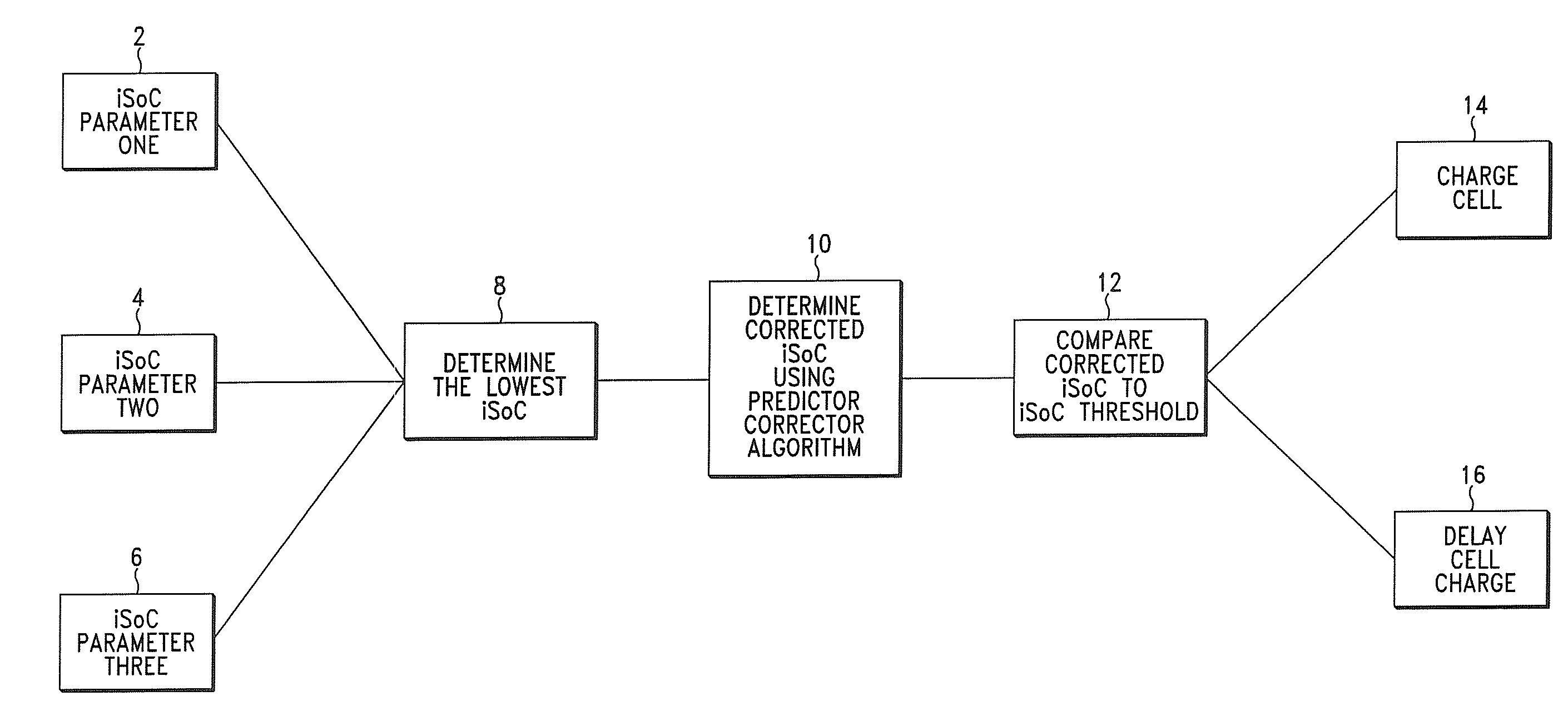
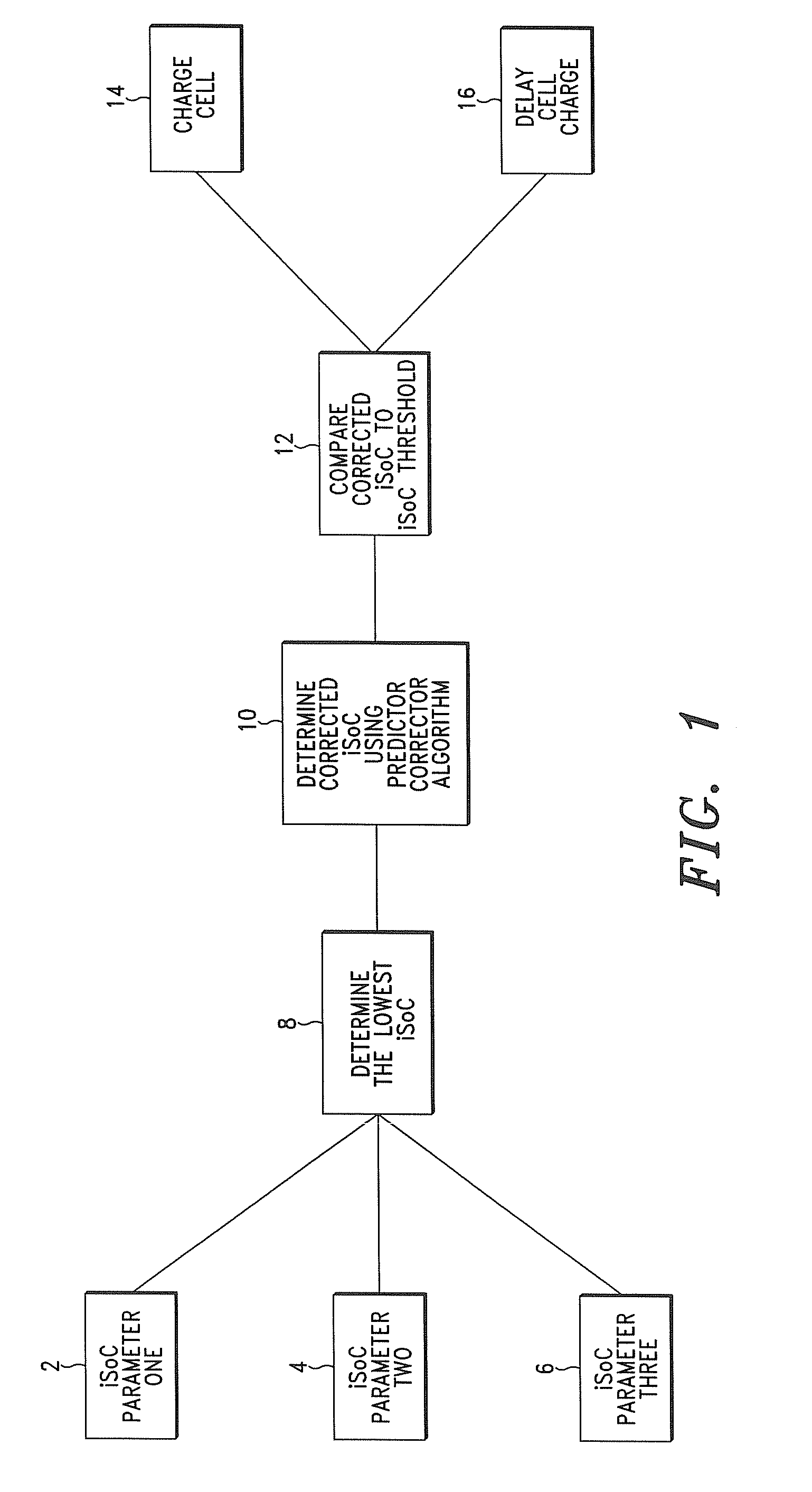
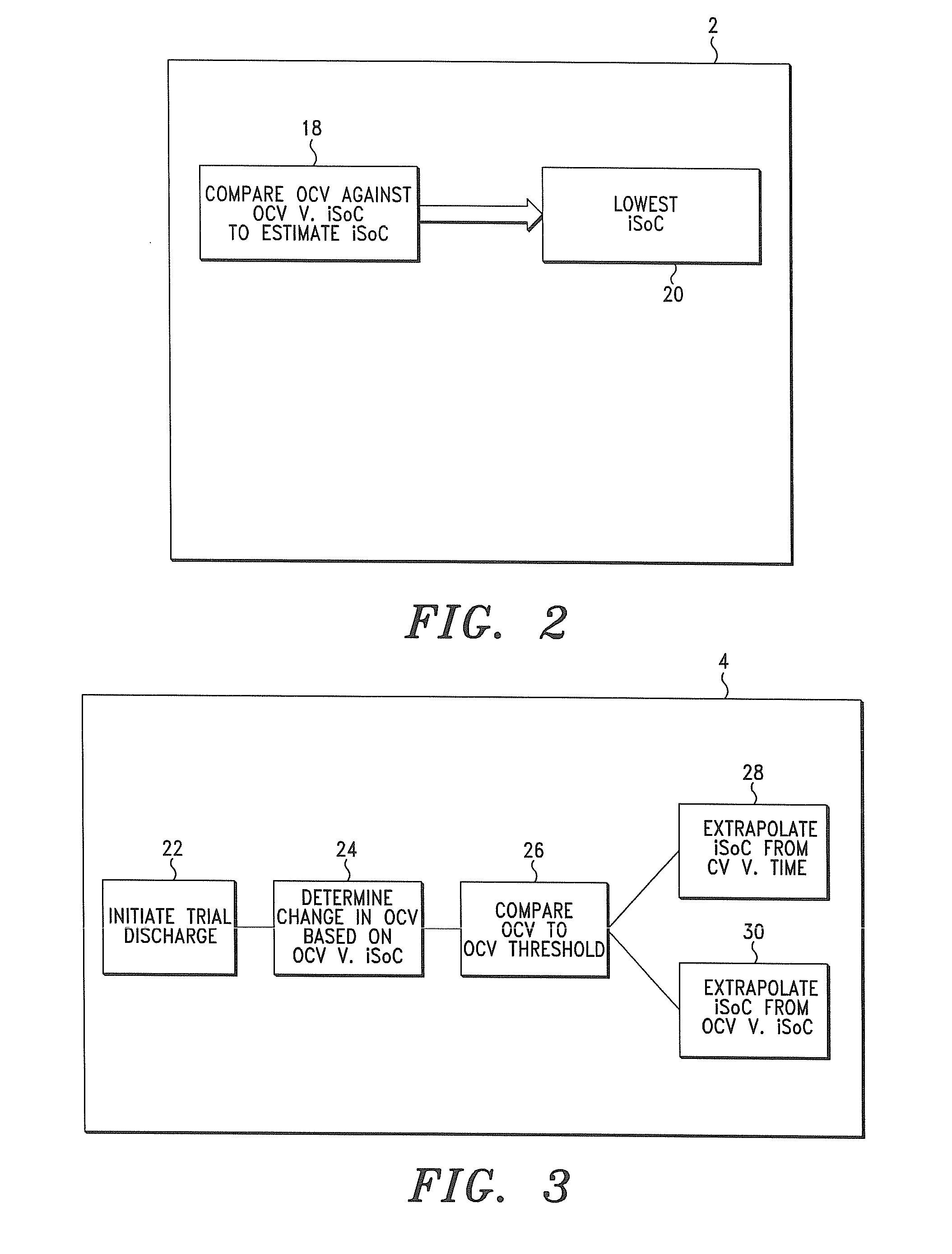
- A method and system that determine the initial state of charge (iSoC) by measuring time to constant voltage threshold, using a predictor-corrector algorithm to estimate iSoC, and modulating charge cycles to extend cell life, prevent aberrant chemistry changes, and provide accurate SoC feedback.

Cryogenic System Integration Considerations
The integration of cryogenic systems represents one of the most critical engineering challenges in optimizing charge cycles for superconducting magnetic storage systems. The fundamental requirement to maintain superconducting materials below their critical temperature, typically ranging from 4.2K for niobium-based systems to 77K for high-temperature superconductors, necessitates sophisticated thermal management architectures that directly impact charging efficiency and cycle optimization.
Thermal load management during charge cycles presents unique integration challenges. The dynamic nature of magnetic field changes during charging and discharging operations generates AC losses within the superconducting coils, creating time-varying heat loads that must be efficiently removed by the cryogenic system. These transient thermal effects can cause localized temperature fluctuations that affect the superconductor's current-carrying capacity and overall system stability.
The selection and integration of cryocoolers significantly influences charge cycle performance. Gifford-McMahon and pulse tube refrigerators offer different thermal response characteristics, with pulse tube systems providing vibration-free operation that minimizes mechanical disturbances to the magnetic field homogeneity. The cooling capacity must be carefully matched to both steady-state heat loads and the additional thermal burden imposed during rapid charge cycles.
Cryogenic system architecture directly affects charge optimization strategies. Multi-stage cooling systems enable temperature stratification, allowing different components to operate at their optimal thermal conditions. The thermal intercepts and heat exchangers must be designed to handle the increased heat generation during fast charging while maintaining temperature stability across the superconducting elements.
Integration considerations extend to the cryostat design and thermal isolation systems. The support structures, current leads, and instrumentation feedthroughs create thermal bridges that can compromise cooling efficiency. Advanced thermal isolation techniques, including superinsulation and low-thermal-conductivity support materials, become essential for maintaining the thermal budget required for optimal charge cycle performance.
The control integration between cryogenic systems and charge cycle management requires sophisticated feedback mechanisms. Real-time temperature monitoring and adaptive cooling control enable dynamic adjustment of charging parameters based on thermal conditions, ensuring that charge optimization does not compromise the cryogenic stability essential for superconducting operation.
Thermal load management during charge cycles presents unique integration challenges. The dynamic nature of magnetic field changes during charging and discharging operations generates AC losses within the superconducting coils, creating time-varying heat loads that must be efficiently removed by the cryogenic system. These transient thermal effects can cause localized temperature fluctuations that affect the superconductor's current-carrying capacity and overall system stability.
The selection and integration of cryocoolers significantly influences charge cycle performance. Gifford-McMahon and pulse tube refrigerators offer different thermal response characteristics, with pulse tube systems providing vibration-free operation that minimizes mechanical disturbances to the magnetic field homogeneity. The cooling capacity must be carefully matched to both steady-state heat loads and the additional thermal burden imposed during rapid charge cycles.
Cryogenic system architecture directly affects charge optimization strategies. Multi-stage cooling systems enable temperature stratification, allowing different components to operate at their optimal thermal conditions. The thermal intercepts and heat exchangers must be designed to handle the increased heat generation during fast charging while maintaining temperature stability across the superconducting elements.
Integration considerations extend to the cryostat design and thermal isolation systems. The support structures, current leads, and instrumentation feedthroughs create thermal bridges that can compromise cooling efficiency. Advanced thermal isolation techniques, including superinsulation and low-thermal-conductivity support materials, become essential for maintaining the thermal budget required for optimal charge cycle performance.
The control integration between cryogenic systems and charge cycle management requires sophisticated feedback mechanisms. Real-time temperature monitoring and adaptive cooling control enable dynamic adjustment of charging parameters based on thermal conditions, ensuring that charge optimization does not compromise the cryogenic stability essential for superconducting operation.
Grid Integration Standards for SMES Systems
The integration of Superconducting Magnetic Energy Storage (SMES) systems into electrical grids requires adherence to comprehensive standards that ensure safe, reliable, and efficient operation. Current grid integration standards for SMES systems are primarily governed by IEEE 1547 series standards, which establish fundamental requirements for distributed energy resources interconnection. These standards address voltage regulation, frequency response, and power quality parameters that SMES systems must maintain during grid-connected operation.
Power quality standards represent a critical aspect of SMES grid integration, particularly given the system's rapid charge-discharge capabilities. IEEE 519 standards define harmonic distortion limits that SMES power conditioning systems must observe to prevent grid contamination. The fast switching characteristics of SMES systems can potentially introduce high-frequency harmonics, necessitating sophisticated filtering and control mechanisms to comply with total harmonic distortion requirements typically limited to 5% for voltage and 8% for current.
Grid code compliance varies significantly across different regions and utility operators, creating challenges for standardized SMES deployment. European grid codes, such as those defined by ENTSO-E, emphasize fault ride-through capabilities and reactive power support, while North American standards focus more heavily on frequency regulation and voltage support functions. SMES systems must demonstrate capability to provide ancillary services including frequency regulation, voltage support, and spinning reserve according to regional grid code requirements.
Communication and control standards play an increasingly important role in SMES grid integration, with IEC 61850 emerging as the preferred protocol for substation automation and energy management systems. This standard enables real-time monitoring and control of SMES systems, facilitating coordinated operation with other grid assets and ensuring optimal charge cycle management based on grid conditions and economic signals.
Safety and protection standards specific to superconducting systems are still evolving, with existing electrical safety codes being adapted to address unique risks associated with cryogenic systems and high magnetic fields. The development of specialized protection schemes for SMES systems requires consideration of quench protection, cryogenic system failures, and electromagnetic field exposure limits, areas where current standards provide limited guidance and require further development to support widespread commercial deployment.
Power quality standards represent a critical aspect of SMES grid integration, particularly given the system's rapid charge-discharge capabilities. IEEE 519 standards define harmonic distortion limits that SMES power conditioning systems must observe to prevent grid contamination. The fast switching characteristics of SMES systems can potentially introduce high-frequency harmonics, necessitating sophisticated filtering and control mechanisms to comply with total harmonic distortion requirements typically limited to 5% for voltage and 8% for current.
Grid code compliance varies significantly across different regions and utility operators, creating challenges for standardized SMES deployment. European grid codes, such as those defined by ENTSO-E, emphasize fault ride-through capabilities and reactive power support, while North American standards focus more heavily on frequency regulation and voltage support functions. SMES systems must demonstrate capability to provide ancillary services including frequency regulation, voltage support, and spinning reserve according to regional grid code requirements.
Communication and control standards play an increasingly important role in SMES grid integration, with IEC 61850 emerging as the preferred protocol for substation automation and energy management systems. This standard enables real-time monitoring and control of SMES systems, facilitating coordinated operation with other grid assets and ensuring optimal charge cycle management based on grid conditions and economic signals.
Safety and protection standards specific to superconducting systems are still evolving, with existing electrical safety codes being adapted to address unique risks associated with cryogenic systems and high magnetic fields. The development of specialized protection schemes for SMES systems requires consideration of quench protection, cryogenic system failures, and electromagnetic field exposure limits, areas where current standards provide limited guidance and require further development to support widespread commercial deployment.
Unlock deeper insights with Patsnap Eureka Quick Research — get a full tech report to explore trends and direct your research. Try now!
Generate Your Research Report Instantly with AI Agent
Supercharge your innovation with Patsnap Eureka AI Agent Platform!