
Superconducting Magnetic vs. Flywheel Systems: Efficiency in Data Centers
MAR 7, 20269 MIN READ
Generate Your Research Report Instantly with AI Agent
Patsnap Eureka helps you evaluate technical feasibility & market potential.
Superconducting vs Flywheel Energy Storage Background and Objectives
The evolution of energy storage technologies in data centers has been driven by the exponential growth of digital infrastructure and the critical need for uninterrupted power supply. Traditional battery-based uninterruptible power supply (UPS) systems have dominated this space for decades, but their limitations in terms of lifespan, maintenance requirements, and environmental impact have prompted exploration of alternative solutions. The emergence of superconducting magnetic energy storage (SMES) and flywheel energy storage systems represents a paradigm shift toward more efficient, sustainable, and reliable power backup solutions.
Superconducting magnetic energy storage technology harnesses the unique properties of superconducting materials to store electrical energy in the magnetic field created by direct current flowing through a superconducting coil. This technology has evolved from laboratory curiosities in the 1970s to commercially viable systems capable of providing instantaneous power delivery with minimal energy loss. The development trajectory has been closely tied to advances in superconducting materials, cryogenic cooling systems, and power electronics, with significant breakthroughs occurring in high-temperature superconductors during the late 1980s and subsequent improvements in system integration.
Flywheel energy storage systems operate on the principle of storing kinetic energy in a rotating mass, typically housed in a vacuum chamber to minimize friction losses. The technology has progressed from mechanical applications in the early 20th century to sophisticated electromechanical systems incorporating advanced materials like carbon fiber composites and magnetic bearings. Modern flywheel systems can achieve rotational speeds exceeding 40,000 RPM while maintaining exceptional efficiency levels and providing rapid response times suitable for data center applications.
The primary objective of implementing these advanced energy storage technologies in data centers is to achieve superior efficiency compared to conventional battery systems while addressing critical operational challenges. Both SMES and flywheel systems offer virtually instantaneous response times, measured in milliseconds rather than seconds, which is crucial for protecting sensitive computing equipment from power disturbances. Additionally, these technologies aim to provide longer operational lifespans, reduced maintenance requirements, and improved environmental sustainability compared to chemical battery alternatives.
The efficiency targets for these systems in data center applications typically exceed 95% round-trip efficiency, with the goal of minimizing energy waste during charge-discharge cycles. Furthermore, the objective extends beyond mere energy storage to encompass power quality improvement, including voltage regulation and harmonic filtering capabilities that can enhance the overall electrical infrastructure performance of modern data centers.
Data Center UPS Market Demand Analysis
The global data center UPS market has experienced substantial growth driven by the exponential increase in digital infrastructure requirements and cloud computing adoption. Traditional UPS systems, primarily based on battery technologies, have dominated the market for decades. However, the emergence of advanced energy storage solutions, particularly superconducting magnetic energy storage and flywheel systems, is reshaping market dynamics and creating new demand patterns.
Data centers worldwide are facing unprecedented challenges in maintaining continuous power supply while optimizing operational efficiency and reducing total cost of ownership. The increasing power density of modern servers and the growing emphasis on sustainability have intensified the demand for more efficient UPS solutions. Organizations are actively seeking alternatives to conventional battery-based systems that can deliver superior performance, longer lifespan, and reduced maintenance requirements.
The market demand for superconducting magnetic energy storage systems in data centers is emerging as a premium segment, driven by facilities requiring ultra-high reliability and instantaneous power delivery. These systems appeal to mission-critical applications where power interruption costs far exceed the initial investment premium. Financial institutions, healthcare facilities, and high-frequency trading centers represent key demand drivers for this technology segment.
Flywheel-based UPS systems are experiencing accelerated market adoption due to their compelling value proposition in medium to large-scale data center deployments. The demand is particularly strong among operators seeking to eliminate battery replacement cycles and reduce long-term operational expenses. Colocation providers and hyperscale data center operators are increasingly evaluating flywheel solutions as viable alternatives to traditional battery systems.
Market demand patterns indicate a growing preference for hybrid approaches that combine multiple energy storage technologies to optimize both performance and cost-effectiveness. This trend reflects the industry's recognition that different applications may benefit from tailored solutions rather than one-size-fits-all approaches. The integration of renewable energy sources with data center operations is further driving demand for advanced UPS technologies capable of handling variable power inputs while maintaining grid stability.
Regional demand variations show developed markets leading adoption of advanced UPS technologies, while emerging markets continue to rely heavily on traditional solutions due to cost considerations and infrastructure constraints.
Current Status of Magnetic and Flywheel Energy Storage Technologies
Superconducting magnetic energy storage (SMES) technology has achieved significant maturity in laboratory environments and specialized applications. Current SMES systems utilize superconducting coils cooled to cryogenic temperatures, typically below 10 Kelvin, to store energy in magnetic fields with virtually zero resistance losses. Commercial SMES units are operational in power grid stabilization applications, with capacities ranging from 1 MW to 10 MW and discharge durations of seconds to minutes. The technology demonstrates exceptional round-trip efficiency exceeding 95% and response times in milliseconds, making it highly suitable for power quality applications.
However, SMES deployment faces substantial technical constraints, particularly the requirement for continuous cryogenic cooling systems. Current helium-based cooling infrastructure represents approximately 60-70% of total system costs and introduces operational complexity. Recent developments in high-temperature superconductors (HTS) using yttrium barium copper oxide (YBCO) have enabled operation at liquid nitrogen temperatures (77 Kelvin), significantly reducing cooling requirements and operational expenses.
Flywheel energy storage systems have reached commercial maturity with widespread deployment across various sectors. Modern flywheel systems employ carbon fiber composite rotors spinning at speeds up to 50,000 RPM in vacuum chambers, supported by magnetic bearings to minimize friction losses. Commercial installations demonstrate round-trip efficiencies of 85-90% with the capability to deliver power outputs ranging from 100 kW to several megawatts. The technology excels in applications requiring frequent charge-discharge cycles, with operational lifespans exceeding 20 years and minimal performance degradation.
Contemporary flywheel systems integrate advanced power electronics and motor-generator units that enable rapid response times comparable to SMES technology. Leading manufacturers have developed modular designs allowing scalable installations from single units to large arrays. The technology has proven particularly effective in data center uninterruptible power supply (UPS) applications, where its ability to bridge power gaps during generator startup provides critical infrastructure protection.
Both technologies face distinct technical challenges that influence their data center applicability. SMES systems require sophisticated cryogenic infrastructure and specialized maintenance protocols, while flywheel systems must address rotor containment safety requirements and bearing system reliability. Current research focuses on improving energy density for both technologies, with SMES pursuing higher magnetic field strengths and flywheel development concentrating on advanced composite materials and magnetic bearing optimization.
The integration of these technologies into data center environments requires careful consideration of space constraints, cooling infrastructure compatibility, and maintenance accessibility. Recent installations demonstrate successful deployment of both systems in mission-critical facilities, with selection criteria primarily determined by specific operational requirements, available infrastructure, and economic considerations rather than fundamental technical limitations.
Existing Energy Storage Solutions for Data Center Applications
01 Superconducting magnetic bearing systems for flywheel energy storage
Superconducting magnetic bearings can be integrated with flywheel systems to reduce friction losses and improve overall efficiency. These bearings utilize superconducting materials to create stable magnetic levitation, eliminating mechanical contact and associated energy losses. The implementation of high-temperature superconducting bearings enables flywheels to operate at higher rotational speeds with minimal energy dissipation, significantly enhancing the energy storage capacity and round-trip efficiency of the system.- Superconducting bearing systems for flywheel energy storage: Superconducting magnetic bearings can be integrated with flywheel systems to reduce friction losses and improve overall efficiency. These bearings utilize superconducting materials to create stable magnetic levitation, eliminating mechanical contact and associated energy losses. The contactless operation significantly enhances the rotational efficiency and extends the operational lifetime of flywheel energy storage systems.
- High-temperature superconducting materials for magnetic systems: High-temperature superconducting materials enable more efficient magnetic systems by operating at higher temperatures than conventional superconductors, reducing cooling requirements and energy consumption. These materials can be applied in various configurations to create stronger magnetic fields with lower power input, thereby improving the overall system efficiency. The use of such materials in energy storage and power systems represents a significant advancement in superconducting technology.
- Vacuum containment and thermal management systems: Efficient vacuum containment systems minimize air resistance and thermal losses in flywheel systems, while advanced thermal management ensures optimal operating temperatures for superconducting components. These systems incorporate specialized insulation materials and cooling mechanisms to maintain the necessary conditions for superconductivity. Proper thermal management is critical for maintaining system efficiency and preventing energy losses due to heat transfer.
- Hybrid energy storage systems combining superconducting and flywheel technologies: Integration of superconducting magnetic energy storage with flywheel systems creates hybrid configurations that leverage the advantages of both technologies. These systems can provide rapid response times, high power density, and extended energy storage capabilities. The combination allows for optimized energy management in applications requiring both short-term power delivery and longer-term energy storage.
- Control systems and power electronics for efficiency optimization: Advanced control systems and power electronics are essential for maximizing the efficiency of superconducting magnetic and flywheel systems. These systems monitor and regulate operational parameters such as rotational speed, magnetic field strength, and power conversion to minimize losses. Sophisticated algorithms and feedback mechanisms ensure optimal performance across varying load conditions and operational scenarios.
02 Cooling systems and thermal management for superconducting components
Efficient cooling systems are essential for maintaining superconducting materials at cryogenic temperatures in flywheel applications. Advanced cryogenic cooling methods and thermal insulation techniques minimize heat leakage and reduce the power consumption required for cooling. Optimized thermal management systems ensure stable operation of superconducting elements while maximizing the net energy efficiency of the integrated flywheel storage system.Expand Specific Solutions03 Hybrid energy storage systems combining superconducting magnets and flywheels
Hybrid configurations integrate superconducting magnetic energy storage with mechanical flywheel systems to leverage the advantages of both technologies. These systems can provide rapid power response from superconducting components while utilizing flywheels for sustained energy storage. The combination optimizes power density, energy density, and overall system efficiency for applications requiring both high power bursts and extended energy discharge capabilities.Expand Specific Solutions04 Advanced rotor designs and materials for high-efficiency flywheels
Innovative rotor configurations and composite materials enhance the energy storage capacity and mechanical efficiency of flywheel systems. High-strength carbon fiber composites and optimized geometric designs enable higher rotational speeds and greater energy density. These advanced rotors, when combined with superconducting magnetic suspension systems, minimize energy losses and improve the charge-discharge efficiency of the overall energy storage system.Expand Specific Solutions05 Control systems and power electronics for superconducting flywheel integration
Sophisticated control algorithms and power conversion systems optimize the interaction between superconducting magnetic components and flywheel mechanical systems. Advanced power electronics manage energy transfer with minimal conversion losses while maintaining system stability. Intelligent control strategies coordinate the operation of magnetic bearings, motor-generators, and energy storage elements to maximize overall system efficiency and extend operational lifetime.Expand Specific Solutions
Core Technologies in Superconducting Magnetic Energy Storage
A method of storing energy and a cryogenic energy storage system
PatentWO2007096656A1
Innovation
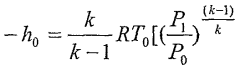
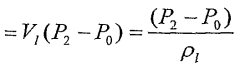
- A cryogenic energy storage system using a cryogenic working fluid, such as liquid air, that stores energy by pumping, heating, and expanding the cryogen to drive a turbine for electricity generation or propulsion, leveraging waste heat and ambient temperature for enhanced efficiency.


Energy Efficiency Standards and Grid Integration Requirements
Data centers implementing superconducting magnetic energy storage (SMES) and flywheel systems must comply with increasingly stringent energy efficiency standards established by regulatory bodies worldwide. The European Union's Code of Conduct for Energy Efficiency in Data Centres mandates Power Usage Effectiveness (PUE) targets below 1.4 for new facilities, while the U.S. Environmental Protection Agency's ENERGY STAR program requires comprehensive energy management systems. Both SMES and flywheel technologies contribute to meeting these standards through different mechanisms, with SMES offering instantaneous response capabilities that minimize grid disturbances and flywheel systems providing mechanical energy storage with high cycle efficiency.
Grid integration requirements for energy storage systems in data centers have evolved to address power quality, frequency regulation, and demand response capabilities. SMES systems excel in grid stabilization applications due to their ability to inject or absorb reactive power within milliseconds, making them particularly valuable for facilities connected to unstable grid networks. The IEEE 1547 standard governs interconnection requirements, specifying voltage ride-through capabilities and anti-islanding protection that both technologies must satisfy.
Flywheel systems face distinct integration challenges related to their mechanical nature and power conversion requirements. Grid codes increasingly demand advanced power electronics interfaces that can provide seamless transitions between charging and discharging modes while maintaining power factor correction. The systems must demonstrate compliance with harmonic distortion limits typically below 5% total harmonic distortion (THD) as specified in IEEE 519 standards.
Emerging regulations focus on carbon footprint reduction and renewable energy integration, creating new opportunities for both technologies. SMES systems support higher renewable penetration rates through their superior frequency response characteristics, while flywheel systems offer longer discharge durations suitable for load shifting applications. Future standards are expected to incorporate lifecycle carbon assessments and grid services monetization frameworks, potentially favoring technologies that provide multiple grid support functions beyond basic energy storage.
Thermal Management and Cooling System Integration Challenges
Thermal management represents one of the most critical challenges when integrating superconducting magnetic energy storage (SMES) and flywheel energy storage systems into data center environments. Both technologies generate substantial heat during operation, requiring sophisticated cooling solutions that must be carefully coordinated with existing data center thermal infrastructure.
SMES systems present unique thermal challenges due to their cryogenic requirements. Superconducting coils must be maintained at extremely low temperatures, typically below 77K for high-temperature superconductors or 4K for conventional superconductors. This necessitates continuous cryogenic cooling systems that consume significant power and generate heat as a byproduct. The thermal isolation required to maintain these low temperatures creates additional complexity in system integration, as any thermal bridge can dramatically increase cooling loads and reduce overall system efficiency.
Flywheel systems face different but equally challenging thermal management issues. High-speed rotation generates heat through bearing friction and aerodynamic losses, even in vacuum-sealed enclosures. The power electronics and magnetic bearings used in modern flywheel systems also produce substantial heat that must be dissipated effectively to maintain operational reliability and efficiency.
Integration with existing data center cooling infrastructure poses significant challenges for both technologies. Data centers typically employ hot aisle/cold aisle configurations optimized for IT equipment cooling, with supply air temperatures around 18-27°C. SMES systems require dedicated cryogenic cooling circuits that operate independently of facility cooling systems, potentially creating thermal interference zones where waste heat from cryocoolers impacts nearby IT equipment performance.
Flywheel systems can be more readily integrated with existing cooling infrastructure, but their heat rejection patterns differ significantly from traditional IT loads. The concentrated heat generation from rotating machinery requires targeted cooling solutions that may not align with distributed cooling approaches used for server racks.
Cooling system redundancy becomes particularly complex when integrating these energy storage technologies. SMES systems require uninterrupted cryogenic cooling to prevent quench events that could damage superconducting coils and compromise system availability. This necessitates redundant cryocoolers and backup cooling systems that add to facility complexity and power consumption.
The interaction between energy storage system cooling and data center power usage effectiveness (PUE) metrics requires careful consideration. While both SMES and flywheel systems can improve overall data center efficiency through better power quality and reduced UPS losses, their cooling requirements can negatively impact PUE if not properly integrated with facility thermal management strategies.
Unlock deeper insights with Patsnap Eureka Quick Research — get a full tech report to explore trends and direct your research. Try now!
Generate Your Research Report Instantly with AI Agent
Supercharge your innovation with Patsnap Eureka AI Agent Platform!